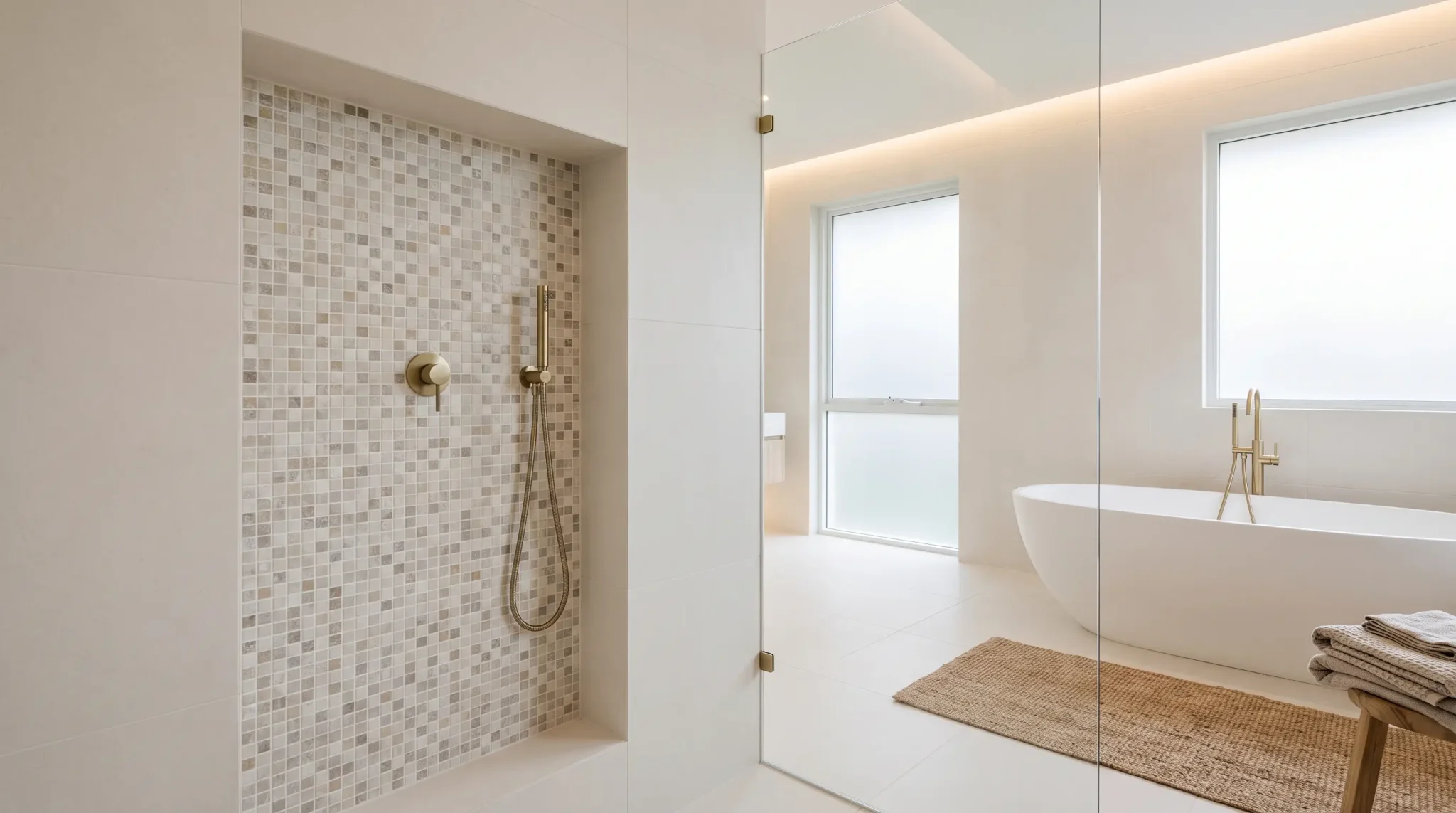
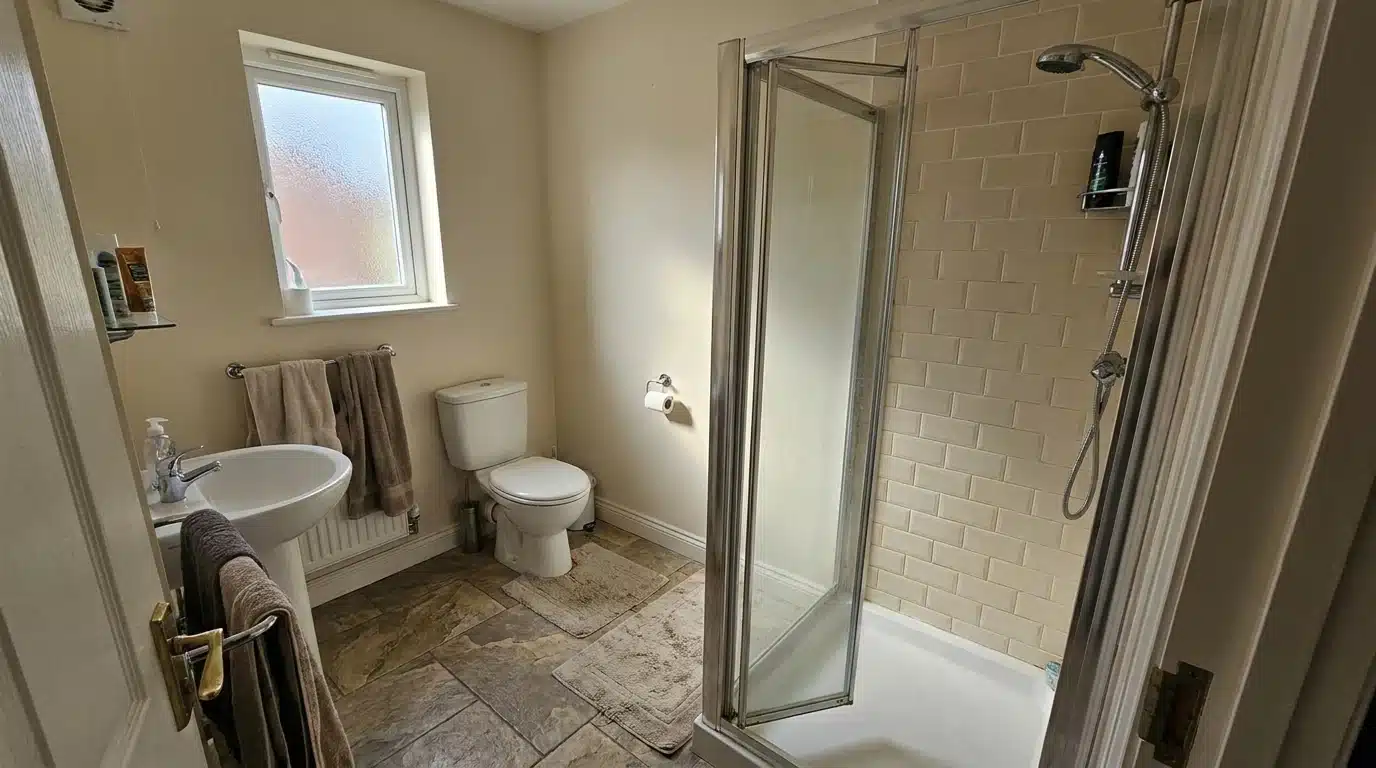
You swapped the bulb. But the room still feels wrong. Maybe it is too harsh. Maybe too dim. Maybe it just feels off, and you cannot quite say why. Most people pick light bulbs based on wattage.
They grab whatever fits the socket and move on. But the color of your bulb matters just as much as its brightness. Light bulb colors change how a room looks, how it feels, and even how you sleep.
This guide covers everything you need to know about light bulb color temperature so you can stop guessing and start picking bulbs that actually work for your home.
What Are Light Bulb Colors?
Light bulb colors refer to the tone of light a bulb puts out, ranging from a warm yellow glow to a bright, cool white. This tone is measured in Kelvin (K), not the physical color of the glass or coating on the bulb.
Every bulb package lists a Kelvin number, and that number tells you exactly what kind of light you will get in your room. A 2700K bulb feels warm and soft like candlelight.
A 5000K bulb looks crisp and close to outdoor daylight. Getting this right is the single biggest factor in whether a room feels comfortable or just plain wrong.
What Is Light Bulb Color Temperature?
Color temperature tells you how warm or cool a light source looks. The number on your bulb package is your guide. Lower numbers mean warmer, more yellow light. Higher numbers mean cooler, more blue-white light. Here is a quick breakdown:
- 2700K: Soft, warm yellow light. Feels cozy and calm.
- 3000K: Slightly brighter warm white. Still relaxing, but a little crisper.
- 3500K to 4100K: Neutral white. Clean and balanced, not too warm or cool.
- 5000K: Bright white. Close to natural daylight. Great for reading.
- 6500K: Cool, blue-white light. Used in workshops and commercial spaces.
The Kelvin Scale Explained
The Kelvin scale measures the color tone of light across a range from 1000K to 10,000K, but for everyday home use the practical window is 2700K to 6500K.
Lower numbers give you warm, yellowish light while higher numbers give you bright, daylight-style white. The scale does not measure brightness at all. That is a separate number called lumens.
Two bulbs at the same Kelvin can be completely different in terms of how much light they put out. When you shop, always check both the Kelvin number for color and the lumens number for brightness.
Getting only one right is half the job.
Types of Light Bulb Colors and Their Uses
Not all light is the same, and choosing the wrong color for a space can make even a well-designed room feel completely off. Each color range serves a different purpose, so knowing what you are working with before you buy saves a lot of frustration.
1. Warm White (2700K to 3000K)
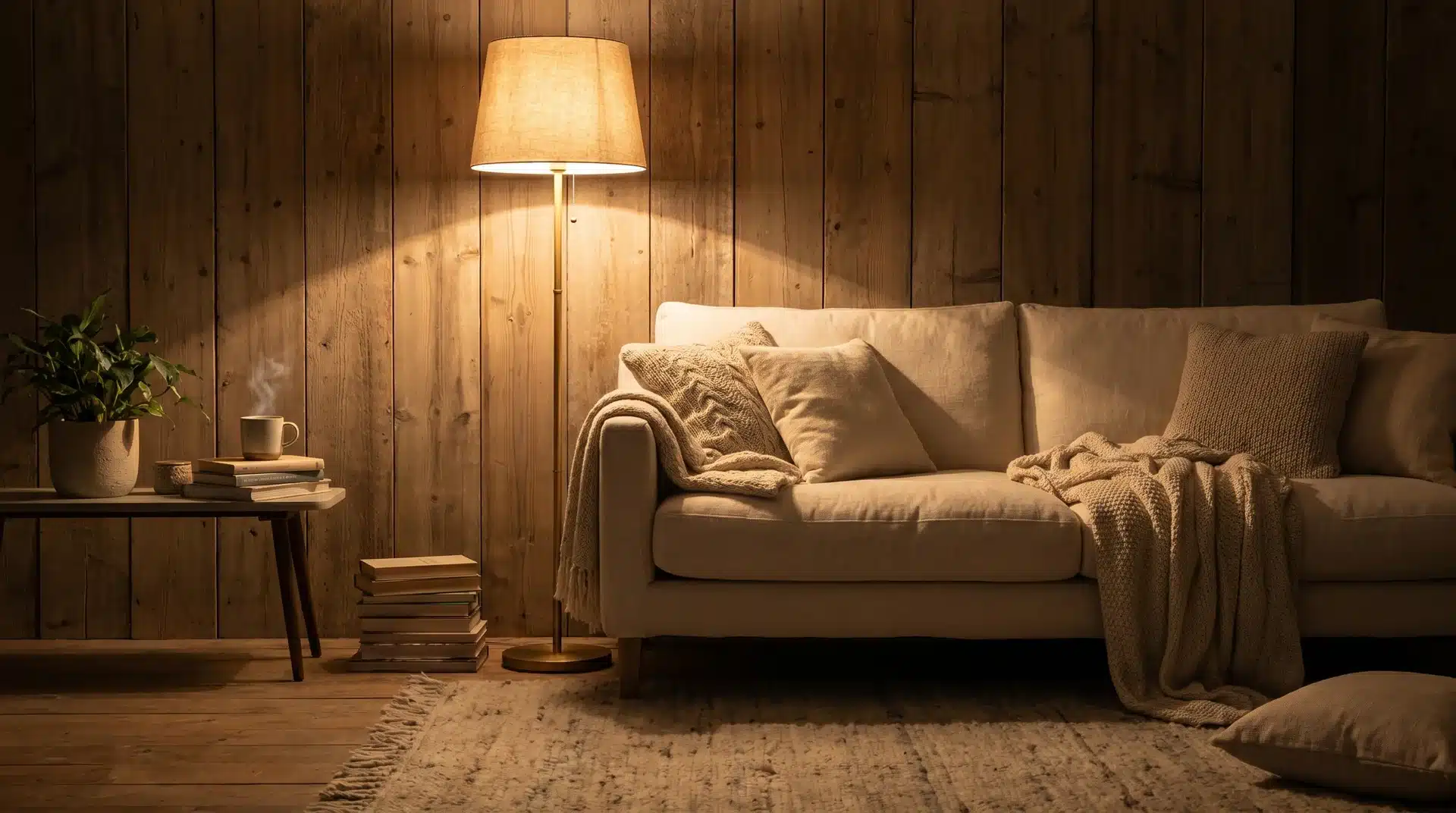
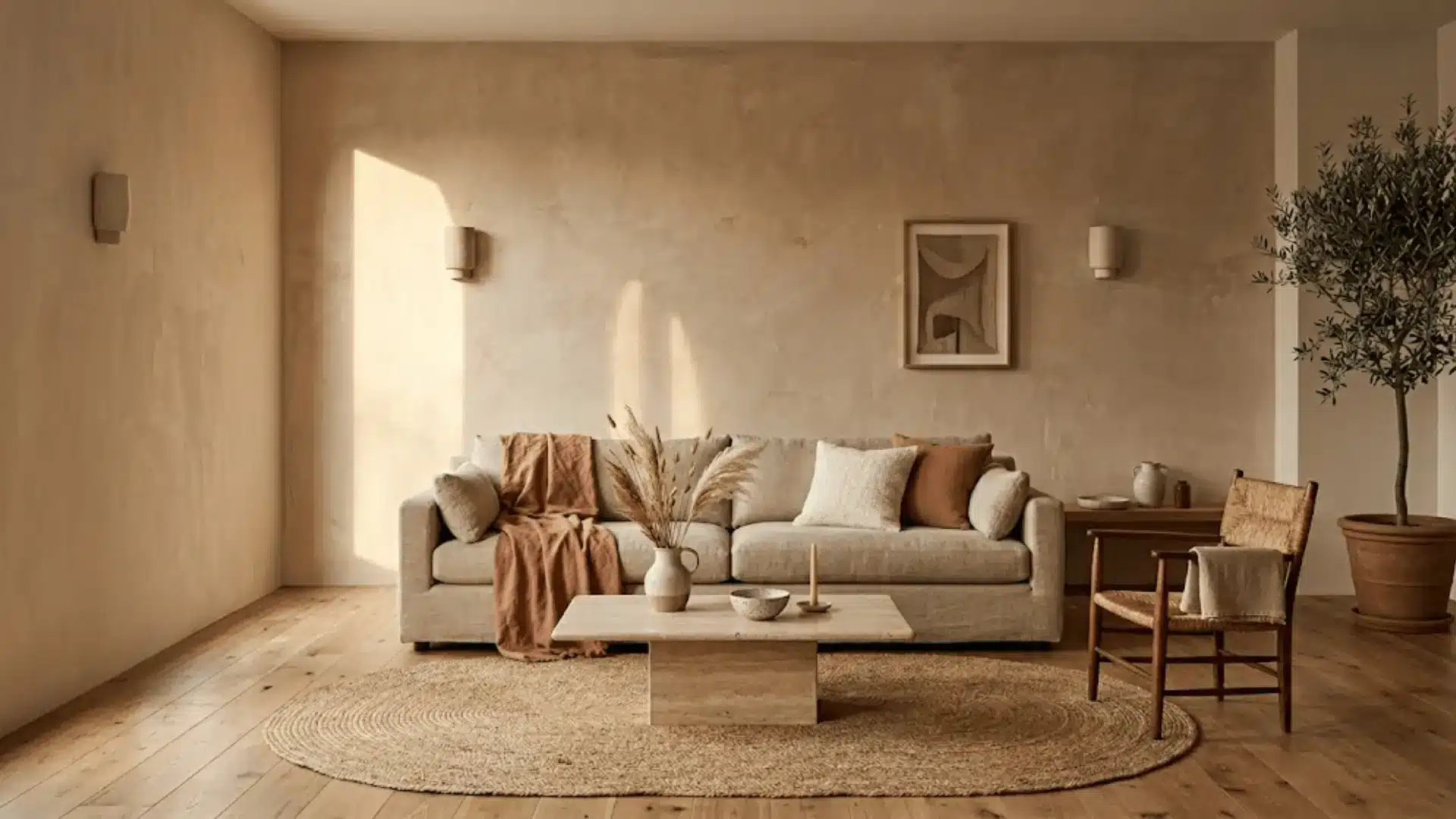
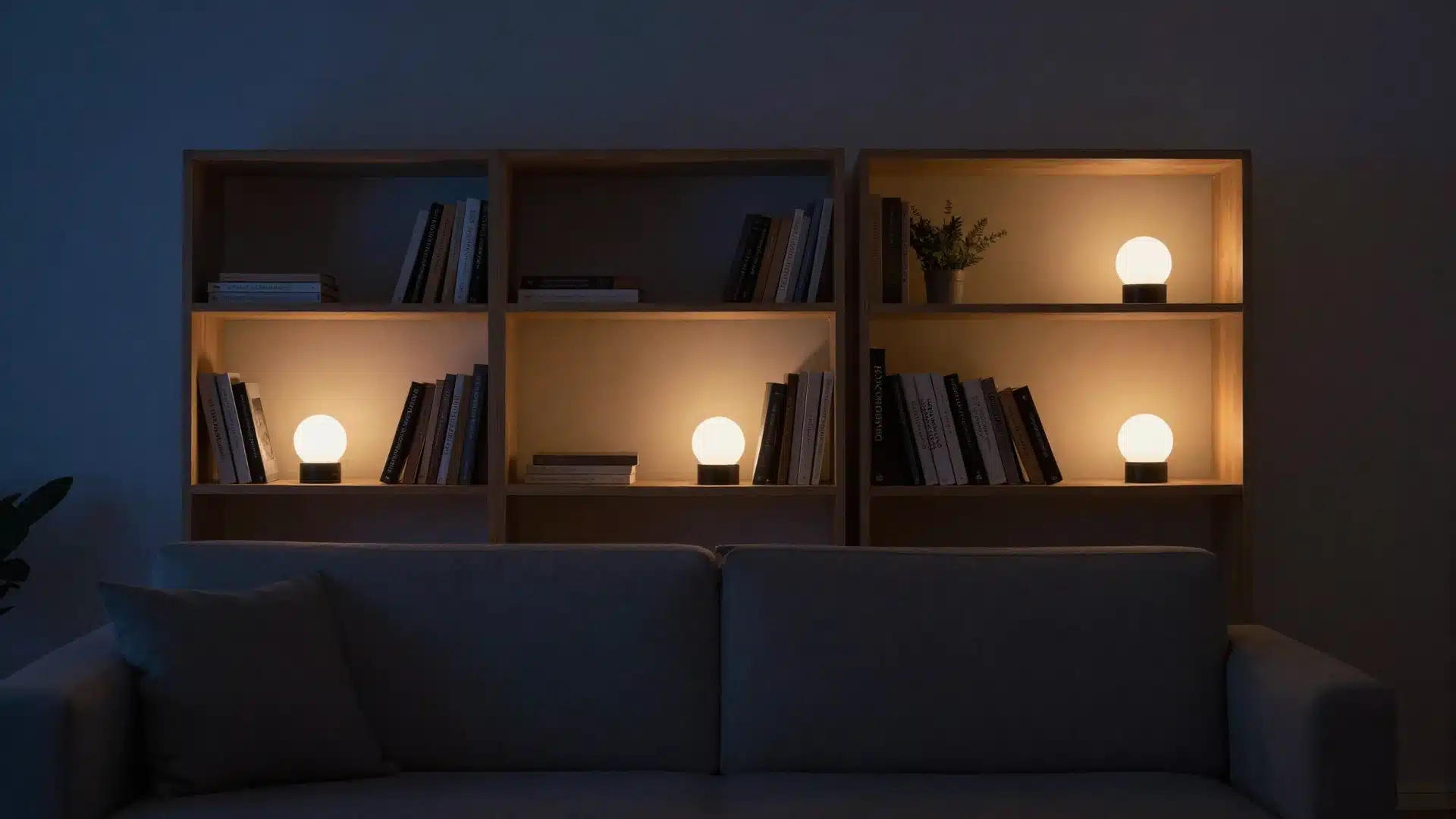
Warm white is the most popular choice for living rooms, bedrooms, and dining areas. It produces a soft, yellow-white light that feels comfortable and easy on the eyes.
- Creates a relaxed, welcoming atmosphere
- Works well with wood tones, earthy colors, and warm wall paint
- Best for: bedrooms, living rooms, dining rooms, hallways
- Not ideal for: task-heavy areas where you need clear visibility
2. Neutral White (3500K to 4100K)
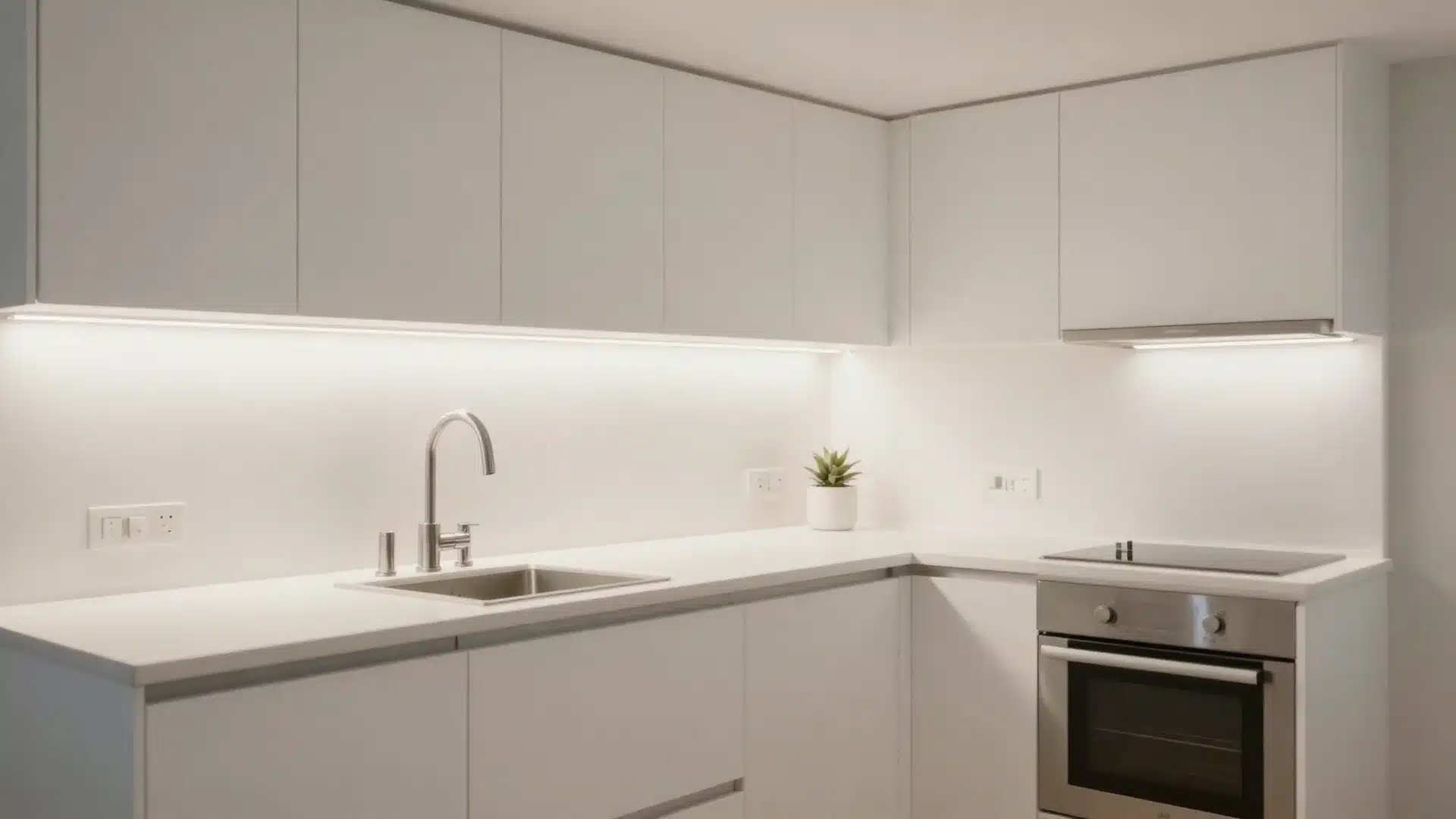
Neutral white sits between warm and cool. It looks clean and clear without feeling cold. It is a safe, balanced choice for rooms that need to be both functional and comfortable.
- Balanced light that works for a wide range of rooms
- Shows colors accurately without distorting them
- Best for: kitchens, bathrooms, home offices, retail spaces
- Works especially well in rooms with white or light gray walls
3. Daylight (5000K to 6500K)

Daylight bulbs produce a bright, blue-white light that closely matches outdoor sunlight. They keep you alert and make it easier to see fine details.
- Creates a sharp, high-visibility environment
- Good for spaces where precision matters
- Best for: garages, workshops, reading nooks, makeup areas
- Can feel harsh and clinical in relaxing spaces like bedrooms
4. Specialty and Colored Bulbs
These bulbs produce red, blue, green, or other colored light rather than white light. They work for accent lighting, outdoor settings, or creative displays. Smart RGB bulbs let you switch between colors using an app. They are not suited for general lighting where you need to see clearly.
Warm White vs. Cool White vs. Daylight
If you have ever stood in the lighting aisle staring at boxes and second-guessing yourself, this side-by-side comparison will help you decide faster. These three categories cover most of what you will find in any hardware store.
| Feature | Warm White | Cool White (Neutral) | Daylight |
|---|---|---|---|
| Kelvin Range | 2700K to 3000K | 3500K to 4100K | 5000K to 6500K |
| Light Tone | Yellow-white | Clean white | Blue-white |
| Best Use | Relaxation spaces | Work and everyday use | Detail and task work |
| Mood Created | Cozy, calm | Focused, balanced | Alert, sharp |
| Common Rooms | Bedroom, living room | Kitchen, bathroom, office | Garage, workshop, studio |
A simple rule: the more you need to see clearly, the higher the Kelvin. The more you want to relax, the lower the Kelvin.
How Light Bulb Color Affects Your Room
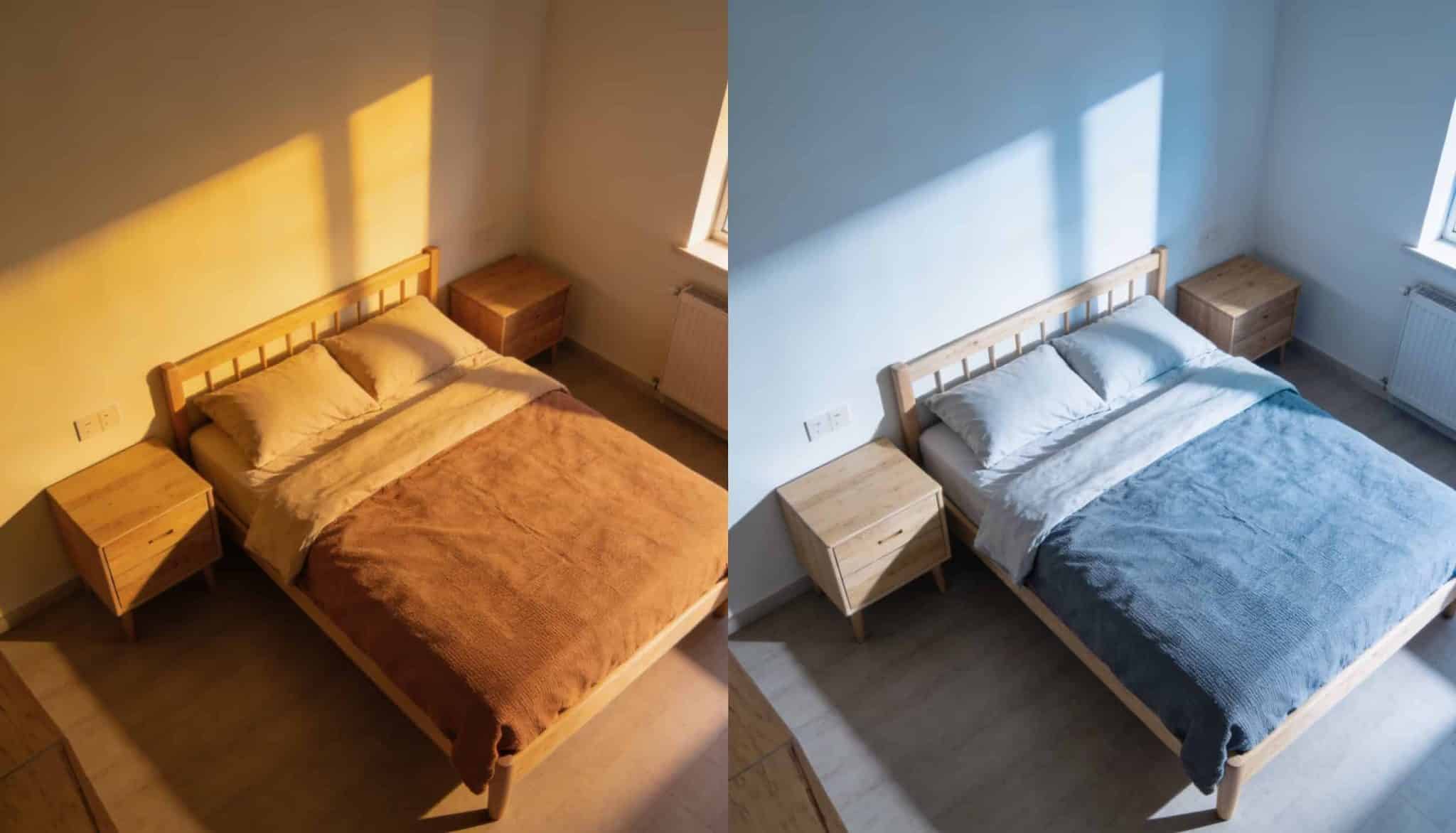
Changing a bulb is one of the lowest-cost updates you can make to a room, yet it has a bigger impact than most people expect. The right light bulb color temperature does not just change visibility. It shifts the entire feel of a space.
1. It Changes How Wall and Furniture Colors Look
Warm light makes red, orange, and yellow tones look richer and more saturated. Cool light brings out blues and greens more clearly. Neutral light shows colors closest to how they look in natural daylight. If you are picking wall paint and bulbs at the same time, test them together before committing to either.
2. It Changes How Big or Small a Room Feels
Warm light tends to make a room feel smaller and more enclosed, which can work well in a cozy den or reading corner. Cooler, brighter light pushes the visual space outward and makes a room feel more open and wide. A basement with no windows benefits from cooler bulbs for this reason.
3. It Shows or Hides Imperfections
Cool and daylight bulbs pick up dust, stains, and surface marks more clearly. Warm light softens textures and makes minor flaws less visible. This is why most photographers and home stagers lean toward neutral to warm lighting when they want a space to look its best.
4. It Affects Your Energy and Focus
Warm light slows the brain down. It signals that the day is wrapping up, which helps with relaxation and sleep. Cool and daylight light does the opposite.
It keeps you alert and focused, which is why offices and study spaces use cooler bulbs. This connection between light color and energy is one of the most practical reasons to get your bulb choices right.
Choosing the Right Light Bulb Color for Each Room
Picking the right bulb comes down to what you do in a room and how you want it to feel. Here is a quick room-by-room guide:
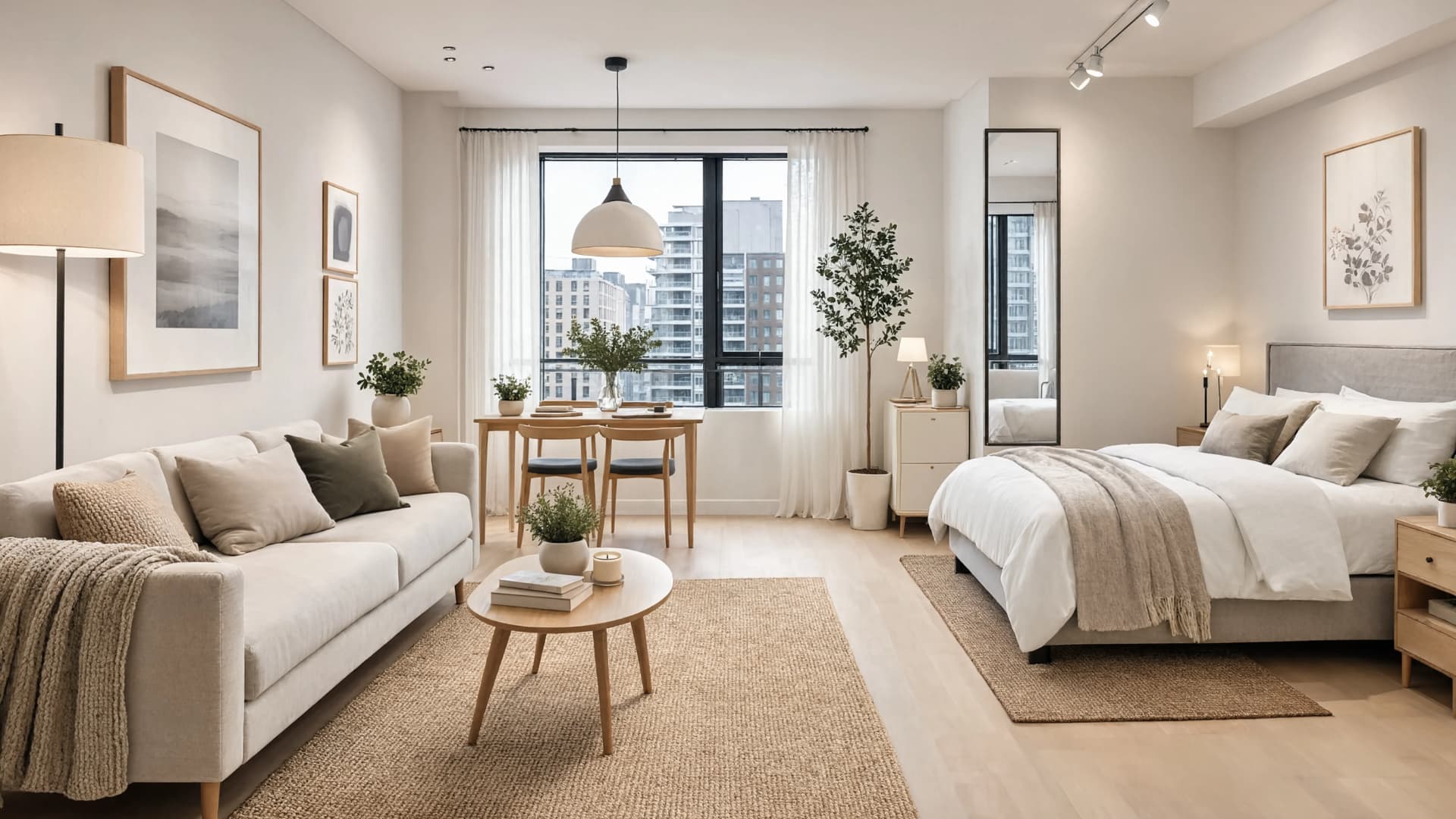
- Bedroom: 2700K to 3000K. Promotes calm and rest. Avoid cool or daylight bulbs, which can keep you awake.
- Living Room: 2700K to 3000K for ambient lighting. Add a 4000K bulb for any reading lamp or task light.
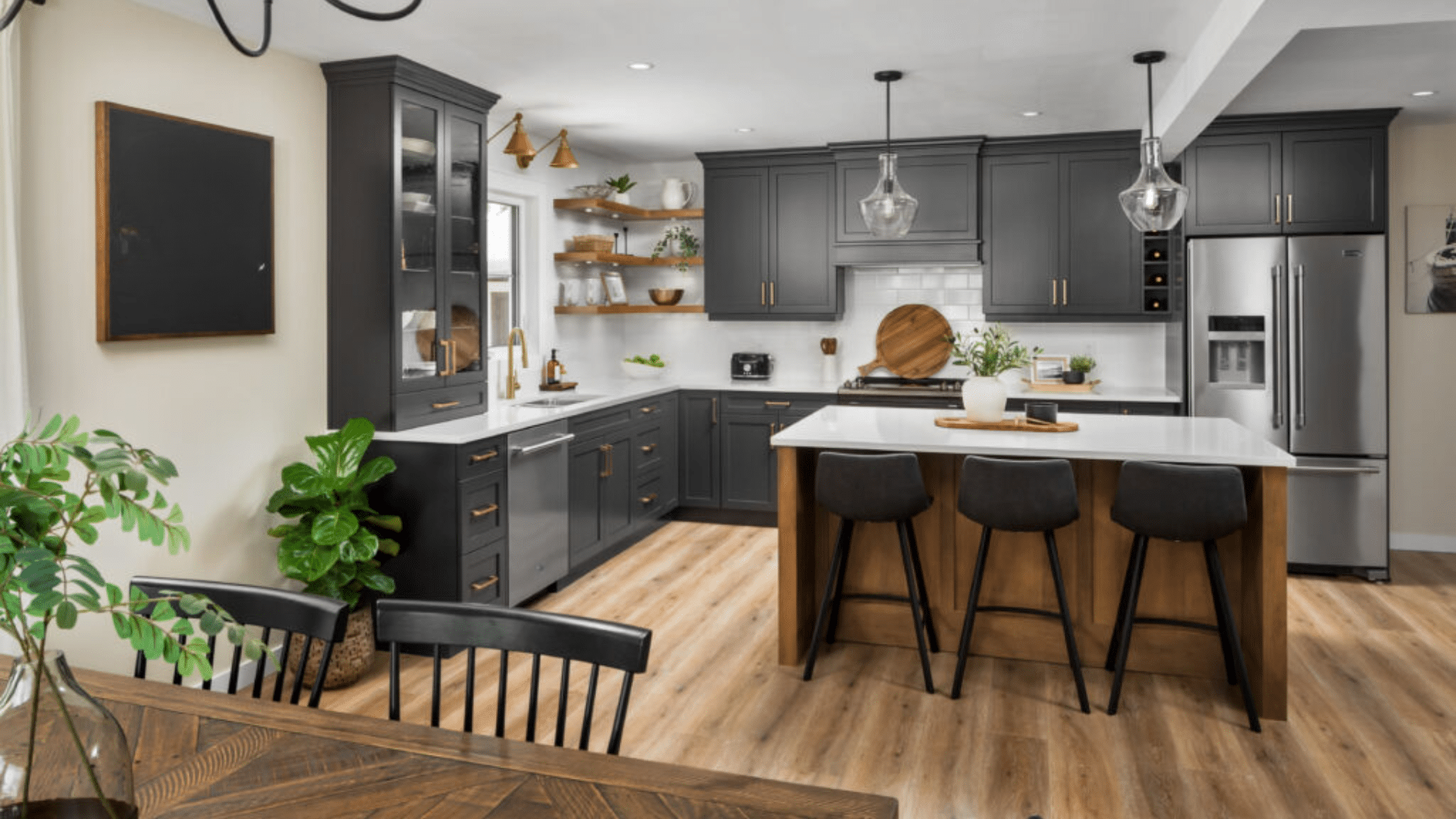
- Kitchen: 3000K to 4000K. Warm enough to feel welcoming, bright enough to see food clearly.
- Bathroom: 3000K to 4000K. Clear light for grooming without making skin tones look washed out.
- Home Office or Study: 4000K to 5000K. Keeps you sharp and reduces eye strain during long work sessions.
- Garage or Workshop: 5000K to 6500K. Maximum clarity for tools, repairs, and detailed work.
- Dining Room: 2700K to 3000K. Warm light makes food look more appealing and creates a welcoming table setting.
Light Bulb Colors and Mood
Light has a direct effect on how you feel in a space. Warm bulbs (2700K to 3000K) slow you down and signal the brain to relax, which is why restaurants and hotels use them.
Cool and neutral bulbs (4000K and above) sharpen focus and boost alertness, which suits workspaces.
Daylight bulbs (5000K and above) mimic outdoor sunlight and can lift mood in rooms with little natural light, making them a common choice for spaces where people feel sluggish or low-energy, especially during the shorter days of winter.
Light Bulb Color vs. Bulb Brightness
These two things get confused at the store constantly, and mixing them up leads to bad buying decisions. They measure completely different things, and you need both numbers to choose the right bulb.
| Factor | What It Measures | Unit | What to Look For |
|---|---|---|---|
| Color Temperature | The tone or warmth of the light | Kelvin (K) | Lower K = warmer, higher K = cooler |
| Brightness | How much light the bulb puts out | Lumens (lm) | More lumens = more light in the room |
| Wattage | How much energy the bulb uses | Watts (W) | Lower watts with high lumens = more efficient |
A bulb can be bright and still produce warm light. Always check both Kelvin and lumens on the package. Do not rely on wattage alone.
Quick Reference: 450 lumens is roughly a 40W equivalent. 800 lumens matches a 60W bulb. 1600 lumens replaces a 100W incandescent.
LED, CFL, and Incandescent: Does Bulb Type Affect Color?
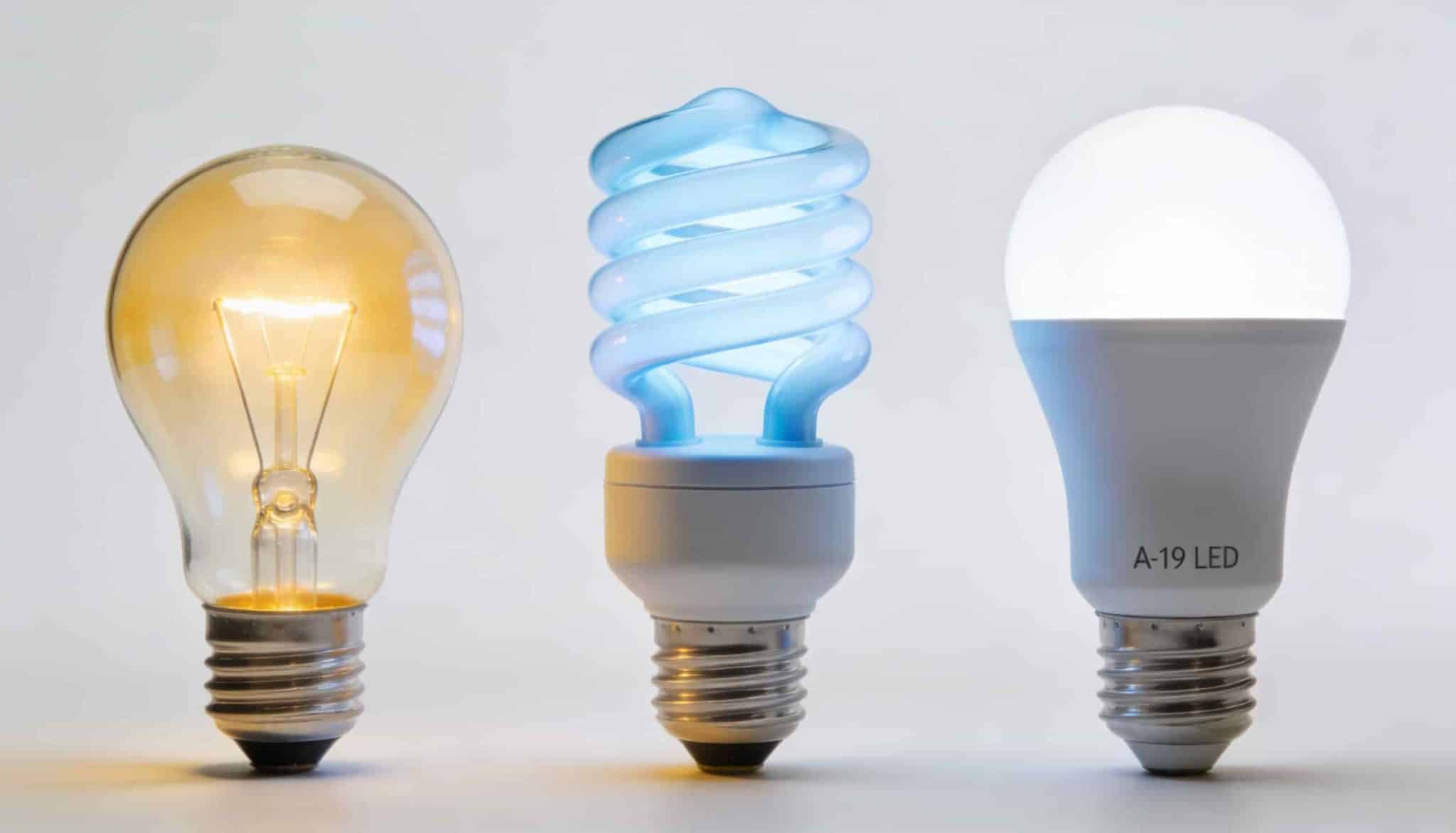
Yes, the type of bulb affects both the color range available and how consistent that color stays over time. Here is what you need to know about each:
Incandescent Bulbs
- Naturally produce warm light at around 2700K
- Limited color range, no cooler options available
- Being phased out in the US due to energy use requirements
- Color is consistent but the bulb burns out faster than LED
CFL (Compact Fluorescent) Bulbs
- Available in a range of Kelvin options from warm to daylight
- Can look slightly uneven or greenish in some fixtures
- Slow to reach full brightness after switching on
- Less common now as LED has taken over most of the market
LED Bulbs
- Most flexible option with Kelvin ranges from 2700K to 6500K and beyond
- Color stays consistent over the life of the bulb
- Energy-efficient, long-lasting, and widely available
- Best choice for most homes today across all room types
Smart Bulbs
- Let you change color temperature using an app or voice control
- Some offer the full range from warm white to daylight in one bulb
- Useful for rooms that serve different purposes at different times of day
- Higher upfront cost but flexible enough to replace multiple fixed-color bulbs
Which Light Color Is Right for You?
Start with the purpose of the room. If you rest, eat, or socialize there, warm white (2700K to 3000K) is almost always the right starting point.
If you work, read, or need strong visibility, neutral or daylight (4000K and above) will serve you better. Rooms that serve more than one purpose, like a home office that doubles as a guest room, are worth the investment in a smart bulb that lets you switch between temperatures.
Buy one bulb first. Live with it for a day or two. Then stock up once you are sure. The right call is always the one that fits how you actually use the space, not just how it looks in the store.
Wrapping It Up
Light bulb colors are one of the most overlooked parts of home design, but they make a real difference in how every room in your house looks and feels. Warm bulbs create comfort. Cooler bulbs drive focus.
The right light bulb color temperature for your bedroom is very different from what works in your kitchen or workshop.
Now that you understand the Kelvin scale, you can stop grabbing any bulb off the shelf and start choosing one that actually fits the space. Try one bulb first. Check how it changes the room. Then go from there.
Which room in your home needs a lighting change the most? Tell us in the comments below.
Frequently Asked Questions
Which Color Light Is Good For Eyes?
Warm white light in the 2700K to 3000K range is the easiest on your eyes, especially for evening reading and long hours of indoor use.
What Color Light Damages Eyes?
High-intensity blue-white light above 5000K, particularly from screens and cool LED bulbs used at close range for long periods, puts the most strain on your eyes.
What Is the Difference Between Kelvin and Cri?
Kelvin measures the color temperature of light (warm or cool), while CRI (Color Rendering Index) measures how accurately a bulb shows the true colors of objects in the room.
What Color Lights Reduce Anxiety?
Warm, dim light in the 2700K to 3000K range has a calming effect and is commonly used in relaxation spaces to lower stress and promote a sense of ease.