Most homeowners mow when the lawn starts looking untidy. A few weeks pass, the grass gets long, and out comes the mower. To most people, it feels productive and smart, but this approach actually works against your lawn.
Mowing frequency has a direct impact on how healthy your grass is. When done right, your lawn becomes thicker, greener, and more resistant to weeds and disease. Get it wrong, and you’re stressing the grass every single time you cut.
This blog explains why mowing is fundamental to lawn health, what mowing frequencies are appropriate for different conditions, and how you can replace this labor-intensive routine with modern robotic lawn mowers.
How Grass Actually Grows
Unlike most plants, grass doesn’t grow from the tip; it grows from the base, at a point called the meristem. This means cutting the top of the blade doesn’t kill the plant because grass keeps pushing upward from below.
What Triggers Thicker Grass?
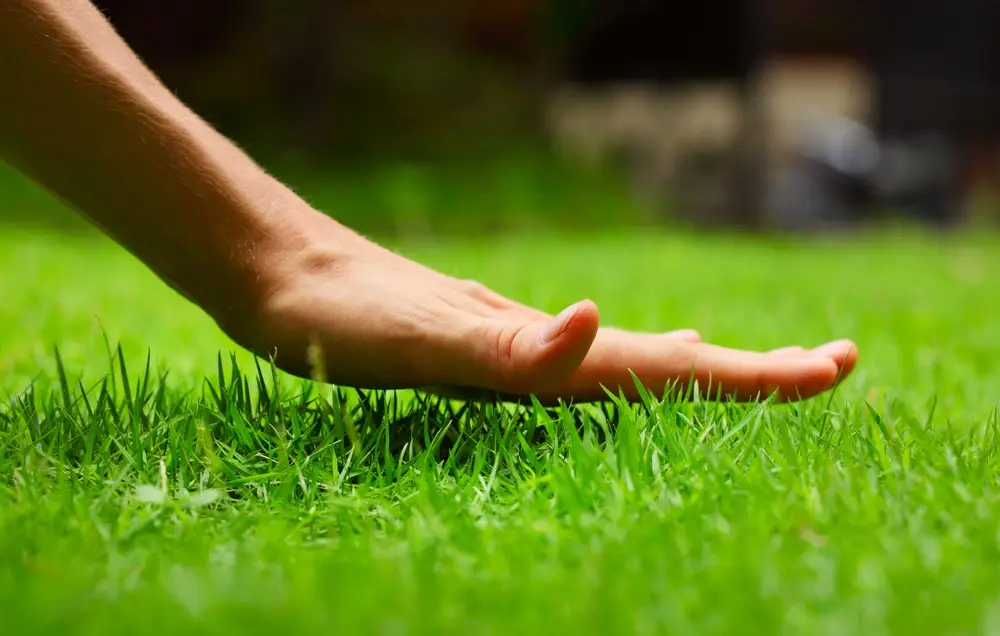
When a grass blade is cut, the plant responds by producing new lateral shoots; growth that spreads sideways rather than just upward. More shoots mean more blades, and more blades mean a denser lawn.
Vertical vs. Lateral Growth
Left uncut, grass puts most of its energy into growing tall. Regular cutting redirects that energy sideways. The result is a lawn that looks thicker and is more resistant to weeds simply because there’s less open space for them to take hold.
The One-Third Rule: Why It Changes Everything
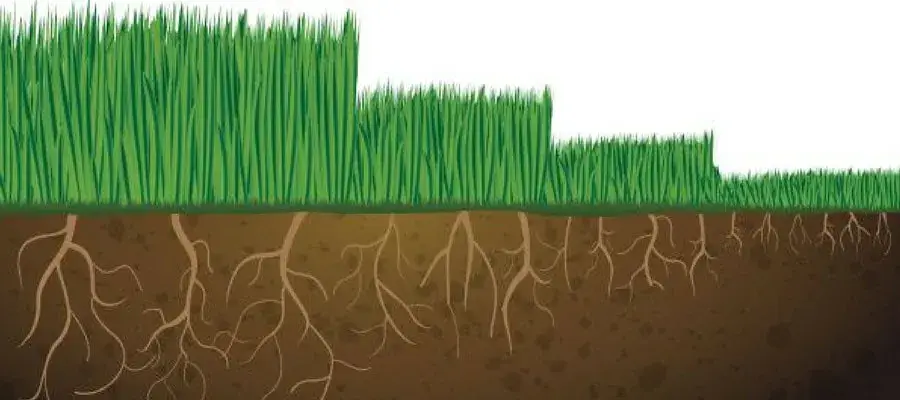
There’s one rule in lawn care that matters more than any other: never cut more than one-third of the grass blade in a single mowing. For example, if your grass is 3 inches tall, don’t cut more than 1 inch off. If it’s 4 inches tall, take no more than an inch and a half.
What Happens When You Cut Too Much at Once?
Removing more than a third of the blade in one go puts the grass under stress. The plant loses too much of its leaf area too quickly, which limits its ability to photosynthesise. You’ll often see this as browning or yellowing shortly after mowing, commonly called scalping.
The grass then diverts energy away from root development to try to recover its leaf area as quickly as possible. Roots suffer, and the lawn weakens.
How Does Frequent Mowing Solve This?
When you mow regularly, the grass never gets long enough to put you in a position where you have to cut too much at once. You’re always making small, manageable cuts, I mean, the one-third rule is easy to follow every time.
The Real Benefits of Mowing More Often
Frequent mowing isn’t just about keeping up appearances. The physical effect it has on grass health is measurable.
Thicker Turf
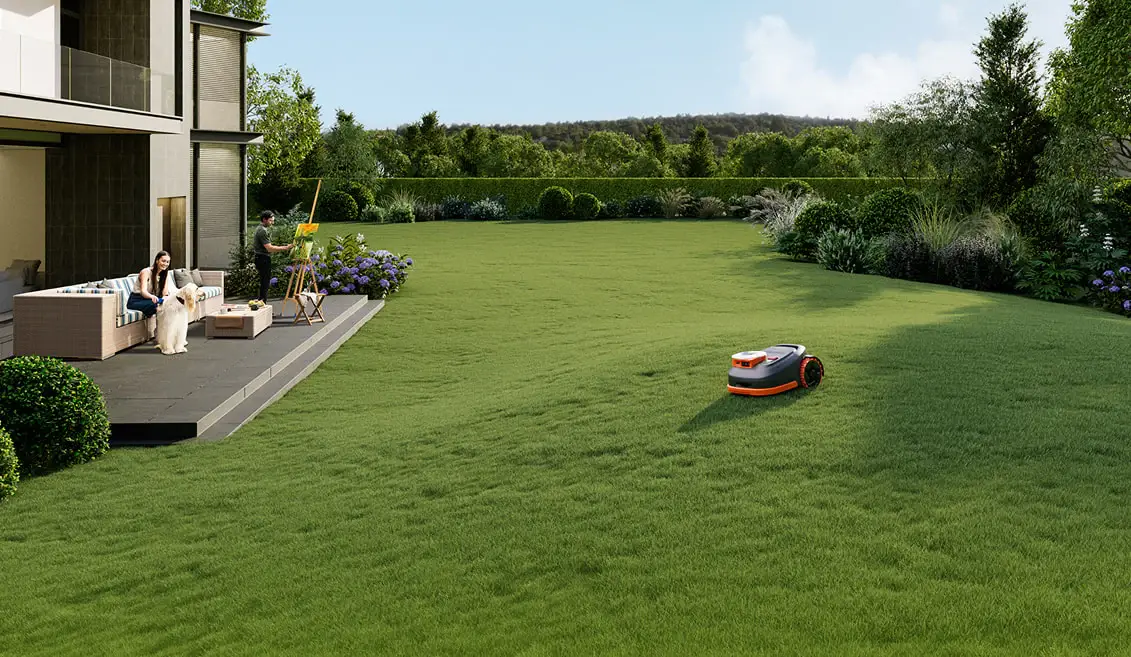
Each grass cut stimulates lateral shoot production. More frequent cuts mean more regular stimulation, which means a consistently denser lawn over time.
Natural Weed Suppression
A thick lawn is one of the best defences against weeds. When grass grows closely together, there’s less bare soil exposed for weed seeds to germinate in. Regular mowing keeps that density up.
Faster Nutrient Return
When you mow frequently, the clippings left on the lawn are short. Short clippings break down quickly and return nitrogen and potassium back into the soil, acting as a light, natural feed. This process is called grasscycling, and it’s one of the easiest ways to reduce how much fertiliser you need.
Reduced Disease Risk
Tall grass traps moisture close to the soil surface. That moisture, especially in warm conditions, creates the environment that fungal diseases thrive in. Keeping grass at the right height through regular mowing reduces risk of turf diseases.
The Risks of Mowing Too Frequently
Frequent mowing is beneficial, but there is a point where it becomes counterproductive.
Cutting Too Low
Some homeowners assume shorter is better, that keeping the lawn closely cropped at all times produces a cleaner result. In most domestic settings, this is wrong. Cutting too low, too often, removes the leaf area the grass needs to photosynthesise properly.
This is sometimes called the “golf course mistake.” Golf course grass is a specific variety, managed by professionals using specialised equipment, and often requires intensive maintenance to survive at those heights. Most home lawns aren’t built for it.
Weakened Roots
When grass is cut very short very often, it constantly diverts energy into regrowing its leaf area rather than developing its root system. The result is shallow roots that struggle during heat or drought.
Increased Vulnerability
A lawn with shallow roots and reduced leaf area is more easily damaged by foot traffic, heat, and dry conditions. You end up with a lawn that looks neat on a good week but deteriorates quickly under any stress.
Ideal Mowing Frequency by Grass Type
How often you should mow depends on what type of grass you have and what time of year it is.
Cool-Season Grasses
Varieties like fescue, Kentucky bluegrass, and perennial ryegrass grow most actively in spring and autumn. During these periods, mowing every 5 to 7 days is appropriate. In summer heat or winter, growth slows, and mowing frequency can be reduced.
Warm-Season Grasses
Grasses like Bermuda, St. Augustine, and Zoysia peak in summer warmth. Every 7 to 10 days is a reasonable frequency during their active growing season. During cooler months, they slow down or go dormant and need little to no mowing.
Ultimately, your lawn tells you when it needs cutting. If the grass is approaching a height where following the one-third rule would be difficult, it’s time to mow. You can further read on the best time to mow grass in this blog.
How Robot Mowers Take Frequent Mowing to the Next Level
Everything covered so far points in the same direction: frequent, light cuts produce healthier grass. The challenge for most homeowners is finding the time to do it. Because the use of traditional mowers is physically tiring and a time-intensive job.
A reliable robotic lawn mower, from well-known brands like Segway Navimow, changes the equation entirely.
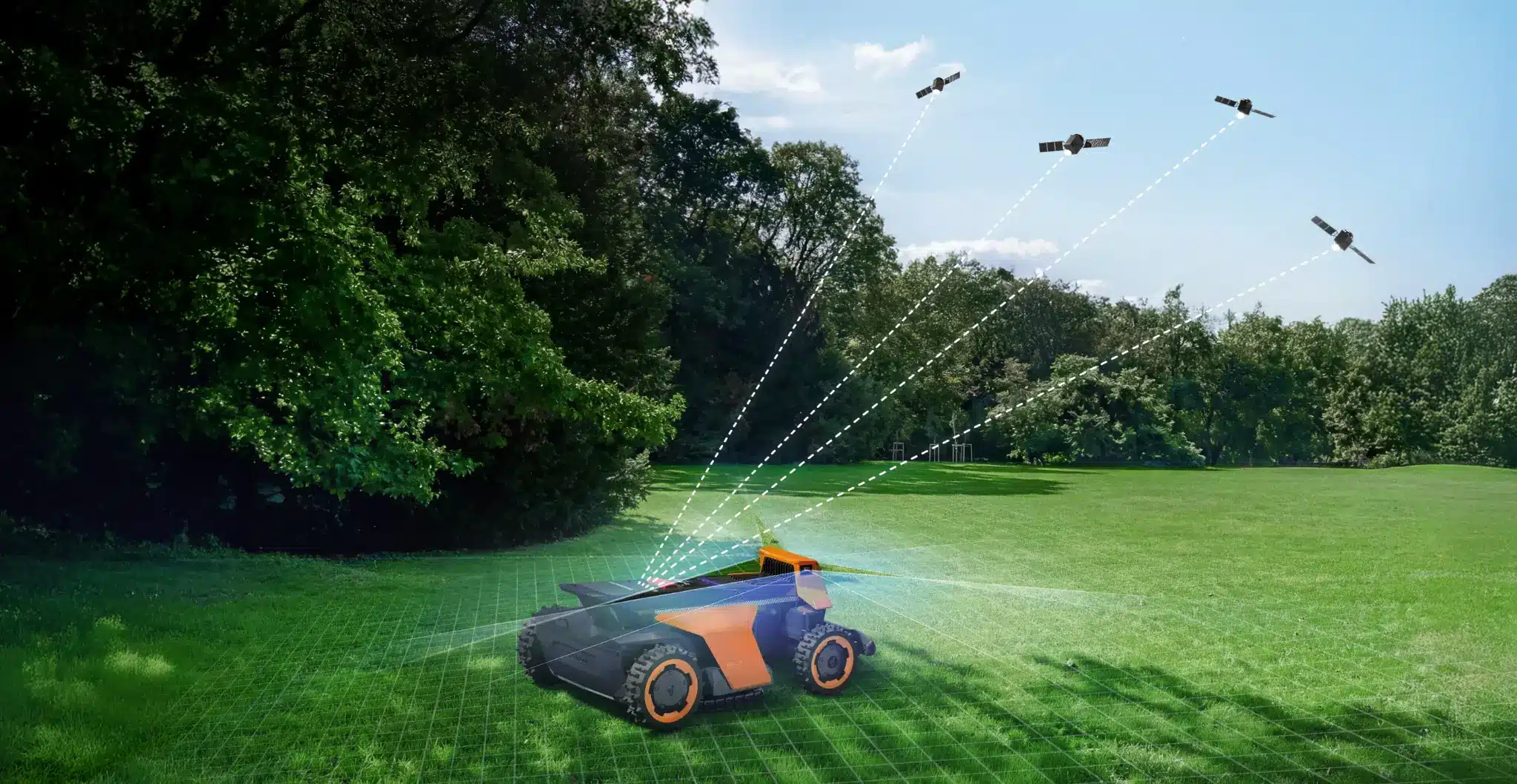
Mowing Is Automated
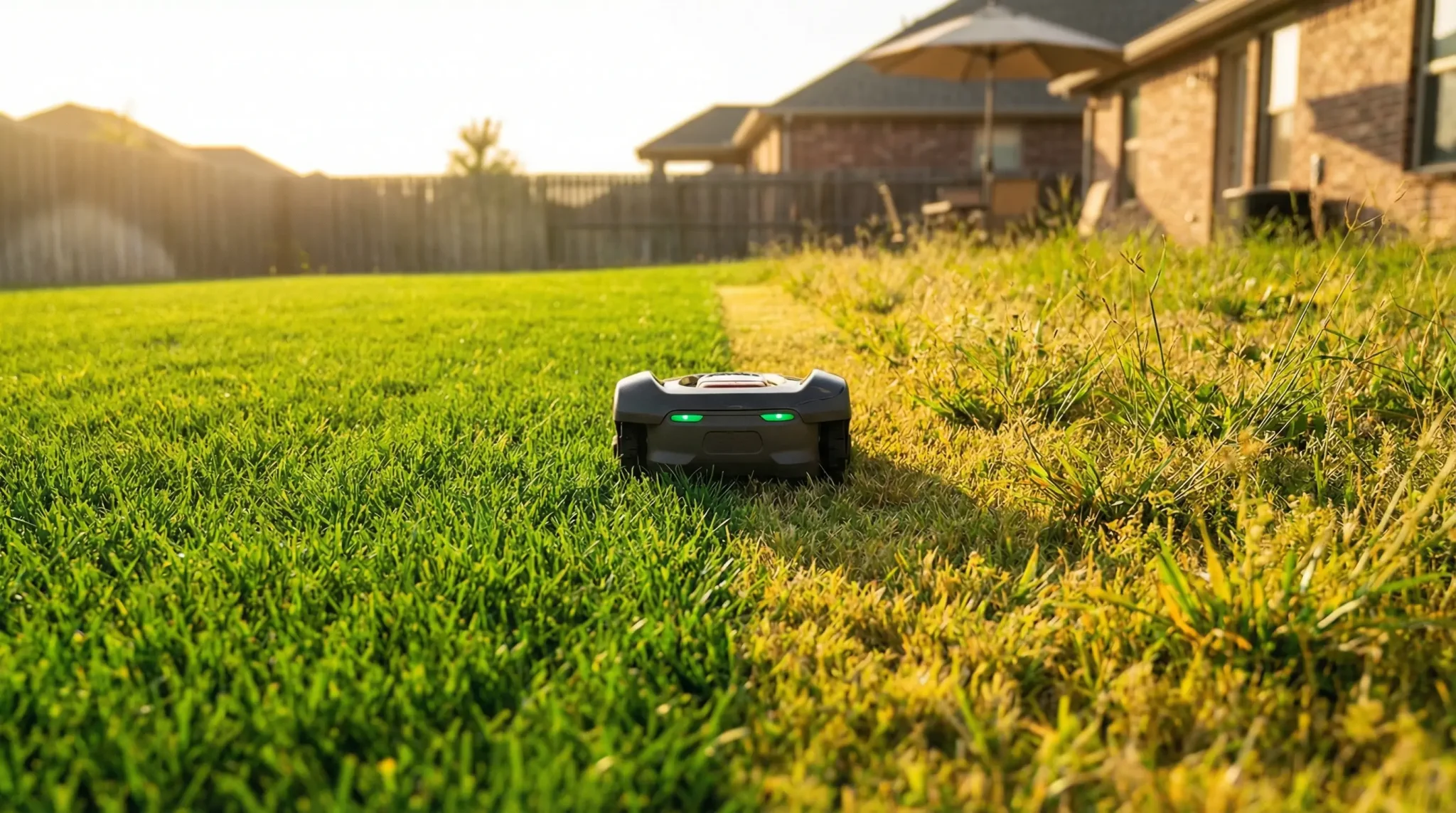
A robotic lawn mower operates on a schedule you set, running daily or every other day without any input from you. Because it cuts so frequently, it only ever removes a tiny amount of growth at a time, making it the most consistent application of the one-third rule possible.
Micro-Clippings That Feed the Lawn
Because robotic mowers cut so little at a time, the clippings they leave behind are extremely fine. These micro-clippings break down almost immediately and return nutrients to the soil continuously.
No Stress on the Grass
Traditional mowing, even when done weekly, creates a cycle of growth and sudden cutting. The lawn grows, gets cut back significantly, recovers, grows again, and gets cut again. Each cut is a mild stress event.
Robotic mowers eliminate that cycle. The grass is never allowed to get long enough to experience any meaningful stress when cut.
Consistent Results Regardless of Your Schedule
Holidays, busy weeks, bad weather, none of these affect the robotic mower’s routine. The lawn stays on schedule whether you’re at home or not.
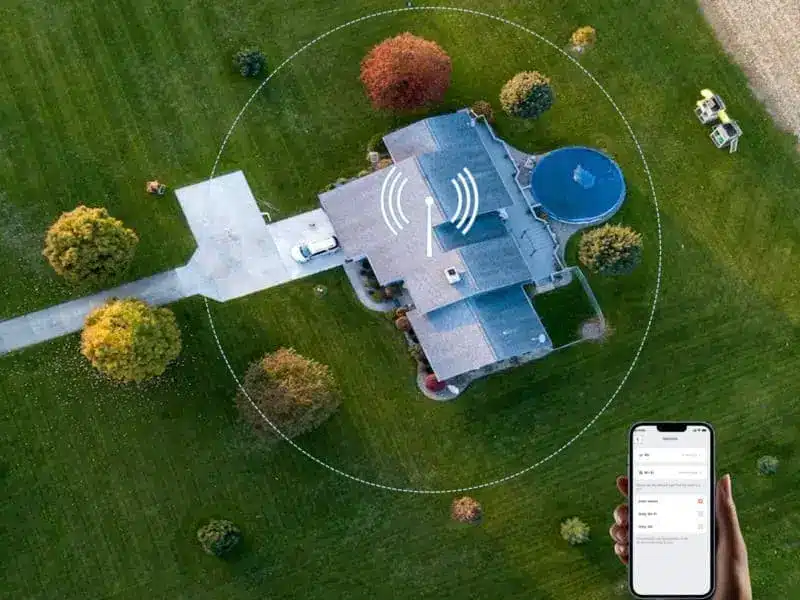
A robotic mower is controlled by a digital smartphone app, and once you set its schedule, it mows regularly, auto-charges by returning to its dock, and mows again as per the next schedule without your input.
Conclusion
Frequent mowing does make your lawn healthier, but only when it’s done correctly. You have to follow the one-third rule, match your frequency to the grass type and season, mow at the right height, and let short clippings feed the soil. None of this requires specialist knowledge, just consistency.
The hardest part for most homeowners is finding the time to do it regularly. A robotic lawn mower solves that problem directly, handling the frequency and consistency that healthy grass needs without adding anything to your weekly routine.