Standing liquid in a backyard after a heavy rain shows a clear problem for homeowners. Saturated soil kills plant roots and invites pests into the lawn and garden areas. Many people see spongy grass for days even when the sun comes out to shine. This moisture stays because the land does not slope away from the house well enough.
Managing runoff is the best way to keep a home and garden healthy. Most people only think about which flowers or trees they want to plant each year. The systems under the dirt decide if those plants live or die during wet seasons. Poor drainage causes wood rot and foundation shifts that cost a lot to fix.
Identifying Common Drainage Issues in Coastal Regions
The first step to fix an outdoor space is watching how rain moves across the property. You can find where rainfall stops by looking at the ground during a big storm. Many yards have low spots because the earth is too packed down from walking. For homeowners who need help with property care, Complete Roofing’s residential and commercial services in Madison provide a high quality standard for any project.
Assessing Soil Saturation and Surface Runoff
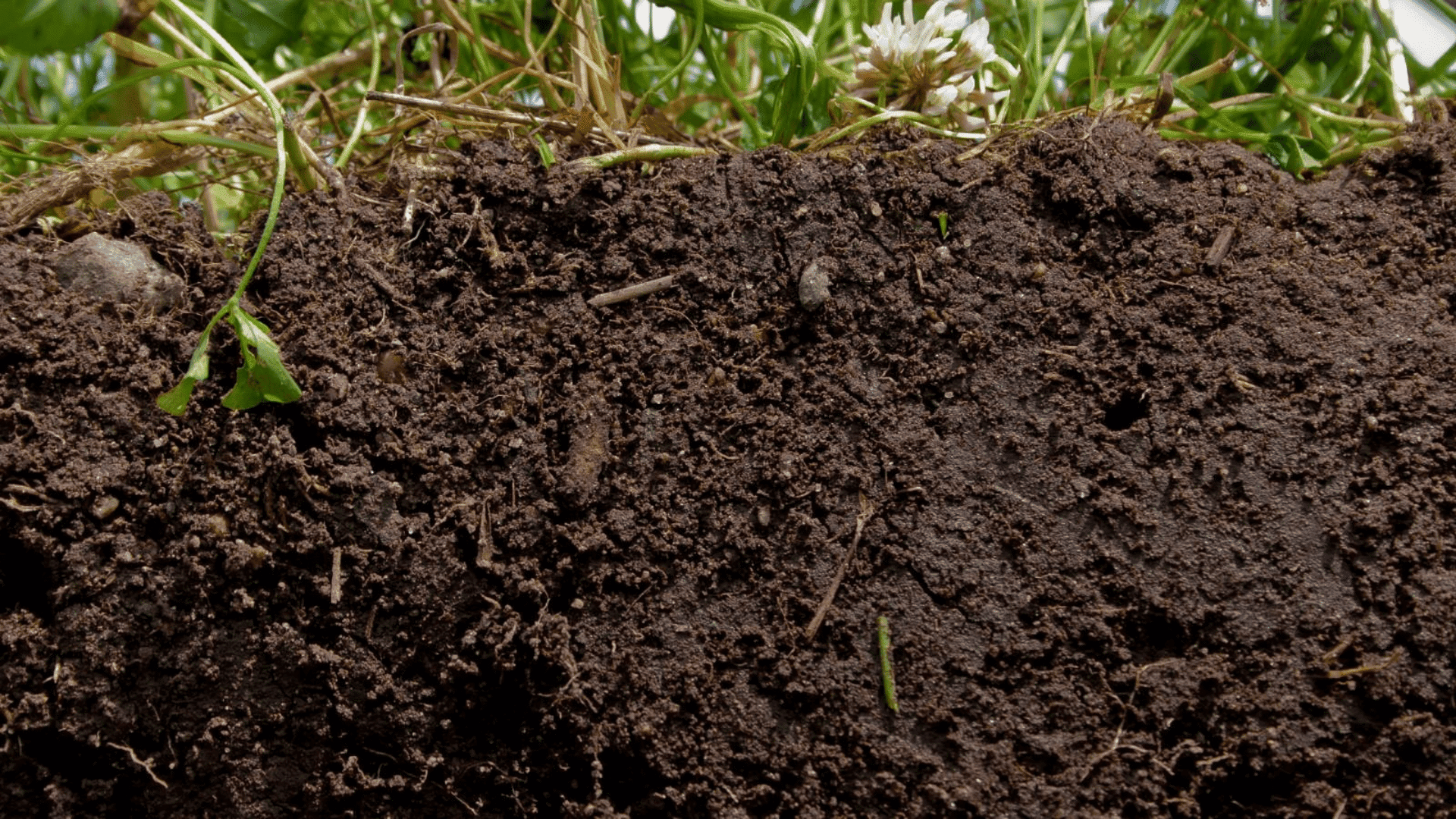
In places like Houston, the heavy clay in the mud stops rainfall from soaking in. This creates a flow that moves across the grass instead of going into the earth. This stream washes away the good dirt and food that your plants need to grow. You can check your lawn for yellow spots or moss in the shade. These signs show that roots are drowning in muck and cannot get enough air.
Recognizing Structural Risks From Wet Ground
Rain sitting against the side of a house is a big threat to the slab. You often need to move dirt to make sure the earth slopes away. The slope should drop at least one inch for every foot of distance. This small change stops liquid pressure from pushing against your walls and causing cracks.
Implementing Effective Subsurface Solutions
Moving earth on the surface is not always enough for heavy Southern rain storms. Pushing moisture away through pipes keeps the lawn dry without changing how it looks. You can use several tools to hide these systems under your grass or flower beds.
The Mechanics of French Drains
A French drain is a trench filled with gravel and a pipe with holes. It takes runoff from a wet spot and moves it to a safer place. The gravel stops muck from filling up the pipe so it stays clear for years. Use these steps to build one that lasts a long time:
- Pick a spot for the trench that follows the low part of your property.
- Line the trench with special fabric before you put in any rocks.
- Make sure the pipe ends at a street drain or a dry well.
- Hide the drain with pretty rocks or a thin layer of grass.
Creating Functional Rain Gardens
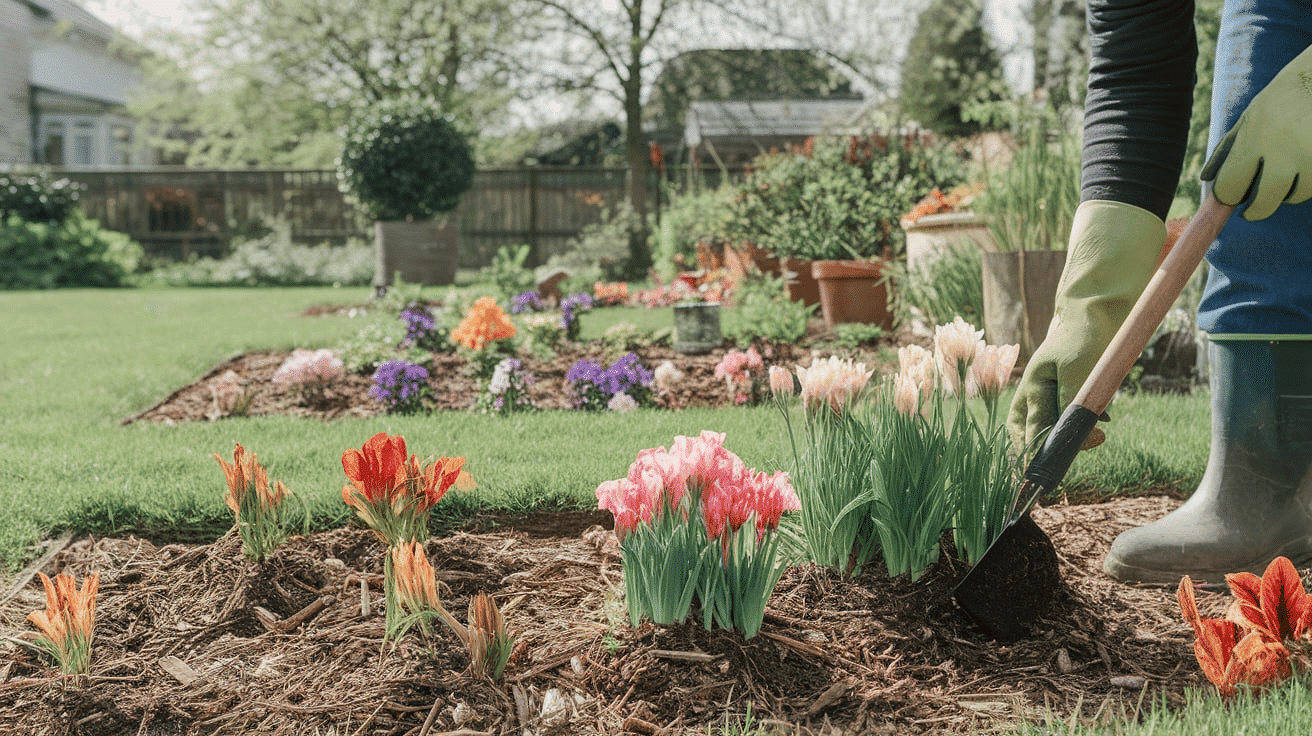
A rain garden is a shallow hole filled with plants that love a lot of liquid. These areas act like a sponge to catch runoff before it hits the house. Using native plants for the Gulf Coast helps you build a garden that takes care of itself. These plants have deep roots that help the earth soak up moisture much faster.
Protecting Your Home Foundation and Roof Line
The link between your garden and your house starts at the very top. Good roof parts and wide edges help push rain away from the base of the home. If a roof is old or broken, rainfall leaks into the walls. This extra moisture always ends up in the dirt right next to your foundation.
Managing Gutter Discharge Points
Keeping gutters clean is a part of garden care that many people forget about. Clogged gutters make liquid spill over the sides and hit your flower beds hard. This fast flow ruins the dirt and hurts the roots of your small plants. The Federal Emergency Management Agency says clear drains are the best way to stop property floods.
Downspout Extensions and Emitters
Check where your downspouts drop liquid to make sure they are not too close. Rain falling at the corner of a house makes the foundation sink over time. You should move this flow at least five feet away from the walls. Use these ways to handle the runoff coming off your roof:
- Put pipes under the ground that lead to a pop up drain.
- Use splash blocks to spread the liquid out so it does not dig holes.
- Catch rain in big barrels to use on your plants during dry weeks.
- Build a dry creek with rocks to lead runoff to your rain garden.

Long Term Maintenance of Garden Drainage
Once you put a system in, you must check it to keep it working. Dirt can fill up the drains and tree roots can grow into the pipes. You need to keep the paths clear so moisture can always move away. Data from the National Integrated Drought Information System shows that storms are getting much stronger now.
Seasonal Cleaning and Inspection
Clear the leaves off your drain covers every fall to stop big clogs. You should also look for new holes in the lawn that show broken pipes. Healthy dirt helps your property handle rain because it acts like a giant filter. Adding compost to clay soil makes more space for liquid to travel through the ground.
Soil Health and Compaction Prevention
Mixing organic matter into the earth helps it stay loose and healthy for plants. Never drive heavy cars or tools on wet grass because it packs the dirt. Walking only on paths or flat stones keeps the ground under your grass open. This helps the moisture reach the pipes you put under the garden beds.
Big trees like bald cypress or river birch love wet spots and drink a lot. Putting these trees in wet areas pulls liquid out of the dirt every day. Mixing plants with pipes creates a plan that works for the whole property. This balance keeps your lawn looking great while protecting your house for a long time.