Homeownership in Texas comes with plenty of rewards, but the state’s warm climate also creates ideal conditions for a long list of pests. Some are obvious nuisances. Others can cause significant property damage before homeowners realize there is a problem. From termites chewing through structural wood to insects hiding in houseplants, understanding what to watch for can help prevent expensive repairs and frustration down the road.
Termites Remain the Biggest Threat to Texas Homes
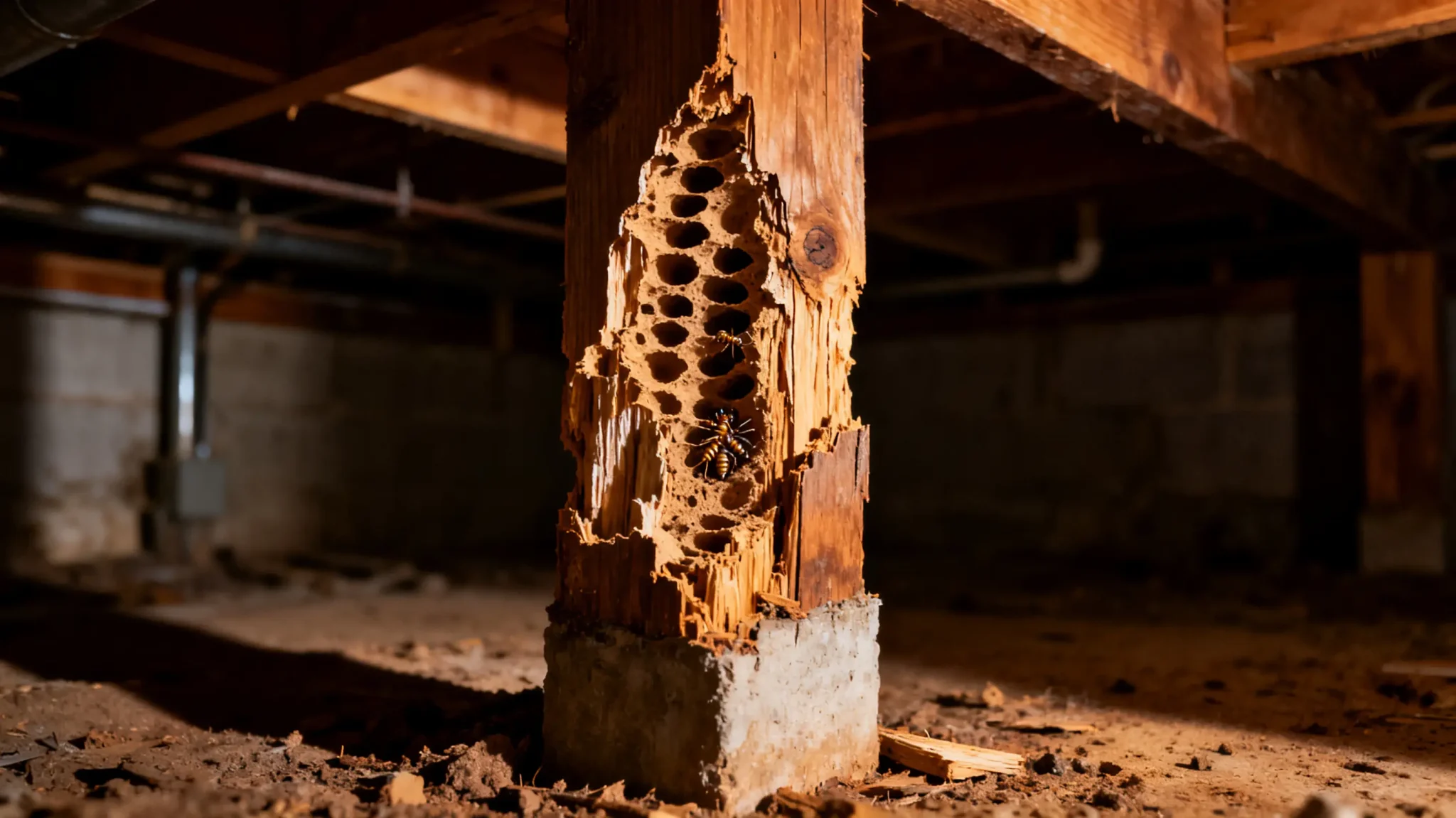
Few pests create more anxiety for homeowners than termites, and for good reason. Texas consistently ranks among the states with the highest termite activity in the country. Subterranean termites are especially common because they thrive in warm soil and can access homes through tiny cracks in foundations.
What makes termites so dangerous is that they often work unnoticed. Homeowners may not realize there is an issue until they see hollow wood, sagging floors, bubbling paint, or mud tubes along exterior walls. By that point, repairs can become expensive and time-consuming. Routine inspections are one of the best ways to catch termite activity before it spreads. Homes with wood-to-soil contact, excessive moisture, or aging foundations tend to face a greater risk. Preventive treatments often cost far less than rebuilding damaged structural components.
Houseplants Can Introduce Unexpected Indoor Invaders
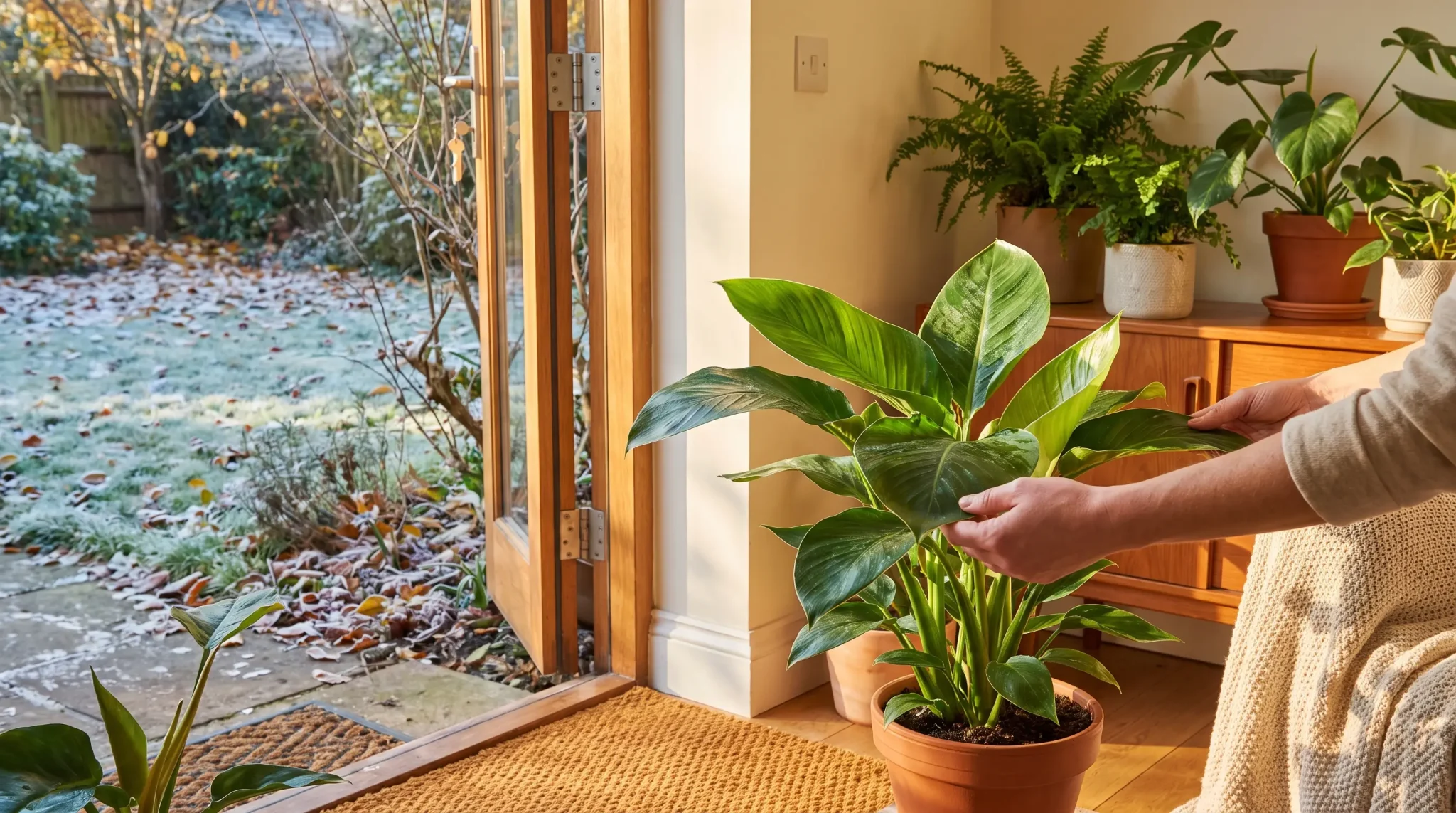
Indoor gardening has become increasingly popular across Texas, especially in urban areas where homeowners want to bring more greenery inside. While houseplants add beauty and improve a home’s atmosphere, they can sometimes become a hiding place for pests.
One of the most common offenders is mealy bugs. These small insects feed on plant sap and often appear as white, cotton-like clusters on stems and leaves. They can weaken plants over time and spread surprisingly quickly if left untreated.
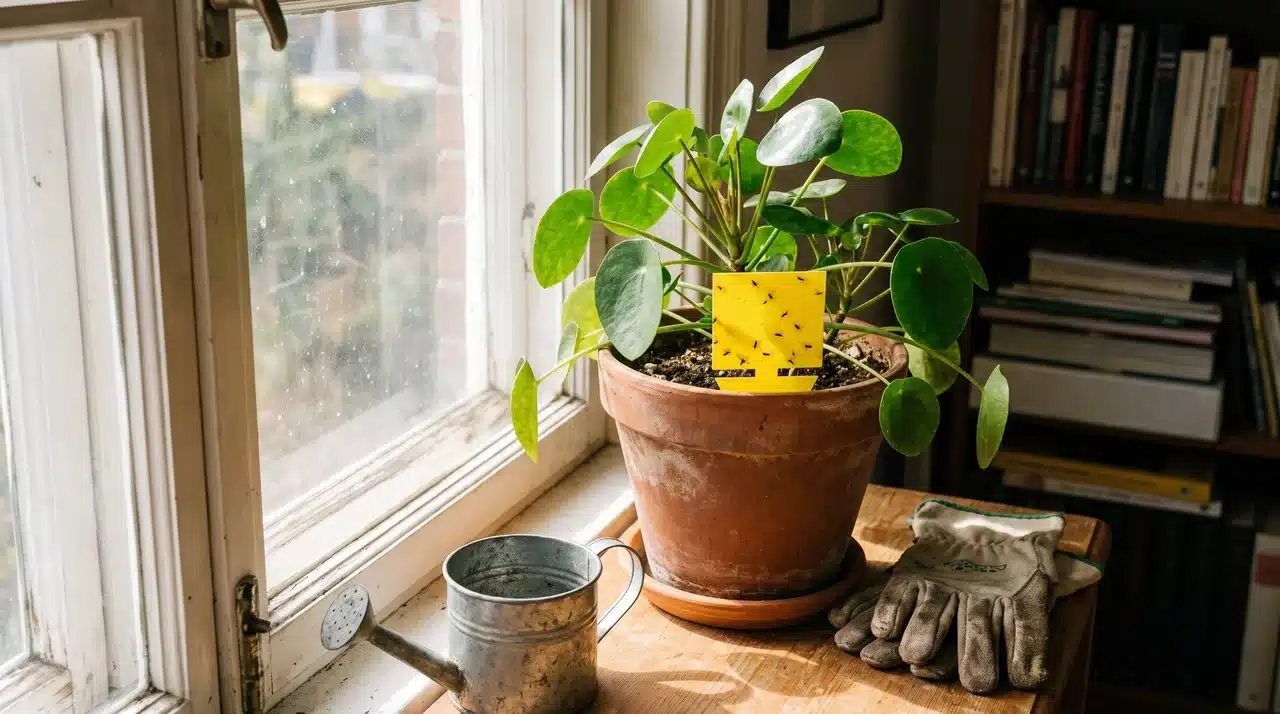
The problem is not limited to mealybugs alone. Fungus gnats, spider mites, and scale insects frequently arrive on newly purchased plants. Homeowners should inspect plants carefully before bringing them indoors and isolate new additions for a short period to prevent infestations from spreading throughout a collection. Keeping plants healthy and avoiding overwatering also reduces the chances of pest problems developing indoors.
Rodents Cause More Than Just Noise in the Walls
Mice and rats are among the most destructive pests found in Texas homes. While many people think of rodents primarily as a sanitation concern, the property damage they cause can be substantial.
Rodents chew constantly to keep their teeth from overgrowing. That means electrical wiring, insulation, drywall, plastic plumbing components, and stored belongings may all become targets. Damaged wiring can even increase fire risks inside the home. Texas homeowners often notice rodent activity during seasonal weather changes when animals seek shelter indoors. Attics, garages, crawl spaces, and storage rooms frequently provide ideal nesting locations.
Preventing rodent infestations starts with sealing entry points. Openings around utility lines, foundation cracks, roof vents, and garage doors can all provide access. Regular inspections around the home’s exterior often reveal vulnerabilities before rodents take advantage of them.
Mosquitoes and Outdoor Pests Can Take Over a Yard

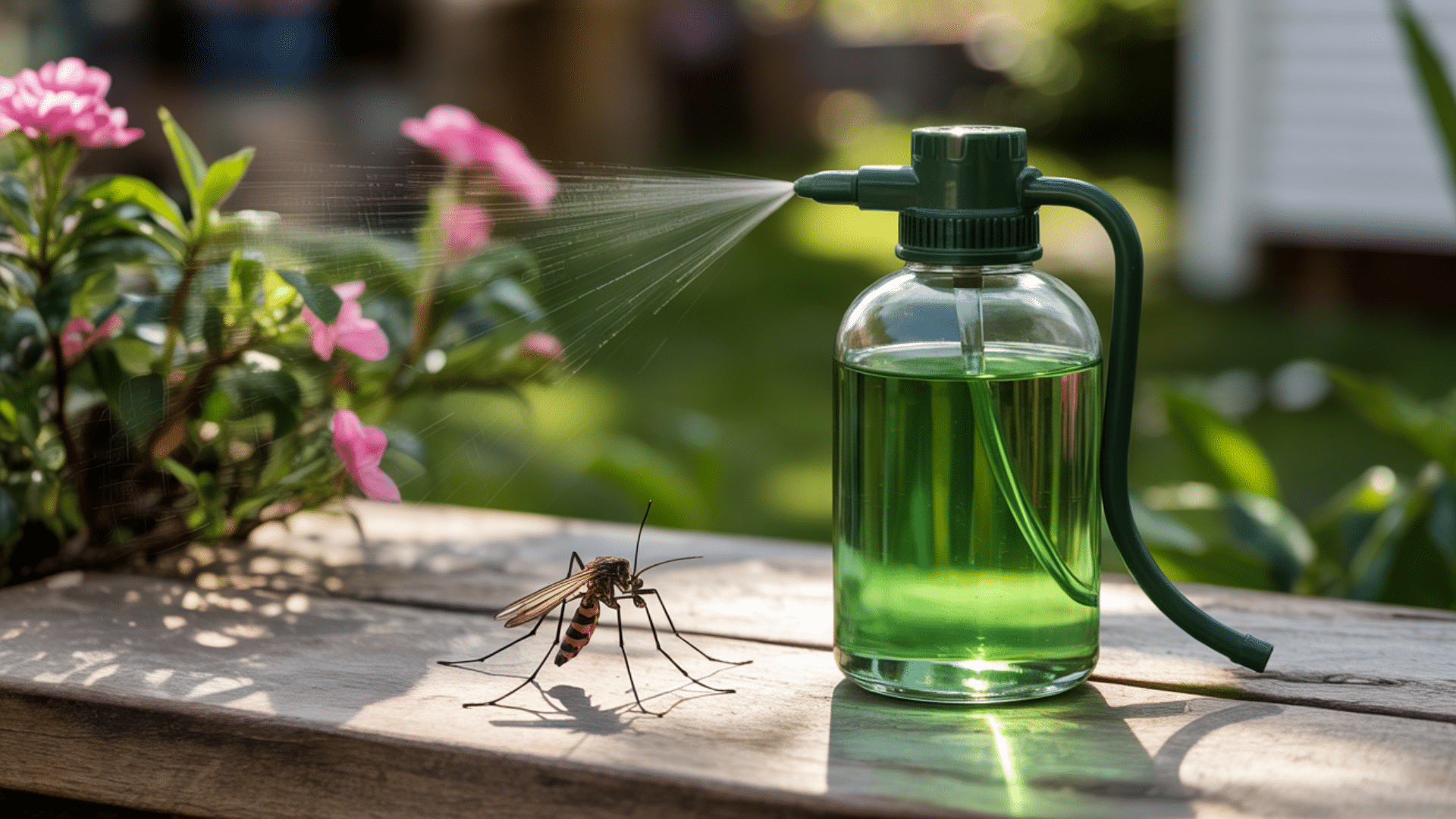
Texas summers create nearly perfect breeding conditions for mosquitoes. Standing water from birdbaths, clogged gutters, planters, and drainage issues can quickly turn a backyard into a mosquito hotspot.
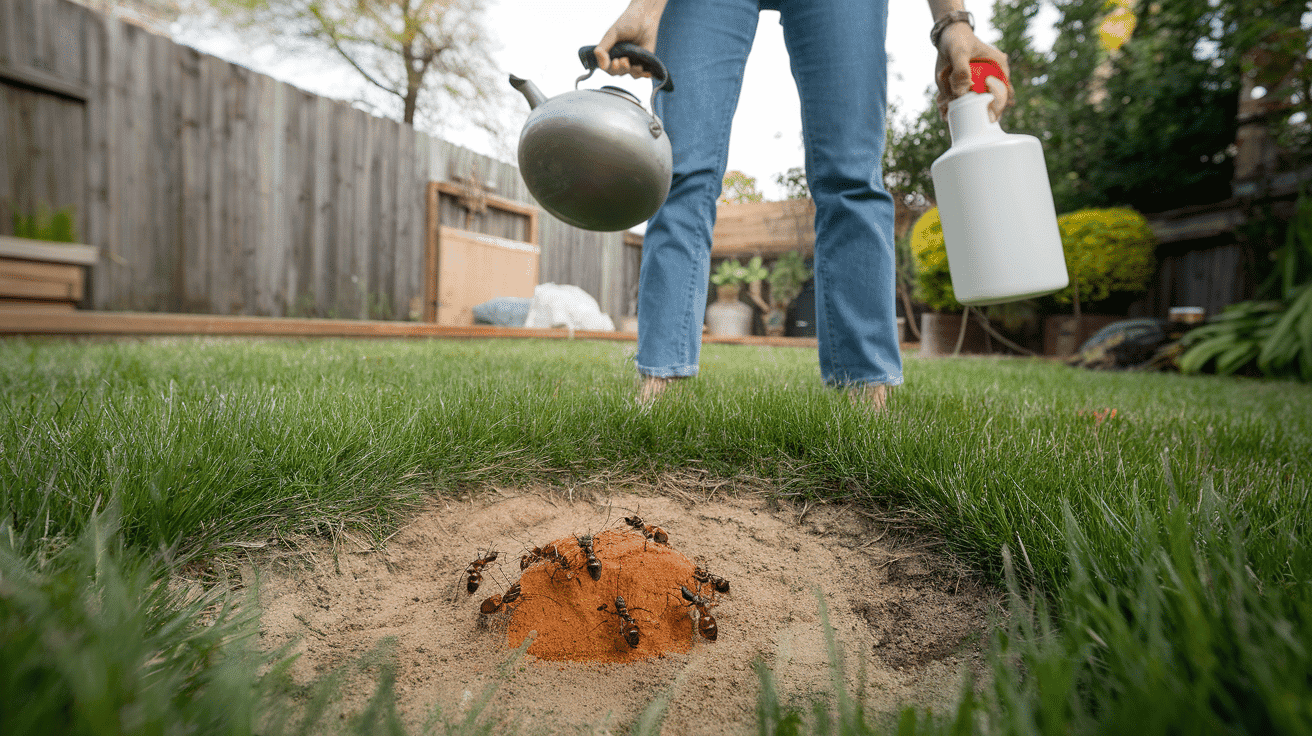
While mosquitoes are often viewed as an outdoor annoyance, large populations can significantly reduce the enjoyment of patios, pools, and outdoor living spaces. Other common Texas yard pests include fire ants, fleas, ticks, and chinch bugs that damage lawns. Many homeowners focus solely on treating the insects themselves while overlooking the environmental conditions attracting them. Eliminating standing water, maintaining healthy landscaping, and addressing drainage problems often produces better long-term results than repeated treatments alone.
When infestations become widespread, professional intervention may provide a more comprehensive solution. Homeowners researching pest control in Fort Worth, Dallas or San Antonio often find that local providers understand the unique seasonal pest pressures found throughout different parts of Texas.
Roof and Attic Pests Can Create Hidden Damage
Attics frequently become a refuge for unwanted wildlife and insects. Squirrels, roof rats, bats, and certain species of birds may find their way inside through damaged vents, loose flashing, or small openings near the roofline.
Once inside, these animals can damage insulation, contaminate surfaces, and create unpleasant odors. In some cases, homeowners may hear scratching sounds at night long before they discover the source.
Regular roof inspections can help identify vulnerabilities before pests gain access. Replacing damaged vent screens, sealing gaps, and trimming tree branches away from the roof are simple steps that reduce the likelihood of attic intrusions. Because attic infestations often remain hidden for extended periods, homeowners should investigate unusual noises, odors, or insulation disturbances as soon as possible.
Texas homeowners face a wide variety of pest challenges throughout the year. Staying proactive with inspections, maintenance, and early intervention can help prevent small issues from turning into costly repairs and major headaches.