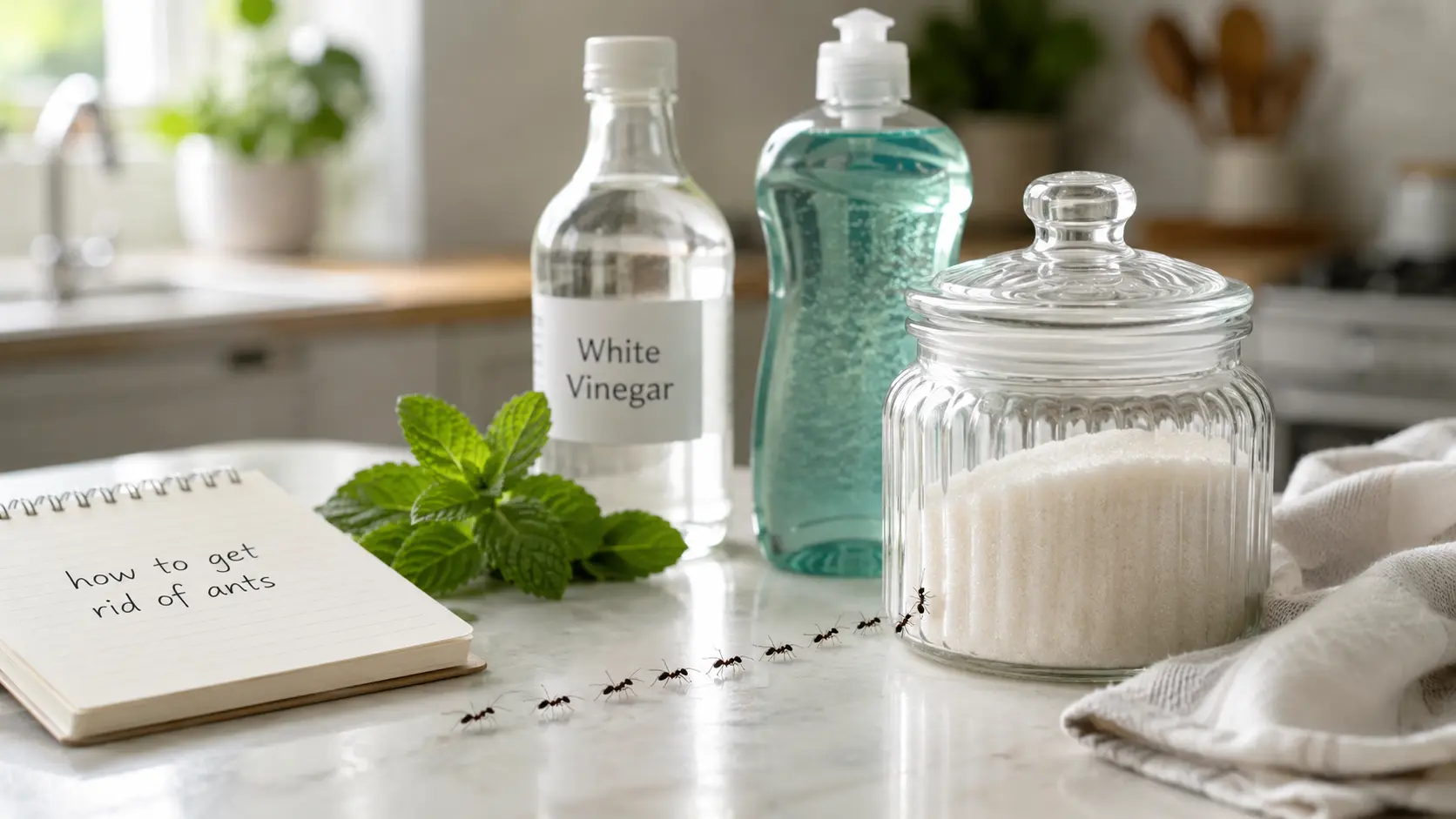
You notice one ant near the sink. Then another crosses the counter. A few minutes later, a steady line is moving toward the sugar jar.
That is usually how it starts. Ants find one tiny opening, follow the smell of food or water, and bring more ants back to the same spot.
The annoying part is that wiping the counter only handles the ants you can see.
Learning how to get rid of ants can start with simple natural fixes before you reach for harsh sprays or call for help.
Why Your Counter Becomes an Ant Path
Ants do not need much to move in. A crumb under the toaster, a sticky mark near a bottle, or a damp sink edge can be enough.
Once one ant finds a good spot, it leaves a trail for the others. That is why the same line can return even after the counter looks clean.
Before using any remedy, watch the line for a minute. See where it starts, where it ends, and what it is moving toward.
Check these spots first:
- Under the toaster, stove, and fridge
- Inside pantry corners
- Around trash and recycling bins
- Beside pet bowls
- Around sink edges
- Along the window frames
- Behind baseboards
Once you know what is pulling them in, the next step is easier.
Know the Problem Before Choosing a Remedy
Not every ant problem needs the same fix. Some ants go for sweets. Some show up near grease, pet food, or water. Larger ants near wood may point to a more serious issue.
| What you see | What it may mean | Best first move |
|---|---|---|
| Tiny ants near sweets | Sugar source nearby | Clean the area and use sweet bait |
| Ants near pet food | Protein or grease source | Remove food and test the grease bait |
| Ants near sinks | Moisture is attracting them | Dry the area and check for leaks |
| Ants by the windows | Entry gap nearby | Clean the path and watch the gap |
| Large black ants near the wood | Possible damp wood issue | Inspect the area closely |
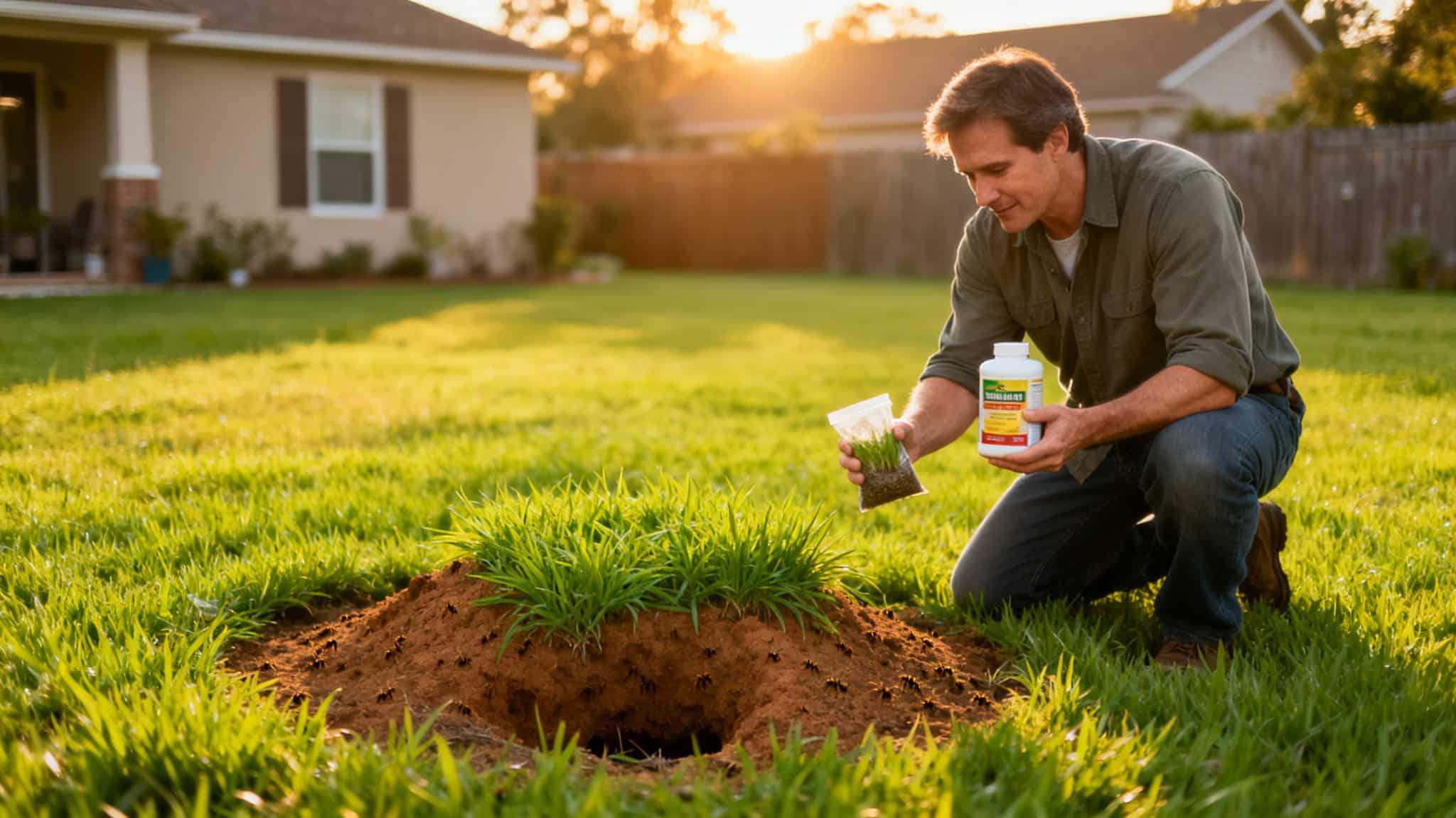
| Outdoor mound near the house | Nest may be close | Avoid disturbing it |
This step saves time because you match the fix to the problem rather than treating every corner the same way.
How to Get Rid of Ants Naturally
If you want natural or DIY methods first, choose the remedy by job. Vinegar is best for trails. Soap is best for visible ants. Peppermint and pepper work better as barriers. Diatomaceous earth works in dry gaps. Bait helps when the same line keeps returning.
Use one method at a time when possible. Too many strong smells in one area can push ants away from the bait or into a new path.
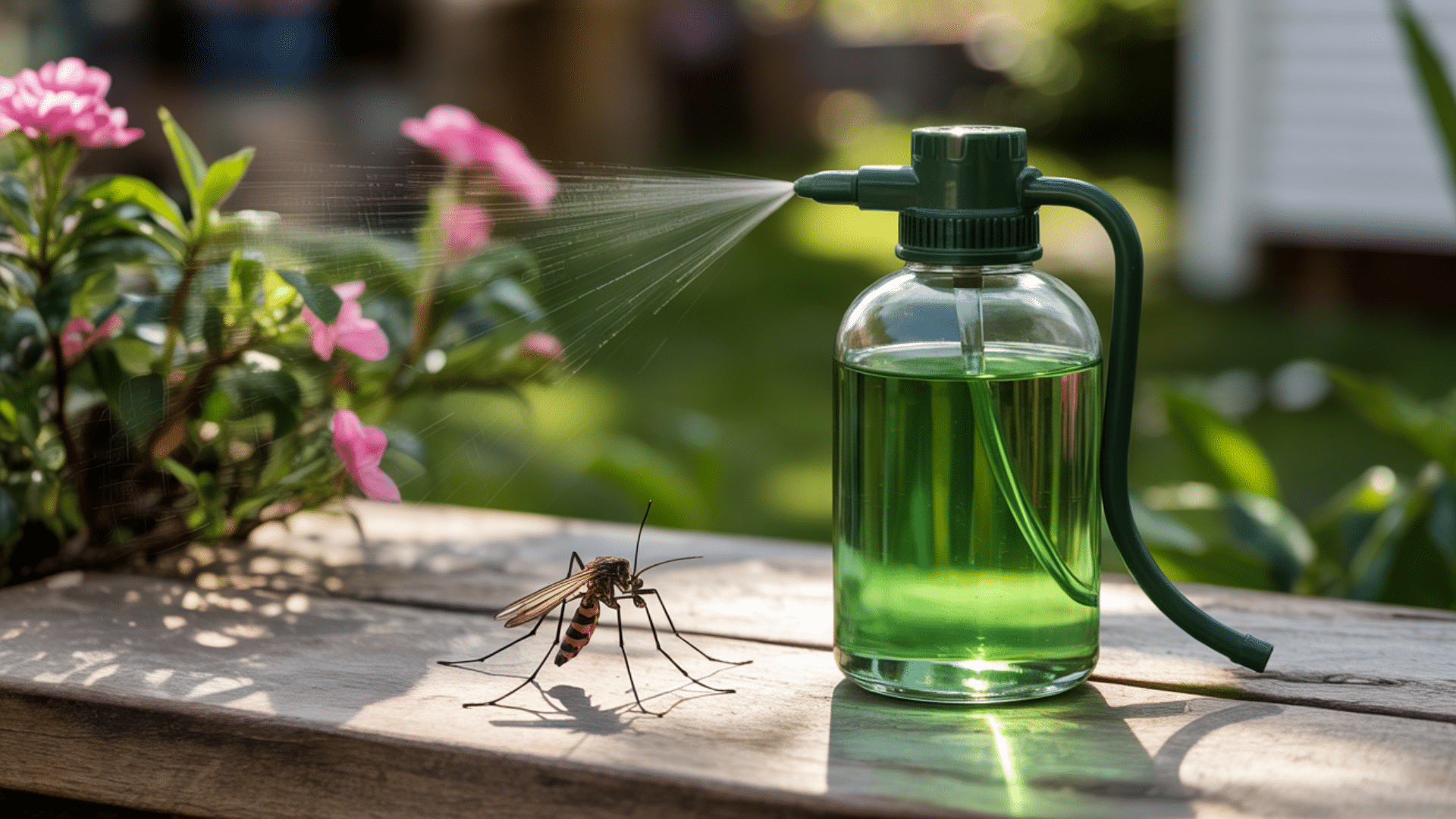
1. White Vinegar and Water Spray
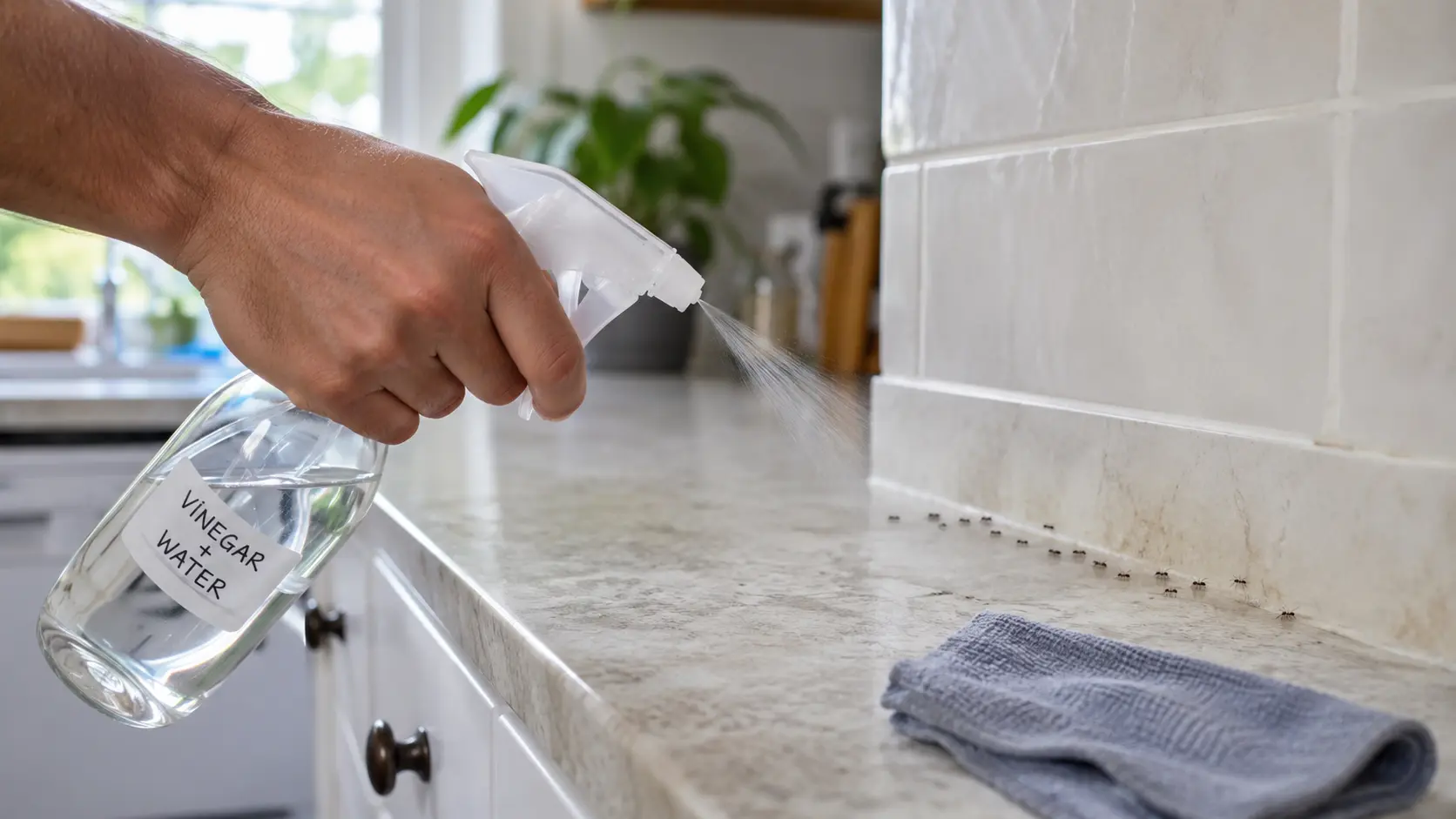
Vinegar helps remove the scent path ants use to return to the same place. It works well on counters, floors, window sills, and other hard surfaces.
What You Need:
- White vinegar
- Water
- Spray bottle
- Clean cloth
Steps:
- Mix equal parts vinegar and water.
- Spray the visible trail and the nearby surface.
- Wipe the area until dry.
- Repeat once or twice daily while ants are active.
- Avoid vinegar on natural stone counters.
2. Dish Soap and Water
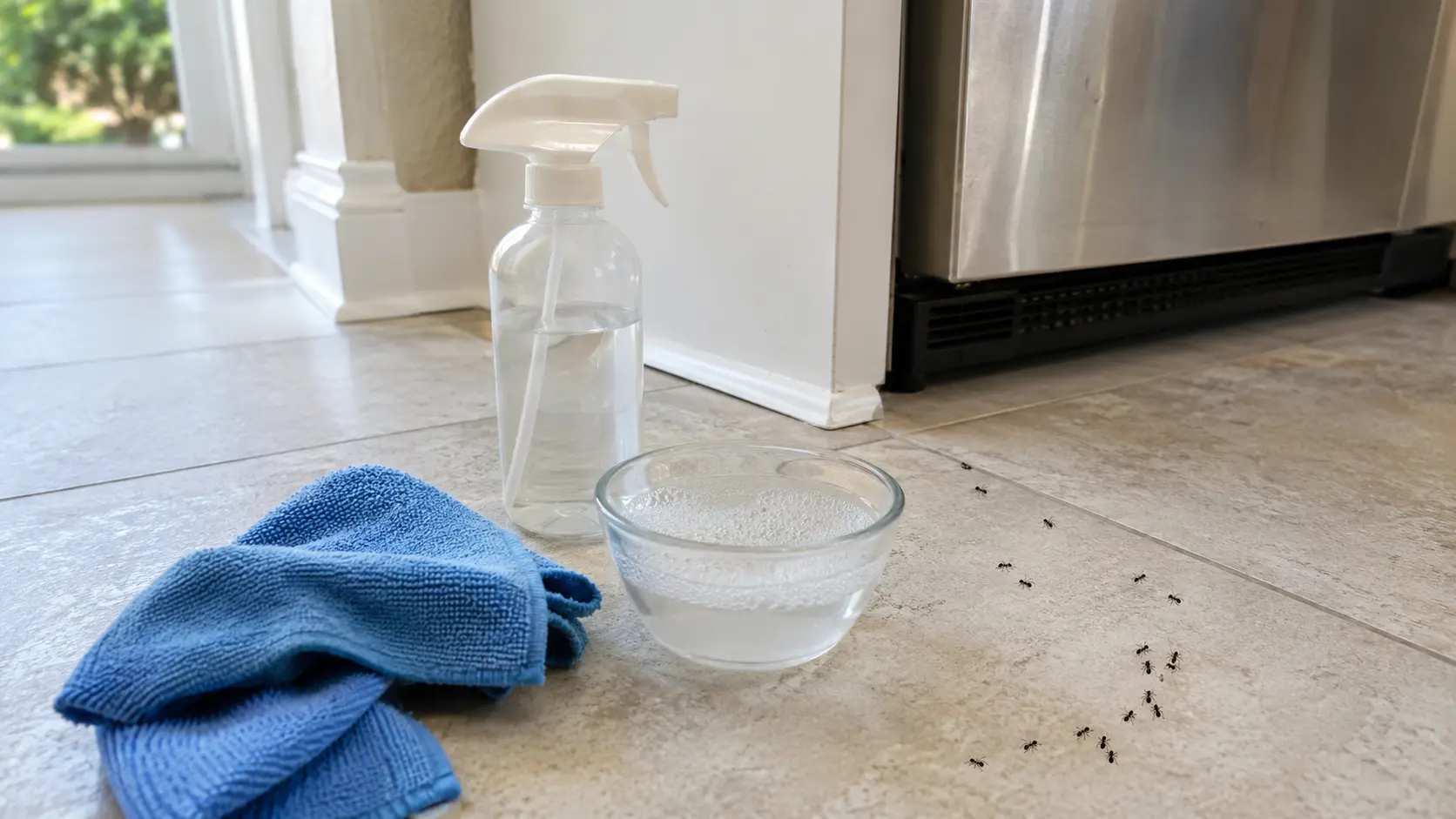
Dish soap helps when you need to clean up visible ants fast. It also helps wash the path they were using.
What You Need:
- Water
- A few drops of dish soap
- Spray bottle or bowl
- Paper towel or cloth
Steps:
- Mix water with a few drops of dish soap.
- Spray or wipe the visible ants.
- Clean the full path afterward.
- Dry the area well.
- Do not use it near bait.
3. Peppermint Oil
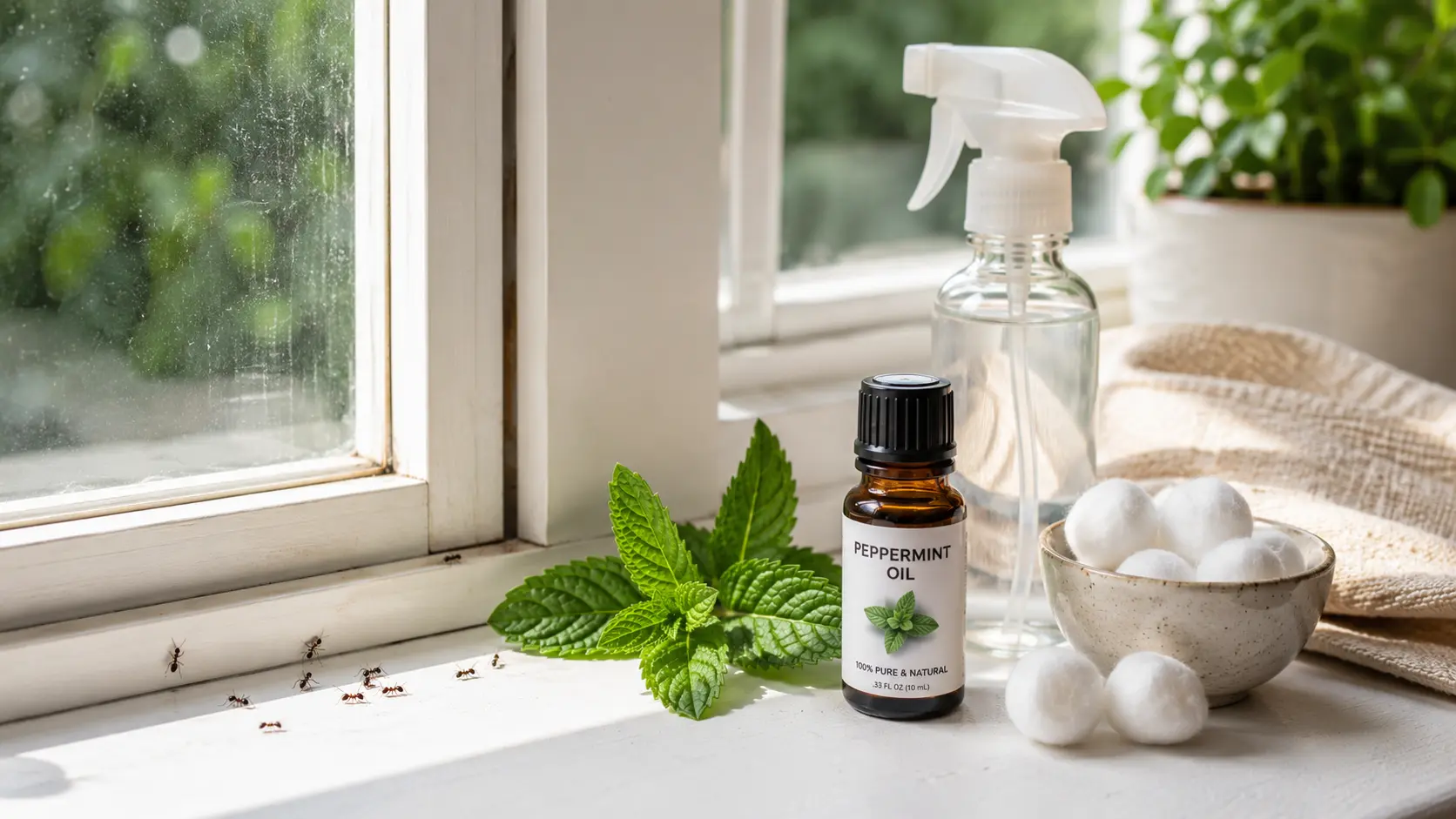
Peppermint oil can help around windows, doors, and baseboards because ants dislike strong smells. It works best after the area is already clean.
What You Need:
- Peppermint essential oil
- Water
- Spray bottle
- Cotton balls, if preferred
Steps:
- Add 10-15 drops of peppermint oil to 2 cups of water.
- Spray near windows, doors, and baseboards.
- Let the area dry.
- Reapply every few days.
- Keep it away from food surfaces and pets.
4. Diatomaceous Earth
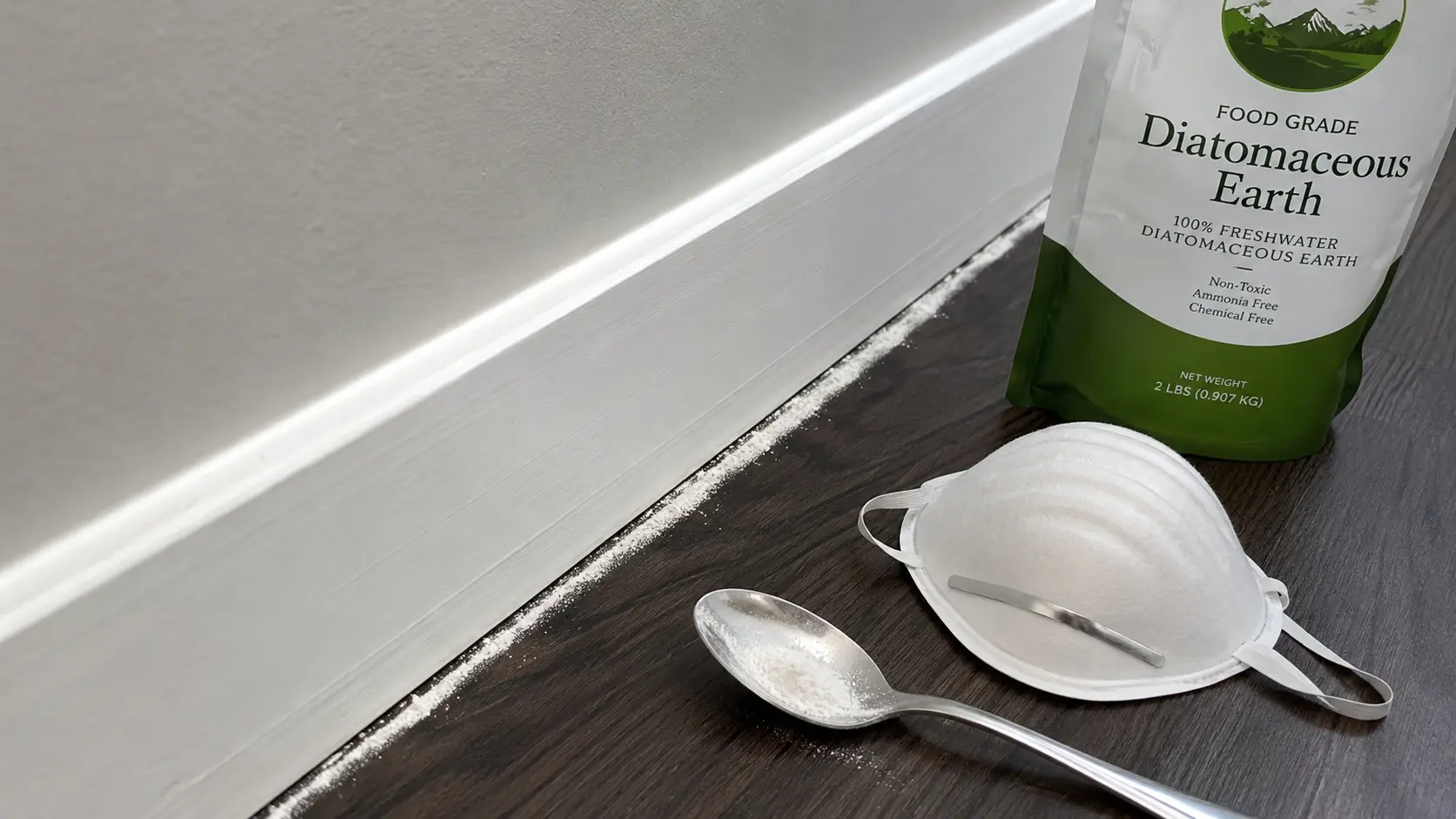
Food-grade diatomaceous earth works best in dry areas where ants pass through cracks, baseboards, or wall edges. It does not work well once wet.
What You Need:
- Food-grade diatomaceous earth
- Spoon or small applicator
- Mask, if dust bothers you
Steps:
- Add a thin line near dry entry points.
- Focus on baseboards, window edges, and wall gaps.
- Keep it away from wet spots.
- Reapply after cleaning.
- Avoid breathing in the dust while applying it.
5. Borax and Sugar Bait
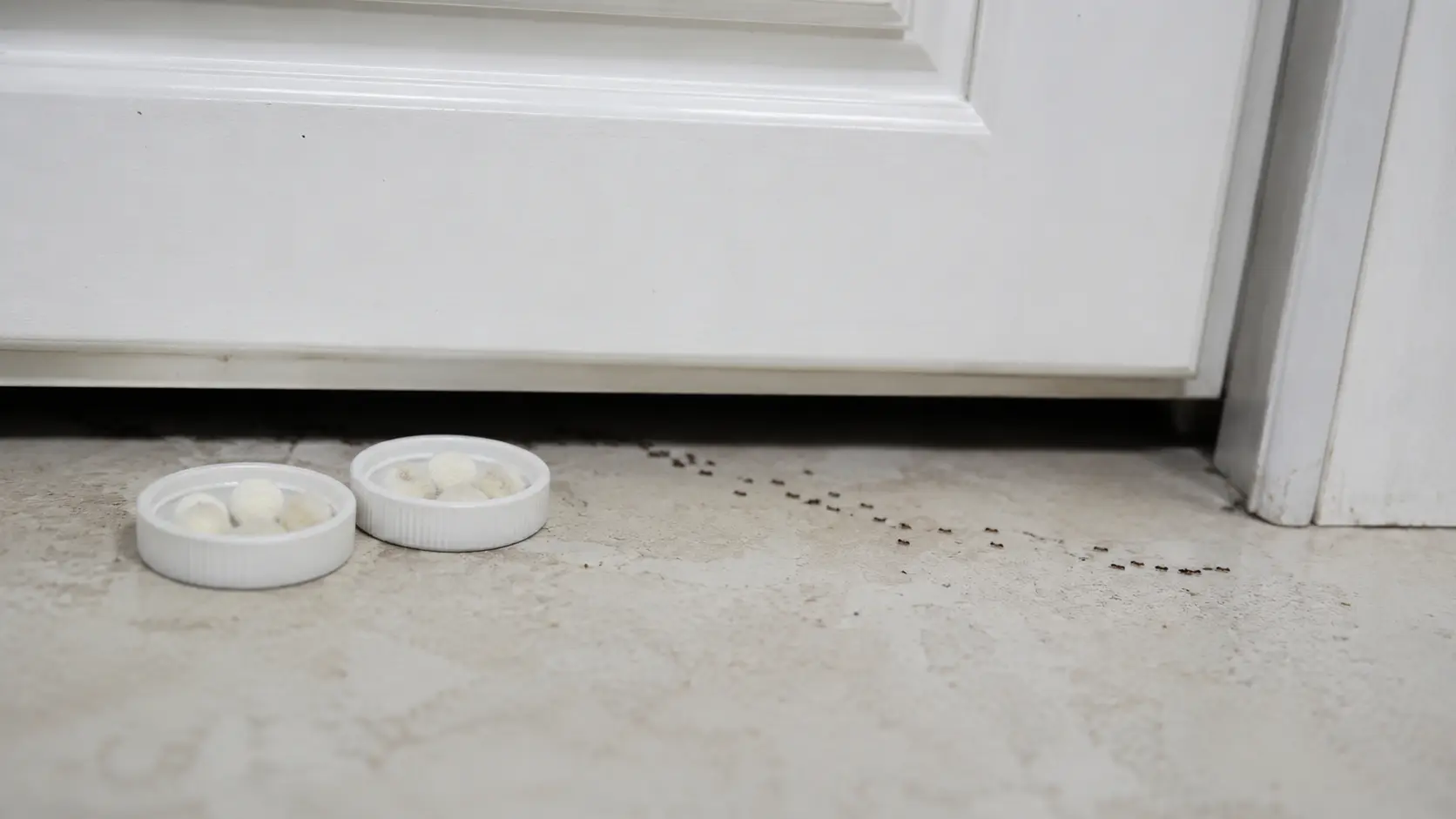
Borax and sugar bait can help when ants keep returning after cleaning. Worker ants carry the bait back, so it should be left alone once placed.
What You Need:
- Sugar
- Warm water
- A small amount of borax
- Cotton balls
- Shallow lids or small containers
Steps:
- Mix sugar with warm water.
- Add a small amount of borax.
- Soak cotton balls in the mix.
- Place them near the ant path, away from food prep areas.
- Leave the bait untouched for a few days.
- Keep it fully out of reach of kids and pets.
6. Pepper for Small Entry Spots
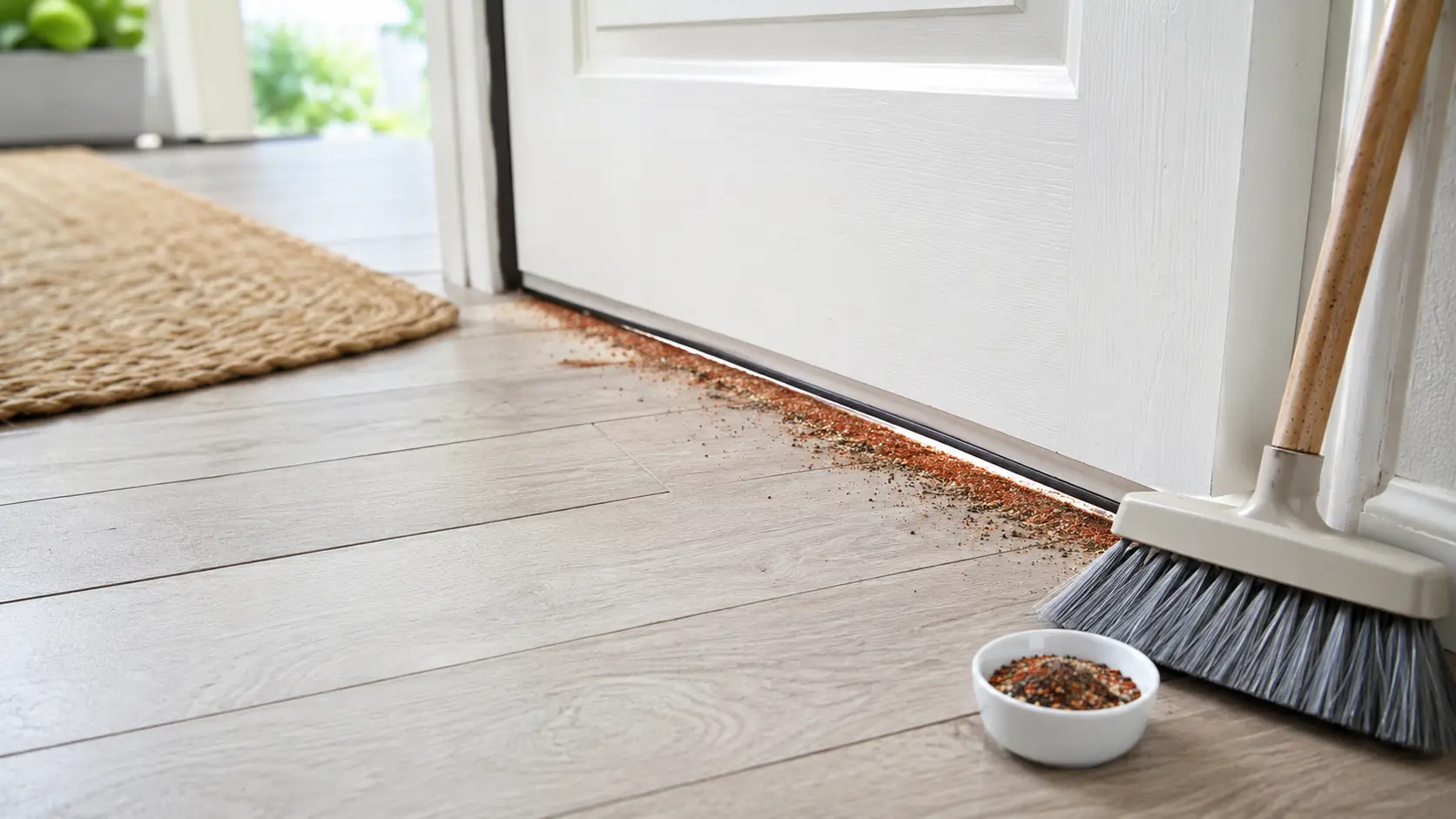
Cayenne or black pepper can help block small dry paths. It does not kill the colony, so use it as a barrier after cleaning.
Steps:
- Sprinkle a light line near baseboards or door gaps.
- Focus on dry areas only.
- Avoid counters and food areas.
- Reapply after sweeping or mopping.
- Stop using it if kids or pets can reach it.
7. Coffee Grounds Near Outdoor Paths
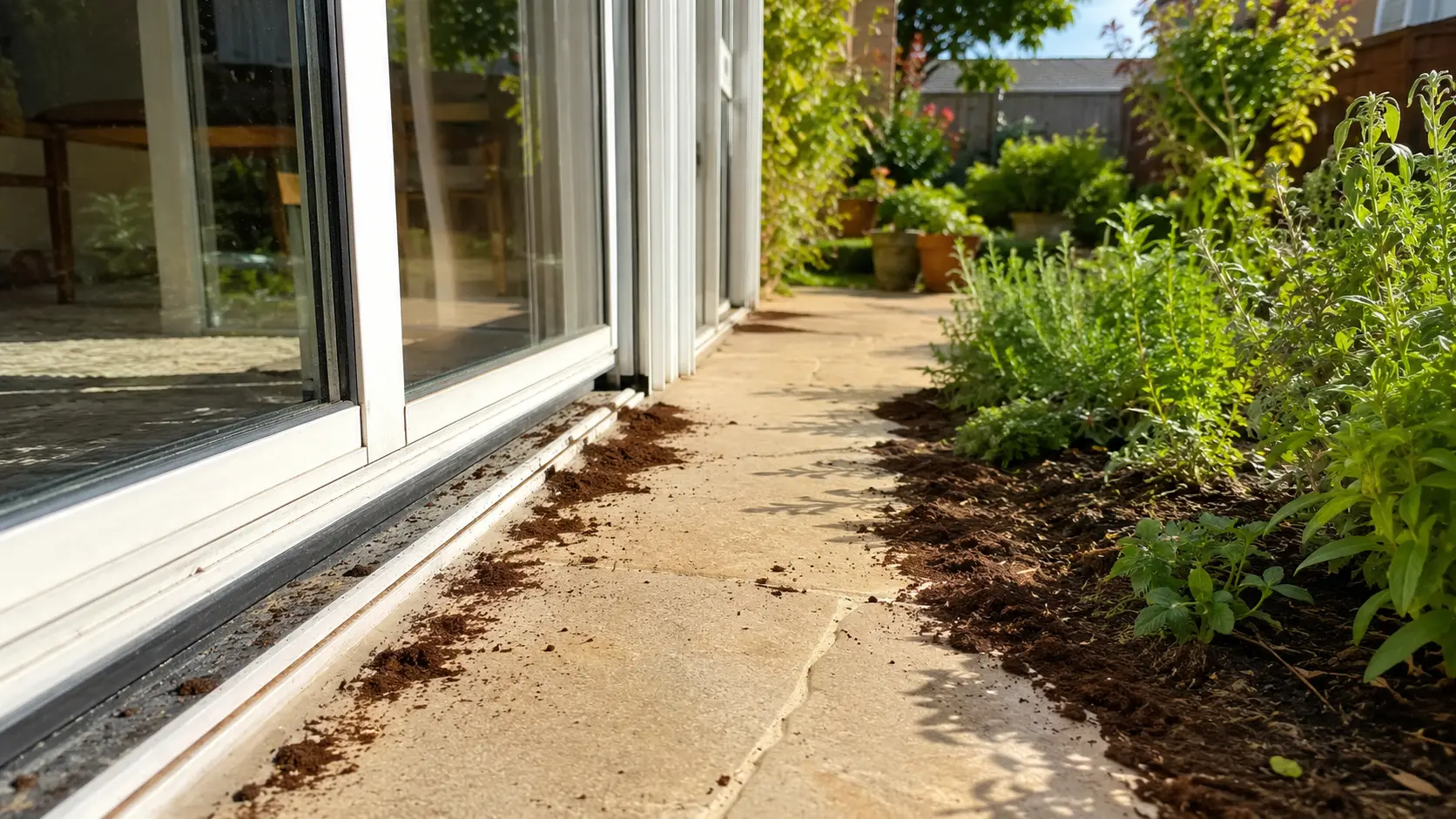
Used coffee grounds can make outdoor entry spots less inviting. They work best near doors, patios, window edges, and garden borders.
Steps:
- Dry the used coffee grounds first.
- Place a small line near outdoor entry points.
- Replace them every few days.
- Do not pile grounds against the foundation.
- Use this as a barrier, not the only fix.
How Long Do Natural Ant Fixes Take to Work
Natural ant control is not always instant. Some fixes work the same day, while bait can take longer because ants need time to carry it back.
| Timeline | What may happen | What to do next |
|---|---|---|
| Same day | Fewer ants after cleaning the trail | Keep food sealed and surfaces dry |
| 1 to 2 days | A few ants may still appear near food or water | Watch where they are coming from |
| 2 to 4 days | Bait may start slowing the trail | Leave the bait in place |
| 1 week | The activity should drop if the source is treated | Seal gaps once the line slows |
| 2 weeks | Ants may still be active if the source is hidden | Check for leaks, wall gaps, or nests |
Do not change methods too quickly. If you place bait, leave it long enough for ants to carry it back before moving it.
How to Clean Ant Trails and Stop Them from Coming Back
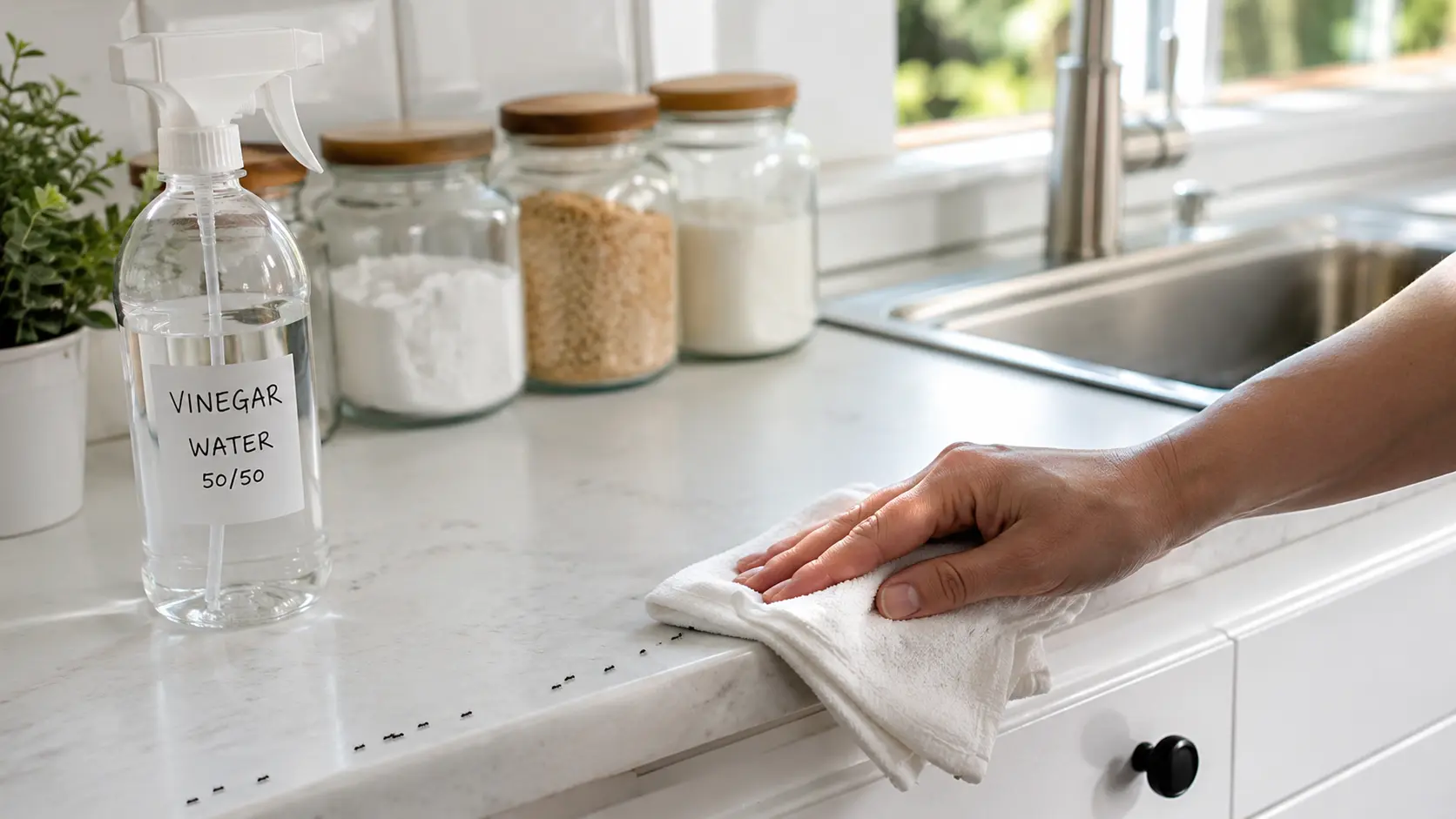
After you choose a remedy, focus on the path ants are using right now. Clean that route first, then fix the small habits and gaps that could start the next trail.
Clean the Active Trail First
| Trail spot | Clean it with | Check nearby |
|---|---|---|
| Counter edge | Vinegar and water | Backsplash seams |
| Pantry shelf | Vinegar wipe, then dry | Shelf corners |
| Sink area | Dish soap cleanup | Pipe openings |
| Window sill | Vinegar and water | Frame gaps |
| Baseboard | Vinegar wipe | Wall cracks |
| Patio door | Soap or vinegar wipe | Door track |
Do not spray strong-smelling repellents over bait. If ants need to carry bait back, strong smells may keep them away from it.
Stop the Next Trail From Starting
| Area to fix | What to do | Why it helps |
|---|---|---|
| Dry food | Store sugar, cereal, rice, flour, and snacks in sealed containers. | Removes easy food access. |
| Jars and bottles | Wipe sticky lids, sides, and pantry shelves. | Clears sweet residue. |
| Hidden crumbs | Sweep under appliances and cabinet edges. | Removes food you may miss. |
| Trash | Take out food waste before it sits overnight. | Cuts off a strong attractant. |
| Sink area | Dry edges and fix dripping faucets. | Removes water access. |
| Pet bowls | Clean food and water spills daily. | Stops a common ant draw. |
| Entry gaps | Seal cracks after activity slows. | Blocks the route back in. |
Once these small habits are in place, ants have fewer reasons to return and fewer ways to get back inside.
Mistakes That Can Make Ants Come Back
A few small mistakes can keep ants active even after you clean. Most happen when you treat the visible line but miss what is feeding it.
Avoid these mistakes:
- Spraying repellents directly over bait.
- Leaving open food in the pantry.
- Sealing gaps while ants are still very active indoors.
- Using vinegar once and expecting the colony to disappear.
- Leaving pet food out overnight.
- Ignoring leaks under sinks or near tubs.
The best approach is simple: clean the trail, remove the attractant, use bait if needed, then seal the entry point after the line slows down.
When Natural Fixes Are Not Enough
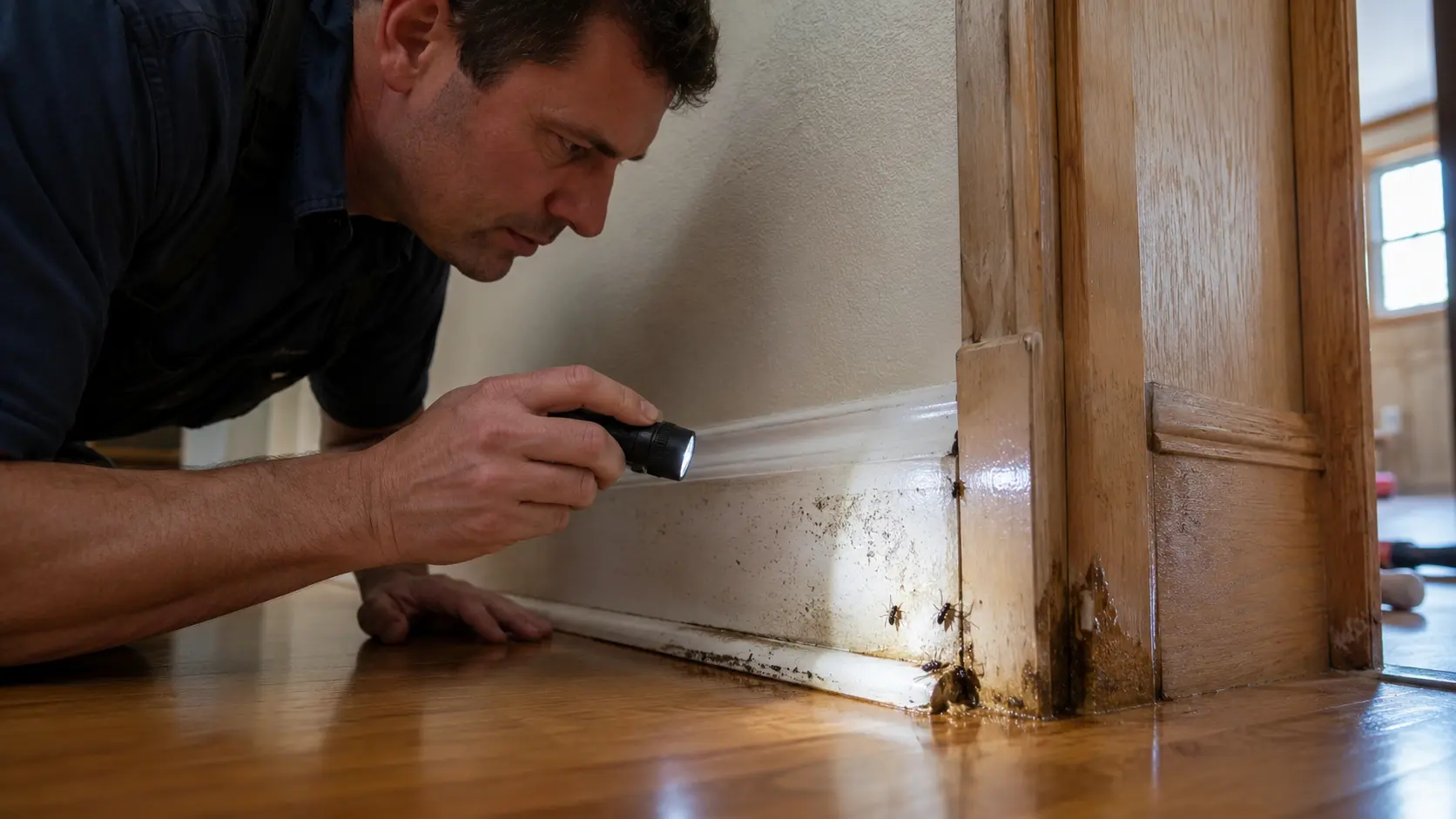
Natural methods work well for many light indoor trails. But some ant problems need more than home cleanup, especially when the nest is hidden or the ants are tied to damaged wood.
Get help if you notice:
- Large black ants near the wood
- Sawdust-like piles near trim or walls
- Activity from ceilings, walls, or outlets
- Ants returning after two weeks of steady effort
- Several rooms affected at once
- Painful stings from outdoor mounds
- Damp wood, soft floors, or water damage
This does not mean your first steps were wrong. It means the source may be deeper than a counter trail.
Frequently Asked Questions
What works right away?
Soapy water can handle the ants you see, while vinegar helps clean the path they follow. For a longer fix, remove food, dry wet spots, and place bait near the trail if the same line returns.
Which smell helps the most?
Peppermint, cinnamon, vinegar, and pepper can help block small entry spots after cleaning. They work better as barriers than full treatments. Keep essential oils away from pets unless your vet says they are safe.
Why do they keep returning?
The source may still be active. Ants often return when food, water, a gap, or a nearby nest remains. Watch where the line starts, remove the attractant, and seal the entry point after activity slows.
Is soap enough?
Soap helps with visible ants and quick cleanup, but it does not reach the nest. If the same trail comes back, use soap for the surface, then check food storage, moisture, gaps, and bait placement.
When should I get outside help?
Call for help if large ants appear near wood, several rooms are affected, or the same trail returns after two weeks. Hidden nests, damp wood, and outdoor mounds can need a closer inspection.
Final Notes
Ants are annoying, but they are not impossible to stop. The key is to deal with the reason they came in, not just the line moving across the counter.
Natural fixes like vinegar, dish soap, peppermint, and diatomaceous earth can work well when the trail is small and easy to spot.
If ants keep returning, bait may be the better choice because it reaches beyond the ones you see.
Stay consistent for a few days before changing methods. Most light ant problems improve when you clean the path, remove the source, and close the gap at the right time.
Try one fix today and stop the next trail early.