Texas homeowners face a unique challenge when it comes to landscaping. The state’s long summers, intense sun, unpredictable rainfall, and varying soil conditions can make it difficult to maintain a yard that looks great year-round. The good news is that with smart planning and the right plant choices, it is possible to create an attractive outdoor space that thrives in the Texas climate.
Whether you live in North Texas, the Hill Country, the Gulf Coast, or West Texas, a few proven landscaping strategies can help you boost curb appeal, reduce maintenance, and enjoy your yard more throughout the year.
Choose Native Plants Whenever Possible
One of the smartest decisions a Texas homeowner can make is incorporating native plants into the landscape. Native species have adapted to local weather patterns and soil conditions over thousands of years. As a result, they typically require less water, fewer fertilizers, and less overall maintenance.
Popular Texas native options include Texas sage, black-eyed Susans, lantana, Mexican feather grass, and red yucca. These plants can handle periods of drought while still providing vibrant color and texture. Native landscaping also attracts beneficial pollinators such as butterflies and bees, helping support local ecosystems. By building your garden around plants that naturally thrive in the region, you can spend less time fighting the climate and more time enjoying your outdoor space.
Create a Tropical Focal Point With Palm Trees
While many people associate palm trees with coastal destinations, several varieties perform surprisingly well in parts of Texas. A well-placed palm tree can instantly transform a yard and create a dramatic visual centerpiece.
For homeowners looking to make a statement, a beautiful palm tree can provide height, texture, and year-round greenery. Windmill palms and Mexican fan palms are popular choices in many parts of the state because they can tolerate varying temperatures and conditions. When paired with decorative stone, ornamental grasses, and colorful flowering plants, palm trees help create a resort-inspired atmosphere right at home.
The key is selecting species appropriate for your region and ensuring proper drainage during planting. Once established, many palms require relatively little upkeep compared to what homeowners might expect.
Use Hardscaping to Reduce Water Demand

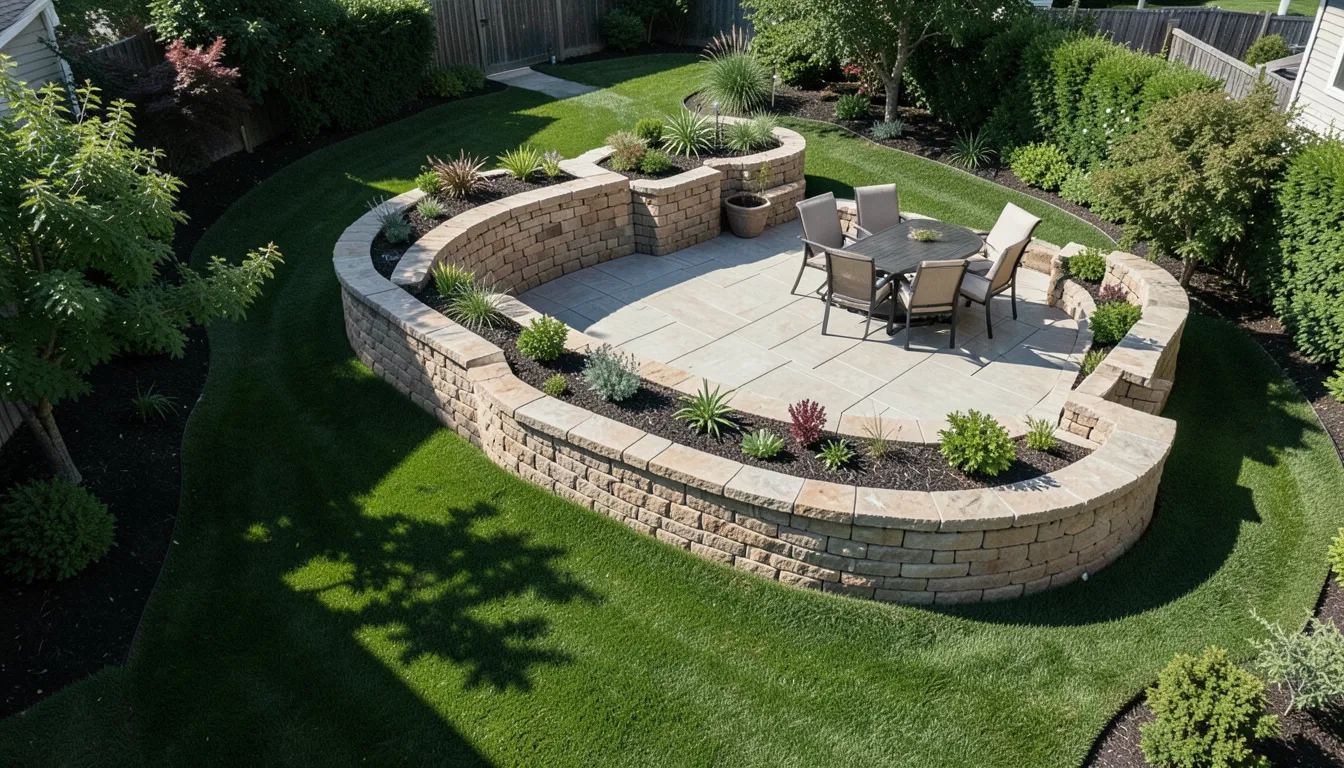
Hardscaping refers to non-living landscape elements such as patios, walkways, retaining walls, decorative stone, and outdoor seating areas. In Texas, hardscaping serves both aesthetic and practical purposes. Replacing portions of traditional turf grass with gravel pathways, stone borders, or paver patios can significantly reduce water consumption. It also minimizes mowing and seasonal lawn care responsibilities.
Natural stone remains a popular choice because it complements many Texas home styles while standing up well to heat and weather exposure. Homeowners often combine hardscaping features with drought-tolerant plant beds to create attractive outdoor spaces that require far less maintenance than expansive lawns. Outdoor living areas also tend to increase usable space. A shaded patio with comfortable seating can become a favorite gathering spot during cooler mornings and evenings throughout the summer months.
Design for Simplicity and Long-Term Success
Many homeowners make the mistake of overcomplicating their landscapes. While elaborate gardens may look impressive initially, they often become difficult to maintain over time. The most successful Texas yards usually emphasize practical design principles. Grouping plants with similar water requirements together, applying mulch to conserve moisture, and selecting durable plant varieties can dramatically reduce ongoing maintenance needs.
Many homeowners are now embracing low maintenance gardens because they deliver attractive results without demanding constant attention. These landscapes often feature native shrubs, ornamental grasses, ground covers, decorative stone, and strategically placed shade trees. The result is a yard that remains visually appealing even during periods of extreme heat.
Simple designs also age better. Plants have room to mature naturally, and homeowners avoid the overcrowded appearance that can develop when too many species compete for space.
Add Shade Where It Matters Most
Texas summers can be relentless, making shade one of the most valuable features in any landscape design. Large canopy trees not only provide relief from the sun but can also help lower cooling costs by reducing heat absorption around the home. Live oaks remain a favorite throughout much of the state thanks to their durability and broad spreading canopies. Cedar elms and bur oaks are also popular choices in many regions.
Beyond trees, homeowners can add pergolas, shade sails, covered patios, and climbing vines to create more comfortable outdoor areas. Combining natural and built shade solutions helps maximize outdoor enjoyment during even the hottest months of the year. A thoughtfully shaded yard often becomes an extension of the home itself, creating additional opportunities for relaxation, entertaining, and family gatherings.
Successful Texas landscaping starts with working alongside the local climate rather than against it. Native plants, smart hardscaping, shade solutions, palm tree focal points, and simplified garden designs can all help create an outdoor space that remains attractive throughout the year while reducing maintenance demands. With a thoughtful approach, homeowners can enjoy a landscape that looks beautiful and performs well no matter what the Texas weather brings.