Zen doodling activates the same areas of the brain as meditation, helping you relax and release stress. For beginners, art is not only about making something beautiful but also about finding a way to unwind and express yourself.
Many people hesitate to start creating because they worry about lacking talent or being judged. Yet the more you explore the basics, the more you will discover the joy of experimenting with shapes, colors, and patterns. Just as looking at plants can lower stress and blood pressure, engaging directly with textures and colors can do even more for your well-being.
In this guide, you will learn how to build the right mindset, choose affordable tools, practice simple techniques, and try eight enjoyable beginner projects. Ready to awaken your artistic side? Let’s get started.
Build the Right Mindset for Creating Art
Your mindset, not lack of talent, stands as the biggest obstacle between you and artistic expression. My work with new artists shows that they truly enjoy art-making after developing the right mental approach. Their mindset will make or break their art practice.
Let go of perfectionism
Perfectionism paralyzes beginner artists. It shows up as thoughts like “I’m not good enough” or “I’ll never be as good as others”. These thoughts aren’t unique to you—we’ve all had them! Artists who continue creating and those who quit differ not in talent but in handling these perfectionist tendencies.
Fear drives perfectionism—fear that your art won’t measure up. A significant difference exists: you are not your art. Your worth as a person doesn’t depend on how your creations turn out. Your “failed” pieces become stepping stones in your creative trip rather than evidence of inadequacy.
The 80:20 rule offers a helpful approach—80% of your outcome comes from just 20% of your effort. You should focus on that vital 20% instead of endless polishing to achieve perfection. Declaring your work “good enough” saves energy to create more art.
Focus on the process, not the result
Moving your attention from outcome to process changes the art-making experience. Anxiety replaces joy when you focus only on results—you start worrying about the finished piece’s appearance before beginning.
My creative trip taught me that I worried more about others’ reactions than enjoying the creation process. Art became rewarding again once I concentrated on the process itself—feeling the materials and enjoying experimentation.
This mental move opens new possibilities. You take more risks and try new approaches without expectations weighing you down. Look at your art from a scientist’s viewpoint—scientists experiment, observe results, and think “how interesting!” rather than judging outcomes as good or bad.
Practice consistency matters more than perfect results. Your artistic confidence grows through action, not waiting for perfection. You’ll see major improvements over time by valuing regular practice above individual piece outcomes.
Gather Simple Tools to Get Started
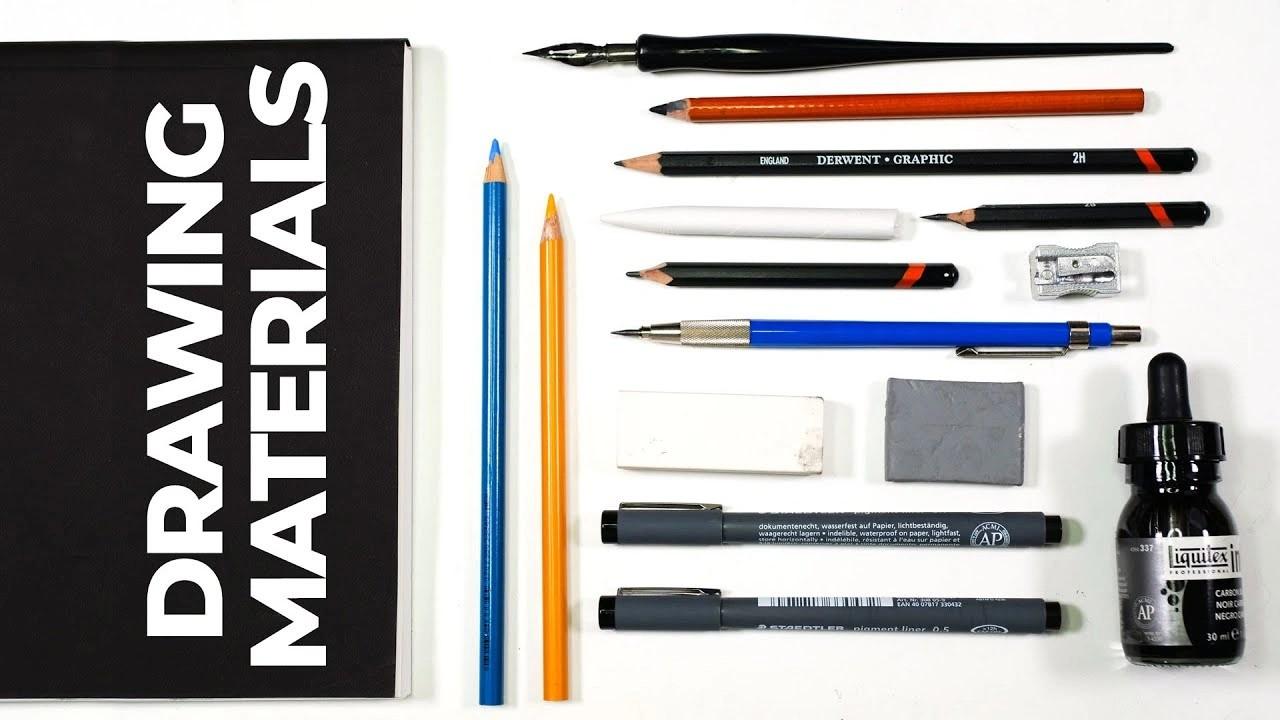
You don’t need a studio packed with expensive supplies to begin your art trip. A few simple tools can open up a world of creative possibilities when you’re just starting out.
Simple supplies for sketching and painting
These fundamental items will get any aspiring artist started:
- Drawing pencils: A set with various grades (HB, 2B, 4B, 6B) gives you range from light to dark lines
- Erasers: Both kneaded and vinyl types to meet different erasing needs
- Sketchbook: Pick medium-weight paper (90-110 lbs) that works with multiple mediums
- Simple brushes: A few round and flat brushes in different sizes will do
- Starter paints: Watercolors or acrylics work great for newcomers
A good pencil sharpener and blow-bulb to clear eraser crumbs round out your toolkit. These items let you practice core techniques without feeling swamped.
Budget-friendly choices for beginners
Great art supplies won’t empty your wallet. Student-grade materials give excellent value while you learn. Brands like Derwent Graphics pencils offer professional quality at reasonable prices.
Liquitex Basics acrylic line brings vibrant colors without premium costs. Amazon Basics sells a 17-piece sketching set under $10 that has everything you need to start drawing right away.
Tools that serve multiple purposes make sense. Mixed media sketchbooks handle pencil, ink, and light washes, so you won’t need several specialty papers at first.
Places to find beginner art kits
Craft stores like Hobby Lobby and Michaels sell detailed beginner sets ranging from simple drawing collections to complete painting kits. Amazon, Dick Blick, and art supply websites provide even more choices, often with affordable options for those just starting out.
All-in-one kits with tutorials or instruction booklets are especially helpful for newcomers. For example, the Prina Drawing Set costs about $25 and comes with graphite, charcoal, colored pencils, and a sketchbook. Another beginner-friendly option is personalized paint by number kits, which guide you step by step while still letting you create a piece that feels uniquely your own.
Keep in mind that regular practice with simple tools is more valuable than occasionally using expensive supplies. Start small, build your skills, and expand your collection as your confidence grows.
Learn Easy Techniques Before You Begin
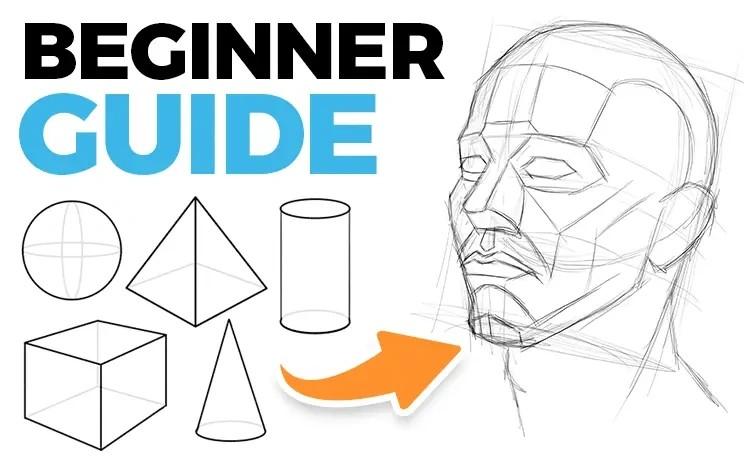
Your art skills will improve if you learn a few key techniques before you start using a brush or pencil. These simple foundations are what artists of all skill levels rely on.
Understanding shapes and lines
Artwork’s foundation comes from shapes and lines. Everything in your room breaks down into simple shapes – circles, squares, and triangles. Different types of lines create unique effects. Horizontal lines give a sense of calm, vertical lines show strength, and diagonal lines bring movement and energy.
New artists should see objects as simple forms. This helps you get the proportions right without details that overwhelm you. You can add more complexity once you understand contour lines that define edges and give your drawing structure.
Simple color theory for beginners
Color theory builds on straightforward principles, even though it might look complicated at first. The three primary colors – red, yellow, and blue – are the building blocks that can’t be mixed from other colors. Mix these primaries and you’ll create secondary colors like green, orange, and purple.
Colors affect us psychologically too. Warm colors like reds and yellows seem to come forward, while cool colors like blues and greens appear to move back. Yes, it is important to know color relationships, especially complementary colors on opposite sides of the color wheel. This knowledge helps create artwork that catches the eye.
Start Your First Beginner Art Projects
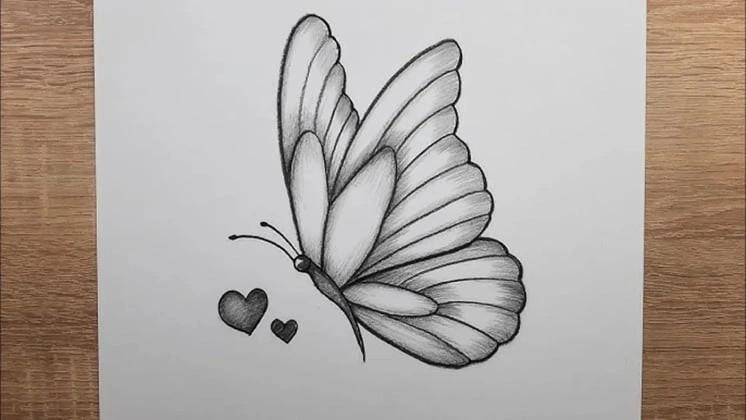
Now that you understand the basics, it is time to try some fun and approachable projects that build skills while keeping creativity light and enjoyable.
Here are eight beginner-friendly ideas you can start right away:
- Doodle a daily pattern: Begin with a dot at the center of your page and draw wavy lines that spread outward. Fill each section with repeated shapes such as teardrops or upside-down “u” forms. This practice helps improve hand control and creates a calming, meditative effect.
- Paint a simple landscape: Use three colors to blend a sunset gradient, then add silhouettes like mountains, trees, or rooftops. This project introduces color blending and delivers impressive results with minimal effort.
- Create a color wheel: Draw a circle divided into 12 equal parts. Place primary colors (red, yellow, blue) evenly, then mix to form secondary and tertiary hues. This exercise deepens your understanding of how colors relate to one another.
- Sketch objects from your room: Pick everyday items and carefully measure proportions before adding details. Focus on contour lines to capture form. Date each sketch so you can track your progress over time.
- Try a basic mandala: Start with concentric circles and divide them into equal sections. Add simple repeating patterns in each slice, building outward from the center. Mandalas encourage patience and precision.
- Make a mini comic strip: Tell a short story in four to six panels with a clear beginning, middle, and end. Keep characters simple using basic shapes. This combines storytelling with art in an easy, playful format.
- Paint with your fingers: Finger painting is not just for kids. Use your fingers to blend colors and create textures. Different fingers give different stroke sizes, and varying pressure adds unique effects.
- Create a mood board with colors: Collect swatches, magazine cutouts, or digital images that capture a theme or feeling. Arrange them into a board that reflects your style, offering inspiration without the pressure of making a finished piece.
Conclusion
Beginning an art journey is less about talent and more about giving yourself permission to explore. When you release perfectionism and focus on the process, creativity becomes a source of joy rather than stress. With just a few simple tools, basic techniques, and beginner-friendly projects, anyone can discover the calming and rewarding effects of making art.
Every sketch, brushstroke, or playful experiment adds to your growth and builds confidence. Art has the power to quiet the mind, brighten your day, and connect you more deeply with yourself. Start small, stay curious, and remember that consistency matters more than flawless results.
By embracing these practices, you will not only learn to create but also develop a meaningful habit that supports both relaxation and self-expression. The first step is simply to begin, and every piece you make brings you closer to a more creative and balanced life.