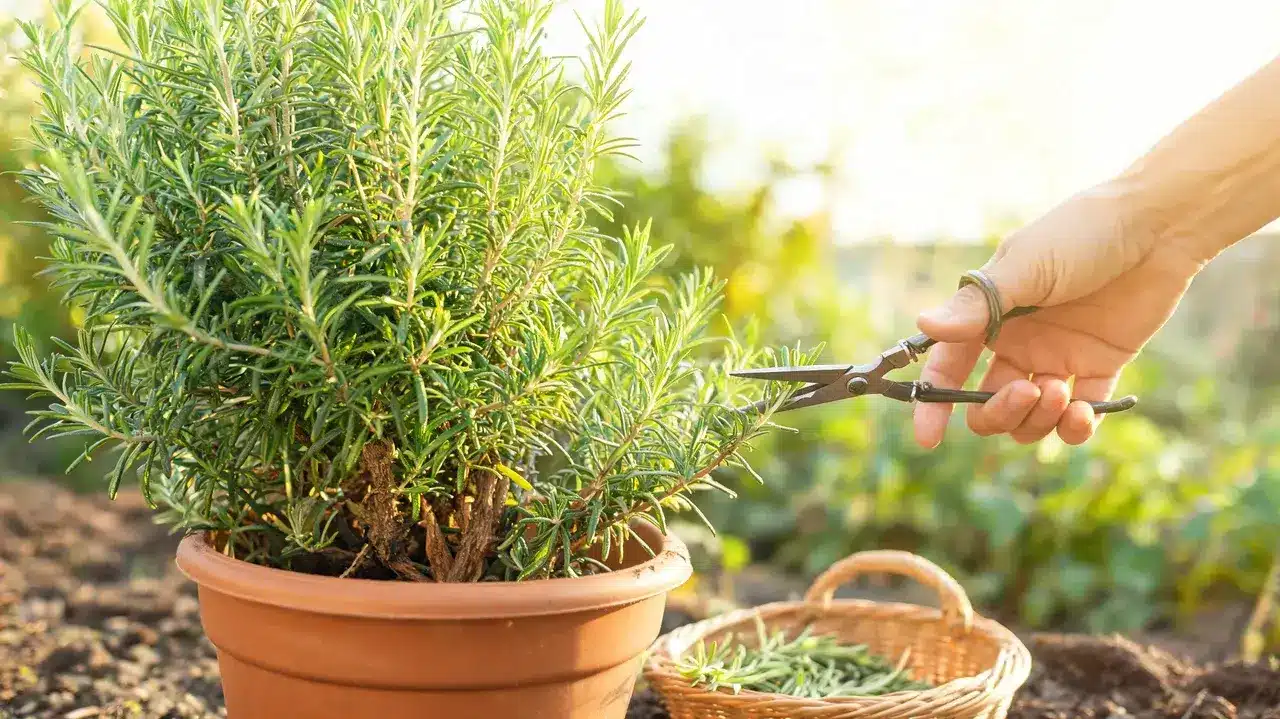
Harvesting rosemary should not feel like a choice between fresh sprigs today and a healthy plant tomorrow. Established rosemary handles regular, light harvesting well, and knowing how to harvest rosemary correctly is what keeps it that way. But deep or heavy cuts can slow regrowth and leave the plant weak.
The key is simple. Use clean, sharp tools, cut the soft green growth, and never remove more than one-third of the plant at once. Regular tip-cutting also helps rosemary grow fuller instead of turning bare and woody, which matters given how often this drought-tolerant landscape shrub is grown for structure as much as flavor.
Here’s when to harvest rosemary, where to cut, how much to take, how long regrowth takes, and how to store fresh rosemary once you’re done. You’ll know exactly how to collect what you need without putting future growth at risk.
When to Harvest Rosemary for the Best Flavor
Small harvests can happen anytime during the growing season, but timing still shapes flavor and aroma, and the table below breaks down the best time of day, time of year, and flowering stage to help you decide when to cut rosemary.
| Timing Factor | What To Do |
|---|---|
| Best Time Of Day | Harvest in the morning after the dew dries but before peak heat, when the oils are most concentrated. |
| Best Time Of Year | Take light harvests anytime the plant is actively growing, and save larger harvests for spring and summer regrowth. |
| Before Flowering | Cut just before the buds open for the strongest flavor, or once buds form if you plan to dry it. |
| Plant Size | Wait for established, well-branched growth before harvesting more, and take only a few tender tips from young plants. |
Once you match your harvest to the right time of day, season, and growth stage, your rosemary stays flavorful and recovers quickly, so the next step is figuring out how much you can safely cut in one sitting.
Which Rosemary Stems Should You Cut?
Different rosemary stems suit different jobs in the kitchen and the garden, so knowing which growth to reach for helps you get the best flavor from fresh cuttings while saving woodier stems for later pruning and plant shaping.
Rosemary is a woody shrub at its core, much like lavender’s thick, woody stems, and the LSU AgCenter notes that its more herbaceous, flexible portions are also what root best when propagating new plants from cuttings.
- Tender Green Tips (Best For Cooking): Soft ends where the stem is still green. Take the top 2 to 3 inches.
- Longer Soft Stems (Best For Drying): Healthy, flexible growth up to about 8 inches. Avoid cutting into older wood.
- Woody Branches (Best For Stock, Tea, Seasoning, Skewers, Grilling): Not eaten directly. Strip the leaves for cooking, or reuse the branches as skewers.
Once you know which stems to reach for, regular harvests become easy, so stick to tender green growth for everyday cooking and set the woody branches aside until you are ready to prune and reshape the plant.
Tools You Will Need
Before you start cutting, gather a few simple tools, since the right supplies help you make clean cuts, protect the stems from damage, and keep your rosemary healthy and ready to keep producing new growth all season. This drought-tolerant herb pairs well with other low-water herbs planted together, so the same basic tool kit usually covers your whole bed.
- Clean Scissors or Pruners: Sharp blades make a clean cut and reduce damage to the stem.
- Optional Gloves: Rosemary oils can bother sensitive skin, so gloves help if you tend to react.
- Clean Container: Use a small container or basket to collect sprigs without crushing them.
Pinching soft tips by hand works fine for a small amount, but scissors or pruners give you more control and protect the plant, so aim for a clean cut just above a leaf node to encourage new branching instead of a bare stub.
Step-by-Step: How to Harvest Rosemary Correctly
Learning how to harvest rosemary correctly makes all the difference for its long-term health. Each step below protects the stems, encourages new growth, and helps your rosemary stay full, bushy, and healthy through every harvest season.
Step 1: Choose Healthy, Tender Stems
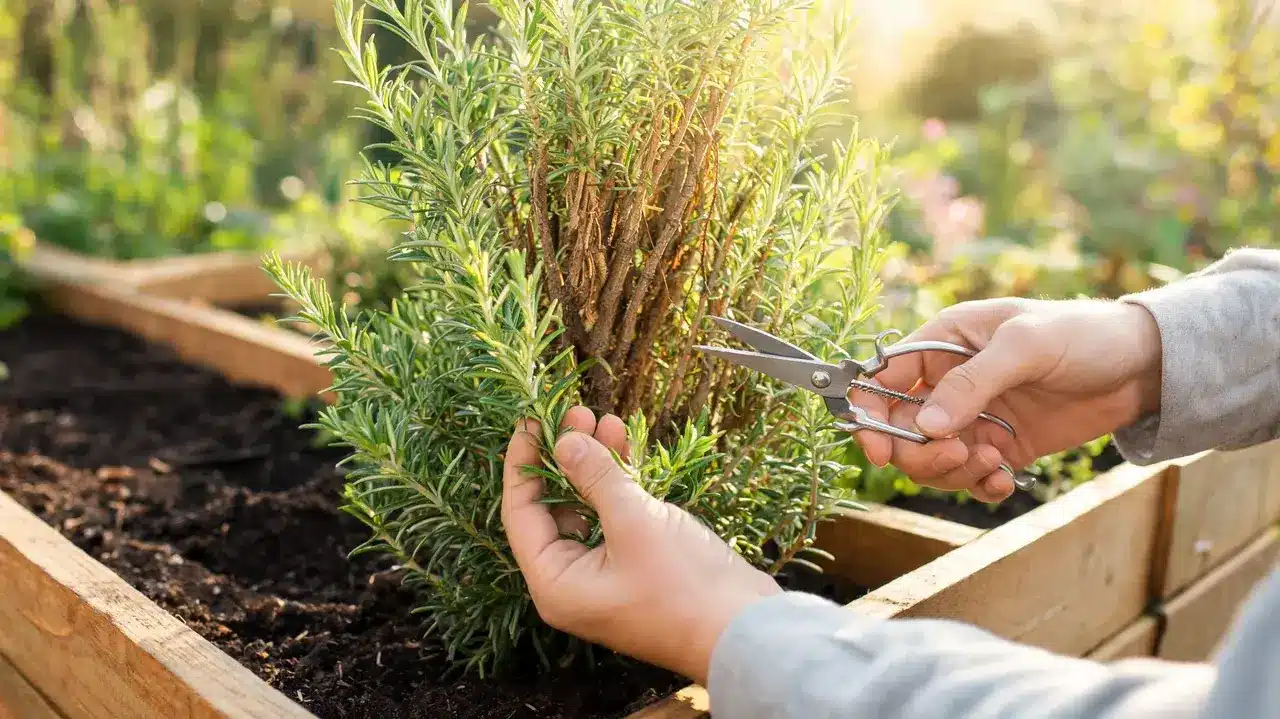
Look for fresh, green growth near the outer parts of the plant. These younger stems recover faster after cutting. Choose stems with healthy leaves and no damage.
Avoid cutting deep into thick, woody branches, since older stems don’t produce much new growth. If a branch is spreading too far or blocking nearby plants, start there. It doubles as light pruning.
Step 2: Cut Just Below a Leaf Node
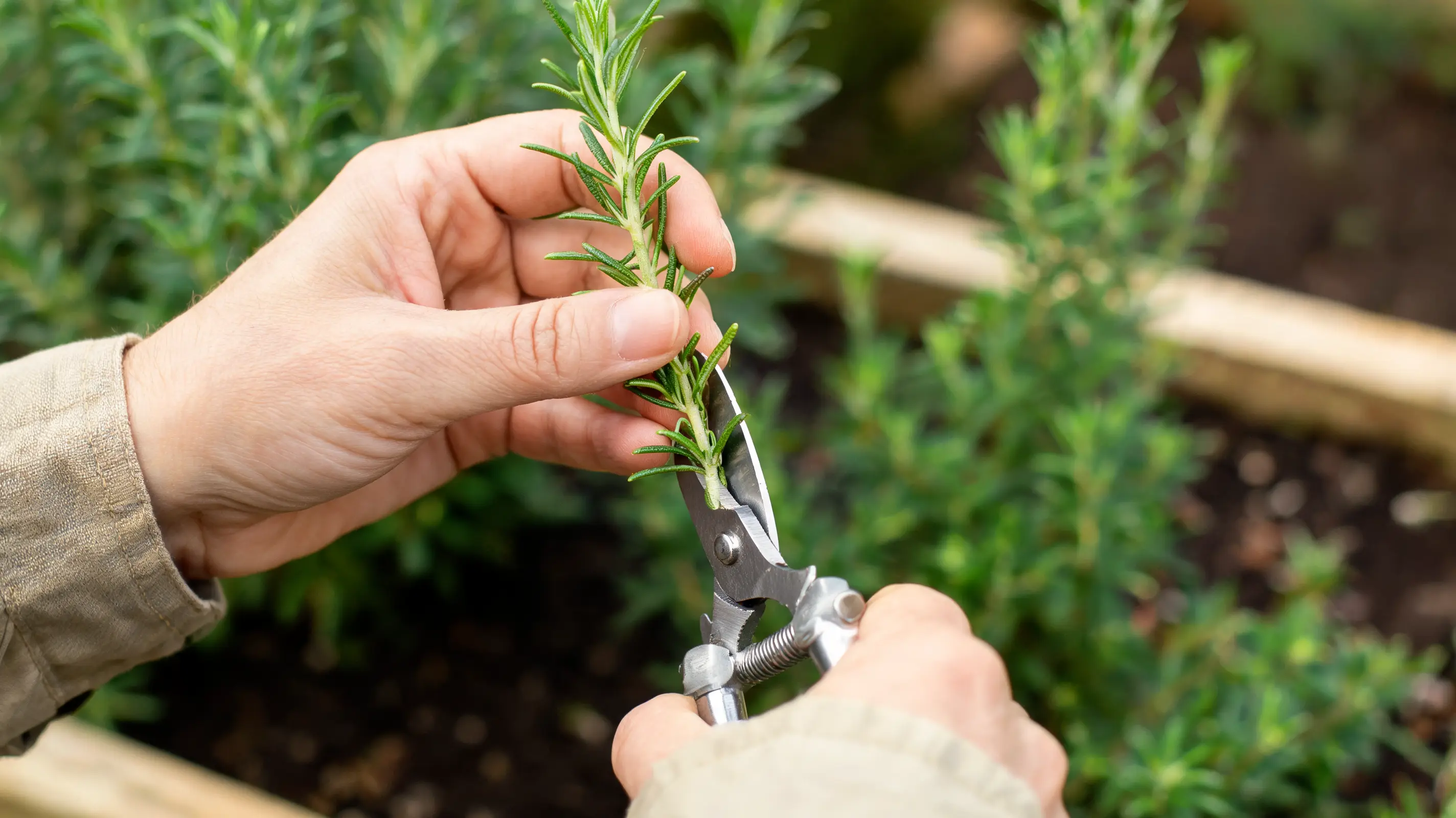
A leaf node is the small point where leaves grow. Cutting just below it encourages the plant to branch out and produce new stems, a technique University of Maryland Extension also recommends for lateral branching instead of picking leaves here and there. For everyday cooking, take the tender top 2 to 3 inches of the stem.
For drying or storing, cut soft stems up to about 8 inches long. Avoid pulling, twisting, or tearing branches. A clean cut helps the plant recover faster.
Step 3: Harvest From Every Side
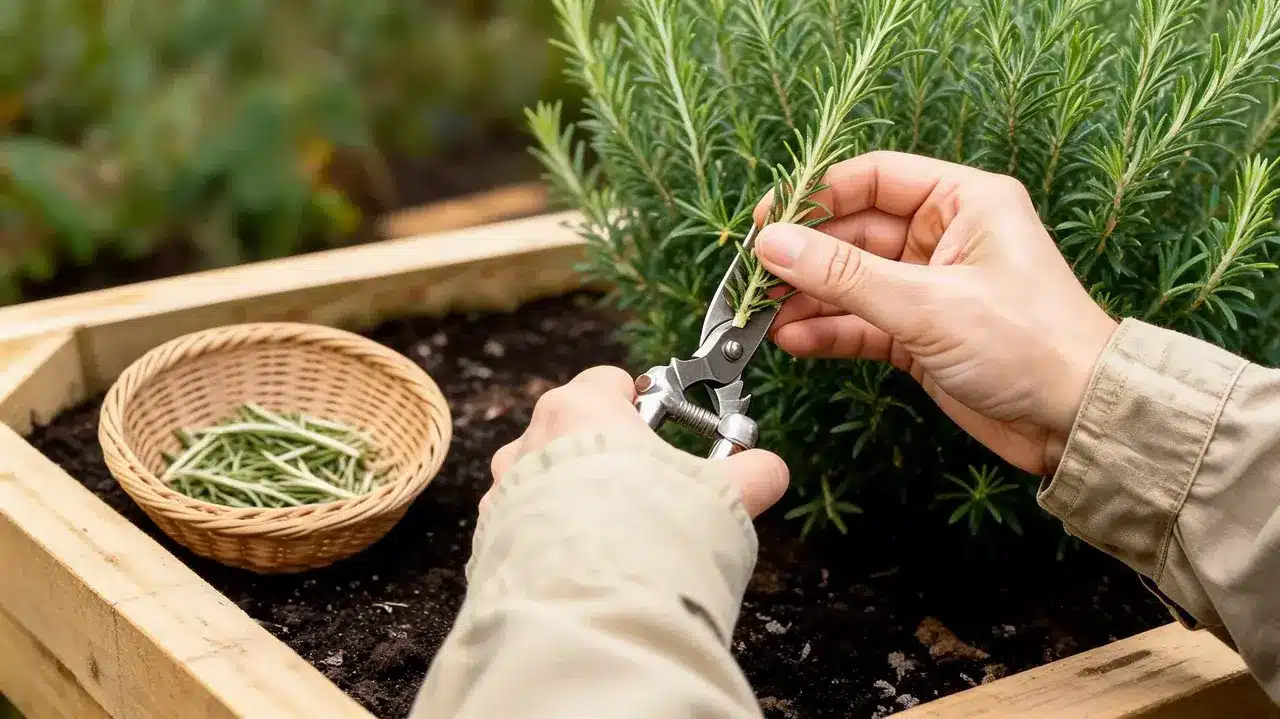
Don’t take all your rosemary from one spot. Move around the plant and remove a few stems from different sides. This keeps the plant balanced and helps airflow through the branches.
Harvesting the outer stems first can also stop the plant from getting crowded or woody.
Step 4: Stop Before You Take Too Much
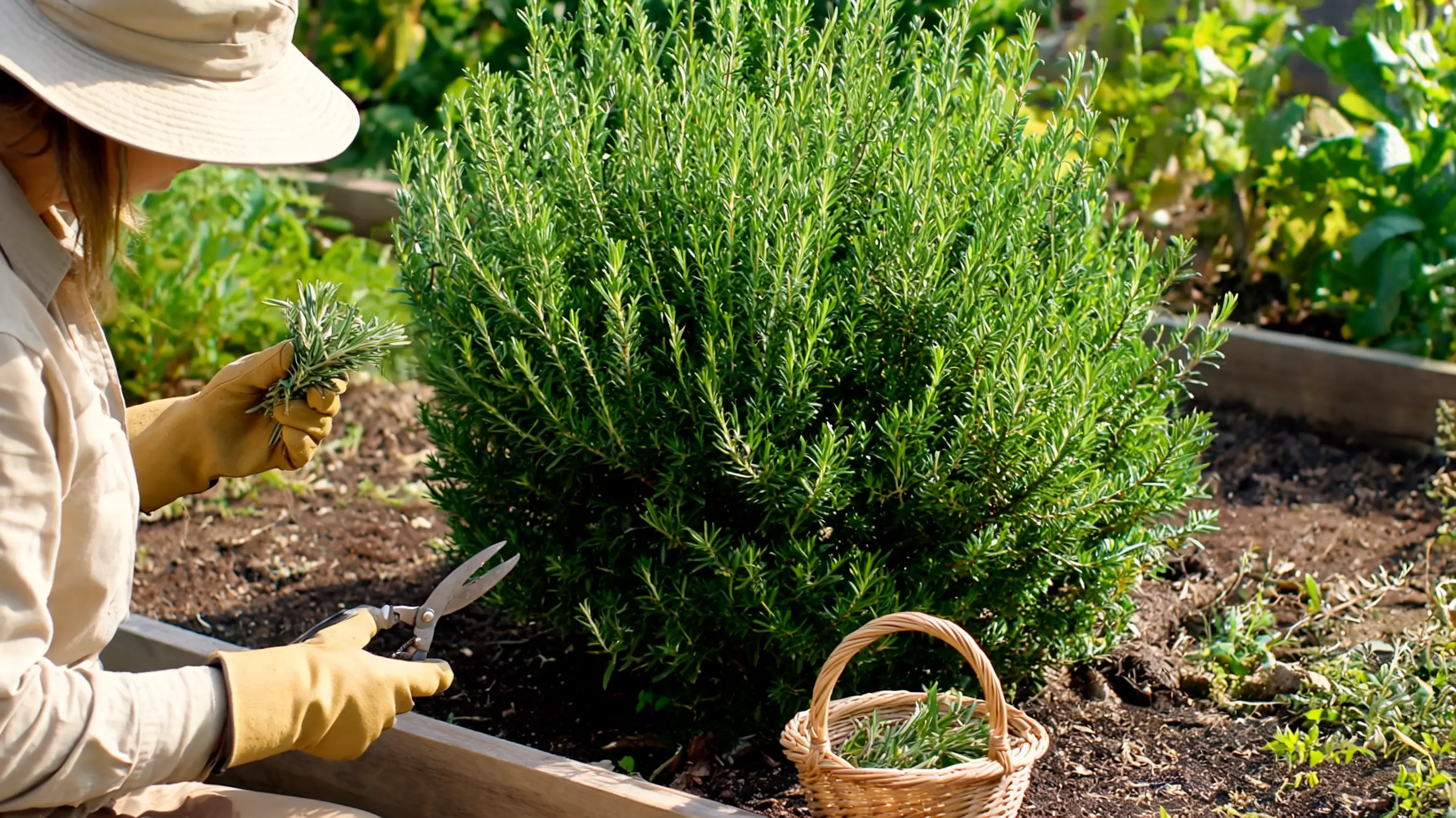
The biggest mistake is removing too much at once. For an established plant, avoid taking more than one-third of the total growth in a single harvest. Small or newly planted rosemary needs more care.
Take only a few stems, and let new growth replace what you removed before harvesting again. Leave enough green growth behind so the plant can keep making energy and recover properly.
Step 5: Let the Plant Recover
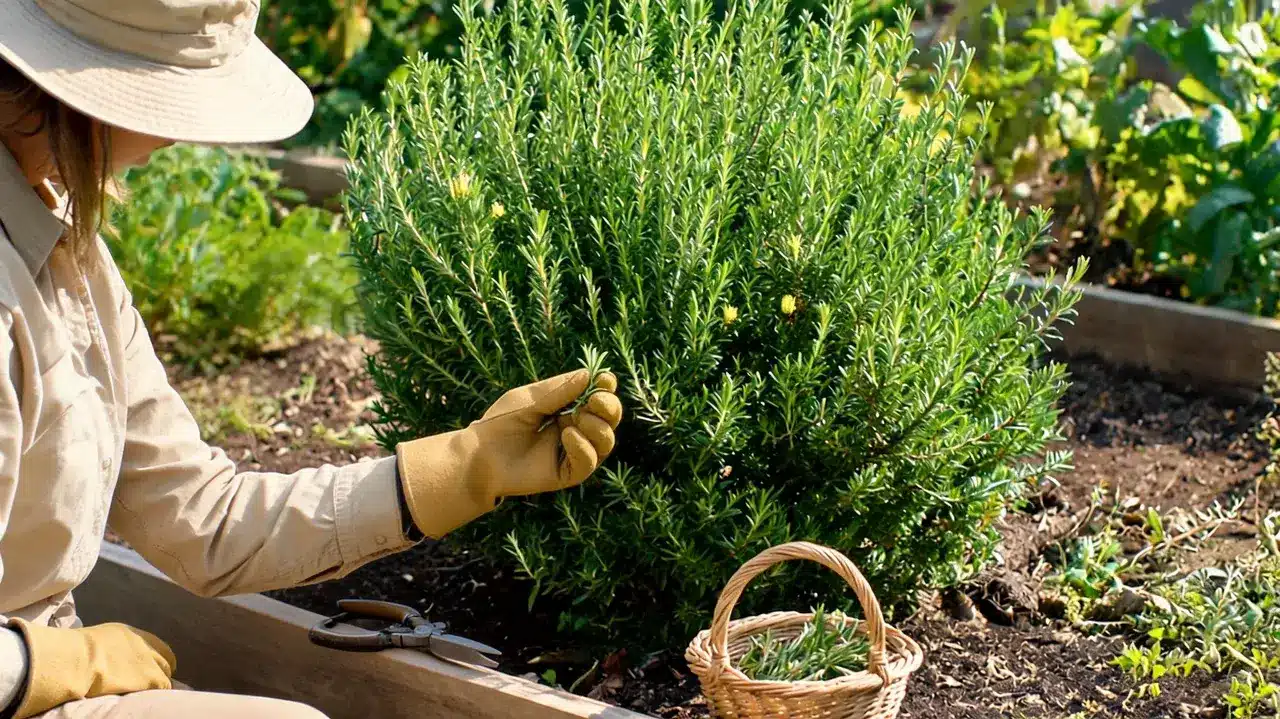
Give your rosemary time to grow back before cutting more, since recovery speed depends on the plant’s size and health. Small plants need longer breaks between harvests because they have less growth to replace.
Healthy, established plants with plenty of new growth can often handle weekly cutting. After a larger harvest, wait one to two weeks before cutting again.
How Much Can You Harvest at Once?
Knowing how to harvest rosemary without stressing the plant comes down to its size and health. Nothing more complicated than that. Young plants need lighter cuts.
They don’t have the reserves yet to bounce back from a heavy harvest, so a few tender tips at a time is enough. Give them room to grow before you come back for more.
Established plants are a different story. They can handle regular harvesting, sometimes even weekly, once they’ve built up plenty of new growth. But the one-third rule still applies here too. Never take more than a third of the plant in a single sitting, no matter how tempting a big harvest looks.
And where you cut matters just as much as how much. Take stems from different areas of the bush rather than stripping one spot bare. This keeps the plant balanced, protects its shape, and helps it recover evenly instead of leaving one side thin and the other untouched.
Signs You Have Overharvested Rosemary
Cutting too much at once slows the plant’s recovery. With fewer leaves left to produce energy, rosemary can struggle to send out new shoots, or end up weak and damaged.
Watch for these signs:
- Few tender tips remain: Little fresh growth is left to replace what you removed.
- The plant looks bare or uneven: Heavy cutting from one area leaves gaps and throws off its shape.
- Woody stems are exposed: Cutting too far into old wood reduces new growth.
- Branches look weak or droop after cutting: A sign the plant is stressed and needs time.
- New growth appears slowly or stops: A sign the plant needs a pause.
If you notice these, stop harvesting and wait for healthy new shoots before cutting again.
How to Store Fresh Rosemary
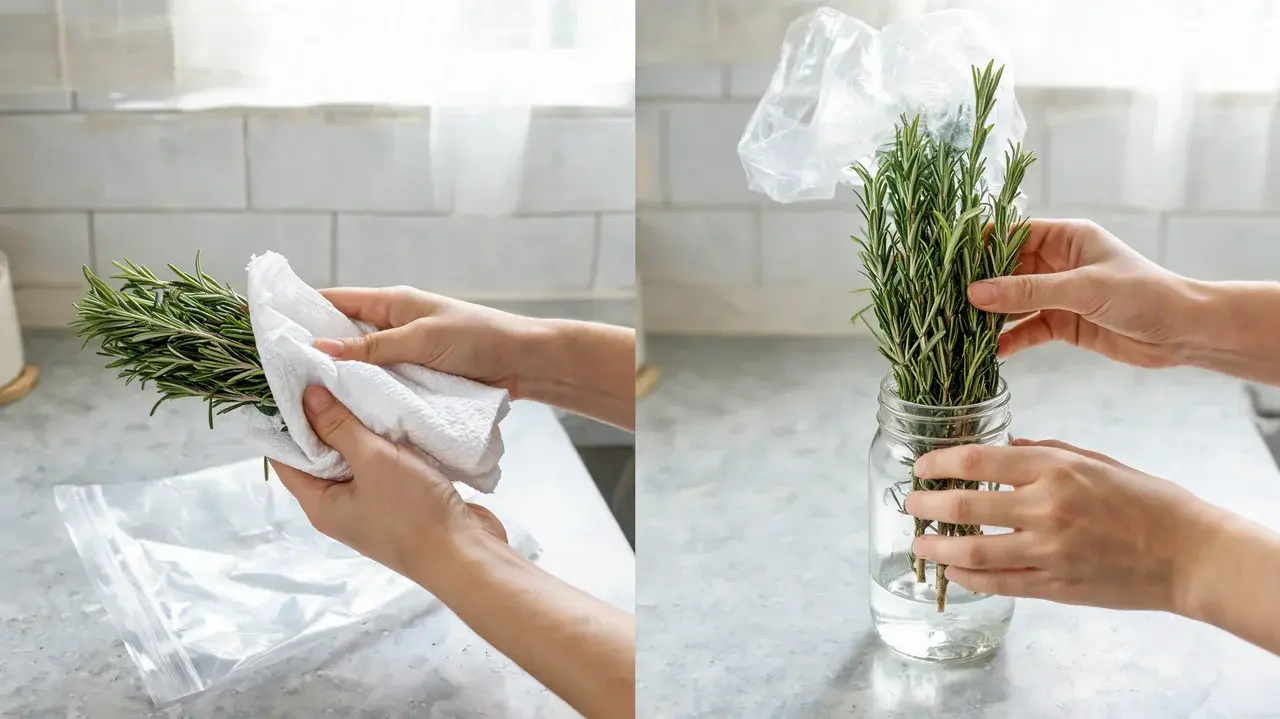
How you store fresh rosemary depends on how soon you plan to use it. Both methods below are simple, require almost no special equipment, and can stretch a single harvest into a week or two of cooking with minimal effort on your part.
Store in a Damp Paper Towel
- Place clean, dry sprigs side by side on a slightly damp paper towel.
- Wrap the sprigs gently in the towel.
- Put the wrapped rosemary in a bag or closed container.
- Store it in the fridge’s crisper drawer.
- Replace the towel once it dries out or changes color.
Stored this way, fresh rosemary stays usable for about 10 to 14 days.
Store in a Jar of Water
- Trim the ends of the stems.
- Add about an inch of water to a clean jar.
- Place the stems upright in the jar.
- Cover the jar loosely with a bag to hold in moisture.
- Store it in the fridge, and change the water once it’s low or cloudy.
Either method works well, so pick whichever fits your space and habits. Once you’ve got a system down, keeping fresh rosemary on hand stops being a chore and becomes part of your regular kitchen routine.
How to Tell When Fresh Rosemary Has Gone Bad
Check your sprigs before using them. It only takes a few seconds, but this small habit saves you from cooking with rosemary that’s lost its flavor or, worse, gone bad enough to affect your dish. Look for:
- Dark, brittle, or slimy leaves: A sign the rosemary is past its best. Healthy leaves stay green and slightly flexible, not stiff or discolored.
- Wilted stems or mold: Discard sprigs with damage or any visible mold, even if it’s just on one part of the stem.
- A dull or off smell: Fresh rosemary should smell strong and woodsy. If the scent seems faint or unpleasant, that’s usually the clearest sign it’s time to let it go.
Remove spoiled sprigs instead of mixing them in with fresh ones. One bad sprig left in the bunch can speed up spoilage in the rest, so it’s better to sort through the batch and toss anything questionable right away.
How to Keep Rosemary for Longer
Fresh rosemary lasts only so long in the fridge. If you grow more than you can use, freezing or drying keeps it ready for months. Here are three ways to store your harvest, whether you prefer sprigs, leaves, or dried herbs.
1. Freeze Whole Sprigs
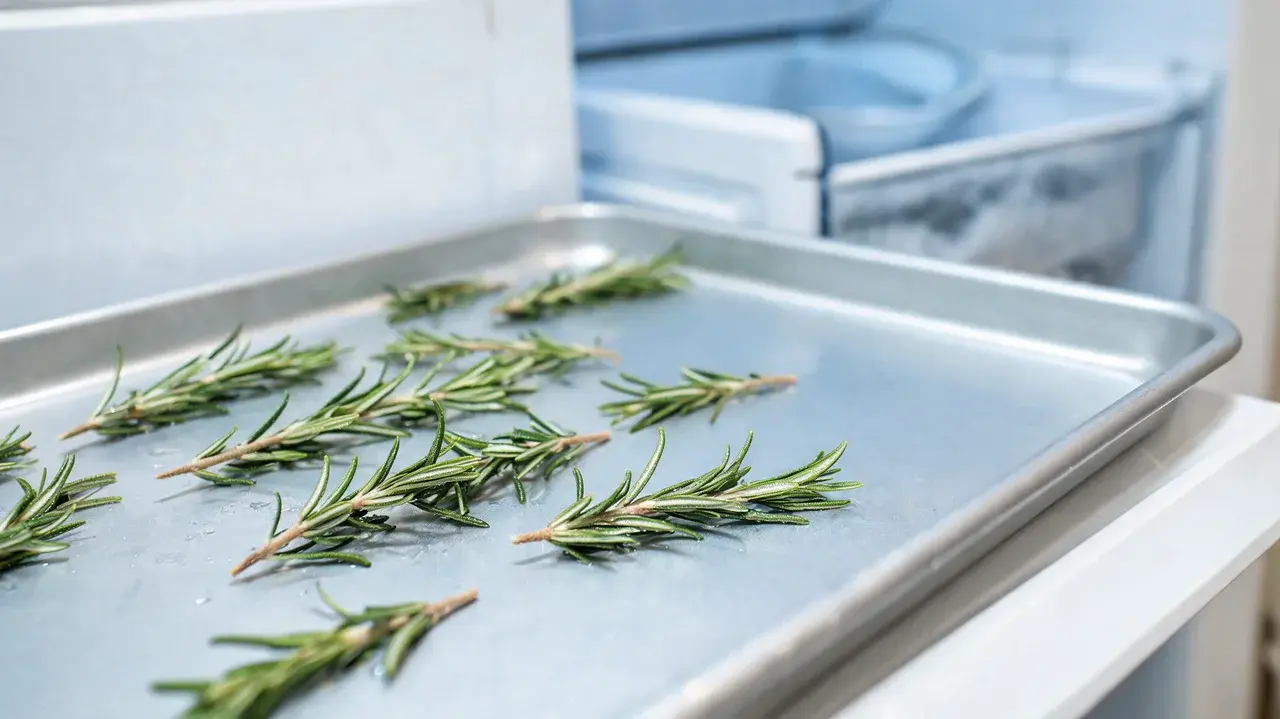
Wash the rosemary only if needed, then dry every sprig fully to prevent ice from forming. Lay the sprigs in a single layer on a tray and freeze them until firm. Once frozen, move them into a labeled freezer bag or airtight container.
This first freeze keeps the sprigs separate. You can then remove only what you need without thawing the full batch whenever you cook with rosemary at home.
2. Freeze Rosemary Leaves
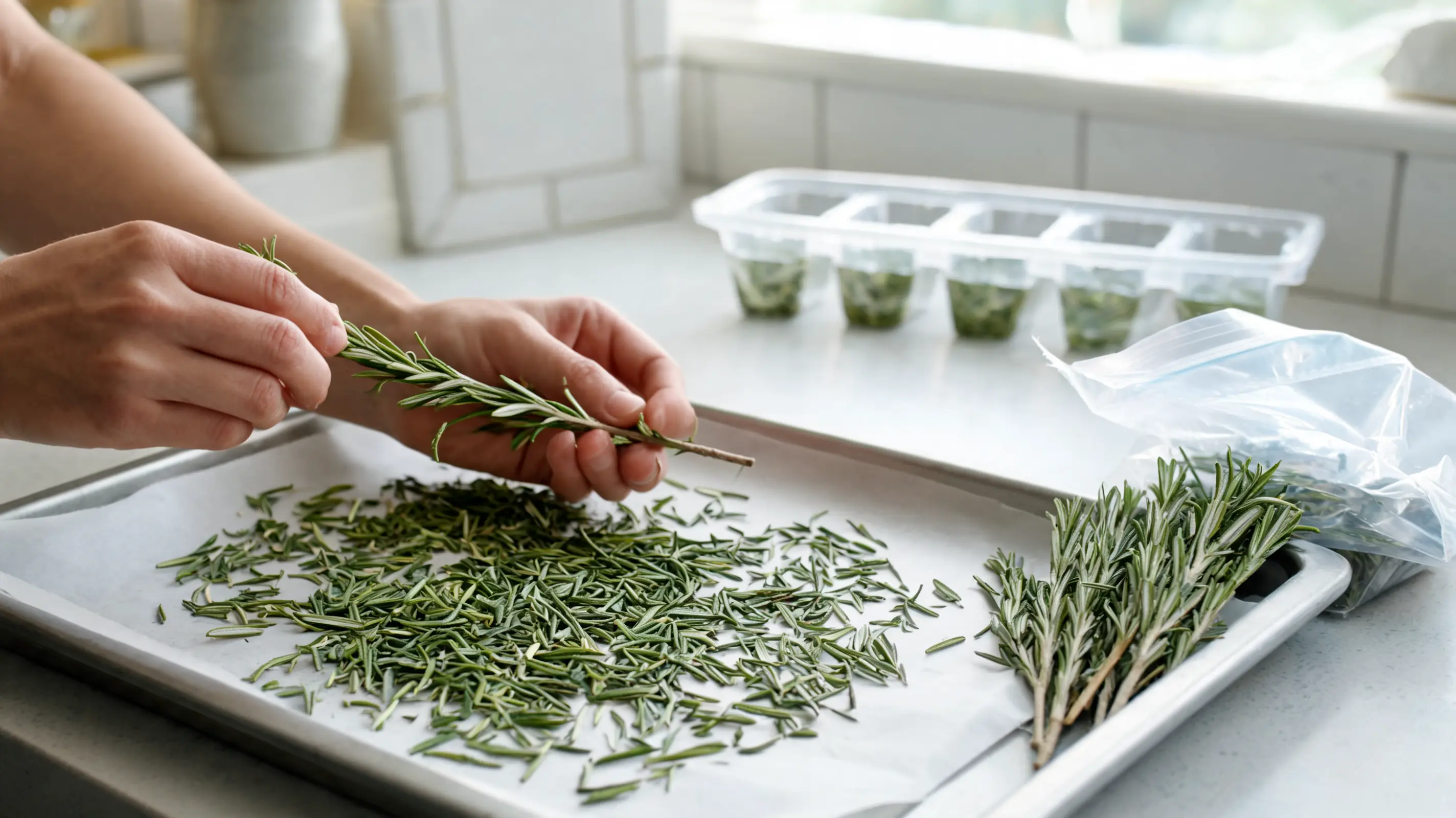
Remove the leaves from clean, fully dry stems before freezing. Spread them in a single layer on a tray so they freeze separately. Once firm, transfer the leaves into a labeled freezer bag or airtight container.
You can also place them in ice cube trays with water or olive oil. This gives you portions that are easy to add during cooking without thawing the whole batch each time you cook.
3. Dry Rosemary
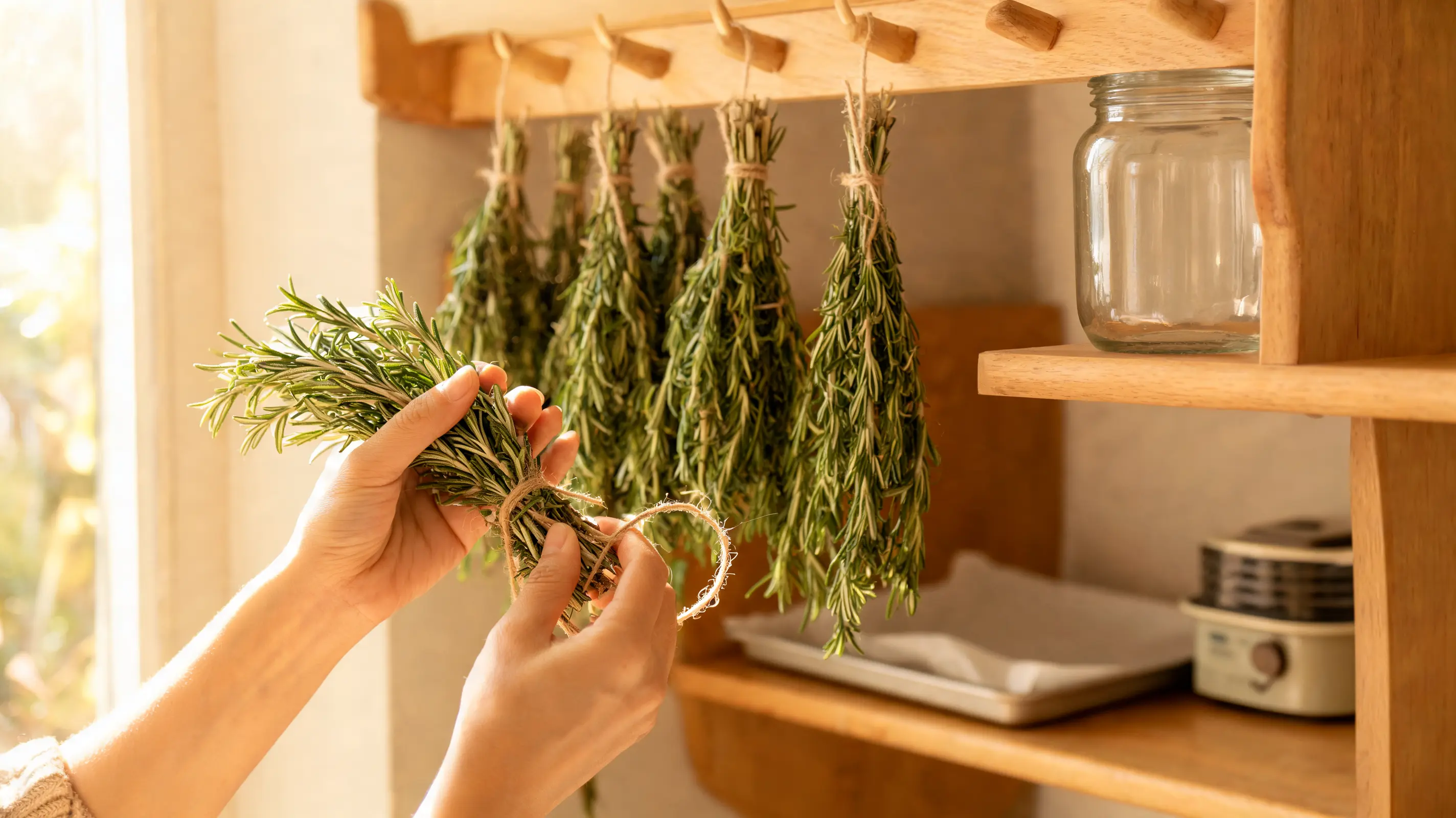
Gather clean, dry sprigs into loose bundles. Hang them upside down in a warm, dry place for about two weeks. You can also place the sprigs on a lined tray. Use the oven’s lowest setting until they feel dry and brittle.
A dehydrator works as well at a low setting. Once fully dry, remove the leaves and store them in a sealed container away from heat and moisture.
Quick Rosemary Harvest Checklist
Before you head out with your scissors, run through this list. It’s a fast way to make sure you’re set up for a healthy harvest.
- Plant condition: Harvest from an established, healthy plant with active new growth.
- Time: Cut in the morning, after dew has dried and before the day gets hot.
- Stem choice: Choose green, tender stems without damage. Avoid old woody growth.
- Cut position: Cut just below a leaf node with clean scissors or pruners.
- Small harvest: Take 2 to 3 inches from tender tips.
- Large harvest: Take longer, soft stems, up to about 8 inches, avoiding old wood.
- Maximum amount: Never remove more than one-third of the plant at once.
- Recovery: Wait for new growth before harvesting again.
- Storage: Refrigerate fresh sprigs, or freeze or dry extra rosemary.
Run through this checklist each time you harvest rosemary, and the whole process becomes second nature.
Frequently Asked Questions
Can rosemary grow back after cutting?
Yes, rosemary responds well to regular light harvesting when you cut healthy, tender stems and leave enough green growth behind. Avoid deep cuts into old, woody sections, since they rarely produce fresh growth, and give the plant time to recover between harvests.
Can you harvest rosemary after it flowers?
Yes, the leaves and flowers are both still usable once the plant blooms. For the strongest flavor, though, harvest just before flowering begins, when the essential oils inside the leaves are at their most concentrated and aromatic.
Can you pick rosemary with your fingers?
Yes, pinching soft tips by hand works well for small harvests taken here and there for everyday cooking. For most other harvesting sessions, though, scissors or pruners give you better control, cleaner cuts, and less risk of tearing or bruising the stem.
How often can you harvest rosemary?
It depends on the plant’s size and overall health. Small or young plants need more time between harvests to recover fully, while healthy, established plants with plenty of active growth can often handle harvesting weekly without showing any real signs of stress.
Final Harvest
Knowing how to harvest rosemary the right way keeps the plant healthy, while you still get to enjoy fresh sprigs all season long. It really comes down to a few simple habits.
Cut green, tender stems with clean tools. Always just below a leaf node. Take a few stems from different areas instead of stripping one section bare, and never remove more than one-third of the plant at once. That one rule alone will save you from most harvesting mistakes.
Give the plant time to replace what you removed before you come back for more. Rushing this step is where a lot of rosemary plants start to struggle. And once you’ve harvested, don’t let that effort go to waste.
Store extra sprigs soon after cutting, whether that’s the fridge, the freezer, or a slow air-dry. Do this consistently, and your rosemary won’t just survive. It’ll keep coming back fuller, season after season. Drop a comment below and tell me if you got a full harvest.