Blueberries can transform a backyard into a quiet corner full of flavor and color, but growing them successfully takes more than just planting a bush. Learning how to grow blueberries starts with picking the right location and preparing the soil so the plants thrive season after season.
Sunlight, drainage, and acidity play a huge role in fruit quality, and even small mistakes early on can affect the harvest. Understanding the steps for planting, caring for, and maintaining blueberry bushes helps avoid common pitfalls and promotes consistent growth.
The process involves choosing healthy plants, setting them in the right spot, and nurturing them with proper watering, pruning, and mulching techniques to get the sweetest, juiciest berries.
| Difficulty | 2 out of 5, mostly soil testing, planting, watering, and basic care |
| Time | 1 to 2 hours for planting, plus weekly care during the growing season |
| Cost | $75 to $200 for a basic 2 to 3-bush setup |
| Tools Needed | Shovel, hand trowel, gloves, soil pH test kit, watering can, mulch, measuring tape |
| Skill Required | Beginner, no prior experience needed, but soil pH and watering need steady attention |
Understanding Blueberries Before You Plant
Blueberries are perennial shrubs that can produce fruit for decades with proper care, making them a long-term investment in any garden. The most common types are highbush and lowbush, with highbush growing taller and producing larger berries, while lowbush spreads closer to the ground and thrives in cooler climates.
These plants require cold winters to trigger dormancy and healthy fruiting, so knowing your USDA hardiness zone is important before planting. Blueberries prefer a soil that supports strong root development and nutrient absorption.
Understanding their growth habits, seasonal needs, and soil preferences ensures healthier plants and a better harvest, making the effort of preparation well worth it before putting a bush in the ground.
Materials and Cost to Grow Blueberries
A simple material list helps you plan the setup before buying plants. Knowing the likely cost also makes the project easier to budget.
| Category | Materials | Estimated Cost |
|---|---|---|
| Plants | Blueberry bushes, plant labels | $15–$40 per plant |
| Soil Testing | Soil pH test kit | $10–$25 |
| Soil Amendments | Peat moss, pine bark, compost, sulfur chips, or soil acidifier | $20–$60 |
| Planting Tools | Shovel, hand trowel, gloves, measuring tape | $20–$80 |
| Watering | Watering can or garden hose | $10–$40 |
| Mulching | Pine needles, bark chips, leaf mold, composted sawdust | $10–$30 |
| Containers or Beds | Large containers, raised bed materials, ericaceous potting mix | $30–$150+ |
| Care Supplies | Acid-loving fertilizer, pruning shears, frost cloth | $20–$70 |
| Protection | Bird netting, fruit cage, insecticidal soap | $15–$100+ |
Costs can vary by garden size, plant type, and setup method. Start with the basics, then add extra supplies as your bushes grow.
How to Prepare Your Soil Before You Plant Blueberries
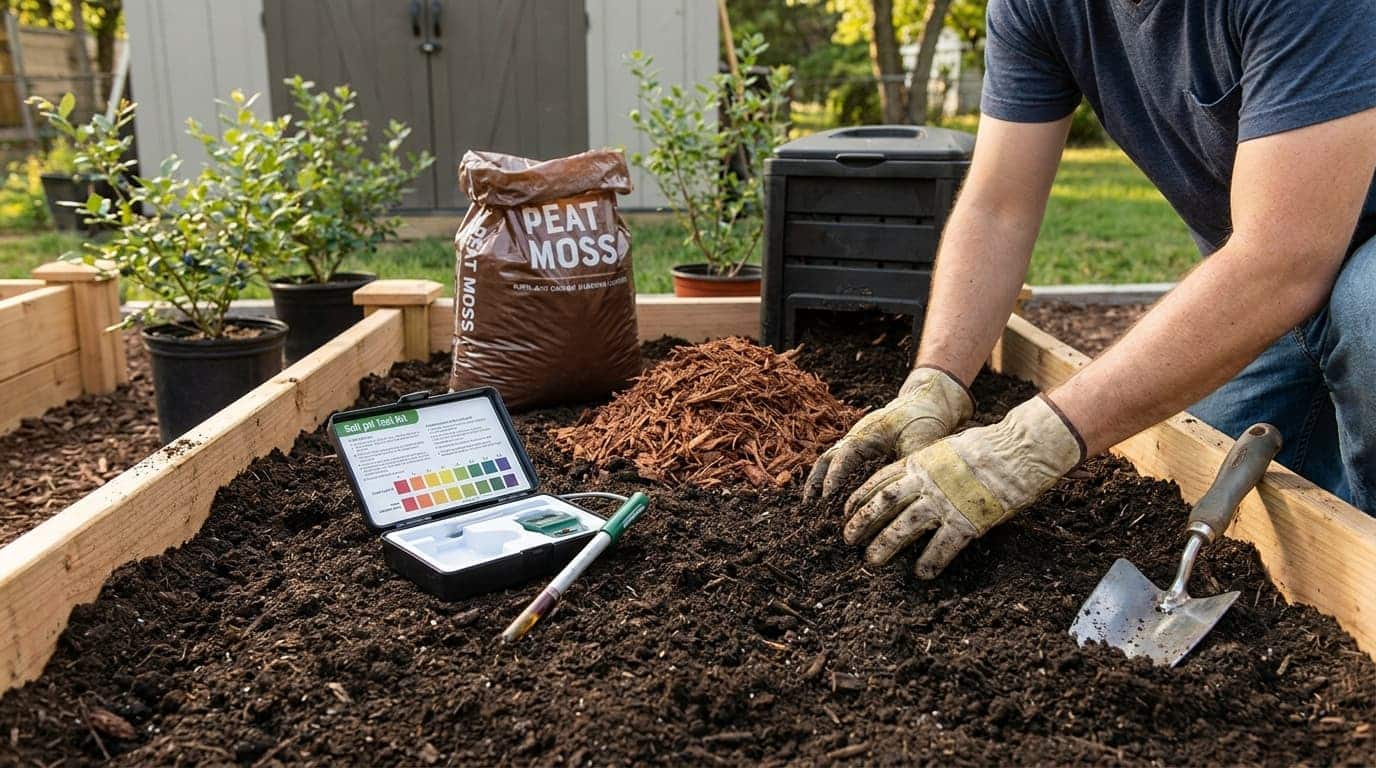
Preparing the soil properly is crucial for healthy blueberry bushes. Well-prepared soil ensures strong roots, proper nutrient uptake, and consistent fruiting year after year.
- Test Soil pH: Blueberries need acidic soil with a pH between 4.5 and 5.5. Use a soil test kit to check and adjust if needed.
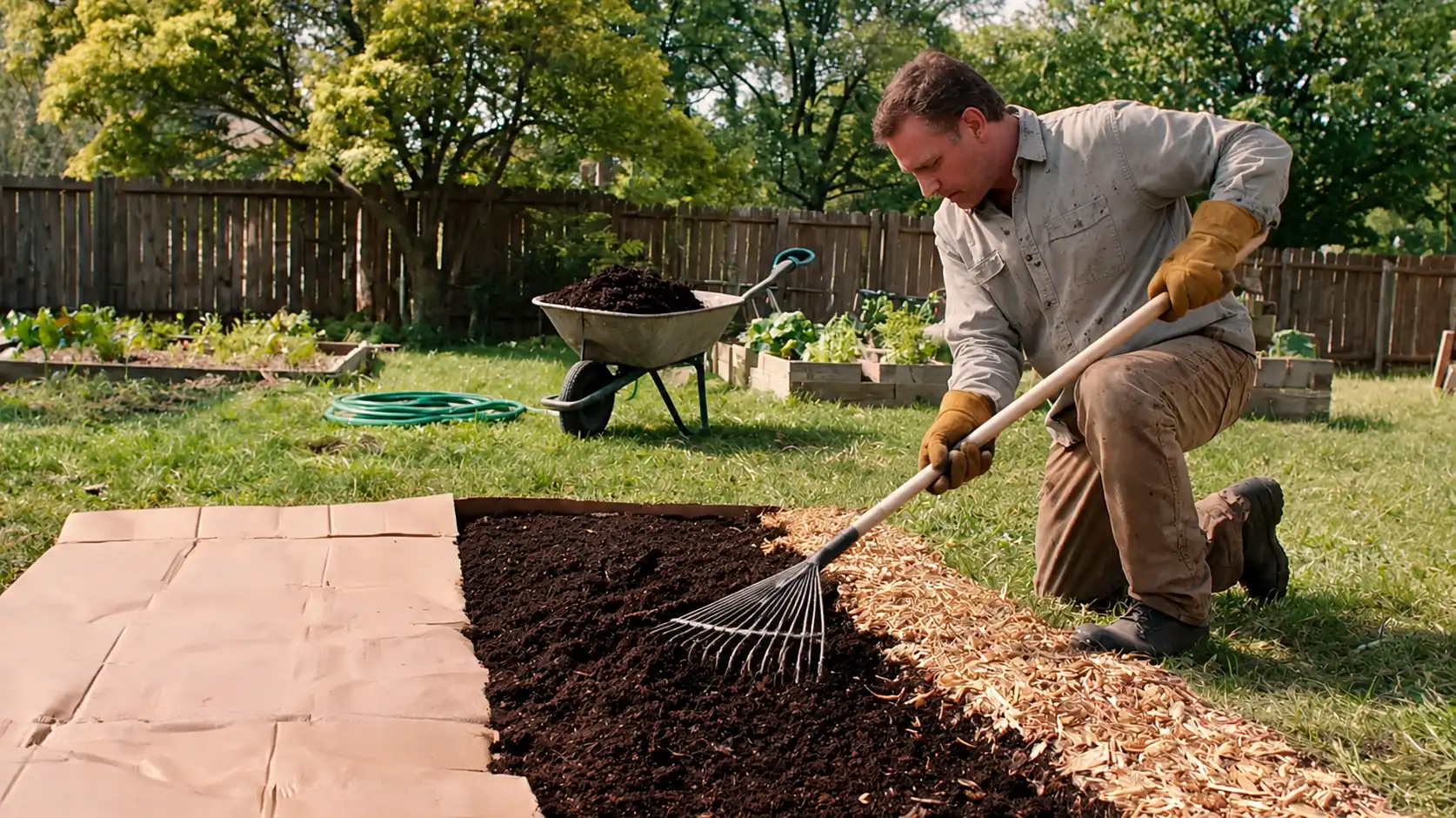
- Amend the Soil: Mix inpeat moss, pine bark, or compost to improve acidity, texture, and nutrient content.
- Improve Drainage: Useraised beds or mounds in poorly drained areas to prevent root rot.
- Add Organic Matter: Incorporate well-rotted compost or mulch to retain moisture and support healthy soil life.
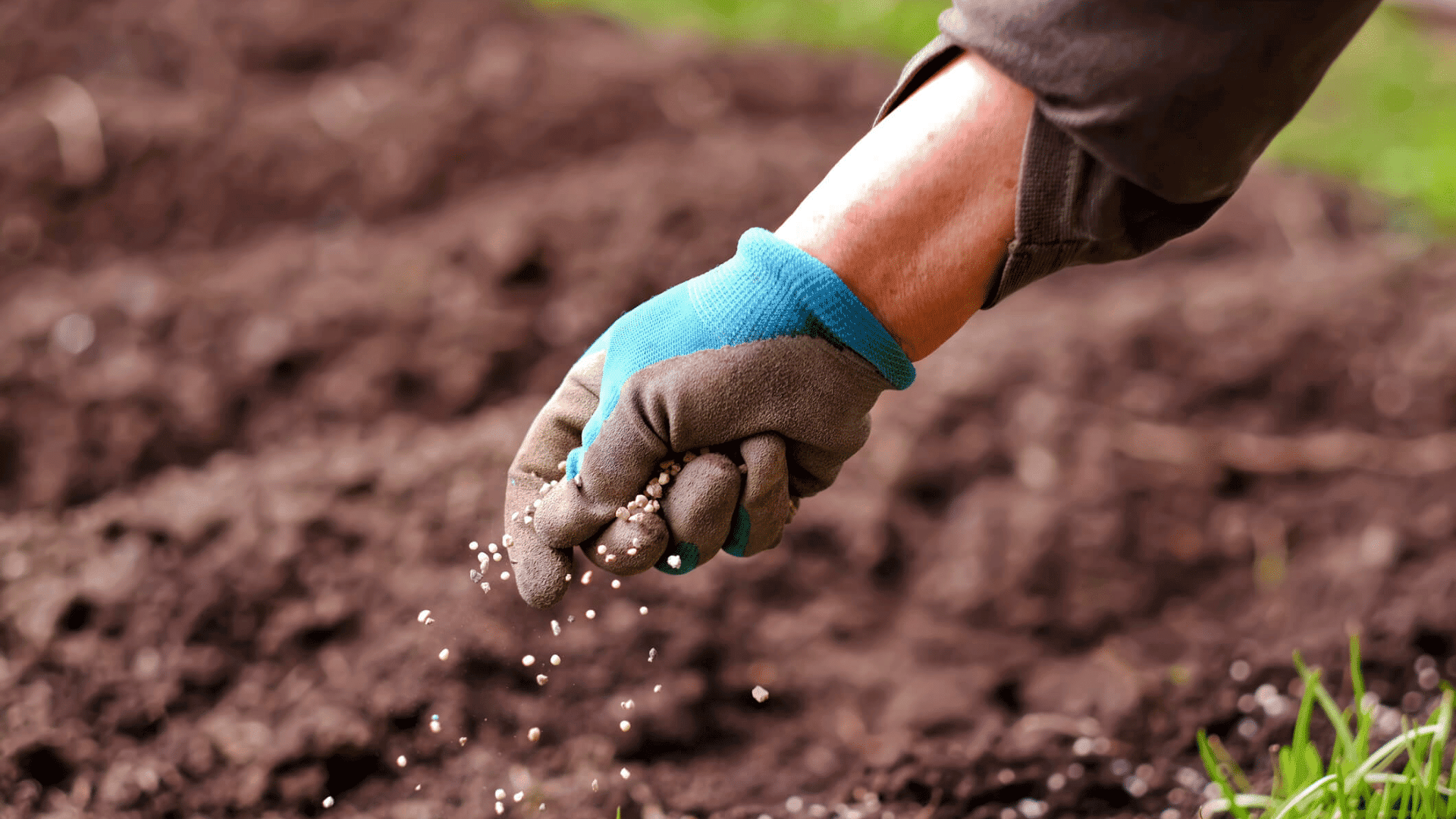
- Avoid Fertilizers Too Early: Wait until after planting to add specialized acid-loving plant fertilizers.
Proper soil preparation creates the perfect foundation for blueberries, giving them the best chance to thrive and produce sweet, juicy berries.
How to Grow Blueberry Bushes: The Right Way
Planting blueberries correctly starts with the right spot, soil, timing, and spacing. These steps help the bushes settle well and grow stronger roots.
Step 1: Choose the Best Planting Spot
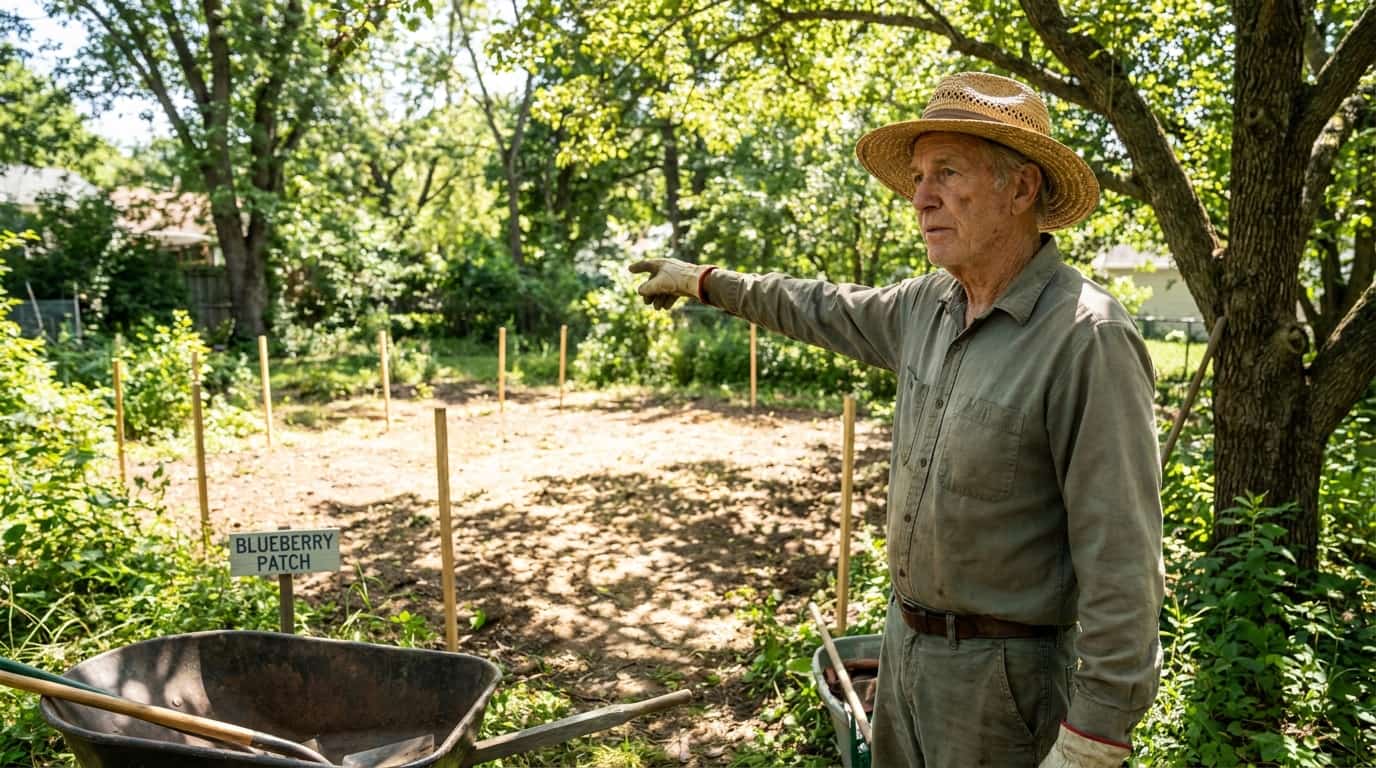
Pick a location where blueberry bushes can get strong light for most of the day. Avoid windy corners because harsh wind can dry the plant and damage young growth.
Stay away from frost-prone areas too, since late frost can harm spring flowers. A bright, protected spot gives the plant a stronger start.
Step 2: Prepare Acidic Soil
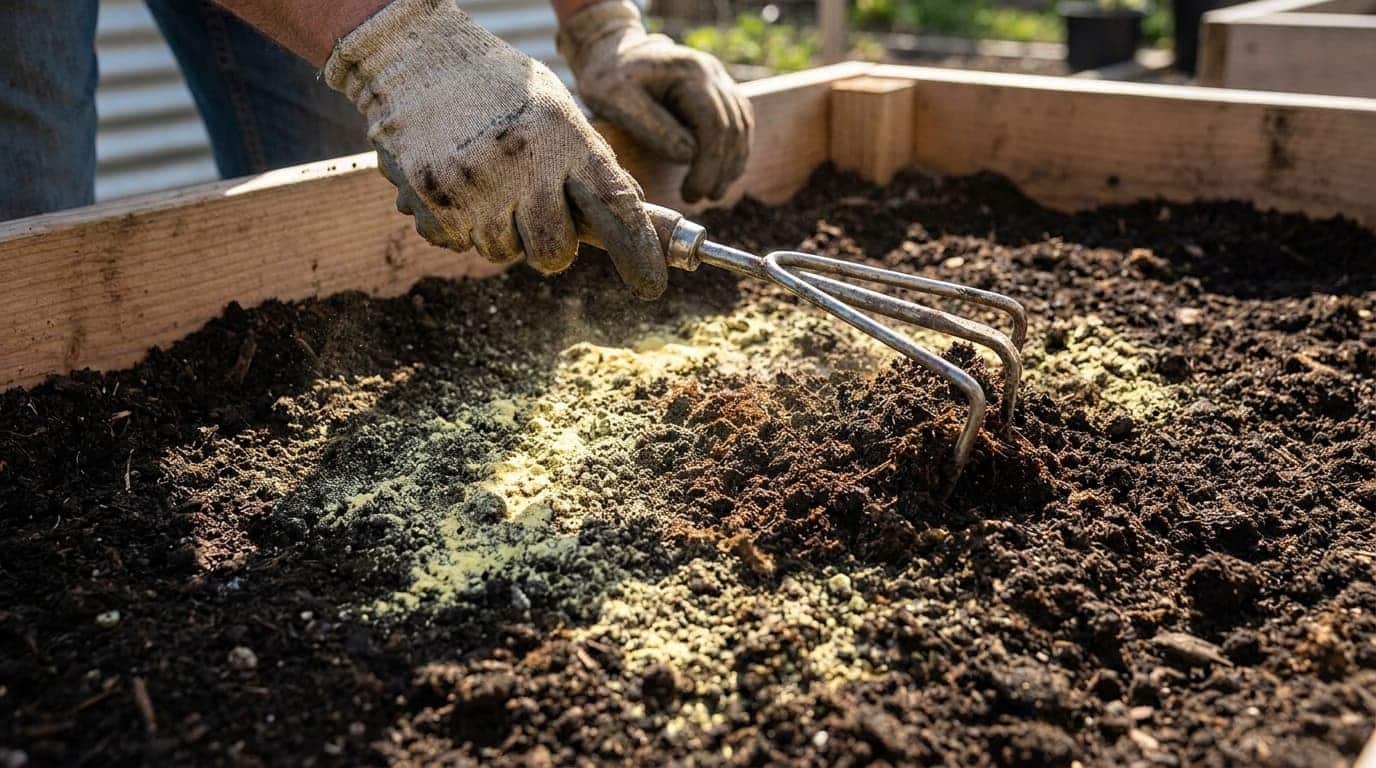
Blueberries need acidic soil. Test the soil before planting so you know what needs changing.
If the soil is neutral or alkaline, add sulfur chips or an organic soil acidifier months ahead. This gives the soil time to adjust and makes the planting area better for roots.
Step 3: Plant More Than One Variety
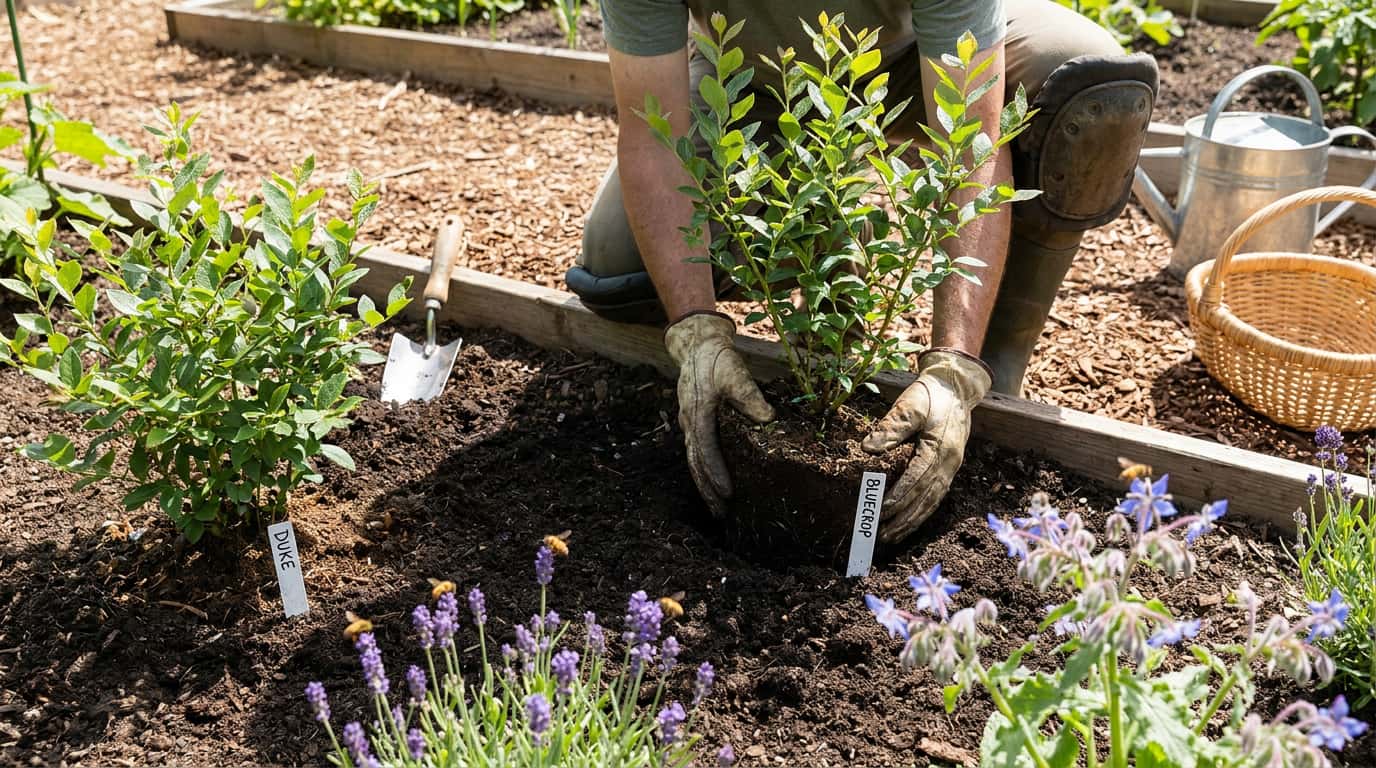
Plant at least two different blueberry varieties close together to improve cross-pollination.
Many blueberry bushes can produce fruit on their own, but growing more than one type often improves fruit set. This can lead to stronger yields later. Keep the plants close enough for pollinators to move easily between them.
Step 4: Use Raised Beds or Containers if Needed
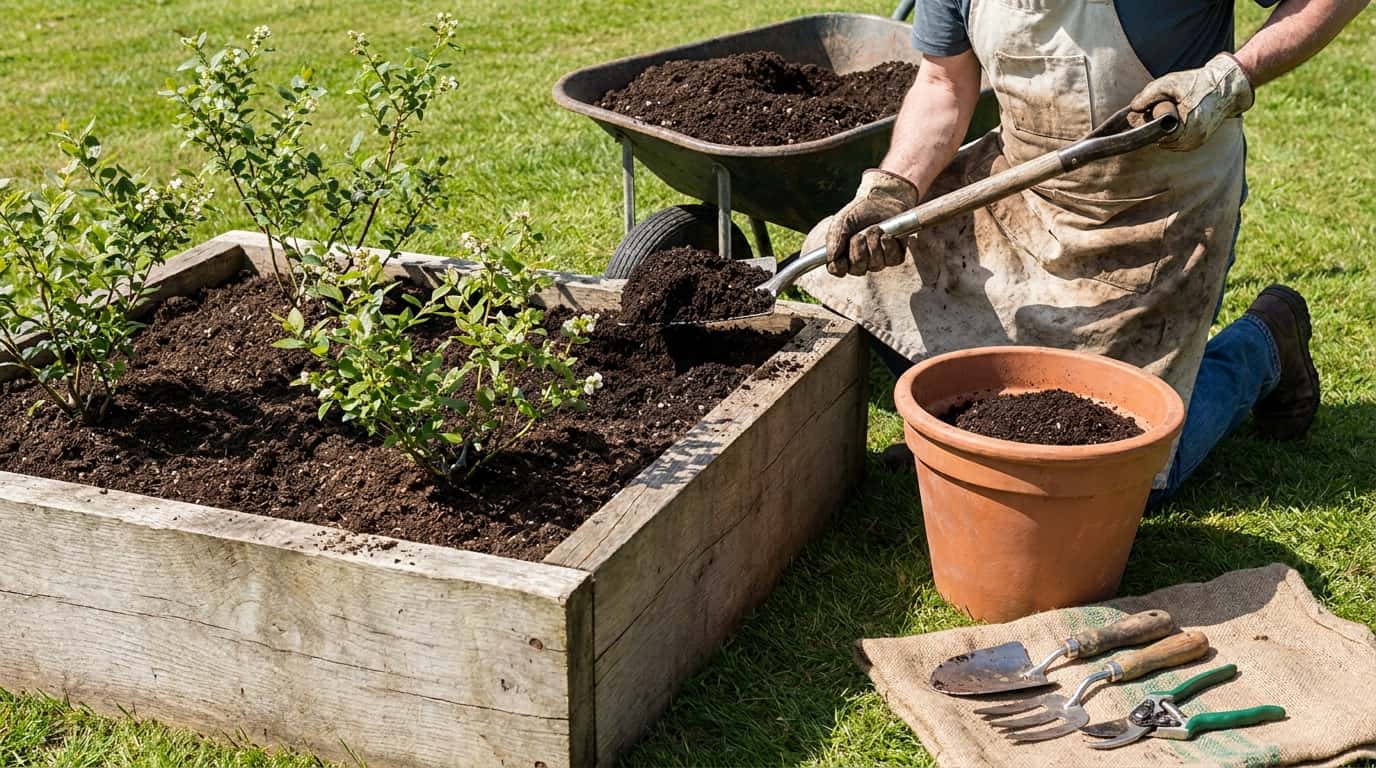
If the garden soil is not acidic enough, use a raised bed or large container filled with ericaceous potting mix. This gives you better control over soil quality and drainage.
Containers should be frost-proof and have drainage holes at the bottom. Never let the potting mix dry out fully, especially after planting.
Step 5: Plant at the Right Time and Space Properly
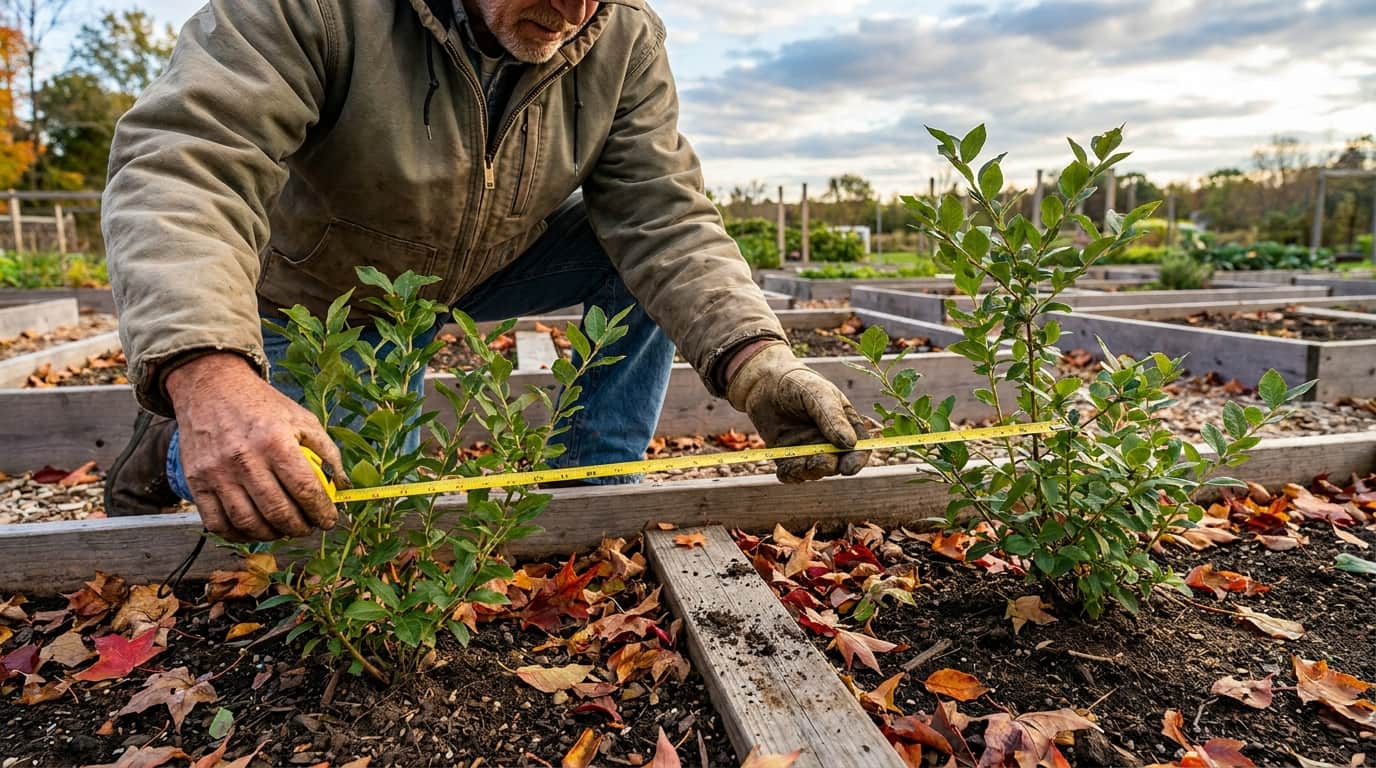
Autumn is usually the best time to plant blueberries because the roots can settle before active growth begins. In very cold areas, spring planting is safer.
Space bushes about 5 feet apart so each plant has enough room. Proper spacing also improves airflow, reduces crowding, and makes future care easier.
Step 6: Set the Plant Correctly
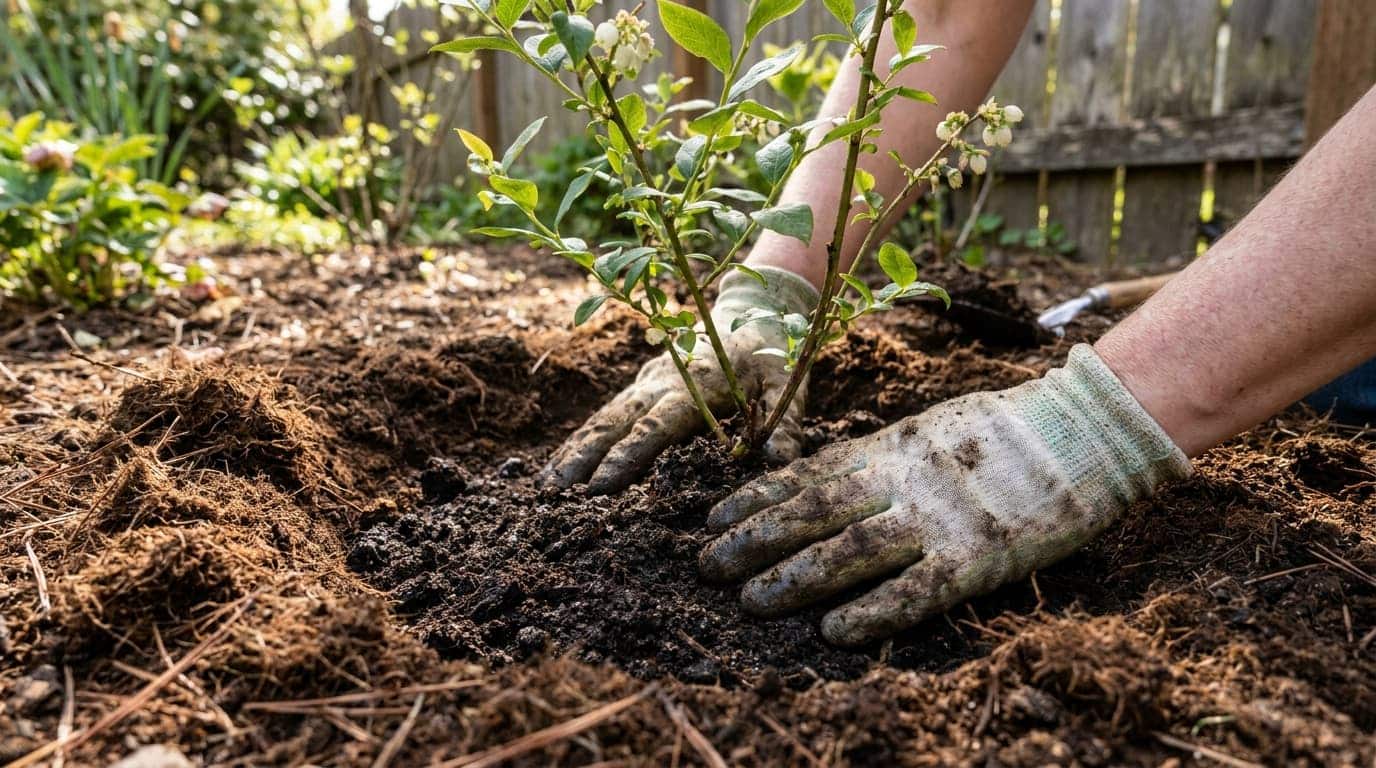
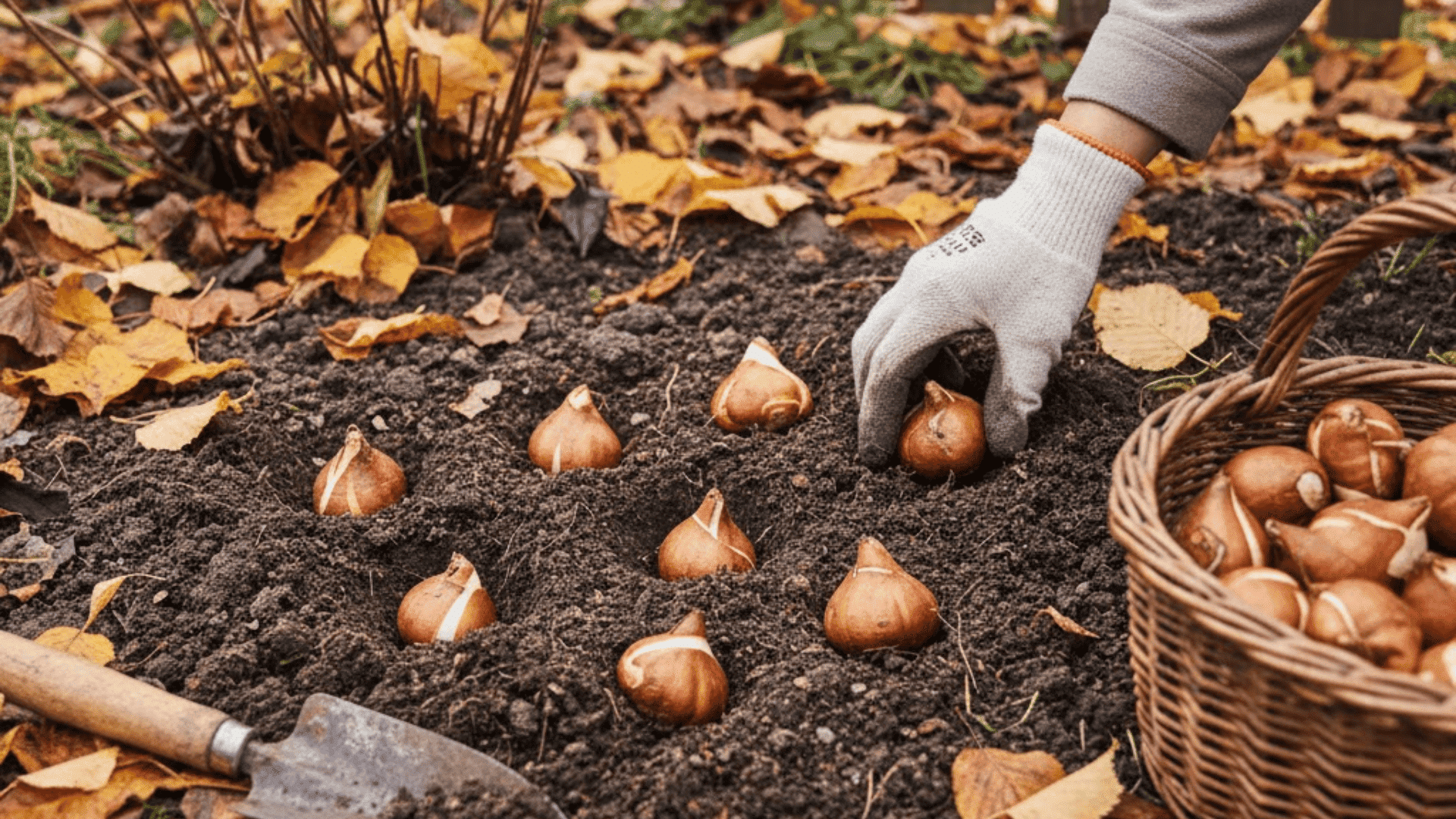
Remove the blueberry bush from its nursery pot and place it into the prepared hole or container. The top of the potting mix should sit level with the top of the rootball.
Fill around the sides with an acidic mix, then firm gently. Avoid planting too deeply because it can stress the roots.
Step 7: Water and Mulch After Planting
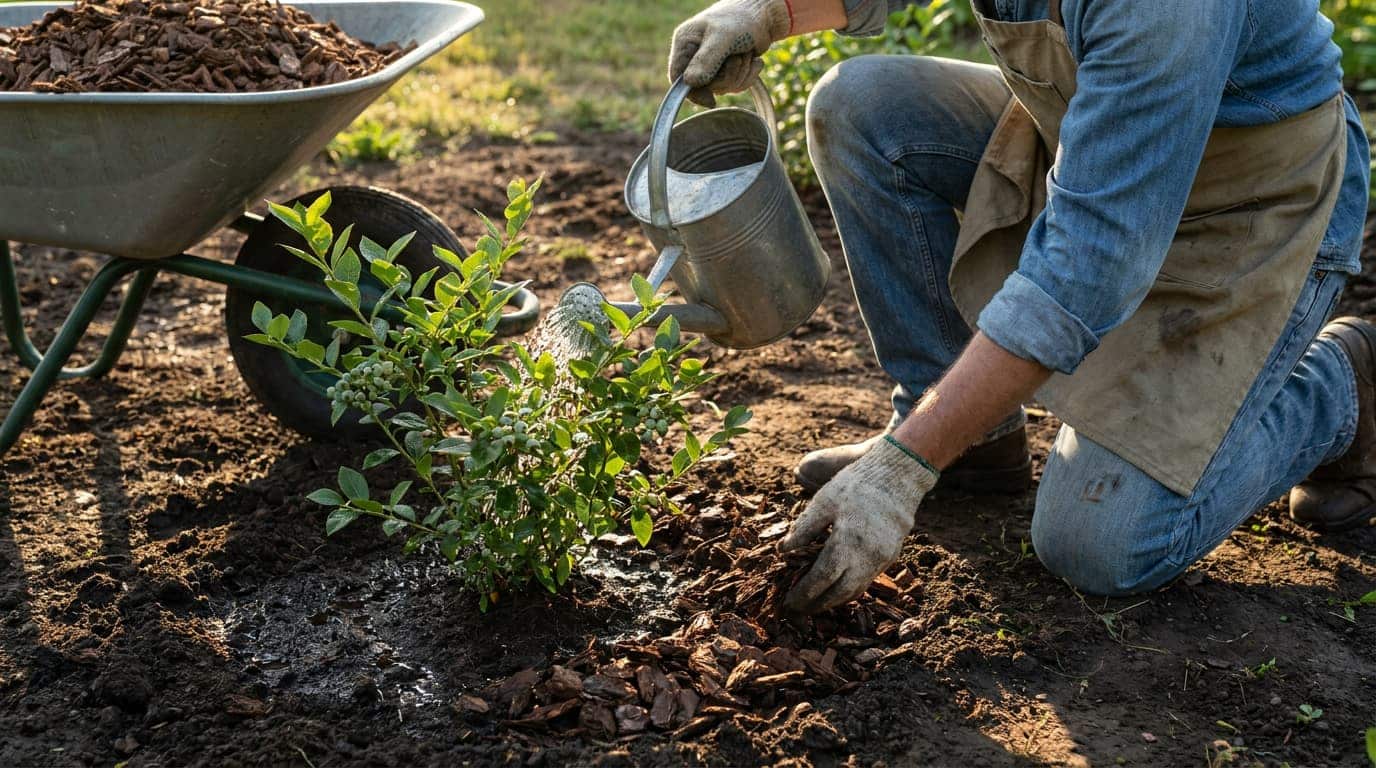
Water the blueberry bush well after planting to settle the soil around the roots. Add more potting mix if the level drops. Finish with pine needles or bark chippings as mulch. This helps hold moisture, keeps weeds down, and supports acidic conditions around the plant as it starts growing.
Once planted properly, blueberries become much easier to maintain. Good soil, steady moisture, and careful spacing give each bush a healthier start.
Choosing the Best Place to Plant Blueberry Bushes
This is probably the most important decision you’ll make in the whole process. Get the location right, and your blueberries will practically grow themselves. Get it wrong, and even the best care won’t save them.
- Sunlight Requirements: Blueberries need 6 to 8 hours of direct sun daily for better flowering, ripening, and fruit production.
- Soil Conditions: They need acidic soil with a pH of 4.5 to 5.5. Test first, then improve with peat moss, pine bark, or acidifying amendments.
- Spacing and Layout: Space highbush blueberries 4 to 6 feet apart, with 8 to 10 feet between rows to improve airflow and ease care.
- Microclimates: Avoid frost pockets, windy spots, and soggy low areas. A raised bed or slight slope helps protect shallow roots.
Blueberries do best when the location is planned carefully. Choose full sun, acidic soil, good drainage, and proper spacing before planting.
Caring for Your Blueberry Bushes
Blueberries need steady care after planting to stay healthy. Good watering, feeding, pruning, and mulching help the bushes grow stronger and produce better fruit.
- Watering: Keep soil evenly moist, especially in dry weather. Blueberries have shallow roots, so water deeply, but avoid soggy soil.
- Fertilizing: Use fertilizer foracid-loving plants in early spring. Give a light second feeding after flowering if the plant needs it.
- Pruning: Prune in late winter. Remove dead, weak, low, or crowded branches to improve airflow and support new growth.
- Mulching: Add 2 to 4 inches of mulch made from pine needles, bark chips, leaf mold, or composted sawdust to retain moisture and control weeds.
With regular care, blueberry bushes become easier to manage each season. Focus on moisture, acidic feeding, light pruning, and mulch for long-term growth.
Common Blueberry Problems and How to Fix Them
Blueberry problems usually come from pests, poor soil, weak drainage, or nutrient issues. Spotting symptoms early helps protect the plant before damage spreads.
| Problem | Signs to Watch For | Solution |
|---|---|---|
| Pests | Chewed leaves, damaged berries, or insects | Use bird netting, remove damaged fruit, and treat insects with insecticidal soap. |
| Diseases | Leaf spots, mold, wilting, or root rot | Improve airflow, avoid overhead watering, prune crowded growth, and fix drainage. |
| Nutrient Deficiency | Yellow leaves, pale growth, or weak stems | Test soil pH, correct acidity, and use fertilizer for acid-loving plants. |
| Poor Soil Conditions | Slow growth, few flowers, or weak fruiting | Add pine bark, peat moss, or acidic organic matter. Avoid alkaline amendments. |
| Environmental Stress | Brown edges, drooping leaves, or poor growth | Keep soil moist, mulch roots, and protect plants from wind, heat, and frost. |
Most blueberry issues are easier to fix when caught early. Regular checks, proper soil care, and steady watering keep the bushes healthier.
How and When to Prune Blueberry Bushes
Pruning keeps blueberry bushes open, healthy, and productive. Done at the right time, it improves airflow, removes weak growth, and supports better fruiting.
- Prune at the right time: Prune blueberry bushes in late winter or early spring, while the plant is dormant and before new growth begins.
- Start light with young bushes: Remove only dead, damaged, weak, or low-growing branches during the first few years.
- Open the center: Cut crowded branches to improveairflow, which supports healthier growth and better fruiting.
- Remove old canes: For mature bushes, cut out some old, woody canes each year to encourage strong new growth.
- Avoid summer pruning: Heavy pruning during the growing season can reduce fruit production and stress the plant.
- Keep the shape balanced: Aim for an open, upright bush with strong branches that are easy to manage and harvest from.
A little yearly pruning goes a long way. Focus on removing old, weak, and crowded branches so the bush stays strong and balanced.
What Type of Blueberry Should You Grow?
Choosing the right blueberry type depends on your climate, space, and winter chill. The right variety grows better, fruits sooner, and needs less correction later.
1. Northern Highbush
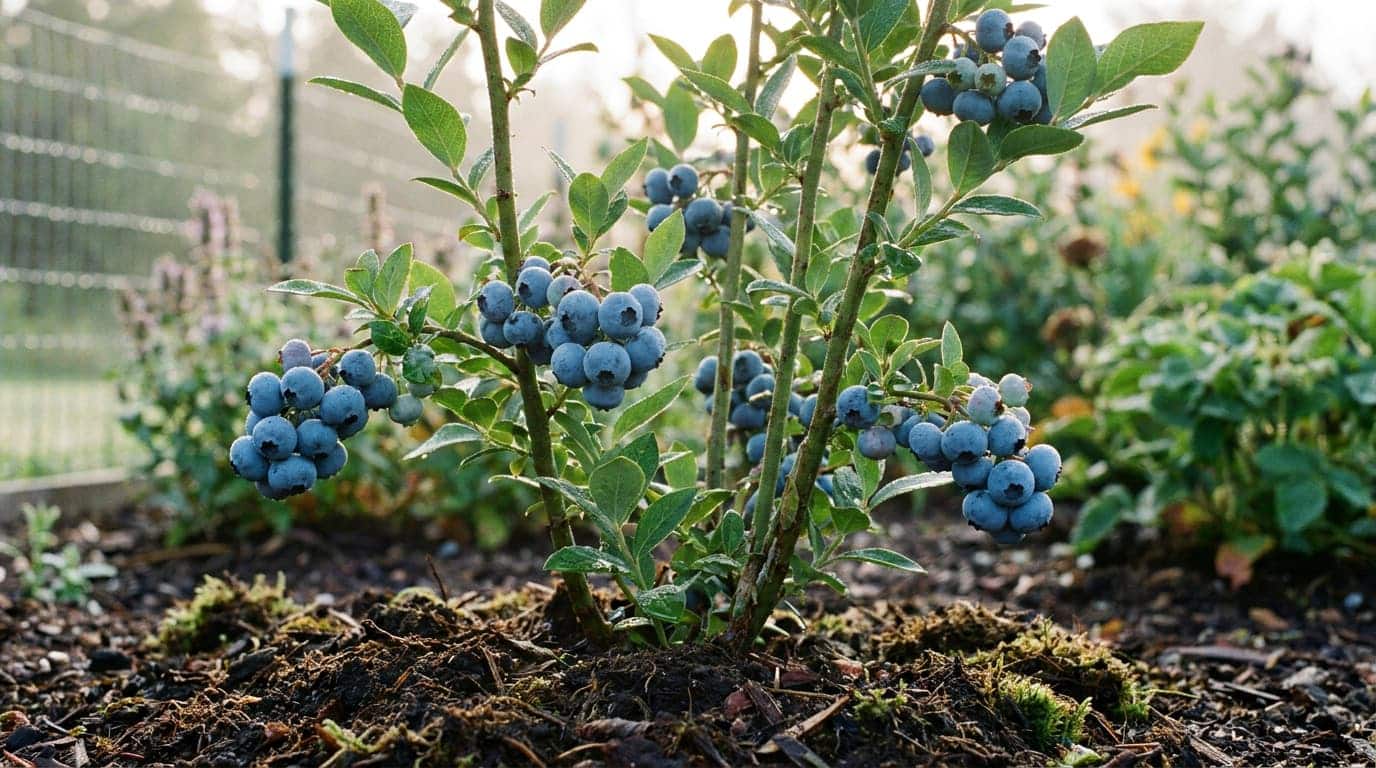
Northern highbush blueberries suit cooler regions and are common in home gardens across USDA zones 4 to 7. They usually grow 4 to 6 feet tall and produce large, flavorful berries. Varieties like Bluecrop and Duke are popular choices. They need a winter chill to fruit well.
2. Southern Highbush
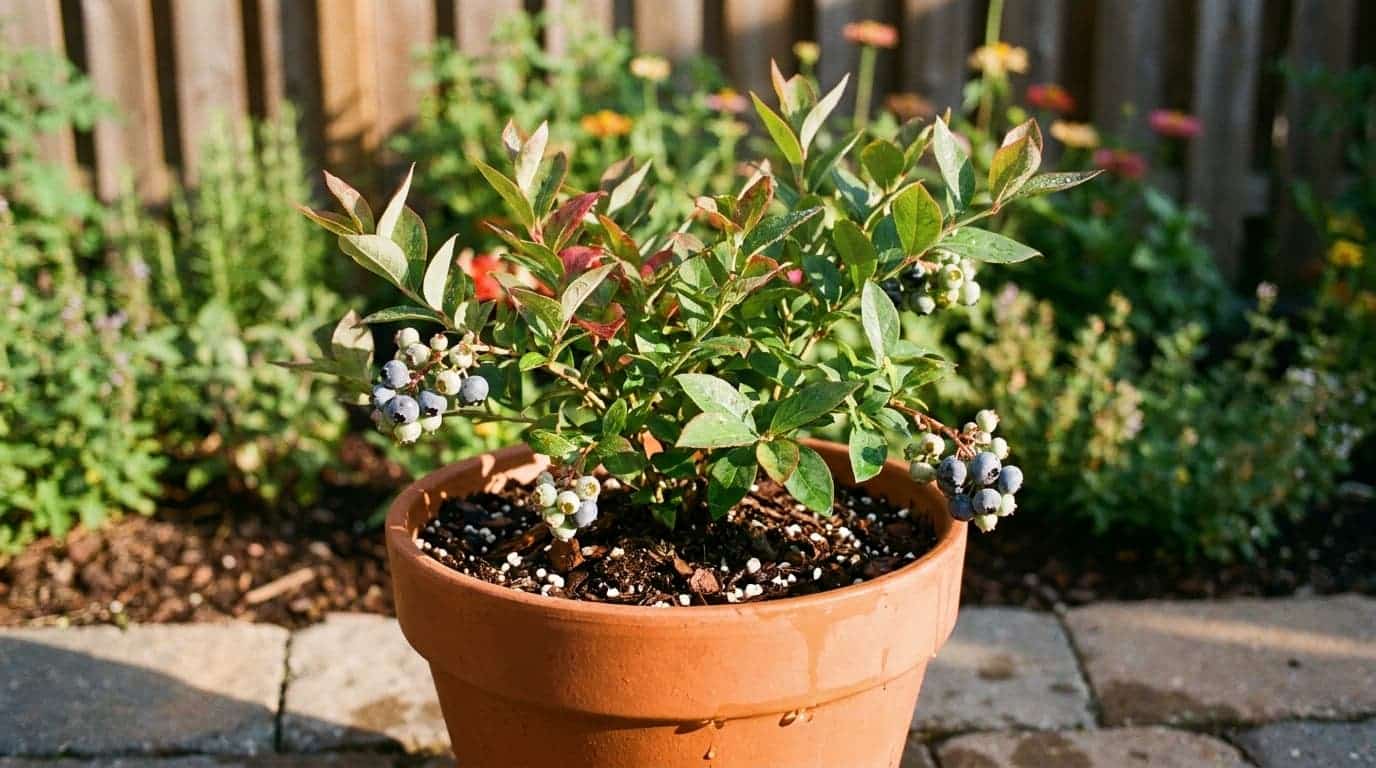
Southern highbush blueberries work well in warmer areas, usually USDA zones 7 to 10. They need fewer chill hours than northern types, so they handle mild winters better. Varieties like O’Neal and Sunshine Blue stay more compact, making them useful for smaller gardens and containers.
3. Lowbush
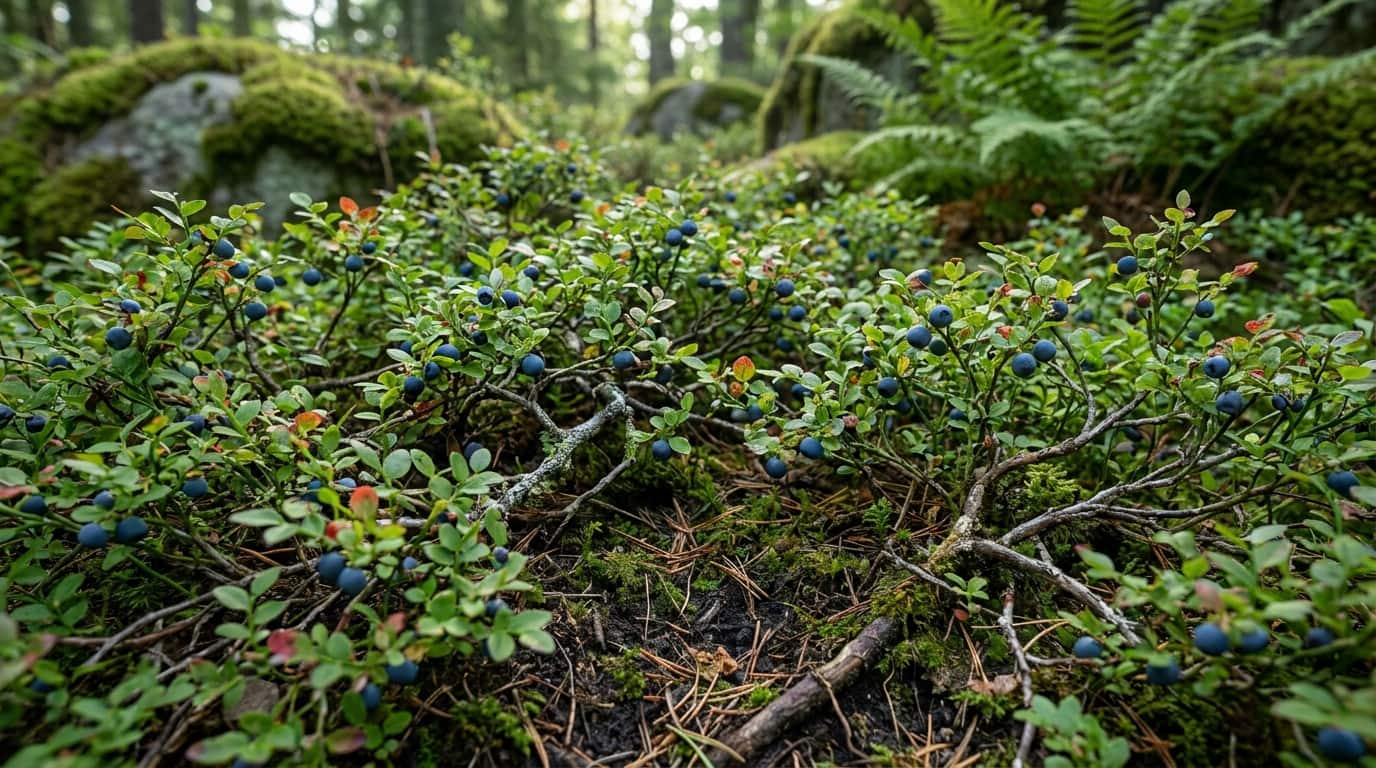
Lowbush blueberries are short, spreading plants that usually stay under 2 feet tall. They are very cold-hardy and grow well in USDA zones 3 to 6. The berries are smaller but rich in flavor. These plants work well as ground cover and are often used for jams and baking.
4. Rabbiteye
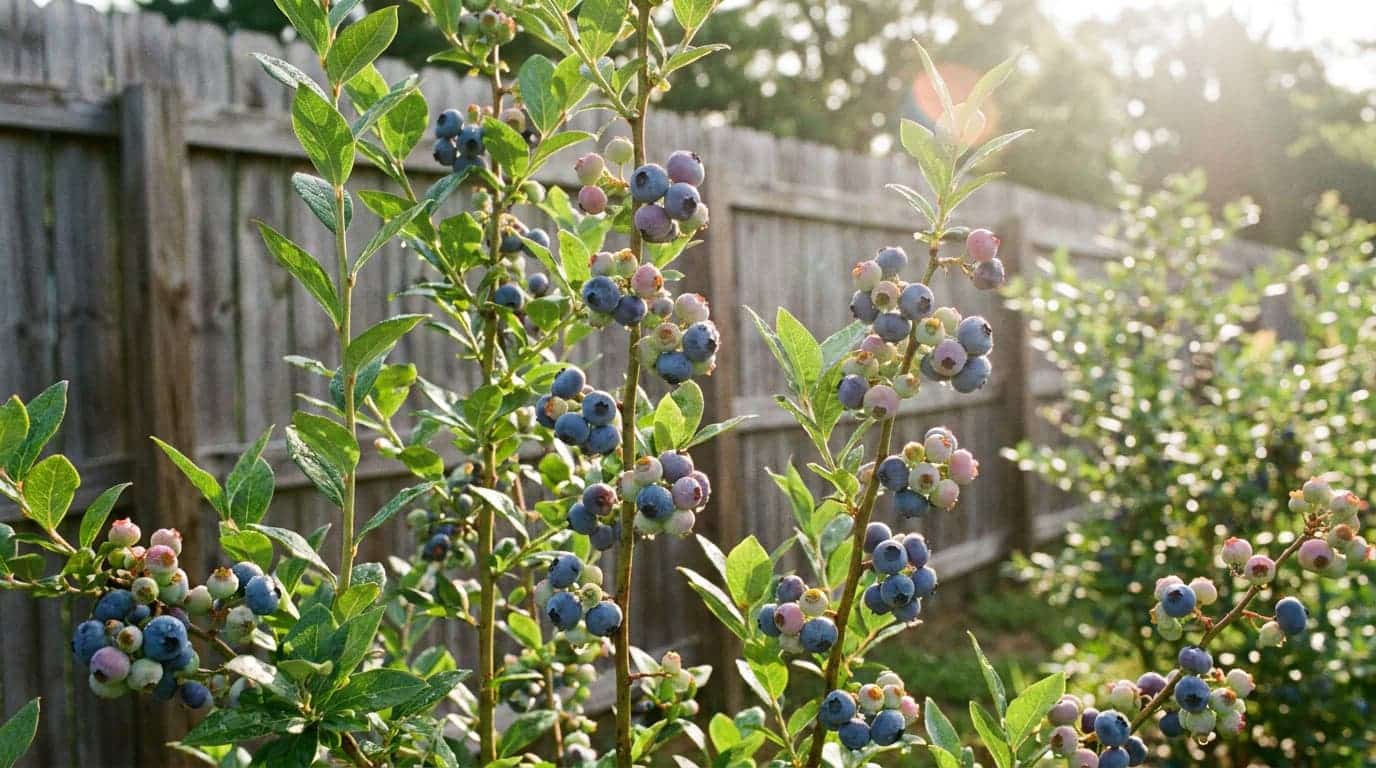
Rabbiteye blueberries are a strong choice for warm southern gardens, especially USDA zones 7 to 9. They handle heat and dry periods better once established. These bushes can grow up to 10 feet tall, so they need more space. Varieties like Tifblue and Brightwell are widely grown.
Once the right blueberry type matches your hardiness zone and garden space, planting becomes easier. The next step is choosing the best location.
Tips for Growing Healthier Blueberries
Experts from extension services and gardening programs offer invaluable advice for beginners. Local agricultural extensions often provide free soil testing and workshops.
| Tip | What to Do | Why It Helps |
|---|---|---|
| Join Local Gardening Groups | Ask nearby growers about local varieties, frost dates, pests, and soil issues. | Gives advice that fits your area better than general tips. |
| Keep a Garden Log | Note planting dates, pruning, feeding, weather stress, pest issues, and harvest timing. | Helps you repeat what worked and fix what failed next season. |
| Check Variety Recommendations | Use university extension lists to choose blueberry types suited to your region. | Reduces the risk of planting a variety that struggles in your climate. |
| Watch Weather Alerts | Prepare before late frosts, heat waves, heavy rain, or long dry spells. | Helps protect flowers, roots, and young fruit from sudden stress. |
| Plant for Staggered Ripening | Choose early, midseason, and late-season varieties for the same garden. | Spreads the harvest over more weeks instead of ripening all at once. |
Good resources make blueberry growing easier and more accurate. Use local advice, follow seasonal care, and adjust based on your soil and climate.
Frequently Asked Questions
Can blueberry bushes be grown from seed?
Yes, but seeds grow slowly and may not match the parent plant. Most gardeners start with nursery plants because they establish faster, fruit sooner, and give more predictable results. Seeds are better for patient growers or small experiments at home.
Should blueberry flowers be removed in the first year?
Yes, removing flowers during the first year helps the plant focus on root and branch growth instead of fruit. It may feel disappointing at first, but stronger early growth usually leads to better harvests in the following seasons.
Can coffee grounds help blueberry bushes?
Coffee grounds can add organic matter, but they should not be relied on to acidify soil. Use them lightly and composted when possible. Soil testing and proper acidifying amendments are much more dependable for keeping blueberry plants healthy.
Do blueberry bushes attract bees?
Yes, blueberry flowers attract bees and other pollinators. This is helpful because pollination improves fruit set and berry size. Avoid spraying chemicals during bloom, and keep nearby flowering plants to support pollinator activity around the garden.
Final Thoughts
Growing blueberries gets easier when you understand what the plant needs before you start. I’d focus first on the right variety, acidic soil, full sun, steady moisture, and careful pruning. These small choices help you avoid weak growth, poor fruiting, and common beginner mistakes.
Once you know how to grow blueberries in the right spot, the whole process feels more manageable. You can plan better, care for the bushes with confidence, and enjoy healthier plants season after season.
I’d suggest starting with a soil test, choosing a variety suited to your area, and building care around what your plants show you. Try these tips in your garden, then share your results or questions in the comments.