Moss showing up on your lawn is more common than most people think. It creeps in quietly, spreads fast, and before long, entire patches of grass are gone. The frustrating part is that pulling it out doesn’t always fix it.
That’s because moss isn’t really the problem; it’s the symptom.
Something about the lawn’s conditions is letting it thrive, and until that changes, the cycle keeps repeating. knowing how to get rid of moss in the lawn the right way makes all the difference.
It doesn’t require expensive products or a landscaping degree. A few targeted steps can turn things around. Let’s get started!
What Brings Moss to Your Lawn Areas?
Moss in lawn areas usually appears when the grass is weak, and the ground stays damp for too long. It often grows in shady spots where sunlight cannot reach the grass properly.
Poor drainage, compacted soil, and too much moisture also help moss spread quickly. In many cases, grass struggles because the soil lacks nutrients or enough airflow. Once the grass becomes thin, moss quickly takes over the bare spots.
Cool and rainy weather can make moss in lawn areas even worse, especially in regions with long wet seasons. Instead of being the main problem, moss is often a sign that the lawn conditions are unhealthy for grass growth.
Materials Needed Before You Can Begin
Before removing moss, gather a few basic lawn care tools and supplies. The right materials can make moss removal easier and help improve the overall health of your lawn.
| Tool or Material | Best Used For | How It Helps |
|---|---|---|
| Stiff Garden Rake | Removing surface moss | Pulls loose moss from lawn areas |
| Dethatching Rake | Clearing thick moss buildup | Removes deep moss and trapped debris |
| Garden Gloves | Safe lawn cleanup | Protects hands while removing moss |
| Lawn Moss Killer | Treating remaining moss | Helps stop moss from spreading |
| Garden Sprayer | Applying moss treatment | Covers moss evenly across the lawn |
| Lawn Aerator | Loosening compacted soil | Improves airflow and drainage |
| Shovel or Soil Leveler | Fixing wet lawn spots | Helps prevent standing water |
| Pruning Shears | Trimming shaded areas | Allows more sunlight onto the lawn |
| Grass Seed | Repairing bare patches | Helps grow thicker, healthier grass |
| Soil Top Dressing | Supporting new grass growth | Improves soil quality after moss removal |
| Garden Hose or Sprinkler | Watering seeded areas | Keeps new grass moist during growth |
| Lawn Fertilizer | Strengthening weak grass | Encourages healthy lawn growth |
| Yard Waste Bag or Wheelbarrow | Cleaning up debris | Makes moss removal easier and cleaner |
How to Get Rid of Moss in the Lawn with Easy Steps
Moss can spread quickly, making your lawn look weak, patchy, and unhealthy. Simply removing the visible moss is not enough. Follow the simple steps below to learn how to get rid of moss in lawn areas and prevent it from returning again.
Step 1: Rake Out the Moss
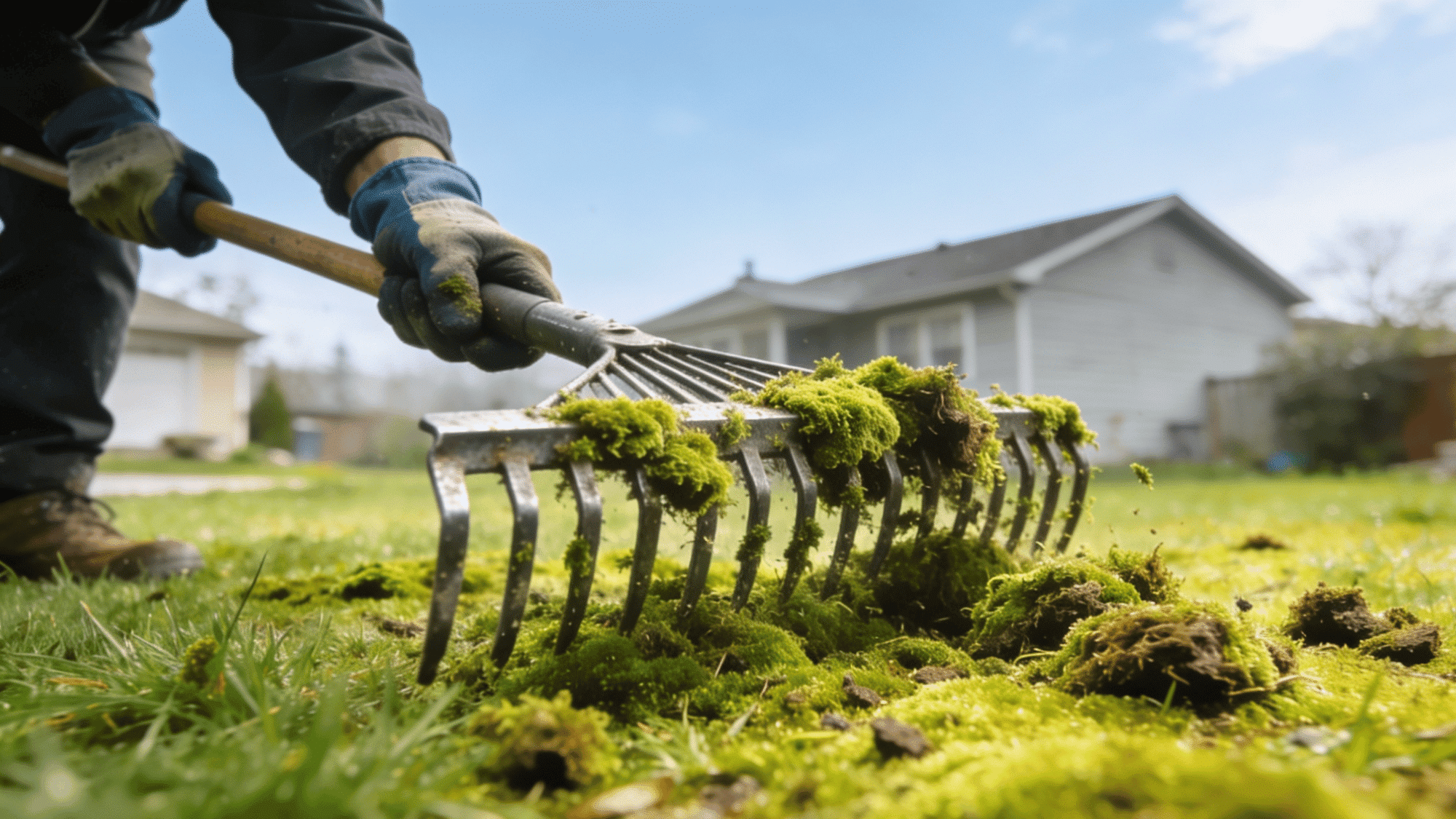
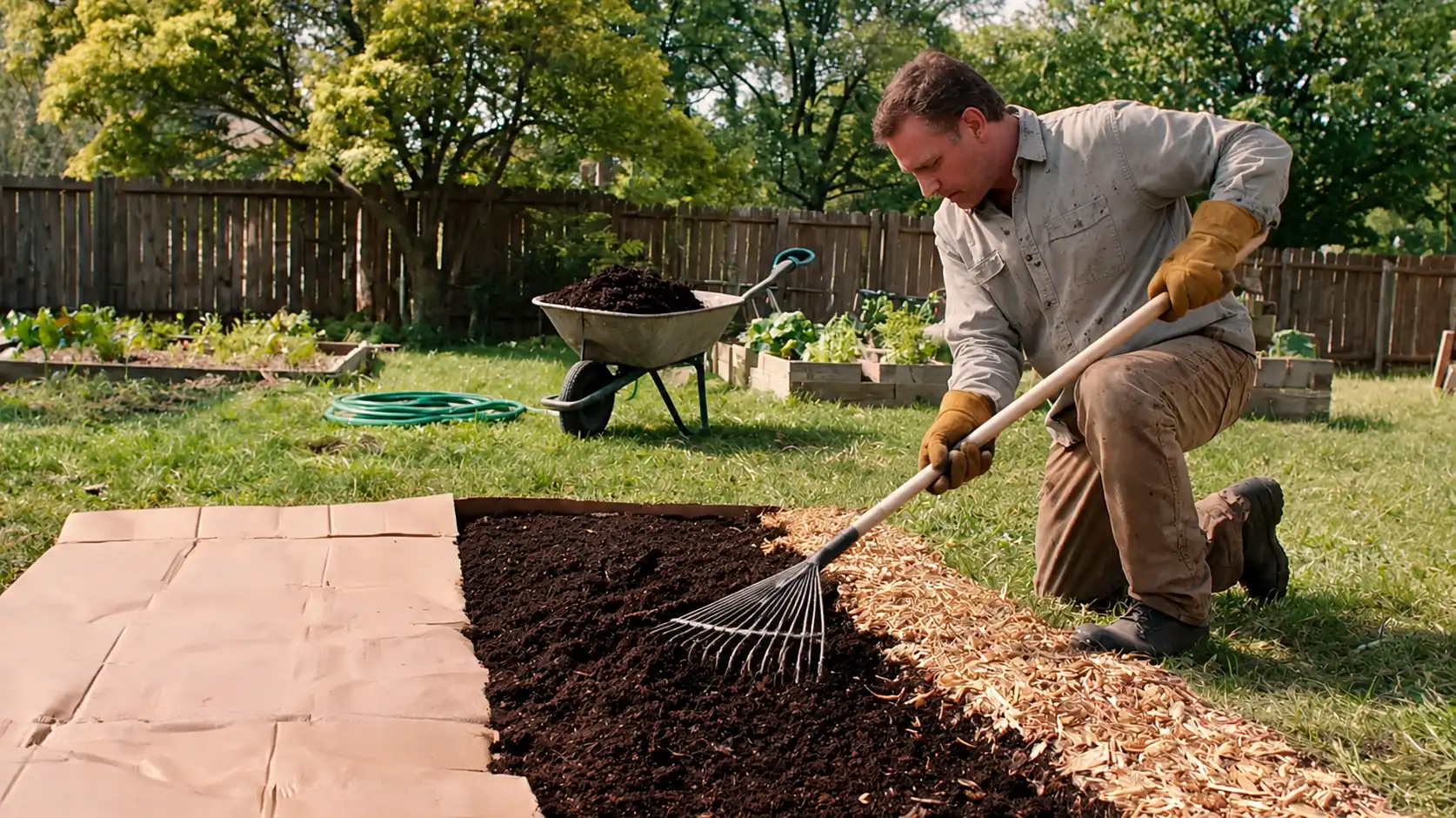
The first step in getting rid of moss in lawn areas is removing the thick layer of moss from the surface. This helps improve airflow, reduce trapped moisture, and create space for healthy grass to grow again.
- Use a stiff rake or dethatching rake to loosen moss in lawn patches
- Pull out thick moss growth from damp and spongy areas
- Remove all loose moss debris from the lawn surface
- Work carefully to protect healthy grass while removing moss
- Focus on shady areas where moss in lawn spaces grows faster
Step 2: Apply a Lawn-Safe Moss Killer
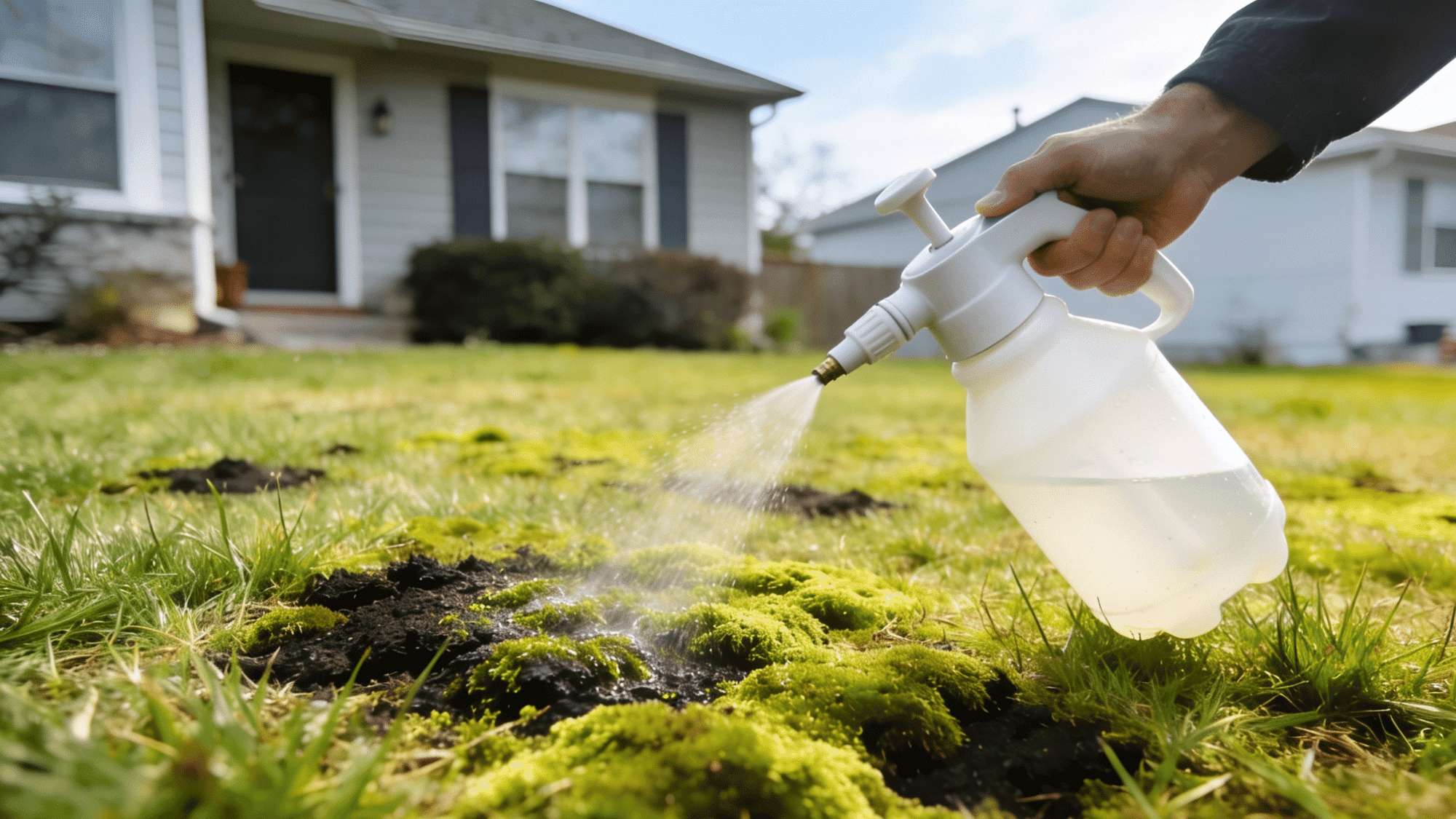
If moss in lawn areas keeps returning, using a lawn-safe moss killer can help stop remaining growth. This step is useful for lawns with widespread moss problems or thick moss buildup.
Follow these tips when treating moss in lawn sections:
- Choose a lawn-safe product designed to get rid of moss in lawn areas
- Apply the treatment evenly across affected lawn patches
- Use moss killer during cool spring or fall weather
- Follow all label directions to avoid damaging grass
- Wait until the moss turns dark before raking it away
Step 3: Aerate the Soil
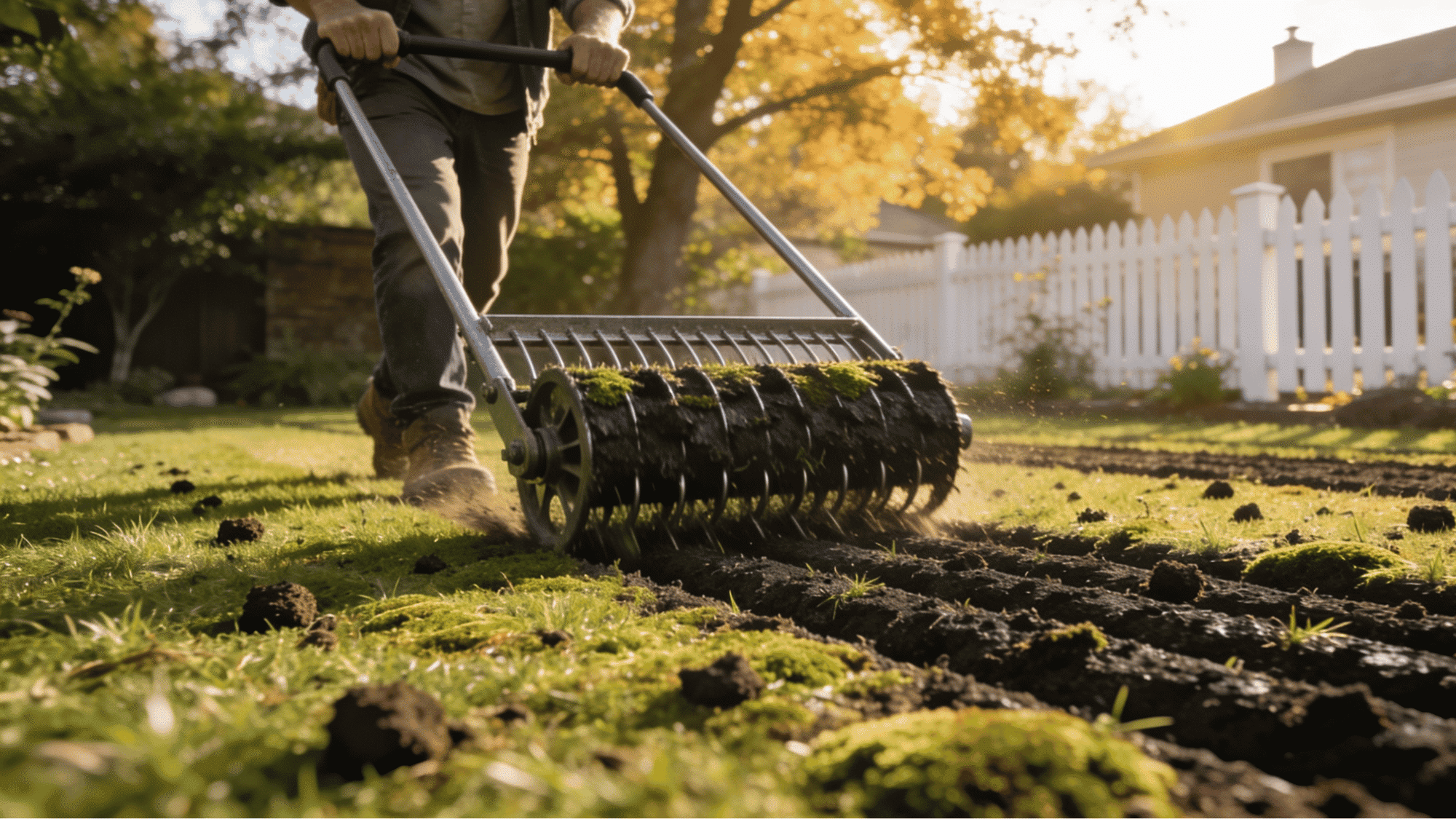
Compacted soil is one of the main reasons moss in lawn areas develops. Aerating helps loosen the soil so water, air, and nutrients can reach the grass roots more easily.
These aeration tips can improve lawn health naturally:
- Use a lawn aerator to loosen compacted moss in lawn areas
- Aerate spots where water stays after heavy rain
- Improve airflow and drainage beneath the grass surface
- Help healthy roots grow thicker and stronger over time
- Repeat yearly to prevent future moss buildup in the lawn
Step 4: Improve Drainage and Sunlight
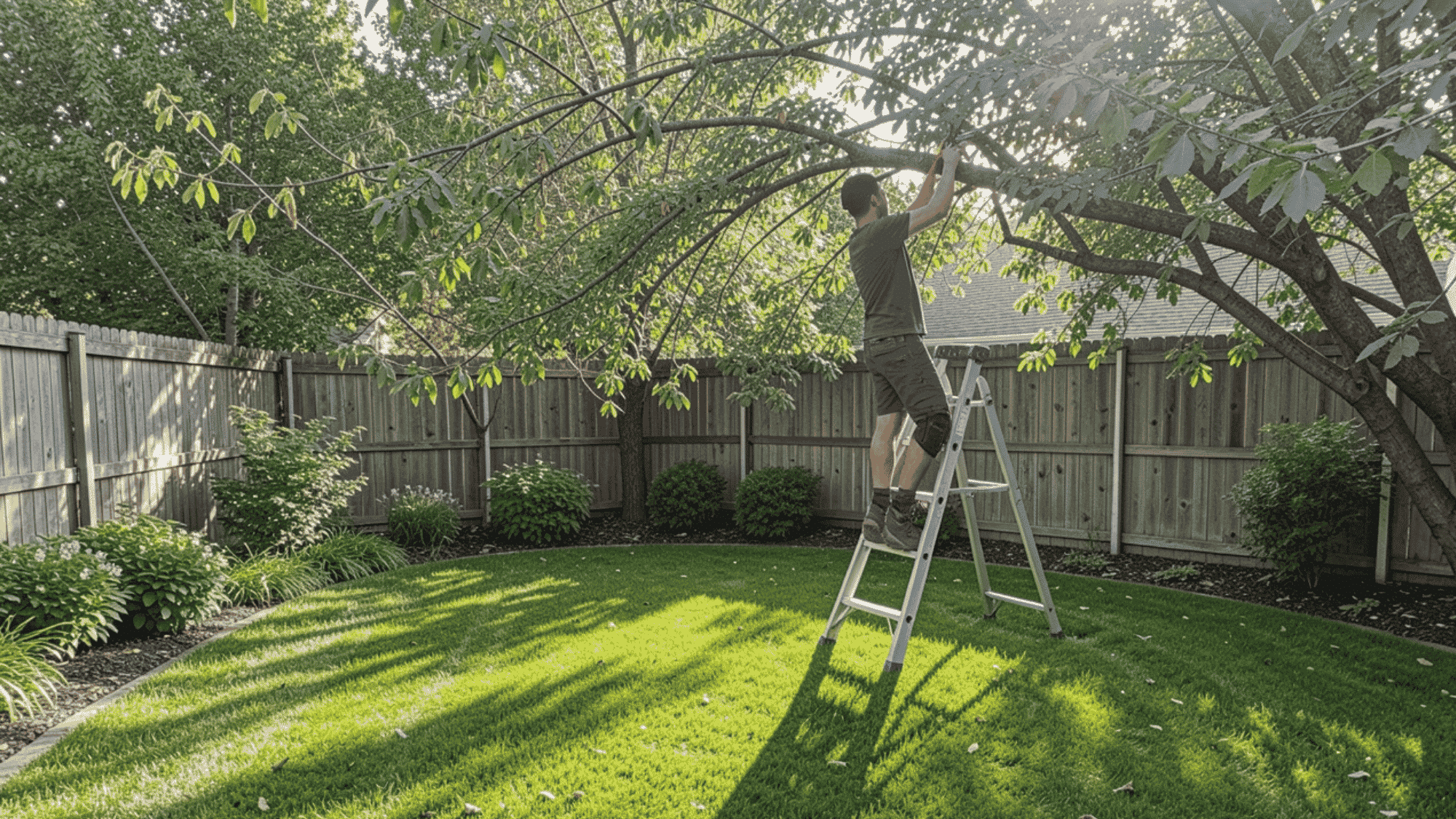
Wet and shady lawns create the perfect environment for moss growth. Improving sunlight and drainage helps reduce the conditions that allow moss in lawn areas to spread quickly.
These simple lawn improvements can help long-term:
- Trim tree branches blocking sunlight from the lawn
- Reduce overwatering in areas with moss problems
- Fill low spots where water collects after rain
- Improve drainage in constantly damp lawn sections
- Increase airflow around fences, shrubs, and shaded areas
Step 5: Reseed Thin Grass Areas
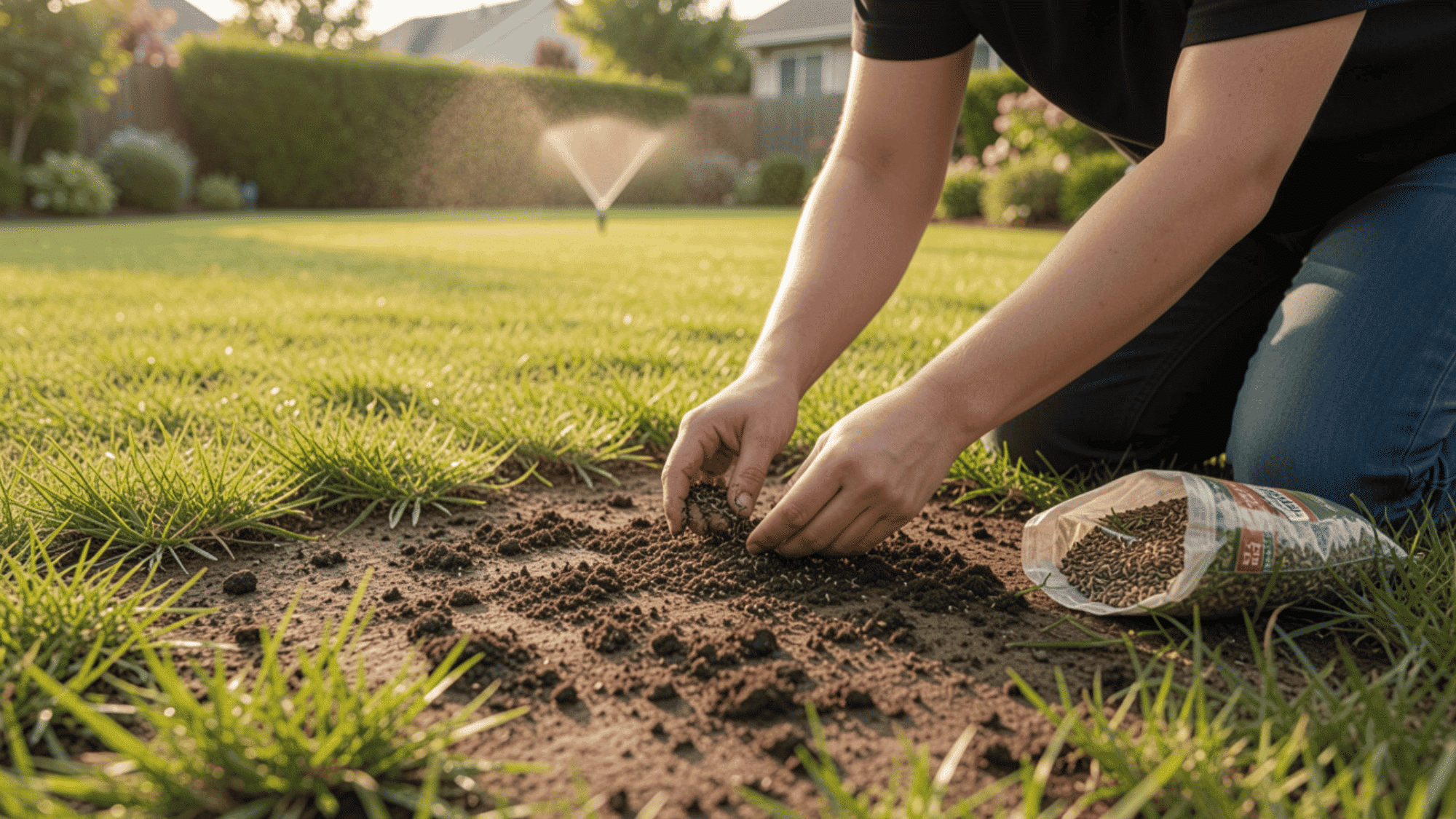
Once the moss is removed, reseeding helps fill bare patches with healthy grass. Thick grass growth is one of the best natural ways to stop moss in lawn areas from returning.
Use these reseeding tips for stronger lawn growth:
- Choose grass seed suited for your local climate
- Spread seed evenly over thin lawn patches
- Keep the soil lightly moist while new grass grows
- Avoid walking on newly seeded lawn areas
- Mow carefully once the new grass becomes established
Things to Keep in Mind for Different Regions to Get Rid of Moss
Not every lawn needs the same moss removal approach. A rainy lawn in the Pacific Northwest faces very different problems than a dry but shaded backyard in the South.
That’s why adjusting your lawn care routine based on your local climate can make moss removal much more effective. The region-specific tips below explain what works best in different lawn conditions across the U.S:
| Lawn Type | Common Moss Problem | Helpful Solution |
|---|---|---|
| Pacific Northwest Lawns | Constant rain and shade keep soil damp for long periods | Improve drainage, aerate yearly, and allow more sunlight |
| Southern Humid Lawns | Humidity and thatch buildup trap moisture near grass | Improve airflow, mow regularly, and avoid evening watering |
| Northern Cold-Weather Lawns | Wet soil from snowmelt and slow grass growth encourage moss | Aerate in fall and reseed weak areas before winter |
| Coastal Lawn Areas | Fog and damp coastal air help moss return quickly | Reduce overwatering and improve drainage |
| Shaded Backyard Lawns | Low sunlight and poor airflow weaken grass growth | Trim branches and use shade-friendly grass seed |
| High-Traffic Lawn Areas | Compacted soil blocks nutrients and weakens grass | Aerate regularly and reduce foot traffic on wet lawns |
| Clay Soil Lawns | Clay soil holds excess moisture and drains slowly | Add compost and aerate often to improve drainage |
| Dry but Shaded Lawns | Thick shade weakens grass even in dry climates | Increase sunlight exposure and reseed thin patches |
| Sloped Lawn Areas | Water runoff and erosion create patchy lawn areas | Use proper drainage and maintain thick grass growth |
| Newly Seeded or Weak Lawns | Thin grass allows moss to spread easily | Water carefully and fertilize properly for thicker growth |
Conclusion
Dealing with moss gets a lot easier once you understand what’s actually causing it. It’s rarely just about the moss itself, it’s about fixing the conditions that keep inviting it back.
Knowing how to get rid of moss in lawn areas the right way means the results actually last. Not just a quick fix that fades by next season, but a lawn that’s genuinely stronger and harder for moss to take over again.
So, start with one step, stay consistent, and the difference will show. A thicker, healthier lawn is a lot closer than it probably feels right now.
Frequently Asked Questions
Does lime kill moss in a lawn?
No. Lime does not kill moss directly. It only helps if a soil test shows the lawn soil is too acidic
What season is best for lawn moss removal?
Spring and fall are usually good because the weather is cooler, and grass can recover better after treatment.
Is moss removal safe for pets?
Manual raking is usually the safest option. For products, keep pets off the lawn until the label says it is safe.