Squash is a vegetable that grows on vines or bushes. It comes in many types, shapes, and colors. Some are long and green, like zucchini. Others are round and orange, like pumpkins.
Knowing when to pick squash is important. If you pick it too early, it may not taste good. If you wait too long, it can become difficult or spoil. Picking at the right time gives you better flavor, texture, and freshness.
In this blog, I’ll tell you how to tell when squash is ready to pick. You’ll see clear signs for both summer and winter types. You’ll also learn how to pick squash the right way, how to store it, and how to avoid common mistakes.
These tips are based on trusted gardening sources. They’re based on advice from gardeners and top garden websites. Everything is explained thoroughly, so you don’t need to be an expert in the field to understand it.
What Is Squash?

Squash has distinct growing seasons. It comes in many shapes—long, round, flat, or even pear-shaped. The skin can be smooth or bumpy, and its color may range from green to yellow, orange, or even striped.
Inside, squash has a soft center with seeds. The flesh can be firm or tender, depending on the type of meat. It has a mild taste that complements a wide range of recipes. You can eat squash raw, cooked, or baked into dishes like casseroles, soups, or pies.
Squash grows from large plants with wide leaves. Some types spread out along the ground like vines. Others grow in a more bush-like shape. These plants require warm weather and ample space to thrive.
What Kind of Squash Do You Have?
There are two main kinds of squash: summer squash and winter squash. They look different, grow differently, and are picked at other times. Understanding the type of squash you’re growing helps you know when and how to harvest it.
Summer Squash

Summer squash grows rapidly once the weather warms up. In most cases, it’s ready to harvest just 50 to 60 days after planting. Because it grows so fast, you need to check it often. If you wait even a few days too long, the squash can grow too big and lose its best taste and texture.
It’s ready to pick when young and tender. The skin is soft and easy to eat. You don’t need to peel it. You can use summer squash in various ways: grilled, sautéed, roasted, raw in salads, or shredded into muffins or breads. Common types include:
- Zucchini – long, smooth, and green
- Yellow squash – curved neck and bright yellow skin
- Pattypan – small, round, and flat like a flying saucer
Key features
- Fast Growth:Summer squash grows quickly in warm weather. It only takes about 50 to 60 days from planting to harvest.
- Early Harvest:It should be picked while it’s still young. Waiting too long makes it tough and full of large seeds.
- Soft, Shiny Skin:The skin is smooth and glossy when it’s ready. It’s thin and easy to eat—no peeling needed.
- Moist Inside:Inside, the flesh is soft and tender, with tiny seeds. This makes it perfect for quick cooking.
- Best Size for Picking:It tastes best when picked small and firm. Overgrown squash can be watery or bland.
Winter Squash

Winter squash is a group of squash varieties that are grown to be harvested late in the season, unlike summer squash, which is picked when soft and young; winter squash stays on the vine until it’s fully mature.
This gives it a firm texture and a thick, protective skin. Most types need peeling before eating. Common types include:
- Butternut: tan skin, sweet orange flesh
- Acorn: dark green with deep ridges
- Spaghetti: yellow skin, stringy flesh after cooking
- Pumpkin: round, orange, used for pies and soups
Key features
- Winter Squash Takes a Long Time to Grow: Unlike summer squash, winter squash grows slowly. It usually takes around 80 to 100 days to mature fully.
- It’s Ready to Harvest Later in the Season: It is picked in late summer or early fall. By this time, the plant has stopped growing new fruit, and the squash has had time to ripen fully on the vine.
- The Skin Becomes Hard and Dry When Ripe: One of the best signs that winter squash is ready is the skin. It should be hard, dry, and dull, not shiny.
- The Inside Is Firm With a Naturally Sweet Taste: When cut open, ripe winter squash has firm, dense flesh. The color is usually deep orange or yellow.
- It Can Be Stored for Several Months: After it’s cured, it can be stored in a cool, dark place for several months—sometimes up to 4 or 5 months.
Key Differences Between Summer and Winter Squash
Knowing the type of squash you’re growing helps you make better choices in the garden and the kitchen. You’ll pick it at the right time, use it correctly, and enjoy the best flavor and texture. Here is a comparison between summer squash and winter squash.
| Feature | Summer Squash | Winter Squash |
|---|---|---|
| Skin | Soft, edible | Hard, often peeled |
| Growing Time | Fast (50–60 days) | Slow (80–100+ days) |
| When to Pick | When young and tender | When fully mature |
| Storage | Short (1–2 weeks, fridge) | Long (months, cool space) |
| Cooking | Quick meals | Slow-cooked or baked |
Signs Your Summer Squash is Ready

Summer squash grows fast. If you wait too long, it can get tough. Picking at the right time gives the best flavor and texture. Start by checking the size.
Most summer squash, like zucchini and yellow squash, taste best when they’re small. They grow bigger, but bigger isn’t better. Below is a list of details on everything you need to know about your summer squash.
Everything You Need to Do
- Zucchini: 6–8 inches; this is the best size for tender, mild-tasting zucchini. Larger ones can get spongy inside and full of seeds.
- Yellow squash: about 6 inches. Pick when it’s still slender. If it starts to bulge at the bottom, it’s getting overripe.
- Color: bright, even, no pale spots. The color should match the type of squash. Look for rich green in zucchini or sunny yellow in crookneck. Avoid squashes with faded, dull, or patchy skin.
- Skin: smooth, slightly tender. Gently press the skin. It should give a little, but not feel soft or mushy. Very firm squash may still be under-ripe. Bumpy or wrinkled skin means it’s too old.
- Fingernail test: leaves a light mark. Try scratching the skin with your nail. A ready squash will show a faint line but won’t cut through. If your nail sinks in too easily, it’s too soft. If it leaves no mark, it may not be ripe.
Signs Your Winter Squash is Ready

Winter squash requires time to ripen fully. It stays on the vine longer than summer squash. Picking it too early means less flavor and poor storage. Start by looking at the color. Ripe squash has a deep, rich tone. It should not look glossy. A dull finish is a good sign.
Next, check the skin. It should be hard and thick. Try to scratch it with your nail. If it doesn’t leave a mark, it’s likely ready. Now look at the stem and vine. As the squash ripens, the vine starts to dry up. Below is a list of details on everything you need to know about your winter squash.
Everything You Need to Do
- Color: A ripe winter squash has a rich, solid color all around. The skin should appear dull and fully colored, regardless of its tone, whether it’s orange, green, tan, or striped, depending on the individual’s type. Shiny skin means it’s still growing.
- Skin: Press your nail into the skin. If it leaves no mark, the skin is thick and mature. If it scratches easily, wait a few more days. Hard skin helps the squash last longer after harvest.
- Stem: Look at the stem attached to the squash. A ripe one will have a stem that looks dry and corky. It may even look cracked. Green, soft stems mean the squash is still maturing.
- Vine: As the squash ripens, the plant sends less energy to the fruit. Leaves nearby turn yellow or brown. Vines may shrivel or die. This is normal near harvest time.
- Time: Refer to your seed packet or planting calendar for accurate information. Most winter squash varieties require approximately three months to ripen fully. If you’re in that range and seeing other signs, it’s likely ready.
What Happens If You Wait Too Long?
If you wait too long to pick your squash, some problems may appear. Summer squash can become tough and full of large seeds. which, trust me, nobody wants.The inside gets chewy instead of soft, and the taste isn’t as good. The skin may also become thicker, making it harder to cook.
Winter squash has different problems. If you leave it on the plant for too long, it may start to deteriorate. You could see soft areas, cracks, or even mold.
Sometimes, it may look fine on the outside but taste flat or watery. Overripe squash also doesn’t last as long in storage because the skin might get damaged.
To get the best flavor and feel, don’t wait too long. Pick summer squash while it’s small and soft. Select winter squash when the skin feels firm and the color appears rich and even.
Harvesting Tips

Smart harvesting results in less waste and more sustainable crops. Here’s what I do to get the best results:
Use the Right Tools and Timing
Good timing and sharp tools reduce damage. They also help your plants stay healthy for future harvests.
- Avoid the midday heat: Harvest in the early morning or late evening.
- Select the appropriate tool for the task: Use a knife for squashing, and snips for herbs.
- Use gloves when needed: Some plants have thorns or sap.
- Sanitize blades between plants: This helps prevent the spread of disease.
- Sharpen tools regularly: Dull edges bruise stems and tear fruit.
Handle with Care During Harvest
How you carry, stack, and store your harvest matters. Gentle handling helps keep crops in better shape for longer.
- Use baskets or crates with soft sides: Avoid those with hard plastic or metal edges.
- Keep harvested crops in the shade: Sunlight can cause them to wilt quickly.
- Lay the soft fruits in a single layer: Avoiding crushing the bottom row.
- Clean your containers after each use: Mold can hide in crevices.
- Avoid piling up produce: Even root veggies can bruise under weight.
Help Crops Store Longer
Storage starts with how you harvest. A little extra care goes a long way. Follow the measures below to grow your squash healthily.
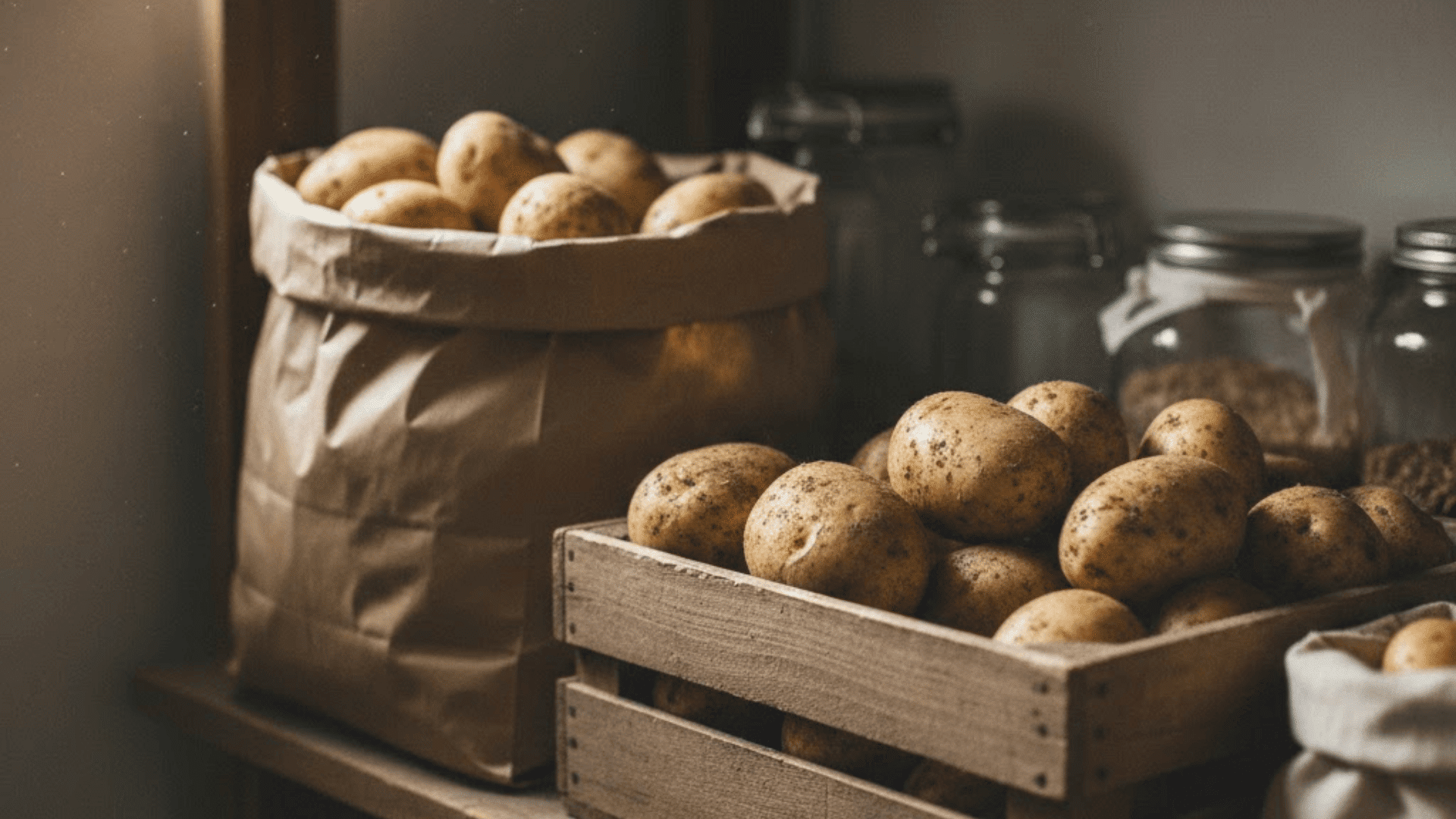
- Cure squash and potatoes before storage: Let skins toughen in a warm, dry spot.
- Use slatted shelves or mesh bags: This helps air flow around stored crops.
- Maintain a steady temperature: Avoid warm spots and drafts.
- Avoid storing near apples or bananas: These fruits release gases that can cause other crops to rot.
- Use storage charts if necessary: Some crops prefer high humidity, while others do not.
Sort and Store Right Away
Freshly picked produce breaks down quickly. Sort and store it as soon as possible by following the instructions below.
- Separate by size: Larger items may bruise smaller ones.
- Label and date your crates: Helps you use older harvests first.
- Re-check for hidden damage: Small bruises get worse in storage.
- Keep walkways clean and dry: Prevent slips and mold growth.
- Don’t store directly on the ground: Use shelves or pallets.
Check Your Stored Harvest Often
Even well-stored crops need a routine check. Catching problems early saves the rest. Consider the following points to prevent your stored harvest from spoiling.
- Inspect at least once a week: Look, feel, and smell the item.
- Sort through bins by hand: Don’t just glance at the top; inspect each one thoroughly.
- Use gloves when needed: Mold and rot can irritate skin.
- Track spoilage patterns: If one crop consistently fails, adjust the storage conditions accordingly to prevent further losses.
- Write down what you toss: Helps plan better for next season.
Conclusion
Knowing when something is ripe takes a little practice. Start by looking at the color. Many fruits and vegetables change shades as they ripen. Touch is just as important. A gentle squeeze can tell you if it’s soft, firm, or somewhere in between.
Smell can also be helpful—some plants emit a sweet or earthy scent when they’re ready. And if it slips off the stem with barely a tug, it’s probably good to go.
Still, no two gardens are the same. Weather, soil, and even the time of day can change how ripeness looks or feels. That’s why your senses matter most.
Trust your eyes to spot color and shape. Trust your hands to feel the texture. Trust your garden sense to tell you when the time feels right. Books and guides are helpful, but they can’t replace what you learn by watching your plants every day.
You’ll miss a few, and you’ll pick a few too early. That’s part of it. The more you grow, the more you’ll know. Continue to check, stay patient, and enjoy the process. The garden will teach you everything you need—one harvest at a time.