When a freeze enters the Texas forecast, the outdoor jobs tend to get attention first. Garden hoses need disconnecting, exposed faucets need covering, and tender plants need protection. The heating system deserves a place on that list, preferably before temperatures begin falling.
A heater that handled a cool November morning may still have problems that become noticeable during several days of freezing weather.
Testing it early gives you time to spot weak airflow, uneven temperatures, or a thermostat that is not responding properly. A few straightforward checks can help you prepare, while leaving mechanical and electrical work to a qualified technician.
Test the Heat Before You Need It Overnight
Choose a mild day when you can stay home and observe the system. Switch the thermostat to heating mode and raise the setting slightly above the indoor temperature. Give the equipment time to respond, then check whether warm air reaches the rooms you use most.
Pay attention to what happens throughout the cycle. Does the system start, run steadily, and shut off once it reaches the setting? Are the bedrooms warming along with the living room? Repeated starts and stops, persistent unusual noises, or rooms that remain cold are worth investigating before a freeze.
For homeowners in the Austin area, Eco Air Conditioning provides heating maintenance and repairs, along with furnace and heat pump installation. When arranging a visit, describe what you noticed during the test rather than simply reporting that the house feels cold. Details about airflow, sounds, and thermostat behavior can help guide the assessment.
Keep the equipment’s model information and recent service records handy if available. Knowing what was repaired last season can be useful, particularly when an intermittent problem has returned.
Check the Filter and Clear the Airflow Paths
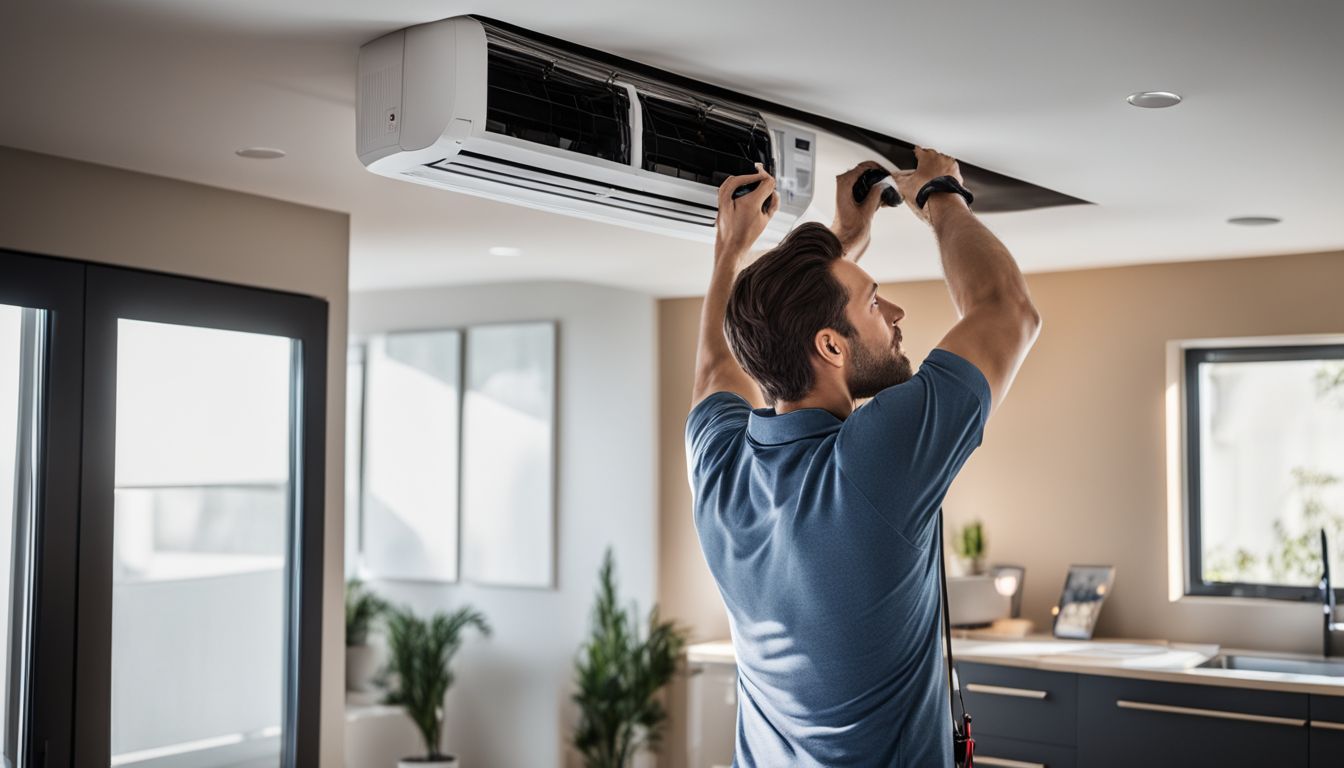
A filter inspection is one of the simplest jobs to complete before colder weather. Turn the system off before removing the filter, check its condition, and follow the equipment manufacturer’s cleaning or replacement instructions. Use the correct size and an approved filter type, with the airflow arrow pointing in the proper direction.
Walk through the house afterward and look at the supply registers and return grilles. A sofa pushed against a return or a rug covering a floor register can interfere with airflow. Holiday decorations, storage boxes, and furniture rearrangements can create obstructions that were not there during the last heating season.
Leave registers open unless your system was specifically designed to operate differently. Closing several vents to concentrate heat elsewhere can affect airflow and pressure in the duct system. If one room consistently stays colder than the others, have the cause assessed instead of trying to correct it by shutting vents throughout the house.
Make a Professional Inspection Count
A maintenance appointment should go beyond confirming that warm air comes out of a vent. The checks depend on the equipment installed, so ask what the visit includes and whether any recommended repairs need attention before freezing weather.
The ENERGY STAR maintenance checklist recommends annual preseason inspections and checking the heating system in fall. Its guidance includes thermostat settings, electrical connections, and operating controls, with additional checks of gas connections, burner combustion, and the heat exchanger for fuel-burning equipment.
Homeowners can inspect accessible filters and clear obstructions, but burner adjustments, electrical testing, and internal equipment repairs belong with a qualified professional. Ask the technician to explain any findings in plain terms, including whether the issue affects safety, reliability, or comfort. That makes it easier to decide what needs doing immediately.
Find the Drafts That Make Rooms Harder to Heat
Once the heater is working properly, check where the house loses warmth. On a breezy day, feel around exterior door edges and window frames for drafts. Worn weatherstripping and damaged door sweeps are practical repairs to make before the next cold front.
Check that windows close fully and lock securely. Curtains can help make rooms feel more comfortable after sunset, provided they do not cover registers or touch heating equipment. During sunny hours, opening curtains on sun-facing windows can bring in useful warmth.
An attic hatch is another place worth checking for a poor seal. Larger insulation gaps or suspected duct leaks may need professional attention, especially if accessing them involves an unfinished attic. Avoid sealing combustion-air openings or appliance vents while trying to eliminate drafts, since those openings may be necessary for safe operation.
Prepare Around Outdoor Equipment
If your home uses a heat pump, its outdoor unit remains part of the heating process during winter. Keep leaves, branches, and stored items away from it, maintaining the clearances specified by the manufacturer. Do not wrap an operating heat pump in a tarp or cover it with a blanket.
This matters when protecting nearby landscaping. Secure plant covers so wind cannot pull them against the equipment, and leave enough space to inspect the unit safely. Move loose garden supplies and lightweight furniture that could blow into it.
A light coating of frost can occur during heat pump operation, and the system may periodically enter a defrost cycle. Heavy ice that persists, unusual mechanical sounds, or a loss of indoor heat calls for professional advice. Do not chip ice off the coils or pour boiling water over the equipment.
Understand the Thermostat Before the Freeze
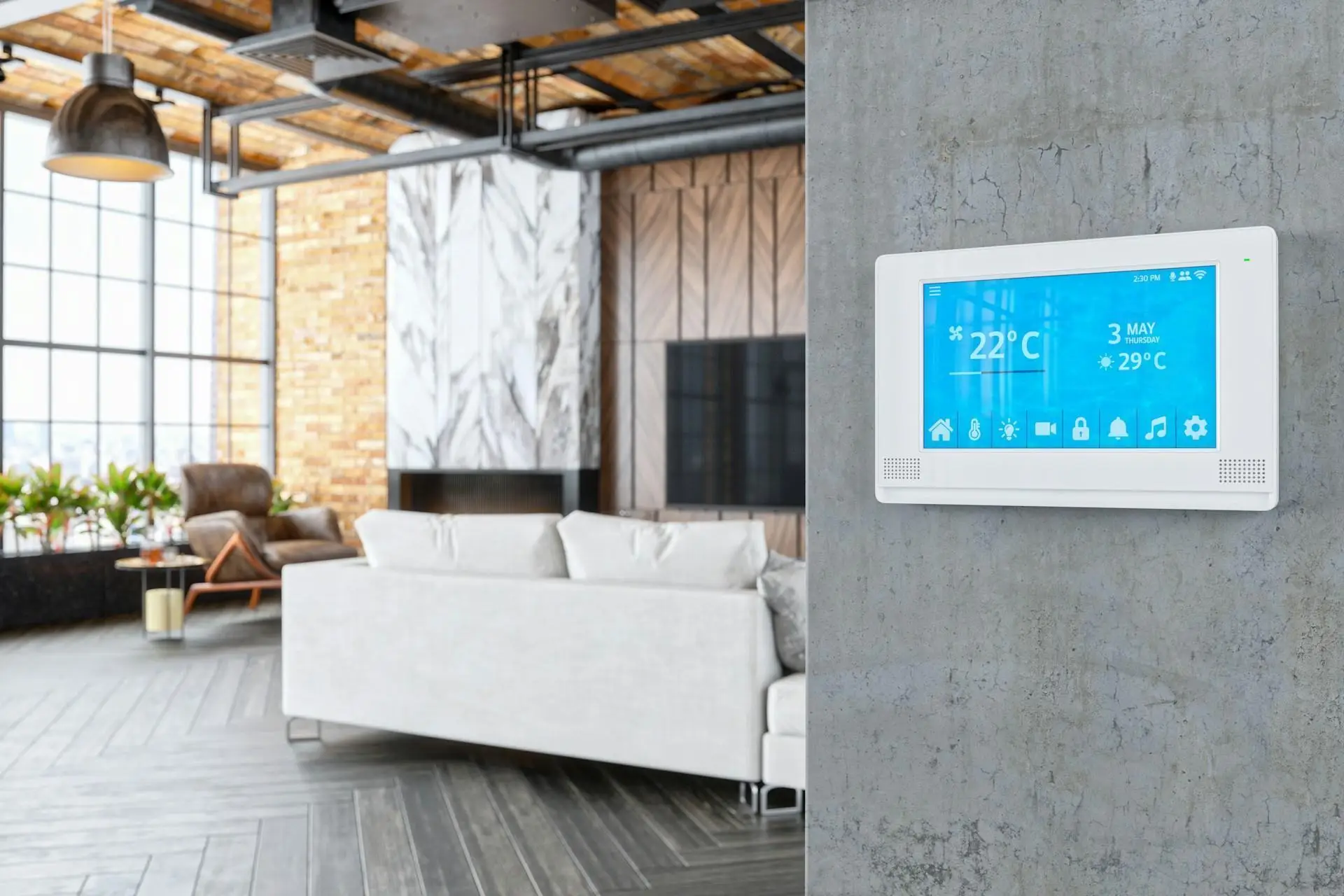
Check the thermostat’s heating schedule, particularly if it still follows a cooling-season routine. Replace batteries where required, and make sure everyone in the household knows the basic controls. Keep the operating instructions available rather than relying on unfamiliar buttons during a cold night.
Heat pump owners should understand the difference between automatic auxiliary heat and a manually selected emergency-heat setting. Emergency heat generally serves as a backup mode when the heat pump cannot operate properly, with details varying by system. Ask your technician when it should be used instead of selecting it simply because freezing weather has arrived.
Set a comfortable, reasonable temperature and allow the system time to respond. Turning the setting much higher does not necessarily warm the house faster, and large changes can activate additional heating on some systems.
Have a Plan for Losing Power
Heating maintenance cannot prevent a power outage. Many gas furnaces also need electricity for their controls and blower, so a gas supply alone does not mean the house will remain heated. Charge phones, gather flashlights and blankets, and identify somewhere safe to go if indoor temperatures become unsafe.
Test smoke and carbon monoxide alarms according to their instructions. Never use an oven, charcoal grill, or outdoor cooking appliance to heat the house. Portable generators must stay outdoors, more than 20 feet from windows, doors, and vents, with exhaust directed away from the home.
If you use a portable electric heater, follow its clearance requirements, plug it directly into a suitable wall outlet, and turn it off before sleeping or leaving it unattended. Decide on these arrangements before the weather deteriorates, especially if someone in the household needs powered medical equipment.
Finish With One Last Walk Through
Before freezing temperatures arrive, confirm that the heat works, airflow paths are clear, and outdoor equipment has room to operate. Put the service number somewhere accessible and check the local forecast for the expected duration of the cold.
Then finish the garden and plumbing preparations without crowding equipment or blocking vents. With those jobs handled together, you can head indoors knowing the heater has had attention before its busiest nights of the season.