Importing a shed from overseas can be a smart move—especially if you’re after innovative designs, premium materials, or specialist engineering not readily available in your local market. However, it’s also a decision that carries weight. From compliance and shipping to climate considerations and customisation, the choices you make at the start will affect the shed’s longevity and functionality long after it’s delivered.
When you’re buying a backyard storage unit, a farm structure, or even a liveable outbuilding, the following guide will walk you through what to assess when importing sheds across borders—starting with one of the world leaders in steel construction: Australia.
Why Australia Is A Top Choice For Sheds And Garages
Australia has earned a global reputation for manufacturing tough, high-performance sheds and garages engineered to thrive in harsh conditions.
Companies have built legacies around structural durability, cyclone-rated designs, and the use of BlueScope COLORBOND® steel—one of the most trusted cladding materials for longevity, rust resistance, and visual appeal. These manufacturers also comply with ShedSafe® accreditation and National Construction Code (NCC) standards, offering internationally certifiable engineering documents that help streamline approvals in other countries.
If you’re importing from Australia, check whether the shed:
- Comes with detailed, site-specific engineering plans for your region
- Is pre-drilled and flat-packed for easier international freight
- Uses galvanised or COLORBOND® steel for proven performance
- Is covered by warranties even if installed overseas
Given their experience with remote and rural delivery across Australia’s vast terrain, many providers also have systems in place to coordinate international shipping effectively—especially helpful if you’re in North America, New Zealand, Southeast Asia, or the Middle East.
Match The Shed Materials To Your Local Climate
Once you’ve identified potential exporters, focus on whether their materials are suitable for your environment.
For example, steel is ideal for regions with termite risks, wildfire threats, or heavy snowfall—but not all steel is equal. Look for hot-dip galvanised or zincalume-treated framing to resist corrosion, and roof sheeting rated for hail or wind loading. If your location deals with tropical humidity or salt air (such as Caribbean islands or coastal U.S. regions), COLORBOND Ultra® may be the best pick due to its marine-grade resistance.
Also consider:
- Insulation compatibility: Can you add internal lining or batts for year-round comfort?
- UV-rated coatings: Will the paint or finish withstand intense sun without chalking?
- Moisture resistance: Are floor systems raised or sealed to prevent pooling underfoot?
Suppliers may offer alternative cladding types or roof profiles—make sure these can integrate with your local building styles and survive the elements for decades.
Understand Local Building Codes And Permits
No matter how well-built the shed is, it won’t be usable if you can’t legally erect it. Local compliance is non-negotiable.
Before importing:
- Verify if your country, state, or province requires certified engineering for sheds above a certain size
- Check whether foreign plans (e.g., Australian NCC) are accepted or if they require conversion to local standards
- Understand foundation or slab requirements that may differ from what’s typical in the export country
For instance, while many Australian sheds are engineered for slab-on-ground installation, North American standards may require frost footings or anchoring methods that call for additional adaptation. If you plan to use the shed for human occupancy, it may fall under entirely different zoning and insulation codes.
To stay compliant, work with a local structural engineer who can assess the imported plans and file the necessary documentation—saving you from fines or teardown orders later.
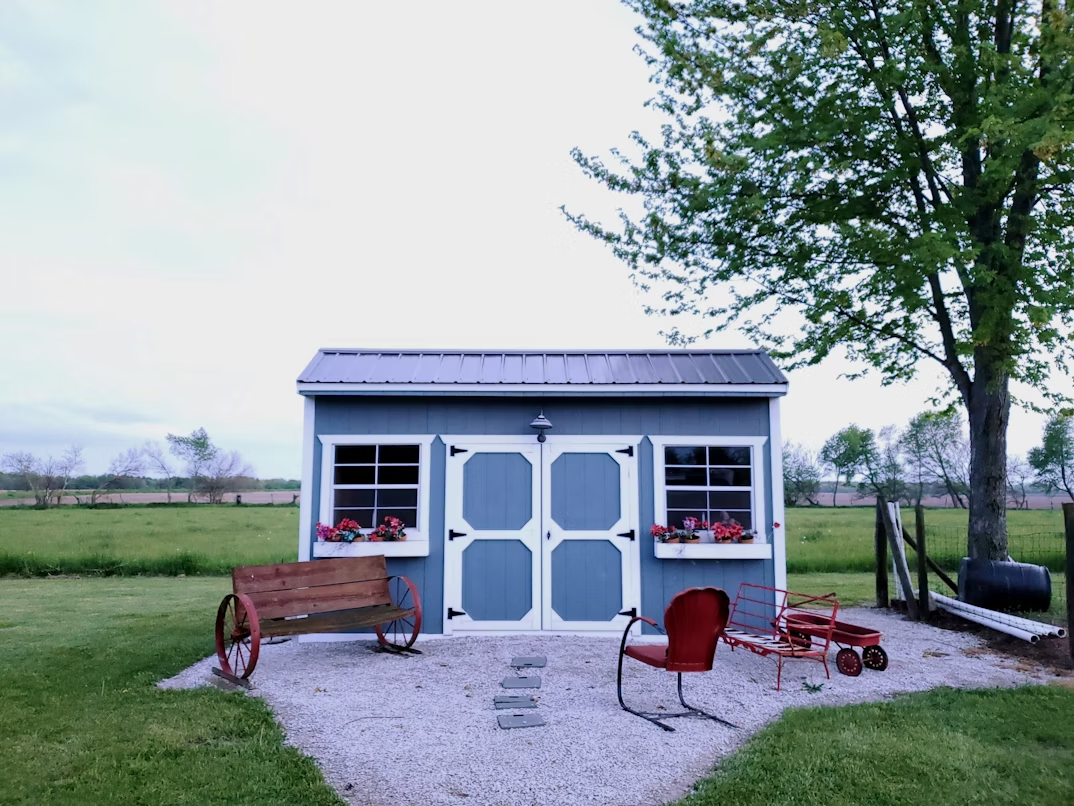
Photo by Danielle Rice on Unsplash
Confirm Dimensions, Freight Efficiency, And Assembly
Shipping large structures is a logistical challenge, so you’ll want to make sure the shed’s packaging and size suit your port and installation site.
Some things to verify:
- Container compatibility: Does it fit in a 20-ft or 40-ft container for standard sea freight?
- Flat-pack convenience: Are parts palletised or boxed in a way that reduces damage risk?
- Weight and handling needs: Will you need special equipment or a crane to offload or assemble?
- Included hardware: Are bolts, fasteners, brackets, and fixings included—or will you need local substitutions?
If the shed kit includes large-span trusses or wall frames, check if those are shipped as components or pre-welded units. Some jurisdictions won’t allow oversized trucks on local roads without permits, which could delay the build if logistics aren’t planned upfront.
Consider Customisation, Use Case, And Expansion Options
Not all sheds are one-size-fits-all. When importing, you have an opportunity to select a structure that doesn’t just serve a short-term function but grows with your needs.
Decide early whether your shed is for:
- Storage (tools, lawn equipment, vehicles)
- Commercial/agricultural use (machinery, grain, workshops)
- Residential use (liveable space, studio, guest unit)
- And then match your selection accordingly. Ask whether your chosen design can:
- Be extended in future (modular bays, add-on wings, height extensions)
- Include skylights, windows, or roller doors from the outset
- Be internally divided or fitted out with walls, plumbing, or electrical
Australian providers, for example, often offer barn-style or gable-roof sheds that allow easy attic or mezzanine additions—ideal if you want more storage overhead without increasing footprint.
Evaluate Warranties, Documentation, And After-Sales Support
Warranty terms often change based on geography. Be clear on what’s covered and what’s not if the shed is exported.
Key questions to ask:
- Does the manufacturer’s warranty still apply if you build the shed abroad?
- Is installation by a licensed contractor required to maintain warranty status?
- Will you receive electronic versions of manuals, material lists, and setup diagrams?
- Does the supplier offer virtual support, helpline advice, or local partner contractors?
Some companies also offer pre-approvals for engineering in other jurisdictions, or work with global agents. These are preferable over firms that ship kits without local awareness or post-sale responsibility.
If importing from a country where time zones differ significantly from yours, ask whether support is email-based or if they provide 24-hour portals.
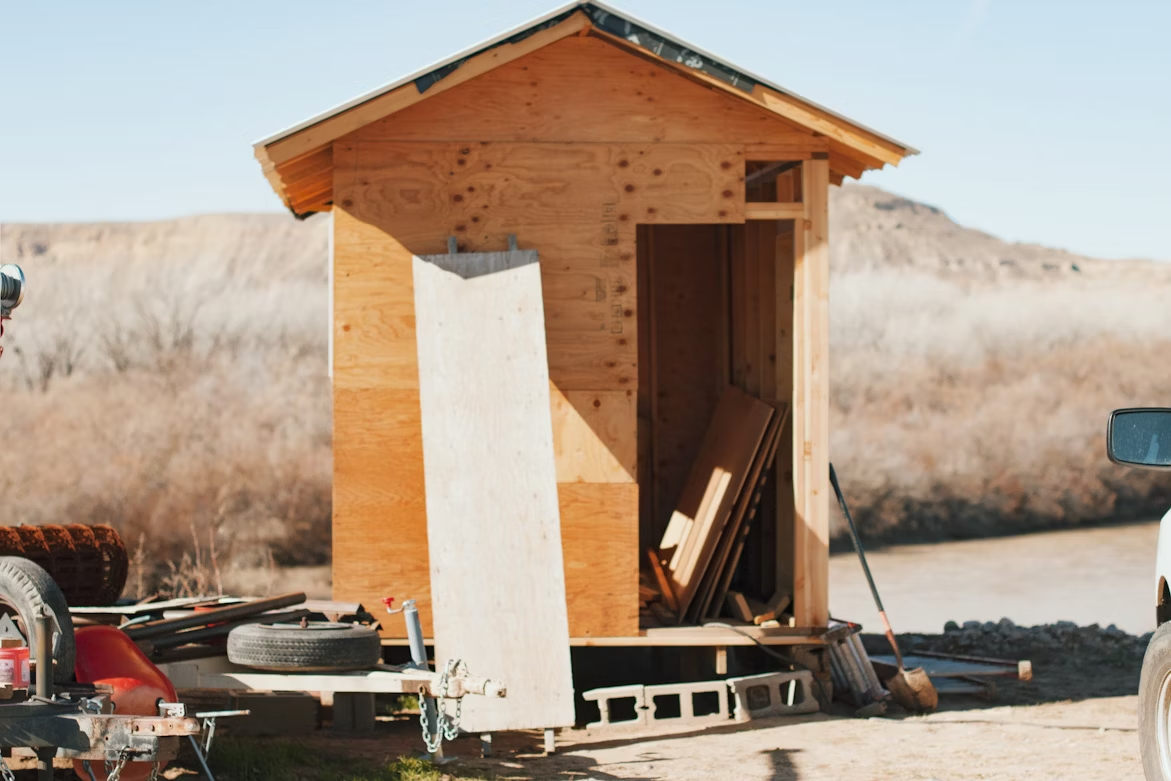
Photo by Aubrey Odom on Unsplash
Endnote
Importing a shed can give you access to world-class engineering, modern aesthetics, and greater durability than you might find locally—particularly when considering top-tier providers like those in Australia.
But the success of your project hinges on how well you plan: aligning material quality with climate, verifying compliance, anticipating logistics, and ensuring the structure fits both your site and long-term use. By doing your homework and choosing reputable exporters, you turn what could be a complex build into a high-value investment that lasts decades.