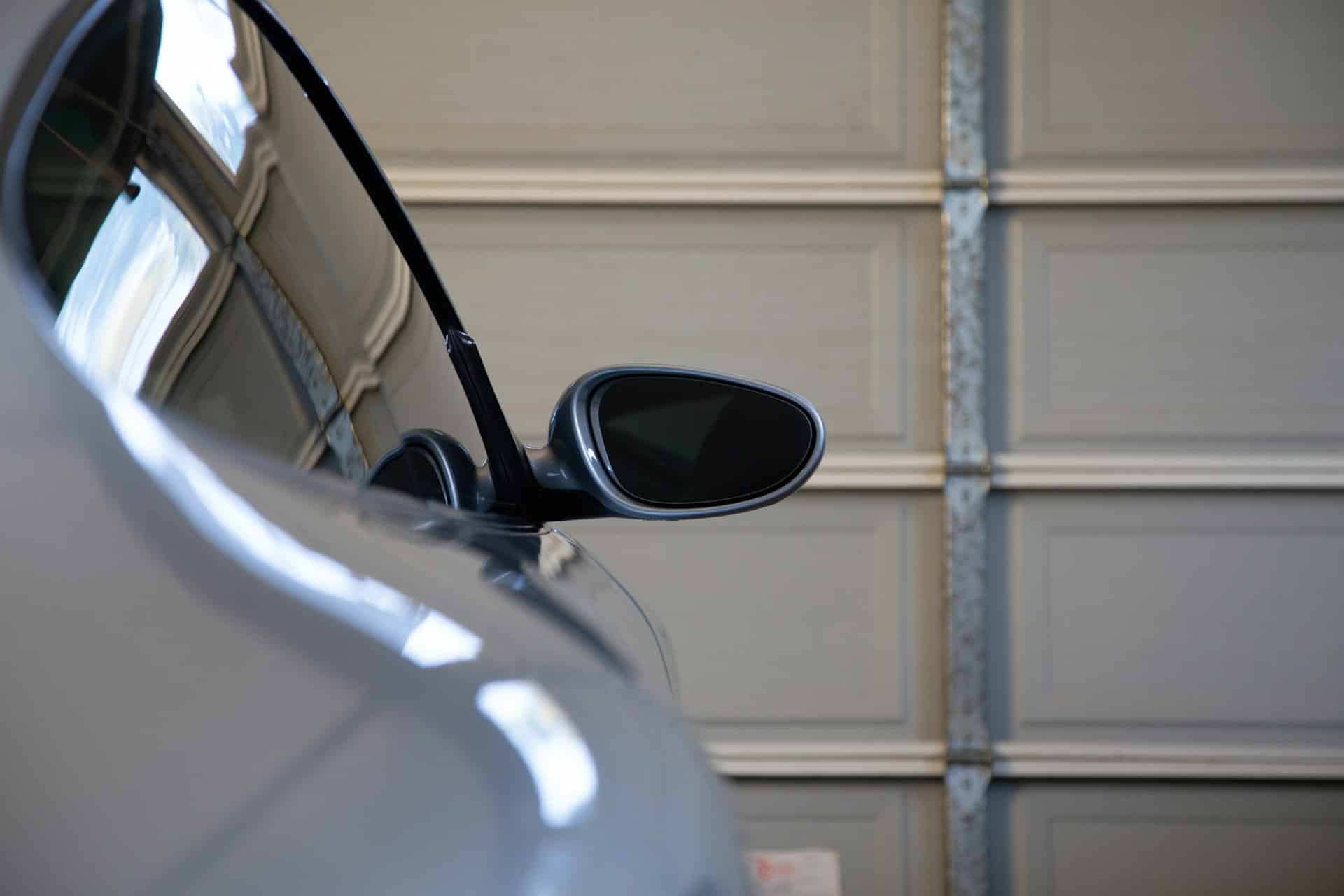
Few household problems are as frustrating as a garage door that suddenly refuses to open. You might be leaving for work, returning home after a long day, or trying to access equipment stored inside. Whatever the situation, a malfunctioning garage door can quickly disrupt your routine.
Garage doors are complex mechanical systems, and the cause of a problem isn’t always obvious. Homeowners seeking professional assistance with Nebraska garage doors can benefit from understanding the warning signs before arranging repairs. Knowing what to look for helps you explain the issue clearly and avoid potentially dangerous DIY attempts.
The good news is that not every problem means you need a new garage door. Some issues involve straightforward checks, while others require an experienced technician.
Why Garage Doors Stop Working Unexpectedly
A garage door relies on several components working together. Springs help counterbalance its weight, cables and rollers support movement, tracks guide its travel, and an automatic opener provides powered operation.
When one component develops a problem, the entire system may stop functioning correctly.
Sometimes the cause is simple, such as an interrupted power supply or a remote control with a dead battery. In other situations, worn hardware, damaged springs, or track alignment problems may be responsible.
Understanding these possibilities is useful, but identifying the exact cause requires careful observation. Avoid repeatedly activating a struggling door, as continued operation may worsen the damage.
Start With the Simple Checks
Before assuming something serious has happened, check whether the garage door opener is receiving power.
If the opener appears completely unresponsive, look for an obvious power interruption or a tripped breaker. If you’re using a remote control, try replacing its battery or using the wall-mounted control.
Also check whether the opener’s vacation or lock mode has been activated.
If the door begins closing but unexpectedly reverses, look for objects obstructing the doorway or blocking the safety sensors.
These are reasonable visual checks that don’t involve dismantling mechanical components.
However, if the door appears crooked, has loose cables, or makes unusual noises, stop operating it and arrange a professional inspection.
Strange Noises Can Reveal Hidden Problems
Garage doors naturally produce some sound during operation, but new or unusually loud noises shouldn’t be ignored.
Grinding may indicate friction or problems involving moving components. Squeaking can sometimes result from insufficient lubrication, while banging or popping sounds may suggest more serious mechanical concerns.
It’s important not to assume every noise has the same cause.
For example, a poorly aligned track and a worn roller can produce similar symptoms but require different repairs.
Pay attention to when the noise occurs. Does it happen as the door starts moving, halfway through its travel, or just before closing?
Sharing these details with a technician can make the inspection more efficient.
When a Garage Door Becomes a Safety Concern
A door that moves unevenly, appears to sag, or closes unexpectedly should be treated seriously.
Garage doors are heavy, and their spring systems store substantial energy. Broken springs, damaged cables, and malfunctioning safety mechanisms can create significant risks.
Never attempt to loosen spring hardware, reposition cables, or force a jammed door back into alignment.
If the door is stuck partially open, avoid walking or standing beneath it.
Keep children and pets away from the affected area until a qualified professional has assessed the problem.
Safety should always come before convenience, particularly when a repair involves components that support the door’s weight.
Choosing a Reliable Garage Door Repair Company
When a garage door stops working, it’s tempting to hire the first company that promises a quick repair. However, experience, clear communication, and appropriate technical knowledge are equally important.
Look for a provider that can inspect the complete system rather than immediately recommending replacement.
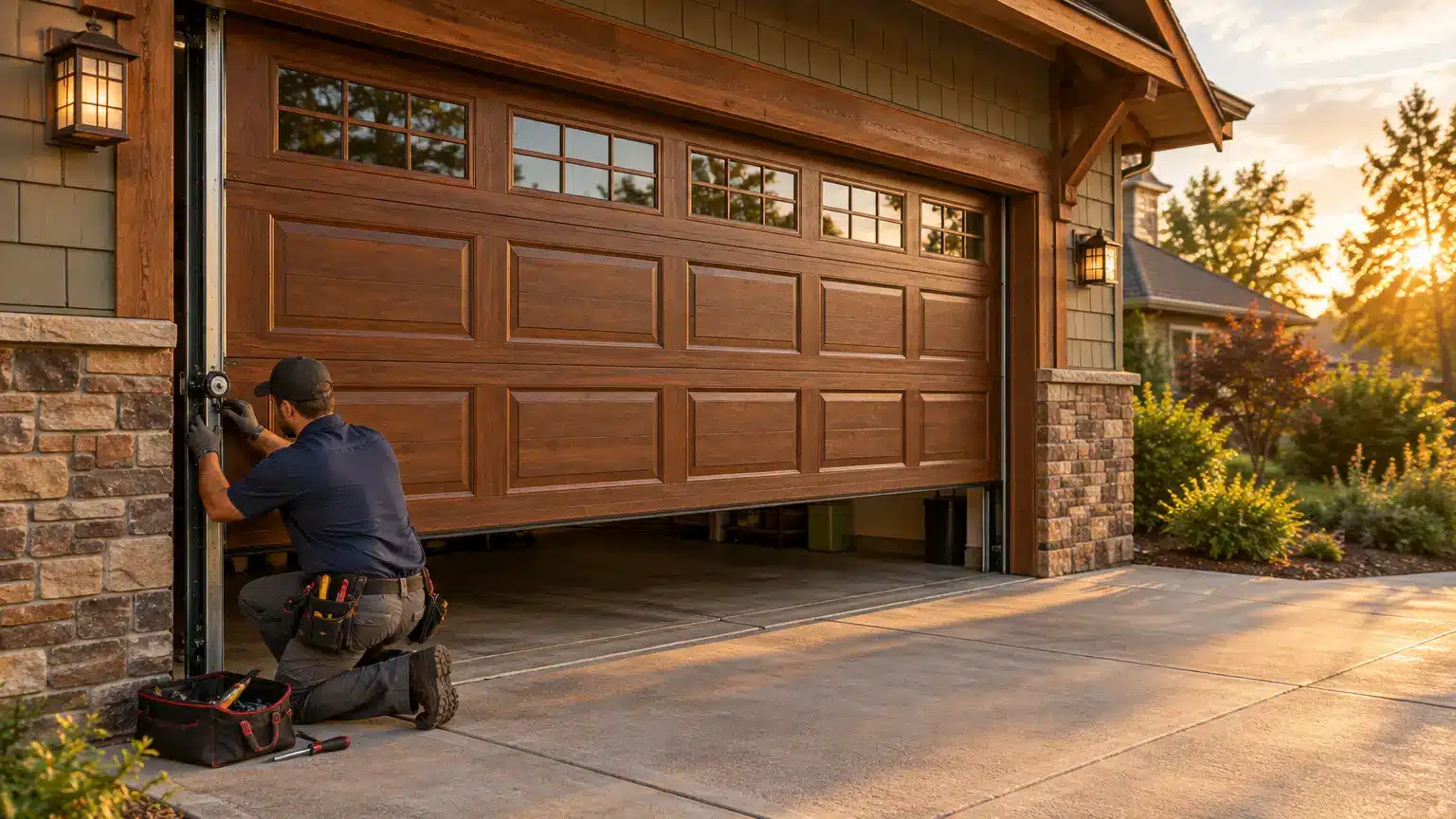
For example, Winkler Door Company in Shawnee, Oklahoma, provides garage door repair and maintenance services for residential and commercial properties, including work involving springs, cables, rollers, and weather seals.
When contacting a local provider in your own area, explain the symptoms and ask how the diagnostic process works.
A reputable technician should be able to discuss the problem, outline reasonable repair options, and provide a clear estimate before beginning substantial work.
How to Know Whether Repair Is Worthwhile
Not every damaged garage door needs replacing.
If the panels remain in good condition and the issue involves a serviceable component, a professional repair may restore normal operation without requiring a complete replacement.
However, the decision becomes more complicated when a door experiences repeated breakdowns or has extensive structural damage.
Consider the age of the system, the availability of replacement parts, and the cost of necessary repairs.
If the door has suffered significant deterioration or no longer operates reliably despite previous repairs, replacement may offer better long-term value.
Rather than focusing only on the immediate expense, evaluate the likely maintenance requirements over the coming years.
Don’t Ignore Your Automatic Garage Door Opener
Sometimes the garage door itself is functioning correctly, but the automatic opener is causing the problem.
Openers contain motors, drive mechanisms, electronic controls, and safety features that can develop faults over time.
Warning signs may include intermittent operation, unusual motor sounds, inconsistent remote responses, or failure to respond to normal commands.
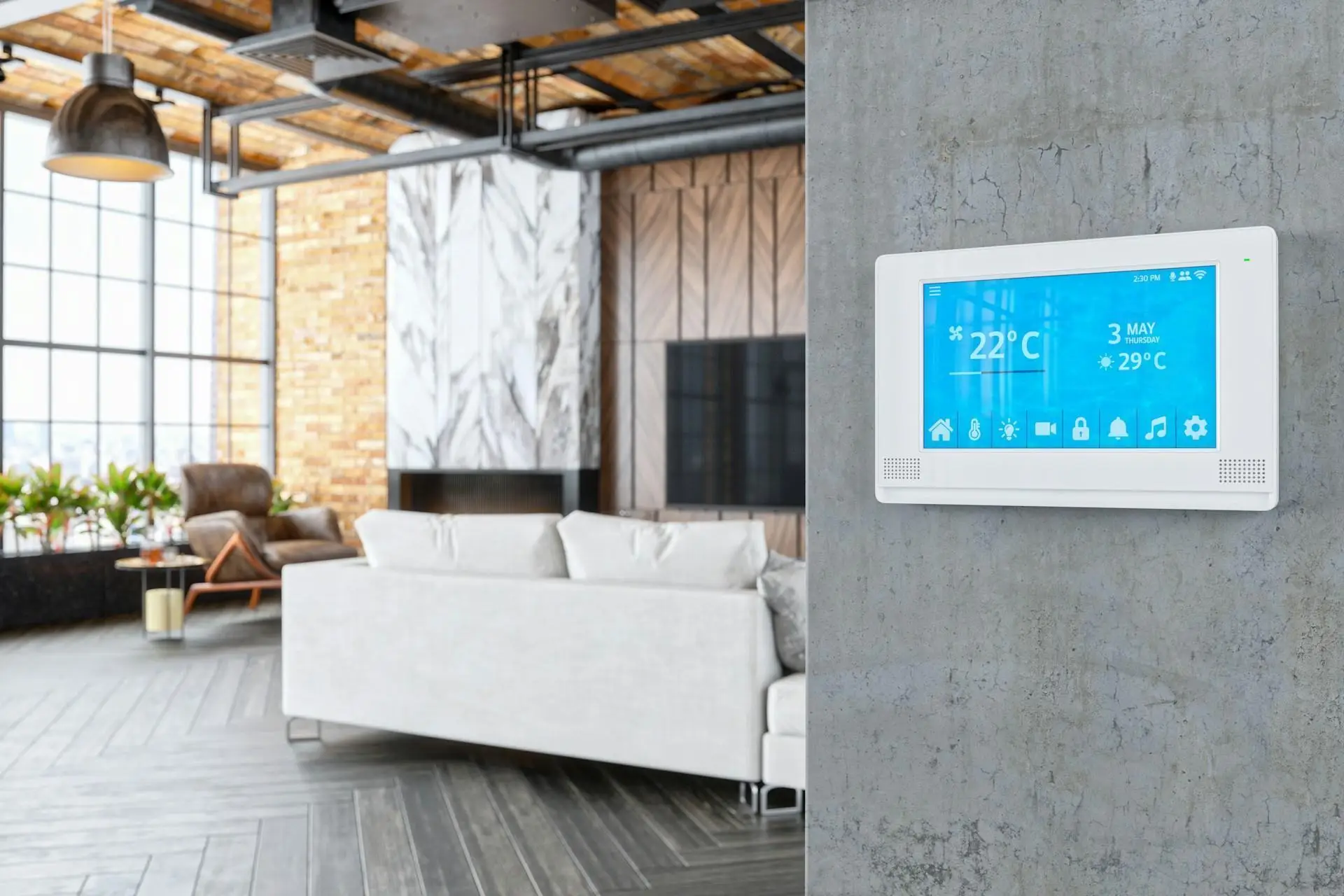
Modern opener systems may also include smartphone connectivity, battery backup options, and additional monitoring features.
However, advanced technology doesn’t eliminate the need for regular checks.
If an opener operates unpredictably, have it inspected before continued use. A professional can determine whether the problem involves the opener, its controls, or the door mechanism.
Preventing Unexpected Garage Door Breakdowns
While no mechanical system is completely immune to failure, routine maintenance can help identify developing issues before they cause a major interruption.
Inspect the visible condition of the door periodically. Look for damaged panels, deteriorated weather seals, loose-looking components, and unusual movement.
Keep the doorway clear of objects that might obstruct operation. Follow the manufacturer’s instructions for approved lubrication and maintenance procedures.
If the opener has safety-reversal features, test them according to the manufacturer’s guidance.
Consider arranging periodic professional servicing, especially if the garage door operates frequently or has begun showing signs of wear.
Preventive maintenance is generally more convenient than discovering a serious problem when you urgently need to leave home.
Final Thoughts: Deal With Garage Door Problems Before They Get Worse
A malfunctioning garage door doesn’t always indicate a major mechanical failure, but it should never be ignored.
Simple observations can help homeowners distinguish between minor operational problems and issues that require professional attention.
Understanding common warning signs, choosing a qualified repair provider, and keeping up with routine maintenance can help improve reliability and avoid unnecessary expenses.
Most importantly, resist the temptation to attempt dangerous repairs involving springs, cables, or other high-tension components.
A properly maintained garage door should make everyday life easier, providing convenient access and dependable operation without becoming a constant source of concern.