A garage should protect your vehicles, tools, and stored belongings from the elements. But when rainwater starts appearing beneath the door, that protection becomes questionable. What begins as a small puddle can eventually lead to damaged flooring, rusting equipment, and persistent moisture problems.
An aging garage door, worn weatherstripping, or improper installation can contribute to these issues. Homeowners considering residential garage door installation services should understand how door construction, proper fitting, and weather-resistant components affect long-term performance.
Choosing the right installation approach can help prevent recurring problems and make the garage more comfortable throughout the year. Before spending money on repairs or a replacement, it’s important to identify exactly why water is entering.
Why Water Gets Under a Closed Garage Door
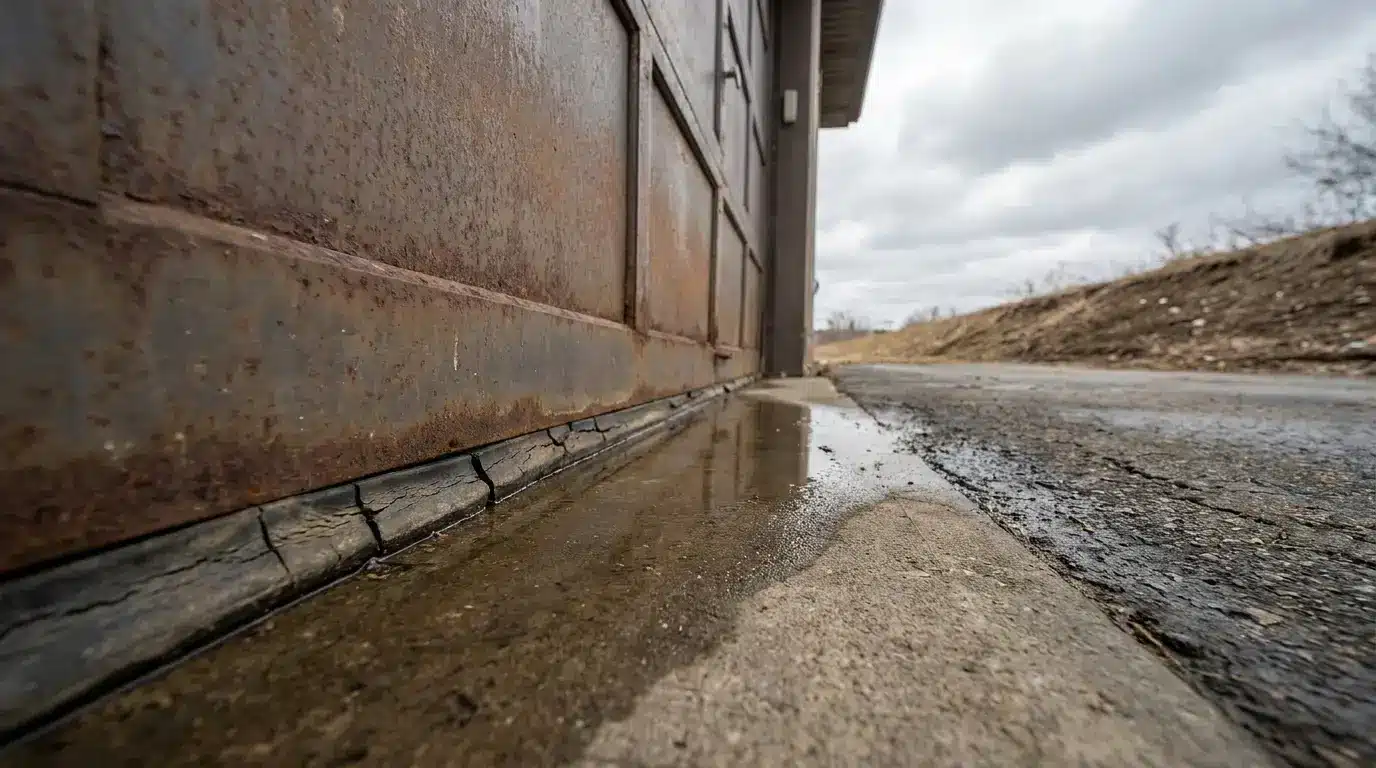
A properly fitted garage door should provide a reasonable barrier against wind-driven rain and everyday weather conditions. However, several issues can compromise that protection.
One of the most common causes is a deteriorated bottom seal. This flexible strip runs along the lower edge of the door and helps close the gap between the door and the floor. Over time, exposure to sunlight, temperature changes, and repeated use can cause it to crack, flatten, or lose flexibility.
Misaligned tracks, damaged panels, and uneven flooring can create additional openings. Even a relatively new door may allow water inside if it doesn’t close evenly against the threshold.
Understanding the source of the leak helps determine whether a simple repair will solve the problem or whether more substantial work is necessary.
The Warning Signs Homeowners Shouldn’t Ignore
Garage door problems rarely appear overnight. In many cases, smaller warning signs develop months before a serious issue becomes obvious.
You might notice daylight around the edges of a closed door, unusually loud noises during operation, or visible gaps near the bottom corners. Rust around metal components, damaged weather seals, and water stains on the interior floor also deserve attention.
Another warning sign is uneven movement. A door that appears crooked, shakes excessively, or struggles to close properly may have problems with its tracks, rollers, or other operating components.
These symptoms don’t automatically mean the entire door needs replacing. However, they should be assessed before the problem becomes more expensive or creates a safety concern.
Can Better Weather Sealing Solve the Problem?
Weatherstripping is often the first thing homeowners consider when rainwater enters the garage. In some situations, replacing a damaged bottom seal or side weatherstrip can make a noticeable difference.
The effectiveness of these repairs depends on the condition of the door and the surrounding opening. If the door is structurally sound and closes evenly, improved sealing may be sufficient.
However, weatherstripping cannot compensate for major alignment problems, severely damaged panels, or water flowing downhill toward the entrance.
The garage floor and driveway should also be evaluated. If rainwater consistently collects against the door, correcting the drainage problem may be just as important as improving the seal.
A qualified technician can help distinguish between problems involving the door itself and conditions affecting the surrounding structure.
When Replacing the Garage Door Becomes the Better Option
Repairing a garage door is often worthwhile when the problem involves a limited number of serviceable components. However, replacement may become more practical when the door has extensive deterioration, repeated mechanical problems, or significant structural damage.
Older doors may also lack the insulation, weather protection, or safety features available in newer systems. If repair costs continue increasing, investing in a replacement could provide better long-term value.
Climate should influence the decision as well. In regions experiencing freezing winters and seasonal temperature changes, proper insulation and weather sealing deserve additional consideration.
For example, homeowners exploring garage door replacement in Burlington can compare suitable residential door systems and discuss which materials, insulation options, and installation features are appropriate for local conditions.
The objective should be reliable performance rather than replacing a door simply because it looks outdated.
What Makes a New Garage Door More Weather-Resistant?
Not all garage doors offer the same level of protection against changing weather conditions. Materials, panel construction, insulation, and installation quality all influence performance.
Steel garage doors are widely available and can be manufactured with insulated panel systems. Depending on their construction, these doors may offer improved thermal performance compared with basic uninsulated alternatives.
Weather seals around the sides, top, and bottom help reduce unwanted air movement and limit water intrusion under ordinary conditions.
However, even a high-quality door requires accurate measurements and correct installation. Poorly aligned tracks or inappropriate clearances can undermine the performance of otherwise suitable products.
Homeowners should compare manufacturer specifications and ask installers which options genuinely suit their garage rather than choosing based entirely on appearance or price.
Why Professional Installation Makes a Difference
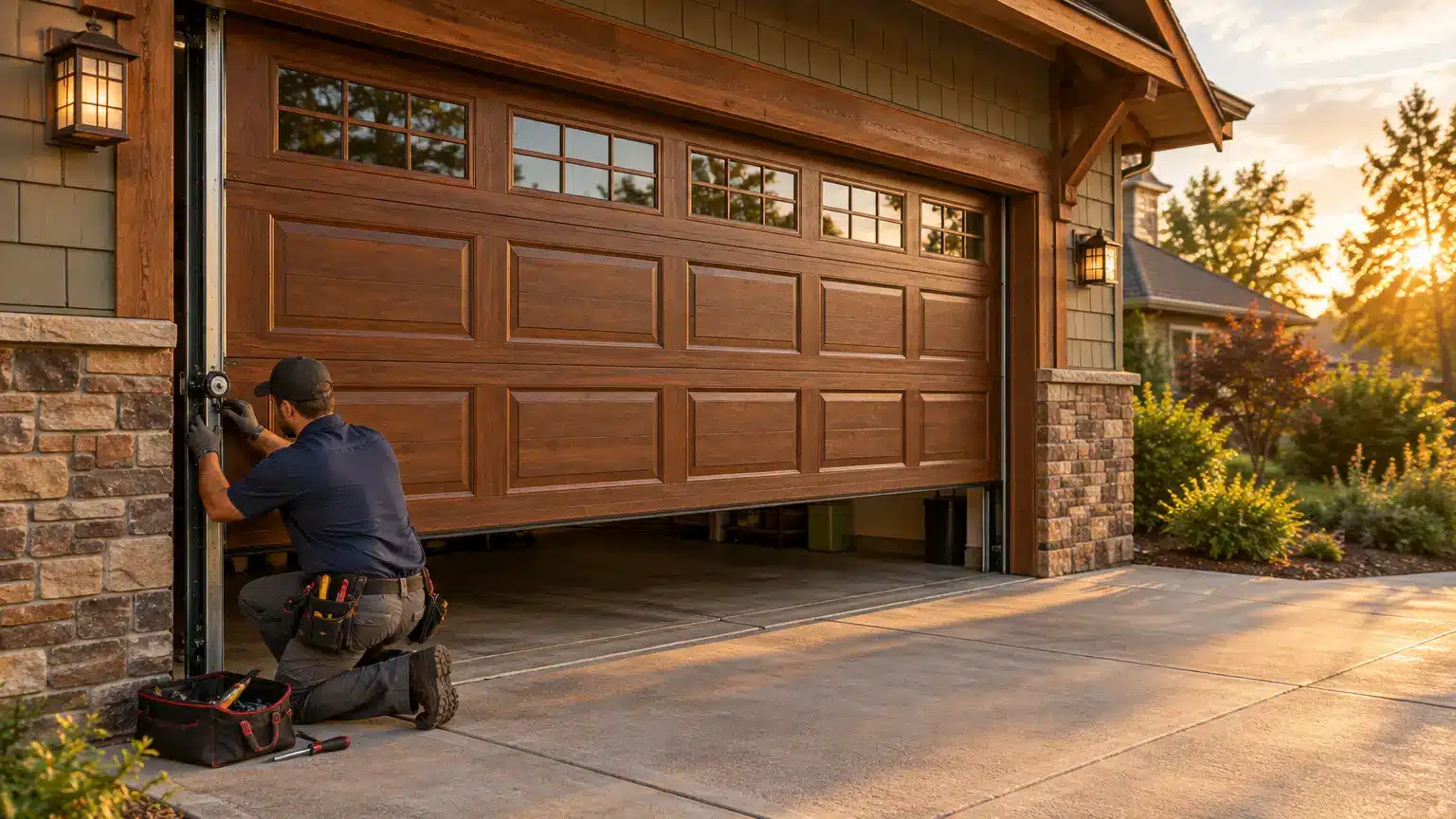
Garage door installation involves much more than fitting a new set of panels into an existing opening. Accurate measurements, compatible hardware, correct track alignment, and proper spring balancing all contribute to safe operation.
An installer should assess the opening, available headroom, side clearances, and the condition of surrounding framing before fitting the new system.
Once installed, the door needs to move smoothly, close correctly, and operate safely with its automatic opener where applicable.
Improper installation can lead to premature component wear, operating difficulties, and gaps that compromise weather protection.
Garage door springs and cables are under considerable tension, making professional handling essential. Homeowners should avoid attempting repairs or adjustments involving these components.
Don’t Forget the Driveway and Garage Threshold
Sometimes, the garage door receives the blame for a problem that actually begins outside.
A driveway that slopes toward the entrance can direct rainwater against the bottom of the door. During particularly heavy rainfall, water may accumulate faster than ordinary weather seals can resist.
Uneven concrete surfaces and deteriorated thresholds can also create gaps that allow moisture inside.
Before installing a new door, examine the driveway slope and surrounding drainage. Depending on the situation, improvements to grading or a properly designed drainage system may be necessary.
Addressing these conditions alongside garage door repairs or replacement provides a more complete solution than focusing on the door alone.
Protect Your Investment With Routine Maintenance
Once your garage door is working correctly, regular maintenance can help keep it that way.
Inspect visible weather seals for cracking or deterioration, watch for unusual movement, and pay attention to changes in operating noise. Keep the area around the entrance clear so the door can close without obstruction.
Follow the manufacturer’s maintenance recommendations, including appropriate lubrication and testing of automatic opener safety features.
If you notice damaged cables, broken springs, or significant alignment problems, contact a qualified professional rather than attempting repairs yourself.
Regular attention to these details helps identify developing problems before they disrupt everyday use.
Final Thoughts
Water entering beneath a garage door is more than a minor inconvenience. It can indicate deteriorating seals, installation problems, structural wear, or drainage conditions that need attention.
The right solution depends on the underlying cause. Some problems can be corrected with straightforward maintenance, while older or seriously damaged doors may justify replacement.
By evaluating the condition of the existing door, choosing suitable materials, and prioritizing professional installation, homeowners can improve weather protection and support reliable operation for years to come.