Most advice about garage door security starts and ends with the opener remote. That’s not wrong—but it doesn’t cover the whole picture. The garage is often an easy way into the house, a storage room for tools, and a place where small habits create big gaps. A remote in the glove box doesn’t fix a propped side door, a zip-tied emergency release, or a camera blind spot at night.
This guide covers common weak points, a layered plan you can build in stages, where a smart garage door sensor (and indoor motion) fits, how a garage door monitor helps without replacing the opener, and a few travel routines that cost nothing.
General information only. Local codes, HOA rules, and landlord permissions vary. If you rent, read your lease before you mount hardware, run new wiring, or install anything that records shared spaces.
Where Garages Tend to Fail First
Garage break-ins are often less about Hollywood lockpicking and more about fast physical entry and simple social tricks.
Physical gaps include side doors left unlocked, windows that do not latch, weak strike plates, and the overhead door’s emergency release cord where someone can reach it from outside using a simple hooked tool. Some older doors also gap enough that a stiff wire can snag or trigger certain latch mechanisms. Not every home has those issues, but they are worth a slow walk around with a flashlight.
Human gaps are just as common. Remotes clipped to sun visors, keypad codes that never change, contractors sharing codes, and neighbors borrowing tools with the door left up for hours. Tailgating into an open community gate is another pattern that shows up in neighborhood watch notes and local police tips.
Tech gaps show up as noisy alerts people end up silencing, cameras aimed at the wrong angle, or Wi-Fi that drops in a metal garage—often unnoticed until something happens.
A Layered Plan You Can Stage Over Time
You don’t need perfection on day one. Stack a few independent signals so one weak day doesn’t erase your whole plan.
|
Layer |
What it is trying to do |
Practical examples |
|---|---|---|
|
Physical |
Slow entry and remove easy bypasses |
Solid person door lock, shorter release cord routing where allowed, window stops, better lighting at approaches |
|
Detection |
Tell you something changed |
Smart garage door sensor style contacts on the person door, motion coverage inside the lane, tilt or contact style setups on the moving door when supported |
|
Visibility |
Turn an alert into context |
A garage door monitor camera aimed at the door path, not just the driveway curb |
|
Behavior |
Lower odds before tech matters |
Close the door fully every time, avoid visor remotes, refresh keypad codes, brief house sitters on routines |
If you want one place to browse sensor-style hardware commonly used on garage openings, the eufy garage door sensor collection groups related alarm pieces in one place. It is still worth reading each individual product page because garage layouts differ.
Sensors and Lighting without Rewiring the House
Start with the path you actually use. Many families use the side/service door more than the overhead door. A contact sensor on that door can give a clean open and close signal with less debate than trying to read a flexible overhead door panel.
Inside the garage, motion detection can cover the lane where someone would walk if the overhead door opened. Placement matters more than the brand. You want fewer false trips from heat ducts, moving fans, or sunlight flashing across a sensor face.
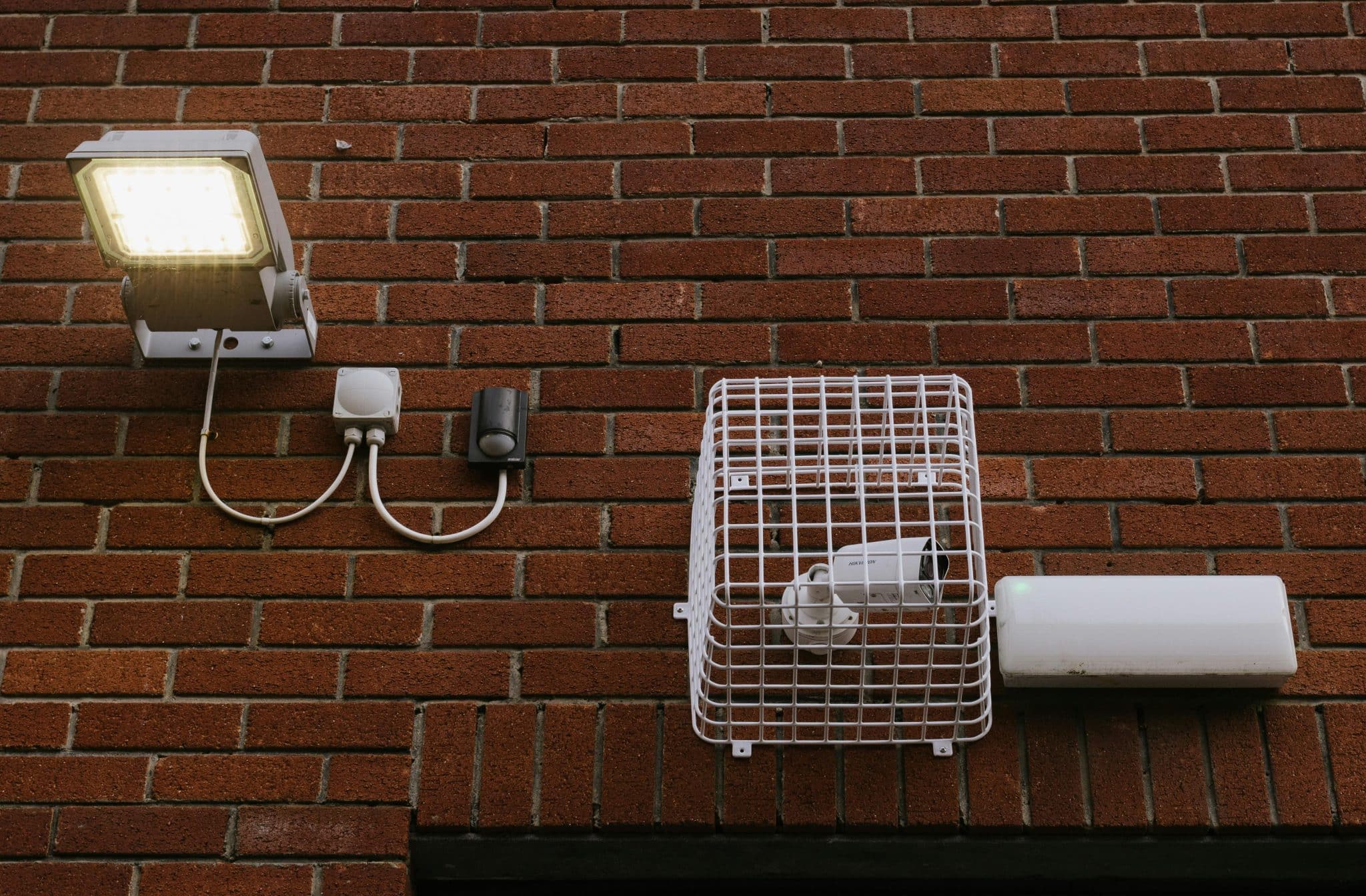
Lighting is the quiet layer people skip. Motion-activated lights at the side door and near the driveway approach do not need to be fancy. They mainly remove easy hiding time. Local police departments often repeat that advice in community safety bulletins.
When you are ready to add or tune cameras, the eufy security camera collection is a practical hub to compare models for different mounting spots. Keep weather ratings in mind if you are tempted to mount something outside the garage shell. Once you can detect an opening, the next question is what actually happened.
A Garage Door Monitor that Fits Many Layouts
A camera is not a replacement for a good lock, but it can answer the question you actually have after an alert: was that the wind, a delivery, or someone stepping in.
What “fits” most garages is less about a perfect spec sheet and more about the view. Aim at the overhead door seam and tracks, the interior side door and keypad, and the lane a person would walk through if the door opened. If your camera can pan and tilt, you can often cover those zones from a high corner mount instead of guessing a single fixed angle.
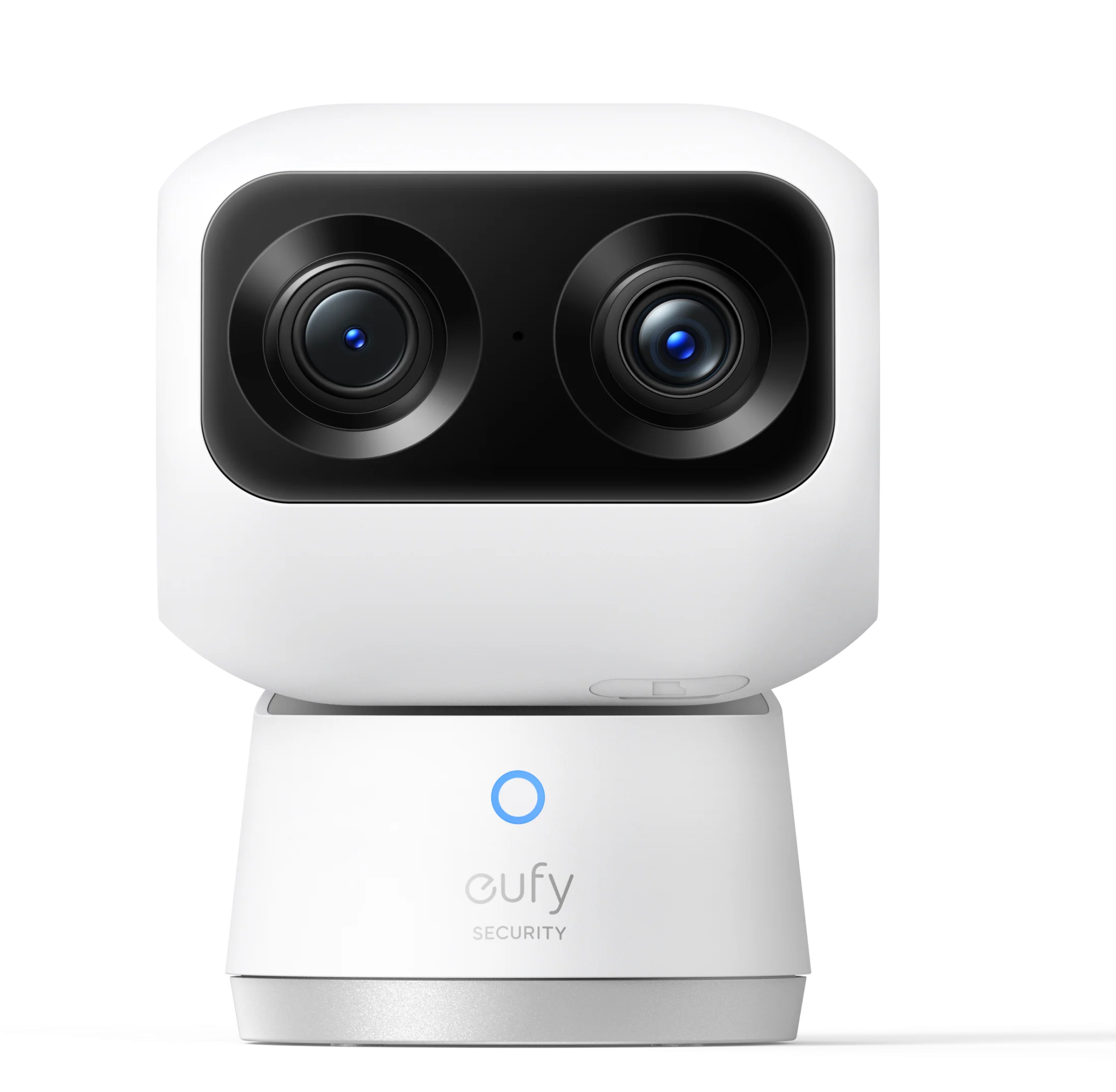
As one concrete indoor example, the eufy Indoor Cam S350 is an indoor pan/tilt camera that can cover both the overhead door area and the entry sightline without forcing you into a single fixed angle. It can work as a garage door monitor when the space stays within typical indoor temperatures and you can route power safely. If your garage is harsh, dusty, or wet, look for hardware rated for that environment instead.
Behavior Habits that Cost Nothing
Small routines often beat new gadgets.
- Treat the overhead door like a front door. Close it before you walk away, even for two minutes.
- Rotate keypad codes when life changes roommates, cleaners, or contractors.
- Keep remotes out of obvious cars. A visor clip is convenient until a window break turns it into a garage key.
- Ask a neighbor to grab obvious packages and vary lights a little when you travel. Predictable “empty-home” patterns make social engineering easier.
Before you travel, run a quick checklist.
- Re-enable alerts you muted, then run one open/close cycle and confirm you get the notification you expect.
- If you use cameras, confirm storage is working and that activity zones still match how you parked the cars.
- Leave a simple note for house sitters with who to call if the opener fails or Wi-Fi drops, so a hiccup doesn’t turn into people bypassing your routines.
Conclusion
Garage door security works best when you stop treating the opener remote as the whole system. Combine a few physical fixes, a small detection set that matches your layout, and steady habits.
Add a garage door monitor for context after an alert, and treat smart garage door sensor hardware as one signal in a stack—not a magic fix. Build in stages, test notifications on a normal weekday, then refine. That approach usually holds up better than buying everything at once and hoping the app sorts it out for you.