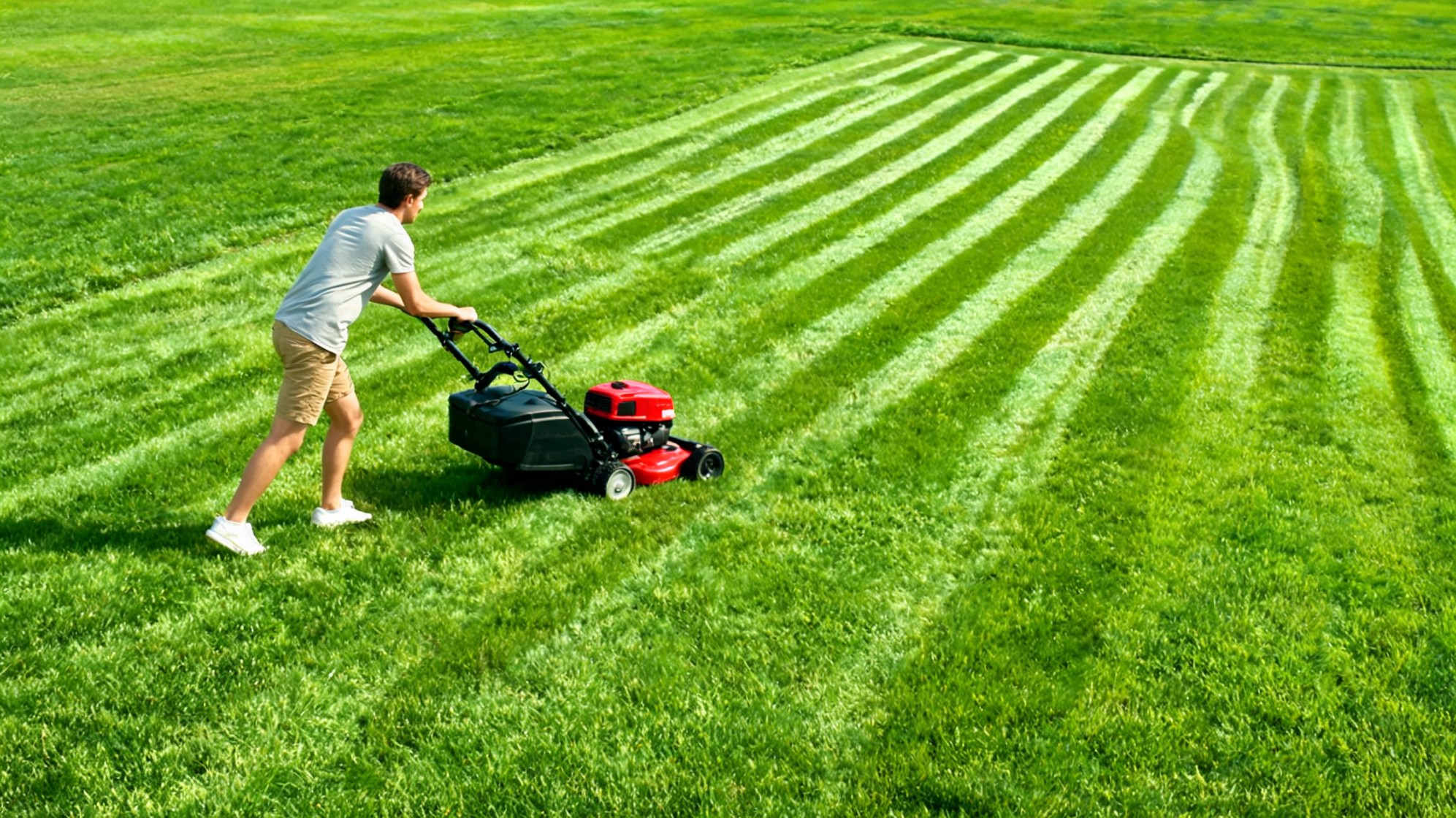
A healthy lawn doesn’t happen by chance; it reflects careful attention and understanding of growth patterns.
One of the most common questions I hear is, “How often should you mow your lawn?” It’s not just about a calendar schedule. Grass grows at different rates depending on species, weather, and care practices.
I’ll guide you through the factors that influence mowing frequency, including seasonal growth, grass type, sunlight, and soil health.
By the end, you’ll have a clear, evidence-based approach that keeps your lawn strong, resilient, and visually balanced without unnecessary effort or guesswork.
Using the One-Third Rule Instead of Guessing
Rather than sticking to a strict mowing schedule, I would suggest it’s smarter to follow the one-third rule. That means you never cut more than one-third of your grass blade at a time.
For instance, if you want a three-inch lawn, wait until it reaches about 4.5 inches before mowing. Cutting too much at once stresses the grass, weakens the roots, and slows recovery.
By paying attention to actual growth instead of the calendar, you adapt to changing weather, water, and fertilizer conditions, keeping your lawn strong, healthy, and looking great all season long.
What Lawn Owners Say From Experience
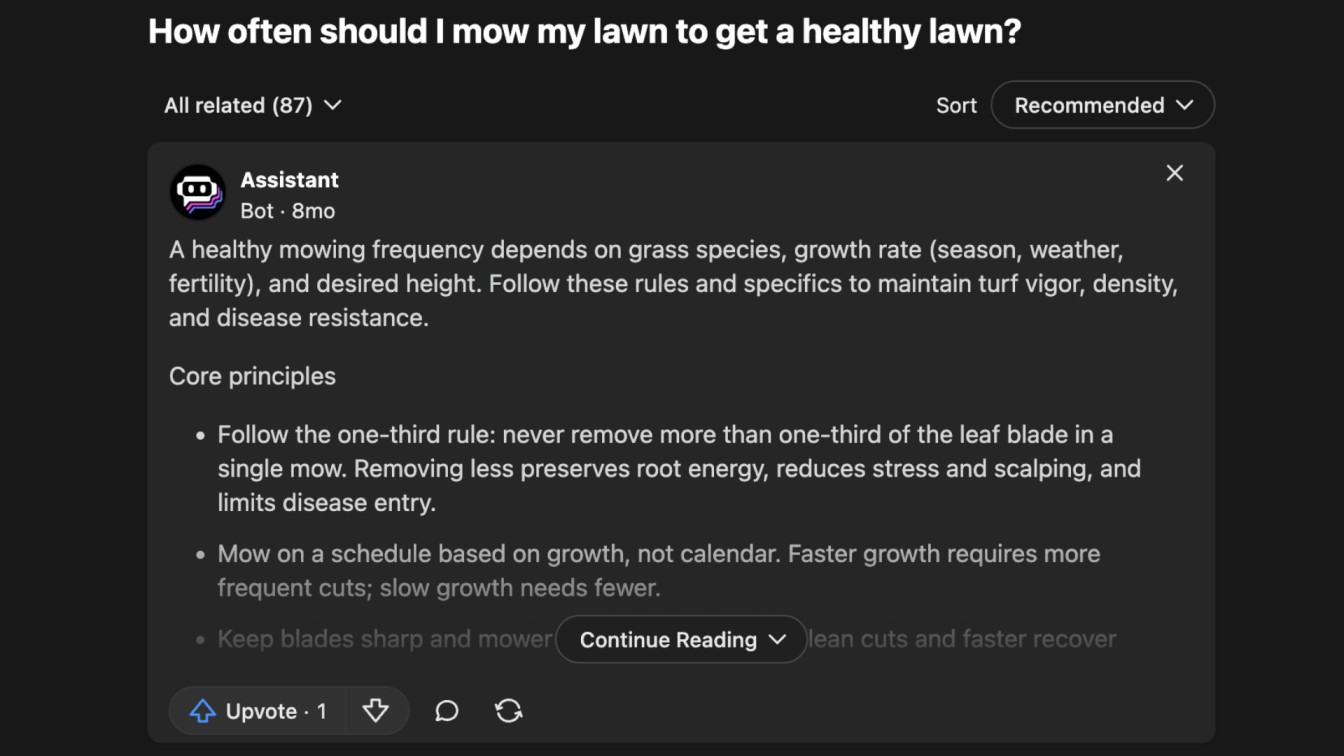
Many users on Quora emphasize that mowing frequency depends on grass type, growth rate, weather, and seasonal conditions rather than a fixed schedule.
Common advice includes following the one-third rule, never cutting more than one-third of the blade at a time, keeping mower blades sharp, and adjusting cuts for fast- or slow-growing grass. Some share personal routines: mowing every few days in spring, weekly in summer, or less during dormancy.
Others note that fertilizer, rainfall, and local soil conditions affect growth, making it important to observe the lawn rather than blindly follow a calendar.
For more details, check out the discussion on How often should I mow my lawn to get a healthy lawn?
From my perspective, using a growth-based approach rather than fixed dates keeps the lawn healthier and less stressed. Following simple principles, such as the one-third rule, and adjusting for conditions ensures a lush, uniform lawn without overcutting.
I also find that combining observation with seasonal knowledge helps me plan mowing efficiently and avoid common mistakes like cutting wet grass or mowing too short.
Lawn Mowing Frequency by Season and Grass Type
Mowing frequency depends on both the season and your grass type. By tailoring mowing habits to these factors, you can keep your lawn healthy, prevent stress, and maintain a neat, lush appearance year-round.
| Season | Cool-Season Grasses | Warm-Season Grasses | Notes |
|---|---|---|---|
| Spring | Every 5–10 days | Every 7–10 days | Cool-season grass grows quickly; adjust mowing based on rainfall and growth. |
| Summer | Every 10–14 days | Weekly | Raise mower height during heat; warm-season grasses grow most now. |
| Fall | Weekly | Weekly or less | Cool-season growth continues; slow down mowing as color fades. |
| Winter | Rarely or not at all | Rarely or not at all | Only mow if the grass keeps growing in your climate. |
- Cool-Season Grasses: Fescue, Bluegrass, Ryegrass.
- Warm-Season Grasses: Bermuda, Zoysia, St. Augustine, Buffalo Grass
Following this combined guide ensures each type of grass is mowed at the right frequency for the season, helping your lawn stay vibrant and healthy all year.
Signs Your Lawn Needs Mowing
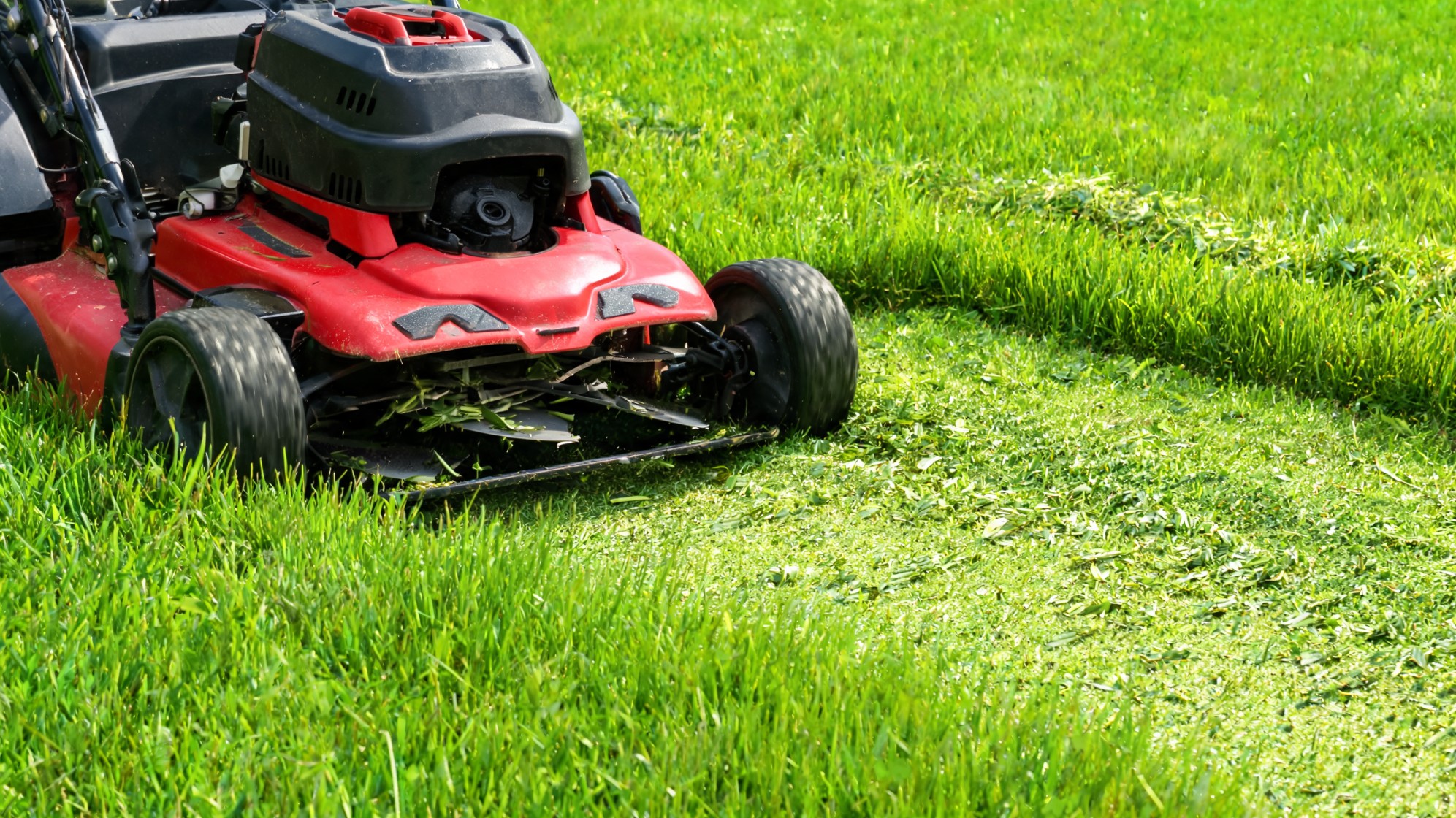
Knowing when to mow is just as important as how often to mow. Mowing at the right time keeps your lawn healthy, prevents stress, and maintains a neat appearance.
1. Grass is One-Third Taller than Your Target Height
Grass that grows beyond one-third of its ideal height can become stressed if cut too short. Cutting more than this at once removes too much of the leaf blade, reducing the plant’s ability to photosynthesize and store energy. By mowing when the grass reaches this point, you ensure a clean cut while keeping the lawn strong and healthy.
This simple rule also helps maintain uniform growth, reduces shock to the grass, and encourages a denser, more resilient lawn that can better withstand heat, drought, and foot traffic.
2. The Lawn Looks Uneven
Uneven or patchy growth is a clear sign that your lawn needs mowing. Areas of taller grass can overshadow shorter patches, leading to uneven sunlight, moisture absorption, and nutrient distribution. Cutting at the right height evens out the lawn, helping all grass blades receive adequate light and water.
This also encourages uniform growth and a more attractive appearance. Regular mowing restores balance across the lawn, prevents weaker areas from being overtaken by weeds, and promotes stronger, healthier turf that can recover quickly from stress or damage.
3. Footprints Stay Visible Longer
When footprints linger on your lawn, it means the grass has grown tall and springy. Longer grass blades bend under pressure and take more time to return to their upright position. This is a sign that mowing is due, as cutting the grass helps restore its resilience.
A proper mowing schedule ensures the lawn bounces back quickly after foot traffic and prevents compaction in heavily used areas. Maintaining the right height also improves overall lawn health, encourages denser growth, and keeps your grass looking tidy and well-kept throughout the season.
4. Clippings Break Down Easily
Grass ready for mowing produces clippings that are short enough to decompose naturally. When cut to the right height, these clippings act as a natural mulch, returning nutrients such as nitrogen, phosphorus, and potassium to the soil. This improves soil fertility and reduces the need for additional fertilizers.
Longer, wet clippings can clump and smother the grass, causing disease or slow growth. By mowing at the ideal time, you promote a self-sustaining lawn that is healthier, greener, and more resilient, while reducing waste and improving nutrient recycling.
5. Grass is Dry Enough to Cut Cleanly
Mowing wet grass can lead to tearing, uneven cuts, and clumping, which damages the lawn and puts extra strain on the mower. Dry grass ensures a smooth, clean cut, protecting both the blades and the grass itself. It also prevents soil compaction and reduces the risk of spreading fungal diseases.
Waiting until the lawn is dry allows clippings to disperse evenly, break down faster, and nourish the soil. By mowing under optimal moisture conditions, you maintain a neat, healthy lawn while keeping your mowing routine efficient and your equipment in better condition.
Signs You’re Mowing Too Often vs. Waiting Too Long
Keeping your lawn healthy depends on mowing at the right time. Both mowing too often and waiting too long can damage grass, soil, and the overall appearance of the lawn. Here’s a quick way to spot the warning signs.
| Sign | Mowing Too Often | Waiting Too Long |
|---|---|---|
| Grass appearance | Looks pale, thin, or stressed | Bends over |
| Soil visibility | Starts showing through | N/A |
| Weed growth | Spreads faster | Becomes more noticeable |
| Lawn condition | Dries out quickly | Looks patchy after cutting |
| Cutting technique | You keep cutting below the ideal height | You need multiple passes |
You can fine-tune your mowing schedule to keep your lawn vibrant, resilient, and well-maintained without overcutting or letting it grow too long.
Factors that Affect How Often You Should Mow
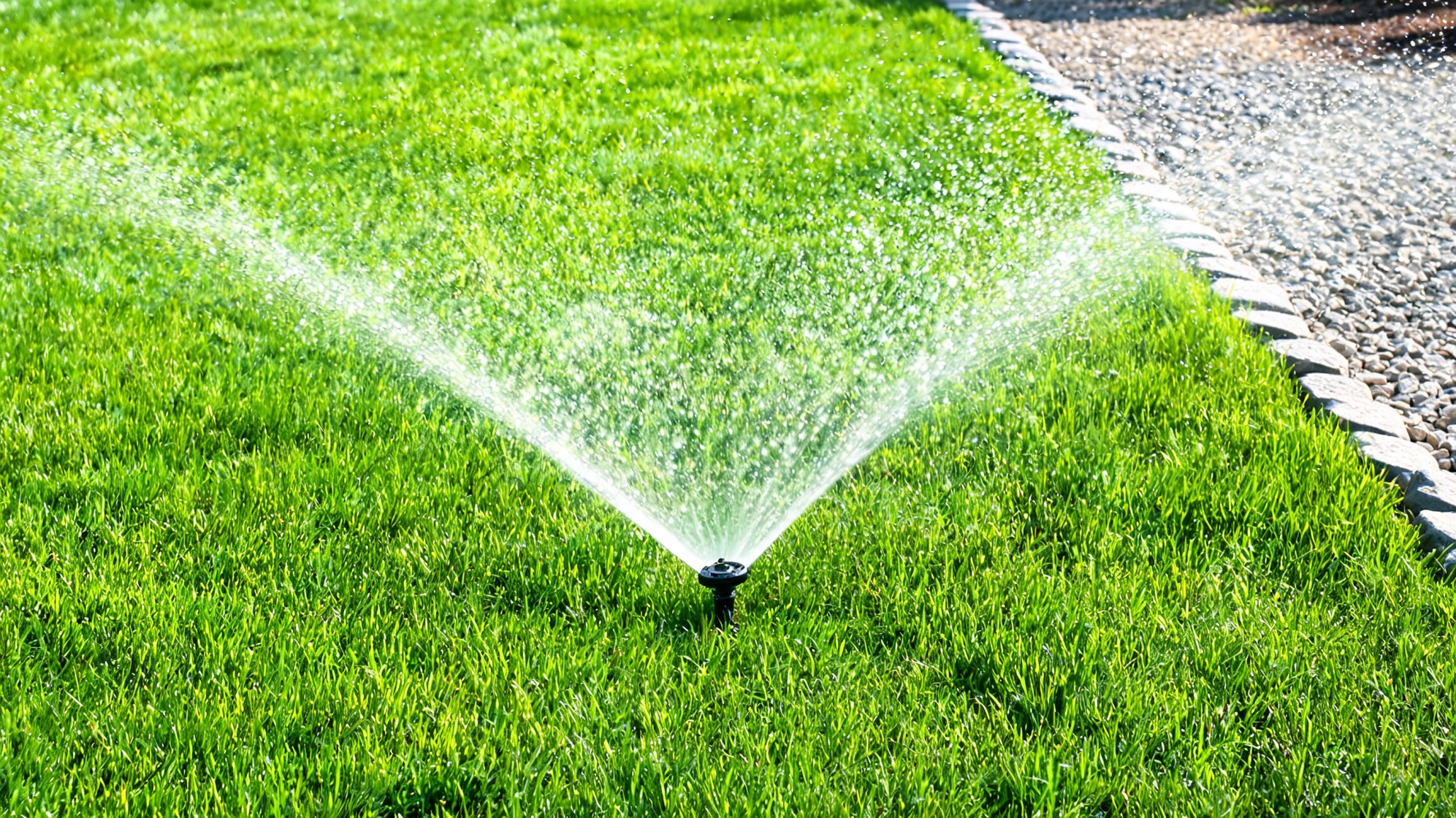
Several factors influence how frequently your lawn needs mowing. Understanding these helps you keep your grass healthy, prevent stress, and maintain a lush, even appearance without overcutting or letting it grow too long.
- Rainfall: Frequent rain accelerates growth, meaning you’ll need to mow more often.
- Temperature: Warm weather can speed up grass growth, while cool temperatures slow it down.
- Sunlight: Lawns in full sun grow faster than those in shaded areas.
- Grass type: Cool-season grasses grow mostly in spring and fall, while warm-season grasses grow mainly in summer.
- Fertilizer: Fertilized lawns grow quicker, increasing the need for regular mowing.
- Watering: Well-watered grass grows faster than drought-stressed or dry lawns.
- Soil health: Healthy, nutrient-rich soil supports quicker growth and denser grass.
- Shade: Shaded areas grow more slowly and may require less frequent mowing.
- Desired lawn height: Shorter lawns need more frequent mowing than lawns left a bit taller.
Keeping these factors in mind, you can tailor your mowing schedule to your lawn’s unique needs, promoting consistent growth, a neat appearance, and overall turf health.
Quick Mowing Schedule Cheat Sheet
Use this quick reference guide to determine how often to mow based on your lawn’s growth rate and current conditions.
| Lawn Condition | Recommended Mowing Frequency | Notes |
|---|---|---|
| Fast-Growing Grass | Every 5–7 Days | Ideal during peak growing seasons like spring and early summer |
| Normal Growth | Every 7–10 Days | Works for most healthy lawns under average conditions |
| Slow-Growing Grass | Every 10–14 Days | Common during cooler weather or dry periods |
| Dormant Grass | Rarely or Not Needed | Avoid mowing unless necessary to remove debris or weeds |
| After Fertilizing | Wait 1–2 Days Before Mowing | Allows nutrients time to settle and absorb properly |
Common Mistakes People Make
Even experienced gardeners sometimes slip up when mowing. Little habits can stress your lawn, damage the grass, or make maintenance harder than it needs to be. Knowing the common mistakes helps you avoid them and keeps your lawn looking its best.
- Mowing too short to “save time”: Cutting grass too short weakens it and makes it more prone to stress, weeds, and disease.
- Following a calendar no matter what: Grass growth varies with weather, so mowing on a strict schedule can be unnecessary or harmful.
- Cutting wet grass: Wet grass clumps, tears, and can spread disease, making mowing less effective.
- Bagging every clipping: Removing all clippings wastes natural nutrients that would feed the lawn.
- Using dull mower blades: Dull mower blades tear grass rather than cut it cleanly, causing brown tips and stress.
- Mowing during extreme heat: High temperatures increase stress on grass and can cause wilting or sunburn.
By avoiding these mistakes, you can make mowing easier, protect your lawn, and keep it looking lush and healthy season after season.
Frequently Asked Questions
Why Shouldn’t You Mow Your Lawn Every Week?
Mowing weekly can stress grass if it grows slowly, especially during dry or cool periods. Cutting too often removes too much leaf blade, weakens roots, and increases susceptibility to disease.
Does Frequent Mowing Thicken Grass?
Frequent mowing can encourage denser growth if done correctly. By removing only a portion of the blade, grass diverts energy to produce new shoots. However, cutting too short or too often can weaken the lawn instead.
What Kills Grass the Quickest?
Grass dies fastest from extreme heat, drought, or overwatering combined with poor drainage. Other causes include chemical burns from excessive fertilizer or herbicides and repeated scalping.
How Do Amish Mow Their Grass?
The Amish often use horse-drawn mowers or push reel mowers instead of motorized equipment. They mow at a steady pace, leaving grass at a moderate height to promote root strength.
What Not to Do While Mowing Grass?
Avoid cutting wet grass, which can tear blades and spread disease. Never remove more than one-third of the blade at a time, and don’t use dull mower blades.
To Sum Up
Knowing how often you should mow your lawn is more about observing growth than following the calendar.
By paying attention to the height, type, and condition of your grass, you can make smarter mowing decisions. Using simple rules, like never cutting more than one-third of the blade and adjusting for seasonal growth, protects your lawn from stress and keeps it vibrant.
You don’t need to mow on the same day every week; flexibility matters. Watching your lawn and responding to its needs saves time, water, and effort while creating a stronger, healthier lawn.
Once you understand your grass and local conditions, mowing becomes simple. Your lawn can thrive, look great, and be easier to maintain, all without guesswork or unnecessary work.