Potatoes can be a little sneaky. You plant them, care for them, and then the real question comes up: are they actually ready under the soil?
I know it can feel like guesswork because you cannot see the crop growing. That is why learning when to harvest potatoes matters. You need to watch the plant, count the timing, check the skins, and pay attention to the weather.
Let me break it down clearly, so you do not have to dig too early or wait too long. You will learn the signs of new, mature, and storage potatoes. By the end, you will know what to look for before you lift the first plant.
What to Check Before Digging Up the Potato Plant
You can check if potatoes are ready by carefully loosening the soil near the edge of the plant instead of pulling up the whole plant.
Use your hand or a garden fork and start a few inches away from the main stem. This helps you avoid cutting or bruising the tubers. Gently move the soil aside and feel around for potatoes.
Check their size with your fingers. If they feel large enough to eat, take only a few from the outside. Leave the smaller potatoes attached so they can keep growing.
Once you are done, cover the roots and tubers with soil again. This keeps sunlight away from the potatoes and helps the plant continue growing.
New Potatoes vs. Mature Potatoes
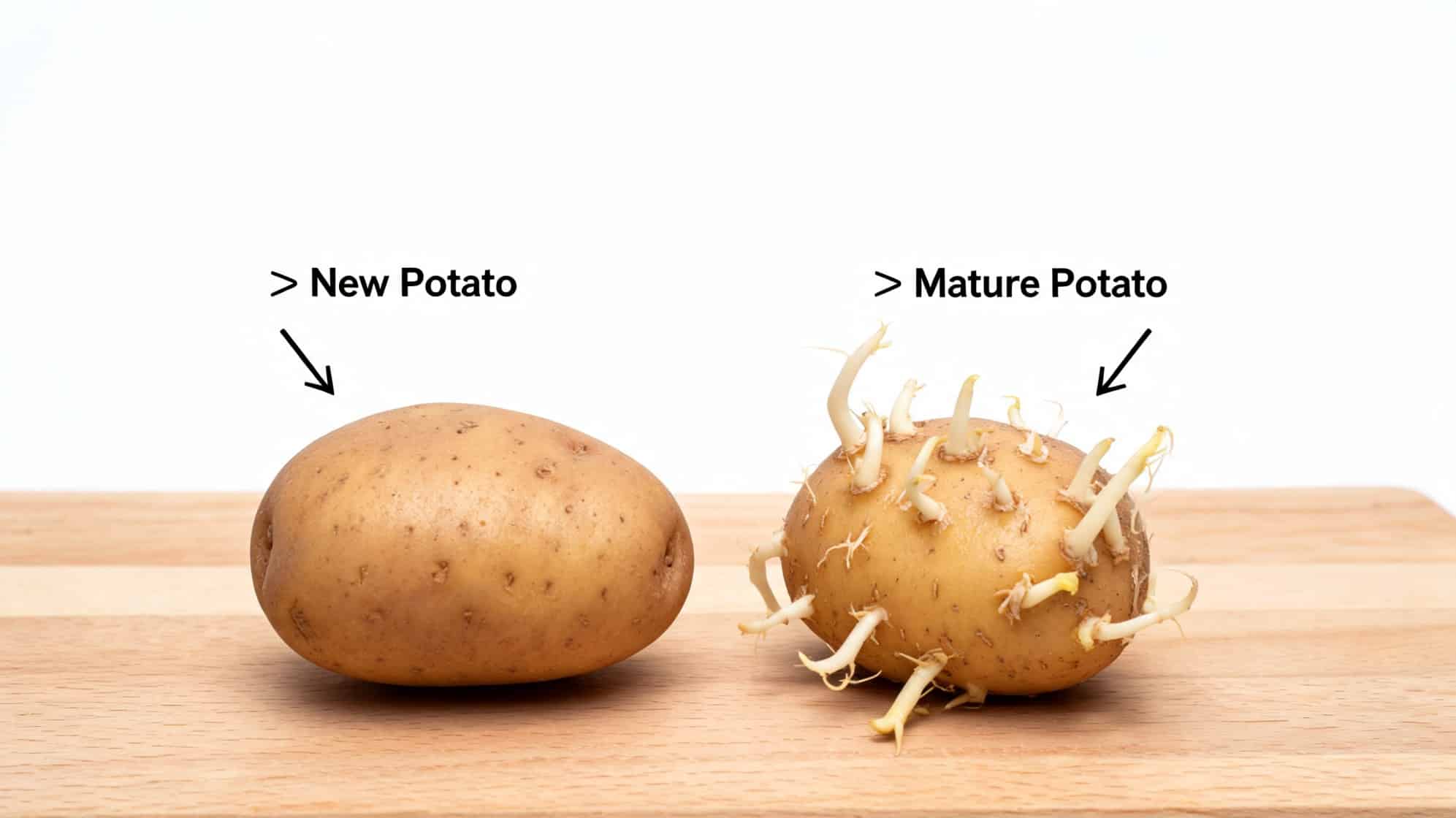
Before you harvest, decide whether you want small, tender potatoes for fresh meals or larger potatoes that can be stored. The right harvest time changes based on this choice.
When to Harvest New Potatoes
New potatoes are ready about 7 to 8 weeks after planting. You can also look for plants that are flowering or have just finished flowering, as this is often a sign that small tubers have formed. These potatoes are usually 1 to 2 inches wide, with thin skins that rub off easily. They taste tender and fresh, but they are not good for long-term storage.
Because their skins are still soft, they lose quality faster than mature potatoes. Harvest only what you need for a meal, then let the rest keep growing. Use new potatoes soon after digging for the best texture and flavor.
When to Harvest Mature Potatoes
Mature potatoes are ready when the plant has fully died back. The leaves and stems will turn yellow, then brown, and become dry and floppy. This shows the plant has finished sending energy into the tubers. At this stage, the potatoes are usually larger and have thicker skins that do not rub off easily. That firmer skin helps protect them during curing and storage.
Mature potatoes are the best choice if you want a bigger harvest to keep for later use. Wait for a dry day before digging, and handle the tubers gently so they do not bruise. After harvest, keep them out of direct sunlight.
Knowing the difference helps you harvest at the right time. Pick new potatoes early for fresh eating, and wait longer for mature potatoes if storage is your goal.
Signs Potatoes Are Ready to Harvest
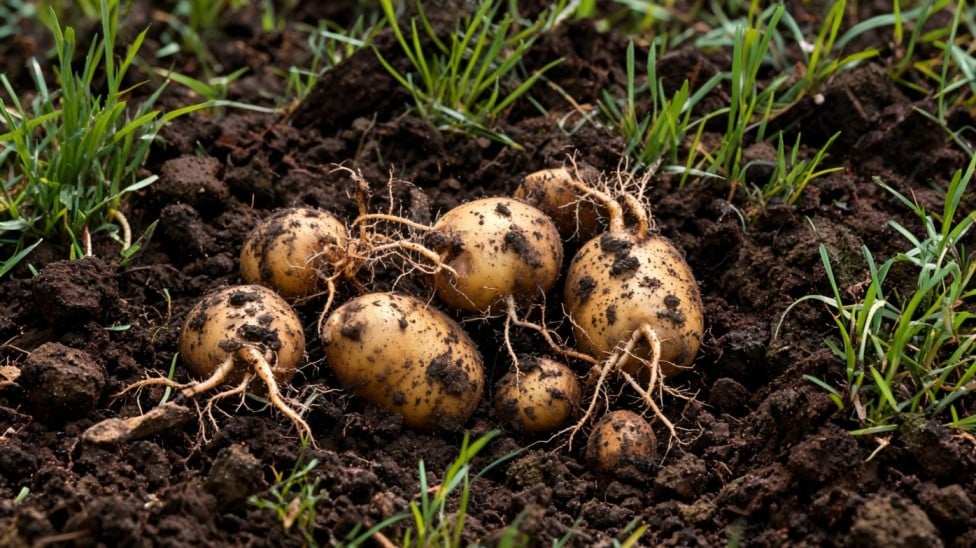
If you have ever grown potatoes, you know the hardest part is not planting them. It is knowing when to dig. Since the crop grows under the soil, I’ll help you read the signs above the ground first. These signs will help you decide whether to harvest small new potatoes or wait for mature potatoes that store better.
1. Your Potato Plants Start Flowering
Flowering is one of the first signs that new potatoes may be forming under the soil. When potato plants bloom, it often means small tubers have started to develop. This is a good time to check if you want tender baby potatoes for fresh meals. You can gently feel around the edge of the plant and pull only a few small potatoes if they are big enough.
However, flowering should not be your only sign. Some potato varieties do not flower at all, and weather can also affect blooming. So, use flowers as a helpful clue, but check timing and tuber size too.
2. It Has Been 7 to 8 Weeks Since Planting
The earliest common time to harvest potatoes is about 7 to 8 weeks after planting. This stage is mainly for baby potatoes or new potatoes, not full-size storage potatoes. At this point, the tubers are usually small, tender, and thin-skinned. They are great for fresh eating, but they will not store well for long.
Try not to dig before this window, as very young plants may have only tiny, marble-sized tubers. Digging too early can also disturb the plant before it has had enough time to grow. If you are unsure, check gently near one plant first.
3. The Plant Turns Yellow and Starts Dying Back
Yellowing leaves are one of the clearest signs that mature potatoes are close to harvest. When the plant starts turning yellow, brown, dry, or floppy, it is reaching the end of its growing cycle. At this stage, the leaves are no longer feeding the tubers as strongly. In simple words, the plant has almost finished growing the potatoes underground.
This is different from harvesting new potatoes, where the plant is still green and active. If you want larger potatoes, wait until more of the plant has died back before digging. This gives the tubers extra time to size up and mature.
4. The Vines Are Fully Dead and Brown
Fully dead brown vines are the best sign that potatoes are ready for storage. Once the vines have completely died back, the tubers have usually stopped growing. If you can, wait a few extra days to one week after full dieback before digging. This short wait helps the potato skins toughen, which makes them better for curing and storage.
Potatoes with stronger skins are less likely to bruise, peel, or rot after harvest. Choose a dry day for digging, and handle them gently. This timing is best when you want a larger crop that can last beyond fresh meals.
5. The Potato Skins Are Firm and Do Not Rub Off
A simple skin test can tell you a lot about potato maturity. Gently dig up one potato and rub the skin with your thumb. If the skin slips, flakes, or rubs off easily, the potato is still young. These thin-skinned potatoes are fine for fresh eating, but they are not ready for long storage.
If the skin feels firm and stays attached, the potato is mature. Mature potato skins are thick and firmly attached, while thin skins that rub off mean the potatoes need more time. This test works well when the plant signs are unclear.
6. Your Potato Variety Has Reached Its Days to Maturity
Your potato variety gives you another useful harvest clue. Early potatoes are usually ready in about 55 to 70 days. Mid-season potatoes often take around 70 to 90 days. Late-season potatoes usually need 90 to 120 days before harvest. This timing helps you know what to expect, but it is not exact. Poor weather, drought, pests, or disease can slow growth and delay the harvest.
Use the same early, mid-season, and late-season maturity structure, which is helpful for comparing potato types. For the best result, use the maturity date along with plant dieback, skin firmness, and tuber size.
These signs work best when you use them together. Flowers and early timing help with new potatoes, while dead vines, firm skins, and maturity dates help you know when storage potatoes are ready.
When to Harvest Potatoes by Type
Different potato types mature at different speeds, so the right harvest time depends on what you planted and how you plan to use them.
| Potato Type | When to Harvest | Best Use | Harvest Tip |
|---|---|---|---|
| Early potatoes | 55 to 70 days after planting | Fresh eating | These can often be harvested before the plant fully dies back. |
| Mid-season potatoes | 70 to 90 days after planting | Fresh eating or larger tubers | Harvest early for tender potatoes, or wait longer for bigger ones. |
| Late-season potatoes | 90 to 120 days after planting | Larger harvests and storage | Let the plants die back before digging if you want potatoes that store well. |
Knowing your potato type helps you avoid harvesting too soon. If you are unsure, check one plant gently before digging the full crop.
Should You Wait Until Potato Plants Die Before Harvesting?
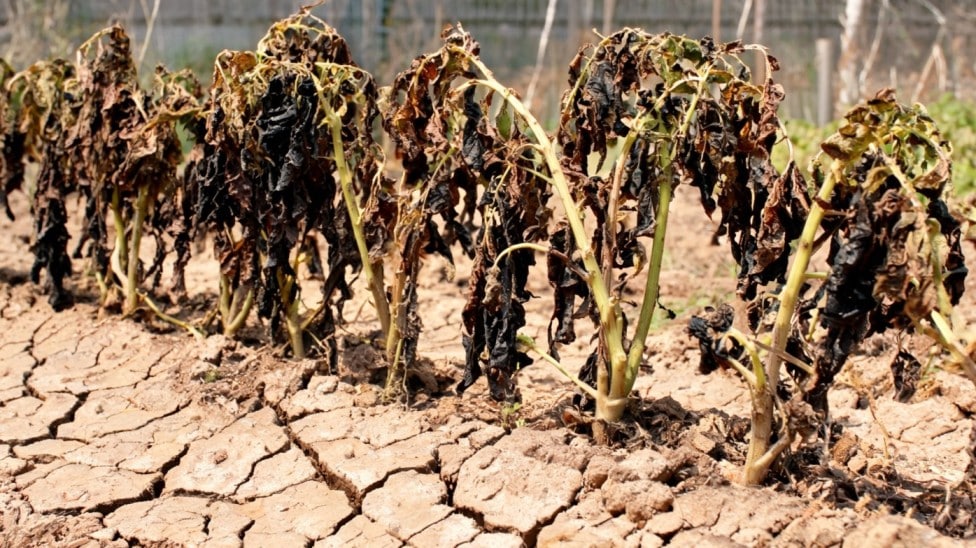
You should wait until potato plants die back if you want full-size potatoes that can be stored. When the leaves turn yellow, brown, dry, and floppy, the plant has nearly finished sending energy to the tubers.
At this stage, the potatoes are usually mature, and their skins have more time to toughen. These potatoes store better than young ones.
But you do not need to wait for the plant to die to get new potatoes. New potatoes are harvested while the plant is still green and alive. They are smaller, tender, and best used soon after digging.
So, harvest early for fresh new potatoes, but wait for dieback if you want mature storage potatoes.
Best Time of Day and Weather to Harvest Potatoes
The best time to harvest potatoes is when the soil is dry and the weather is mild. This makes digging easier and helps protect the potatoes from damage.
| Harvest Condition | What to Do | Why It Matters |
|---|---|---|
| Dry day | Harvest when the soil is not wet. | Dry soil is easier to loosen and less likely to stick to the potatoes. |
| Wet soil | Avoid digging if possible. | Wet soil can make potatoes muddy and harder to cure before storage. |
| Direct sun | Do not leave harvested potatoes in sunlight. | Sunlight can turn potatoes green and reduce their quality. |
| After vine dieback | Dig mature potatoes once vines have died back. | This usually means the tubers have finished growing. |
After harvesting, move potatoes to a cool, shaded place. Let them dry gently, but do not wash them until you are ready to use them.
Common Mistakes When Harvesting Potatoes
Harvesting potatoes is simple, but a few small mistakes can affect your crop. The goal is to dig at the right time, protect the skins, and store only healthy potatoes.
- Digging too early: Young potatoes may be small, thin-skinned, and poor for storage.
- Waiting too long: A hard freeze can damage tubers, making them soft or unusable.
- Leaving potatoes in the sun: Sunlight can turn potatoes green and make them unsafe to eat.
- Washing before storage: Moisture can shorten storage life and lead to rot.
- Using sharp tools carelessly: Shovels and forks can cut or bruise the skin.
- Storing damaged potatoes: Green, bruised, or cut potatoes can spoil more quickly and contaminate nearby potatoes.
- Ignoring maturity dates: Early, mid-season, and late potatoes mature at different times.
Avoiding these mistakes helps you harvest cleaner potatoes, reduce waste, and store your crop for longer.
Frequently Asked Questions
Why do farmers cut the tops off potato plants?
Farmers cut the tops off potato plants to stop further growth and help the skins toughen before harvest. This process can make potatoes easier to store and less likely to get damaged during digging. It also helps reduce the spread of some plant diseases from the leaves down into the tubers.
Can you leave potatoes in the ground too long?
Yes, potatoes can stay in the ground too long if the weather becomes too wet or freezing cold. Excess moisture may cause rot, while hard freezes can damage the tubers. In mild climates, some gardeners leave potatoes in the soil longer, but it is still best to harvest before harsh winter conditions arrive.
Why were potatoes illegal in France?
Potatoes were once unpopular in France because people believed they caused disease. In the 1700s, some thought potatoes were linked to illnesses like leprosy. Over time, farmers and scientists proved potatoes were safe and useful. They later became an important food crop across France and much of Europe.
Which country has the best quality potatoes?
There is no single country with the “best” potatoes because quality depends on climate, soil, and potato variety. Countries like the Netherlands, Peru, Germany, and the United States are known for producing excellent potatoes. Peru is especially important because it is the original home of the potato and has thousands of native varieties.
What do coffee grounds do for potatoes?
Coffee grounds can add organic matter and small amounts of nutrients to the soil around potato plants. They may help improve soil texture and support healthy growth when used in moderation. However, too many coffee grounds can disrupt soil balance, so it is better to mix them into compost rather than adding thick layers directly.
Final Takeaway
Knowing when to harvest potatoes comes down to reading the plant and understanding your goal. If you want new potatoes, you can start checking about 7 to 8 weeks after planting or once the plants flower. These potatoes are small, tender, and best used soon.
If you want mature potatoes, give the plants more time. Wait until the leaves turn yellow, the stems dry out, and the plant starts to die back. A firm skin that does not rub off is another strong sign that the potatoes are ready.
For storing potatoes, patience matters most. Let the vines turn fully brown and dead, then harvest on a dry day. This gives the skins time to toughen and helps the crop store better. Watch the plant, check gently, and harvest with care.