Amaranth is a warm-season annual grown for tender leaves, nutritious grain-like seeds, and colorful flowers. Depending on the variety, it can provide fresh greens within a few weeks, dramatic flower stems for arrangements, or mature seeds for cooking.
This guide covers the different types of amaranth, growing requirements, tools and materials, planting steps, container growing, seasonal care, harvesting, common problems, and practical ways to use the plant.
It will help you grow amaranth successfully whether you have a garden bed, raised bed, patio, or balcony.
About Amaranth Plant
Amaranth is often called a pseudo-grain. Its seeds are cooked like grains such as quinoa, but the plant does not belong to the grass family. The young leaves and shoots are also edible and can be cooked like spinach or other leafy greens.
Gardeners usually grow three main types:
- Leaf amaranth for tender leaves and shoots
- Grain amaranth for edible seeds
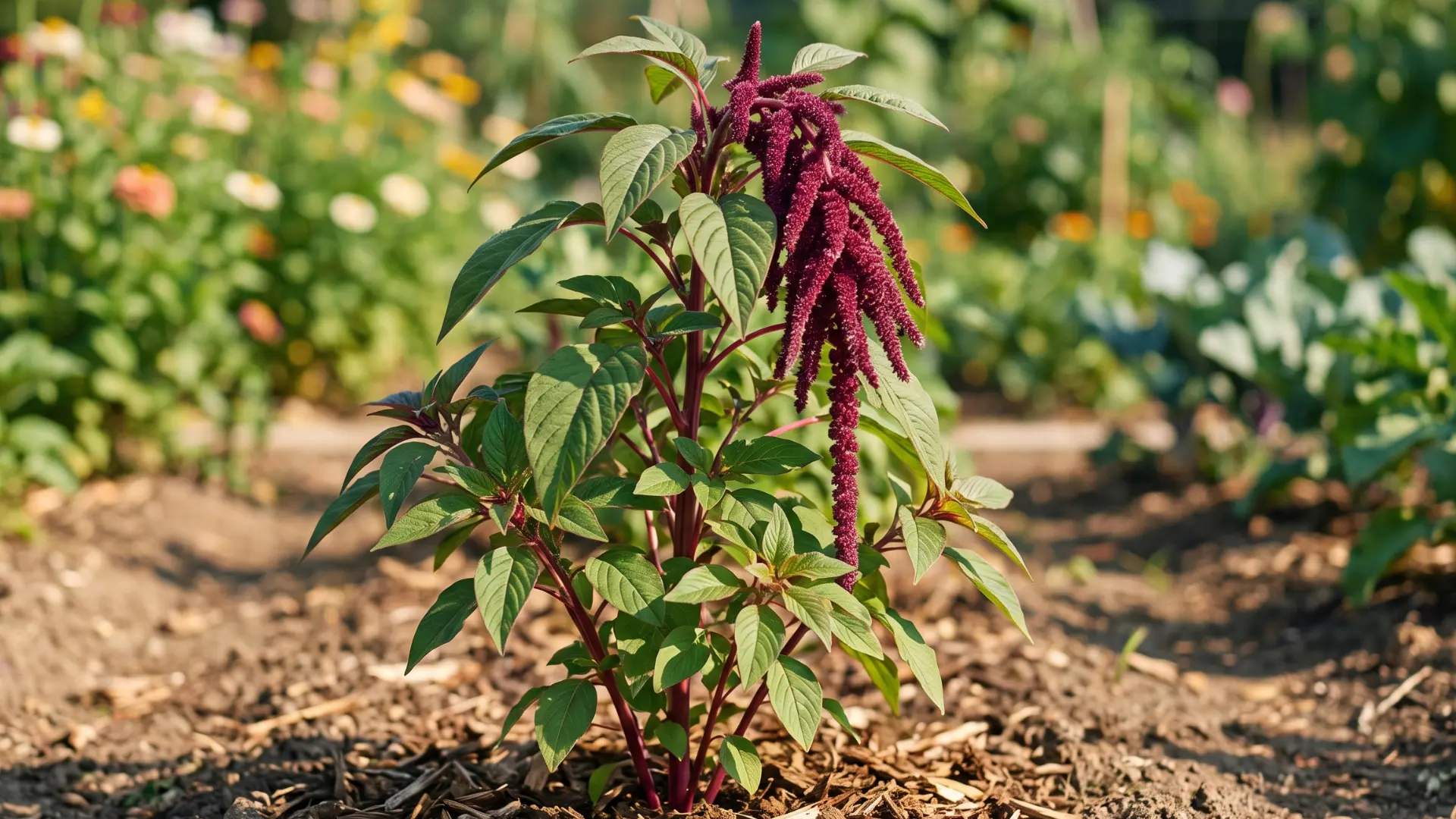
- Ornamental amaranth for fresh or dried flowers
Wide varieties offer more than one use. A grain plant may also provide edible young leaves, while an ornamental variety can add height, color, and texture to the garden. Amaranth flowers may be upright or trailing, and both forms work well in arrangements.
Amaranth Plant Growing Requirements
Amaranth performs best in full sun, but it can tolerate some partial shade. Before planting, review the basic conditions amaranth needs to grow well.
| Requirement | What amaranth needs |
|---|---|
| Plant type | Warm-season annual |
| Sunlight | At least 6 hours of direct sun |
| Soil | Loose and well-drained |
| Planting time | After the last spring frost |
| Seed depth | About 1/8 inch or barely covered |
| Plant spacing | About 12 to 18 inches |
| Water | Regular moisture while young |
| Leaf harvest | About 3 to 6 weeks |
| Flowering time | Midsummer until frost |
| Main problems | Weeds, overwatering, birds, and aphids |
With these basic requirements in place, you can move on to preparing the site and planting amaranth with greater confidence.
How to Grow Amaranth Plant In Seven Steps
Amaranth grows best in warm weather with full sun, well-drained soil, and enough space. Although seedlings develop slowly at first, established plants grow quickly and require relatively simple care.
Tools and Materials Required
Gather the following supplies before planting so each stage, from sowing to harvesting, is easier to manage:
- Amaranth seeds: Choose leaf, grain, or ornamental varieties based on how you plan to use the plant.
- Compost or organic matter: Mix a moderate amount into the soil to improve texture and drainage.
- Hand trowel or garden fork: Use it to loosen soil, remove stones, and prepare shallow planting rows.
- Ruler or measuring tape: Helps maintain the recommended spacing between seedlings.
- Gardening gloves: Protect your hands while preparing soil, weeding, and handling mature plants.
- Pruning shears: Useful for harvesting leaves, cutting flower stems, and removing mature seed heads.
For indoor sowing, you may also need a seed tray, a quality seed starting mix, plant labels, and a bright grow light. With these materials ready, you can move through the growing steps without interrupting the planting process.
Step 1: Choose the Right Type
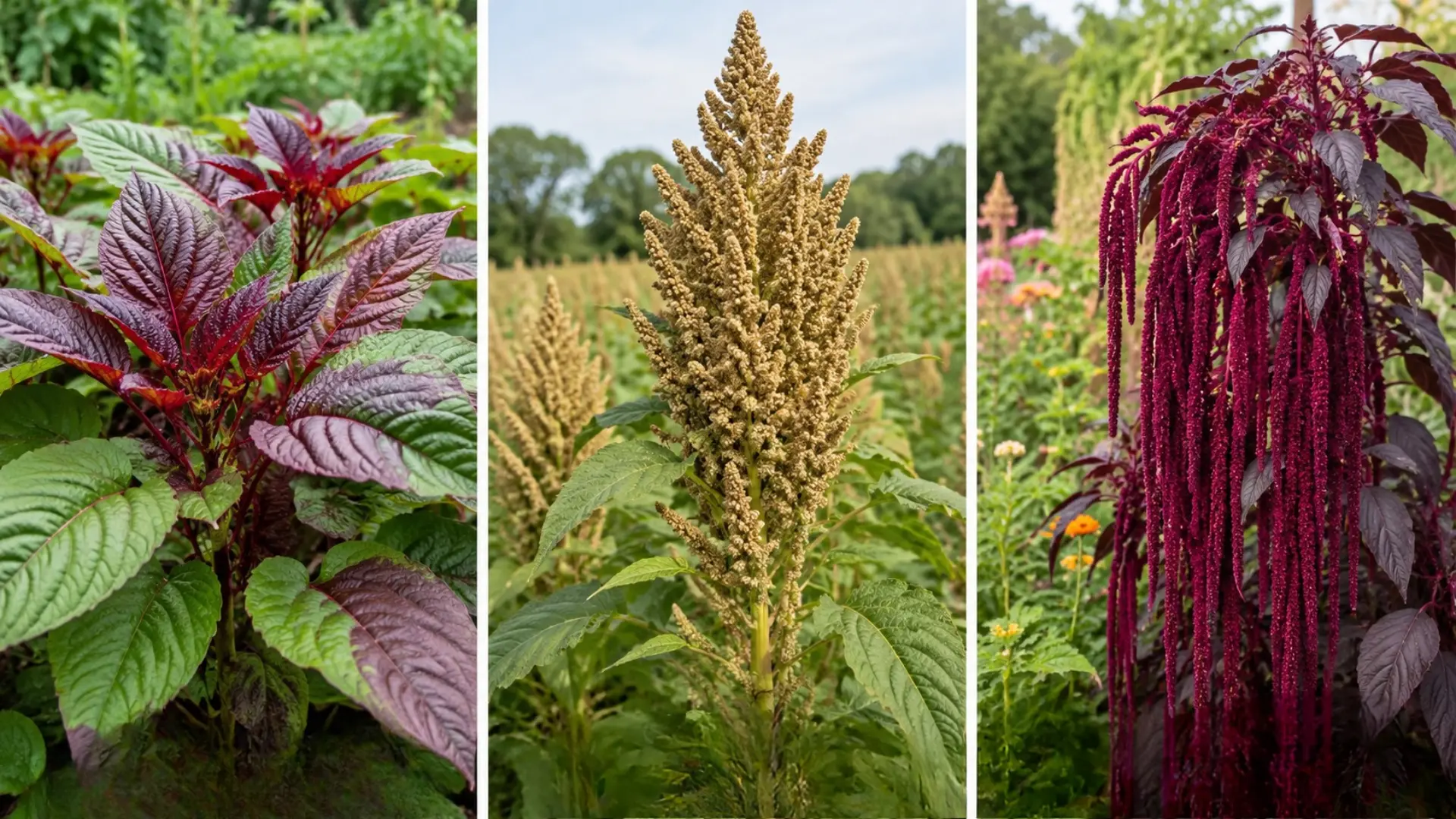
Select a variety based on your goal. Grow leaf amaranth for tender greens, grain amaranth for edible seeds, or ornamental amaranth for colorful flowers. Check the expected height and spread before planting, as grain and ornamental varieties may need more room and support.
Quick tip: Choose compact leaf or ornamental varieties when growing amaranth in containers.
Step 2: Select a Sunny Site
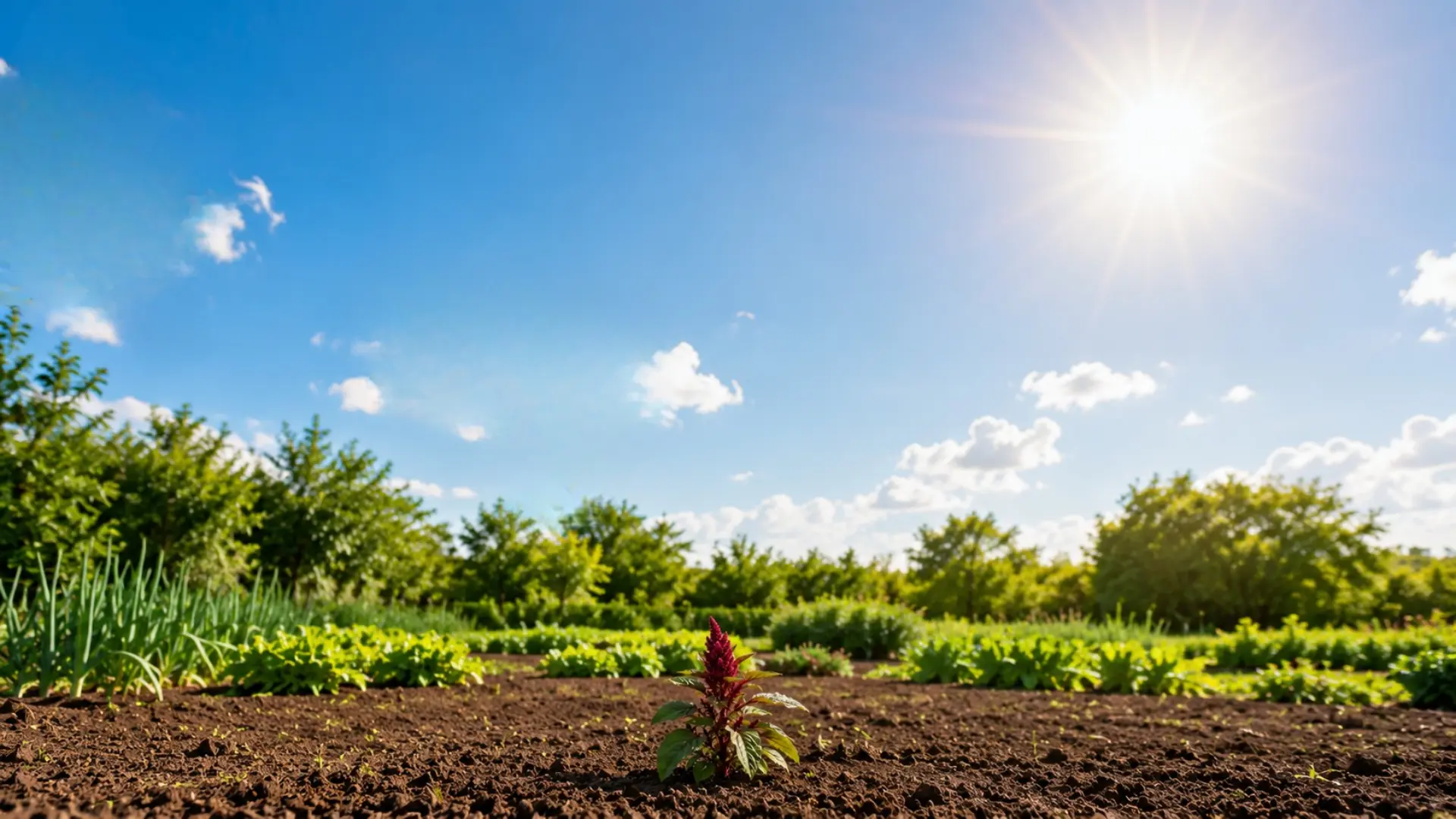
Plant amaranth where it will receive at least six hours of direct sunlight each day. Choose a well-drained area with enough space for air to circulate around the plants. Avoid low spots where rainwater collects, as consistently wet roots may cause poor growth and fungal problems.
Quick tip: Observe the garden for a full day to identify the sunniest planting area.
Step 3: Prepare the Soil
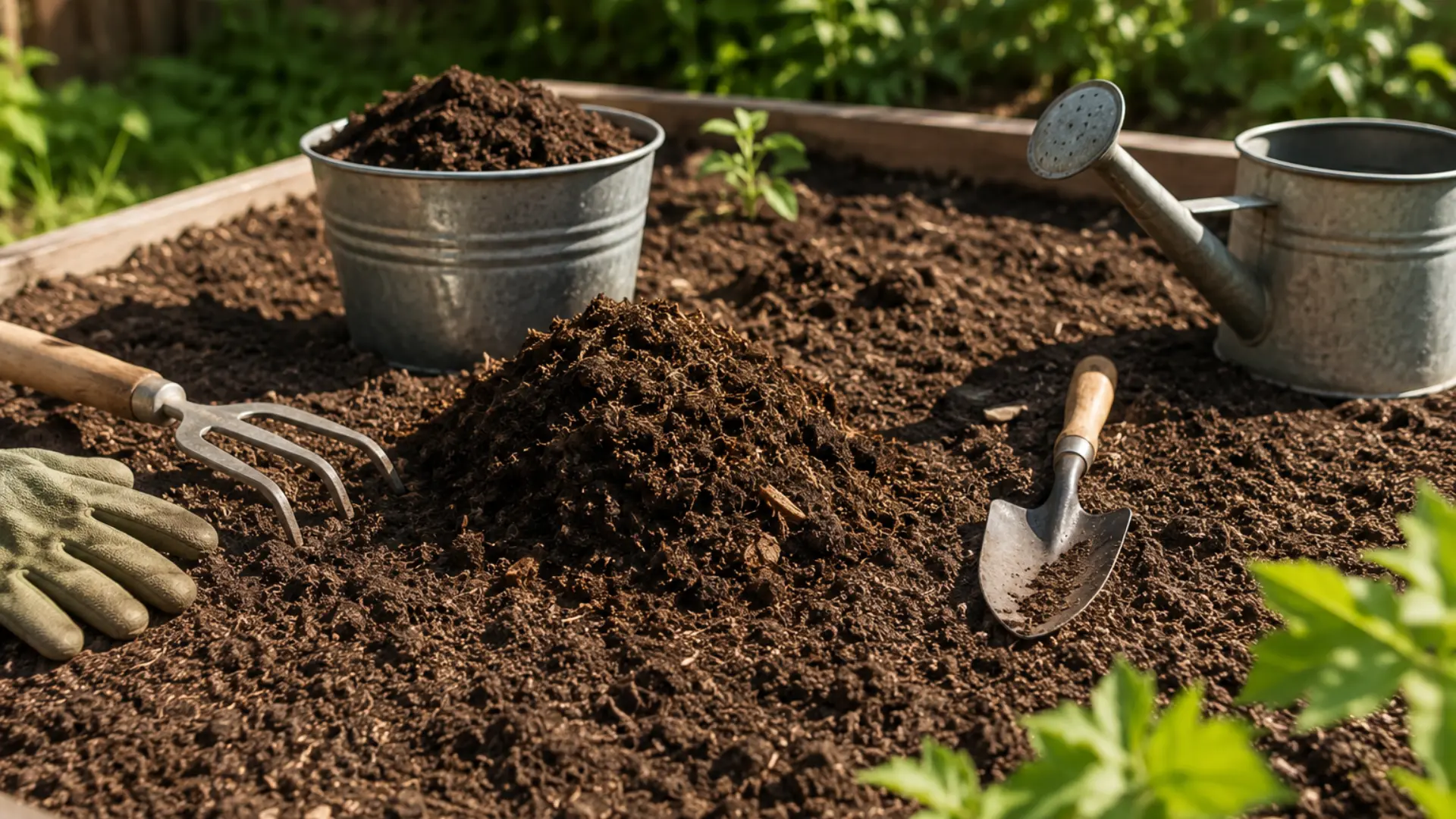
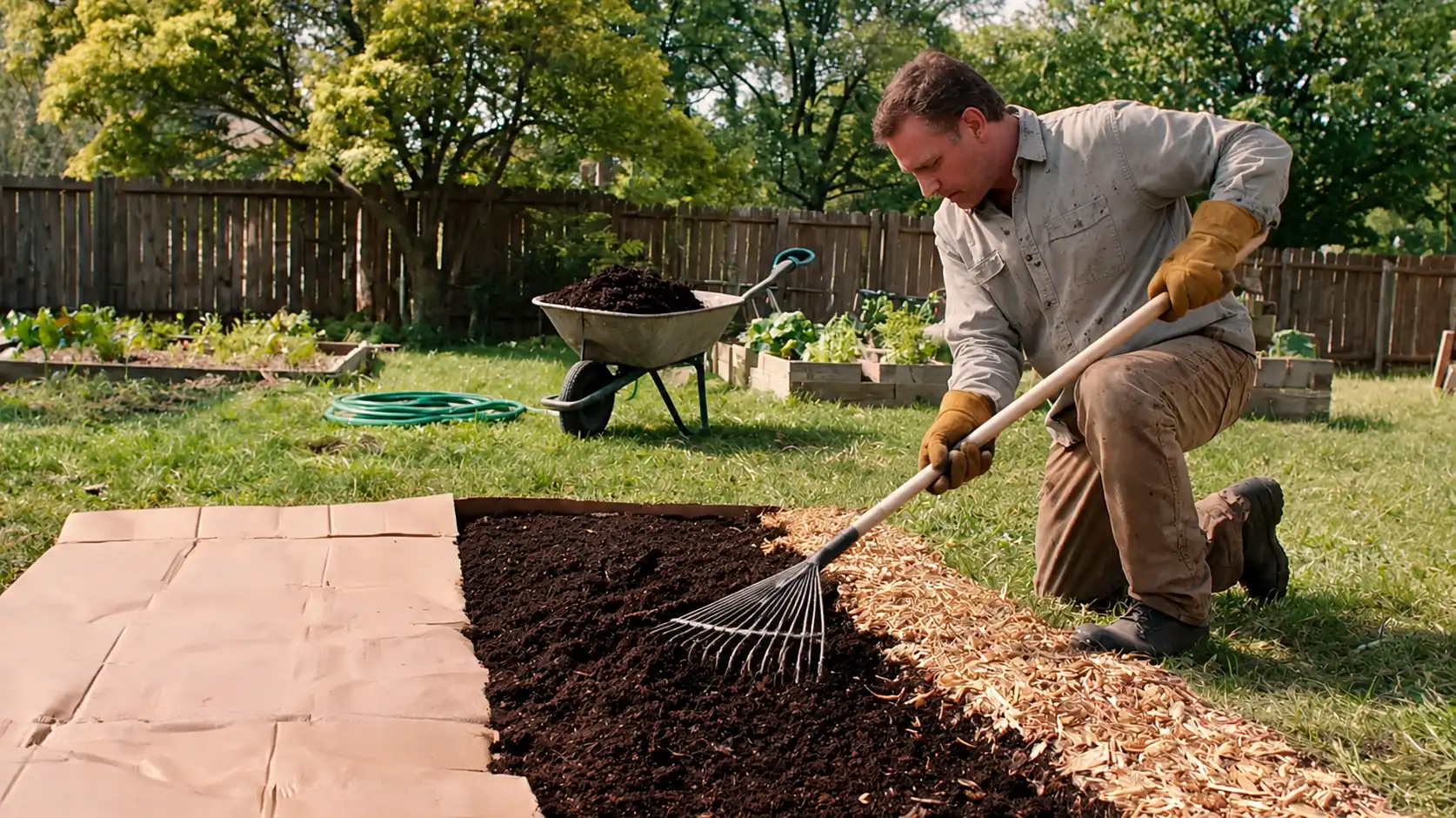
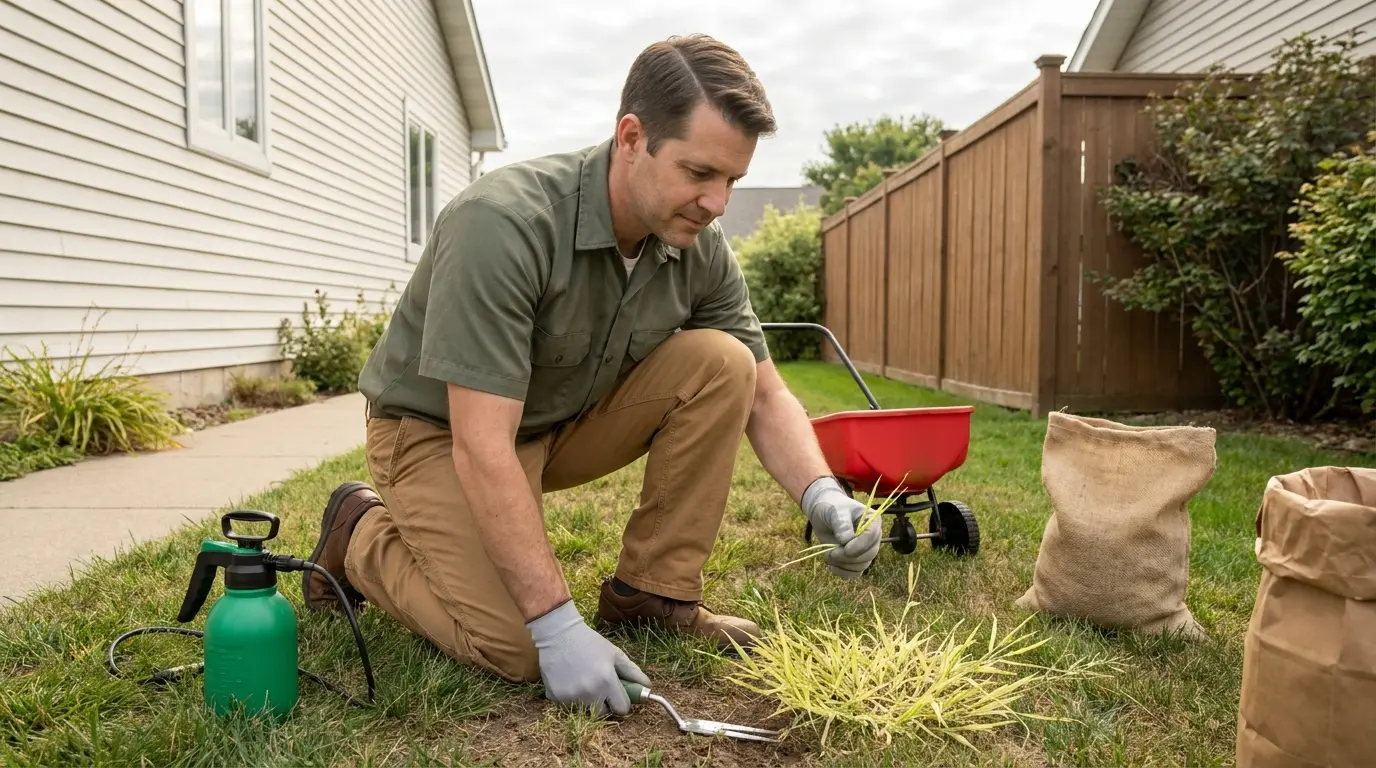
Remove weeds, stones, and large soil clumps before planting. Loosen the top layer and mix in a moderate amount of compost.
Reaching for organic garden fertilizer options instead of heavy synthetic feeds helps you avoid the weak, overly tall stems that come from too much nitrogen. Improve heavy soil with compost or use a raised bed to provide better drainage.
Quick tip: Water the empty bed first and improve drainage if water remains on the surface.
Step 4: Sow the Seeds
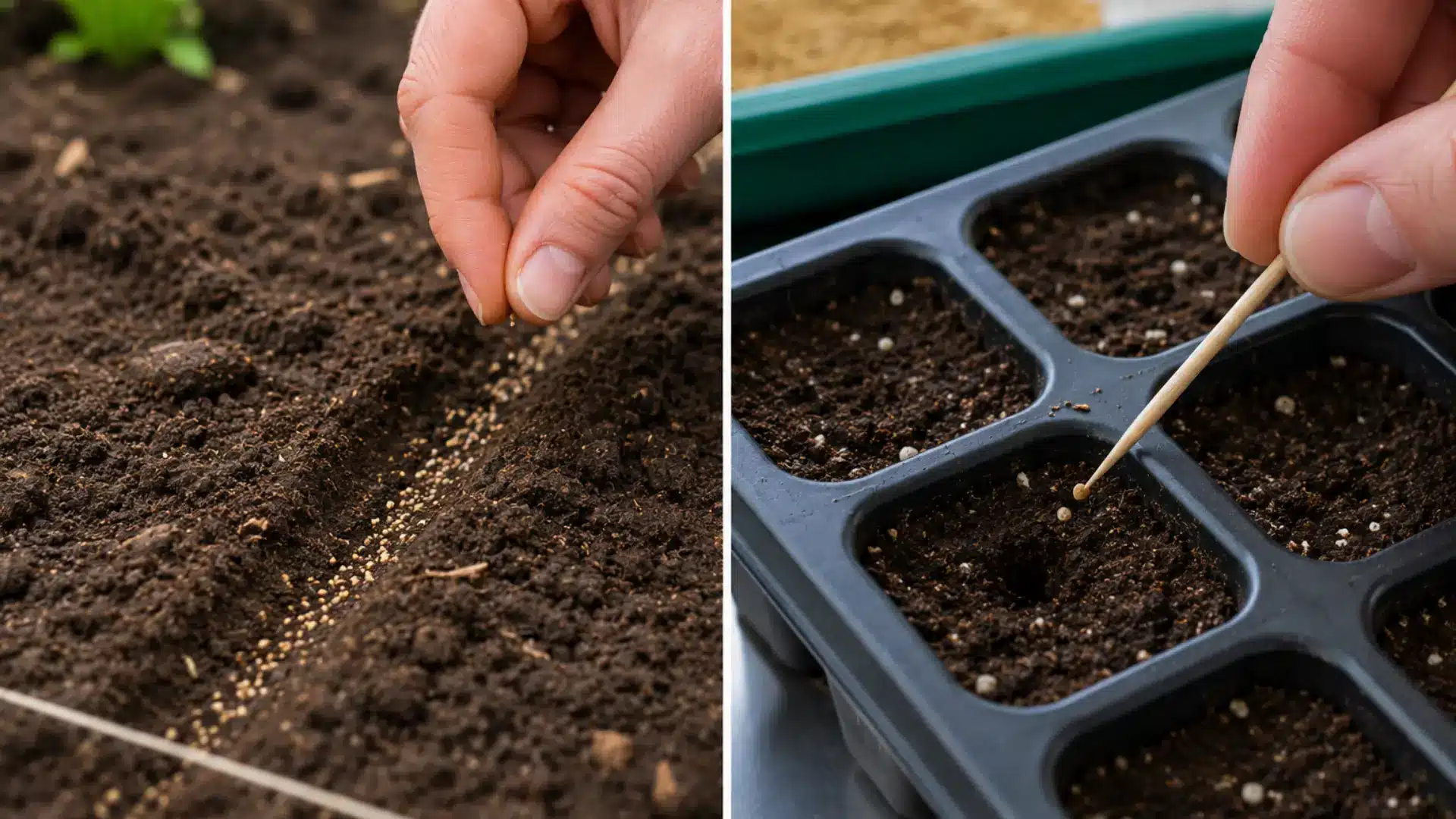
Sow seeds outdoors after the danger of frost has passed and the soil has warmed. Cover the tiny seeds with only a thin layer of soil and keep the surface lightly moist.
For an earlier start, sow six to eight weeks indoors before the expected last frost and spend time acclimating seedlings before transplanting them outdoors.
Quick tip: Handle tiny seeds with a damp toothpick and water them using a gentle spray.
Step 5: Thin and Space Seedlings
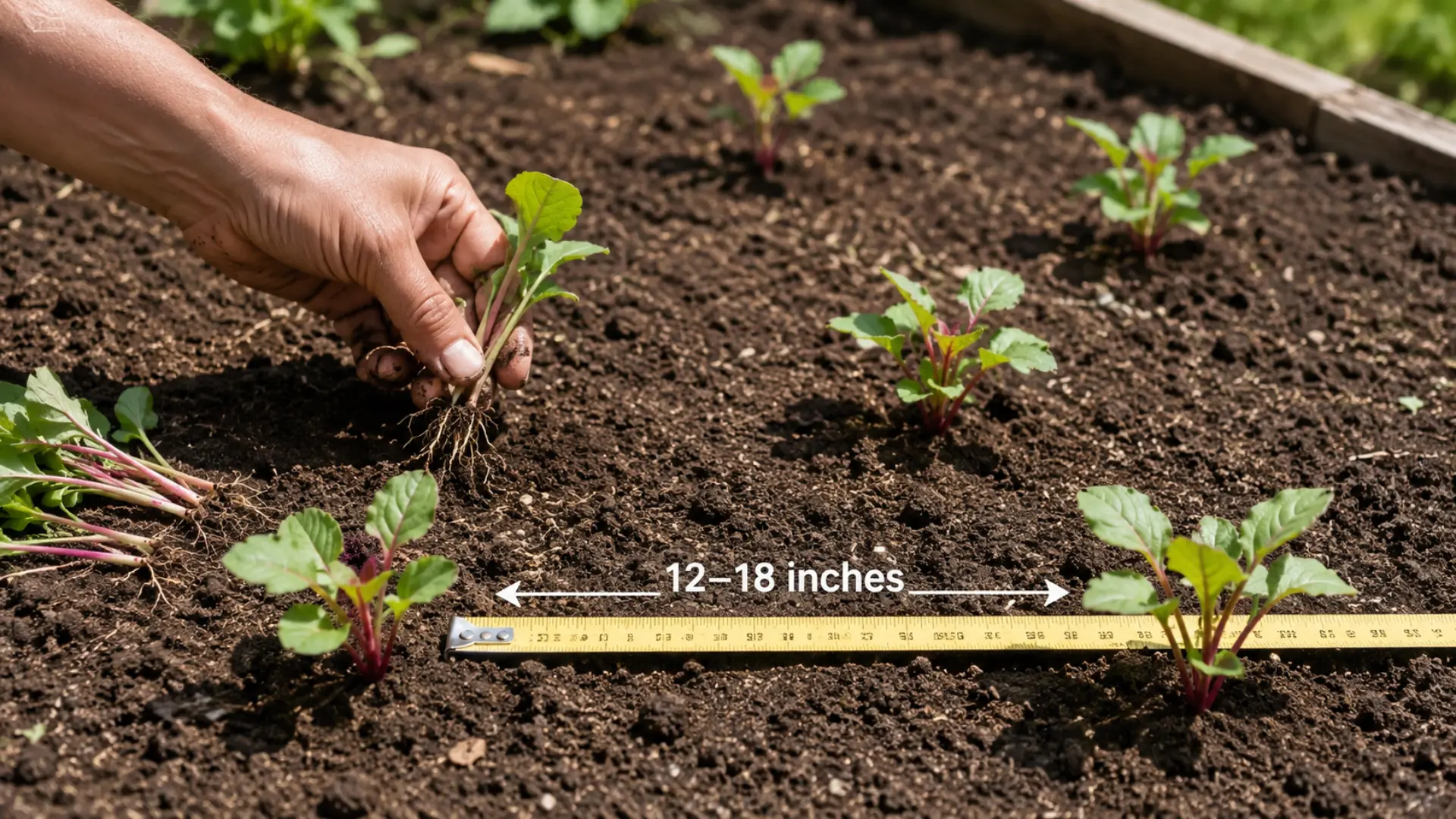
Once the seedlings develop a few true leaves, remove weaker plants and keep the strongest ones. Space most full-sized varieties twelve to eighteen inches apart.
Tall or heavily branching grain varieties may need up to twenty-four inches. Proper spacing improves airflow, root development, sunlight exposure, and room for branching.
Quick tip: Mark the correct spacing with a ruler or hand trowel before thinning.
Step 6: Protect Young Seedlings
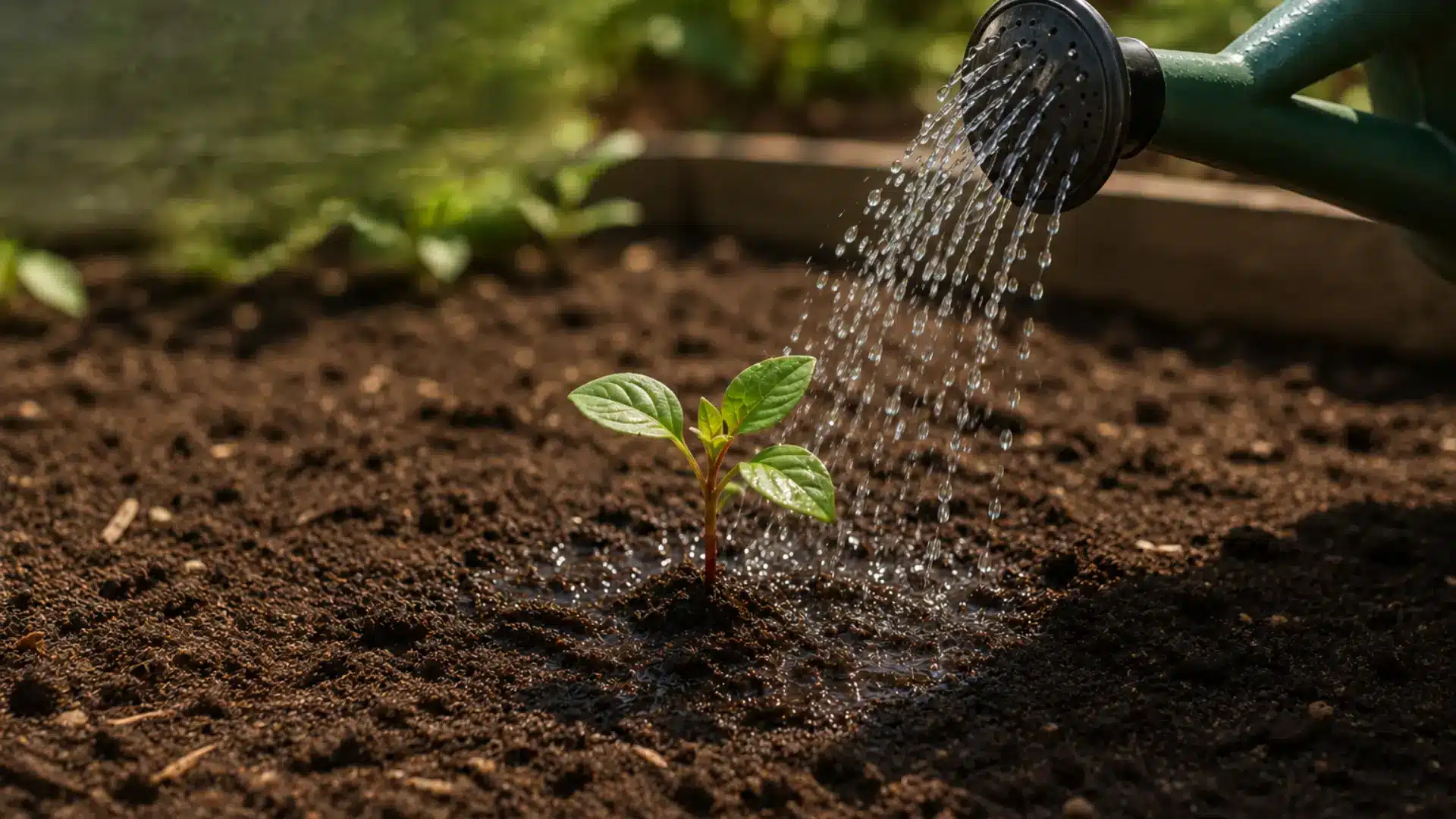
Keep the soil lightly moist and remove weeds regularly during the first month. Once the plants are established, add a thin layer of mulch to retain moisture, suppress weeds, protect roots, and prevent soil from splashing onto the leaves. Growth usually becomes much faster when plants reach eight to ten inches tall.
Quick tip: Check the bed every few days and remove weeds while they are still small.
Step 7: Harvest for Your Goal
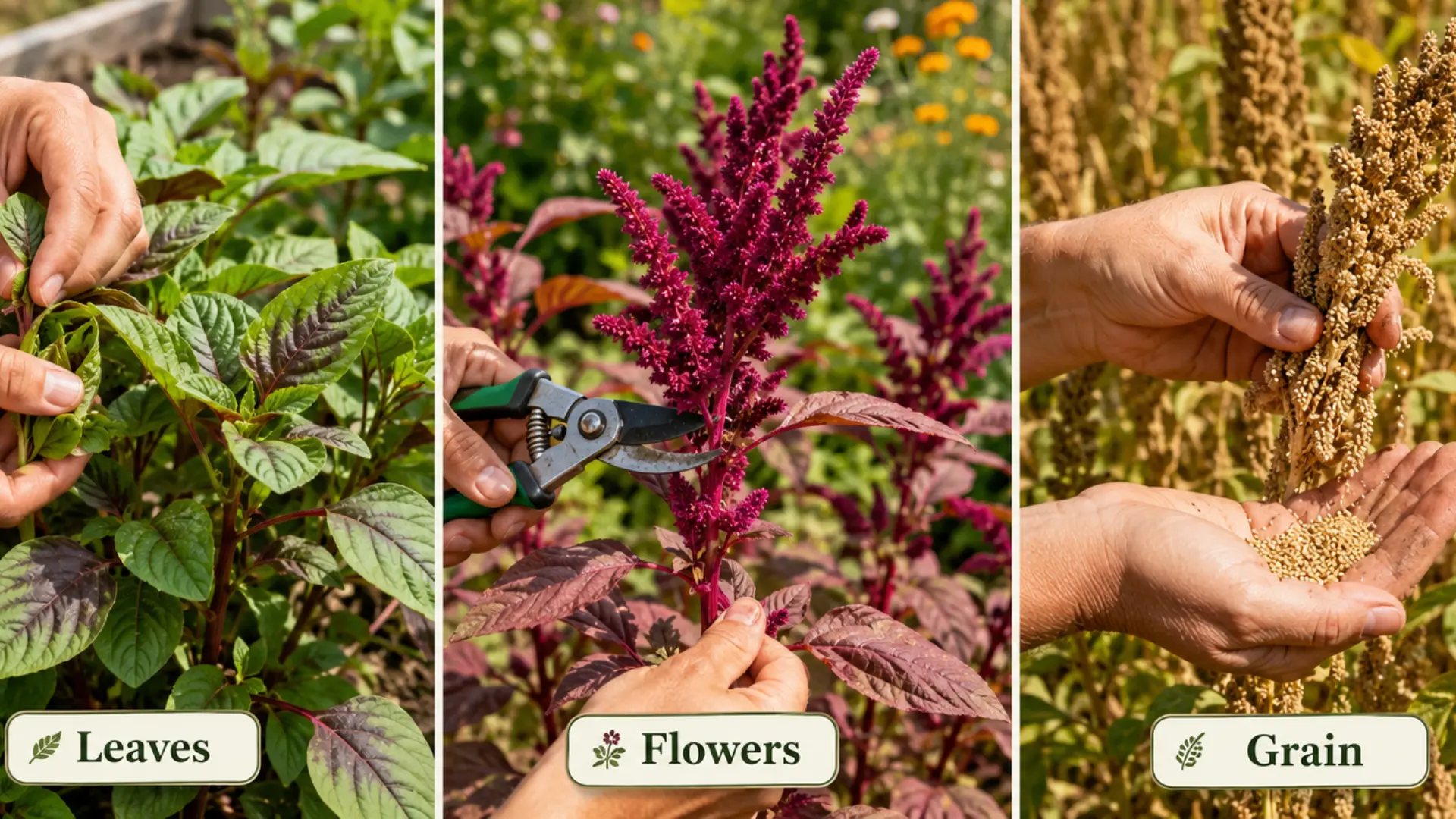
Pick young leaves and shoot tips three to six weeks after planting, taking only a few at a time. Cut ornamental stems once the flowers develop strong color. For grain, rub a mature seed head over your hand and harvest when several seeds fall easily. Dry the heads before cleaning the grain.
Quick tip: Harvest mature grain promptly when birds begin feeding on the seed heads. With these steps, you can grow your amaranth plant easily and quickly.
Growing Amaranth Plant in Containers
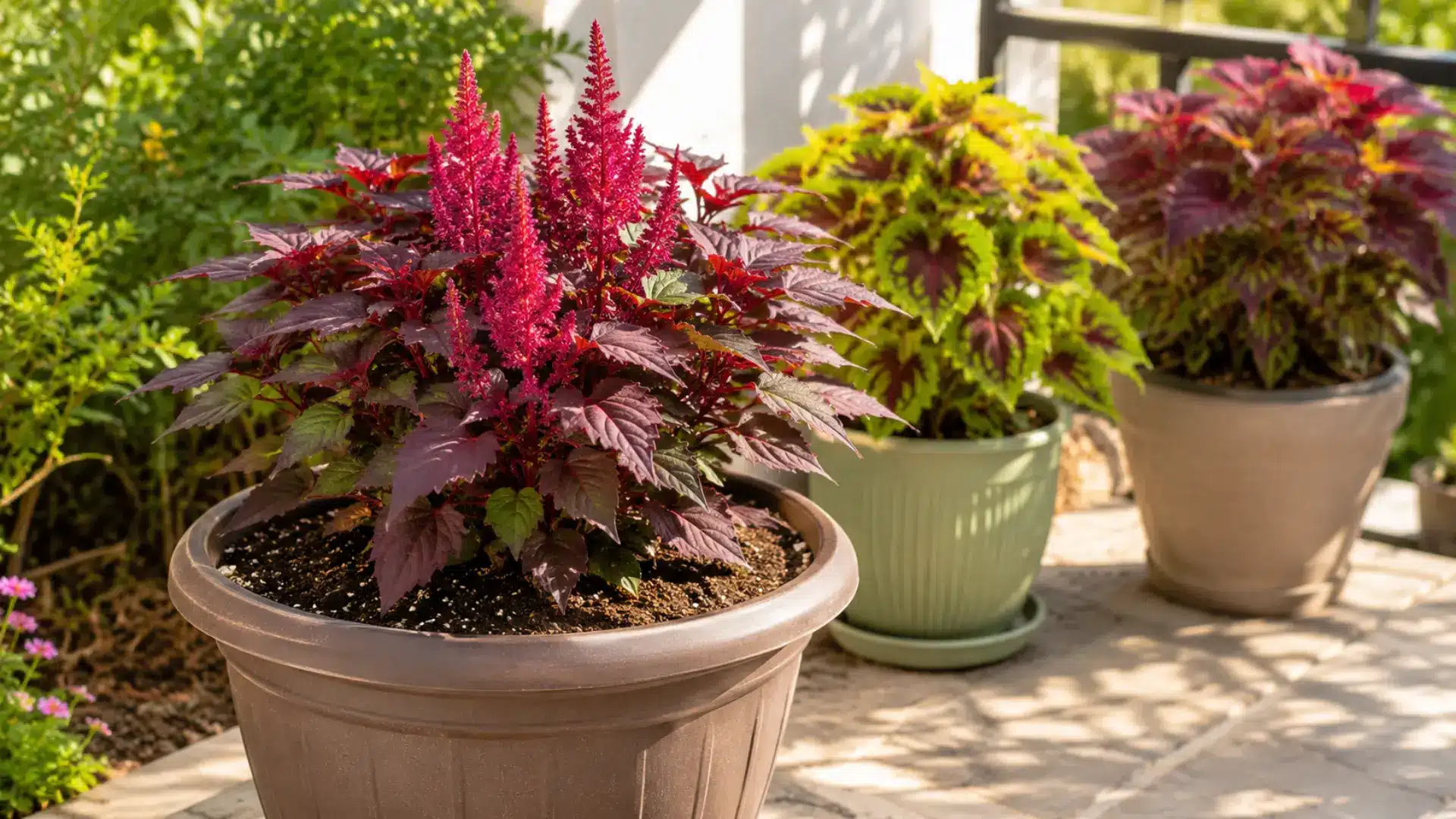
Amaranth plants can grow well in containers when you choose the right variety and provide enough space.
Step 1: Choose a compact variety: Select a leaf or ornamental amaranth that stays relatively small and has a less aggressive root system. Compact varieties are easier to manage in pots and are less likely to become top-heavy.
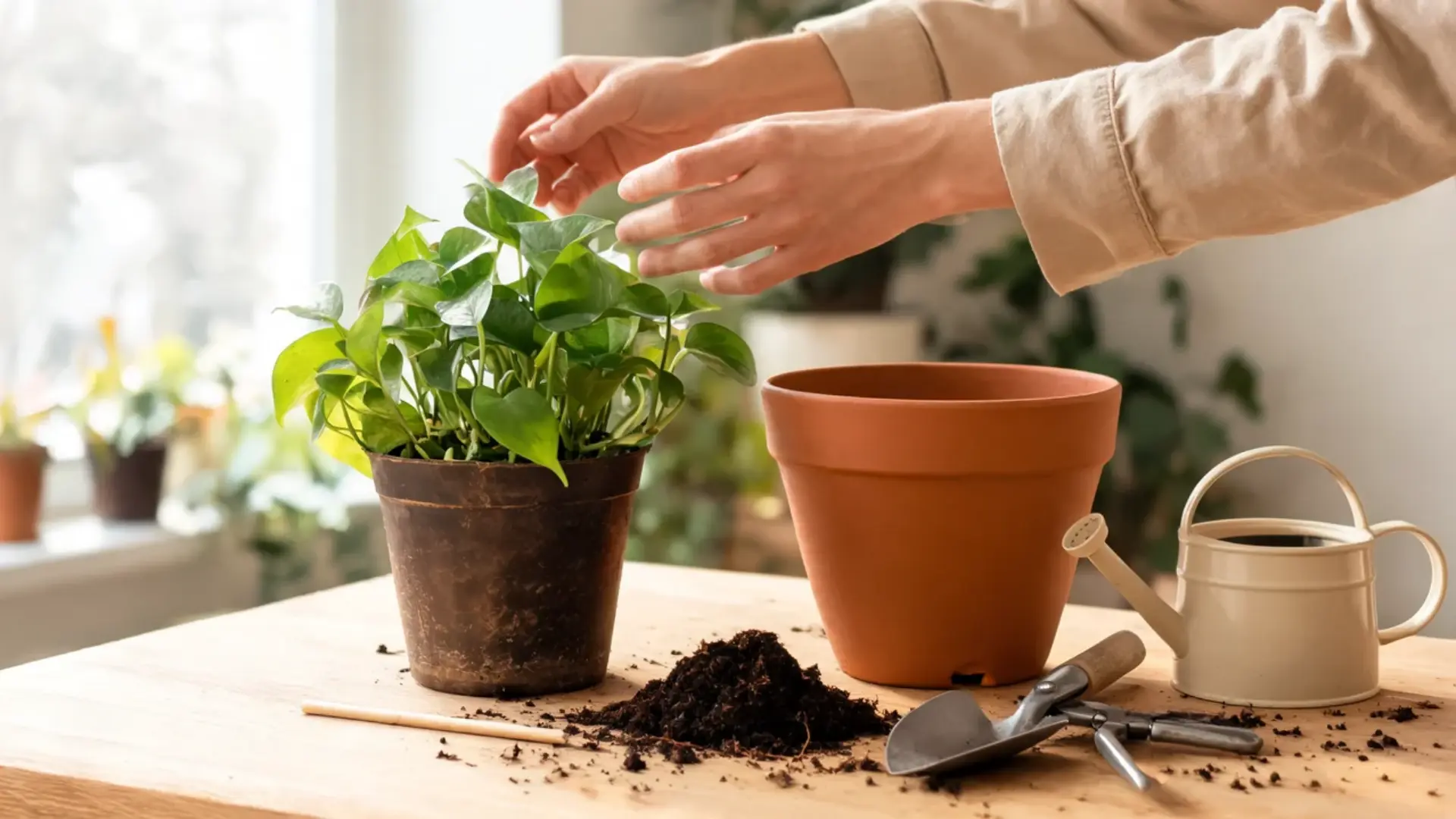
Step 2: Use a large pot: Choose a sturdy container with several drainage holes at the bottom. Small varieties may grow in a medium-sized pot, while taller plants may need a container that holds at least 10 gallons. A wide, heavy pot also helps prevent the plant from tipping over.
Step 3: Use well-drained soil: Fill the container with a loose, good-quality potting mix that drains easily. Avoid using dense garden soil, as it can become compacted and hold too much water. You can mix in a small amount of compost to provide gentle nutrition.
Step 4: Place it in full sun: Keep the container in a location that receives at least six hours of direct sunlight each day. Turn the pot every few days if light reaches only one side, so the plant grows evenly instead of leaning.
Step 5: Water regularly: Check the soil often because containers dry out faster than garden beds. Water when the top inch of soil feels dry, and continue until water drains from the bottom. Avoid letting the pot sit in standing water.
Step 6: Support tall plants: Add a stake, small cage, or other support before the plant becomes too large. Tie the stem loosely with soft garden ties to prevent damage. Support is especially important when flower or seed heads become heavy.
With a large enough container, steady moisture, full sun, and proper support, amaranth can produce healthy leaves, colorful flowers, or edible seeds in a small garden space.
Amaranth Plant Care Tips
Amaranth needs simple care throughout the growing season. Focus on these key points:
- Sun and temperature: Grow amaranth in warm conditions around 70°F to 85°F. Give it at least six hours of direct sunlight daily. In very hot climates, light afternoon shade can help.
- Watering: Keep seedlings evenly moist, but avoid soggy soil. Established plants can tolerate short dry periods but still need water during prolonged heat.
- Mulching and weed control: Remove weeds regularly during the first month. Once the plants are established, add a light layer of mulch to retain moisture and reduce weed growth.
- Supporting tall plants: Use stakes, cages, or netting when heavy flower or seed heads cause the stems to lean.
- Pruning: Pinch suitable leaf and ornamental varieties at knee height to encourage bushier growth. Avoid pinching grain varieties when you want one large seed head.
- Removing old flowers: Cut off faded ornamental flower heads to encourage more blooms and limit unwanted self-seeding.
With these basic care practices in place, your amaranth plants will be better prepared to grow strongly, resist common problems, and produce healthy leaves, flowers, or grain.
Common Amaranth Plant Problems to Avoid
Most amaranth problems can be prevented through early observation and timely care. Watch for the following signs throughout the growing season:
- Seedlings hidden by weeds: Young amaranth grows slowly and can resemble wild pigweed. Plant in clearly marked rows and remove weeds carefully while they are small.
- Tall or weak stems: Excess nitrogen, limited sunlight, overcrowding, wind, and heavy flower heads can cause plants to lean. Reduce fertilizer, improve spacing, and support tall varieties with stakes or cages.
- Brown leaves: Overwatering and poor drainage may cause browning or root rot. Check the soil before watering and allow the surface to begin drying between applications.
- Aphids and caterpillars: Inspect the undersides of leaves regularly. Remove pests by hand, wash them away with water, or use insecticidal soap when necessary.
- Bird damage: Birds can quickly remove mature grain. Check seed heads frequently and harvest as soon as several seeds loosen easily.
- Unwanted self-seeding: Mature flower heads may drop seeds throughout the garden. Remove unwanted heads before they fully mature and pull extra seedlings while they are small.
Regular checks make these issues easier to manage and prevent minor problems from affecting the entire crop.
Tips to Use Amaranth Plant
Different parts of the amaranth plant can be used for cooking, decoration, or feeding garden birds. The table below shows a few simple ways to use each part.
| Amaranth part | How to use it |
|---|---|
| Leaves | Cook like spinach and add to soups, stir-fries, or stews. |
| Seeds | Cook as porridge, mix with other grains, or pop in a covered pan. |
| Flour | Use in pancakes, muffins, waffles, noodles, or bread. Mix with other flour for a lighter texture. |
| Flowers | Use fresh or dried in bouquets, wreaths, and garden displays. |
| Seed heads | Leave a few for birds, or harvest them before birds eat the grain. |
These uses make amaranth a practical plant for both the kitchen and the garden. Choose the parts you want to use and harvest them at the right stage for the best results.
Frequently Asked Questions
Is the amaranth plant easy to grow?
Yes. Amaranth is easy to grow in warm weather. Give it full sun, well-drained soil, steady moisture, and protection from weeds during its early growth.
How much sunlight does an amaranth plant need?
Amaranth needs at least six hours of direct sunlight each day. In very hot climates, light afternoon shade can protect plants from extreme heat and stress.
How often should I water an amaranth plant?
Keep seedlings evenly moist, but never leave the soil soggy. Established plants tolerate short dry periods, though they still need water during long, hot spells.
Final Takeaways
An amaranth plant can bring lasting color, useful harvests, and greater variety to almost any outdoor space. From compact leafy types to tall grain and ornamental varieties, there is an option for vegetable gardens, flower beds, patios, and balconies.
Its multiple uses also make it a rewarding choice for gardeners who want more from every plant they grow.
Now that you know how to grow an amaranth plant, you can choose a variety that matches your space and gardening goals. Use this guide as your starting point, gather your supplies, and begin planning your next planting season.
Choose your amaranth seeds today and take the first step toward a colorful, productive, and versatile garden.