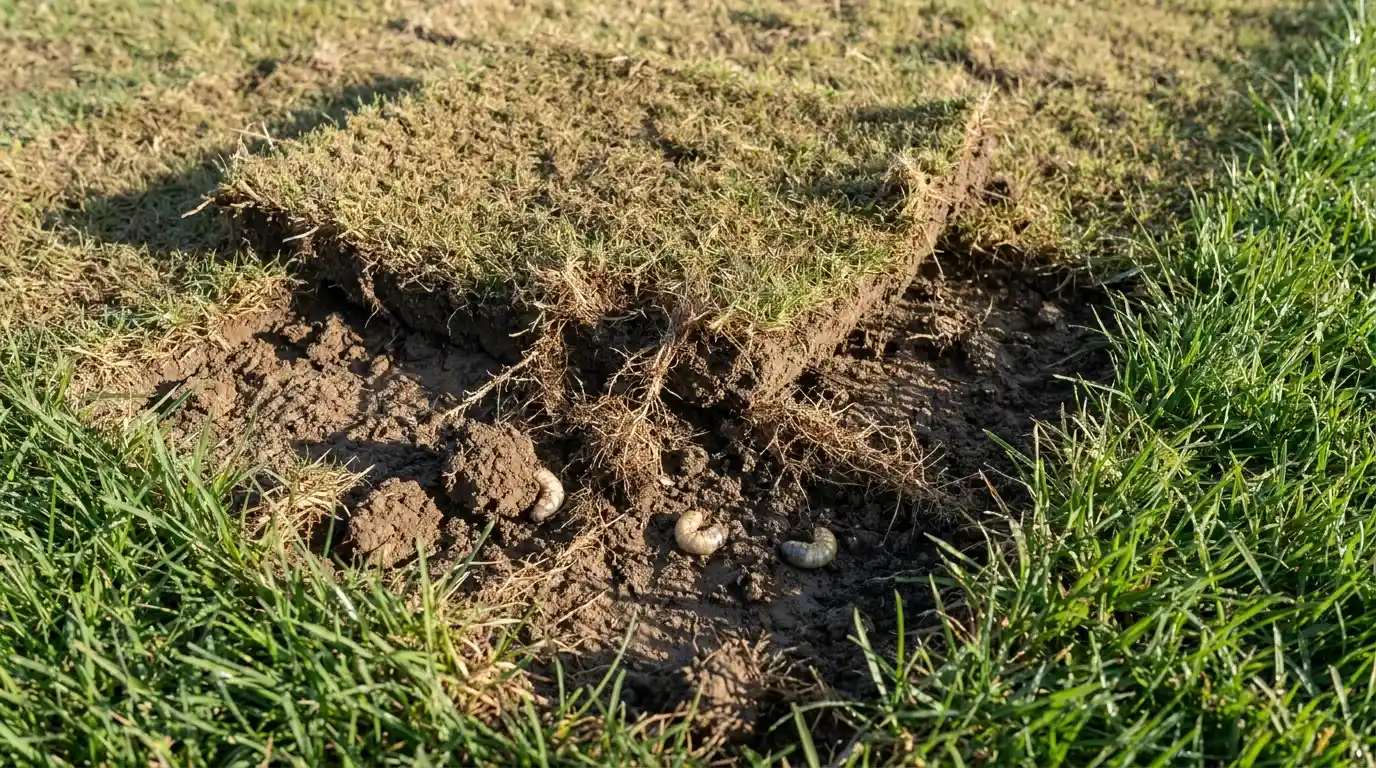
A thin lawn can make a yard feel unfinished, even when everything else looks cared for. You water it, mow it, maybe even talk to it once in a while, and still the bare patches keep showing up like they pay rent.
That is where aeration and overseeding can help. Aeration opens tight soil so air, water, and nutrients can reach the roots. Overseeding adds new grass seed to fill weak spots and help the lawn grow thicker.
This is not a magic fix. A lawn still needs the right timing, seed, watering, and patience. But when the soil is compacted and the grass is thinning, these two steps can make a real difference.
You will learn what each one means, how they work together, when to do them, and how to avoid the common mistakes that ruin results.
What Are Aeration and Overseeding?
Aeration is the process of removing small plugs of soil from your lawn to reduce compaction. Overseeding is the process of spreading new grass seed over an existing lawn, including thin or bare areas. Together, they form a two-step approach: aeration opens the soil so it can accept air, water, nutrients, and seed, while overseeding puts new growth exactly where the lawn needs it.
When soil gets compacted from heavy foot traffic, clay-heavy ground, or years of use, grass roots have less room to move, and water tends to sit on the surface rather than soak in. This is where aeration comes in first.
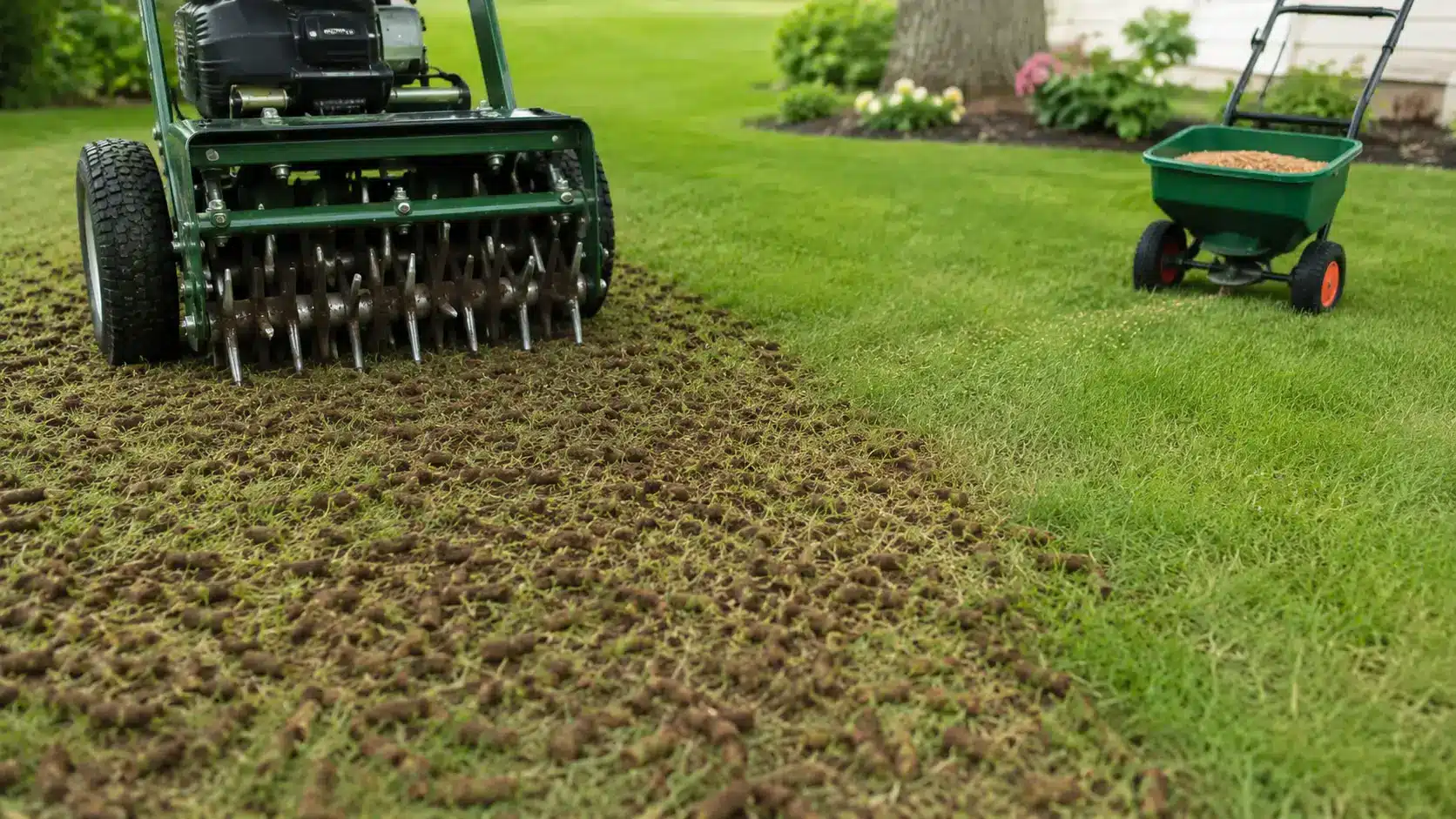
Core aeration is the most common method. A machine pulls out plugs of soil roughly 2 to 3 inches deep and leaves them on the surface. Those plugs break down on their own over a few weeks. The holes they leave behind are what make the next step work.
Overseeding drops new seed into the open holes, giving it direct contact with the soil. Without that contact, the seed can dry out or wash away before it has a chance to grow.
One point worth making clear: aeration is not just poking holes in the ground. Spike aerators press holes into the soil without removing anything, which can actually worsen compaction around the holes. Core aeration removes material, which creates real relief in the root zone.
Both steps improve the lawn, but they solve different problems. The next section breaks that down clearly.
Difference Between Aeration and Overseeding
Both steps improve your lawn, but they target separate problems. Aeration is a soil fix. Overseeding is a grass fix. Knowing the difference helps you avoid using only one when both are needed.
| Aeration | Overseeding | |
| What it does | Removes soil plugs to reduce compaction | Spreads new seed into thin or bare areas |
| The main problem it solves | Hard, compacted, waterlogged soil | Thin turf, bare patches, low density |
| Tool used | Core aerator machine | Broadcast or drop spreader |
| Best result | Looser soil, better drainage, stronger roots | Thicker grass, fewer weeds, better coverage |
| Common mistake | Aerating dry, hard soil (machine pulls poor plugs) | Seeding without aeration first (low soil contact) |
| Does it work alone? | Yes, but the new seed will not settle well without it | Yes, but seed contact is weaker on unaired soil |
Neither step is wasted on its own, but pairing them is where the real payoff comes from. The next section explains why the two steps together produce results that neither achieves alone.
Why Aeration and Overseeding Work Better Together
Most lawns do not struggle with one problem in isolation. Compacted soil slows root growth, and thin grass leaves room for weeds to move in. Fixing one without the other leaves part of the problem in place. Here is how the two steps build on each other:
- Compacted soil limits roots: When soil is pressed tightly, air pockets disappear, water runs off, and roots cannot push deep. Grass thins out from the base up, not just the surface.
- Aeration opens the root zone: Pulling plugs creates channels for air, water, and nutrients to move into the soil. Roots can now spread more widely, strengthening the grass from below.
- Seed lands where it can grow: Fresh aeration holes give the seed direct soil contact. Seeds that land in those holes are sheltered, stay moist longer, and germinate better than seeds scattered on a bare hard surface.
- Watering supports early growth: New seedlings are small and shallow. Steady light watering in the first two to three weeks keeps them alive while roots establish. This is the most skipped step after seeding.
- Thicker grass reduces weeds: Dense turf leaves less bare ground for weed seeds to take hold. Overseeding fills the open patches that weeds would otherwise claim.
There is also a failure chain worth knowing. If the soil is dry when you aerate, the machine may not pull clean plugs. If the soil is not open when you seed, the seed sits loose on top.
If watering stops too soon, seedlings dry out before they can root. And if you mow too early, young grass can be pulled before it is stable. Each step depends on the one before it.
How to Do Aeration and Overseeding Step by Step
The order of this process matters because each step sets up the next one. Skipping or rushing any part of the sequence reduces the results from every step that follows.
Step 1: Prepare the Lawn Before Aeration
Mow your lawn a little shorter than normal, around 1.5 to 2 inches, and bag the clippings. This gives the aerator better access to the soil.
If the ground is hard and dry, water it lightly one to two days before, so the soil is moist but not muddy. Clear leaves, debris, or heavy thatch that could block the machine.
Step 2: Aerate With a Core Aerator
A core aerator pulls plugs of soil 2 to 3 inches deep and deposits them on the surface. Leave those plugs where they land. They break down within two to four weeks and return nutrients to the soil.
For heavily compacted areas, consider running the machine in both directions to improve coverage. Do not use a spike aerator for this; it pushes soil down rather than removing it.
Step 3: Make Multiple Passes for Better Coverage
Run the aerator across the yard in steady, straight passes. At the end of each run, lift the machine before turning, then lower it again for the next pass.
This helps protect the grass from tearing. For compacted areas, make more than one pass so the lawn has enough holes across the soil.
Step 4: Leave the Soil Plugs on the Lawn
Leave the plugs on the lawn after aeration instead of raking them away. They may look messy for a short time, but they break down naturally and return soil material to the surface. As they break apart, they help the lawn settle back evenly.
Step 5: Overseed Right After Aeration
Use a broadcast spreader or drop spreader to distribute seed evenly across the lawn. Choose a seed that matches your existing grass type and your local climate.
Read the seed label for the recommended rate, since too much seed crowds seedlings as they grow. Seeding the same day as aeration is ideal because the holes are still fresh and open.
Step 6: Apply Starter Fertilizer
A starter fertilizer supports early root development in new seedlings. Look for one with a higher phosphorus ratio, which helps young roots establish faster.
Apply it after seeding, not before, so it does not shift in the soil. Follow the label directions for rate and application. Skip this step if your soil test shows phosphorus is already high.
Step 7: Water Lightly and Consistently
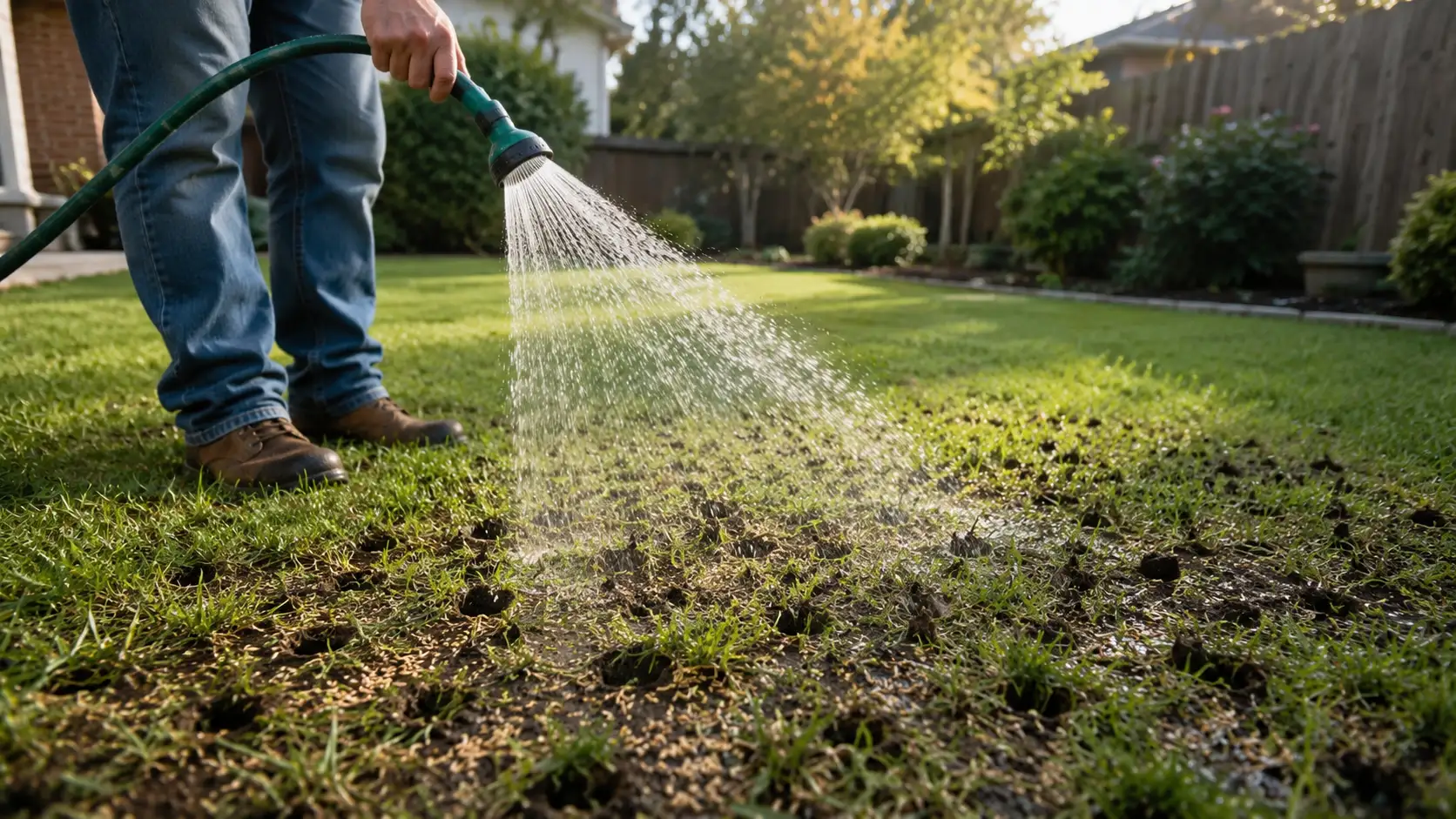
New seed needs moisture to germinate. Water lightly once or twice a day for the first two to three weeks, keeping the top inch of soil consistently moist.
As seedlings establish, gradually shift to deeper, less frequent watering. If rain provides consistent moisture, you may not need to water daily, but check the soil to be sure.
| Tip: Match the seed to your grass type and local climate. The right seed matters more than adding extra seed. Caution: Do not apply weed control too soon after seeding. Some products can stop new grass from growing. |
What to Do After Aeration and Overseeding
The work is not done once the seed is spread. The first two to three weeks matter most because the new seed needs steady moisture, light protection, and time to root before the lawn goes back to normal use.
| Aftercare step | What to do | Why it matters |
| Water lightly | Keep the top inch of soil moist with gentle watering. Adjust for rain. | Dry seed will not germinate, while too much water can wash the seed away. |
| Limit foot traffic | Keep kids, pets, and heavy use off seeded areas for two to three weeks. | Young seedlings can loosen before their roots hold well. |
| Wait to mow | Mow when new grass reaches about 3 to 4 inches. Use a sharp blade. | Cutting too early can pull or stress young grass. |
| Skip weed control | Avoid herbicides unless the label says they are safe for new seed. | Some products stop germination or damage young seedlings. |
| Watch the weather | Adjust watering during heat, dry wind, or heavy rain. | The weather can dry out, shift, or weaken new seed quickly. |
This is where results often break down. Dry seed does not sprout; early mowing can pull up young grass; and weed control applied too soon can undo the work. Once you know what to do after seeding, it is equally important to know which mistakes to avoid.
Benefits for Your Lawn
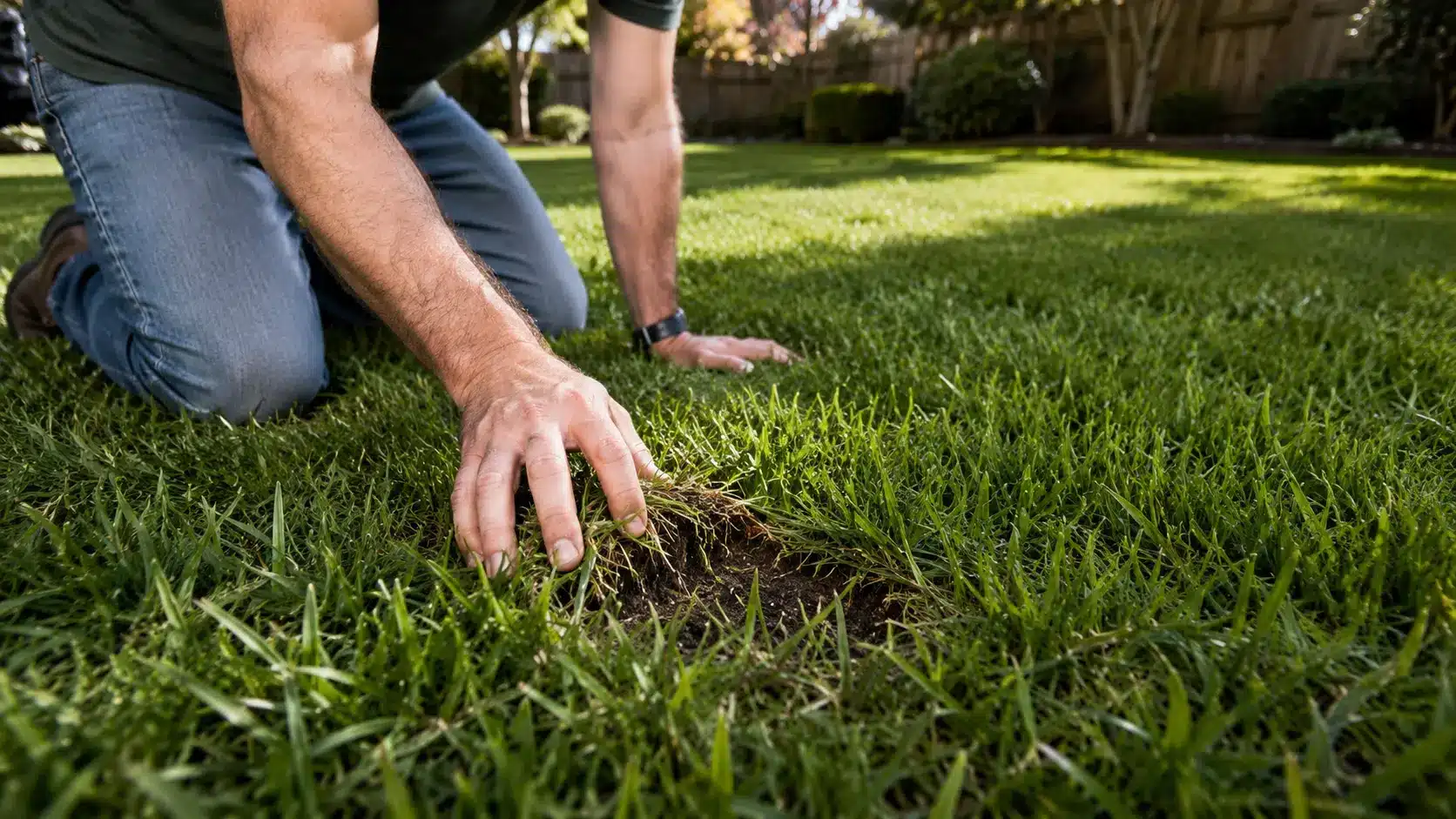
The result of the process is not just greener grass. It is a change in the condition of your soil and the density of your turf that makes the whole lawn more functional. These are the core benefits:
- Looser, healthier soil: Removing plugs reduces compaction and gives roots more room to spread, which directly affects how well the grass grows and how long it survives stress.
- Better water movement: Open soil channels allow water to move down to the root zone rather than running off the surface. This reduces waste and keeps roots hydrated during dry periods.
- Stronger root development: With more air and water available underground, grass roots can grow deeper. Deeper roots mean the lawn holds up better during heat and drought.
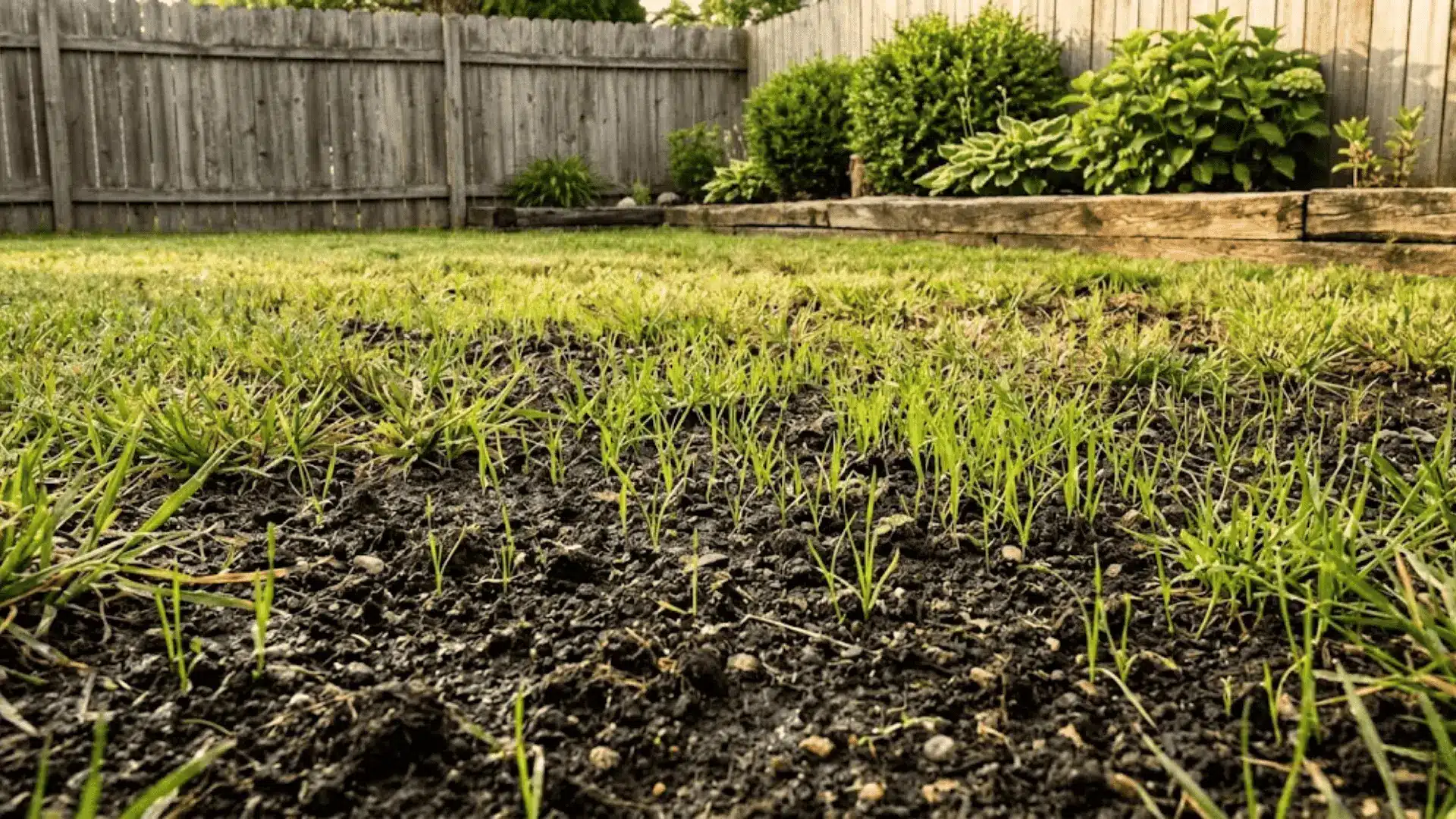
- Thicker grass coverage: Overseeding fills bare and thin spots with new growth. Over a few weeks, density improves noticeably, especially in high-traffic areas that have been worn down.
- Fewer open spots for weeds: Dense turf is the best natural defense against weeds. When grass fills in completely, there is less bare ground for weed seeds to find and use.
- Better recovery after hard use: Lawns that take regular foot traffic, pet activity, or summer stress recover faster when the soil is healthy and seed has been added to support regrowth.
The benefit is strongest when seedlings are kept moist and protected in the early weeks. The process does the setup work, but the care right afterward determines how much of it takes hold.
Of course, these benefits only apply if the lawn actually needs this kind of help. Not every lawn does.
When To Overseed Lawn After Aeration?
Timing matters because the seed needs the right soil contact, moisture, and growing weather to take root. The best time to overseed after aeration depends on grass type, local climate, and soil condition, not just the month on the calendar.
| Timing factor | What to do | Why it matters |
| Same-day seeding | Overseed right after aeration, or within a few days. | Fresh holes give the seed better contact with the open soil before they close. |
| Cool-season lawns | Seed in early fall for fescue, Kentucky bluegrass, and ryegrass. | Warm soil and cooler air help new grass grow with less stress. |
| Warm-season lawns | Seed in late spring to early summer for Bermuda and Zoysia. | These grasses grow best when the soil is warm and growth is active. |
| Spring overseeding | Use only when needed for cool-season lawns. | Weed pressure and summer heat can make spring results less reliable. |
| Soil and weather check | Avoid muddy soil, dry ground, and heavy rain forecasts. | Seed needs moist soil, not washed-out or dried-out conditions. |
A common mistake is asking when to overseed the lawn by month only. A warm October in one region can act very differently from early September in another. Once the timing is right, the next step is to do the process in the correct order.
Common Mistakes To Avoid
Most failures in this process stem from timing and aftercare, not the concept itself. These are the mistakes that show up most often:
- Aerating when the soil is bone dry: The machine struggles to pull clean plugs from very dry soil. The holes are shallow and narrow, which limits the amount of seed contact you actually get. Light watering before the service makes a real difference.
- Waiting too long to overseed after aeration: Fresh aeration holes are most open right after the work is done. Waiting more than a day or two lets the soil shift back and significantly reduces the benefit.
- Using the wrong grass seed: Seed must match your existing grass type and your local conditions. A warm-season seed will not thrive in a cool-season lawn and vice versa. Read the label and match it to your region.
- Skipping or stopping watering too soon: Seedlings are very small and shallow in the first week. Even two or three consecutive dry days can kill them before they have rooted enough to survive on their own.
- Mowing before new grass is stable: Young grass needs at least 3 to 4 inches of growth before the first mow. Cutting earlier can rip seedlings out or stress them past recovery.
- Applying weed killer too early: Some herbicides, including pre-emergent products, stop grass seed from germinating. Applying them right after seeding can block the new growth entirely. Check the label timing carefully.
The pattern in most of these mistakes is the same: the process was done, but the follow-through was rushed or skipped. The steps are not complicated, but they do require patience in the weeks that follow.
Is It Worth It?
For most lawns facing compaction, thin coverage, and heavy foot traffic, yes, they are worth the effort. The process addresses two of the most common reasons lawns decline, and when timed and executed well, results can show within a few weeks.
It is a strong fit for: lawns with hard, compacted soil; yards with bare or thin spots that have not recovered; high-traffic areas used by kids or pets; cool-season lawns that struggled through summer heat; and any lawn where water runs off rather than soaking in.
It is a weaker fit for: lawns with heavy shade (grass may not thicken regardless of seeding); yards where the main problem is irrigation or drainage infrastructure; areas with active pest or disease damage; or lawns where root problems come from a pH or nutrient imbalance. These situations need a different fix first.
DIY is realistic for smaller yards if you can rent or buy a core aerator and a spreader. For larger properties or lawns with significant compaction, a lawn care service may deliver more consistent results, especially for the aeration step.
Sum Up
A healthier lawn usually starts below the surface. If the soil is tight and the grass is thin, the yard may need more than mowing and watering. That is whereaeration and overseeding can help.
Aeration opens compacted soil. Overseeding adds fresh grass where the lawn is weak. Timing, seed choice, and watering decide how well the process works.
If I were fixing a thin lawn, I would first check the soil, then match the seed timing to the grass type. I would also make sure I had time to water after seeding, because that part is easy to ignore and hard to recover from.
If your lawn has bare spots, hard soil, or weak growth, share your grass type, region, and main lawn problem in the comments. That makes it easier to figure out the next smart step.