Could your lawn stay neat without taking over every weekend? Centipede grass can make that possible, but only in the right yard. This slow-growing, warm-season grass suits much of the Southeast, where summers stay warm and winters remain mild.
It prefers acidic soil, steady moisture, and light foot traffic. Some shade is fine, but drought, deep shade, cold, and heavy use can thin the lawn.
Below you’ll learn how this grass grows, where it performs best, and how to start it from seed. It also covers mowing, watering, feeding, soil testing, weeds, pests, and seasonal care.
Common issues include yellowing, bare patches, slow recovery, and winter browning. By the end, you can decide if it suits your yard.
What Is Centipede Grass?
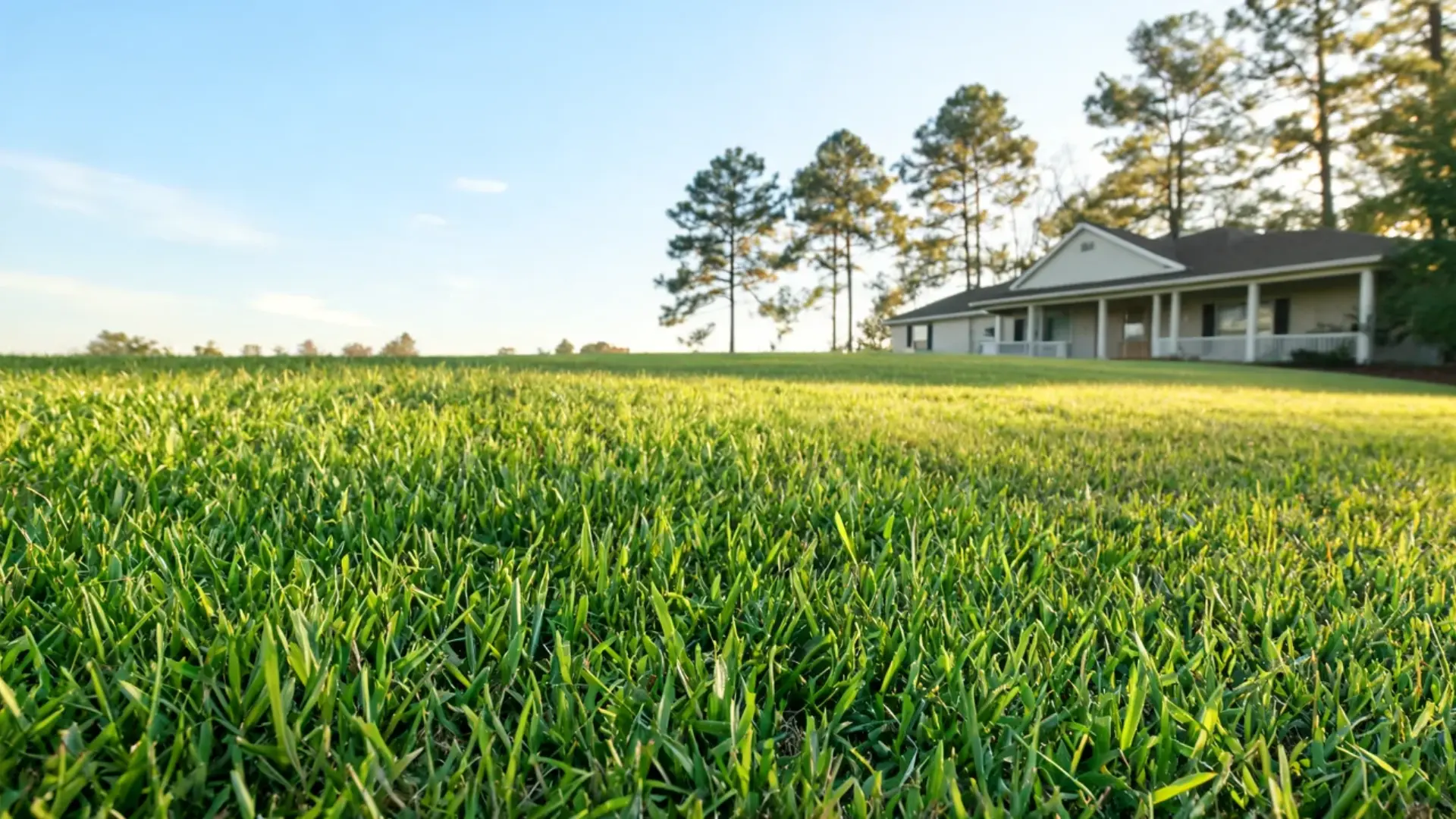
Centipede grass is a warm-season lawn grass known for slow growth and low maintenance needs. It forms a low-growing lawn in warm climates, especially across the Southeastern United States.
According to the Clemson University Home & Garden Information Center, it was brought into the United States from seed found in the luggage of a USDA plant explorer in the early 1900s and was first used for low-maintenance cemeteries.
Its blades are light to medium green with a medium texture. Above-ground stems called stolons help the grass spread. These stems form roots and slowly fill open areas. This grass grows well in summer, needs little care, but struggles with cold, traffic, and stress.
These traits explain how this grass looks and performs:
- Growth rate: Slow growth means less mowing but slower repair.
- Appearance: The blades are light green with a medium texture.
- Roots: Shallow roots make dry periods harder for the grass.
- Care needs: It needs little fertilizer and less frequent mowing.
- Shade and traffic: It handles some shade but wears down under regular use.
- Weather tolerance: Cold, drought, and salt may weaken the lawn.
Together, these traits explain why centipede grass can work well in warm yards with light use and simple care needs.
Where Does Centipede Grass Grow Best?
This grass performs best when weather, soil, sunlight, moisture, and lawn use match its limits. Checking these conditions before planting can prevent weak growth, yellowing, and bare spots.
| Factor | Best conditions | Conditions that cause problems | What to check |
|---|---|---|---|
| Climate | Warm summers and mild winters across much of the Southeast | Hard freezes and long, cold winters can damage grass and delay spring growth | Review local winter temperatures before planting |
| Soil and pH | Sandy or well-drained soil with a pH between 5.0 and 6.0 | Alkaline soil can limit iron uptake and cause yellowing | Test the soil before adding lime, sulfur, iron, or fertilizer |
| Sunlight and shade | Full sun or light to moderate shade | Deep shade can cause thinning and slower growth | Check shade from trees, buildings, and large roots |
| Water and drainage | Steady moisture with soil that drains well | Drought can dry shallow roots, while standing water can weaken them | Fix low areas and check soil moisture during dry weather |
| Foot traffic | Light use with limited walking, play, or pet activity | Heavy traffic can create thin areas and bare patches | Add paths or stepping stones in frequently used areas |
If your yard matches these conditions, prepare the soil and choose the right planting time. Good preparation supports steadier moisture, stronger growth, and more even germination.
How to Grow Centipede Grass From Seed
The seed needs warm soil, steady moisture, and good soil contact. Plant after frost danger passes, usually from late spring through early summer. Warm soil helps the seed germinate and establish.
Step 1: Prepare the Soil
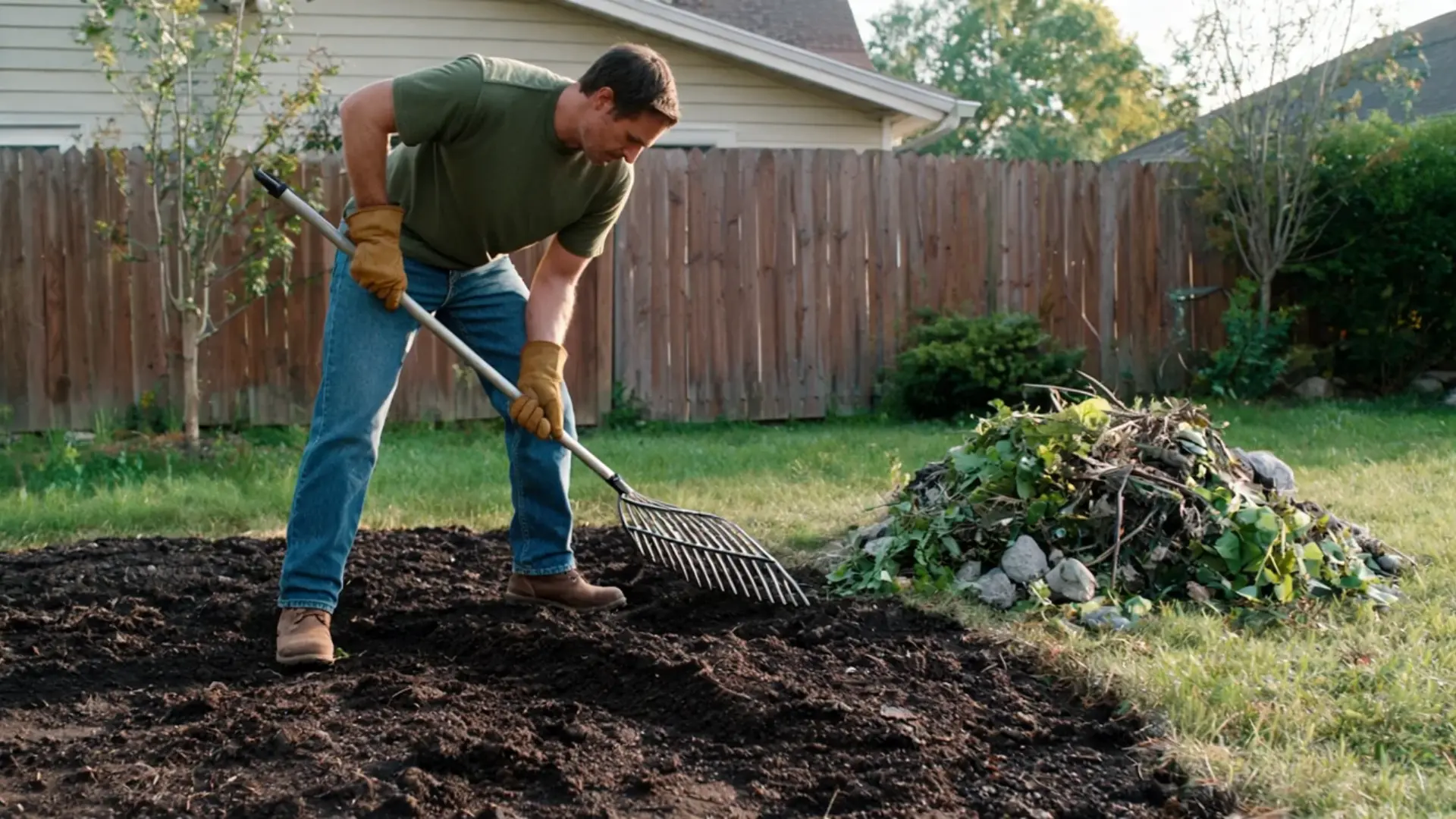
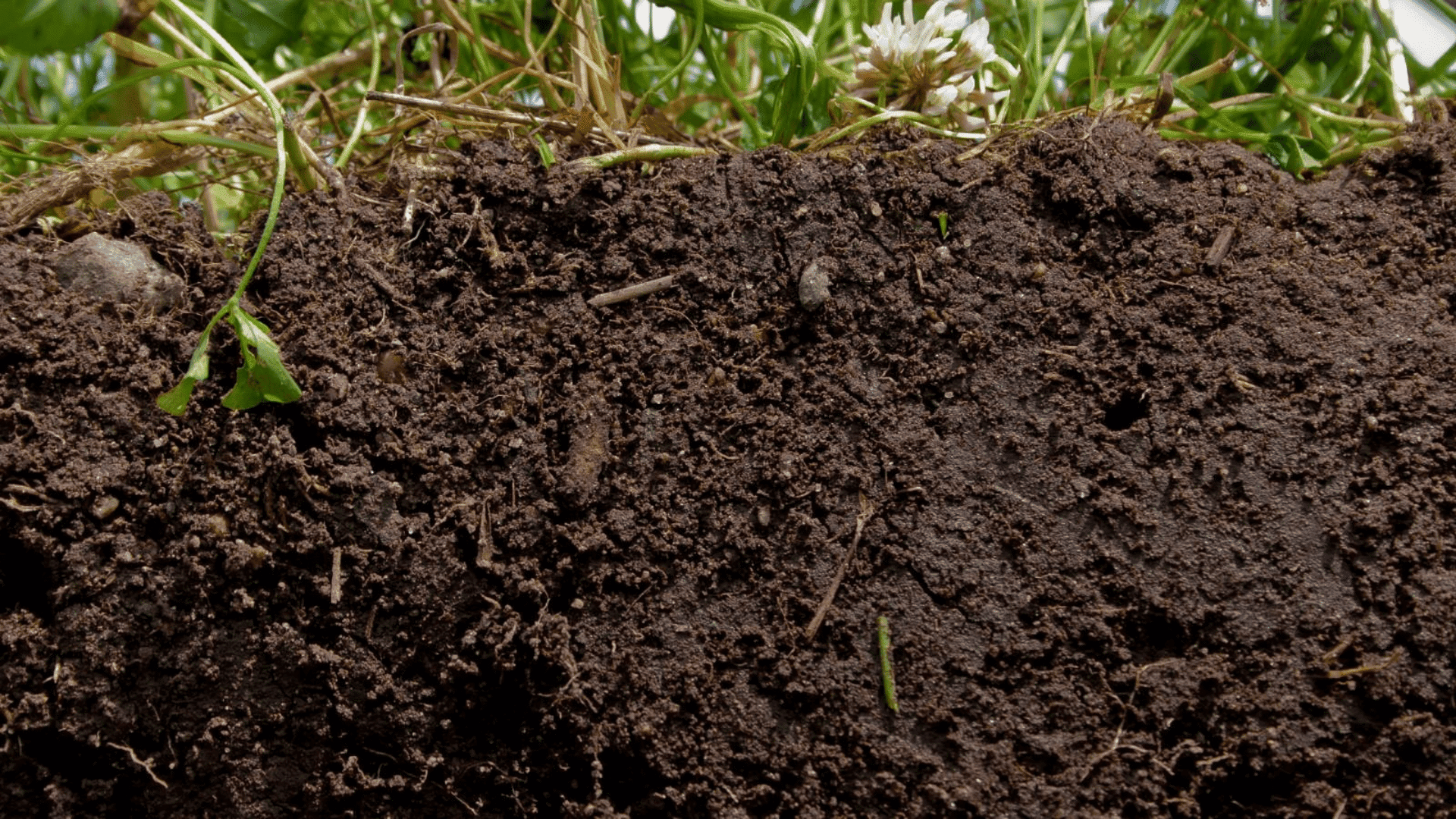
Remove weeds, dead grass, stones, and other debris so the seed can reach bare soil. Loosen the top two to three inches with a rake, break apart hard clumps, and smooth the surface.
Correct low spots or drainage issues before planting. A soil test can guide any needed changes, while a level seedbed helps the grass establish more evenly across the area.
Step 2: Spread the Seed
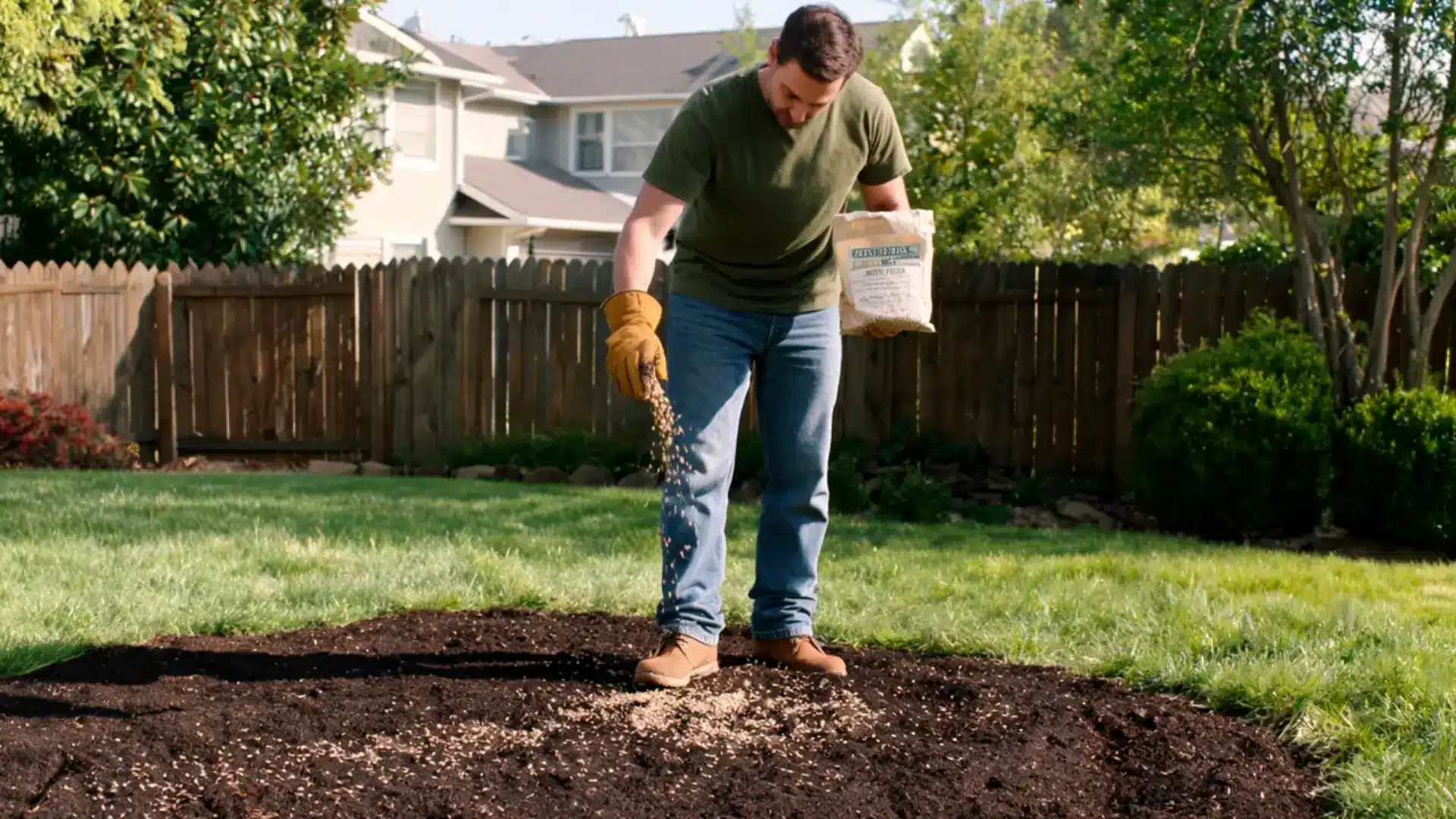
Measure the planting area and follow the seeding rate on the product label. Divide the seed into two equal portions, then spread one half in one direction and the other half across it.
This cross-spreading pattern helps prevent bare gaps and thick clusters. Because the seed is very small, mixing it with dry sand can improve even coverage across the prepared soil.
Step 3: Press the Seed Into the Soil
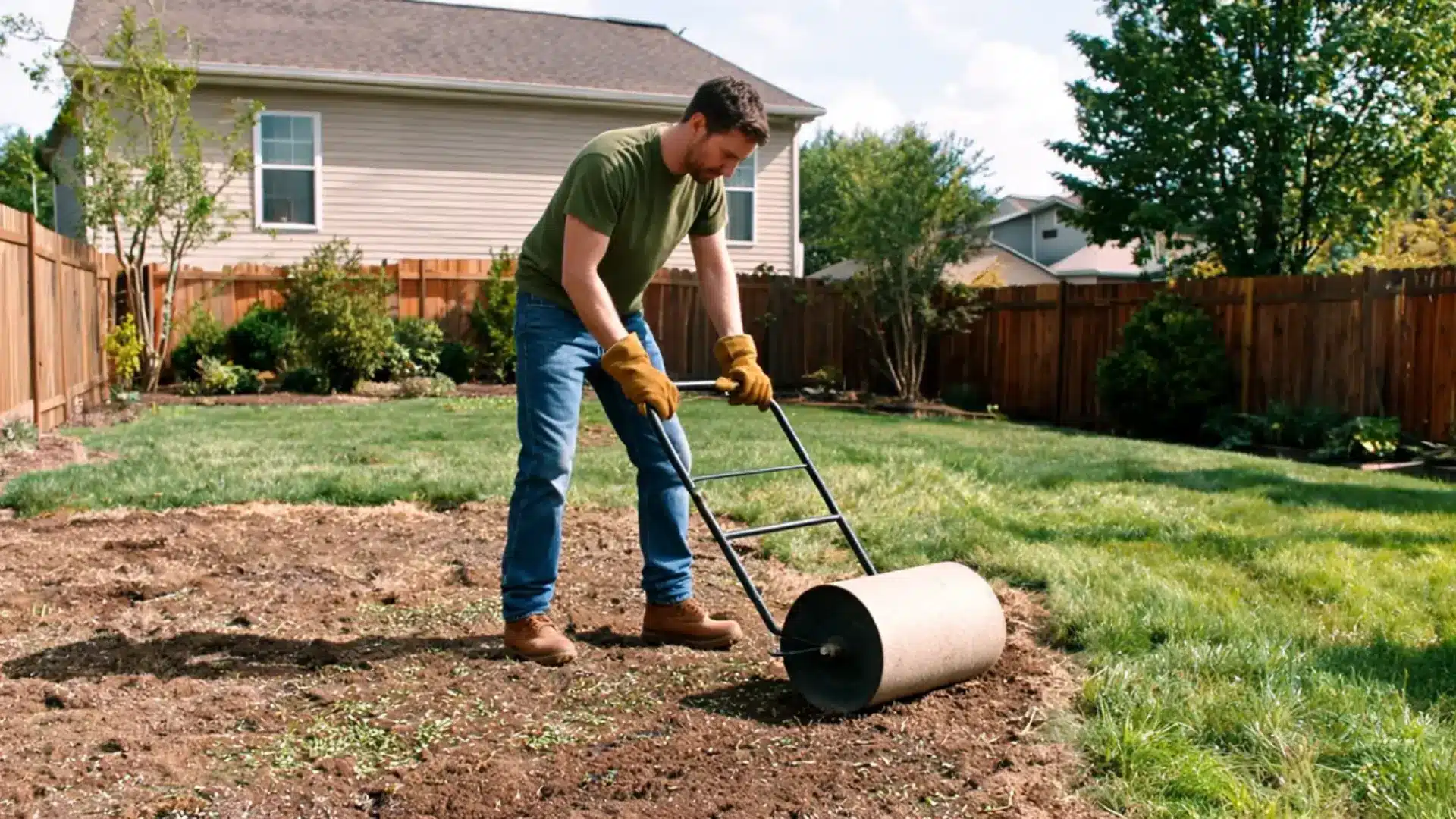
Lightly rake the area after seeding so the seed settles near the surface without being buried too deeply. This grass needs good soil contact to hold moisture and germinate well.
Press the surface gently with a lawn roller or flat board. This creates a firm planting surface, keeps the seed from shifting, and supports more consistent growth when watering begins.
Step 4: Water the Area
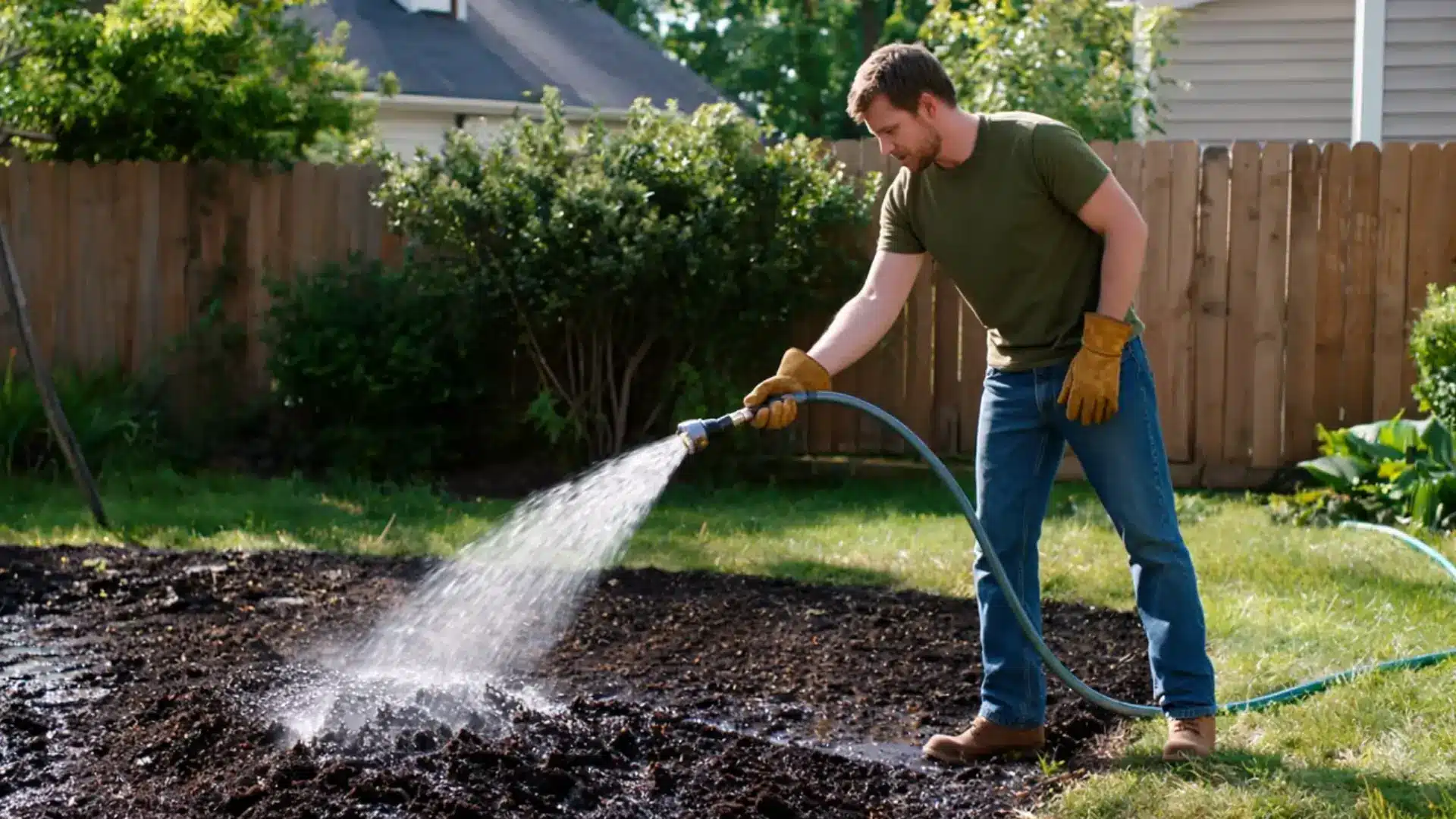
Water the seeded area with a gentle spray so the seed stays in place. Keep the top layer of soil evenly moist during germination, especially during hot, dry, or windy weather.
Avoid puddles and runoff, which can move the seed into clusters. As the seedlings develop stronger roots, reduce watering frequency and use deeper watering to encourage healthy root growth over time.
Step 5: Protect the New Grass
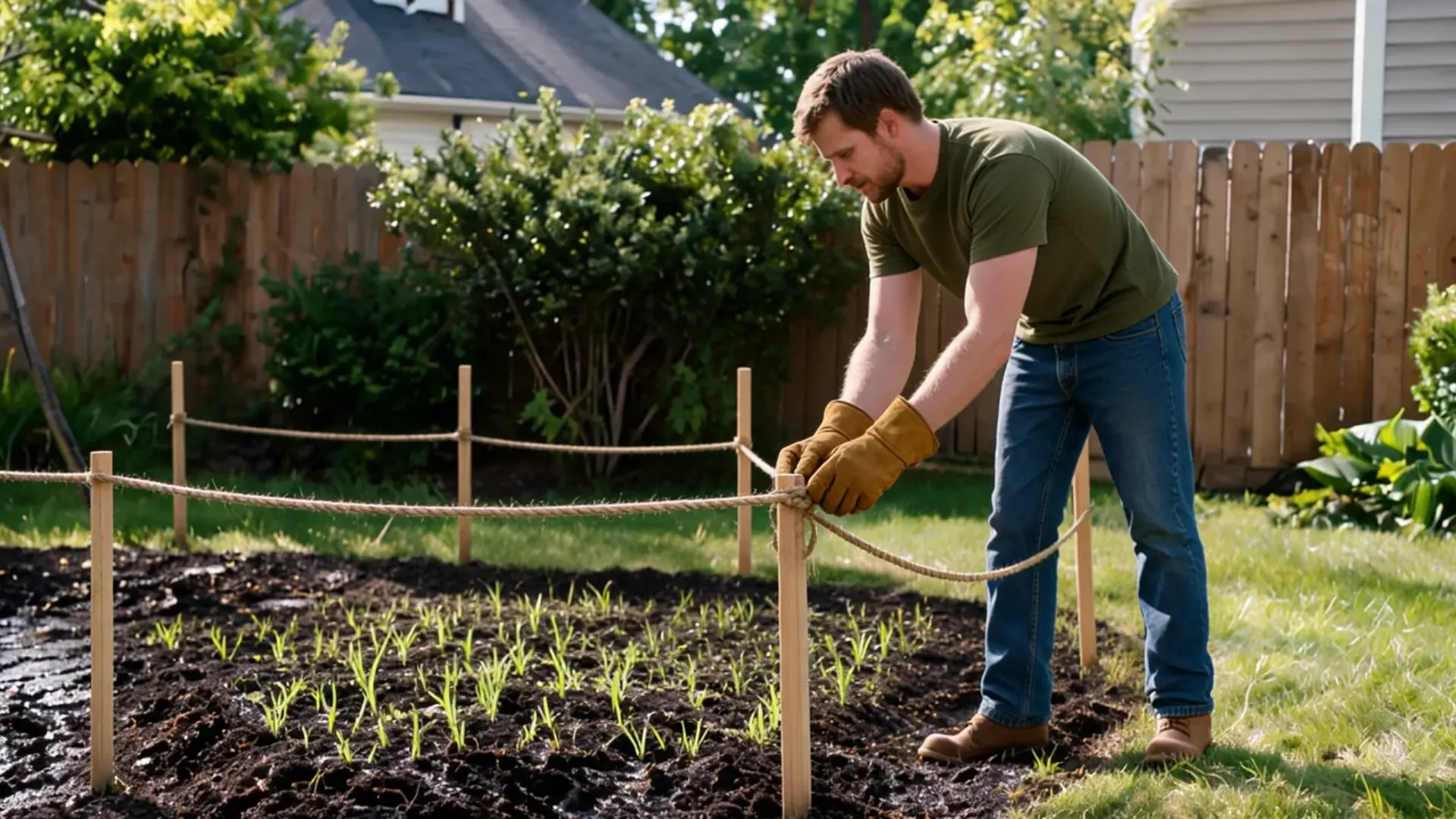
Keep people, pets, and lawn equipment off the seeded area while the grass becomes established. Even light traffic can damage young seedlings or loosen shallow roots. Germination may take 10 to 28 days, and early growth can look uneven.
Wait until the grass is firmly rooted before mowing. Since it spreads slowly, full coverage may take more than one growing season.
With warm soil, even moisture, and limited traffic, young grass has the best chance to establish. Continue checking coverage and root strength before moving into regular mowing, watering, and seasonal lawn care.
Common Seeding Mistakes You Should Avoid
Small planting mistakes can delay germination, weaken seedlings, or leave thin and patchy areas. Watch for these common problems when starting from seed.
- Cool soil: Planting before the soil warms can slow or prevent germination.
- Deep planting: A thick layer of soil may block small seeds from reaching the surface.
- Dry surface: The top layer of soil must stay evenly moist while seeds sprout.
- Too much seed: Heavy seeding creates crowded seedlings that compete for water, light, and nutrients.
- Extra fertilizer: New grass needs little fertilizer, and too much can burn or stress young growth.
- Early traffic: Walking, pets, and lawn equipment can damage seedlings and loosen shallow roots.
Use gentle watering, protect the area, and give the grass enough time to establish. Careful planting and steady moisture will support more even coverage.
Centipede Grass Through the Seasons
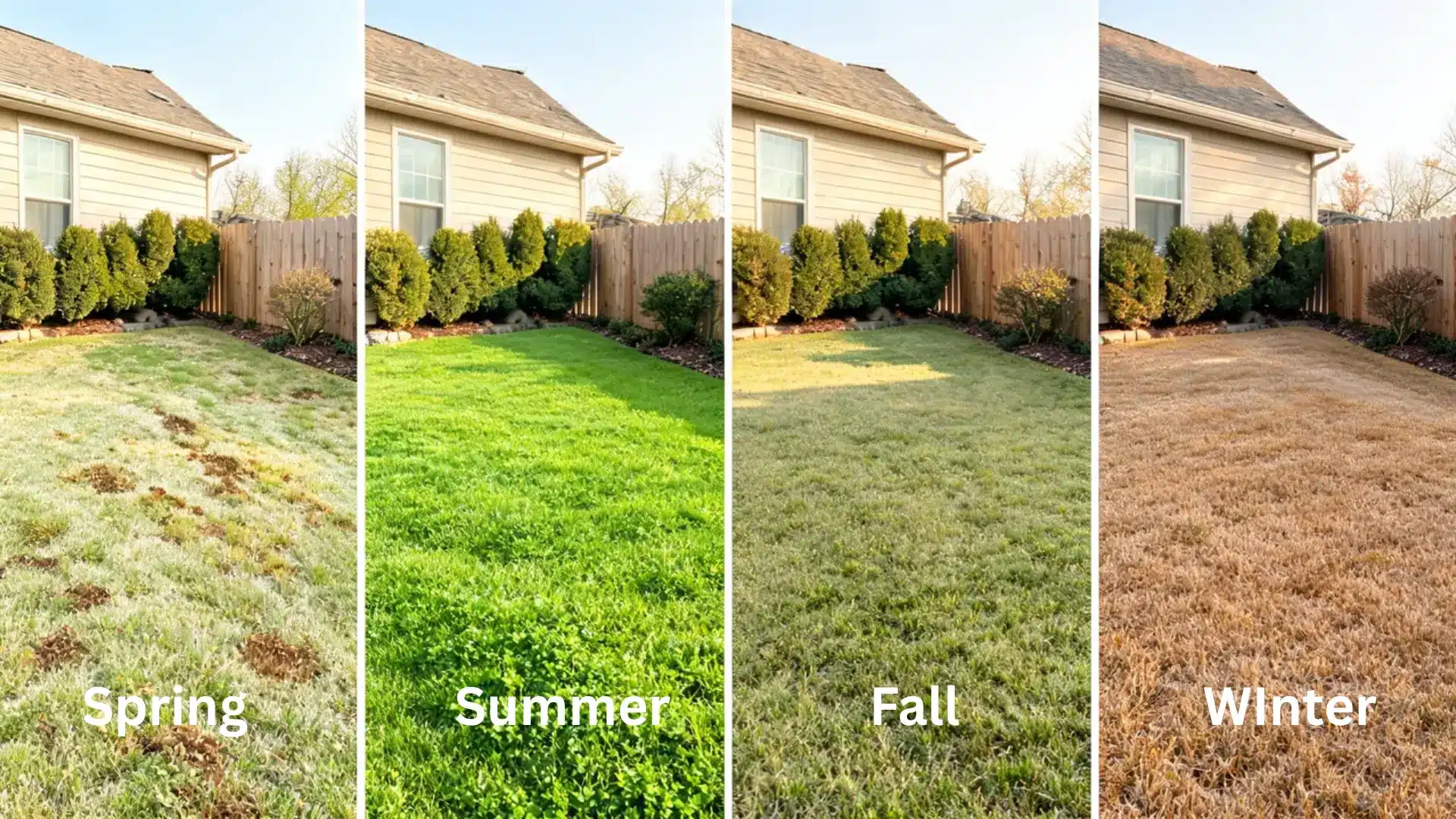
This grass changes as temperatures rise and fall. Its growth, color, and basic care needs shift throughout the year.
- Spring: The lawn begins turning green as the soil warms, though early growth may remain slow. Wait for active growth before mowing or feeding, and check for winter damage.
- Summer: Growth is strongest during warm summer weather. Mow as needed, water when blades wilt, and watch for pests, disease, or drought stress.
- Fall: Growth slows as temperatures drop, so mowing becomes less frequent. Remove fallen leaves and stop nitrogen feeding before the first expected frost.
- Winter: This grass becomes dormant and usually turns brown. Avoid fertilizer, limit foot traffic, and water only during long dry periods.
These seasonal changes affect when routine care should happen. Proper mowing, watering, feeding, and soil care help the lawn handle each stage.
How to Care for Centipede Grass
This grass needs less care than many lawn grasses, but timing still matters. Mowing, watering, feeding, and soil checks work together. Good habits can prevent thinning, yellowing, weak roots, and avoidable lawn damage.
1. Mowing and Watering
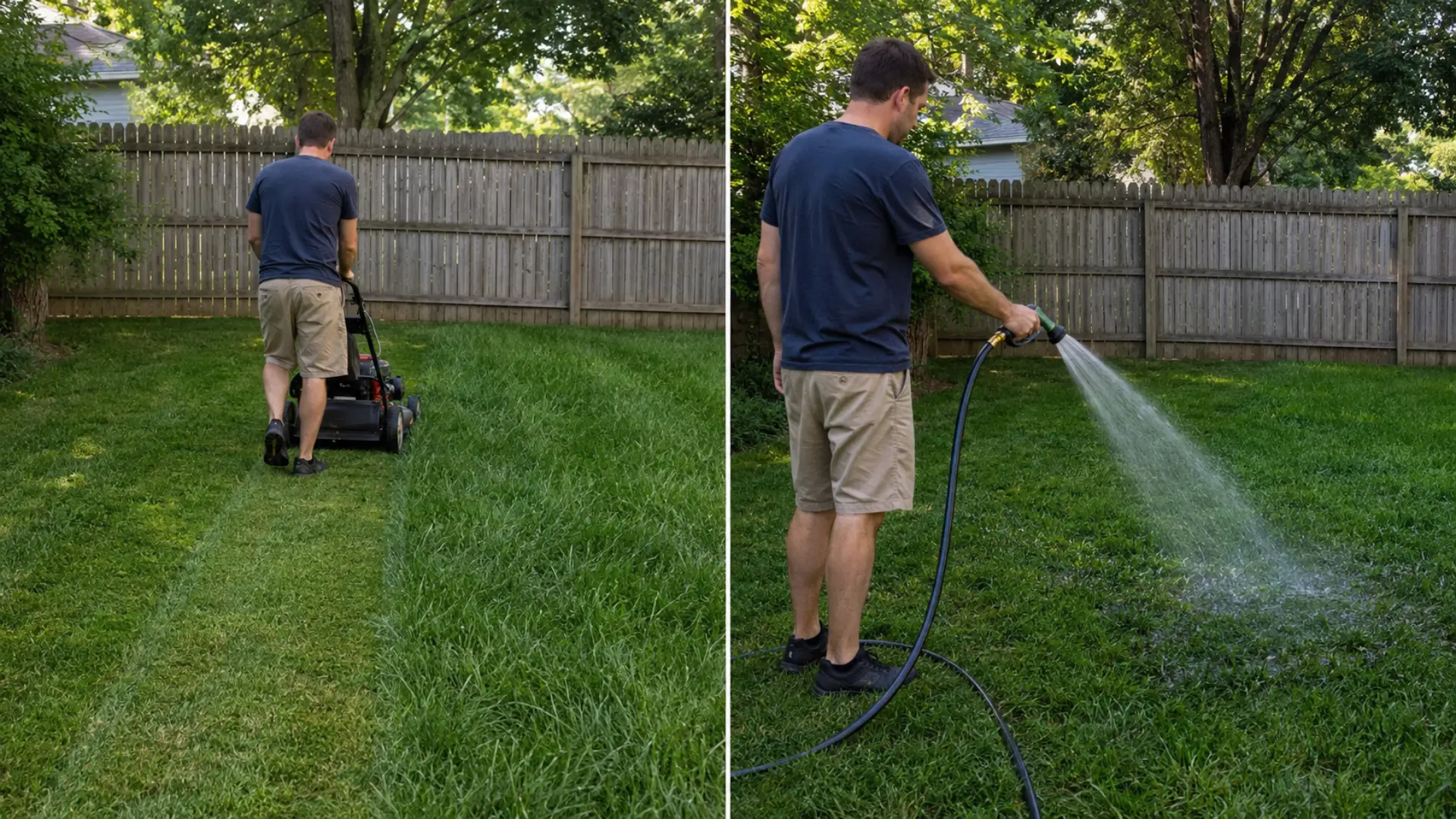
Keep the grass between 1½ and 2 inches tall. Mow according to growth rather than a fixed weekly schedule. Never remove more than one-third of the blade at once. Use a sharp mower blade for cleaner cuts and less stress.
Water when the blades wilt, fold, or turn gray-green. Soak the soil deeply instead of wetting only the surface. Sandy soil dries faster and may need more frequent checks. Avoid constant light watering because it keeps roots near the surface.
2. Fertilizer and pH
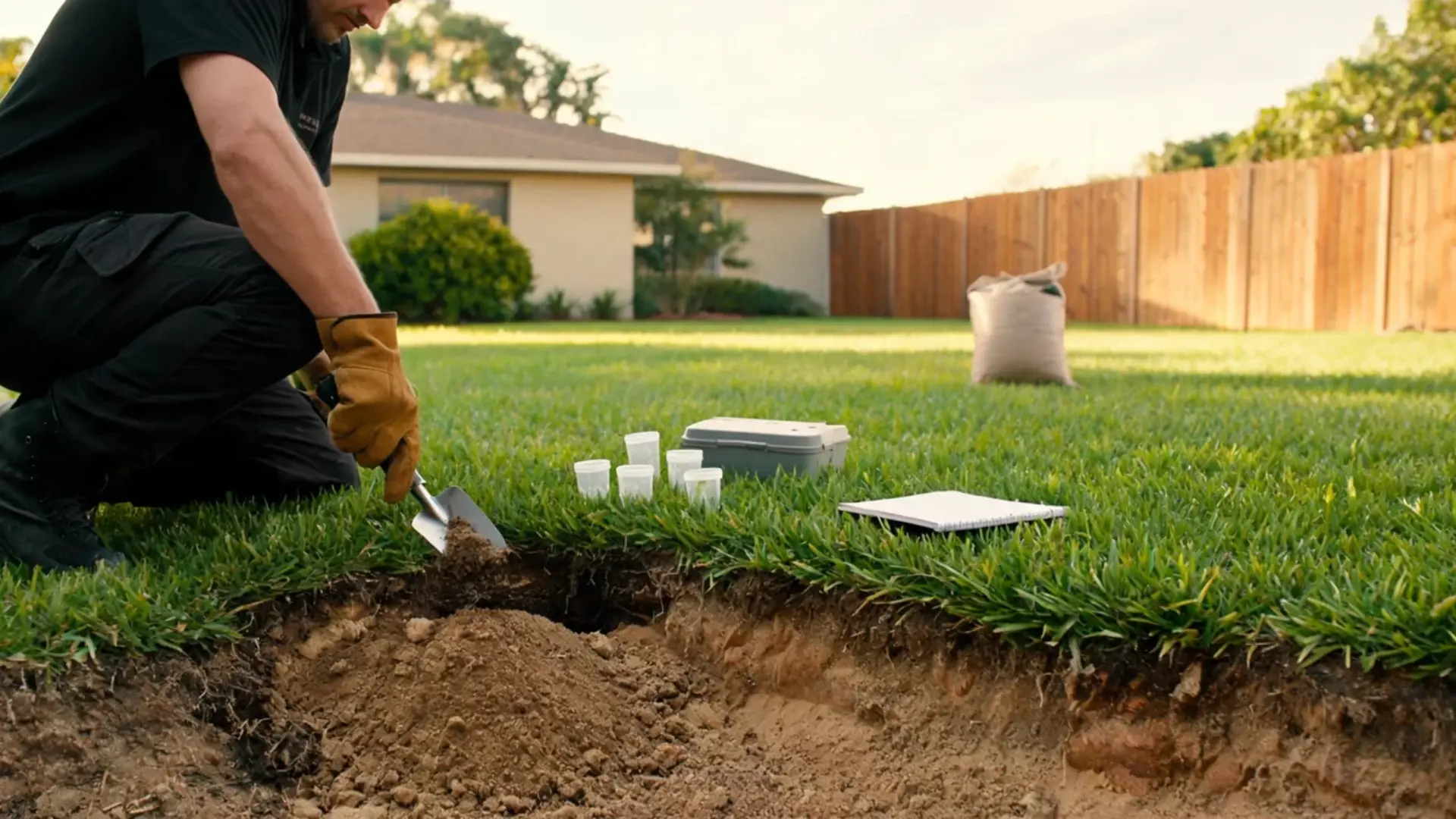
This grass needs less nitrogen than many lawn grasses, and timing feedings to its active growing window matters more than sticking to a fixed calendar date. Too much nitrogen can cause weak growth, thatch, disease, and cold damage, so avoid feeding during fall and winter.
A soil test shows which nutrients the lawn needs. Add lime, sulfur, or iron only when results support them. Keep the soil pH between 5.0 and 6.0. Higher pH can limit iron uptake and cause yellowing.
3. Weeds, Pests, and Disease
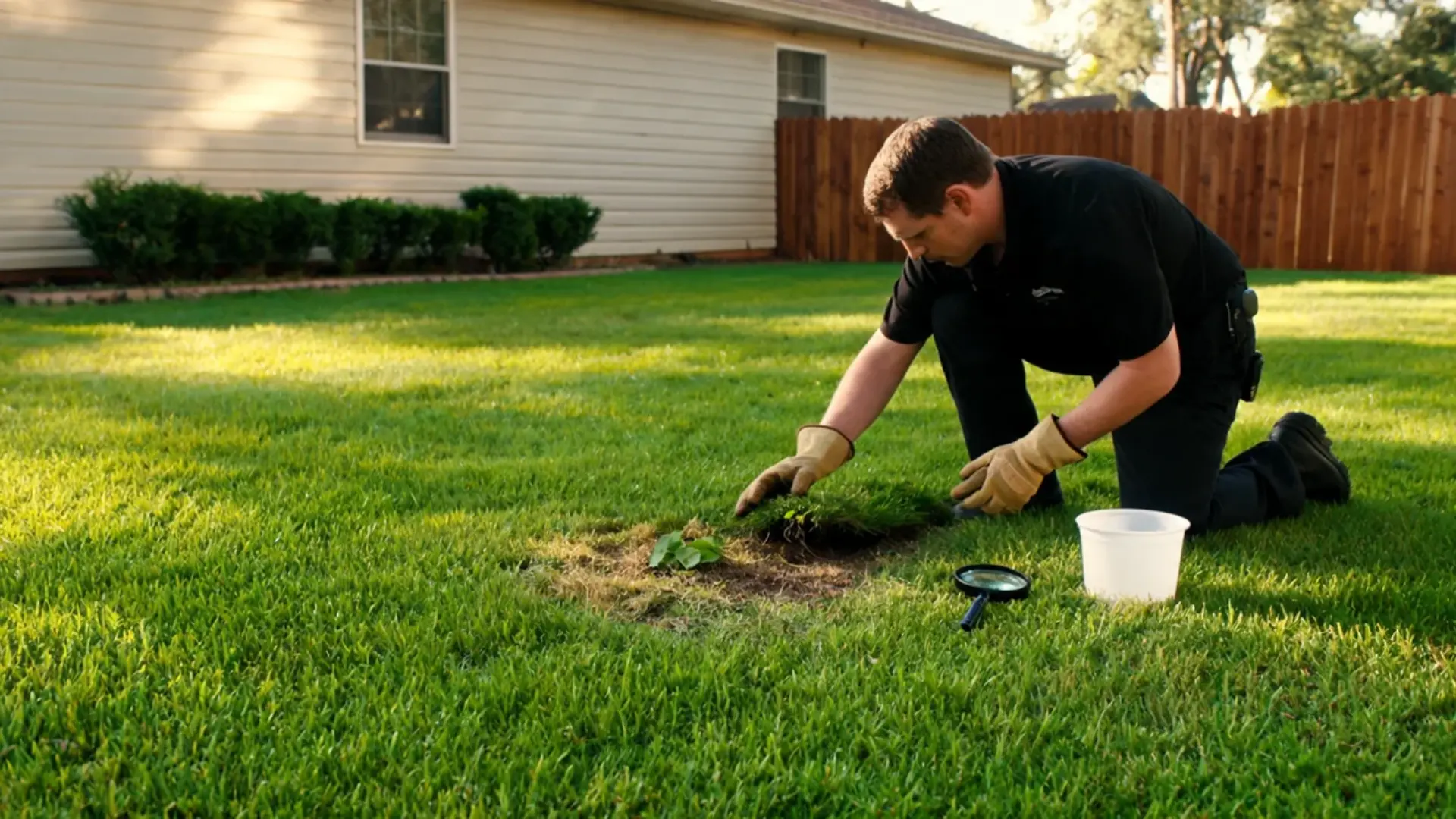
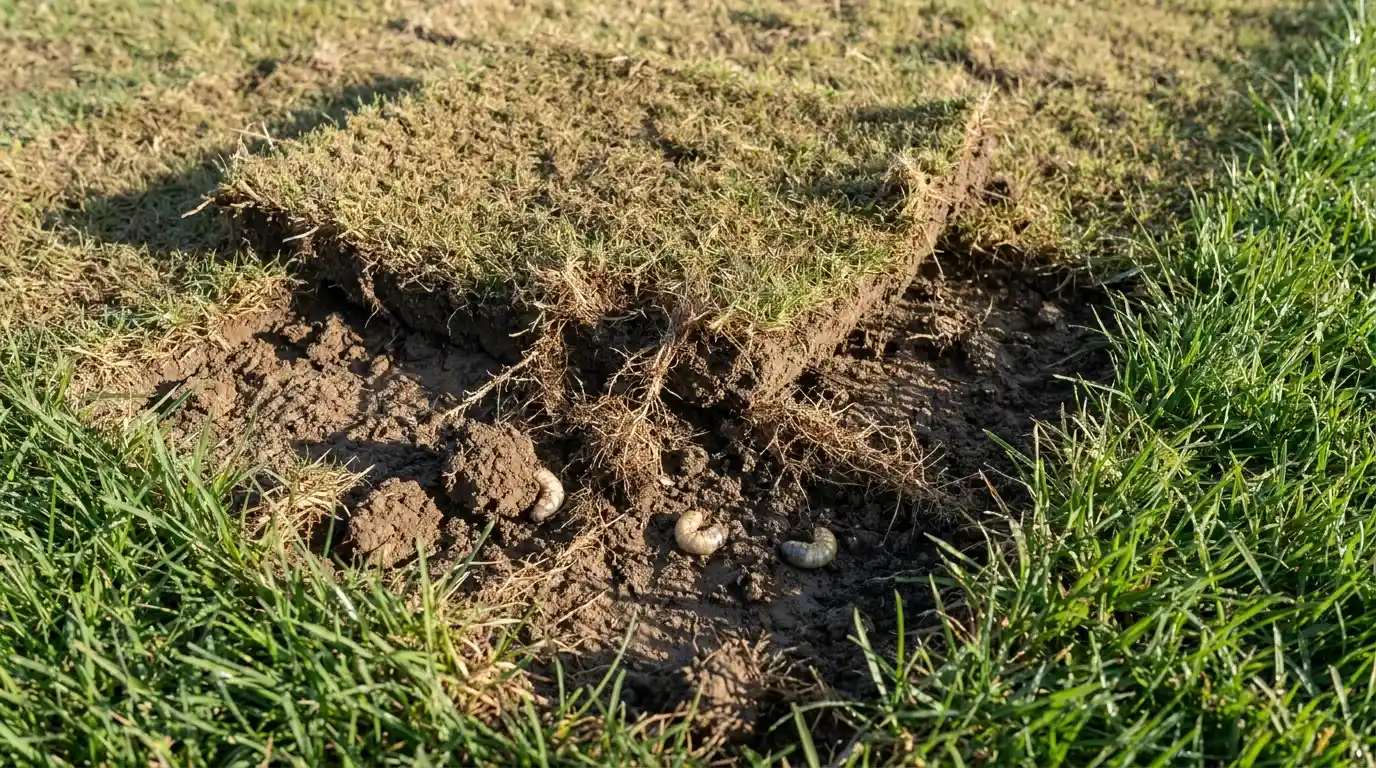
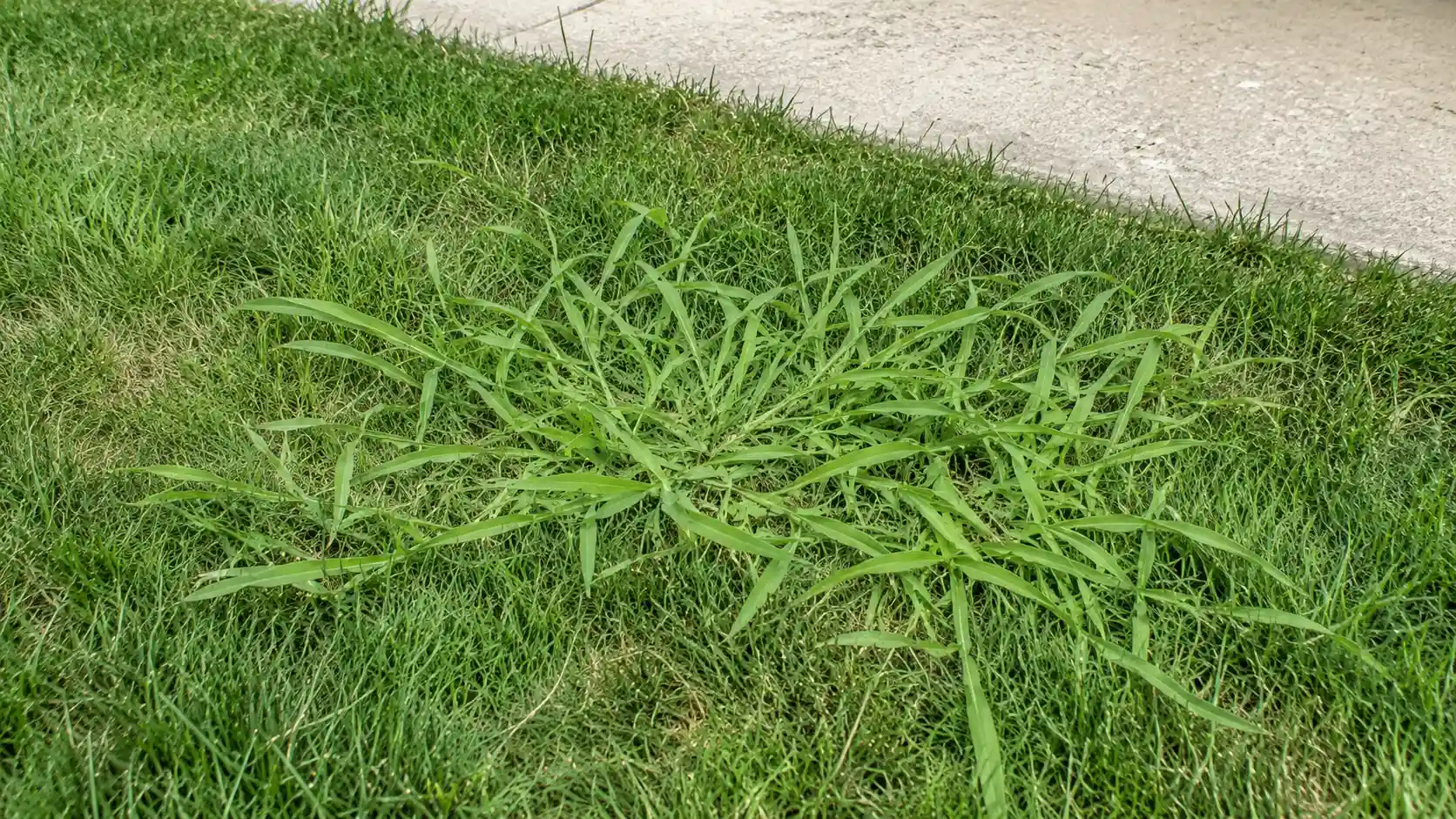
Use only weed-control products labeled for centipede grass. Follow the correct timing and label rate. Avoid treating heat-stressed or dry grass. White grubs, mole crickets, and sod webworms may cause thinning patches.
Wet soil and excess fertilizer can raise disease risk, and University of Georgia Extension ties much of the late spring and summer decline seen in this grass back to overfertilization. Check moisture, recent feeding, and damage patterns before using a fungicide. Confirm the cause before treatment because drought, insects, and disease can produce similar signs.
Correct identification helps you choose the right treatment. It also prevents products from causing more stress or damage.
Other care needs: Aerate only when soil becomes compacted, or water cannot enter easily, and do it during active growth. Dethatch only if the layer exceeds half an inch, since heavy removal can damage stolons. Trim nearby plants and reduce foot traffic, using paths or stepping stones to protect weak areas.
These care habits work best when applied together. Regular checks help you spot small issues before they spread. Even with good care, changes in color, thickness, or growth may appear.
Common Centipede Grass Problems
These problems often show through changes in color, thickness, or growth. Check soil, moisture, weather, and recent treatments before applying any product.
- Color and water problems: Yellow or pale grass may indicate high soil pH, low iron, dry soil, or poor drainage. Check moisture, drainage, and soil test results before adding fertilizer, sulfur, lime, iron, or another treatment to avoid making the problem worse.
- Bare areas and slow growth: Thin or bare spots often result from shade, heavy traffic, compacted soil, poor planting, or uneven germination. Because it spreads slowly, check sunlight, moisture, soil condition, and lawn use before adding seed or repairing damaged areas.
- Pest, disease, and fertilizer damage: Brown patches, loose grass, or roots that pull up easily may signal pests or disease. Wet soil and heavy feeding can raise disease risk, while fertilizer burn often follows overfeeding. Confirm the cause before applying insect control, fungicide, fertilizer, or other products.
- Winter browning: Winter browning is usually normal dormancy, but hard freezes can damage sections or delay spring growth. Wait for steady warm weather before repairing. If browning continues, inspect roots and check drainage, pests, cold injury, and recent treatments.
These problems can help you judge how well this grass matches your yard.
Is Centipede Grass Right for Your Yard?
Centipede grass can be a strong choice for warm-climate yards with mild winters, acidic soil, steady moisture, and a fair amount of sunlight. Its slow growth often means less mowing, fewer fertilizer applications, and lower maintenance than many faster-growing lawn grasses.
However, it may not perform well in yards with heavy foot traffic from children, pets, or frequent visitors.
Cold winters, deep shade, alkaline soil, poor drainage, and long dry periods can lead to thinning, discoloration, and slow recovery. Since it spreads gradually, damaged areas may also take longer to fill in.
Before planting, compare these needs with your climate, soil pH, sunlight, drainage, and daily lawn use. This check will help you decide whether it is a practical choice for your yard.
Frequently Asked Questions
Can this grass grow in clay soil?
It can grow in acidic clay soil when drainage is good. Heavy clay may hold excess water and become compacted. Loosen the soil before planting and correct areas where water collects.
Does it spread into flower beds?
It can spread into nearby beds through its above-ground stolons. However, it spreads less aggressively than Bermuda grass. Regular edging can usually keep the runners within the lawn.
Why does it produce seed heads?
Seed heads are a normal part of its growth and do not always signal a problem. Routine mowing can remove them when they appear above the lawn.
Can it be mixed with another lawn grass?
It is usually planted alone rather than mixed with another warm-season grass. Different grasses may have separate mowing, feeding, and sunlight needs, which can make the lawn uneven.
Are there different varieties available?
The common type is widely used, while TifBlair offers better cold tolerance in some areas. Local availability and performance can vary, so check regional advice before choosing seed.
Final Thoughts
A low-care lawn begins with choosing grass that fits your yard. Centipede grass can be a smart option when the growing conditions support its natural needs.
It performs best in warm climates with acidic soil, steady moisture, good drainage, and light foot traffic. Deep shade, poor drainage, hard freezes, and frequent use can lead to thinning and slow recovery.
Before buying seed, check your soil pH, sunlight, drainage, winter temperatures, and traffic levels. These simple steps can help you avoid wasted money, repeated repairs, and unnecessary lawn treatments.
The right planting time, proper soil preparation, and steady early care will give your lawn a stronger start. Could this grass earn a place in your yard? Share your thoughts in the comments below.