A new roof is one of those home upgrades you do not want to guess on. You want something that protects your house, fits your budget, and makes sense in years to come.
That is why many homeowners ask, how long do metal roofs last? It is a fair question, right?
Metal roofing can look simple from the outside, but the real value depends on the material, the installer, the weather around your home, and how well the roof is cared for.
I’ll walk you through the key details in a clear way, so you can compare the benefits, drawbacks, and long-term value before deciding if a metal roof belongs on your home without getting buried in confusing roofing sales talk
How Long Do Metal Roofs Last?
A metal roof typically lasts 40 to 70 years when installed correctly. Steel and aluminum roofs usually last for several decades, while copper and zinc can last longer because they resist corrosion well and age more slowly.
The exact lifespan depends on the full roofing system, not just the metal itself. Panel thickness, coating quality, fastener type, underlayment, ventilation, and roof slope all affect how the roof performs over time.
Local conditions also matter. Salt air, heavy snow, strong sun, and frequent hail can shorten a roof’s life if the wrong product is used. Regular checks help catch loose fasteners, scratches, or coating damage before small problems turn into costly repairs later.
Is It a Good Choice for Your Home?
Choosing a metal roof is about balancing upfront cost with long-term value. The right option depends on your budget, local regulations, and access to experienced installers.
- Good Long-Term Investment: Works well for homeowners who want durability and fewer roof replacements over time.
- Check Local Requirements: HOA rules and neighborhood guidelines may limit certain colors, finishes, or roofing materials.
- Hire the Right Contractor: Proper installation is essential for metal roofing to perform as intended.
- Consider Overall Fit: Budget, home style, climate, and local contractor availability should all factor into the decision.
Pros and Cons of Metal Roofs at a Glance
Metal roofs can be a strong choice, but they are not perfect for every home. Before looking at material types, costs, or maintenance, it helps to see the main benefits and tradeoffs side by side.
| Pros of Metal Roofs | Cons of Metal Roofs |
|---|---|
| Long Lifespan – Can last for several decades with proper installation and maintenance. | Higher Price – Usually costs more upfront than asphalt shingles. |
| Storm Performance – Handles heavy rain, snow, and strong winds well. | Sound Concerns – Rain and hail may sound louder without proper insulation. |
| Fire Resistance – Non-combustible material that adds an extra layer of protection. | Dent Potential – Some panels can dent from large hail or falling branches. |
| Heat Reflection – Reflective coatings can help reduce attic heat buildup. | Skilled Labor Required – Installation mistakes can lead to leaks and performance issues. |
| Less Breakdown – Won’t curl, crack, or lose granules like shingles. | Repair Matching – Matching panel colors and profiles later can be challenging. |
| Recyclable Material – Often contains recycled content and can be recycled again. | HOA Restrictions – Some neighborhoods limit roof materials, colors, or styles. |
| Clean Appearance – Available in many styles that suit both modern and traditional homes. | Expansion Movement – Metal expands and contracts with temperature changes and needs proper installation. |
Metal Roof Lifespan by Material
The type of metal you choose can change how long your roof lasts. Steel, aluminum, copper, and zinc each age differently, so it helps to know what you are paying for before comparing options or talking with a roofing contractor.
1. Steel Metal Roofs
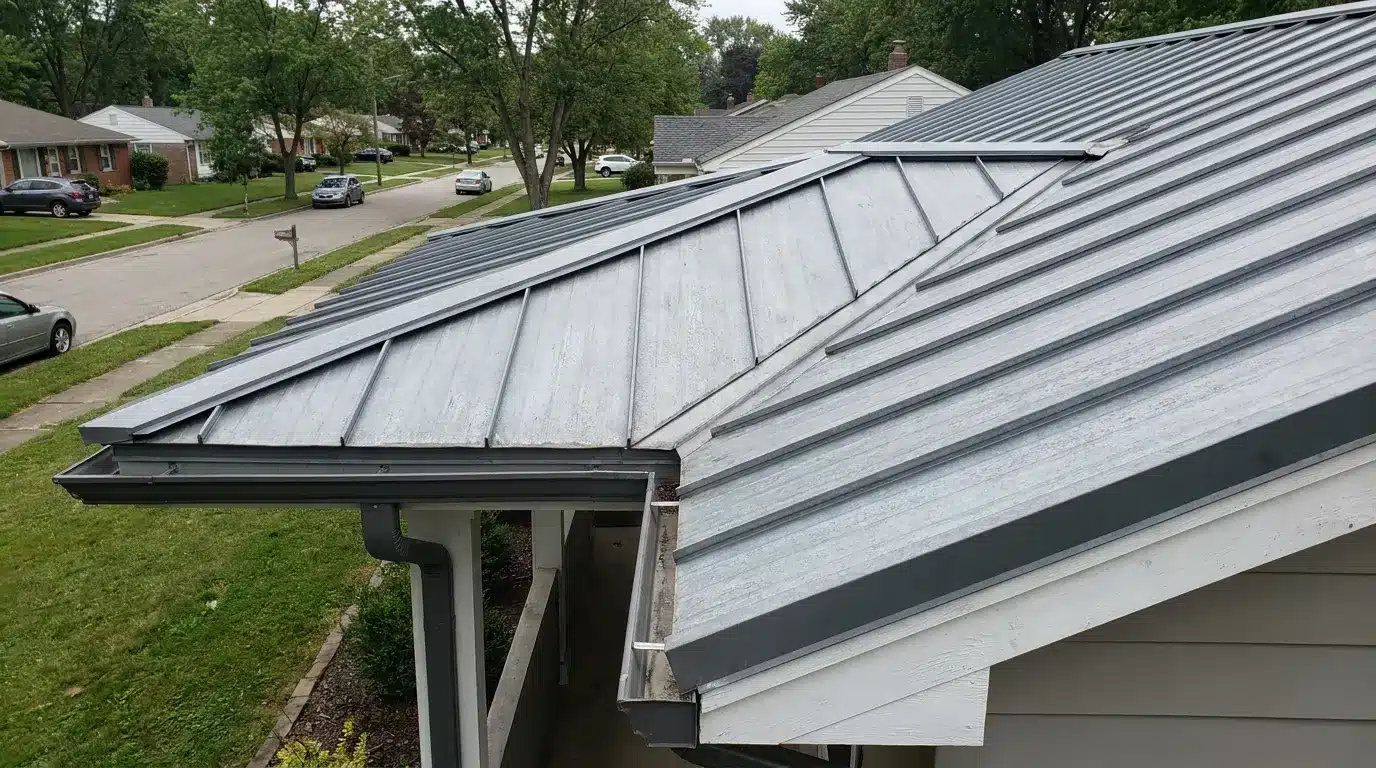
Steel metal roofs usually last about 40 to 60 years when they have a quality protective coating and are installed correctly. Steel is one of the most common choices for homes because it is strong, widely available, and works well for many roof styles.
The main thing to watch is rust. Galvanized or Galvalume-coated steel helps protect the surface, but scratched areas, cut edges, and exposed fasteners should be checked to prevent early corrosion.
Note: If you choose steel, ask what coating is being used. The coating matters because it protects the steel underneath, especially around seams, edges, and fastener points.
2. Aluminum Metal Roofs
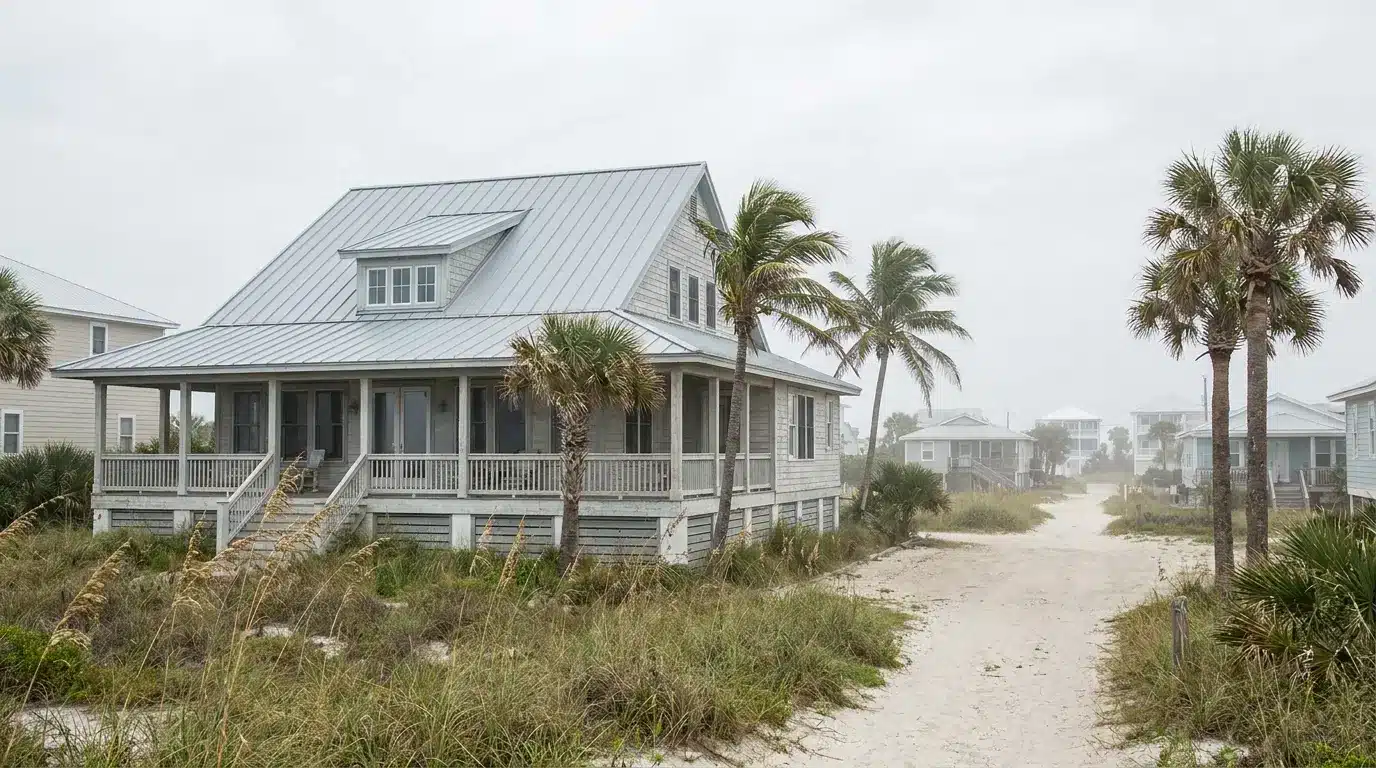
Aluminum metal roofs often last around 40 to 50 years, depending on the panel quality, finish, and local conditions. Aluminum can be a smart choice for homes near salt air because it does not form red rust like steel. That makes it useful in coastal and humid areas.
It is also lighter than steel, which can be beneficial for certain roof structures. The tradeoff is that aluminum is softer, so panel thickness and shape matter if impact damage is a concern.
Note: Aluminum is often chosen less for maximum lifespan and more for corrosion resistance, especially where salty air would wear down other materials faster.
3. Copper and Zinc Metal Roofs
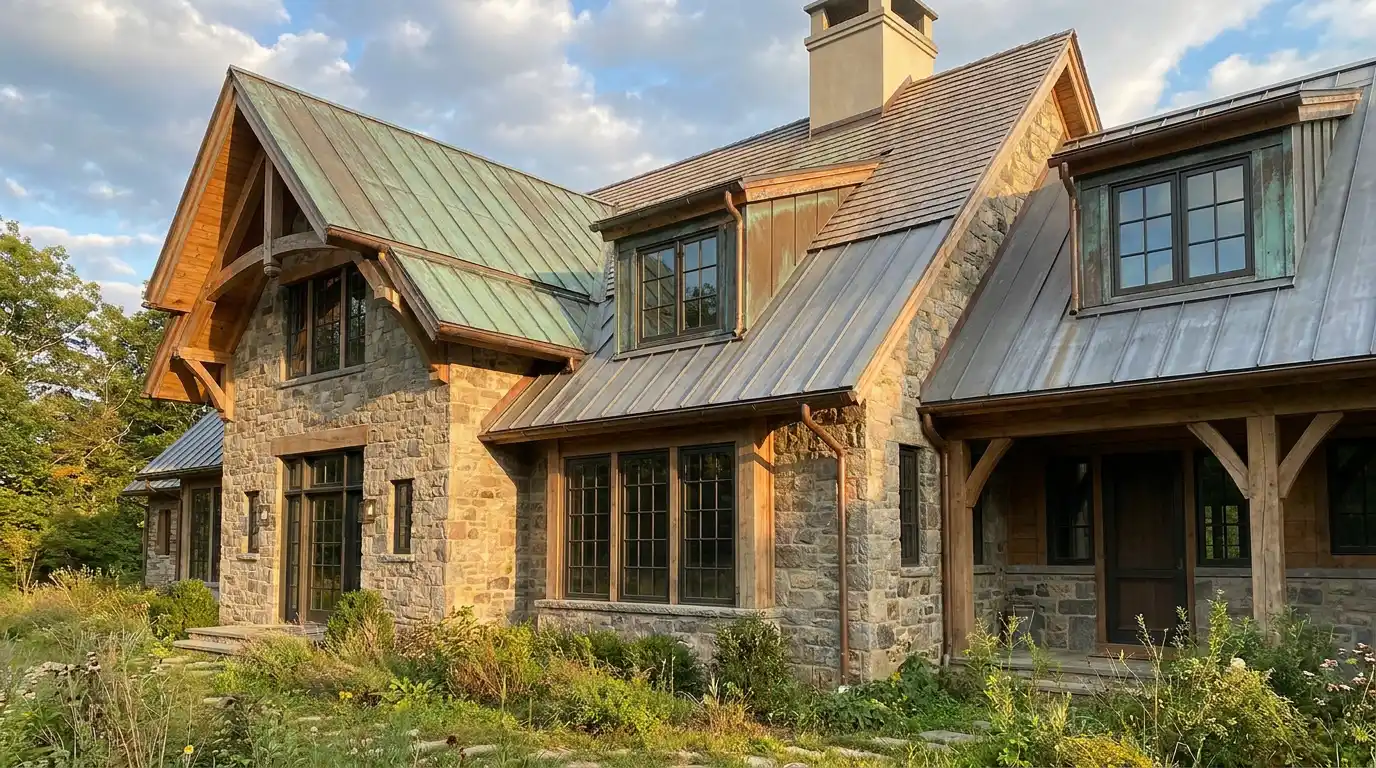
Copper and zinc are premium metal roofing materials with some of the longest expected lifespans. Copper roofs can last 70 years or more, while zinc roofs can often last 60 to 100 years when installed well. Both metals form a natural surface layer over time that helps protect them from corrosion.
You often see them on historic homes, custom homes, and high-end roof designs. They are not chosen only for lifespan, though. Their natural aging process also changes the roof’s appearance over time.
Note: Copper and zinc change color as they age, so the roof you install may not look the same years later. That natural change is part of their appeal for many homeowners.
What Affects How Long a Metal Roof Lasts?
Several factors affect how long a metal roof lasts. The metal matters, but so do the coating, panel design, fasteners, installation, ventilation, and local weather. When these parts work well together, the roof has a better chance of lasting for decades.
- Metal Type: Steel, aluminium, copper, and zinc age in different ways. Steel is strong and common, aluminum works well near salt air, and copper or zinc can last longer when installed correctly.
- Panel Thickness: Thicker panels often handle impact and movement better than thinner panels. This can matter in areas with hail, falling branches, or heavy snow.
- Protective Coating: Coatings help protect the metal from rust, fading, and surface wear. Scratches, cut edges, and worn spots should be checked before they spread.
- Fastener System: Standing seam roofs hide the fasteners, which helps protect them from rain and sun. Exposed-fastener roofs can still perform well, but the screws may need more routine checks.
- Installation Quality: Poor work around seams, valleys, vents, chimneys, and skylights can shorten the roof’s life. Metal roofing needs trained installers because small mistakes can lead to leaks.
- Ventilation and Underlayment: Good airflow and the right underlayment help control heat, moisture, and condensation under the roof.
- Local Climate: Salt air, hail, strong sun, heavy snow, and frequent storms can affect how fast a roof ages. The best metal and coating depend on your area.
Metal Roof vs. Asphalt Shingles
When you compare metal roofing with asphalt shingles, you are really comparing a lower upfront cost with stronger long-term performance. Shingles are common and budget-friendly, while metal can make more sense if you want a roof that lasts longer.
| Comparison Point | Metal Roof | Asphalt Shingles | What This Means for You |
|---|---|---|---|
| Lifespan | Usually lasts much longer when installed correctly. | Usually needs replacement sooner. | Metal is better if you want fewer full roof replacements. |
| Durability | Handles moisture, wind, heat, and seasonal changes well. | Can wear faster from heat, storms, and granule loss. | Metal often suits harsher weather better. |
| Upfront Cost | Costs more to install. | Costs less to install. | Shingles are easier on the starting budget. |
| Maintenance | Needs checks for seams, fasteners, flashing, and coatings. | Needs checks for missing, curled, or damaged shingles. | Both need care, but the repair issues are different. |
| Repairs | May need a contractor trained in metal roof systems. | Easier to repair in many areas. | Shingles are often simpler to fix locally. |
| Best Fit | Good for long-term value and durability. | Good for lower upfront cost and shorter ownership plans. | Choose based on budget, weather, and how long you plan to stay. |
Both options can work well when installed correctly. Metal is usually stronger for long-term use, while asphalt shingles are better when upfront cost matters most. Your best choice depends on your budget, local weather, and future plans for the home.
How to Help a Metal Roof Last Longer
Even a strong metal roof needs basic care after installation. This section should focus only on what you can do as a homeowner to protect the roof over time, not on why metal is durable or what affects its lifespan.
- Routine Checks: Inspect the roof once or twice a year and after storms to spot loose trim, surface damage, or unusual changes early.
- Clean Gutters: Keep gutters and downspouts clear so water drains properly and does not collect near roof edges, valleys, or fascia.
- Debris Removal: Remove leaves, branches, and dirt buildup, as trapped debris can retain moisture, scratch coatings, and slow water flow.
- Tree Control: Trim nearby branches to reduce scratches, damage from falling limbs, leaf buildup, and animal access around roof edges.
- Professional Help: Call a metal roofing professional for leaks, rust, loose panels, flashing damage, or coating problems before they spread.
Signs Your Metal Roof Needs Repair or Replacement
Metal roof problems are easier to handle when you catch them early. Some signs point to a simple repair, while others may indicate the roof is approaching a more serious failure point. Use this table to quickly tell the difference.
| Warning Sign | Repair May Be Enough | Replacement May Be Needed |
|---|---|---|
| Leaks | One small leak near flashing, vents, or fasteners. | Leaks keep coming back in several areas. |
| Fasteners | A few loose or worn fasteners. | Fasteners are failing across large roof sections. |
| Rust | Small rust spots on scratches, edges, or screws. | Rust is spreading across panels or seams. |
| Coating Damage | Minor scratches or small worn spots. | Coating is peeling, chalking, or failing widely. |
| Flashing | Damage around one chimney, skylight, wall, or valley. | Flashing problems appear in several roof areas. |
| Panel Damage | A few bent, dented, or punctured panels. | Many panels are damaged after storms or impact. |
| Roof Age | The roof is still within its expected service life. | The roof is near the end of its expected life. |
Small, isolated issues often point to repair. Widespread damage, repeated leaks, or age-related failure may mean replacement is the smarter choice. A full inspection helps you avoid spending money on short-term fixes that will not last.
Frequently Asked Questions (FAQs)
Why does my metal roof look wavy?
This is often called oil canning. It usually affects appearance rather than performance and is commonly caused by panel stress, decking irregularities, or fastening issues.
Can a metal roof cause condensation?
Yes, condensation can occur when warm indoor air meets a cold roof surface, usually due to poor ventilation or insulation.
Will a metal roof affect Wi-Fi or cell phone signal?
Sometimes, but not always. Most signal issues are caused by router placement, wall construction, or weak reception rather than the roof itself.
Can solar panels be installed on a metal roof?
Yes. Many metal roofs, especially standing seam systems, work well with solar panels and often require minimal roof penetration.
Can metal roofing be installed over old shingles?
In some cases, yes. Local codes and the condition of the existing roof will determine whether installation over shingles is appropriate.
Wrapping Up
A metal roof can be a strong choice if you want long-term value, solid weather protection, and a roof that does not need frequent replacement.
Most metal roofs last 40 to 70 years, but the final result depends on the material, installation, coating, climate, and care.
The main tradeoff is cost. You may pay more upfront, but you may also avoid replacing your roof as often as you would with asphalt shingles.
Before you decide, look at your budget, local weather, home style, and how long you plan to stay in the house. If the numbers make sense and you have a skilled installer, a metal roof can be a smart upgrade.
Check out our other blogs, trips, and tricks to get more info on the metal roofs.