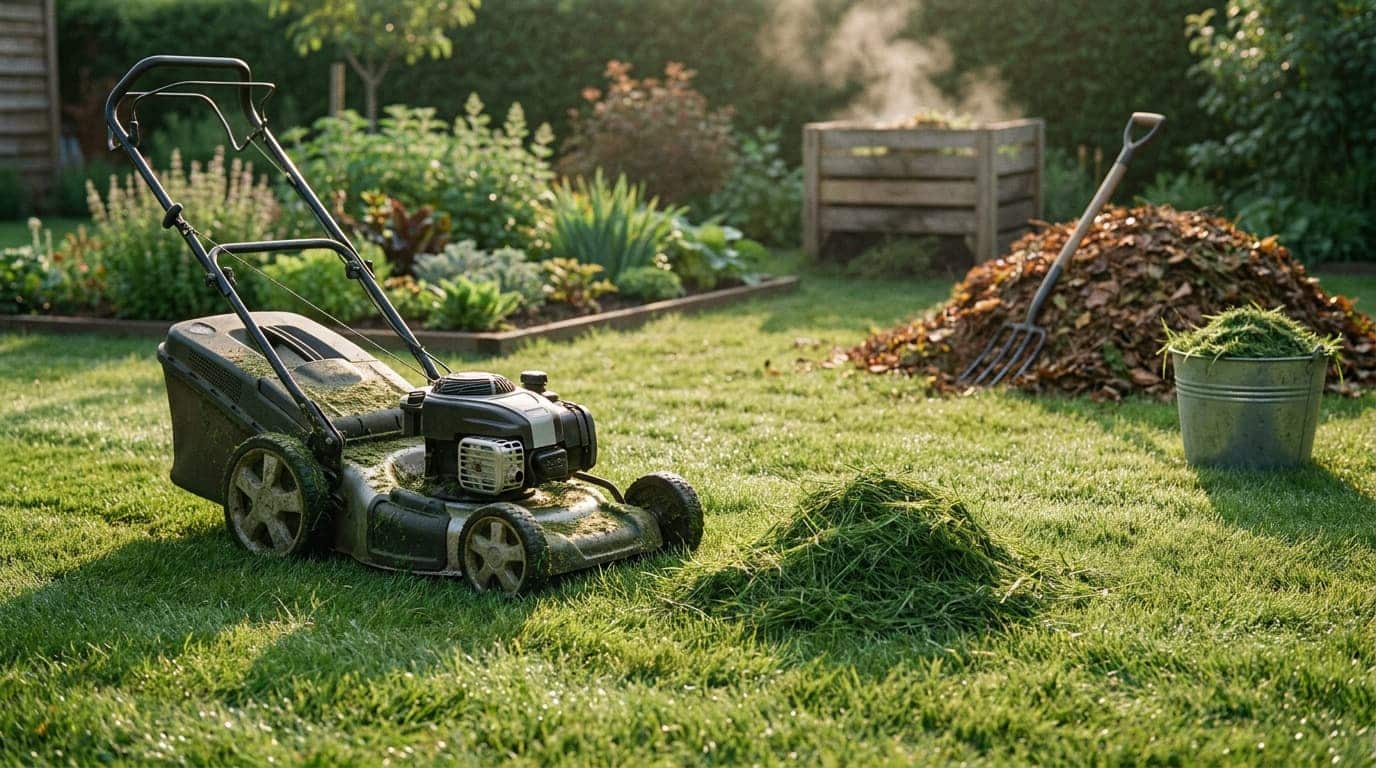
Freshly cut grass can feel like a small problem that keeps coming back after every mow. I know how easy it is to wonder what to do with grass clippings when my yard looks clean, but the mower bag is full.
You want a simple answer that keeps the lawn tidy without adding more waste. The right choice depends on how much grass you have, how it was cut, and whether the lawn was treated with chemicals.
It also helps to know what can go wrong when clippings are handled the wrong way. A few careful steps can make yard cleanup easier, cleaner, and better for the soil without turning it into extra work.
| Difficulty | 1 to 2 out of 5, mostly mowing, drying, spreading, composting, and basic care |
| Time | 10 to 30 minutes after mowing, plus occasional compost turning or mulch refreshing during the growing season |
| Cost | $0 to $50, depending on whether you already have basic lawn and garden tools |
| Tools Needed | Lawn mower or mulching mower, rake, gloves, compost bin, garden fork, bucket, breathable storage bag, mulch material |
| Skill Required | Beginner, no special experience needed, but thin layers, clean clippings, and proper handling matter |
Are Grass Clippings Good for Your Lawn and Garden?
Yes, grass clippings are good for your lawn and garden when used correctly. They contain nitrogen, moisture, and organic matter, which help feed the soil as they break down.
Short clippings decompose quickly, so they can return nutrients to the lawn without making the yard look messy. In garden beds, they can also help protect bare soil and support better moisture control. The important part is to use them in thin, loose layers rather than dumping them in heavy piles.
Thick, wet clippings can smell bad, mat together, block air, and hold too much moisture around plant roots. That can lead to weak growth or other problems. When handled with care, grass clippings can become a simple, useful part of eco-friendly yard care.
What to Do With Grass Clippings: Smart Ways to Reuse
Grass clippings do not have to become waste after mowing. With the right method, you can reuse them safely and keep your yard cleaner.
1. Leave Short Clippings on the Lawn
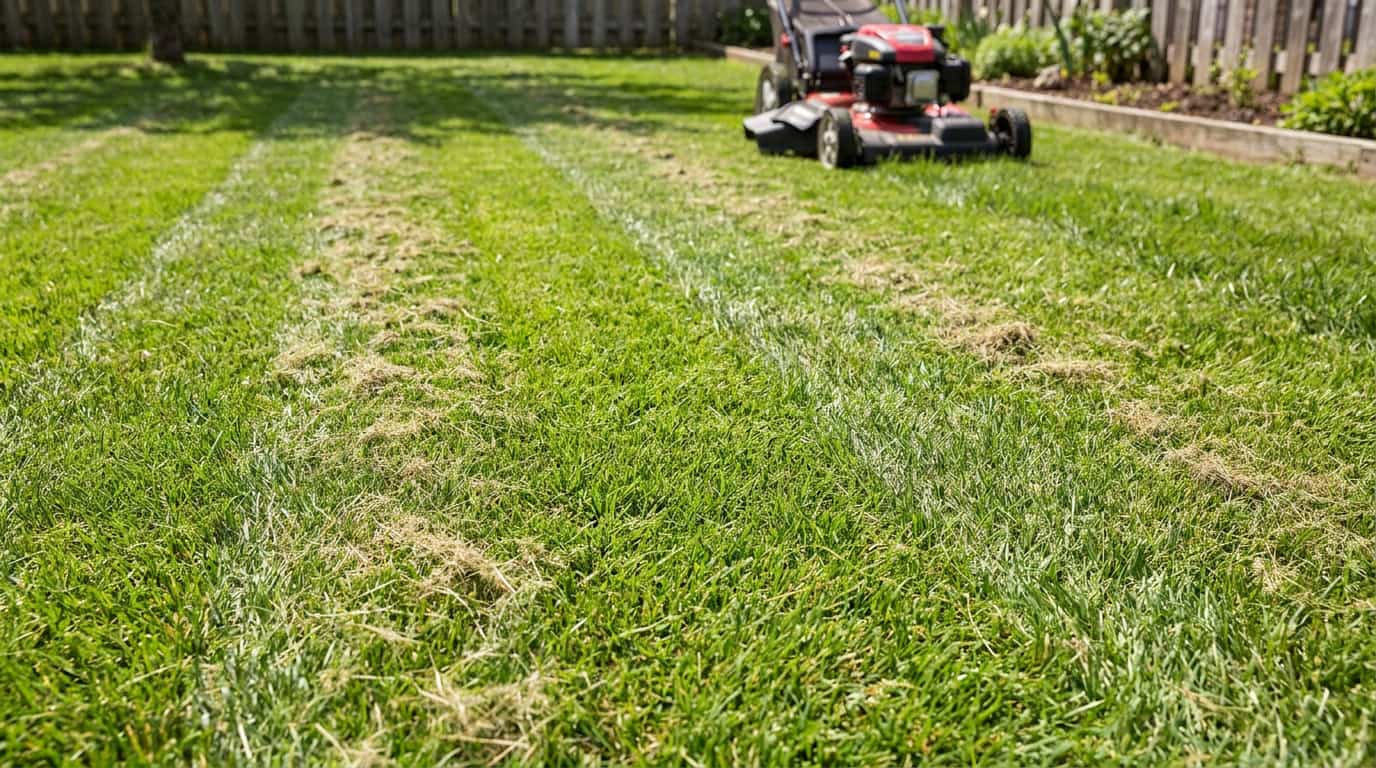
Short, dry clippings can stay on the lawn after mowing rather than go into a bag. This method, called grasscycling, helps return moisture and nutrients to the soil as the clippings break down.
It also saves cleanup time and reduces yard waste. For best results, mow often and avoid cutting more than one-third of the grass blade at once, so clippings stay light and easy to decompose.
Ideal For: Vegetable gardens, flower beds, and around fruit trees where weed control and moisture retention matter most.
2. Use Clippings to Line the Bottom of Raised Beds
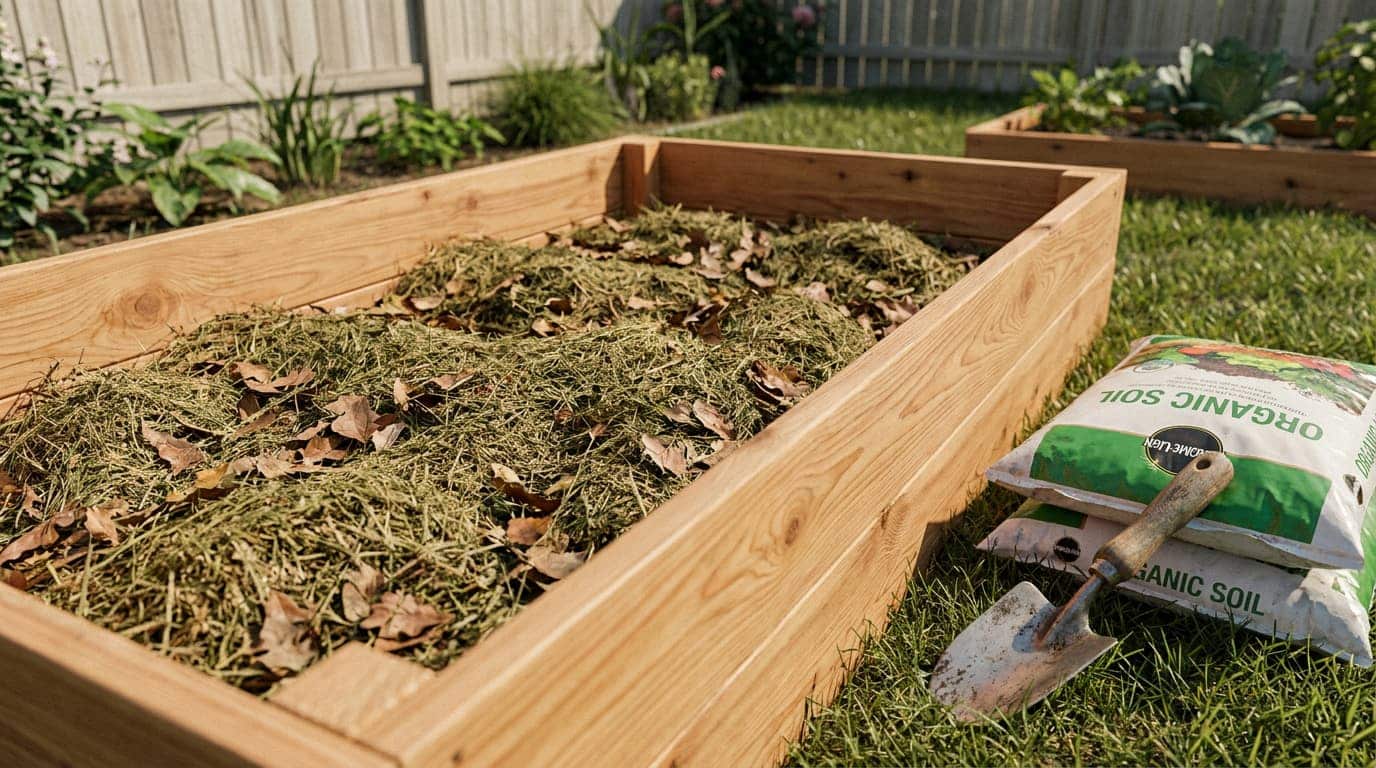
Before filling a raised bed with soil, laying down a layer of dried grass clippings at the bottom is a simple way to add slow-release organic matter from the ground up.
As the clippings break down over weeks, they feed the soil above them, improve moisture retention, and help prevent the base of the bed from compacting too quickly.
Ideal For: Gardeners building new raised beds who want to enrich the soil naturally without buying extra compost or organic filler material.
3. Add Them to Your Compost Pile
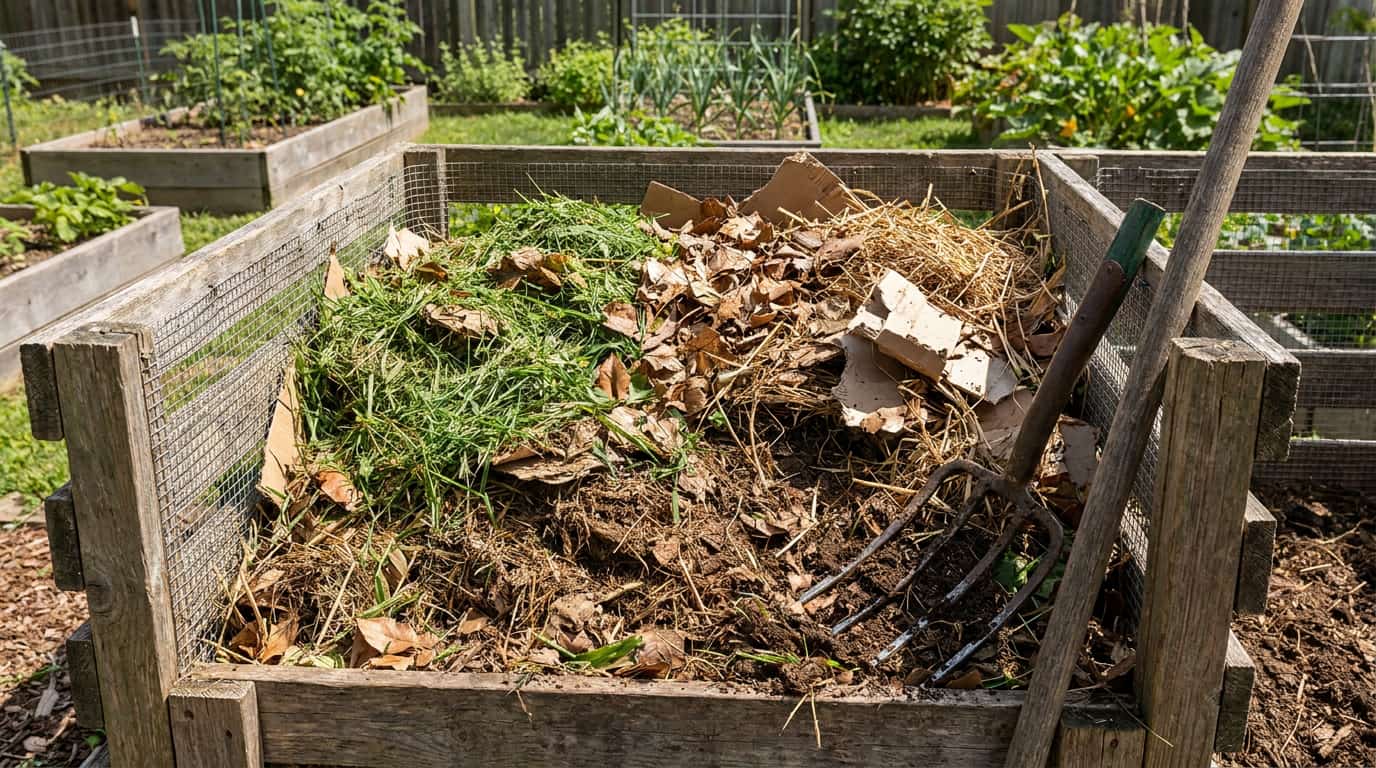
Grass clippings are a nitrogen-rich green material, so they can be a helpful part of a compost pile. The key is balance. Mix them with dry brown materials like leaves, straw, shredded paper, or cardboard.
This keeps the pile from becoming too wet or smelly. Avoid adding thick layers of fresh grass at once. A steady mix of greens and browns helps the compost break down more evenly and makes it easier to manage.
Ideal For: Busy homeowners who want a low-maintenance, cost-saving lawn-care routine without extra steps.
4. Make Grass Clipping Liquid Fertilizer
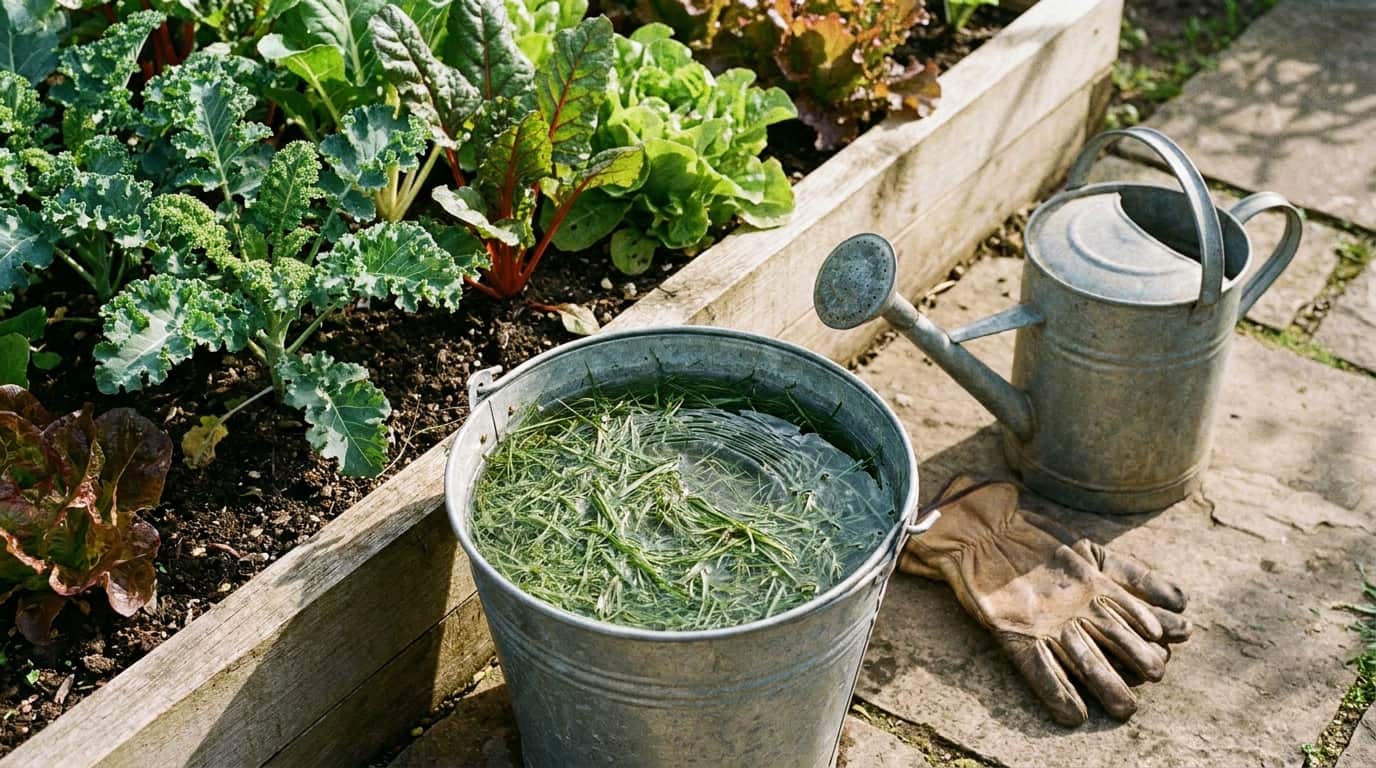
Fresh, untreated grass clippings can be soaked in water to make a simple liquid feed for garden plants. Place the clippings in a bucket, add water, and let them sit for a few days.
After that, strain out the solids and dilute the liquid before using it. This mix can smell strong, so keep it away from sitting areas. Only use clippings from lawns that have not been treated with chemicals.
Ideal For: Gardeners looking for a free, chemical-free liquid feed for potted plants, vegetables, and flowering beds.
5. Use Dried Clippings to Improve Soil
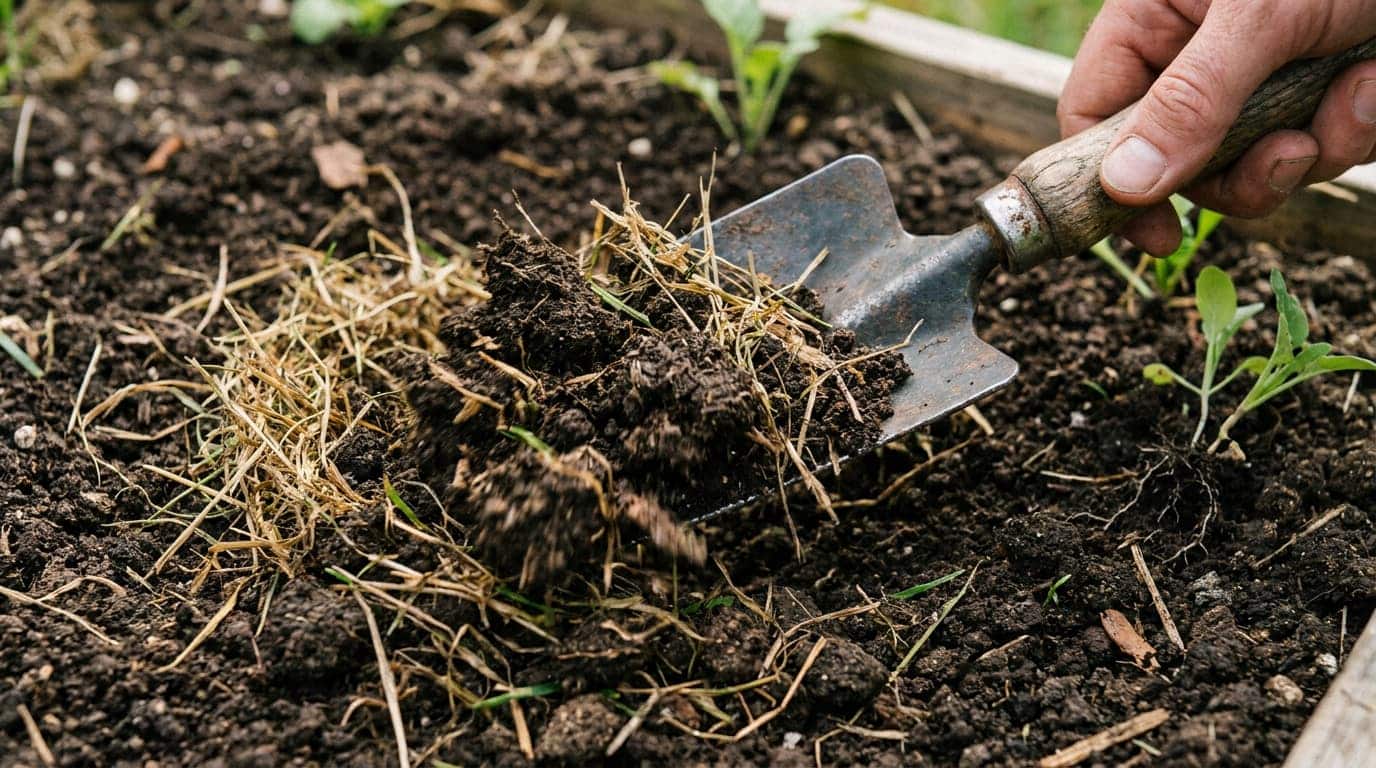
Dried grass clippings can be mixed into garden soil before planting to add organic matter. This can help the soil retain moisture and improve texture over time. They are especially useful when the soil feels too sandy, dry, or compacted.
Make sure the clippings are dry before mixing them in, since fresh wet grass can clump. Use small amounts and blend them well so they break down without causing odor.
Ideal For: Small hobby farmers or pet owners keeping chickens, rabbits, or guinea pigs on chemical-free grass.
6. Offer Untreated Clippings as Animal Feed
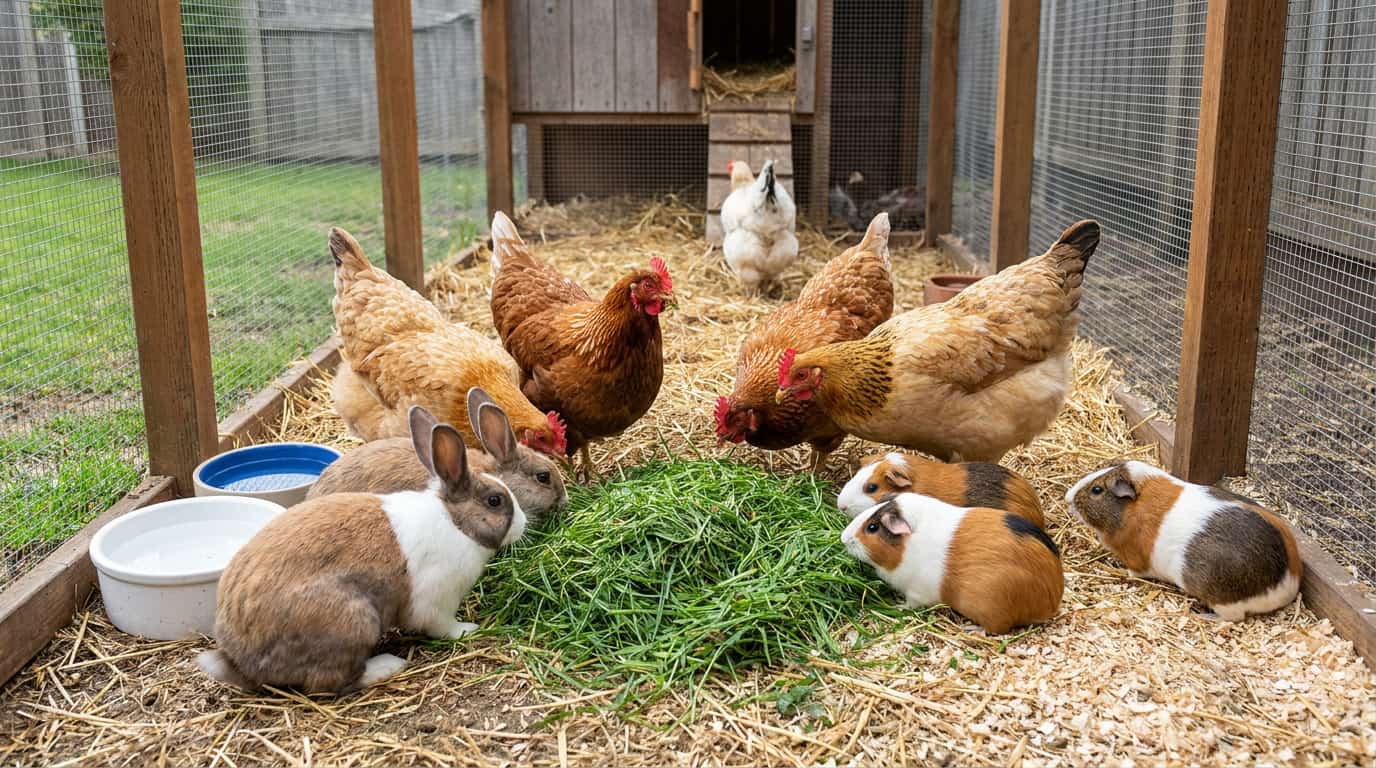
Fresh clippings from an untreated lawn may be useful for some animals, including chickens, rabbits, and guinea pigs. The grass must be clean, fresh, and free from pesticides, herbicides, and fertilizers.
Avoid giving animals grass that is moldy, old, wet, or packed into clumps, as it can spoil quickly. It is also best to offer small amounts at first and ensure the clippings meet the animal’s normal dietary needs.
Ideal For: Gardens with sandy or clay-heavy soil that struggle with drainage, compaction, or poor nutrient retention.
7. Share Extra Clippings Locally
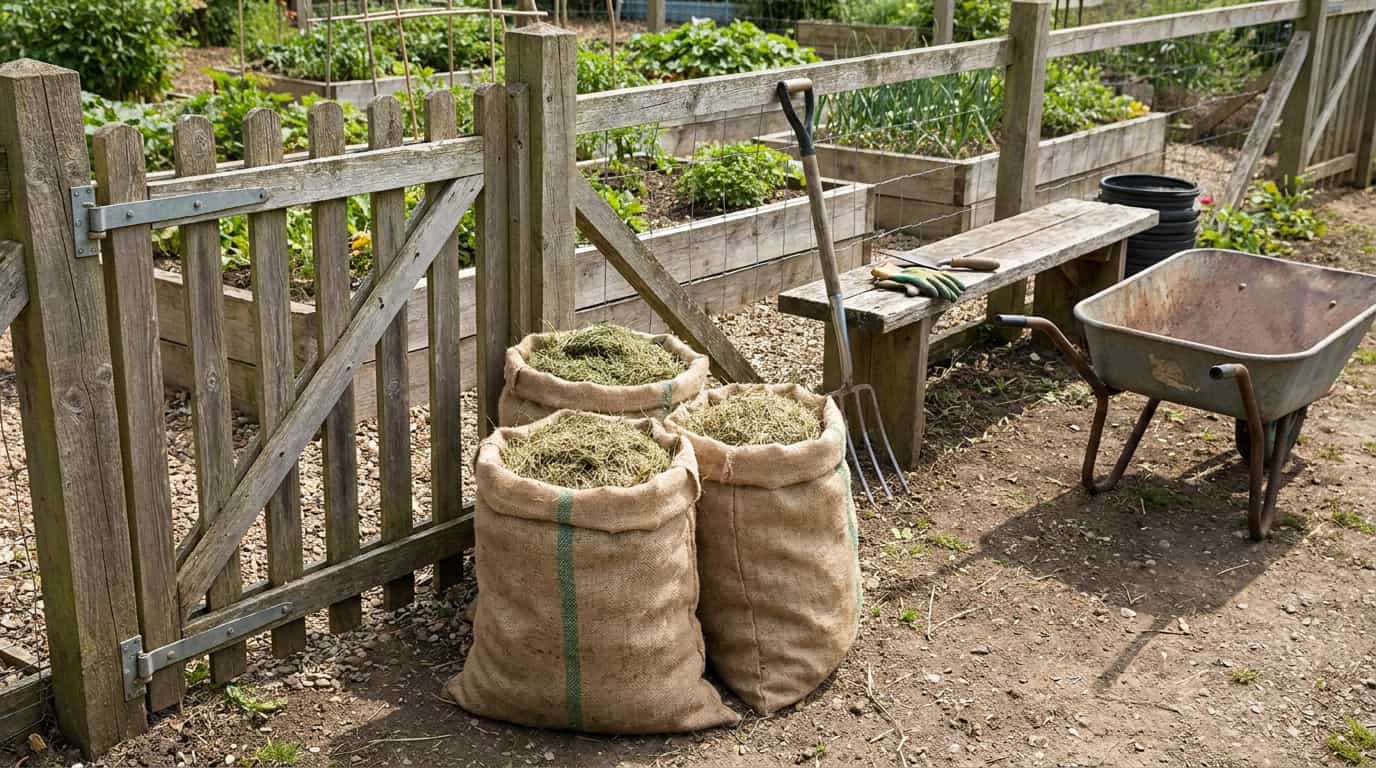
If there are more clippings than the yard or garden can use, sharing them can be a smart option. A community garden, composting program, or nearby gardener may be able to use them as organic material.
This keeps grass out of the landfill and gives someone else a free soil helper. Before sharing, make sure the clippings are clean and untreated. Dry clippings are often easier for others to handle and store.
Ideal For: Homeowners with large lawns who produce more clippings than their own garden or compost pile can handle.
Each option works best when clippings are clean, untreated, and used in the right amount. Start with the method that fits your lawn care routine.
Composting Grass Clippings: Do’s and Don’ts
Composting grass clippings is simple, but balance matters. The right mix keeps the pile active, while too much fresh grass can turn slimy fast
| Do | Don’t |
|---|---|
| Mix grass clippings with dry browns, such as leaves, straw, or cardboard, at about a 1:2 ratio. | Dump a large pile of fresh clippings into the compost bin all at once. |
| Add clippings in thin layers so they do not compact or block airflow. | Use clippings from a lawn recently treated with herbicide, pesticide, or fertilizer. |
| Turn the compost pile weekly to help materials break down faster. | Leave the pile too wet, as it can become slimy and start to smell. |
| Use finished compost as a soil amendment in garden beds. | Forget to balance nitrogen-rich grass with carbon-rich brown materials. |
| Combine clippings with kitchen scraps for a richer compost mix. | Add clippings full of weed seeds to an open compost pile. |
When clippings are layered, mixed, and turned properly, they become useful compost instead of a smelly mess. Keep the pile balanced for better results.
How to Use Grass Clippings as Mulch: Step-by-Step
Grass clipping mulch works best when it is applied with care. A few small steps can help protect plants, reduce waste, and avoid messy clumps.
Step 1: Let Clippings Dry Slightly: Fresh, wet clippings can mat together and block water. Let them dry for a few hours before spreading them in garden beds.
Step 2: Apply a Thin Layer: Spread clippings no thicker than 1-2 inches. Thin layers break down better, while thick layers can smell and repel water.
Step 3: Keep Clippings Away From Stems: Leave a 2- to 3-inch gap around plant stems, stalks, and tree trunks. This helps prevent trapped moisture and rot.
Step 4: Mix With Other Mulch Materials: Blend clippings withwood chips, straw, or shredded leaves. This improves airflow, reduces matting, and helps the mulch break down evenly.
Step 5: Refresh When Needed: Grass clipping mulch breaks down quickly. Add a fresh thin layer every2 to 4 weeks during the growing season.
Used the right way, grass clippings can protect soil and support plant growth. The key is keeping layers thin, loose, and safely away from stems.
Grass Clippings vs. Other Mulch Types
Different mulch types offer different benefits. Grass clippings are free and nutrient-rich, but comparing them with other options helps you make a better choice.
| Mulch Type | Best For | Cost | Breakdown Speed | Weed Control | Main Limitation |
|---|---|---|---|---|---|
| Grass Clippings | Vegetable gardens, flower beds, and shrubs | Free | Fast | Good | Can mat if applied too thickly |
| Wood Chips | Trees, pathways, landscape beds | Low to moderate | Slow | Excellent | Slow to release nutrients |
| Straw | Vegetable gardens, new planting areas | Low | Moderate | Good | May contain weed seeds |
| Shredded Leaves | Garden beds, soil improvement | Free | Moderate | Good | Can blow away when dry |
| Compost | Feeding soil and plants | Low to moderate | Fast | Fair | Needs frequent replenishment |
Grass clippings work well for quick soil support, while longer-lasting mulches suit permanent beds. The best choice depends on where and how you use them.
Can Grass Clippings Cause Problems?
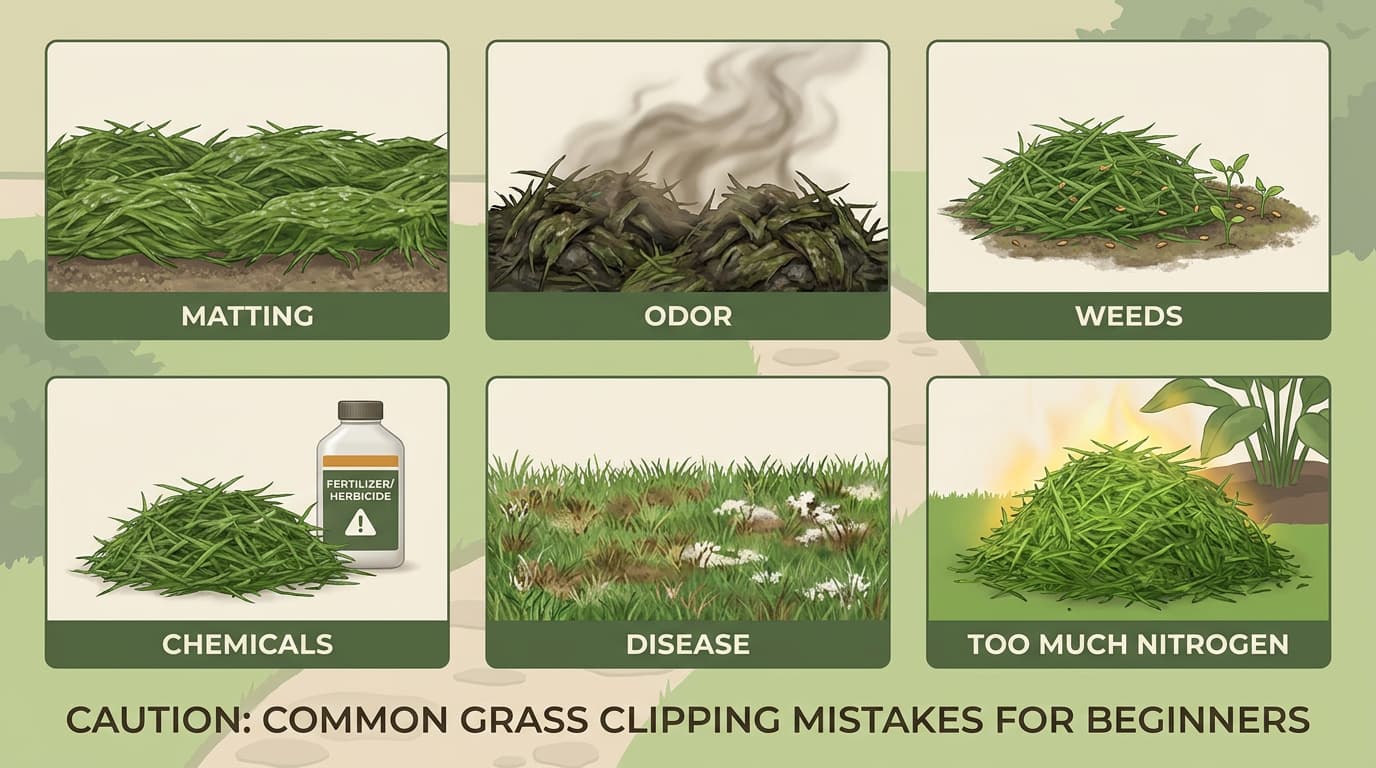
Grass clippings are useful, but poor handling can create problems. Most issues happen when clippings are wet, piled too thick, or unsafe to reuse.
- Matting and poor airflow: Thick layers can press together, blocking airflow to the soil or plant roots.
- Bad smell from wet piles: Fresh, wet clippings can ferment quickly when left in heavy piles, causing a sour odor.
- Weed seeds spreading: Clippings from weedy lawns may carry seeds into garden beds or compost piles.
- Chemical residue from treated lawns: Clippings from recently treated grass may contain herbicide, pesticide, or fertilizer residue.
- Possible plant disease spread: Diseased grass can move fungal or bacterial problems into other parts of the yard.
- Too much nitrogen in one spot: Large amounts of fresh grass can overload one area and harm soil balance.
Most problems are easy to avoid with thin layers, dry clippings, and clean grass. When unsure, keep treated or diseased clippings out of the garden.
Tips for Using Grass Clippings Safely
A few small habits can make grass clippings easier to manage. These tips focus on cleaner use, better results, and fewer lawn or garden problems.
- Collect clippings after mowing over weeds to reduce the chance of seeds spreading into garden beds.
- Store dried clippings in a breathable bag or bin so they stay usable without trapping moisture.
- Use clippings soon after mowing because fresh piles can heat up and spoil quickly.
- Check lawn treatment labels before reusing clippings around food plants or compost.
- Rake up heavy clumps so the grass underneath does not turn yellow or weak.
- Pair clippings with slower mulch around long-term plants for better coverage and less frequent refilling.
- Keep a separate pile for questionable clippings instead of mixing them with clean compost or garden mulch.
Grass clippings work best when they stay clean, dry, and controlled. Small handling choices can prevent most issues before they reach the lawn or garden.
Frequently Asked Questions
Can grass clippings be used in potted plants?
Grass clippings can be used around potted plants, but only in a very light layer. Too much grass can hold extra moisture and make the potting mix soggy. Use dry, untreated clippings and keep them away from plant stems.
How long can grass clippings be stored?
Grass clippings should not be stored fresh for long because they heat up, compact, and spoil quickly. Dried clippings last longer when kept in a breathable container. Avoid sealed plastic bags, since trapped moisture can create mold and odor.
Can grass clippings help with erosion control?
Grass clippings can provide light soil cover on small bare patches, but they should not be used as the sole erosion-control method. Heavy rain can move them easily. For slopes, combine them with stronger ground cover or proper planting.
Can grass clippings be used after seeding a lawn?
Grass clippings are not ideal directly over fresh grass seed because they can block light and airflow. A very thin layer may help hold moisture, but straw is usually safer. New seed needs steady contact, sunlight, and gentle watering.
Do grass clippings change soil pH?
Grass clippings usually have only a small effect on soil pH when used in normal amounts. They mainly add organic matter as they break down. If soil pH is a concern, a soil test gives a clearer answer before planting.
Final Thoughts
Grass clippings are more useful than they seem after a regular mowing. I like thinking of them as free yard material rather than waste. Once you know what to do with grass clippings, you can keep the lawn cleaner, feed the soil, reduce trash, and avoid common problems like odor, clumps, weeds, and chemical residue.
You have simple options, including leaving short clippings on the lawn, using them as mulch, adding them to compost, or sharing extras when there is too much.
The main rule is to keep them clean, dry, and thinly spread. Try one of these tips during your next mow, and share what worked best in the comments.