Want to grow fresh food without soil or outdoor space? Hydroponics lets you grow plants in water, providing nutrients directly without the need for soil.
I created this guide to show that you don’t need a big backyard or perfect weather to grow vibrant vegetables and herbs.
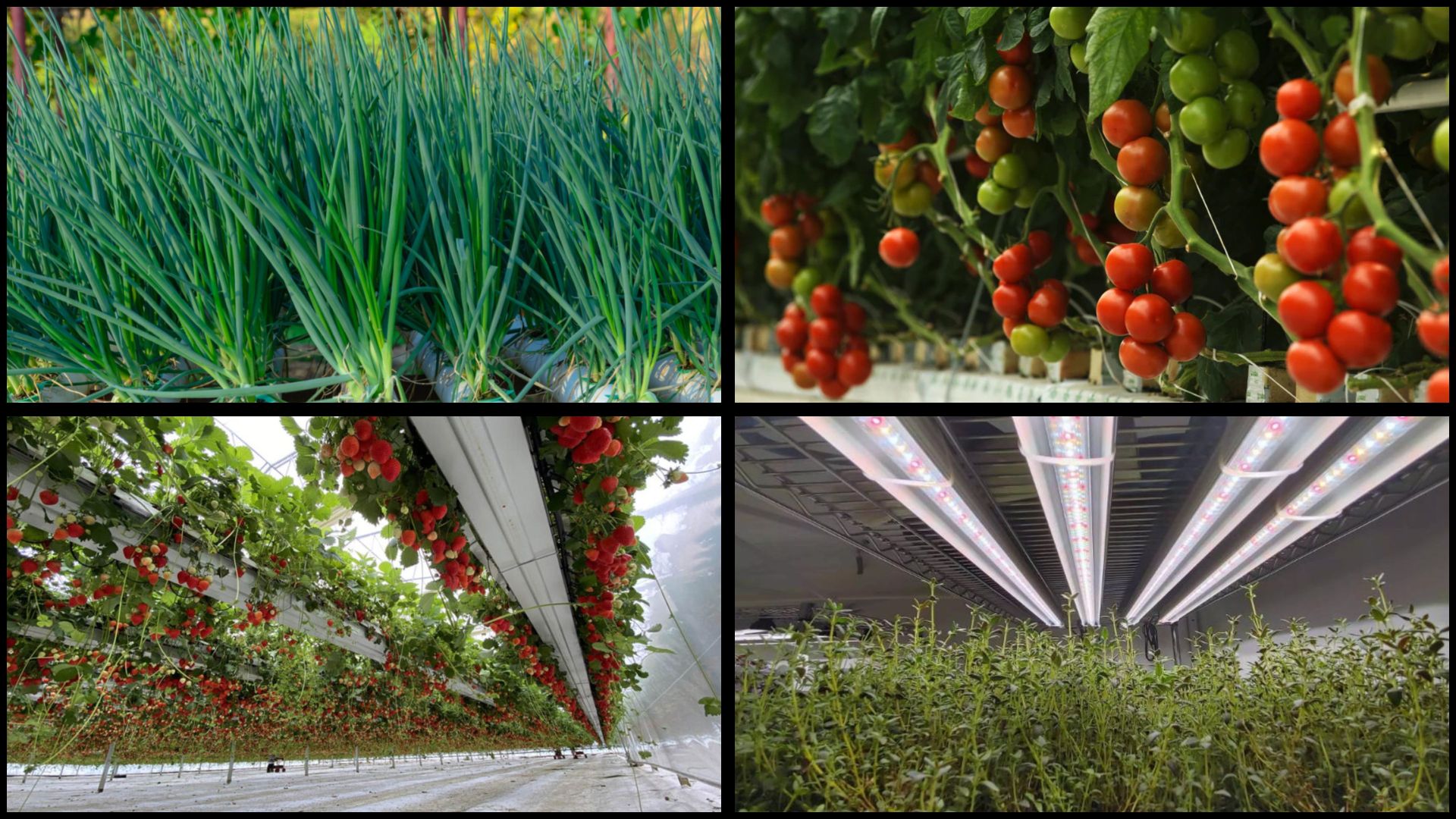
You can enjoy crisp lettuce, aromatic basil, juicy tomatoes, and sweet strawberries right in your kitchen or any indoor space.
Hydroponic plants are surprisingly easy to grow and yield faster than those grown in traditional gardens. Get ready to become your own farmer, without the mess of dirt!
What Sets Hydroponics Apart from Soil Gardening
Hydroponic gardening eliminates the need for plants to search through soil for nutrients.
With direct access to nutrients in water, plants grow up to 50% faster. Plus, hydroponics uses 90% less water than traditional soil gardening, as the system recycles every drop.
Space efficiency is another advantage of hydroponics, allowing you to grow plants in stacked towers or hanging systems. Without the need for extensive root systems, plants can focus their energy on producing larger leaves, fruits, and vegetables.
Your plants also stay healthier since soil-borne diseases and pests can’t affect them, and you have full control over nutrients and pH for consistent harvests.
Best Plants for Hydroponics
I’ve found that growing plants in water instead of soil may sound unusual, but it works remarkably well for many vegetables and herbs. You can produce everything from crunchy lettuce and fresh basil to juicy tomatoes and sweet strawberries right in your kitchen.
1. Lettuce (Romaine)
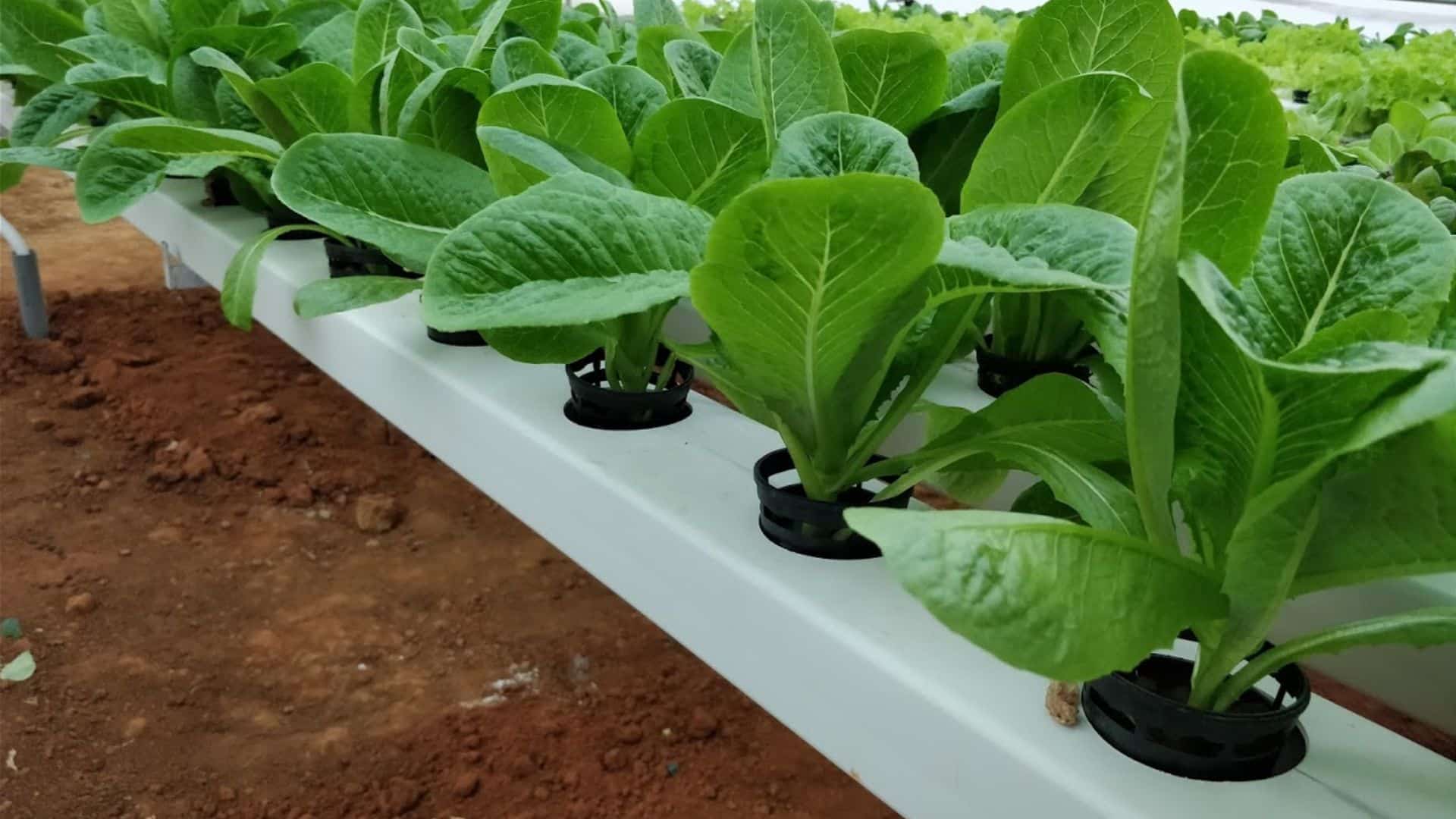
Lettuce grows well in hydroponics with moderate light and cool temperatures between 65-75°F. It requires a pH level of 6.0 to 7.0 for optimal growth.
Known for its crisp texture, lettuce provides a fast harvest. It flourishes in consistent moisture and offers an easy-to-grow option for hydroponic systems. It’s perfect for fresh salads.
- Scientific name: Lactuca sativa
- Nutritional Value: High in fiber, vitamins A, C, and K
2. Basil
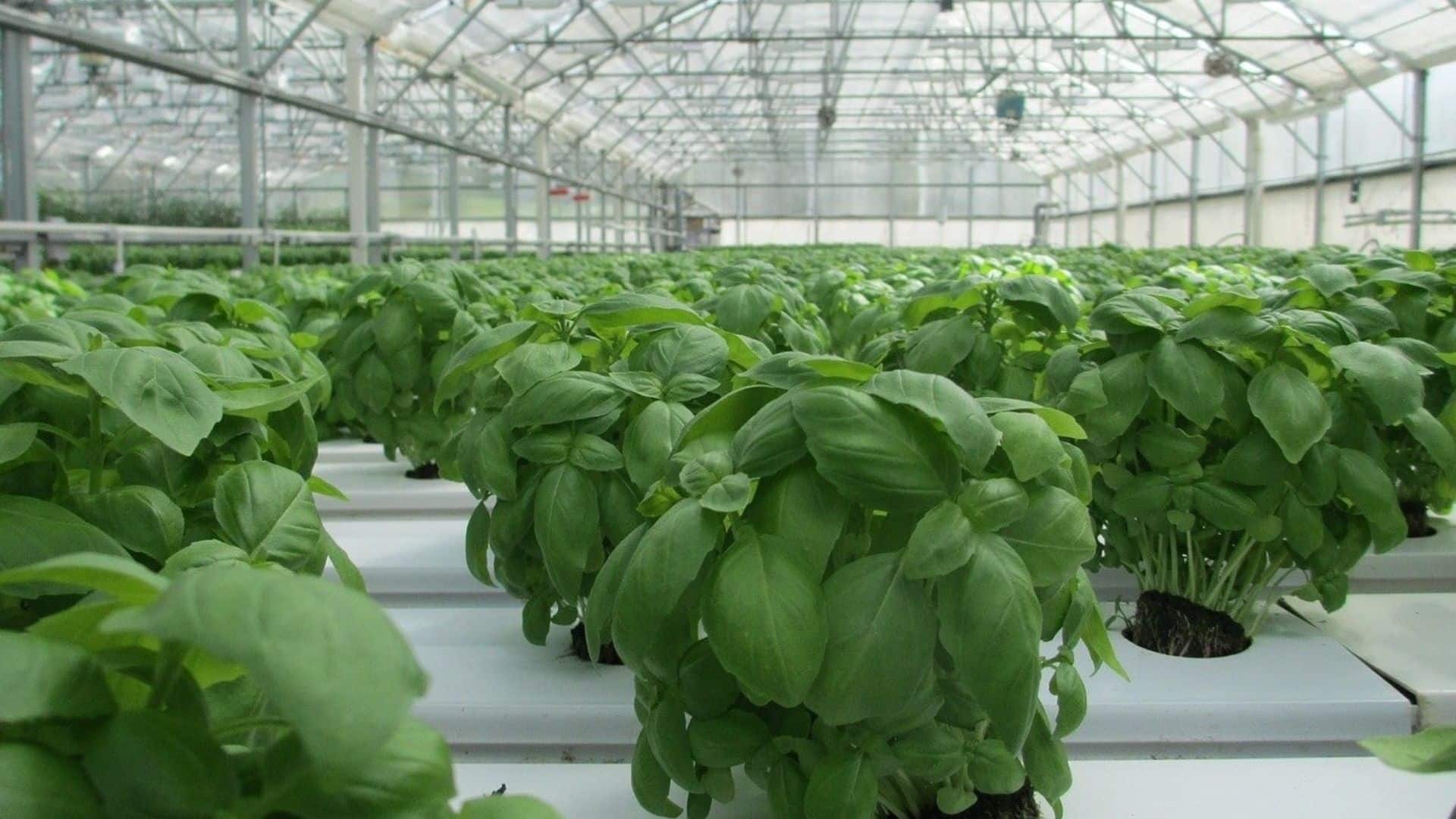
Basil grows in warm conditions, between 70°F and 85°F, and requires full sun for at least 6 hours a day. It requires good air circulation and well-drained soil in hydroponic systems.
Famous for its fragrant leaves, it adds flavor to many dishes and grows best in a warm, bright environment.
- Scientific name: Ocimum basilicum
- Nutritional Value: Rich in vitamin K, contains antioxidants
3. Spinach
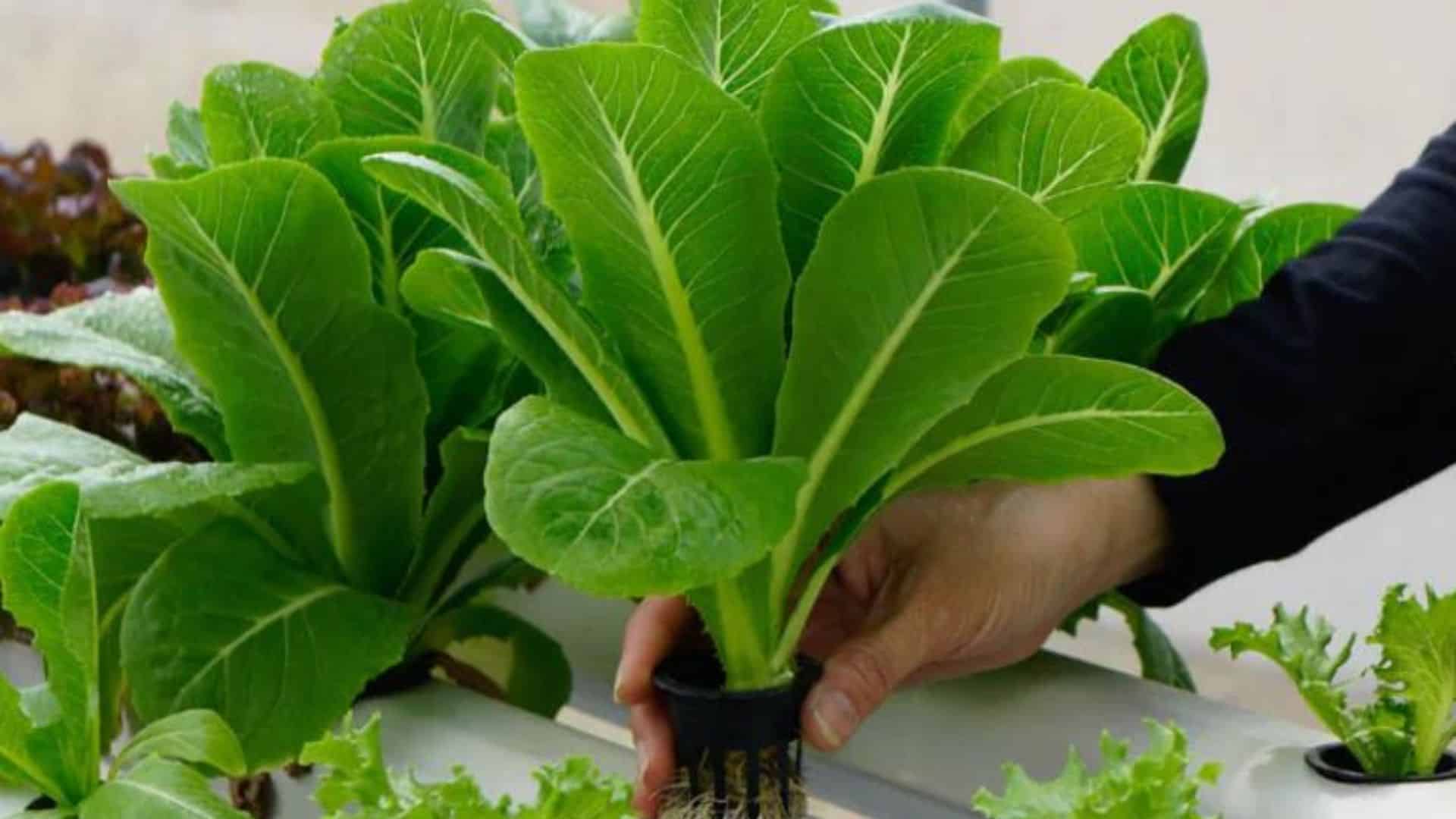
Spinach prospers in hydroponic systems with cool temperatures, ideally between 60°F and 75°F. It requires high humidity and grows best in partial to full sun.
Renowned for its rich nutrient content, spinach grows quickly and requires consistent moisture to produce healthy leaves. Ideal for nutrient-dense diets.
- Scientific name: Spinacia oleracea
- Nutritional Value: High in iron, vitamins A, C, and folate
4. Kale
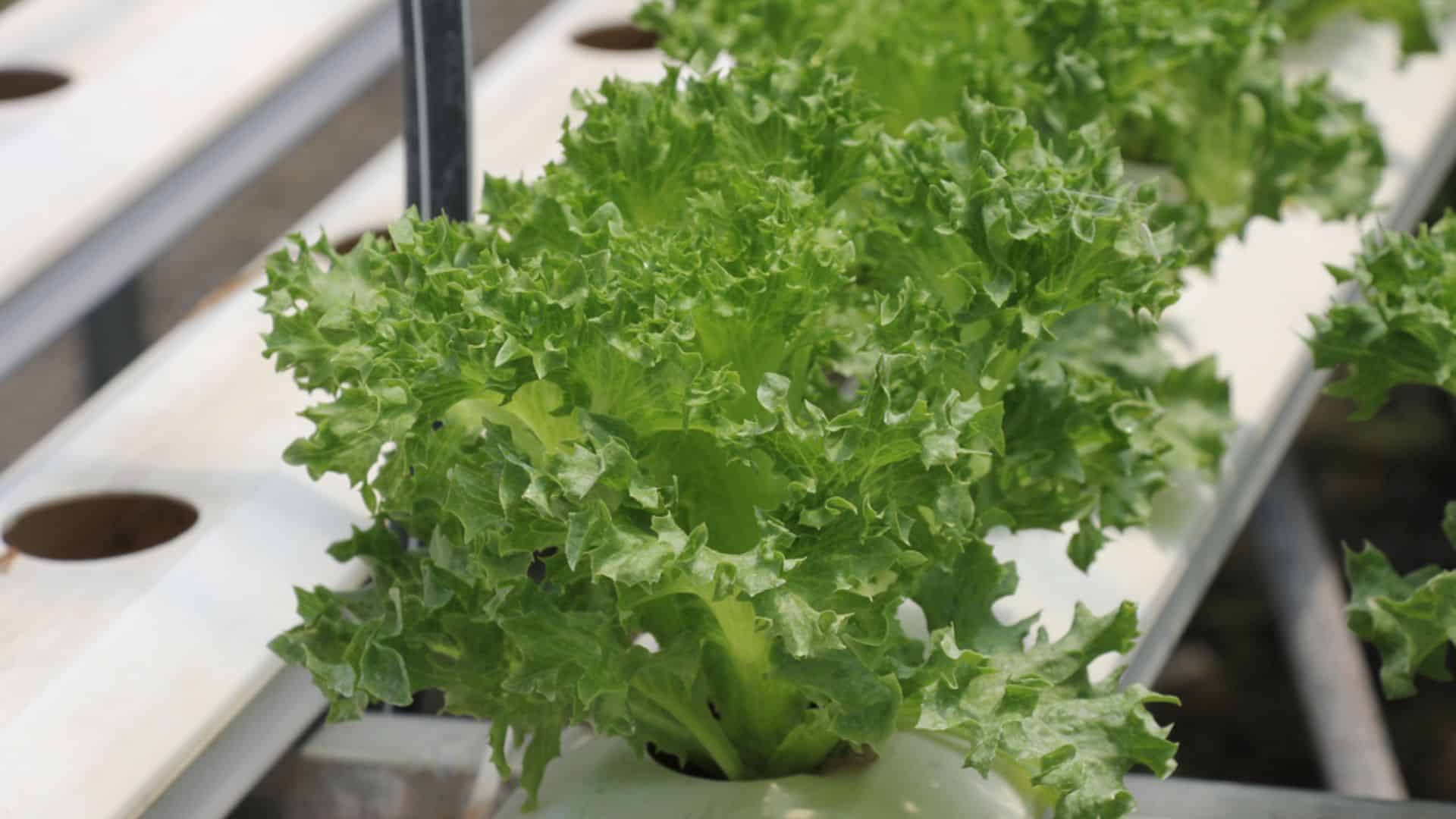
Kale is a robust, leafy green that grows in full sun and cool temperatures, ranging from 60°F to 75°F.
It requires well-aerated roots and moist conditions. Known for its high nutritional value, kale offers an abundance of vitamins and minerals, making it a great addition to any healthy diet.
- Scientific name: Brassica oleracea
- Nutritional Value: Rich in vitamins A, C, K, calcium, and antioxidants
5. Cilantro

Cilantro grows best in full sun with moderate temperatures between 65°F and 75°F. It flourishes in well-drained hydroponic systems and requires moderate light.
This herb is renowned for its fresh, distinct flavor and is a rich source of vitamins and antioxidants, making it an excellent addition for enriching flavor and nutrition.
- Scientific name: Coriandrum sativum
- Nutritional Value: Source of vitamins A, C, and K, contains antioxidants
6. Mint
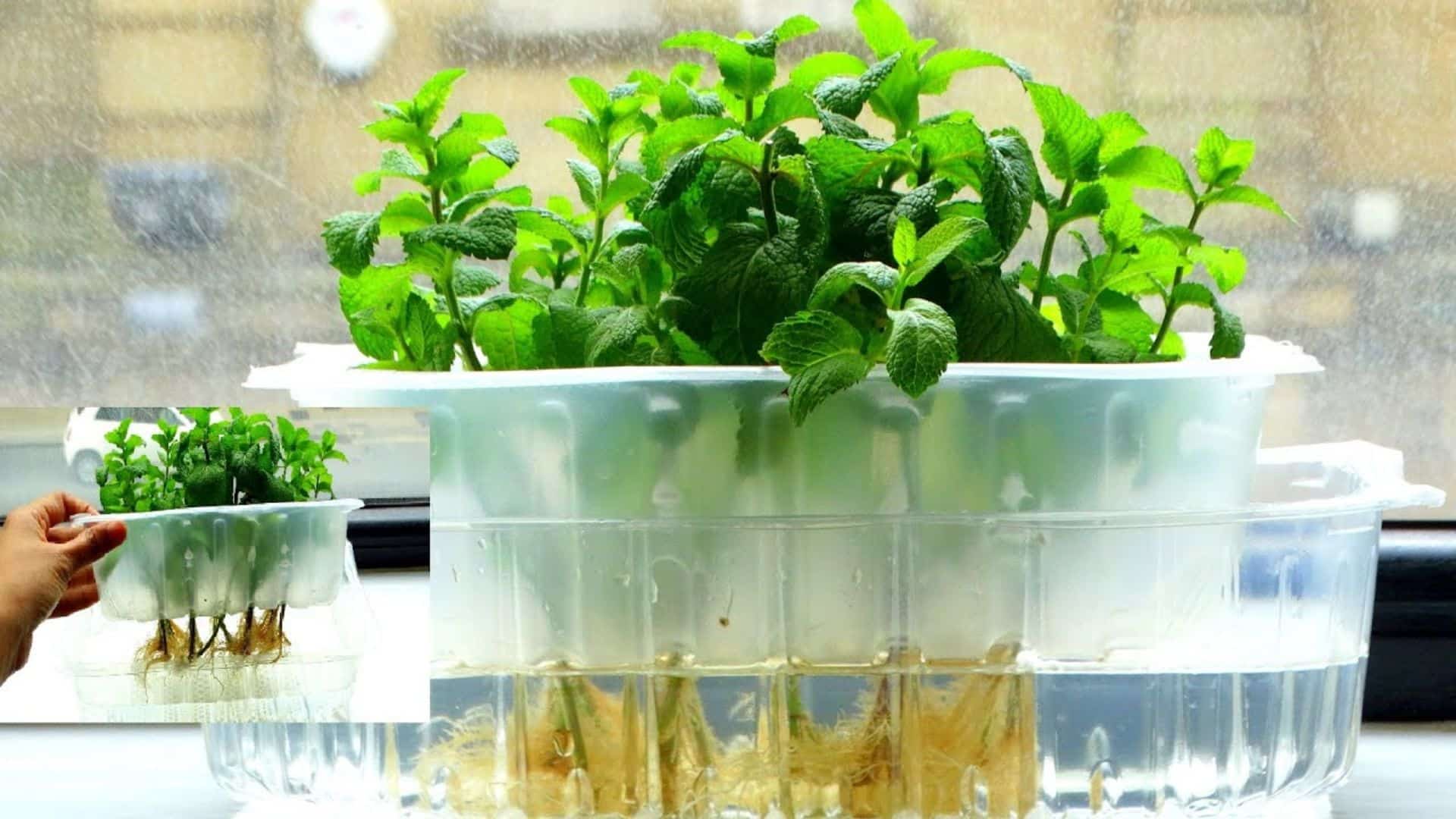
Mint enjoys partial shade and cool temperatures, making it ideal for hydroponic systems. It grows best in moist conditions and needs well-drained soil.
People like it for its refreshing flavor; mint is packed with vitamin A and antioxidants, making it perfect for teas, garnishes, or freshening up a dish.
- Scientific name: Mentha spp.
- Nutritional Value: Contains vitamin A, rich in antioxidants
7. Parsley
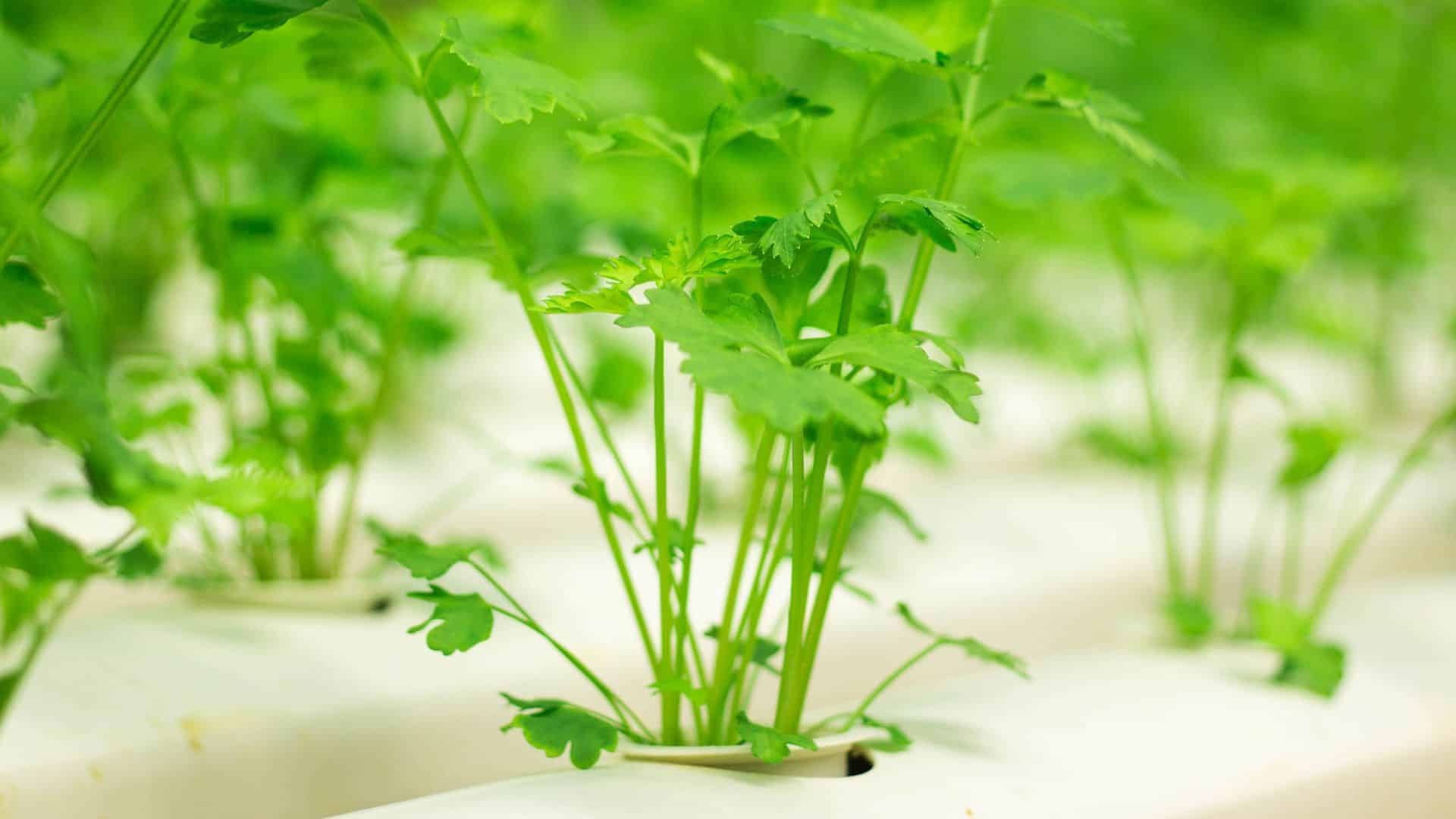
Parsley flourishes in full sun and cool temperatures, ideally between 65-75°F. It requires neutral pH soil and moderate humidity.
Known for its bright green leaves, parsley is a rich source of essential vitamins and folate, making it a nutritious herb to enrich any meal.
- Scientific name: Petroselinum crispum
- Nutritional Value: Rich in vitamins A, C, and K, contains folate
8. Arugula
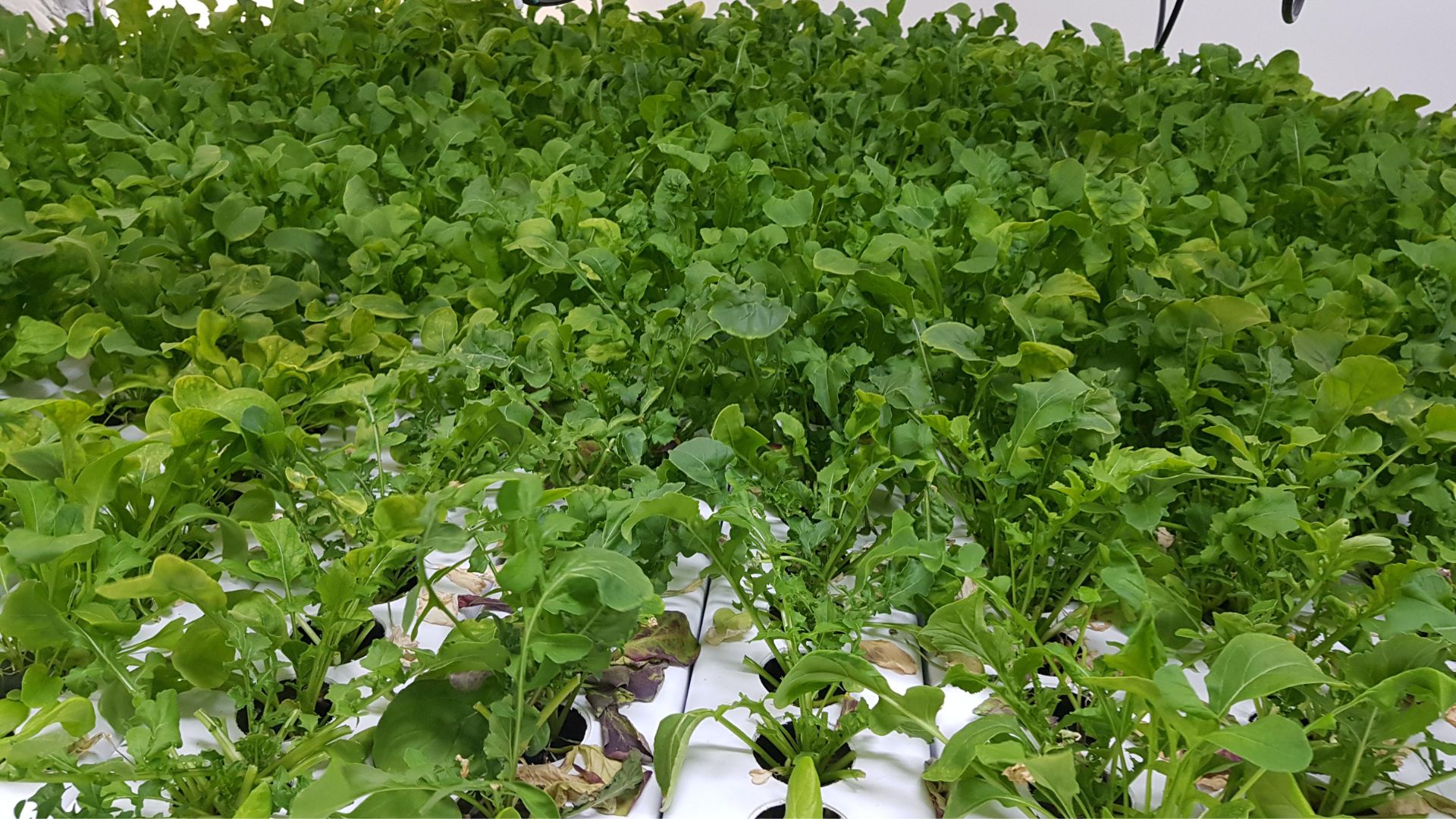
Arugula is well-suited to cool weather and full sun. It grows best in well-drained soil with moderate light.
Best for its peppery flavor, arugula is high in vitamins and minerals, offering a healthy addition to salads and sandwiches. Its quick growth makes it a great hydroponic option.
- Scientific name: Eruca vesicaria
- Nutritional Value: Rich in vitamins A, C, K, and calcium
9. Watercress
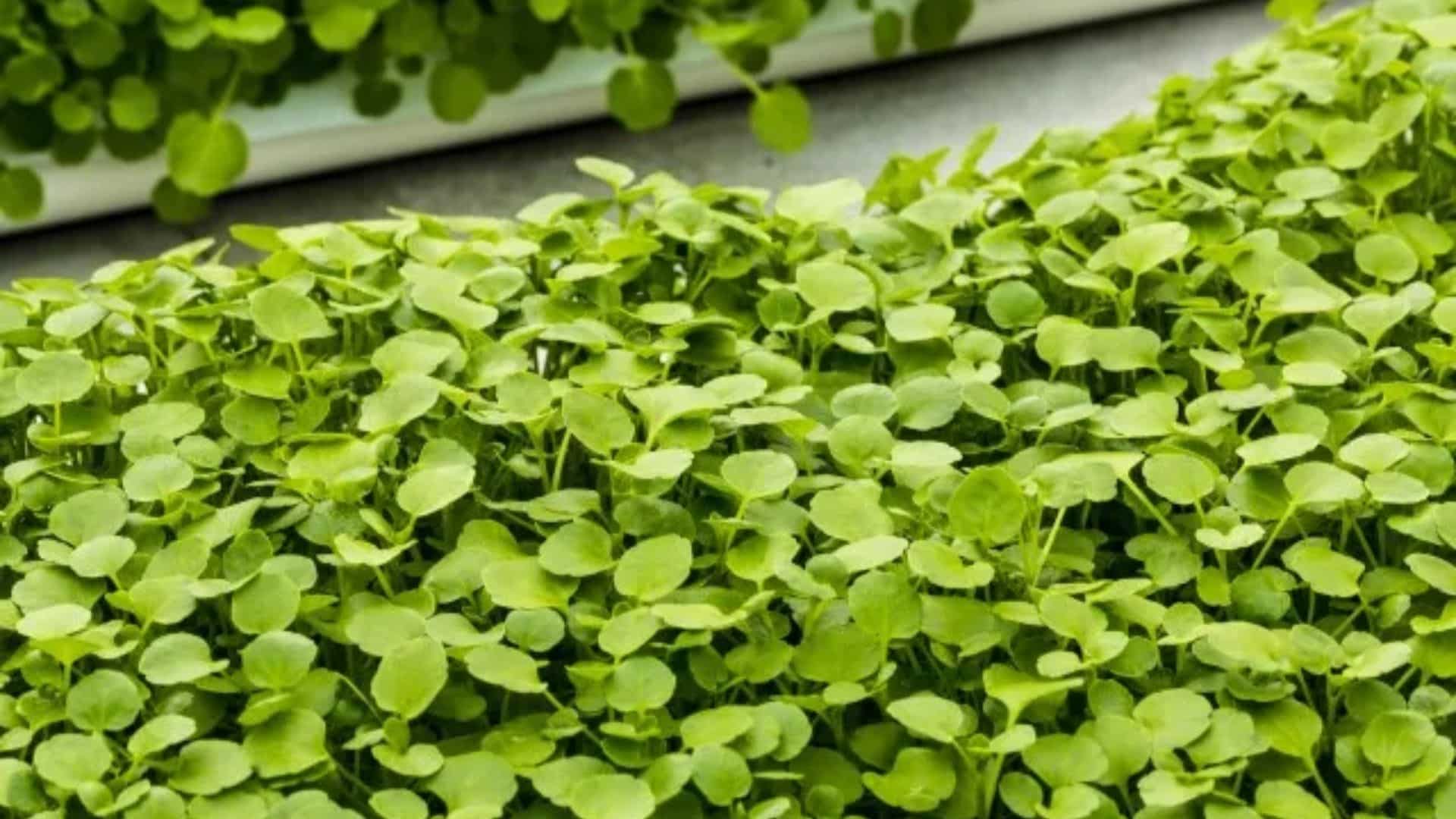
Watercress grows in cool temperatures (50-70°F) and requires constant moisture. It prefers partial shade and well-drained conditions.
Famous for its peppery taste, it is packed with vitamins and calcium, making it an excellent addition to fresh salads and soups.
- Scientific name: Nasturtium officinale
- Nutritional Value: Rich in vitamins A and C, and contains calcium
10. Strawberries

Strawberries require full sun and grow best in warm temperatures (60-80°F). They need high humidity and well-drained soil for optimal growth.
Strawberries are rich in natural flavor and offer numerous health benefits, making them a perfect choice for any meal.
- Scientific name: Fragaria × ananassa
- Nutritional Value: Rich in vitamin C, fiber, and manganese
11. Tomatoes
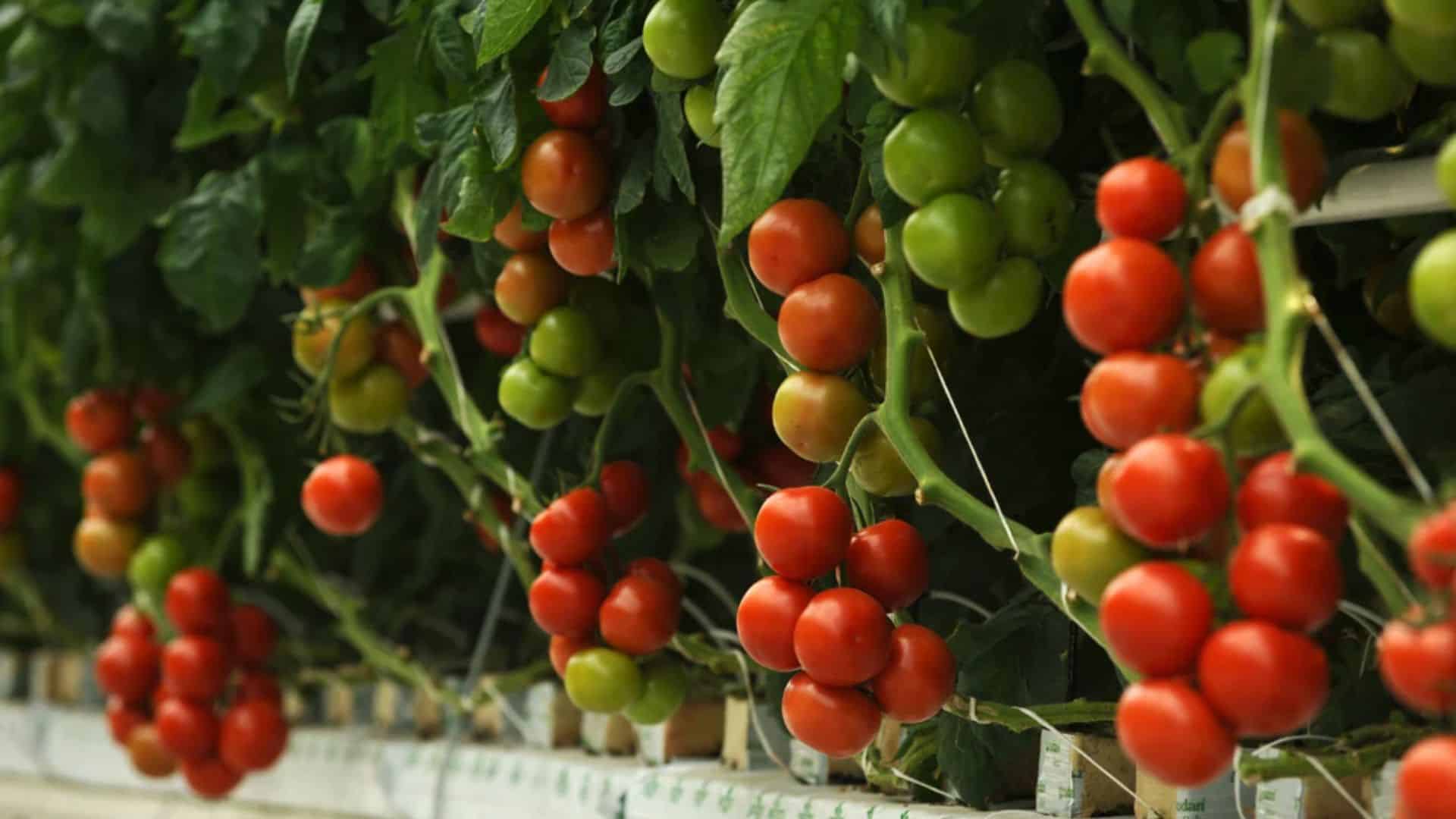
Tomatoes prosper in full sun and warm temperatures (70-85°F). They need well-aerated roots and consistent moisture to yield healthy fruit.
Tomatoes are a favorite for their ability to enhance a wide range of dishes, offering both flavor and a boost to your meals.
- Scientific name: Solanum lycopersicum
- Nutritional Value: Rich in vitamins C, K, potassium, antioxidants
12. Cucumbers
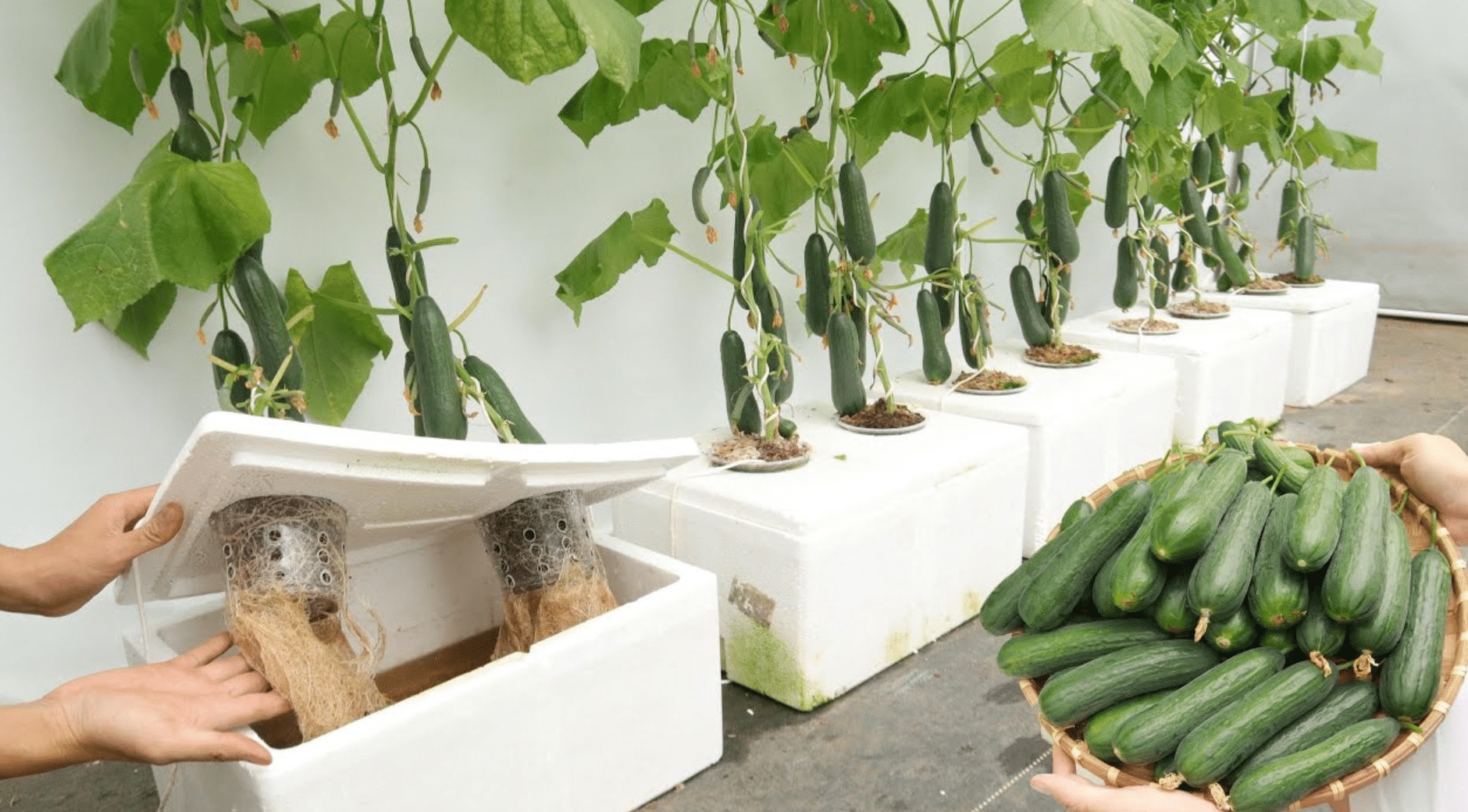
Cucumbers grow best in full sun with warm temperatures. They prefer a pH range of 5.5 to 6.5 and consistent moisture levels.
These vegetables are favored for their crisp, refreshing texture and provide a hydrating, healthy boost to any salad.
- Scientific name: Cucumis sativus
- Nutritional Value: Rich in vitamins K, C, potassium
13. Peppers
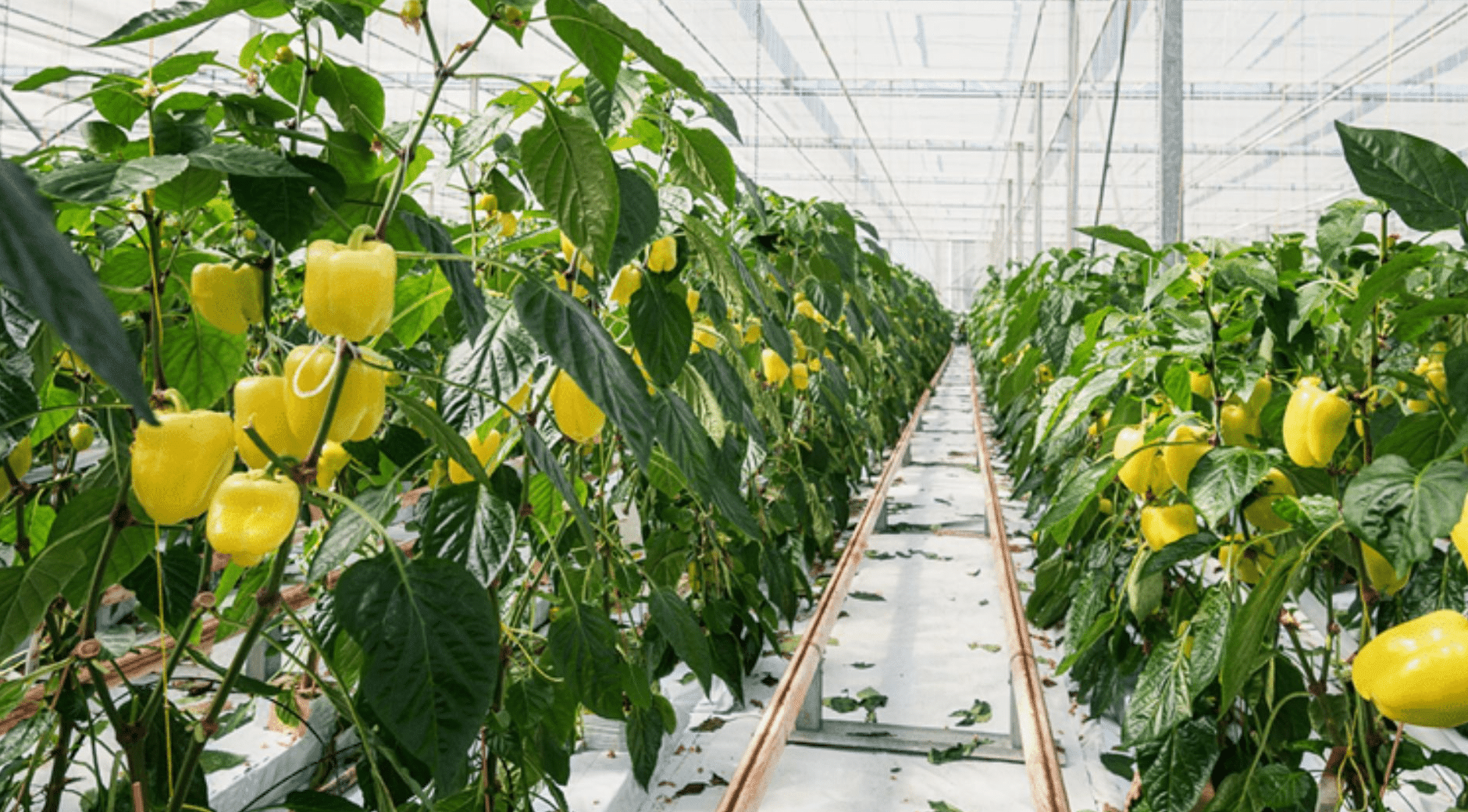
Peppers flourish in full sun and require warm temperatures (70-85°F) for optimal growth. They need well-drained soil and moderate watering.
With their vibrant colors and bold flavor, this brings both a spicy kick and a healthy boost to any dish.
- Scientific name: Capsicum spp.
- Nutritional Value: Rich in vitamins A and C, antioxidants
14. Green Beans
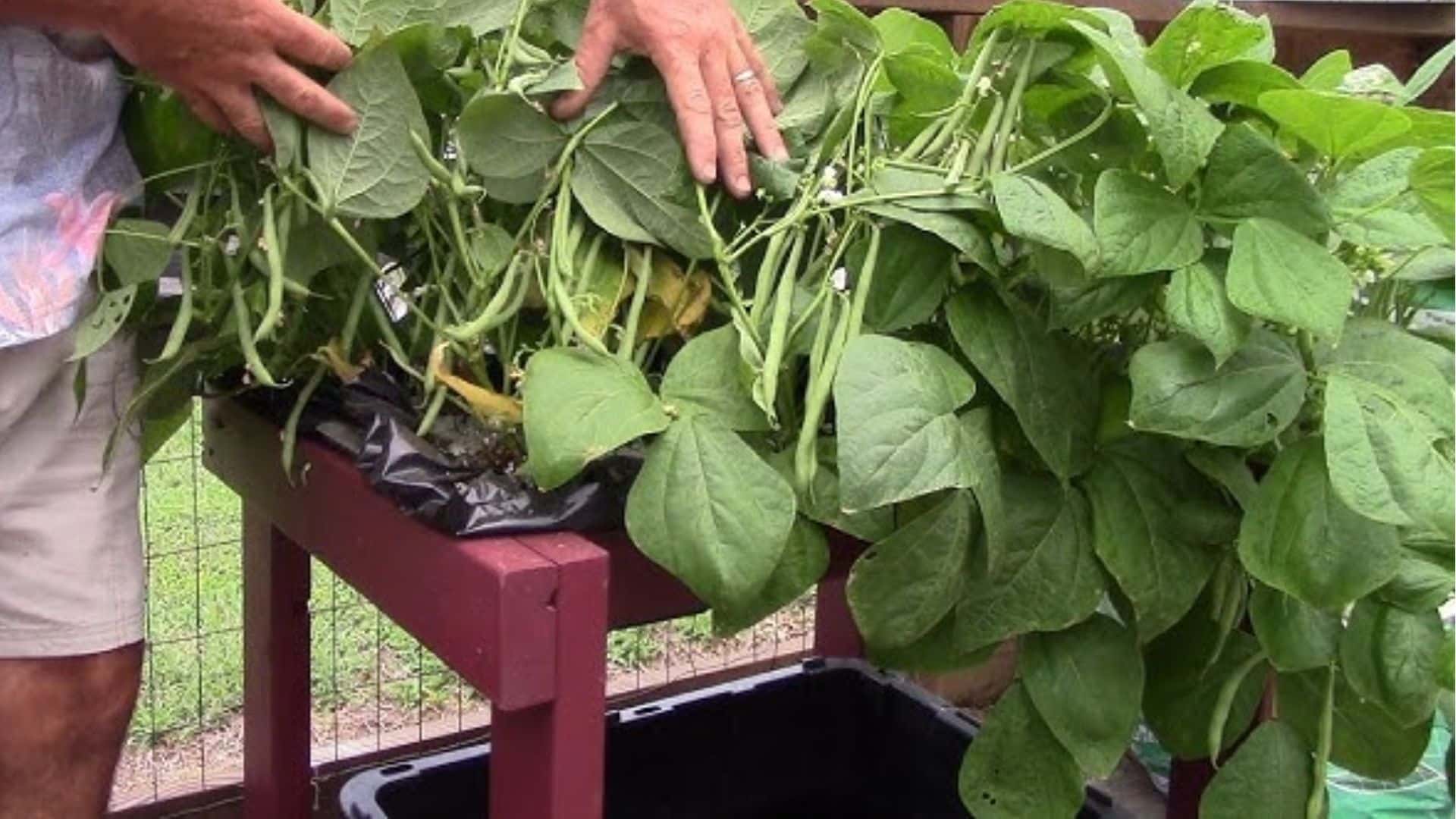
Green beans prefer full sun and warm temperatures, with moderate humidity. They require well-drained soil and steady moisture.
This is valued for its fiber and protein content, making it a wholesome and satisfying addition to any meal.
- Scientific name: Phaseolus vulgaris
- Nutritional Value: High in fiber, protein, vitamins A and C
15. Fennel

Fennel grows best in full sun and requires well-drained soil for healthy root development. It prefers moderate moisture.
Known for its mild, licorice-like flavor, fennel is rich in vitamin C, potassium, and fiber, making it a nutritious addition to salads and cooking.
- Scientific name: Foeniculum vulgare
- Nutritional Value: Rich in vitamin C, potassium, and fiber
16. Lavender
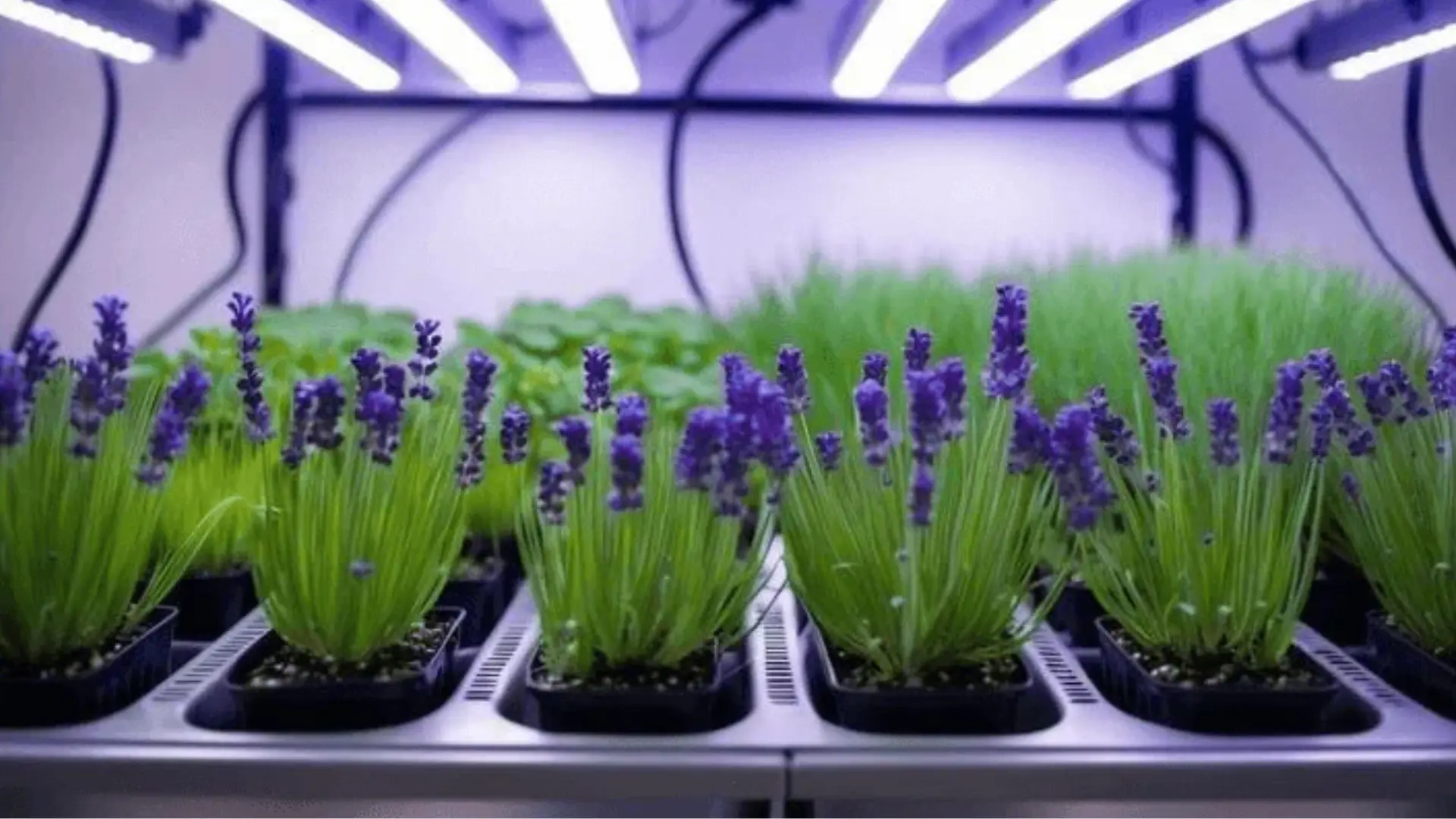
Lavender grows in full sun and requires dry to moderate moisture conditions. It prefers well-drained soil and grows best in warm, temperate climates.
Famous for its soothing aroma, lavender offers aromatic oils and antioxidants, making it beneficial for both culinary and therapeutic uses.
- Scientific name: Lavandula spp.
- Nutritional Value: Contains aromatic oils, rich in antioxidants
17. Oregano
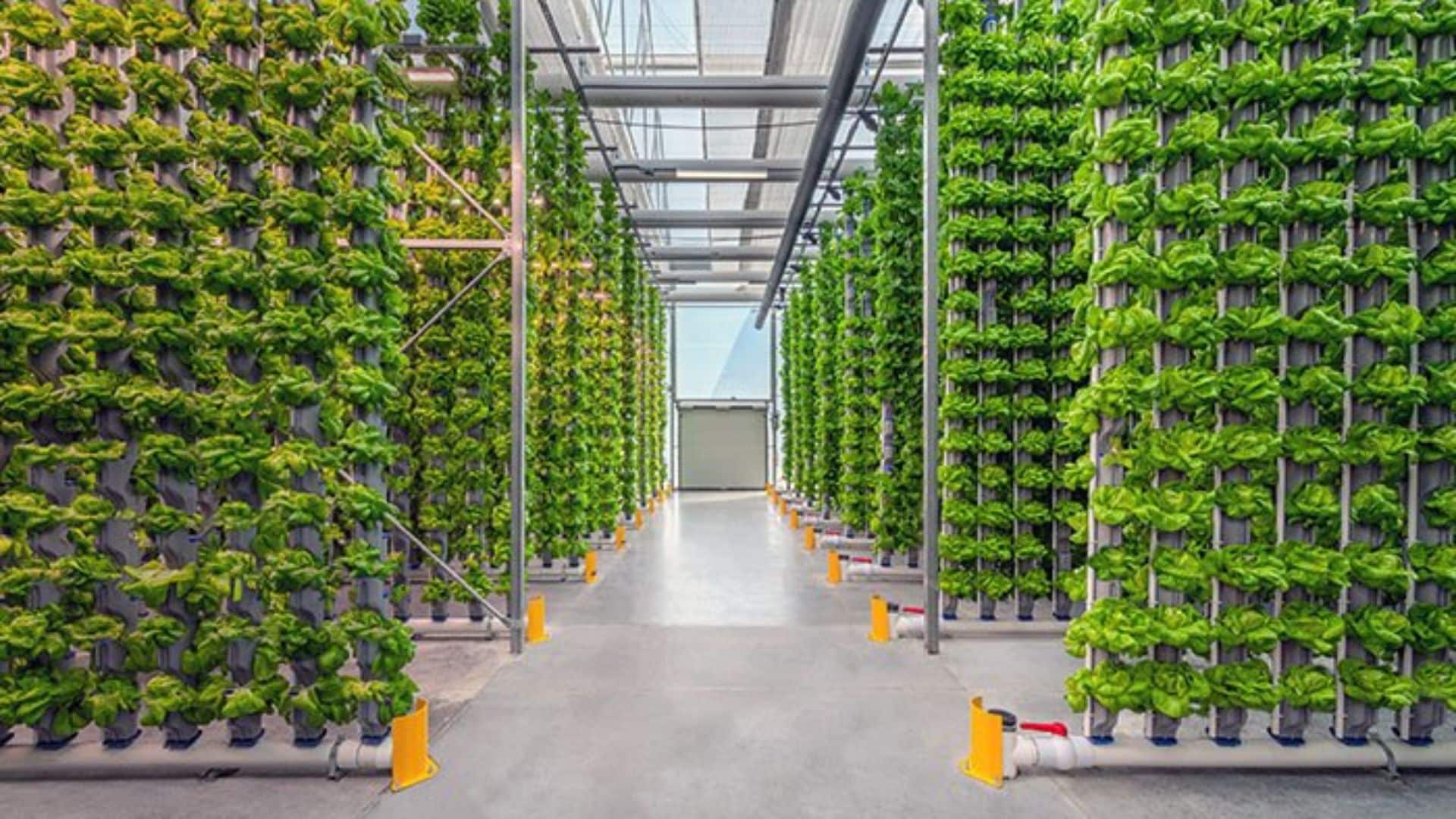
Oregano loves full sun and warm temperatures, requiring well-drained soil for healthy growth. It is best known for its strong flavor in Mediterranean dishes.
Oregano is rich in antioxidants and essential vitamins, making it a flavorful and nutritious herb to grow in hydroponic systems.
- Scientific name: Origanum vulgare
- Nutritional Value: Rich in antioxidants, contains vitamins A and C
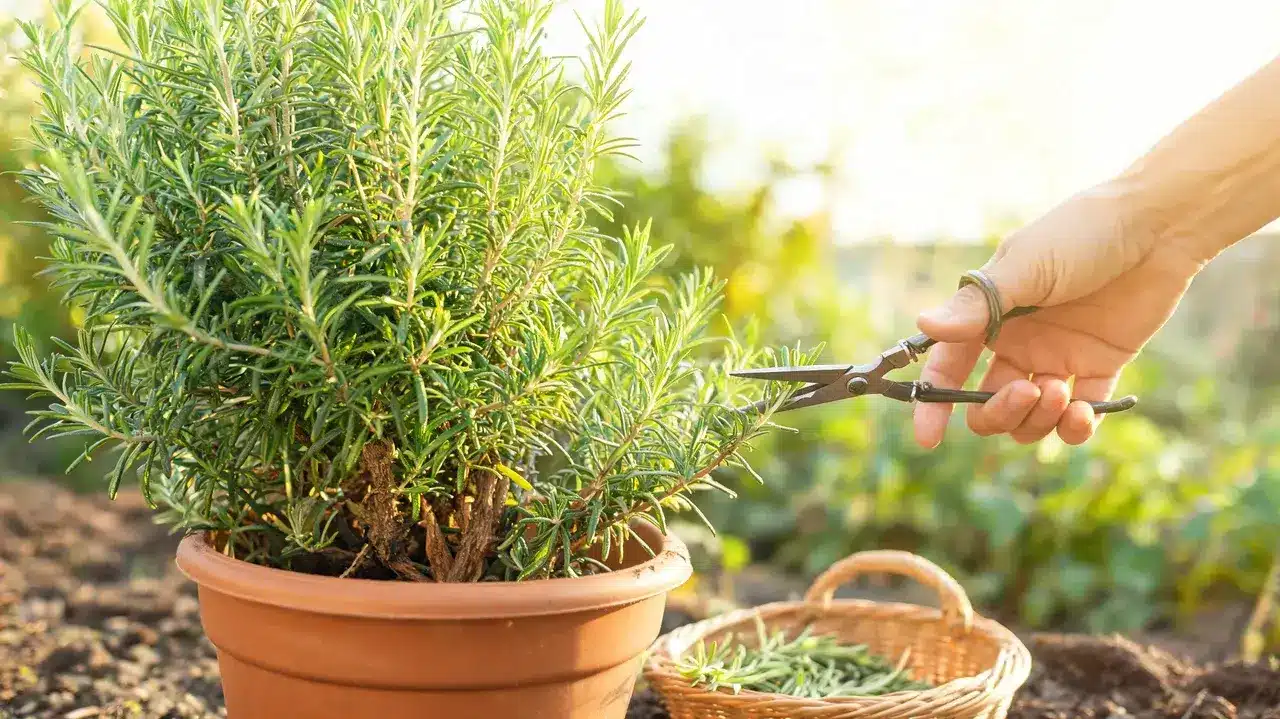
18. Rosemary
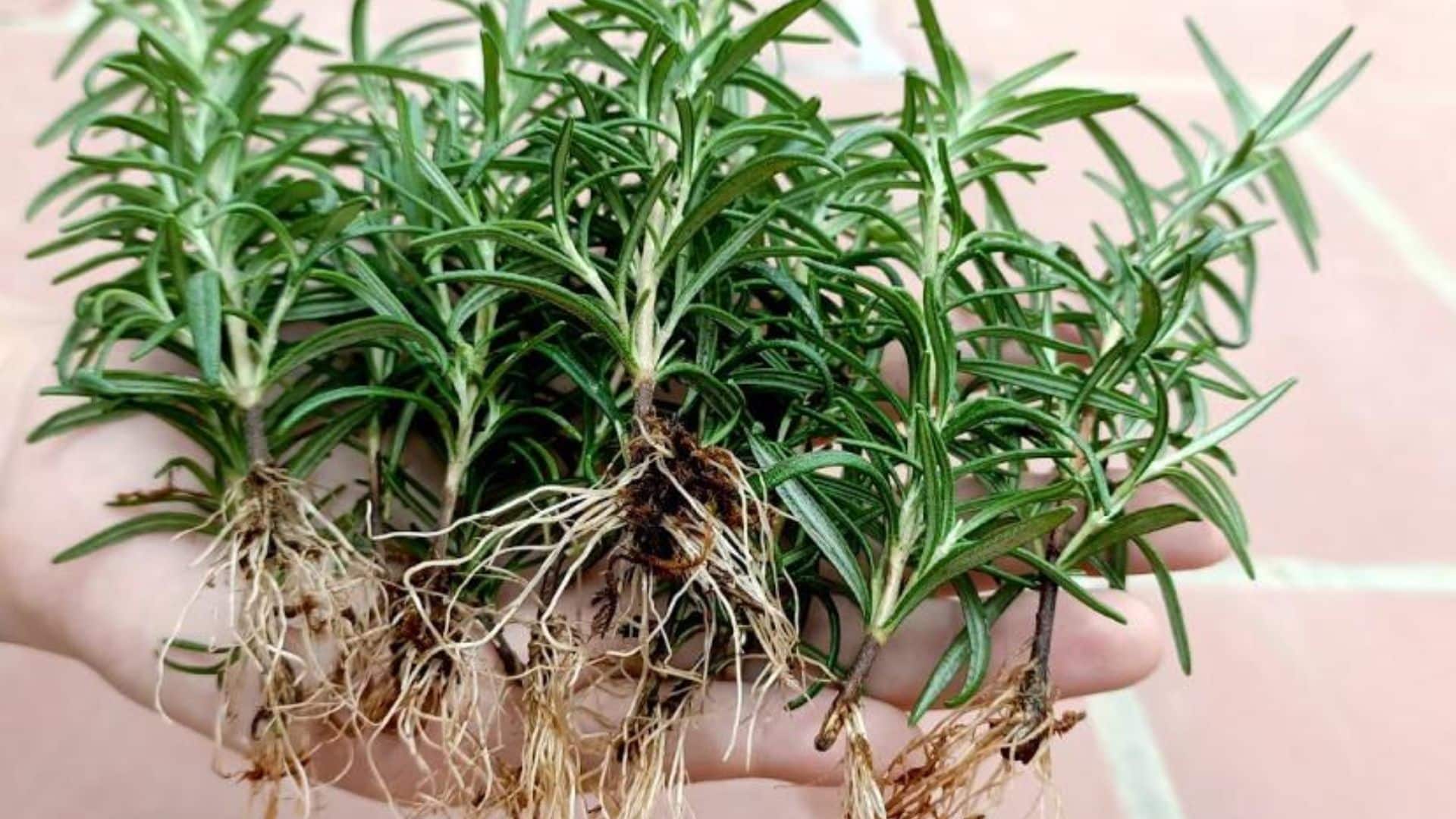
Rosemary grows best in full sun with dry to moderate moisture conditions. It prefers well-drained soil for optimal growth.
Loved for its strong, aromatic flavor, this herb adds depth to dishes and offers benefits for both cooking and health.
- Scientific name: Rosmarinus officinalis
- Nutritional Value: Rich in antioxidants, contains vitamin A
19. Thyme

Thyme prefers full sun and well-drained soil. It requires moderate watering to grow well in hydroponic systems.
Famous for its antimicrobial properties, thyme is rich in antioxidants and can be used in cooking for flavoring and health benefits.
- Scientific name: Thymus vulgaris
- Nutritional Value: Contains antimicrobial oils, rich in antioxidants
20. Chives
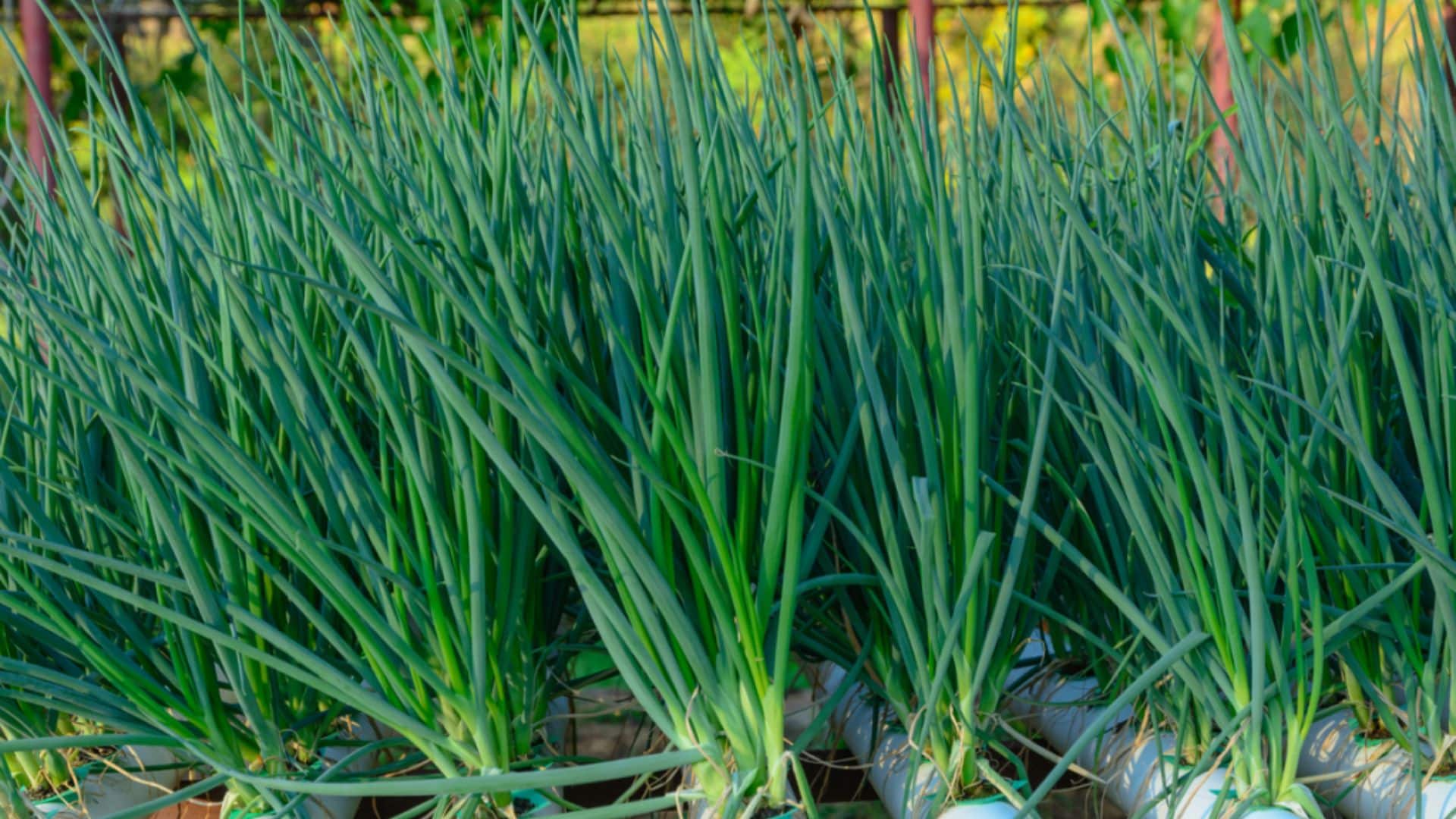
Chives grow well in full sun with cool temperatures. They prosper in moist, well-drained soil and offer a mild onion flavor.
Known for their mild onion flavor, these herbs are perfect for adding a fresh touch to your meals while boosting nutrition.
- Scientific name: Allium schoenoprasum
- Nutritional Value: Rich in vitamins A, C, and K, contains antioxidants
21. Basil (Holy)

Holy Basil grows best in full sun and requires warm temperatures for healthy growth. It needs well-drained soil in hydroponic systems.
Famous for its aromatic leaves, Holy Basil is rich in antioxidants and vitamins, making it a versatile herb for health and flavor.
- Scientific name: Ocimum tenuiflorum
- Nutritional Value: Rich in antioxidants, contains vitamins A and K
22. Swiss Chard
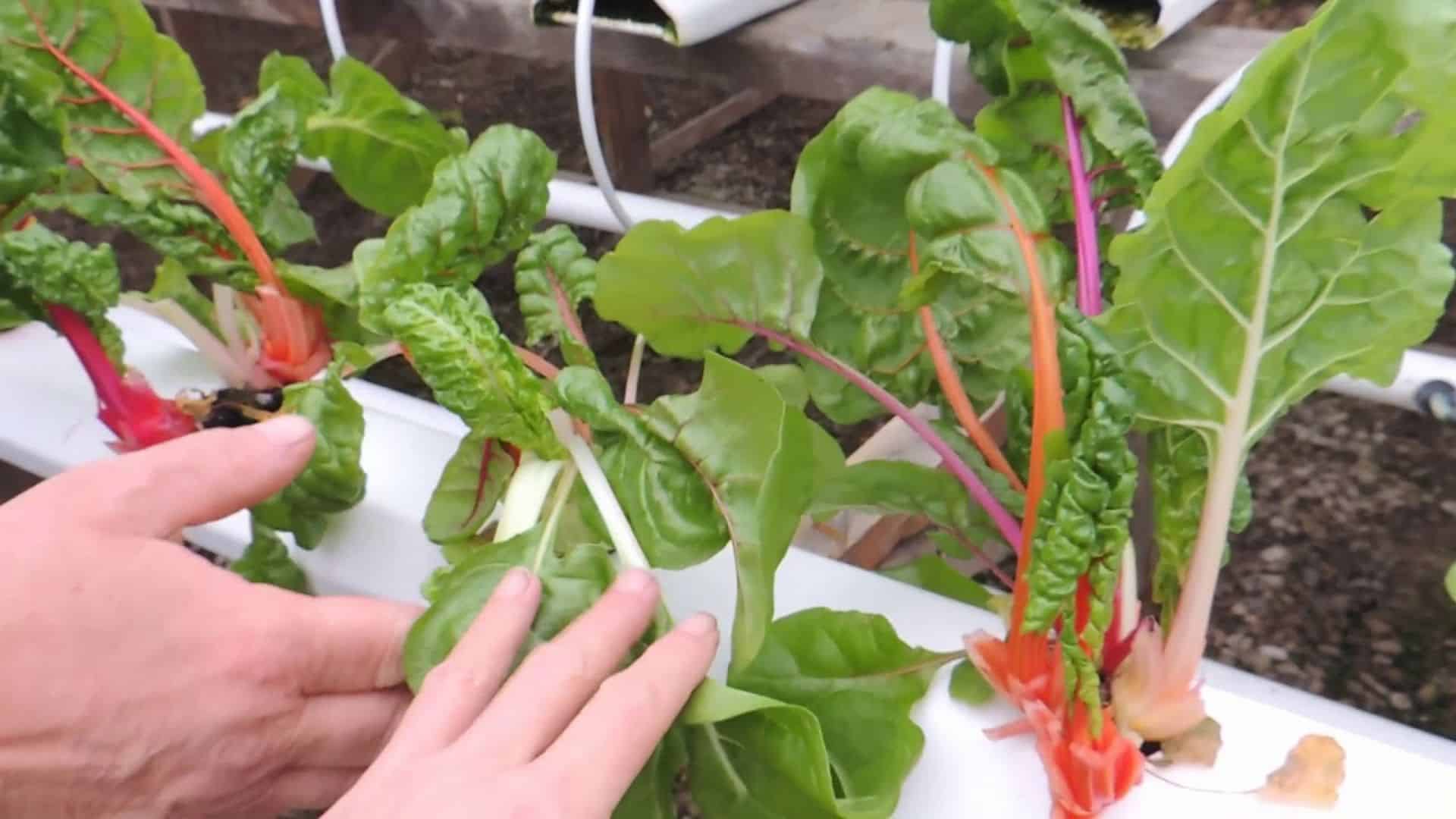
Swiss chard flourishes in cool to warm temperatures and partial to full sun. It needs moist, well-drained soil for healthy growth.
Famous for its vibrant stems, Swiss chard is a rich source of nutrient-dense greens for any meal.
- Scientific name: Beta vulgaris
- Nutritional Value: Rich in vitamins A, C, and K, iron
23. Bok Choy
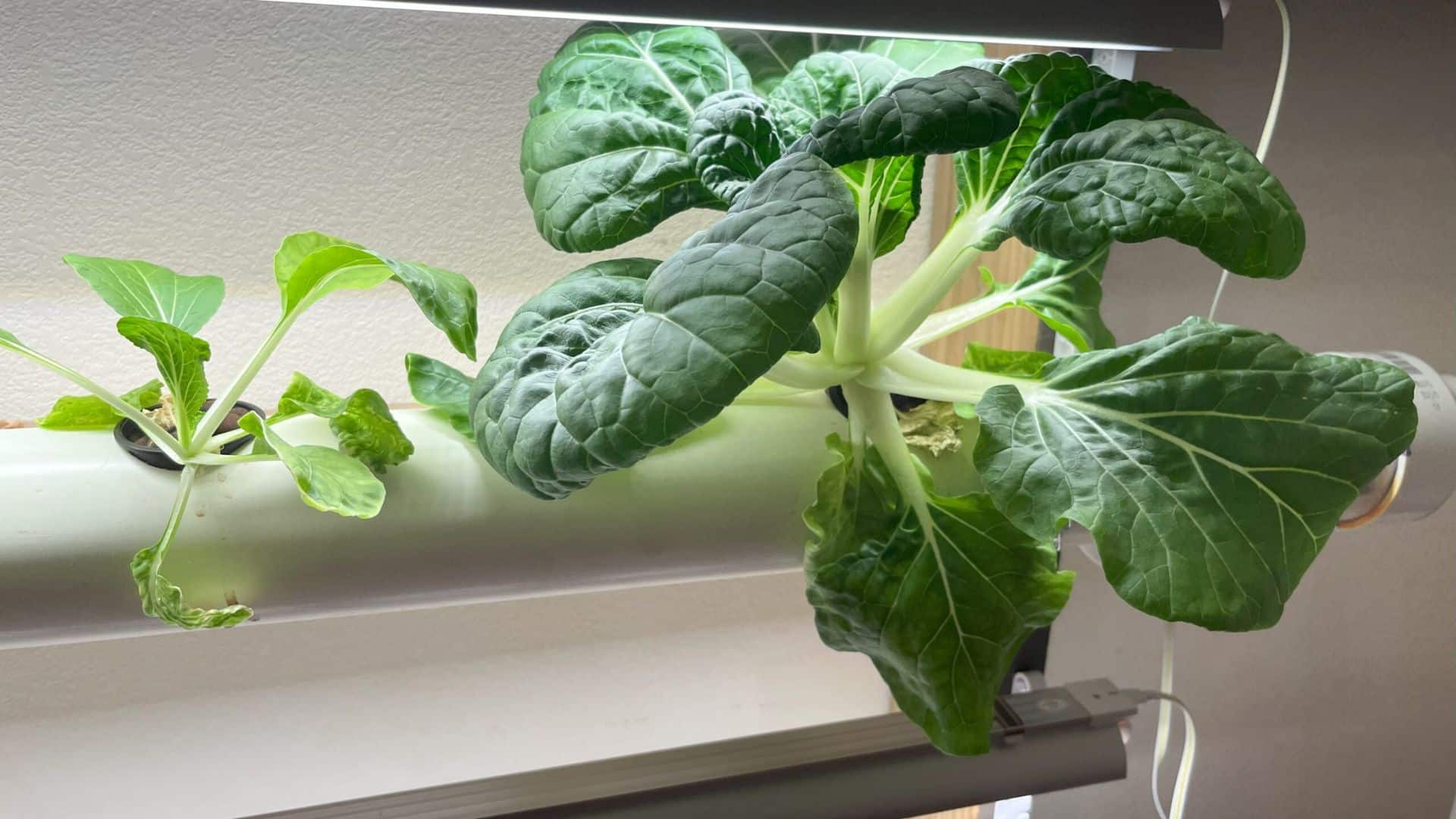
Bok choy grows in cool weather and requires full sun for healthy growth. It needs well-drained soil and consistent moisture. People like it for its mild flavor.
Bok choy is packed with essential nutrients, offering numerous health benefits, and is an excellent addition to any diet.
- Scientific name: Brassica rapa
- Nutritional Value: Rich in vitamins A, C, K, calcium
24. Mustard Greens
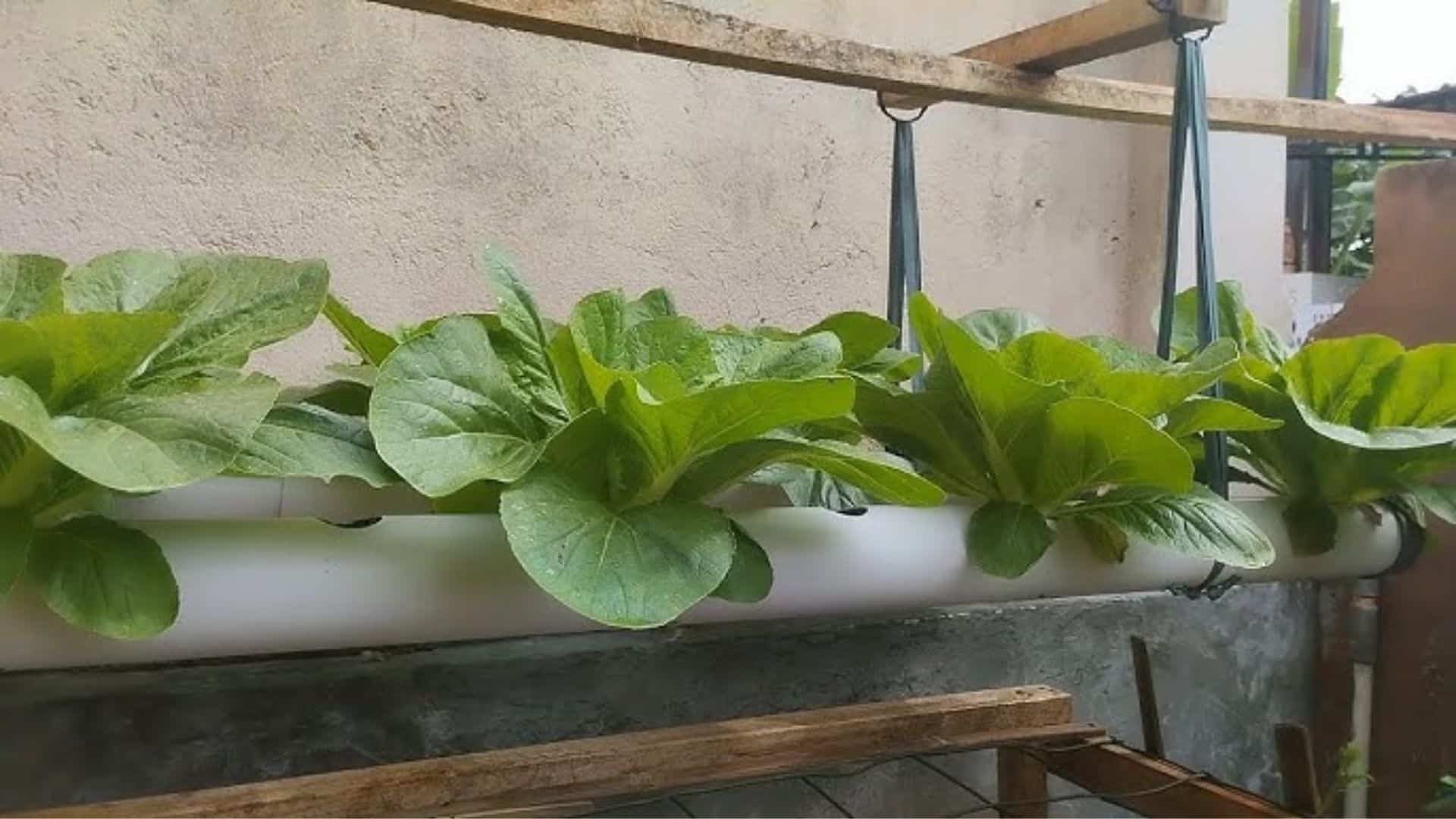
Mustard greens grow in full sun with cool temperatures. They need moist, well-drained soil for healthy leaf production.
This adds a spicy kick to dishes and supports overall health, making them an excellent choice for your diet.
- Scientific name: Brassica juncea
- Nutritional Value: Rich in vitamins A, C, and K, antioxidants
25. Endive
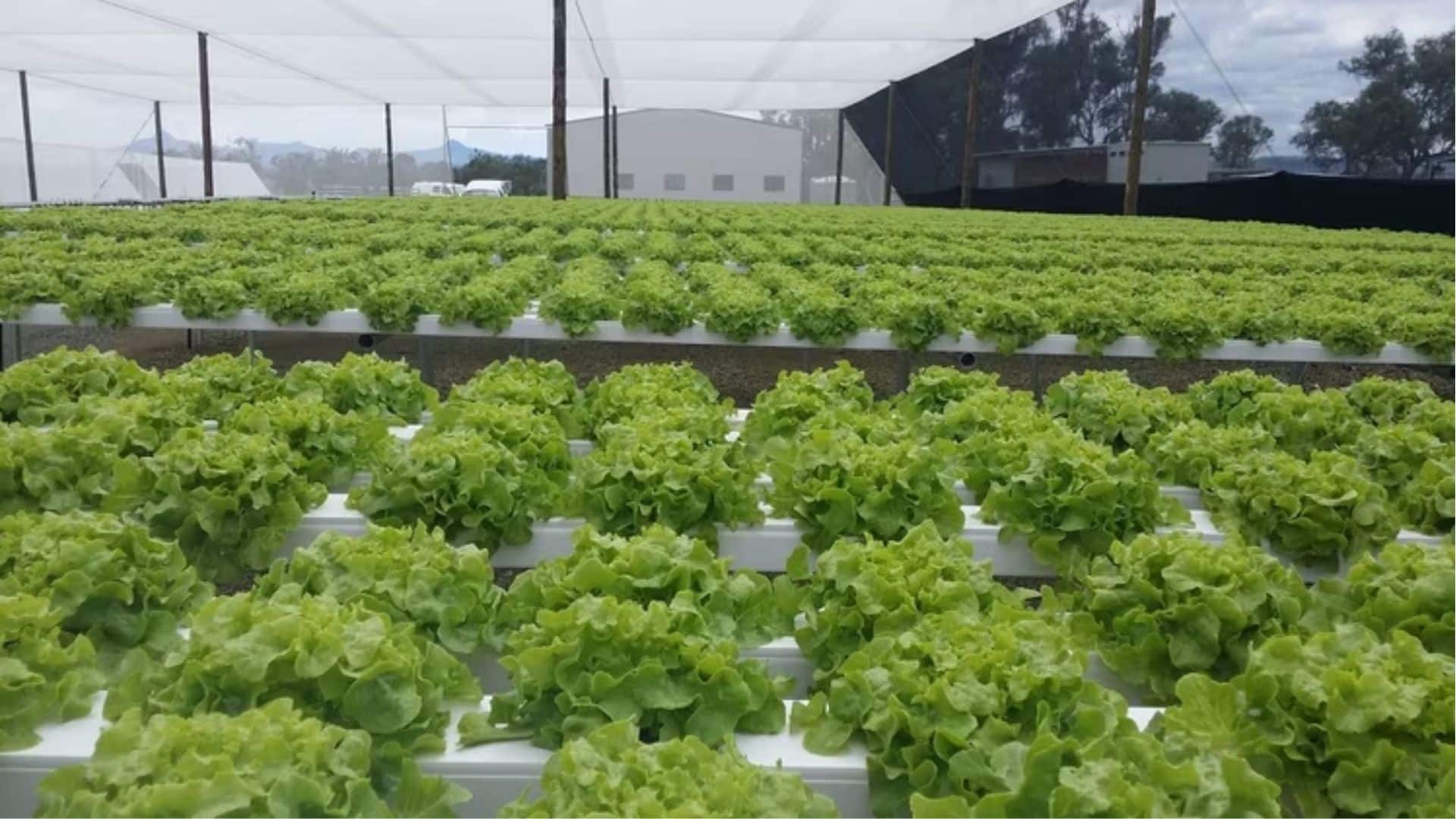
Endive grows well in cool temperatures and full sun. It needs moist soil and grows best in well-drained conditions. It offers a unique, crisp texture that enriches a variety of dishes, adding both flavor and a healthy twist.
- Scientific name: Cichorium endivia
- Nutritional Value: Rich in vitamins A, C, and folate
26. Kale (Red Russian)
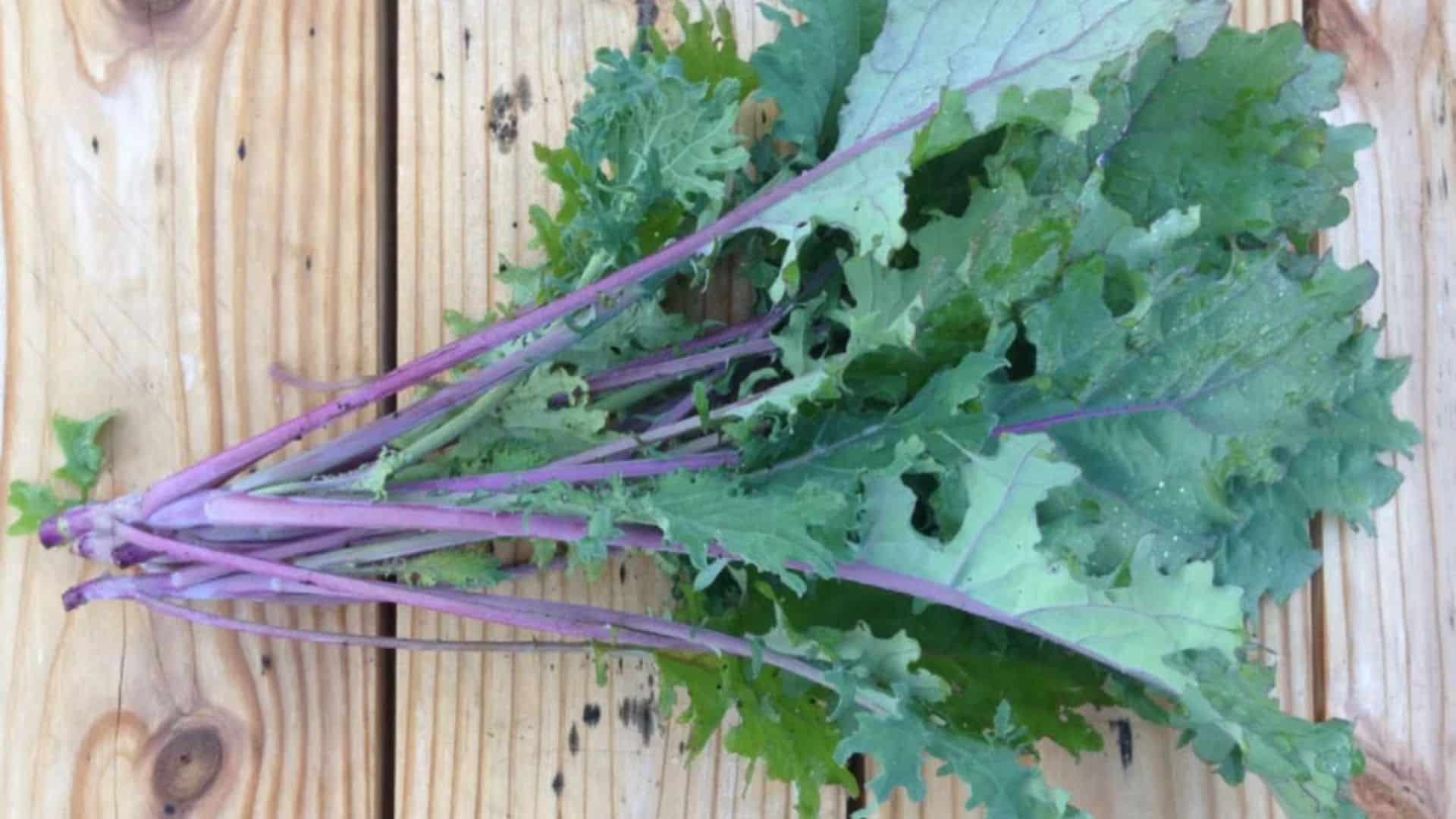
Red Russian kale flourishes in cool temperatures and full sun. It needs moist soil and well-drained conditions for optimal growth.
Red Russian kale stands out with its vibrant color and rich flavor, making it an ideal choice for enriching your meals.
- Scientific name: Brassica oleracea
- Nutritional Value: Rich in vitamins and antioxidants
27. Lettuce (Butterhead)
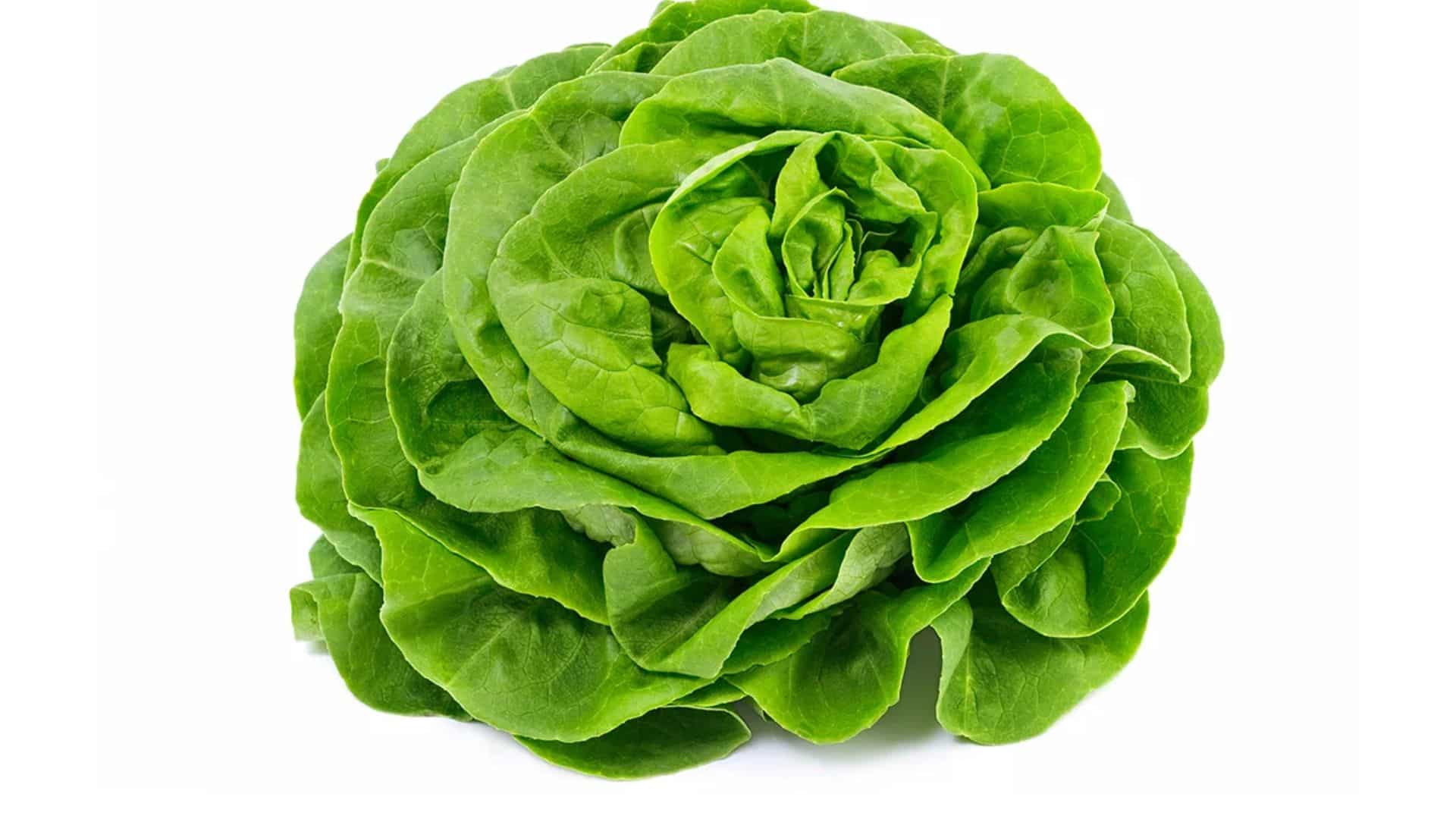
Butterhead lettuce grows well in moderate to full sun, flourishing at temperatures between 60°F and 75°F. It prefers well-drained soil and moderate light conditions.
Renowned for its soft, buttery texture, this lettuce brings a delicate crunch and healthy boost to any salad.
- Scientific name: Lactuca sativa
- Nutritional Value: Rich in vitamins A and C, high in fiber
Hydroponic System Tips
A few simple maintenance habits can make a big difference in the success of your hydroponic garden. Use this quick reference table to keep your system running efficiently and your plants growing strong.
| Tip | Why It Matters | Frequency |
|---|---|---|
| Check Water pH | Helps plants absorb nutrients properly and prevents deficiencies | Every few days |
| Refresh Nutrient Solution | Replenishes essential nutrients and maintains water quality | Every 2–3 weeks |
| Maintain Air Circulation | Reduces mold risk and supports healthy plant growth | Continuous |
| Clean the System | Prevents algae, clogs, and harmful buildup | Once a month |
Final Words
Now you know that the best plants for hydroponics include leafy greens like lettuce and spinach for beginners, flavorful herbs like basil and mint for cooking lovers, and exciting fruits like strawberries and tomatoes for those seeking a challenge.
Each type offers its own rewards and opportunities for learning as you grow your hydroponic skills. I encourage you to start small with a couple of easy plants before expanding your indoor garden.
The hydroponic community is filled with passionate gardeners eager to share their experiences with newcomers.
Connect, ask questions, and celebrate your first harvest with fellow growers. Share your hydroponic stories and questions in the comments below!