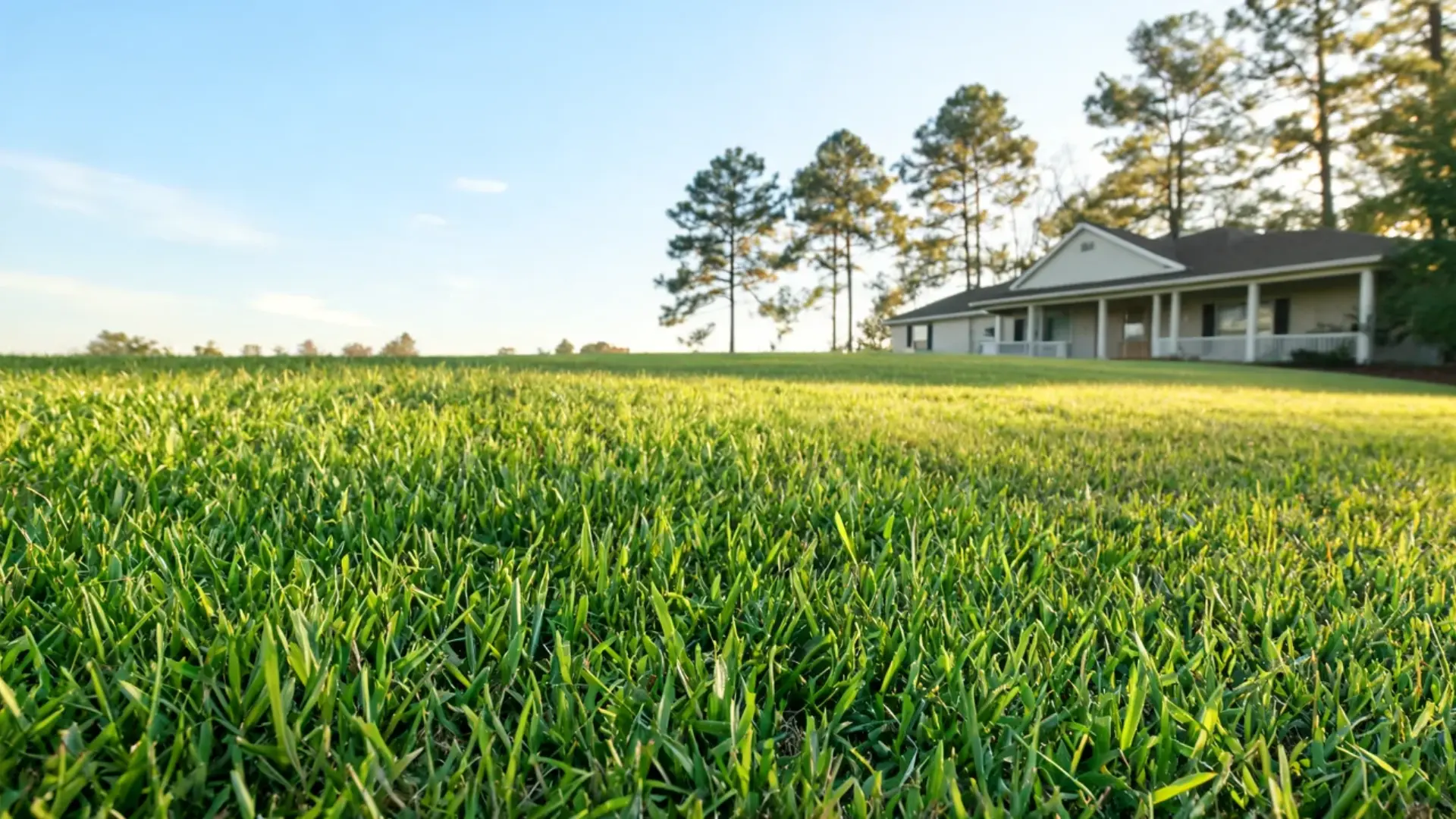
Most people watching a football match don’t think about the pitch for more than a few seconds. It looks flat, green, and ready. That’s enough. But anyone who has spent time around turf knows it is rarely that simple. What you see on matchday is the result of constant attention, and even then it doesn’t always behave as expected.
A surface under constant pressure
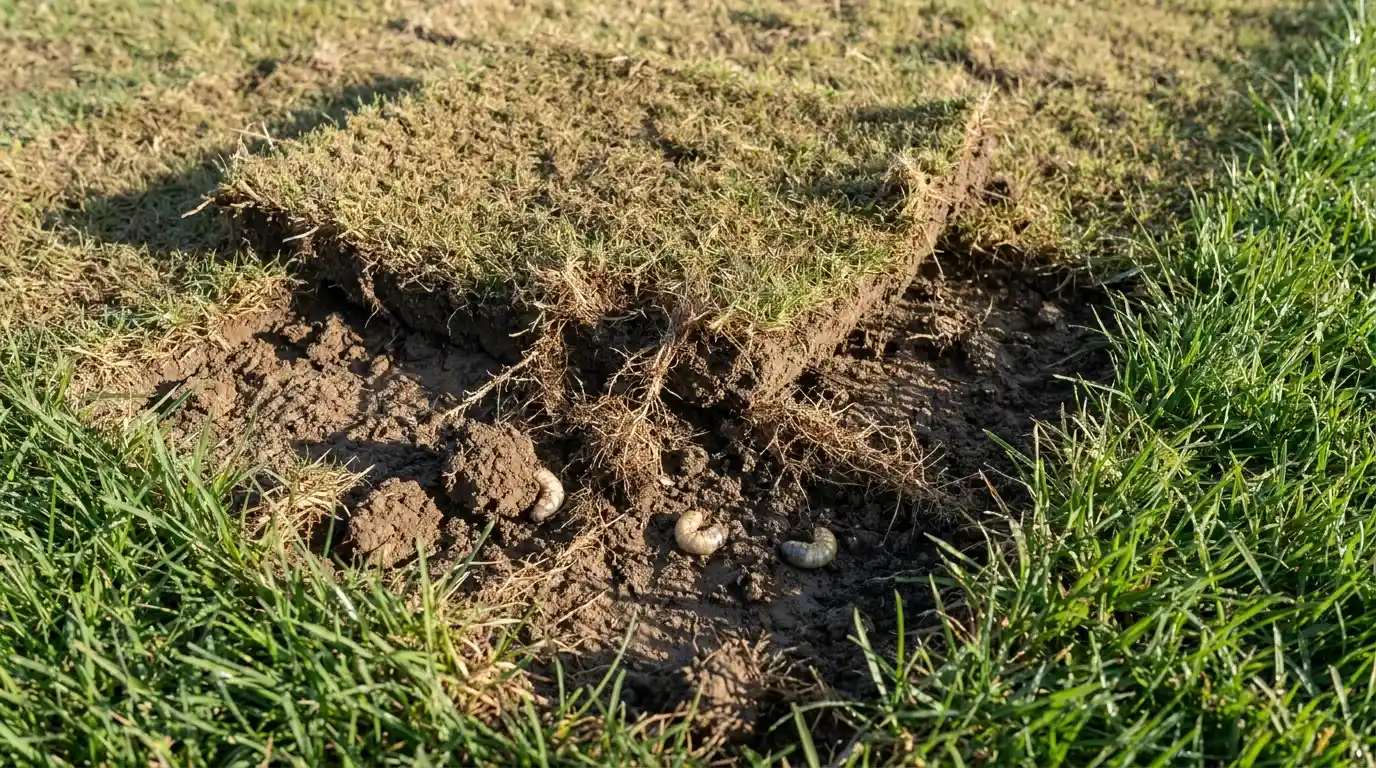
A football pitch takes a beating. Matches, training, warm-ups, even the way players move during a game all leave marks behind. You tend to notice it most around the goalmouths or through the middle where the game is busiest. Those areas never quite recover as quickly as the rest.
Keeping that surface stable is not just about fixing damage after it happens. Most of the time, work on the fields is preventative. The groundskeeper will always make sure to adjust the height of the lawn, rotate the wear, and just remain ahead of any problems before it becomes apparent. Sure, it doesn’t always work, but it remains the aim.
The balance between growth and durability
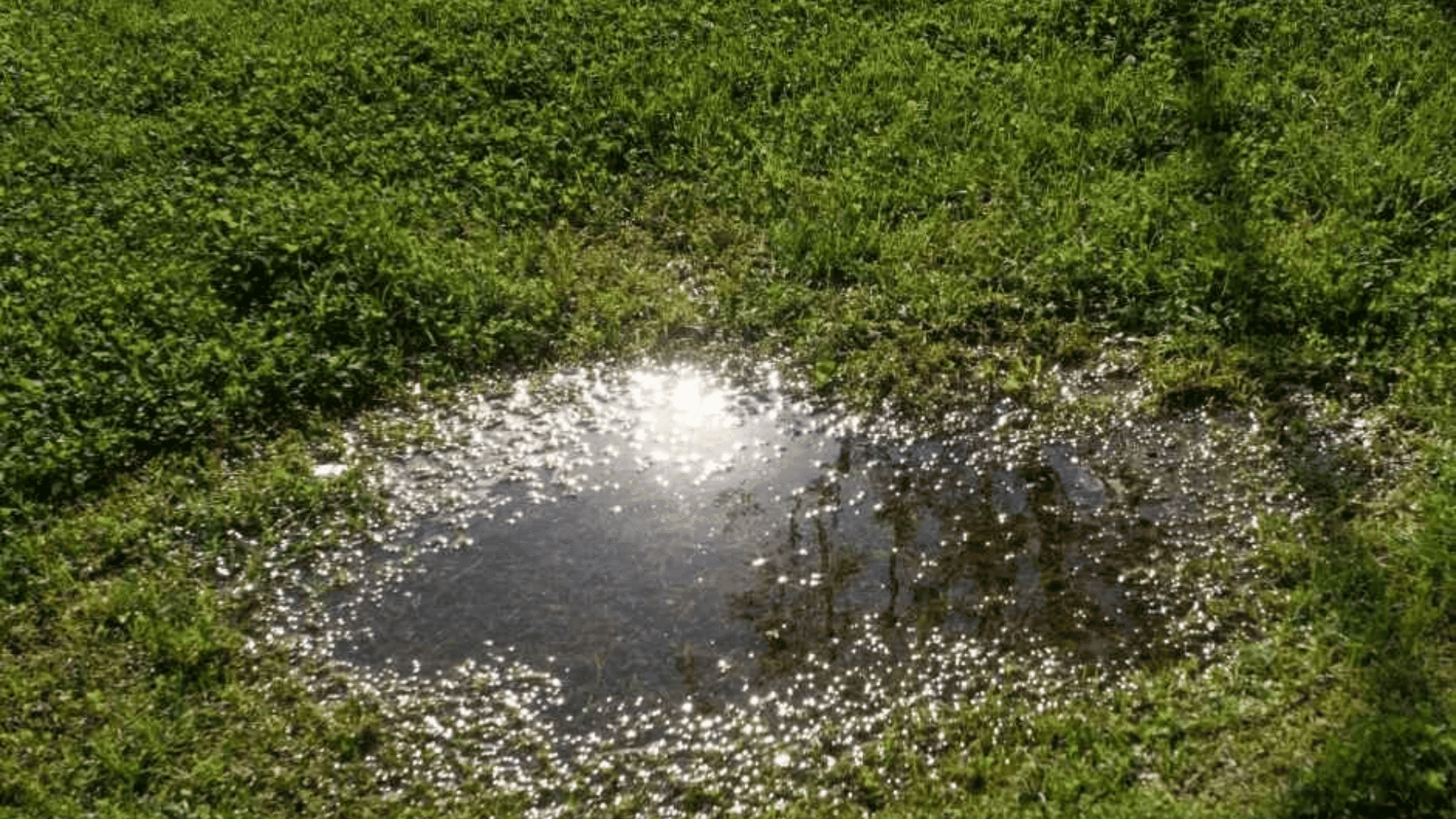
The grass itself is chosen carefully. It needs to grow enough for self repair, but not that fast that the grass becomes unstable and too soft. This balance is much harder than expected to achieve. Too much water and the surface gives way under pressure. Too little and it starts to thin out, especially in heavy-use areas.
You can follow a schedule, but the weather rarely sticks to it. A few warm days can speed everything up. A cold spell can slow it right down. Small changes like that make a bigger difference than most people expect.
This is also where things become less predictable. From the stands, everything might look fine. Up close, it can be a different story. The ball might hold slightly, or skip in places where the surface is uneven, something that often gets ignored when people look at football betting odds before a game and assume the conditions will be consistent.
The influence on how the game is played
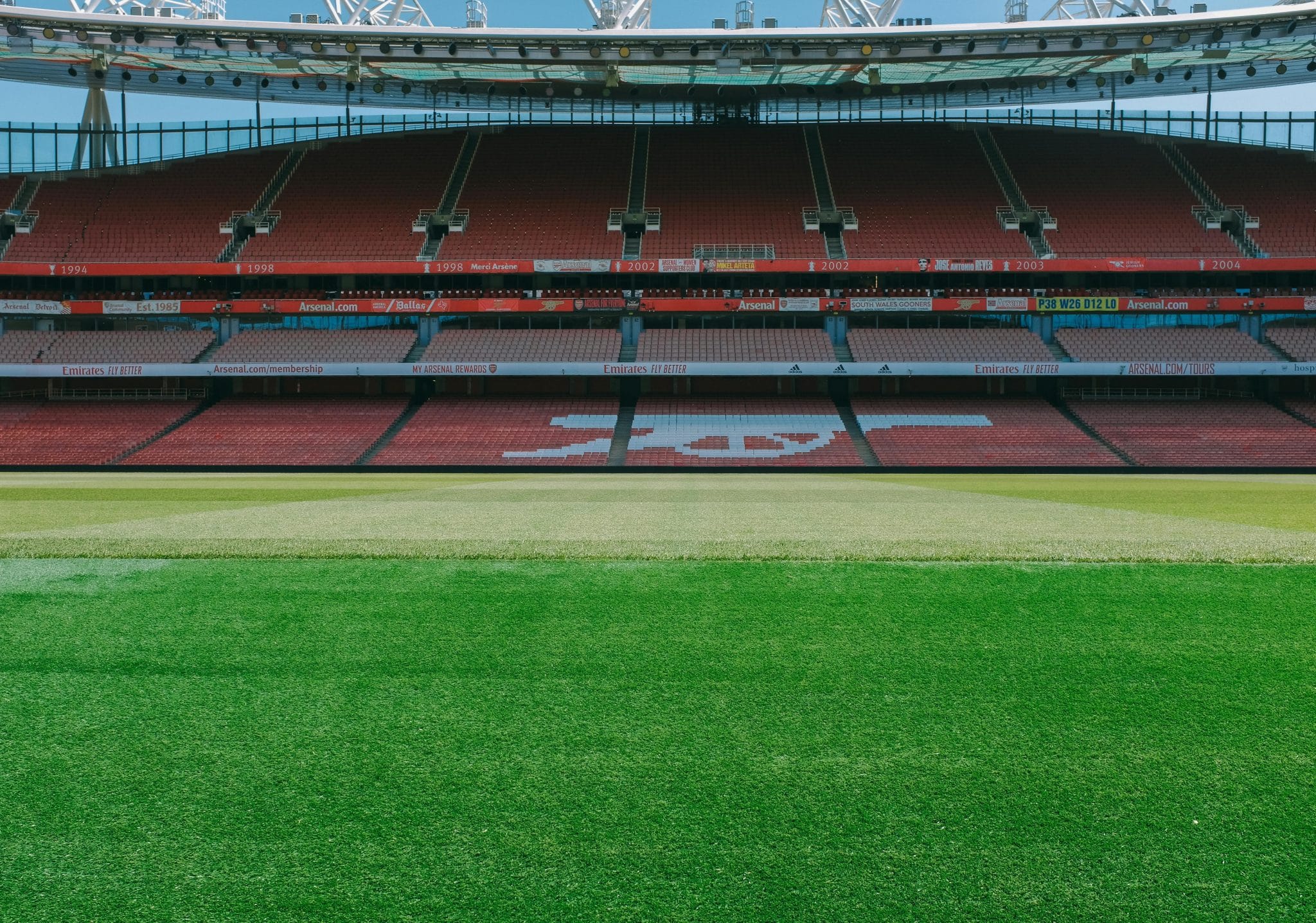
A good pitch makes everything look easier. The ball moves cleanly, passes arrive where they should, and players trust what is under their feet. You can see it in the tempo. The game feels quicker, more controlled.
Change the surface even slightly and the whole thing shifts. A worn patch can slow a move down. A dry area can make the ball jump unexpectedly. Players adjust without thinking about it, taking fewer risks or choosing safer options.
It doesn’t take much. Sometimes it’s just one area of the pitch that changes how a team approaches the game. Over ninety minutes, those small differences add up.
Maintenance that never really stops
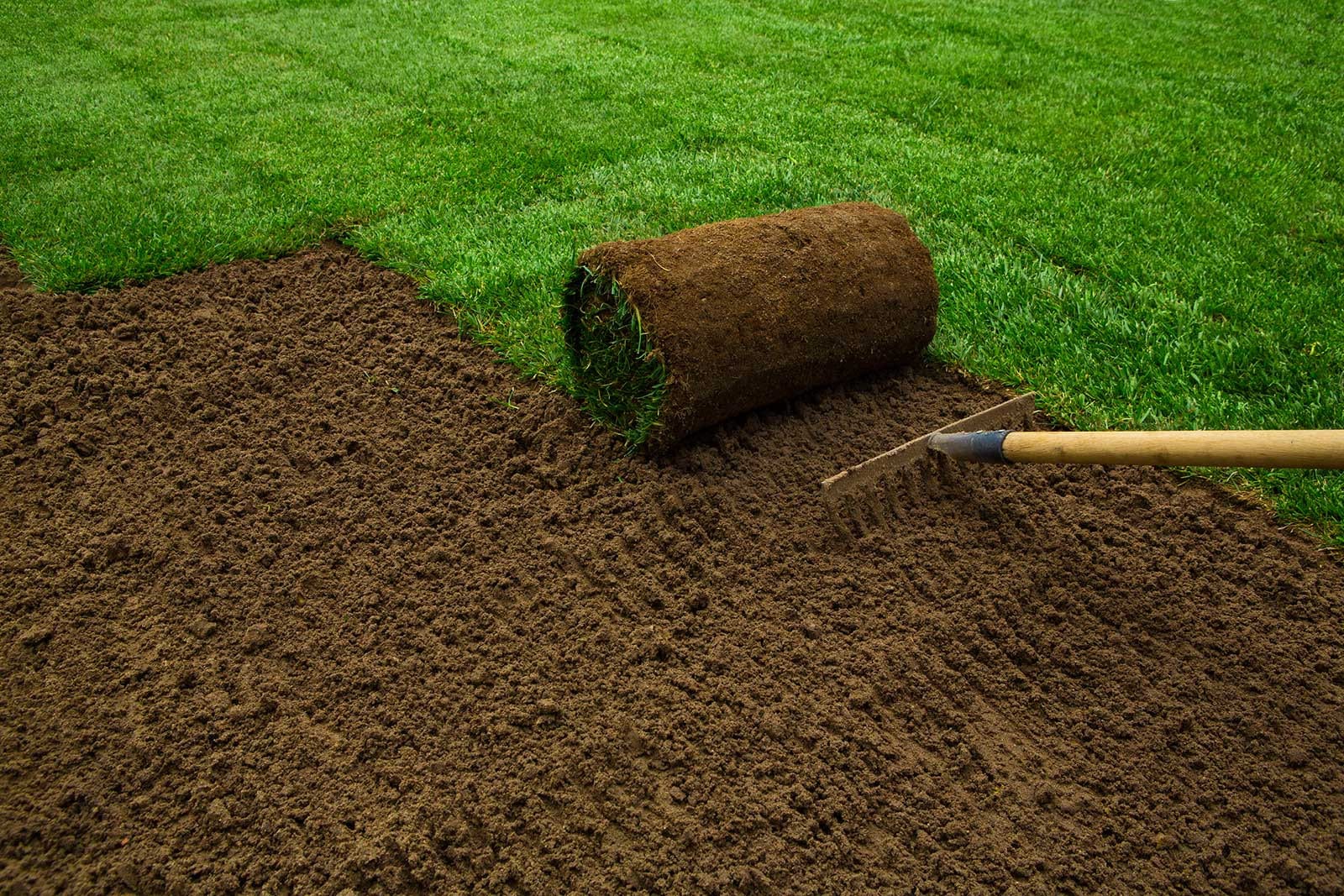
Once the match is over, the work starts again. Damaged areas are repaired, soil is loosened, seed is added where needed. There’s no real pause. The pitch is always being prepared for the next use, even if it’s only a few days away.
Recovery is never perfect. Some areas come back quickly, others take longer. The challenge is keeping everything as even as possible so that one section doesn’t affect the whole surface.
Experience matters more than any plan
There are guides for pitch care, but they only go so far. What really matters is experience. Knowing how your ground reacts, how it holds water, how it wears over time. That kind of knowledge doesn’t come from a schedule.
You learn it by seeing what goes wrong. A section that won’t recover. A surface that looks fine until it suddenly doesn’t. Those moments stick, and they shape how you handle things next time.
The part nobody notices
Most of the time, the best pitches are the ones nobody talks about. That usually means everything is working as it should. No surprises, no complaints, no obvious problems.
But that doesn’t mean it was easy to get there. It just means the work behind it did its job.
And that is really the point. The type of grass is not just there to fill space. It is part of the game, even if most people never think about it that way.