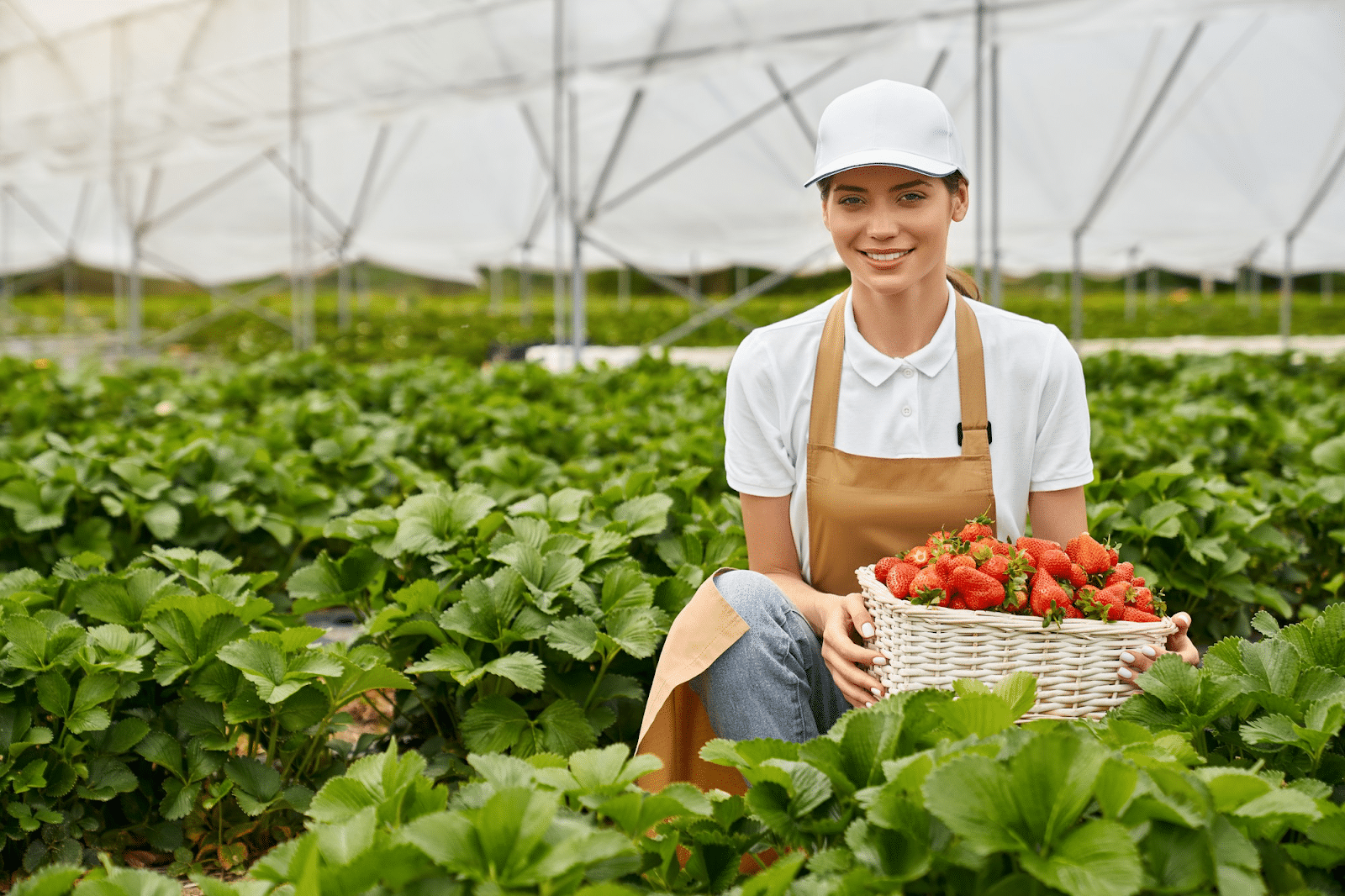
Strawberries have a rhythm of their own, and once you learn it, growing them feels less like gardening and more like keeping a little seasonal secret.
These sun-kissed fruits thrive within specific planting and harvesting windows, shaped by your climate, your chosen variety, and how you decide to grow them.
If you’ve been wondering whether it’s too late to plant strawberries or searching for the best time to grow strawberries in your area, you’re in the right place.
This guide walks you through everything, from planting seasons and growth stages to harvest timing and tips for the sweetest, most generous crop possible.
When Do Strawberries Grow?
Strawberries are very much a spring and early summer fruit for most regions, though the exact window shifts depending on where you live.
In warmer climates, plants wake up earlier, and harvest can arrive weeks ahead of cooler northern regions, where the season runs a little later and slower.
What’s worth knowing is that the season doesn’t have to end there.
With indoor or greenhouse growing, you can extend your harvest well beyond what the weather outside allows, giving you fresh strawberries even when the typical growing window has long passed.
Best Time to Grow Strawberries
Timing your planting well makes all the difference between a struggling plant and one that truly thrives. Knowing your climate and what each season offers sets you up for a much more rewarding harvest.
Spring Planting
Spring is the most popular time to get strawberries in the ground, and for good reason. As soil temperatures warm up and frost risk fades, plants settle in quickly and channel their energy into strong root development.
For most home gardeners, this window feels natural and forgiving, giving new plants plenty of time to establish before the first fruits of summer start to appear.
Fall Planting
In mild climates, fall planting is often the smarter choice. Cooler temperatures reduce transplant stress, and plants get a quiet head start, building roots through the milder months before growth picks up in spring.
It’s a patient approach, but one that tends to reward you with earlier and more abundant harvests the following season compared to spring-planted crops.
Planting Calendar by Climate Zone
Your climate zone is really your best guide when it comes to timing.
Here’s a simple breakdown to help you plan with confidence.
| Climate Zone | Best Planting Time | Soil Temp | Expected Harvest |
|---|---|---|---|
| Cold Regions | Spring | Fully thawed | Midsummer |
| Mild Climates | Fall | Warm but cooling | Following spring |
| Warm Regions | Late Fall or Winter | Comfortably cool | Late winter to early spring |
Strawberry Growth Stages
Watching strawberries grow from a tiny plant to a fruit-laden beauty is genuinely one of gardening’s quiet pleasures. Each stage builds on the last, and knowing what to expect makes the whole experience feel a lot more intentional.
1. Plant Establishment
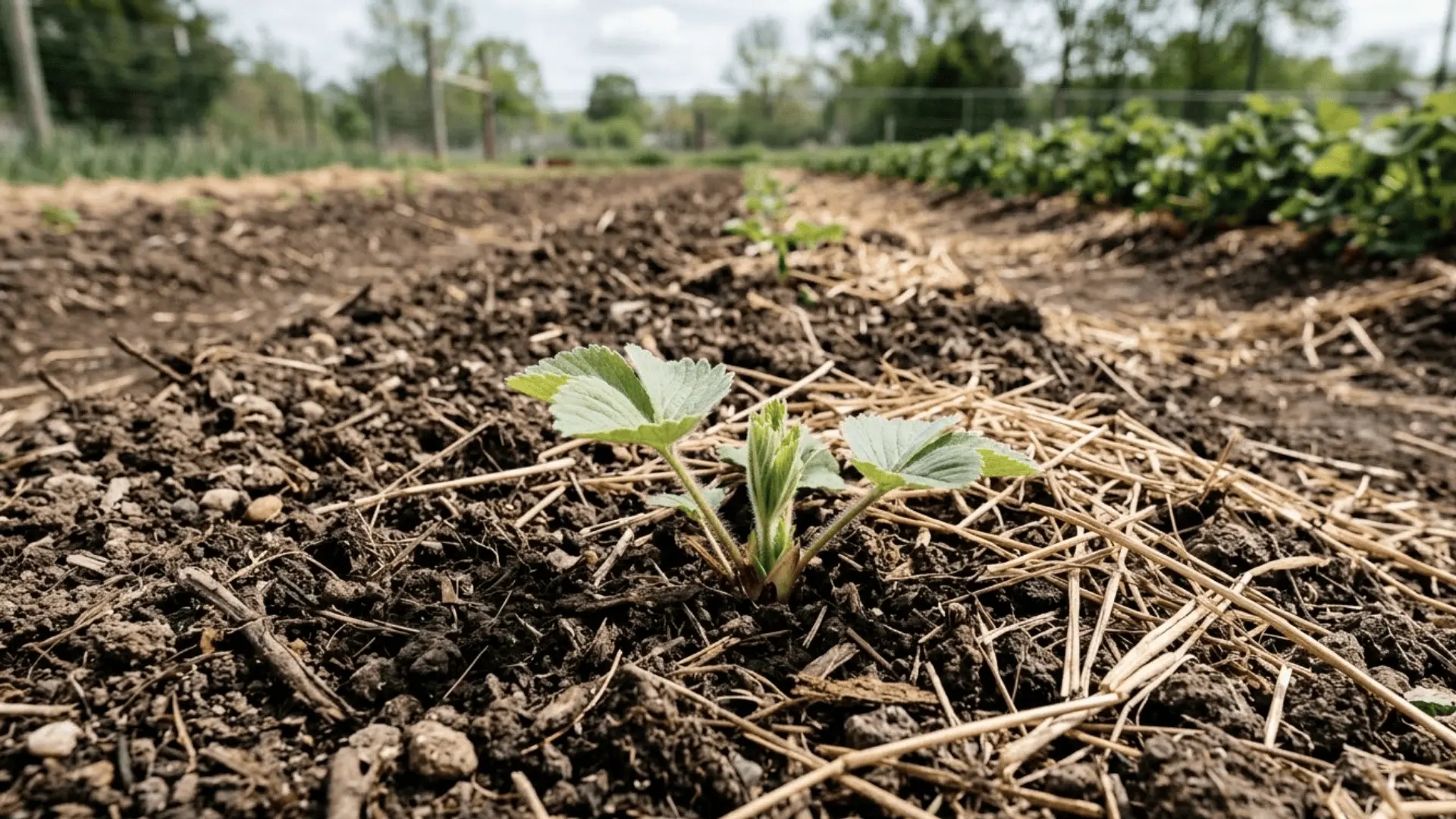
This is where everything begins. After planting, your strawberry puts most of its energy below the surface, developing a strong root system while new leaves slowly unfurl. It’s a quieter stage, but a deeply important one.
Healthy establishment now sets the tone for everything that follows, so consistent watering and a little patience go a long way here.
2. Flowering Stage
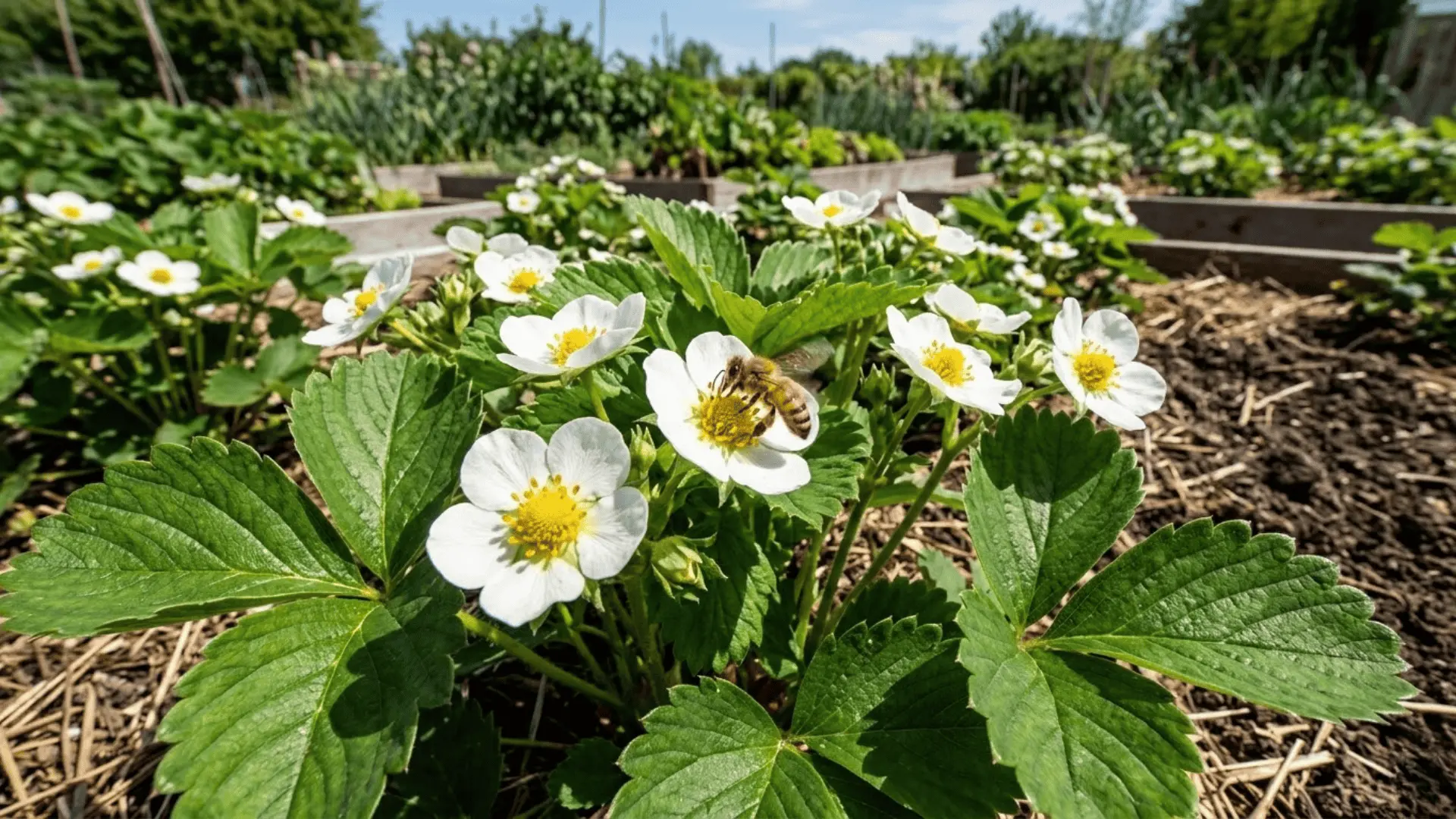
Once the plant feels settled, small, delicate white flowers begin to appear, signaling that fruit is on its way. This stage is exciting and worth paying attention to, as flowers need pollination to develop into fruit.
Bees and other pollinators do most of the work naturally, but good airflow and open growing conditions help the process along beautifully.
3. Fruit Development
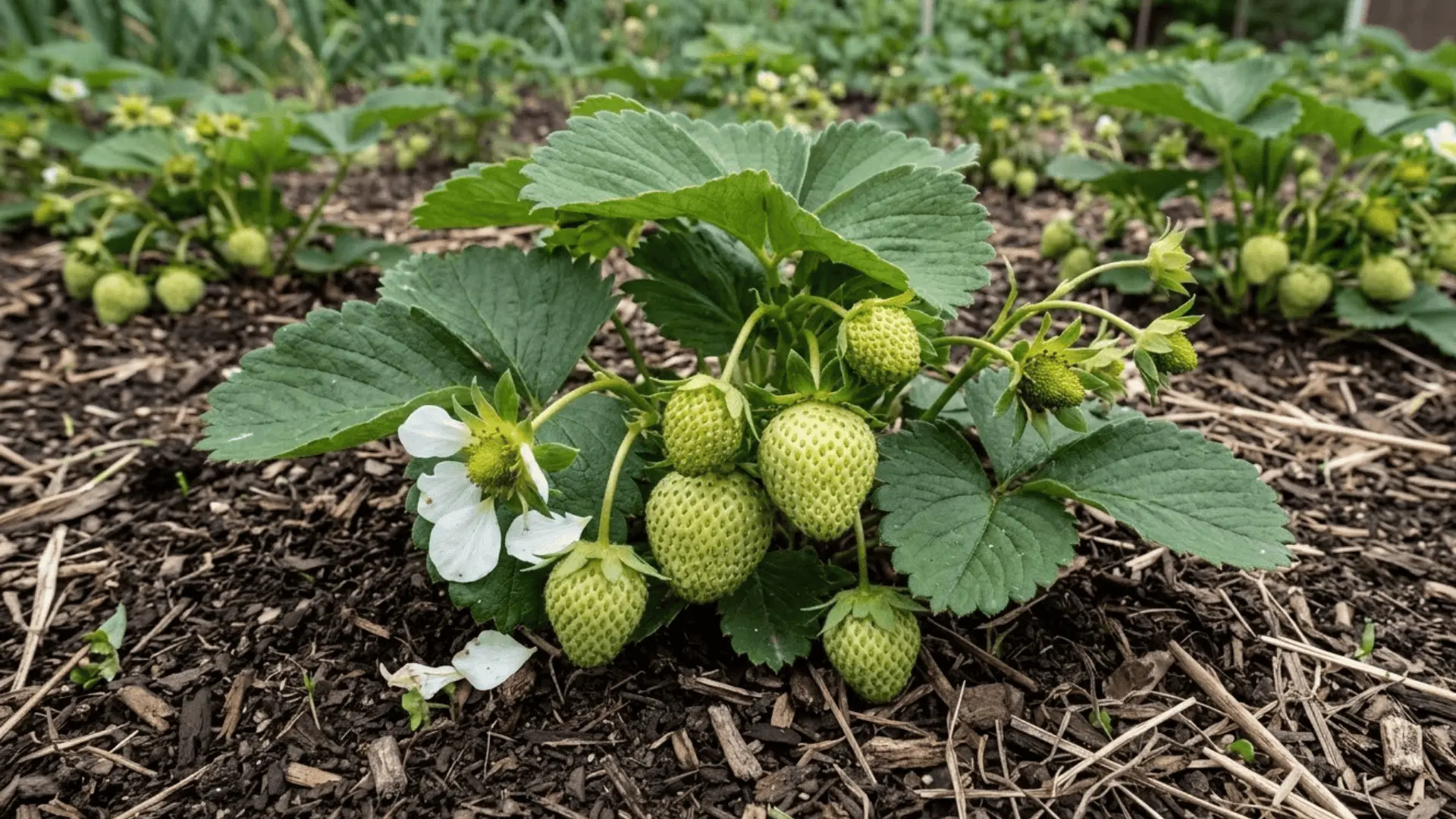
After successful pollination, petals fall away, and tiny green strawberries start forming in their place. It’s a slow and satisfying transformation to watch.
The fruit gradually swells over several weeks, filling out its familiar shape while the plant continues drawing nutrients from the soil to fuel that steady, visible growth.
4. Ripening Stage
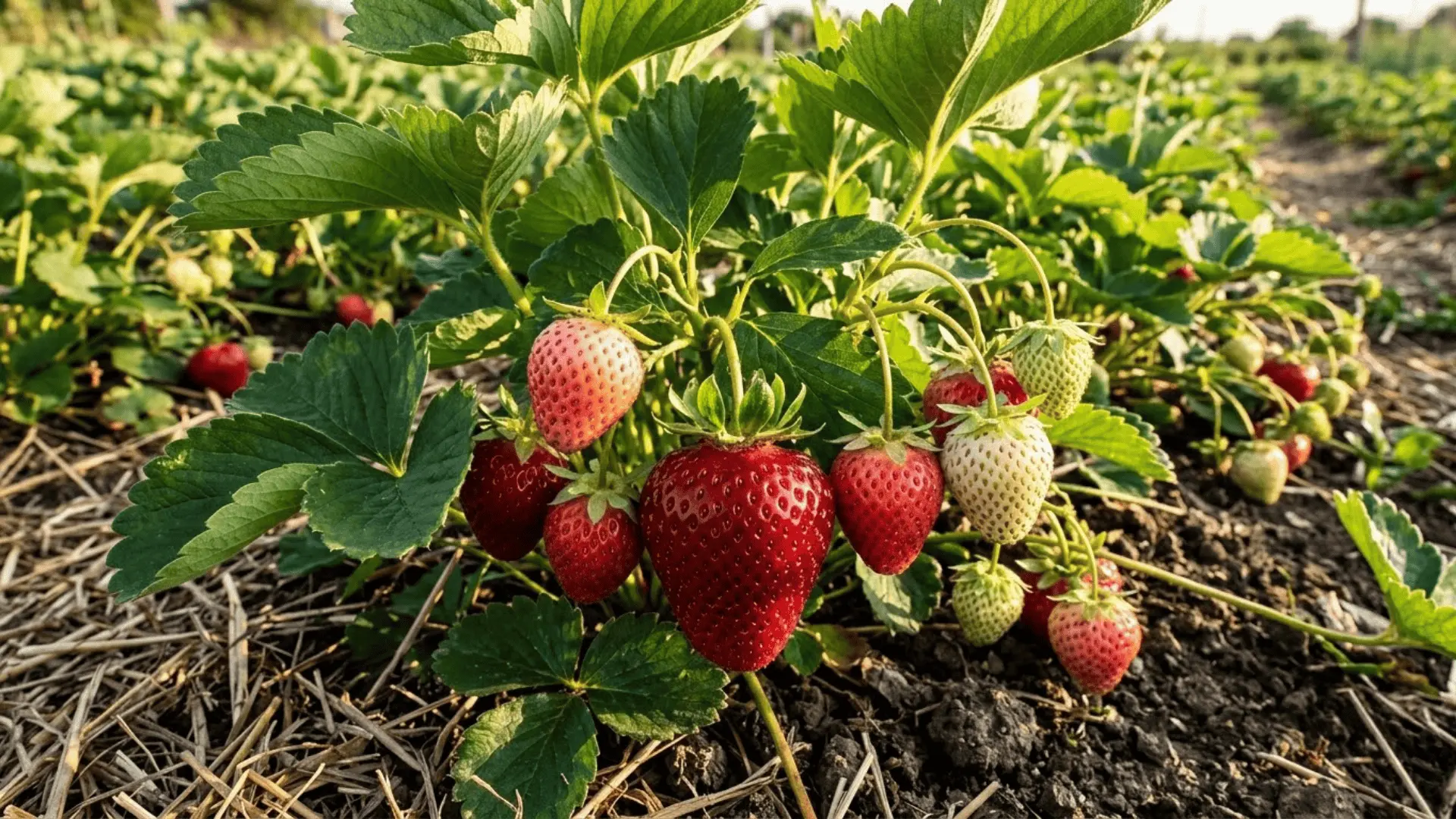
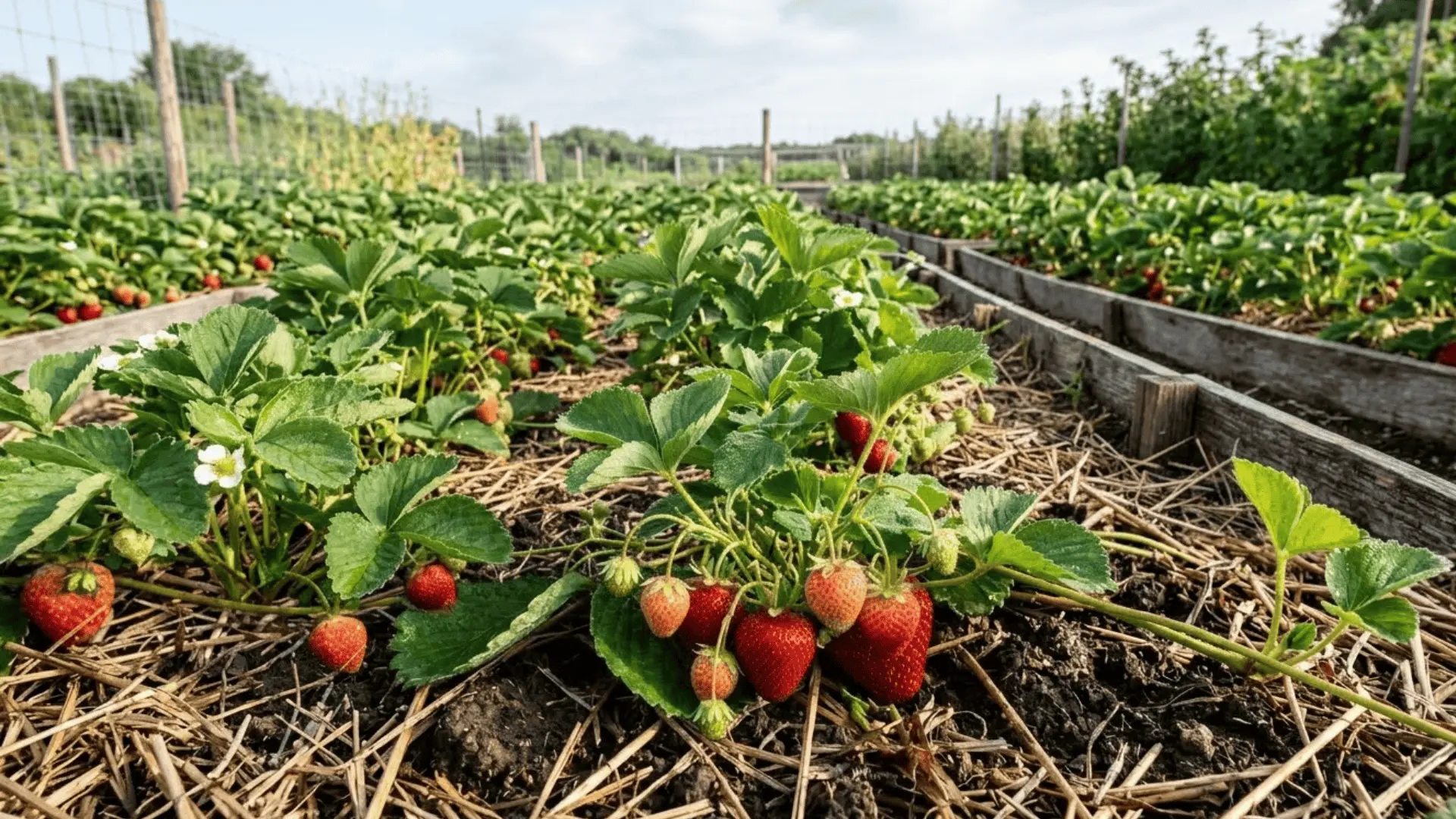
This is the stage every gardener waits for. Green fruit slowly blushes pink, then deepens into that rich, signature red that means your strawberries are ready.
Flavor develops fully right at the end of this stage, so waiting until berries are completely red before picking makes all the difference in sweetness and taste.
How Long Do Strawberries Take to Grow?
Strawberries are not an overnight reward, but they’re far from a long wait either.
From the day you plant, most varieties take anywhere from a few months to the first harvest, with the timeline shaped largely by your chosen variety and growing conditions.
The flowering to fruiting window is a little more predictable, with ripe fruit typically appearing within a month or so after blossoms appear.
Keeping your plants well-watered and sun-fed through this window genuinely speeds things along and makes that first ripe berry taste even more worth it.
Types of Strawberries and Their Growing Seasons
Not all strawberries follow the same schedule, and choosing the right type for your garden can shape your entire growing experience.
Here’s a closer look at the three main varieties and what each one brings to the table.
1. June-Bearing Strawberries
Origin: Temperate regions worldwide, one of the oldest and most widely grown varieties.
Growing Season: Late spring to early summer, producing one generous, concentrated harvest annually.
June-bearing varieties are the classic choice for gardeners who love a single, abundant picking season.
The harvest window is short but wonderfully prolific, making these ideal for preserving, jamming, or simply enjoying a big, beautiful haul all at once.
2. Everbearing Strawberries
Origin: Bred specifically to extend the natural fruiting window beyond a single season.
Growing Season: Typically 2 to 3 harvests across spring, summer, and fall, with peaks at either end of the warmer months.
Everbearing strawberries are a great middle ground for those who want a steady but not overwhelming supply.
You get the satisfaction of multiple harvests without committing to full-season maintenance, making them a practical and rewarding pick for most home gardens.
3. Day-Neutral Strawberries
Origin: A modern breeding development, cultivated to fruit independently of daylight hours.
Growing Season: Consistently throughout the entire growing season, as long as temperatures stay within a comfortable range.
Day-neutral strawberries are the closest thing to a continuous supply straight from the garden.
They fruit steadily rather than in peaks, which means fresh strawberries are almost always within reach during the warmer months, making them a quiet favorite among dedicated home growers.
Is It Too Late to Plant Strawberries?
Not necessarily. Depending on your climate, early summer or fall planting can still work beautifully, giving plants enough time to settle in before conditions shift.
Containers are also worth considering, as they offer flexibility that garden beds simply can’t, letting you move plants to better light or shelter as needed.
That said, planting too late does come with trade-offs:
- Slower establishment in the first season
- Fewer fruits, with most energy going toward root development
- Higher vulnerability to heat or frost stress
Plant a little late, and your strawberries will still grow, just on their own quiet timeline.
Best Conditions for Growing Strawberries
Strawberries are fairly easygoing plants, but they do have their preferences.
Getting these foundational conditions right from the start makes everything from establishment to harvest noticeably smoother.
Sunlight Requirements
Strawberries are sun-lovers at heart, and giving them the light they need is one of the simplest ways to set them up for success.
- Aim for 6 to 8 hours of direct sunlight daily
- Morning sun is ideal, helping dry dew and reduce disease risk
- Insufficient light leads to weak plants and poor fruiting
Soil Conditions
Good soil is where a strong strawberry plant truly begins, and a little preparation here pays off through the whole season.
- Well-draining, loamy soil with a slightly acidic pH works best
- Work in organic matter or compost before planting for richer nutrients
- Avoid waterlogged or compacted soils that suffocate root development
Watering Needs
Strawberries like consistent moisture, but they’re surprisingly sensitive to both too little and too much water.
- Deep, regular watering keeps the soil evenly moist without overdoing it
- Avoid overhead watering to minimize rot and fungal issues
- Mulching around plants helps retain moisture between watering sessions
When to Harvest Strawberries?
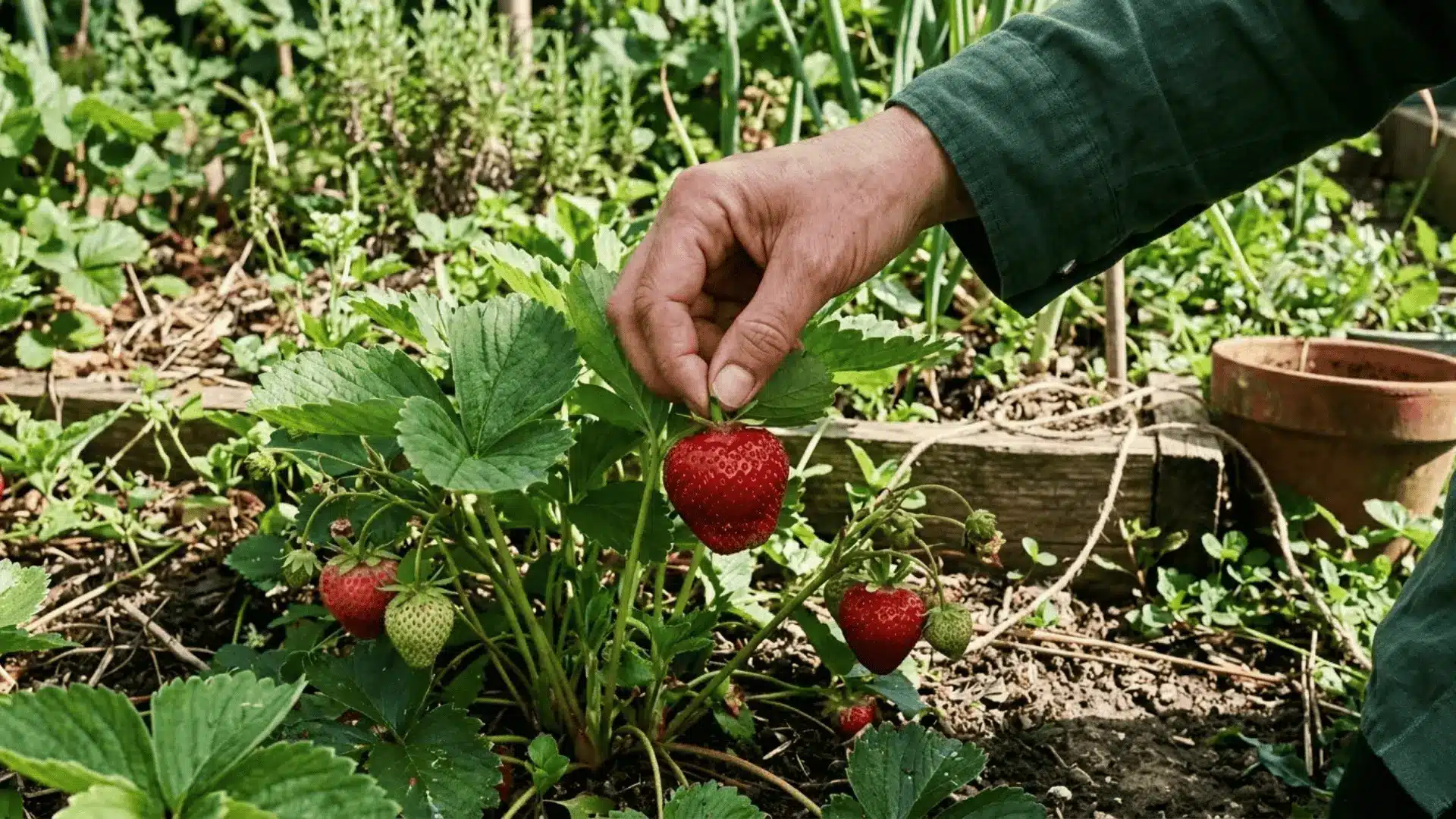
Knowing when to pick is just as important as knowing how to grow.
A fully ripe strawberry is deep red all the way to the stem, with a texture that gives just slightly under gentle pressure. Any remaining white or green near the top means it needs a little more time.
During peak season, checking your plants every day or two keeps you ahead of overripening and gives you berries at their absolute sweetest.
Harvesting regularly also encourages the plant to keep producing, so the more attentively you pick, the more generously it gives back.
Tips for Growing Strawberries Successfully
A little extra care at the right moments can take your strawberry crop from decent to genuinely impressive. Keep these simple practices in mind throughout the season.
- Choose a variety that suits your climate and harvest goals, whether that’s a single abundant crop or steady fruiting all season.
- Raised beds and containers improve drainage, warm up faster in spring, and give you more control over soil quality.
- Mulching around plants keeps berries clean, retains moisture, and protects roots from temperature swings.
- Netting or row covers are your best defense against birds and common pests before they reach your fruit.
Small, consistent habits make the biggest difference with strawberries, and once you find your rhythm, the plants tend to take care of the rest.
Final Thoughts
Understanding when strawberries grow truly changes how you approach the whole experience, from picking the right planting window to recognizing that perfect moment to harvest.
Working with a full garden bed, a few containers on a balcony, or a greenhouse setup, strawberries have a way of rewarding attention and care in the sweetest way possible.
Start with what suits your climate, stay consistent, and let the plant guide you.
We’d love to know how your strawberry growing goes. Drop a comment below and share what’s working in your garden!