A garden may start with a simple goal: grow better tomatoes, brighten a bare corner of the yard or finally figure out why the hydrangeas refuse to cooperate. Yet spending regular time gardening can affect more than the appearance of your property.
Digging, planting, pruning and watering get you moving, bring you outdoors and give you a reason to step away from screens and everyday distractions.
A garden is not healthcare, of course, but it can be one useful part of a lifestyle that supports physical and emotional well-being.
Gardening Gets Your Body Moving
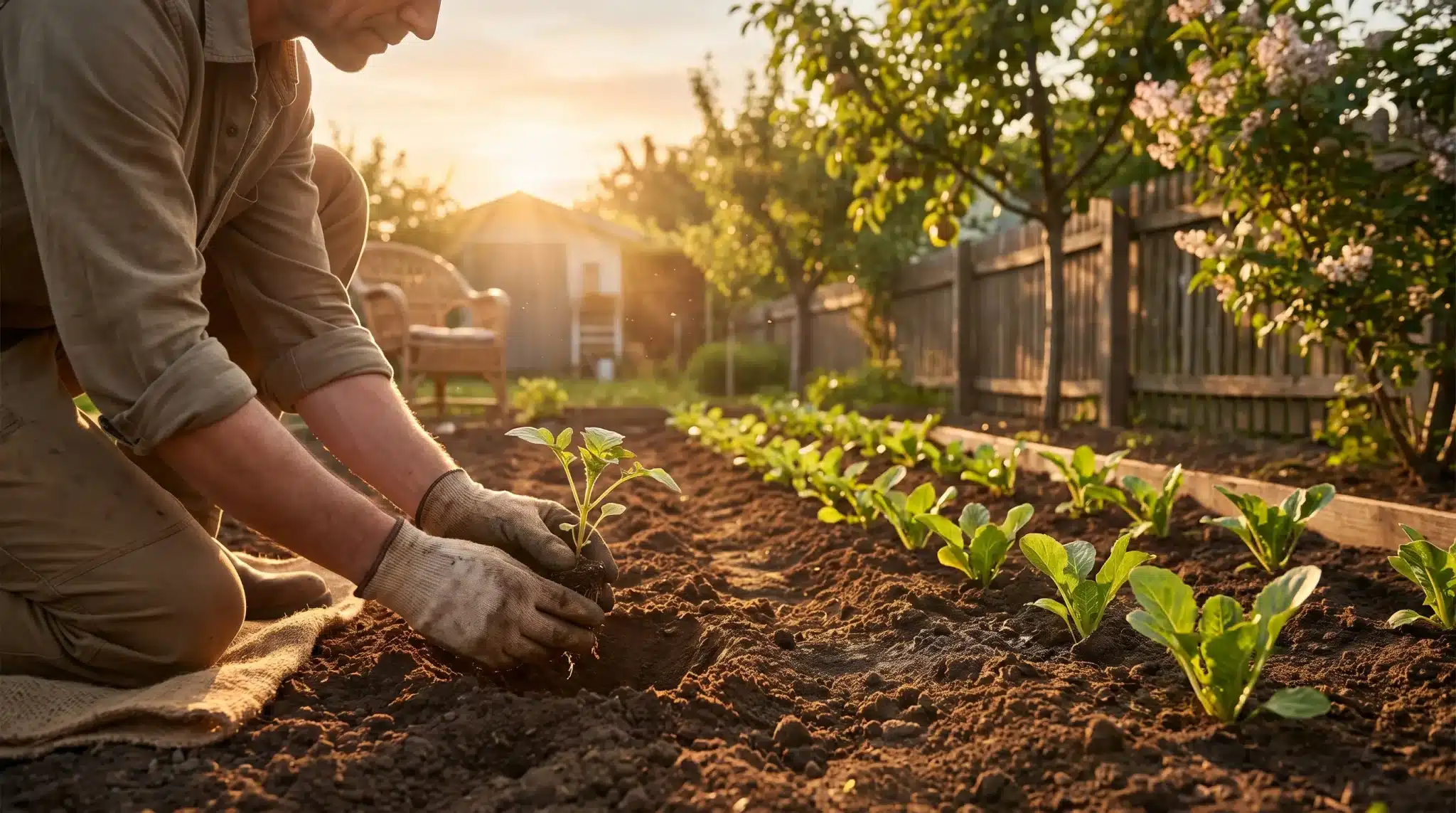
Gardening can involve a surprising amount of physical activity. Carrying soil, pushing a wheelbarrow, digging holes, pulling weeds and walking around the yard all require movement. Even lighter jobs such as deadheading flowers or watering containers get you off the couch and onto your feet.
That movement can be particularly appealing to people who dislike conventional workouts. You might not feel motivated to spend Saturday morning on a treadmill, but spending an hour preparing a vegetable bed gives you a job to accomplish while keeping your body active.
Gardening also encourages people to work with their hands and change positions frequently. Sensible precautions still matter. Heavy bags should be lifted carefully, repetitive tasks deserve breaks and hot weather calls for water, shade and appropriate clothing.
Gardening should leave you pleasantly tired, not hobbling back into the house wondering why you tried to move a 70-pound planter by yourself.
Home Can Support New Routines
Health sometimes requires changing familiar routines. That can happen after an illness, during a stressful period or while recovering from problems involving drugs or alcohol.
For someone returning from rehab in Houston, Louisville or San Diego, coming home to your home and garden can be an opportunity to establish daily activities that support a different way of living.
Gardening can fill time that previously lacked structure. A few raised beds create regular jobs, while houseplants and container gardens offer manageable responsibilities for someone who wants to start smaller.
Watering plants in the morning or spending an evening working outside can become part of a predictable routine.
For someone in addiction recovery, gardening should complement professional treatment and ongoing support rather than replace them. Its value is much simpler. It provides an activity that requires attention and offers visible results over time.
The same idea applies to many health-related transitions. When life changes, familiar surroundings can either reinforce old routines or become the setting where new ones begin.
Growing Food Changes Your Plate

A vegetable garden puts fresh food a few steps from the kitchen. Tomatoes, peppers, herbs, lettuce, beans and other homegrown produce can make it easier to add variety to everyday meals.
There is also a practical incentive to eat what you grow. After spending weeks defending a tomato plant from insects, weather and hungry wildlife, letting the harvest rot on the counter feels almost criminal.
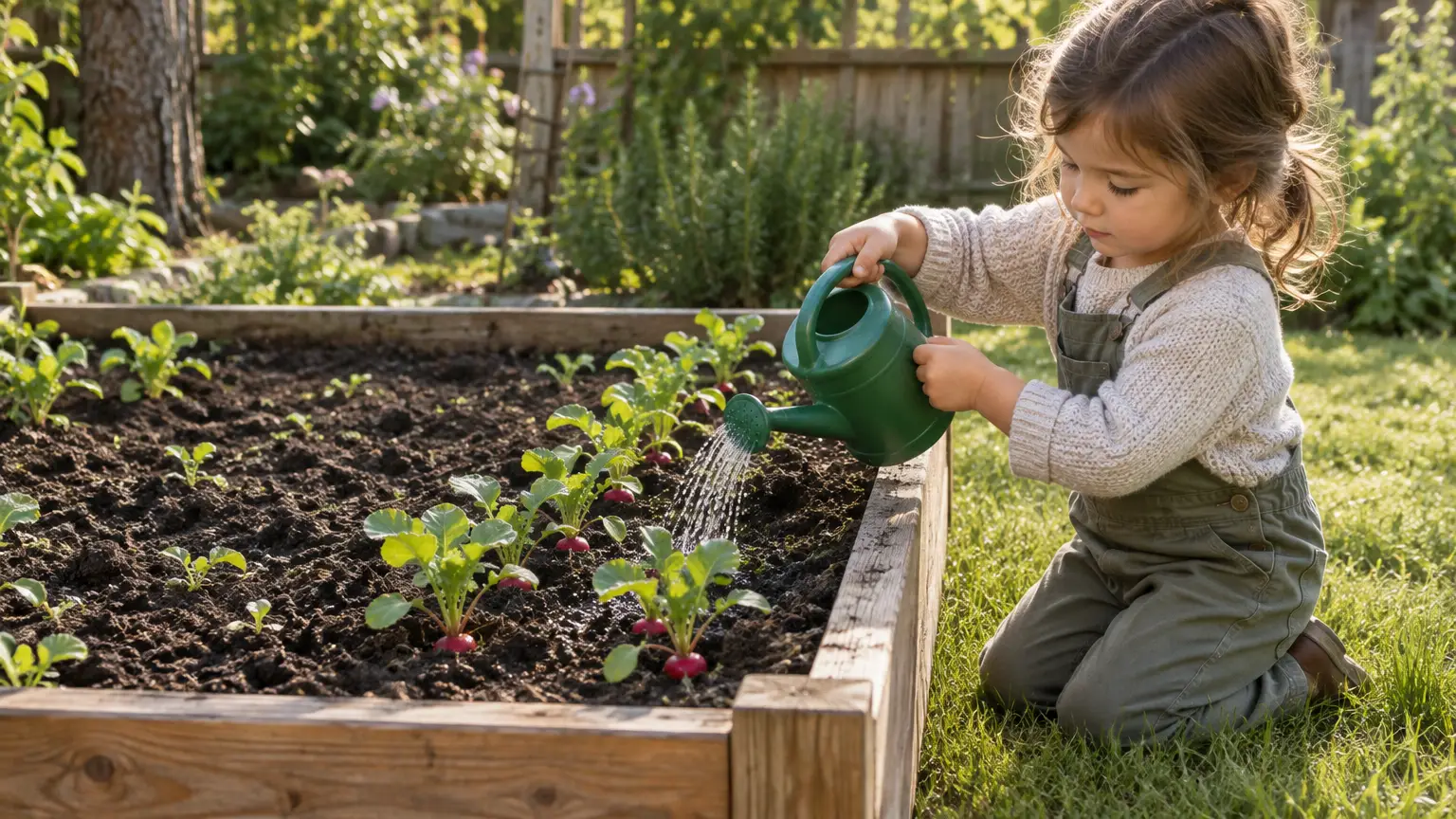
Growing food can also make people more curious about ingredients they might otherwise overlook. Someone who rarely buys fresh herbs may use basil constantly once it starts taking over a container. Children who help grow snap peas or strawberries may become more interested in tasting the results.
A home garden does not need to supply every vegetable your household eats. Even a few productive plants can encourage seasonal cooking and make fresh ingredients more accessible.
The process also teaches patience. Unlike ordering dinner or grabbing something from the refrigerator, growing food requires planning, maintenance and plenty of waiting.
Flowers Offer Their Own Rewards
Not every garden needs to produce dinner to be worthwhile. Ornamental gardening can give people a creative outlet while transforming spaces where they spend time.
Selecting plants, combining textures and watching a landscape change through the seasons make gardening an ongoing project rather than a one-time home improvement task.
Houseplants can provide a similar experience indoors. Consider the beauty of orchids, for example. Their flowers can look impossibly elaborate, yet caring for an orchid requires attention to basic factors such as light, moisture, temperature and growing medium. Learning what a particular plant needs can become an absorbing hobby in its own right.
Flowers also give gardeners reasons to slow down and actually observe their surroundings. You begin noticing when the first buds appear, which plants attract pollinators and how different areas of the yard change throughout the day.
That attention is part of gardening’s appeal. There is always another small detail to notice.
A Garden Keeps You Engaged
Perhaps the greatest health-related benefit of gardening is that it combines several positive activities without making them feel like assignments. You move around, spend time outside, solve problems, create things and maintain a routine because there is always another gardening job waiting.
Gardens also refuse to be completely predictable. Weather changes, pests appear and plants occasionally die despite your best efforts. Then another plant unexpectedly thrives. Learning to adapt is simply part of being a gardener.
Your backyard cannot replace medical care, therapy or other professional support when you need it. It can, however, give you a productive reason to get outside and participate in something that grows and changes over time. That makes tending a garden good for far more than curb appeal.