Water damage rarely stays contained. What starts as a small leak can spread behind walls, under floors, and into structural materials within hours. Many homeowners delay repairs because the issue looks minor at first. In reality, that delay often leads to higher costs, more damage, and longer recovery time. Understanding what actually happens when you wait can help you act faster and avoid unnecessary expenses.
Damage Spreads Faster Than You Expect
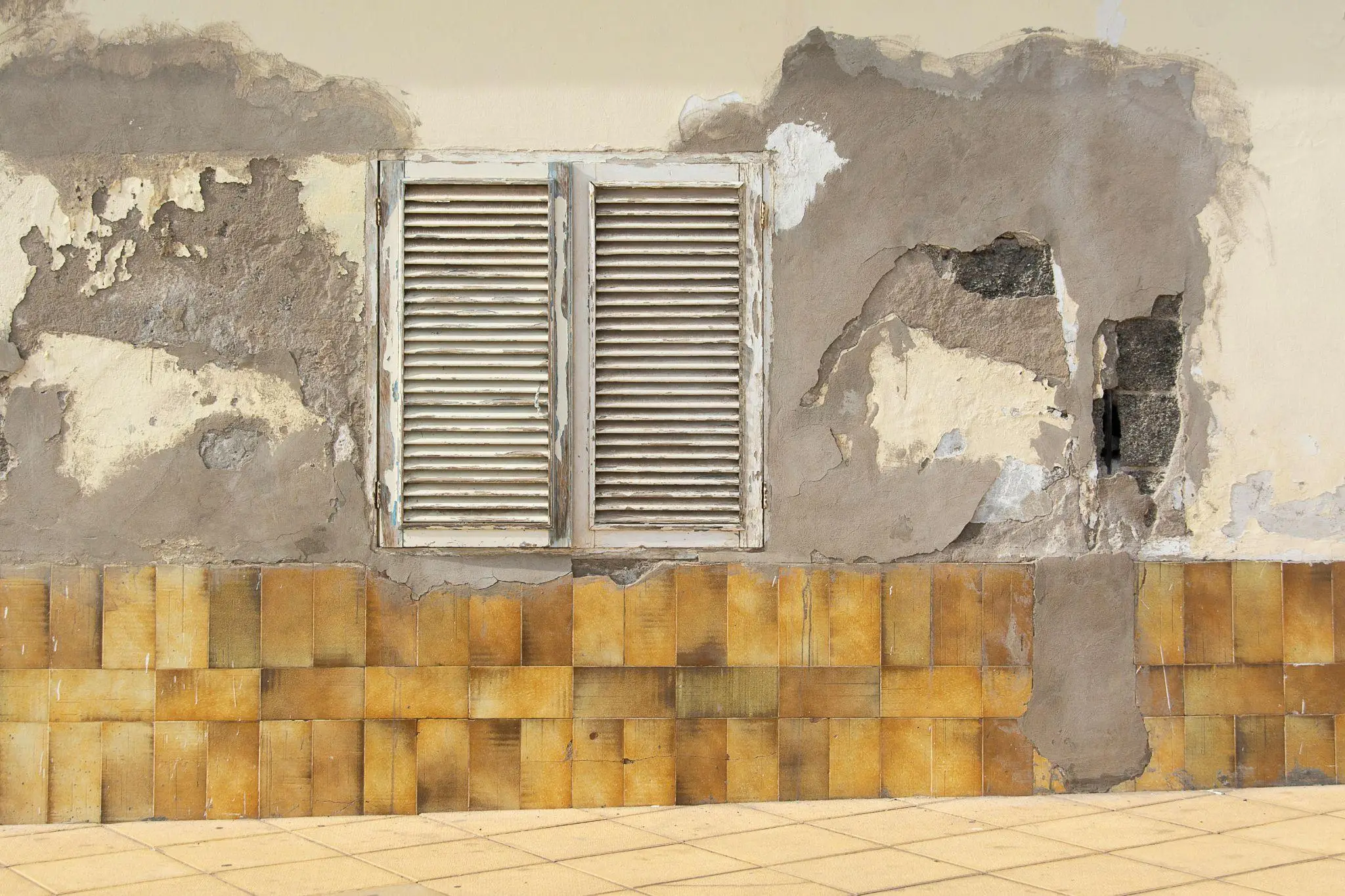
Once a leak starts, water does not stay in one place. It moves through porous materials like drywall, wood, and insulation. Even a small leak under a sink or behind a wall can travel several feet before becoming visible. By the time you notice stains or peeling paint, the damage has already spread. Within the first 24 to 48 hours:
- Drywall begins to soften and lose strength
- Wooden structures start absorbing moisture and swell up
- Water can reach electrical systems and create safety risks
Mold Growth Starts Quickly
One of the biggest risks of delaying repairs is mold. It usually does not need much time to develop, and it has a horrible effect on indoor air quality. This can lead to respiratory issues, especially for children or individuals with allergies. What could have been a simple drying process can turn into a full remediation job and health hazard if ignored. In most cases:
- Mold can begin forming within 24 to 48 hours
- Damp areas like carpets, walls, and ceilings create ideal conditions
- Once it spreads, removal becomes more complex and expensive
Structural Damage Gets Worse Over Time
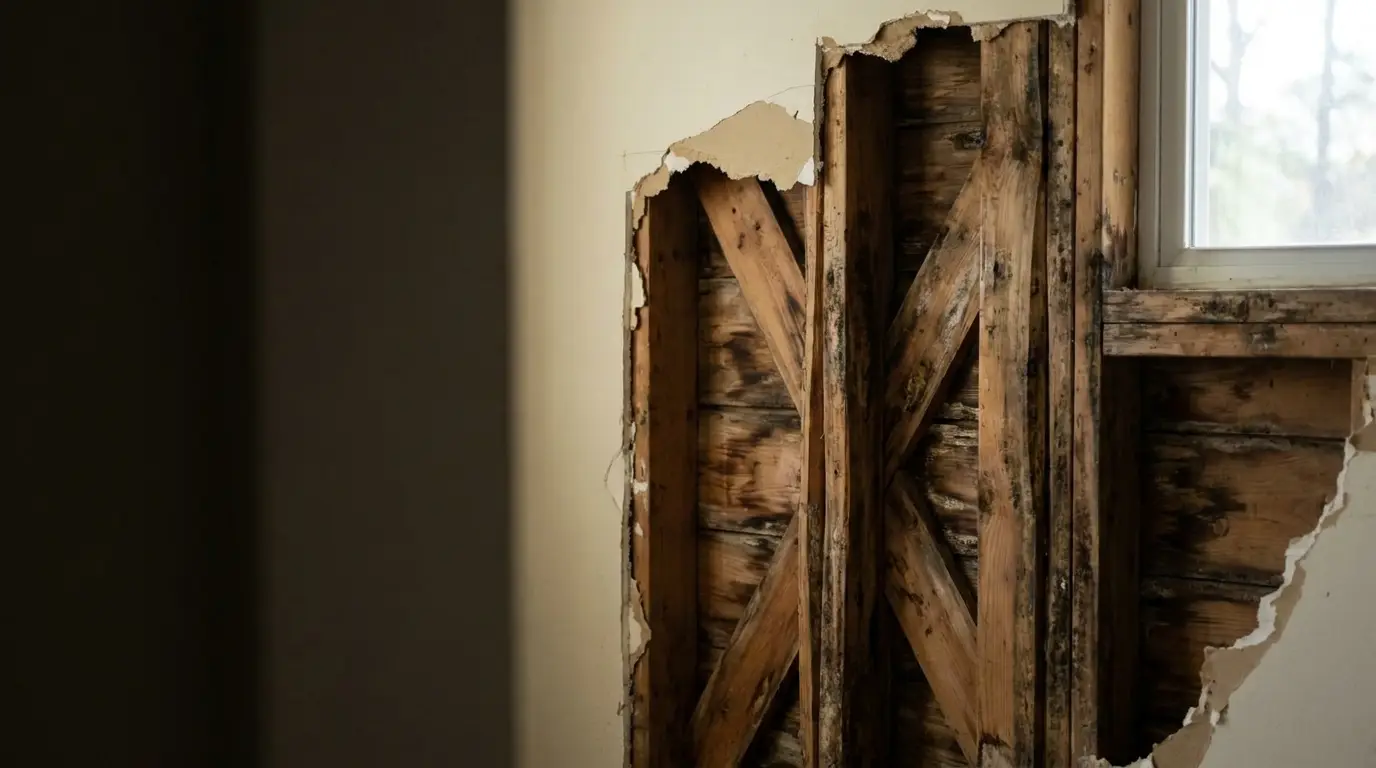
Water weakens the core structure of your home. The longer it sits, the more damage it causes. Oftentimes, the damage is not only cosmetic, but something much deeper. Structural repairs often require removing and replacing materials, which significantly increases costs compared to early intervention. For example:
- Wood framing can warp or rot
- Subfloors may become unstable
- Ceilings and roofs can sag or collapse in severe cases
Repair Costs Increase Rapidly
Delaying repairs almost always leads to higher expenses. What could have been a quick fix often turns into multiple repair steps. A small issue might involve drying the affected area and fixing the source of the leak.
However, after a while, the same issue may require more complex treatments like mold removal, structural repairs, or even complete drywall, flooring, or insulation replacements. Each added layer increases both time and cost. For this reason, acting early helps limit the damage to a smaller, manageable area.
Insurance Claims Can Become Complicated
Insurance companies often assess how quickly you responded to the damage. Most policies only cover sudden incidents, such as burst pipes, and may deny claims if the damage appears to result from neglect. Adjusters review the timeline of the issue, the steps taken to limit damage, and whether you took reasonable action to prevent it from getting worse.
In situations pertaining to water damage, delays can weaken your claim. Limited documentation, late reporting, or a lack of mitigation efforts can also reduce payout amounts or lead to claim rejection. Acting quickly helps establish that the damage was unavoidable and properly managed.
When to Call a Professional
Not all water damage can be handled with basic cleanup, especially when moisture spreads beyond the surface. Once water enters walls, flooring, or ceilings, it can continue causing hidden damage even after visible areas look dry.
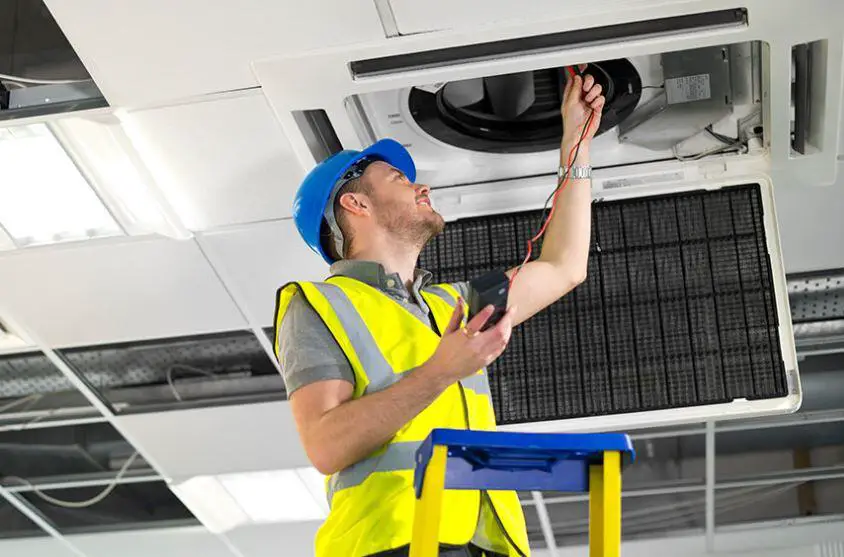
In these situations, it’s vital to contact a water damage restoration company, since professional teams are trained to address hidden moisture. These teams use specialized drying and detection equipment to assess the full extent of the damage. Timely professional intervention can prevent structural weakening and reduce the risk of secondary issues like mold growth, which often develops when water is not fully removed at the source.
Endnote
Water damage can get worse with time. The key is to act early, limit the spread, and address the root cause as soon as possible. Taking quick action not only protects your home but also helps you avoid unnecessary stress and expensive repairs.