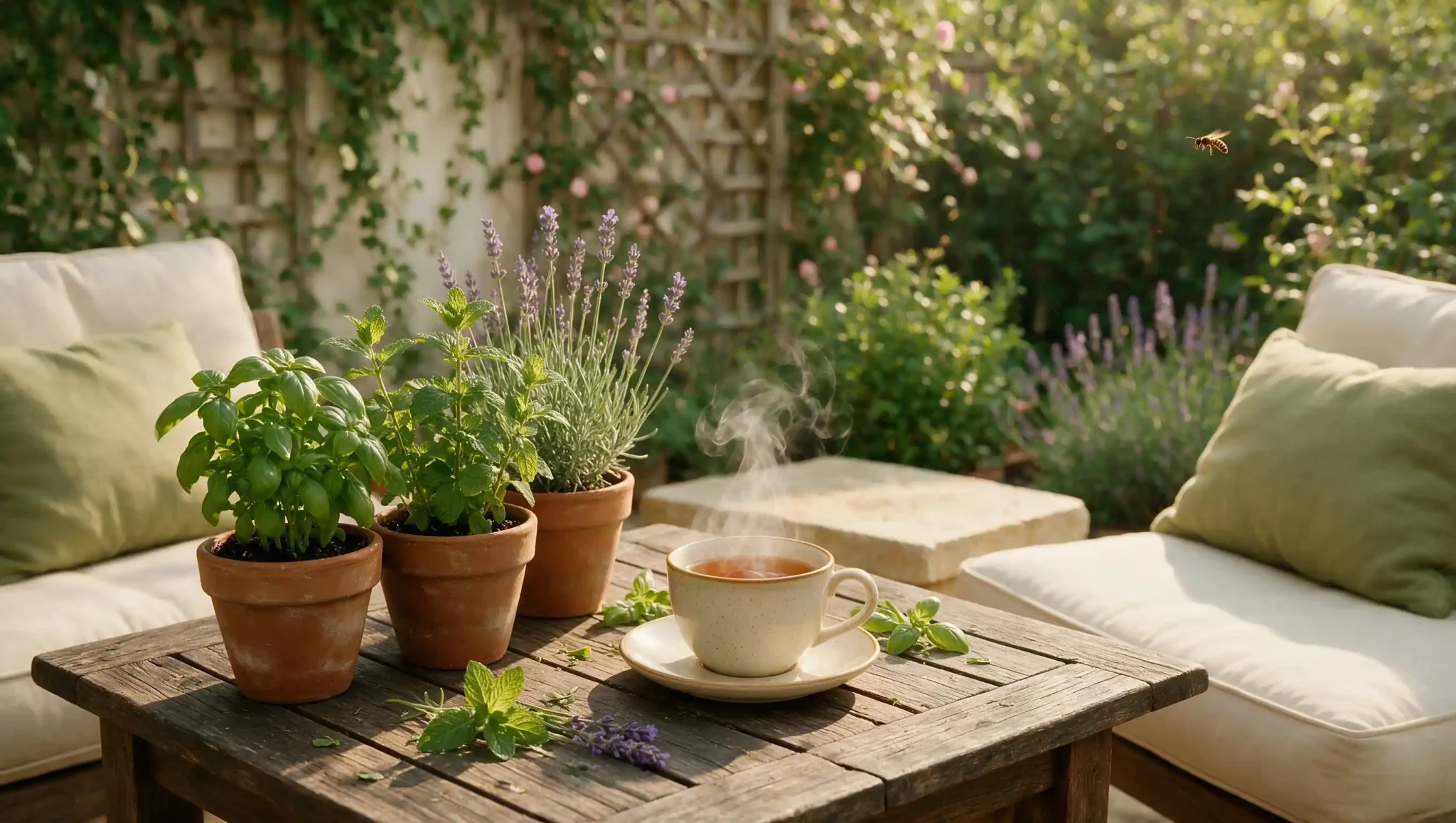
A wasp landing near your drink is enough to ruin a relaxed afternoon outside. Wasps can turn aggressive when they sense a threat, which makes patio time stressful instead of peaceful.
Here’s the good news: you don’t need chemical sprays to solve this. Certain wasp repellent plants give off scents these insects avoid, so growing a few near your seating area can naturally cut down visits.
So, what plants do wasps hate? Herbs like basil and mint, along with flowers like marigold and geranium, all give off scents that discourage wasps and yellow jackets, which are technically a type of wasp themselves.
Below, you will find plants that work this way, along with tips on placing them around your patio for the best results.
What Are Wasp Repellent Plants?
Wasp repellent plants are garden additions with scents strong enough to keep these insects at a distance. Wasps rely heavily on smell to hunt for food and sense danger, so sharp, aromatic plants throw that off entirely.
According to the University of Florida IFAS Extension, wasps are actually beneficial insects that help control other garden pests, and most species only turn defensive when they feel disturbed or threatened.
If you are wondering what plants do wasps hate the most, the answer usually comes down to herbs and flowers loaded with strong natural oils, think lavender, citronella grass, and thyme, alongside fragrant options like lemongrass and pennyroyal.
A few pots, borders, or hanging baskets near your patio can go a long way toward making outdoor time more pleasant.
How to Choose the Right Plants for Your Patio
Choosing the right wasp repellent plants comes down to two things: your climate and your available space.
Start by checking your hardiness zone. Some plants, like lemongrass and citronella grass, only do well in warmer regions, while herbs such as basil and thyme adapt to a wider range of conditions.
Next, think about size. Small patios work best with compact herbs grown in pots, keeping things tidy and manageable.
If you have more room to work with, larger plants like eucalyptus can form a fuller barrier along the edges of your outdoor space. Match the plant to your setup, and the rest falls into place easily.
Best Aromatic Herbs for Patio Pots
Herbs make an easy starting point for keeping wasps away, especially if you’re working with limited space. Most stay compact, grow well in containers, and can sit right next to your seating area for quick, everyday effect.
When it comes to what plants do wasps hate, herbs are usually the simplest and most reliable place to start planting.
1. Basil
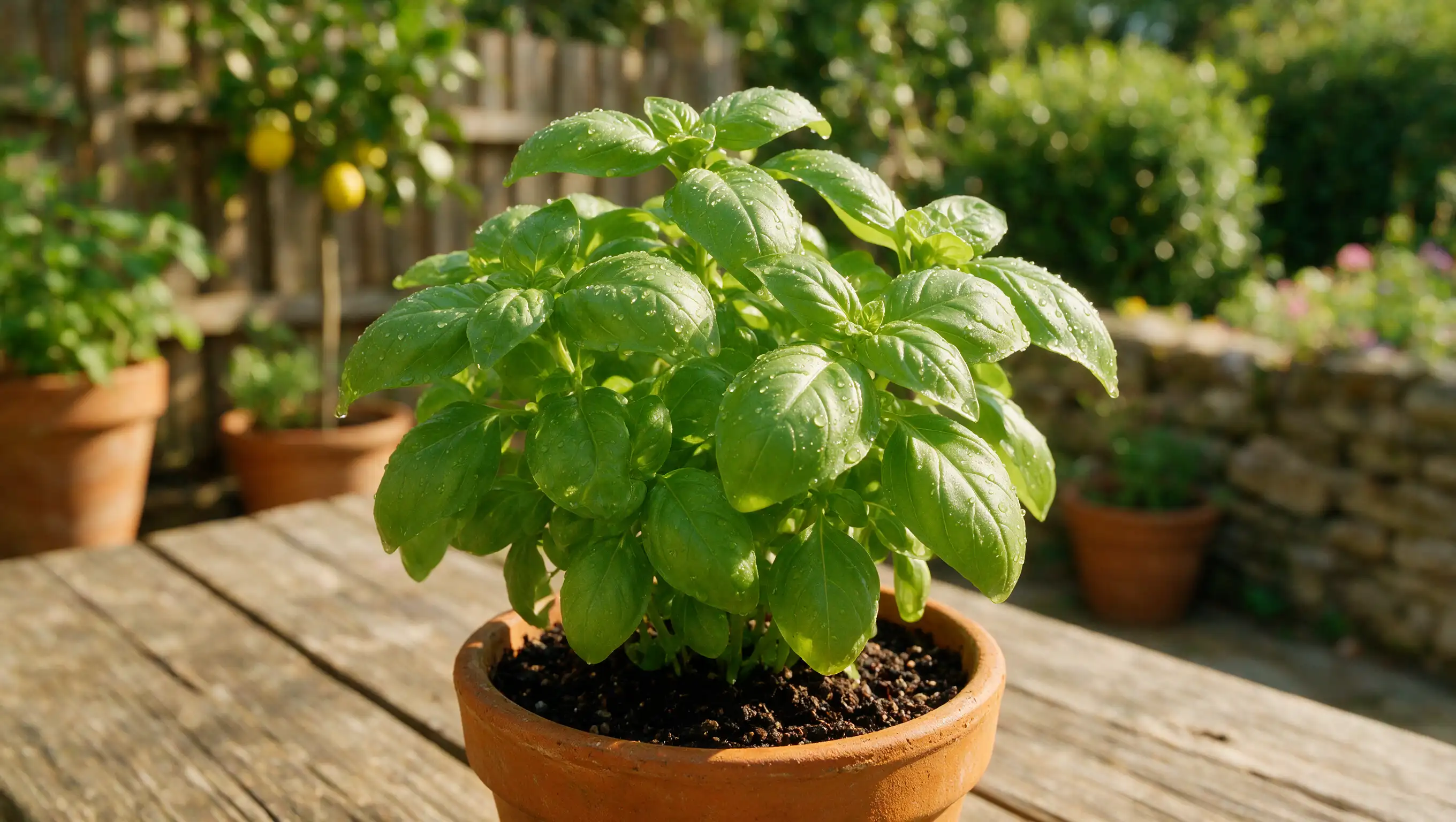
Basil is more than a kitchen herb, since its bold aroma also helps keep wasps away from your patio.
- Scientific name: Ocimum basilicum
- Sunlight: Full sun, 6 to 8 hours daily
- Soil: Moist, well-drained
- Placement: Pots near patios or seating areas
Keep the soil from staying soggy, since basil roots rot easily when left too wet.
2. Mint
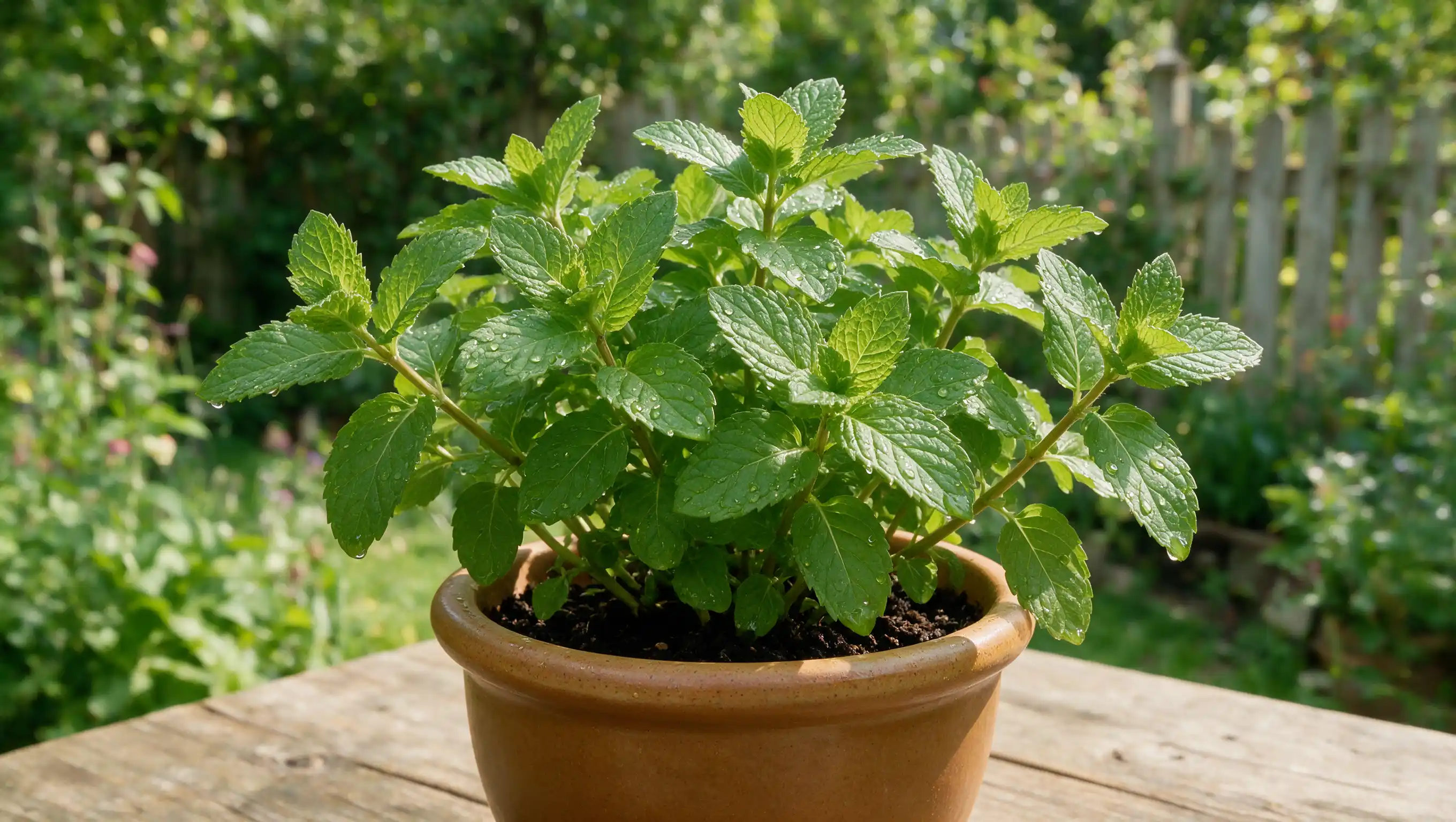
Mint’s fresh, sharp scent comes from natural oils that wasps consistently avoid, including familiar varieties like peppermint and spearmint. If you want to compare many mint varieties worth growing, each brings a slightly different strength of scent and flavor to a patio herb collection.
- Scientific name: Mentha spp.
- Sunlight: Full sun to partial shade
- Soil: Moist, tolerates most conditions
- Placement: Containers near patios or seating spots
Plant mint in its own container, since its spreading roots can quickly crowd out neighboring herbs in a shared bed.
3. Common Thyme
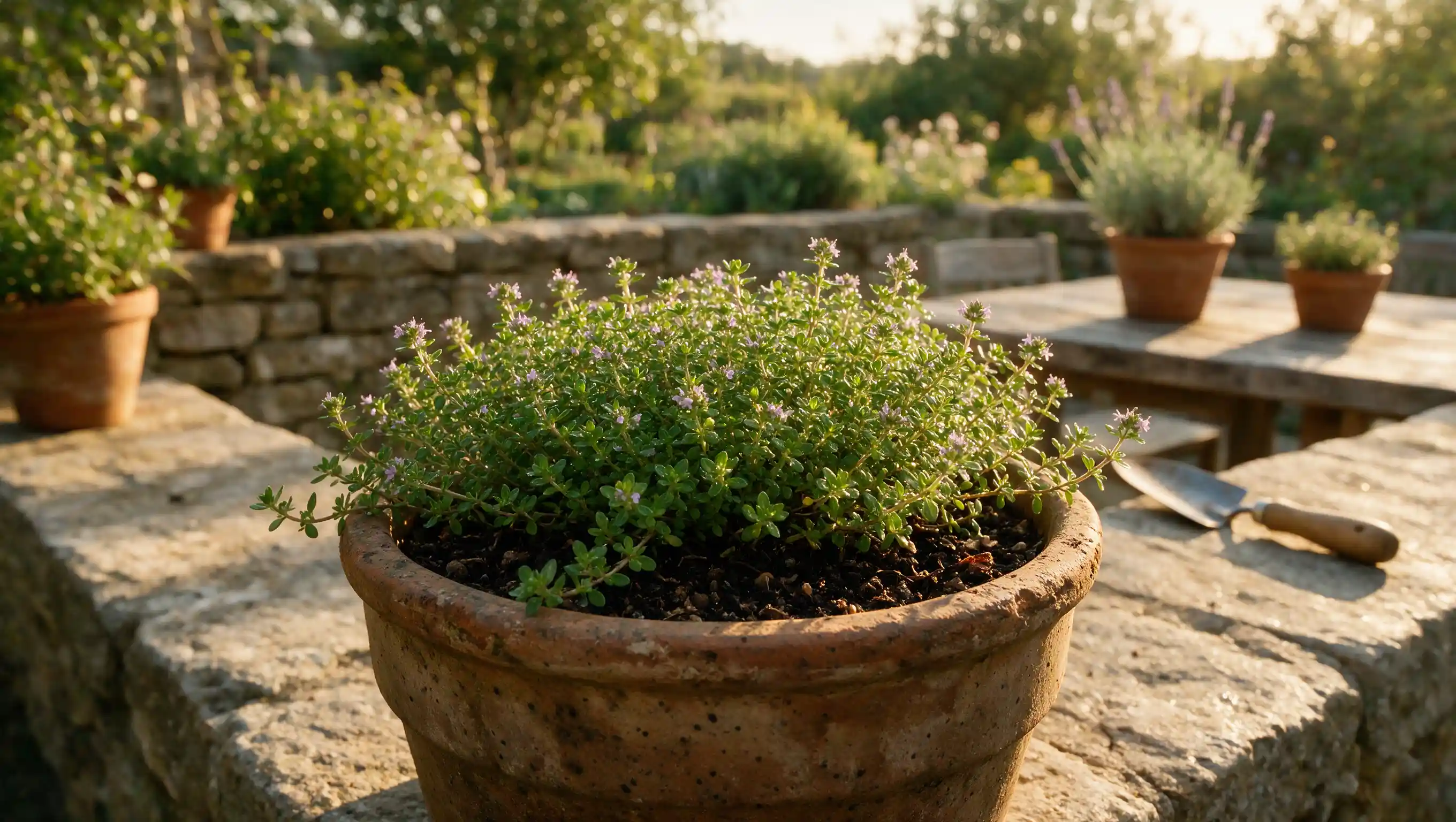
This low, cushion-like herb may look modest, but wasps steer clear of its strong scent.
- Scientific name: Thymus vulgaris
- Sunlight: Full sun
- Soil: Well-drained, dislikes damp or humid spots
- Placement: Containers near patios or garden borders
Trim back old, woody stems occasionally, since young growth holds the most fragrance.
4. Lemon Balm
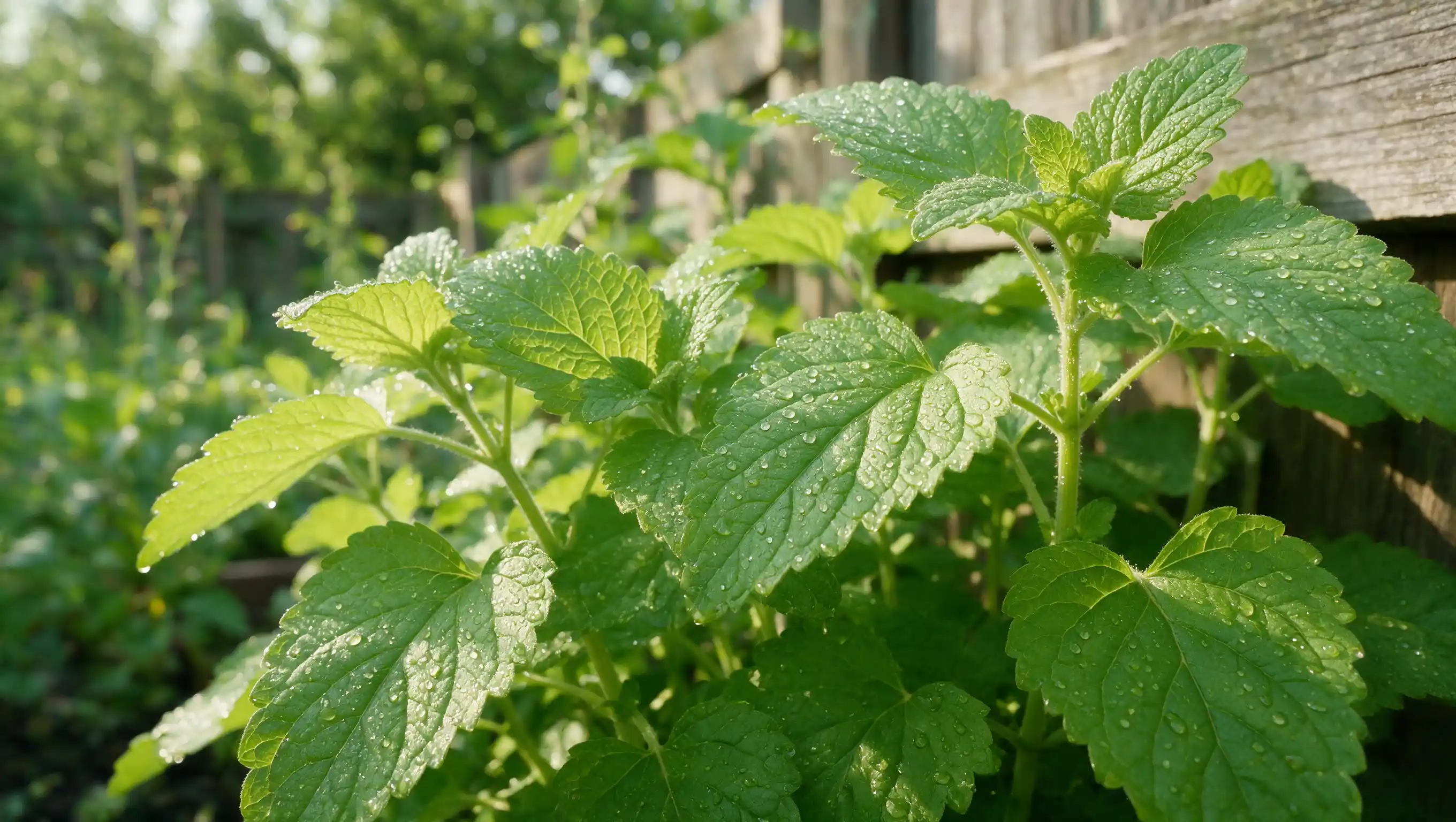
Lemon balm gives off a light, citrusy scent that flying insects, including wasps, tend to avoid.
- Scientific name: Melissa officinalis
- Sunlight: Sunny locations
- Soil: Well-drained
- Placement: Near patios or seating areas
Plant it in a container too, since lemon balm spreads through its roots almost as readily as its mint relatives.
5. Bay Laurel
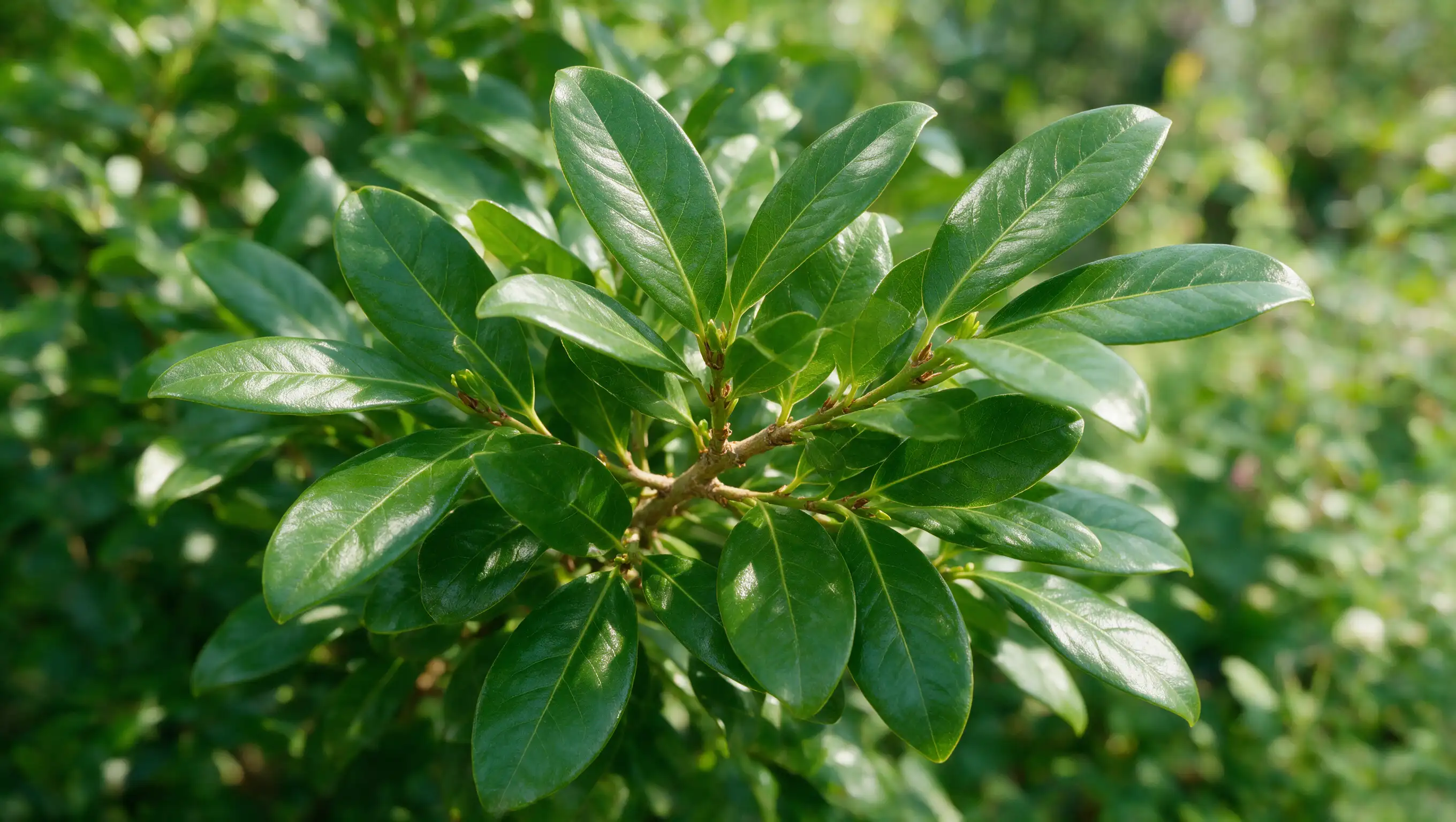
Bay laurel is best known for flavoring soups and stews, and its leaves also carry a bitter scent that wasps tend to avoid. This dual purpose, useful in the kitchen and helpful in keeping wasps at a distance, makes it an easy plant to justify.
- Scientific name: Laurus nobilis
- Sunlight: Full sun to partial shade
- Soil: Well-drained soil, tolerates a range of soil types once established
- Placement: Near kitchen gardens, borders, or patio pots
Prune it into a rounded shape each spring to keep its growth manageable in a container.
6. Pennyroyal
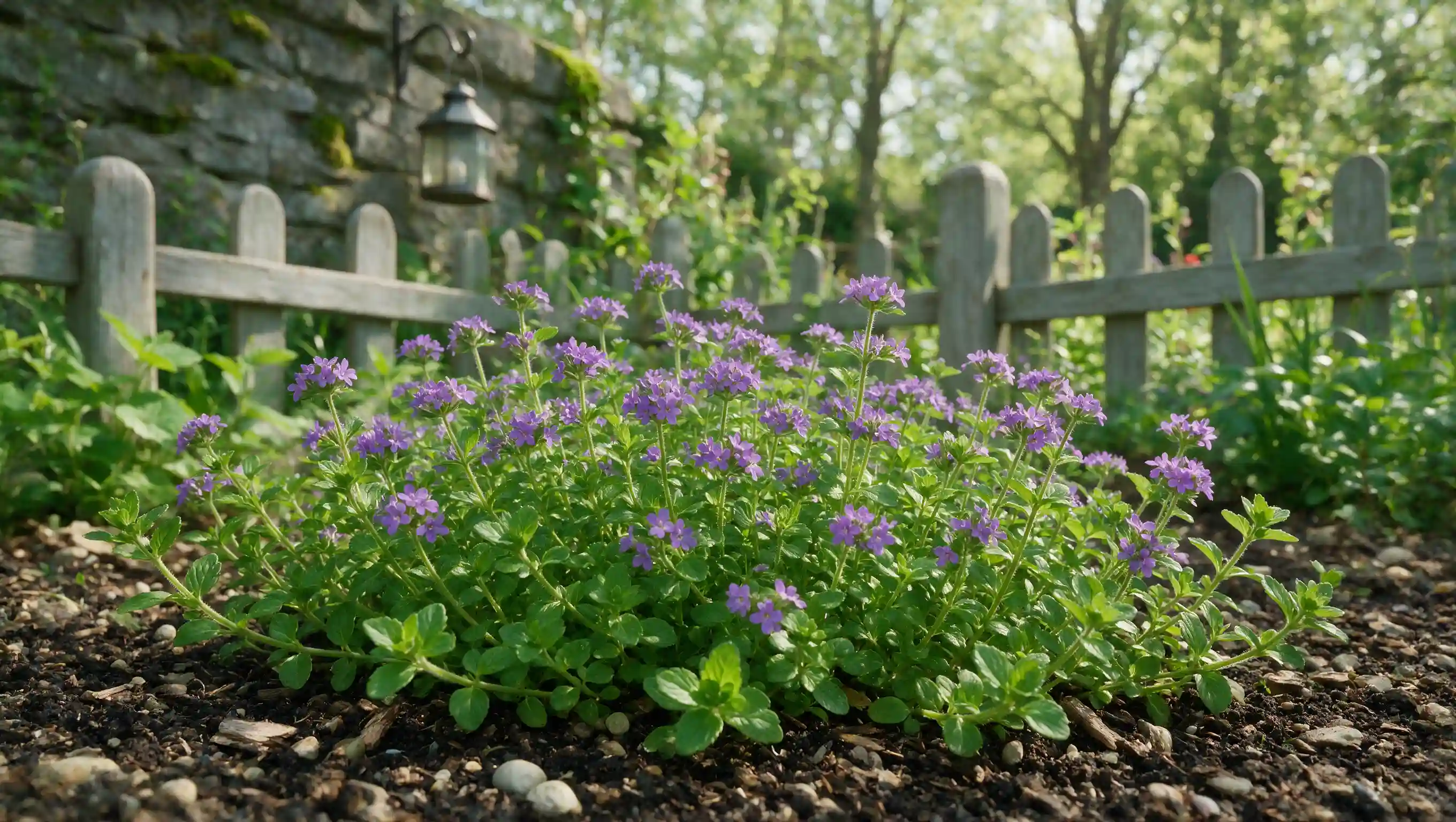
Pennyroyal gives off a strong minty scent that wasps tend to avoid, particularly once the leaves are bruised.
- Scientific name: Mentha pulegium
- Sunlight: Full sun to partial shade
- Soil: Moist, poor-quality soil works fine
- Placement: Containers or ground cover near patios
Keep this one away from pets and small children, since pennyroyal oil is considered unsafe if it is ingested or applied to skin.
Flowering and Foliage Plants for Patio Borders
If color matters as much as scent, these flowering and foliage plants work just as hard to keep wasps away. Perfect for lining garden borders, they bring bright blooms and texture to your patio while doing double duty as color and fragrance.
7. Lavender

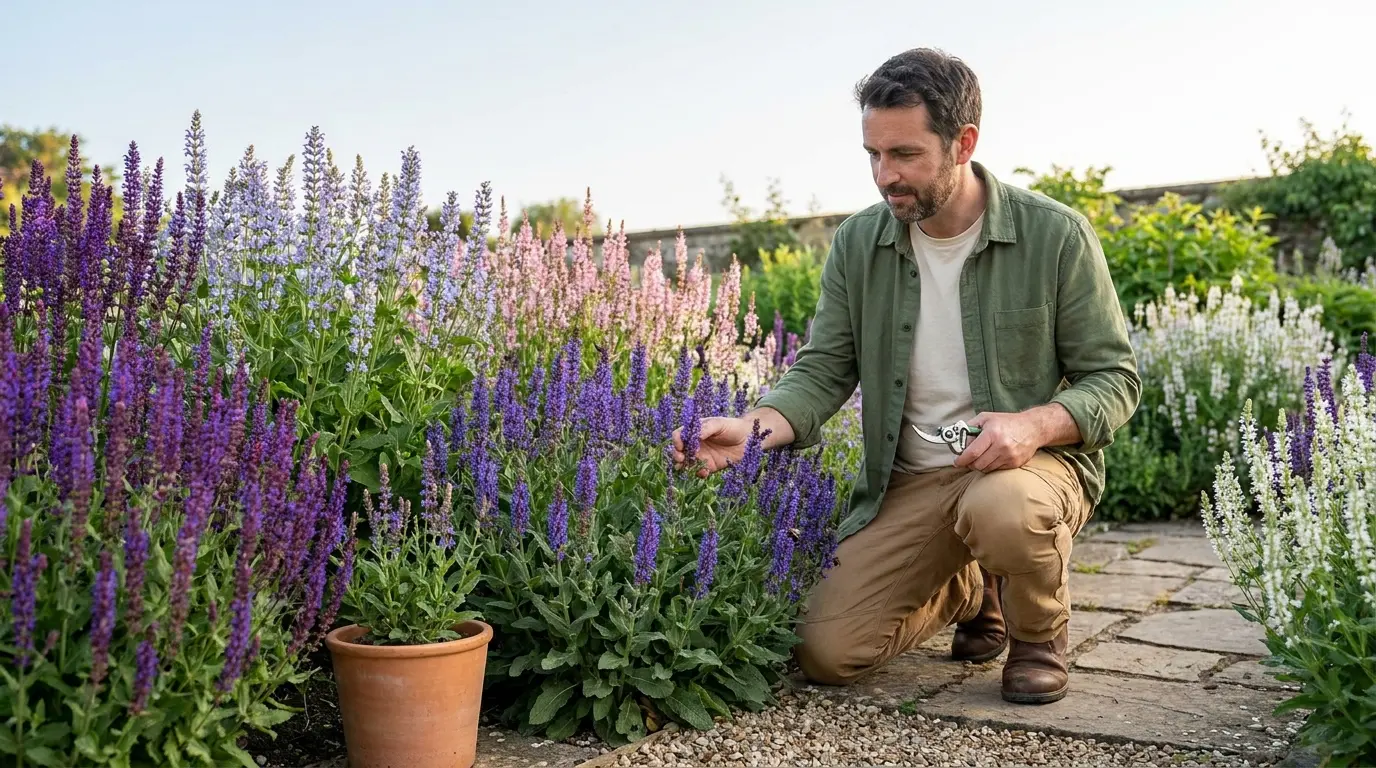
Lavender’s soothing fragrance does double duty, since it smells wonderful to people but keeps wasps and mosquitoes away. If you want more detail on growing lavender in pots, there are several varieties suited to different climates and bloom times.
- Scientific name: Lavandula spp.
- Sunlight: Full sun
- Soil: Well-drained
- Placement: Garden borders or near seating areas
Trim spent flower spikes after each bloom cycle to encourage a fuller, longer lasting plant.
8. Wormwood
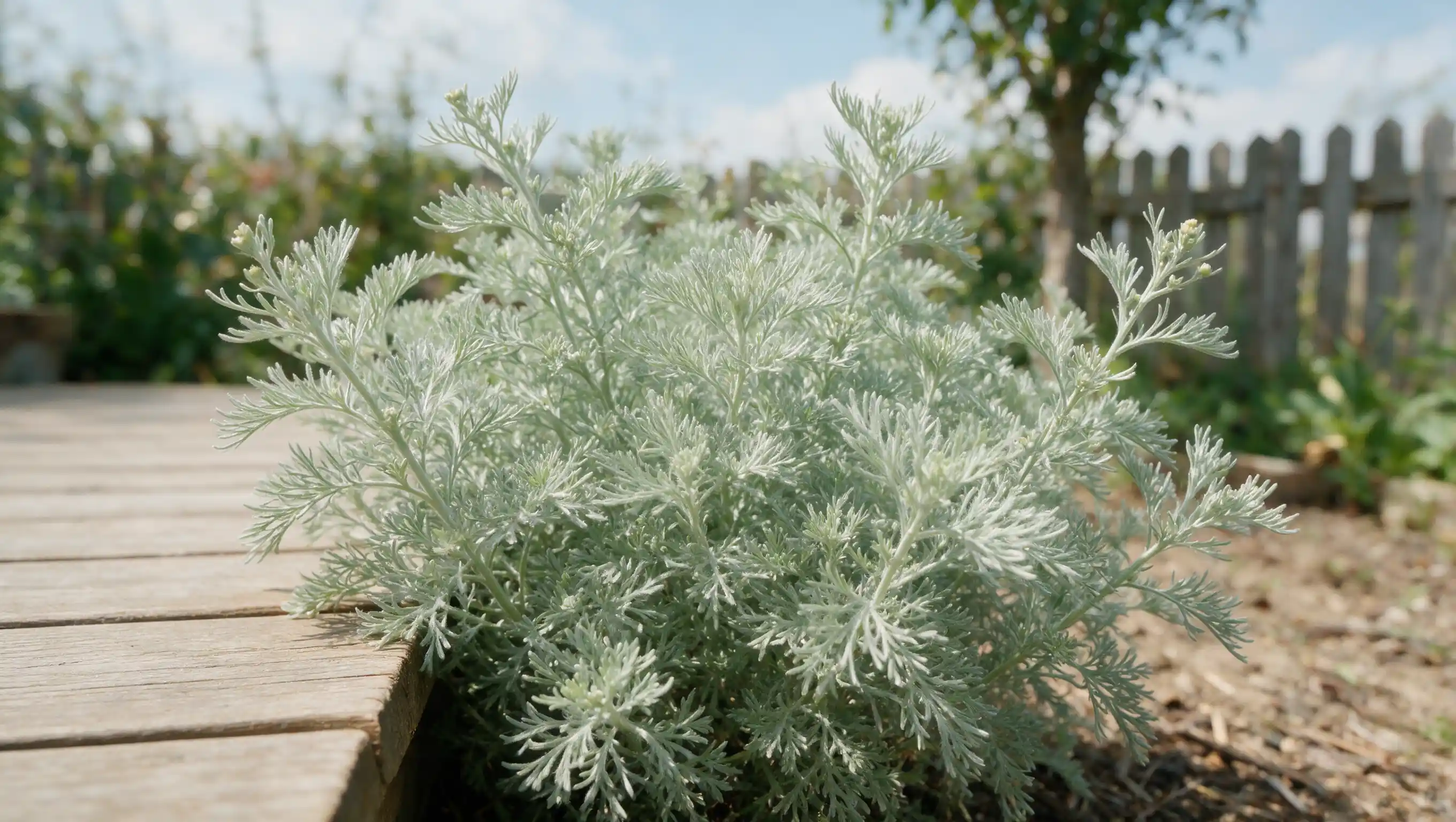
Wormwood may look soft and airy with its silvery, feathery leaves, but wasps tend to avoid its sharp, bitter scent.
- Scientific name: Artemisia absinthium
- Sunlight: Full, direct sun
- Soil: Well-drained
- Placement: Containers or borders near decks and patios
Give it its own space away from other plants, since wormwood can slow the growth of neighbors nearby.
9. Marigolds
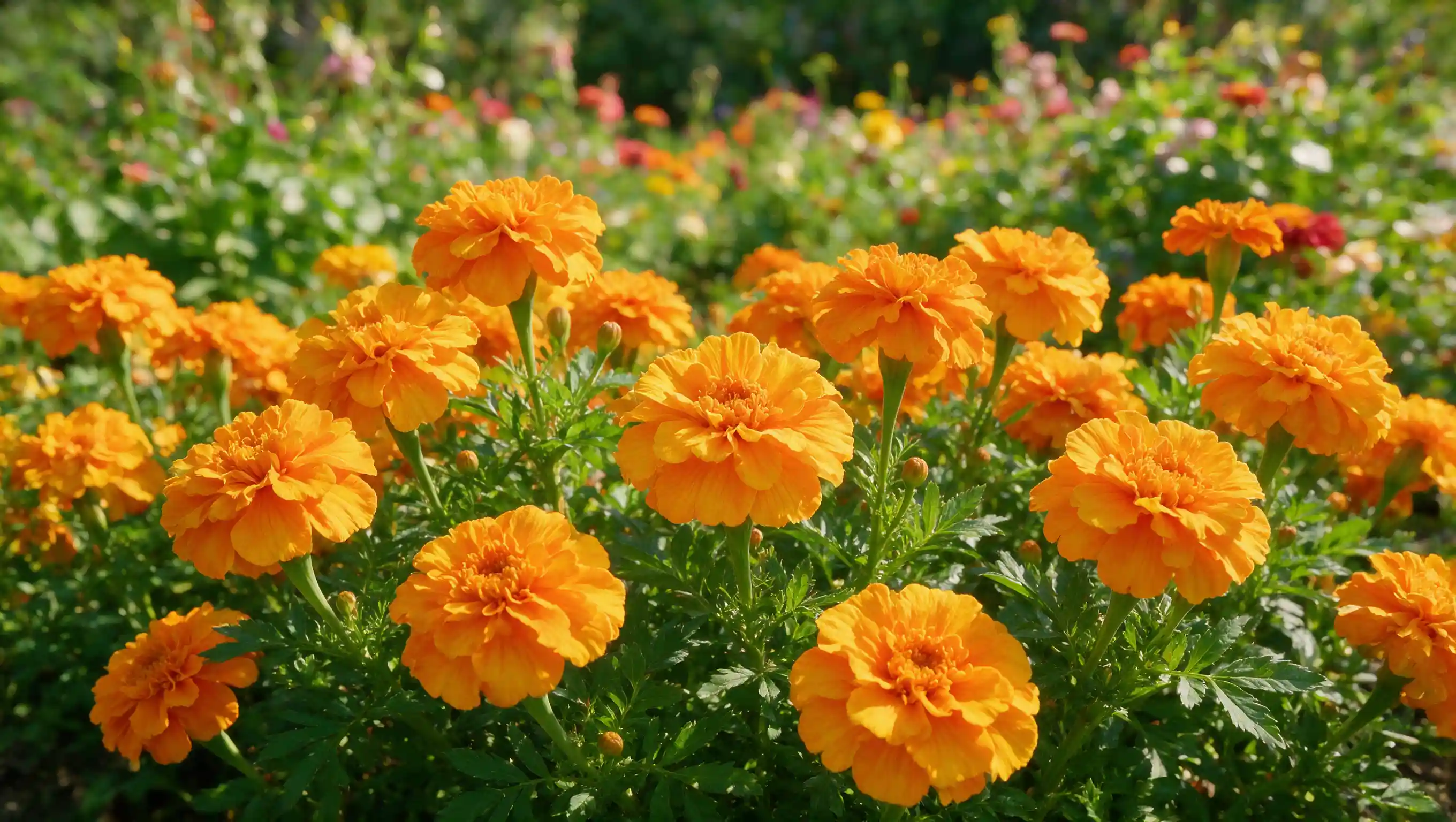
Marigolds bring bright color to your garden while keeping wasps at a distance with their spicy scent.
- Scientific name: Tagetes spp.
- Sunlight: Full sun
- Soil: Adapts to almost any soil type
- Placement: Borders, patios, and vegetable gardens
Marigolds self-seed readily and hold up well through hot, humid stretches of summer, so they work well planted around vegetable beds and outdoor seating alike.
10. Geraniums
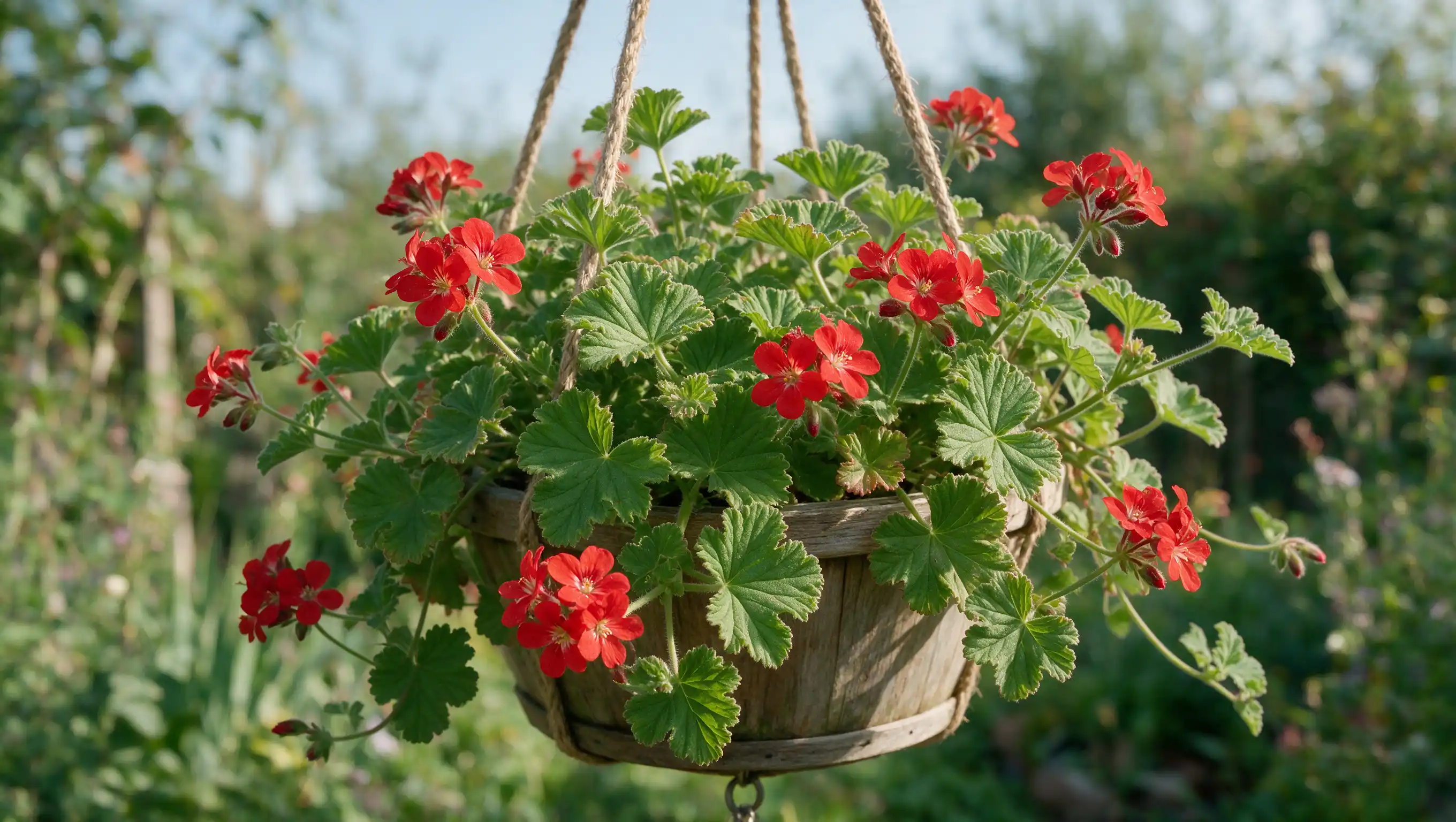
Geraniums come in several scented varieties, and their leaves release a strong fragrance the moment they are brushed or bruised, one that wasps tend to avoid. Classic scented types work well in hanging baskets and window boxes near a patio, while the citronella scented variety, Pelargonium citrosum, offers a sharper, lemon-like smell from the same plant family.
- Scientific name: Pelargonium spp.
- Sunlight: Full sun to part sun
- Soil: Well-drained, works in pots or ground
- Placement: Hanging baskets, window boxes, or near patio seating
Choose red-flowered types if you can, since wasps and bees generally see red as dull or dark and tend to pay it less attention. Keep in mind that studies on the citronella variety have found it works better as a fragrant garden plant than as a reliable insect repellent, so treat the scent as a bonus rather than a guarantee.
Larger and Warm Climate Choices
If you’ve got more room to work with, these larger plants make a bigger impact, both in size and scent. Best suited to warmer zones, they work well as a fuller barrier along open borders or wider patio edges.
11. Lemongrass and Citronella Grass
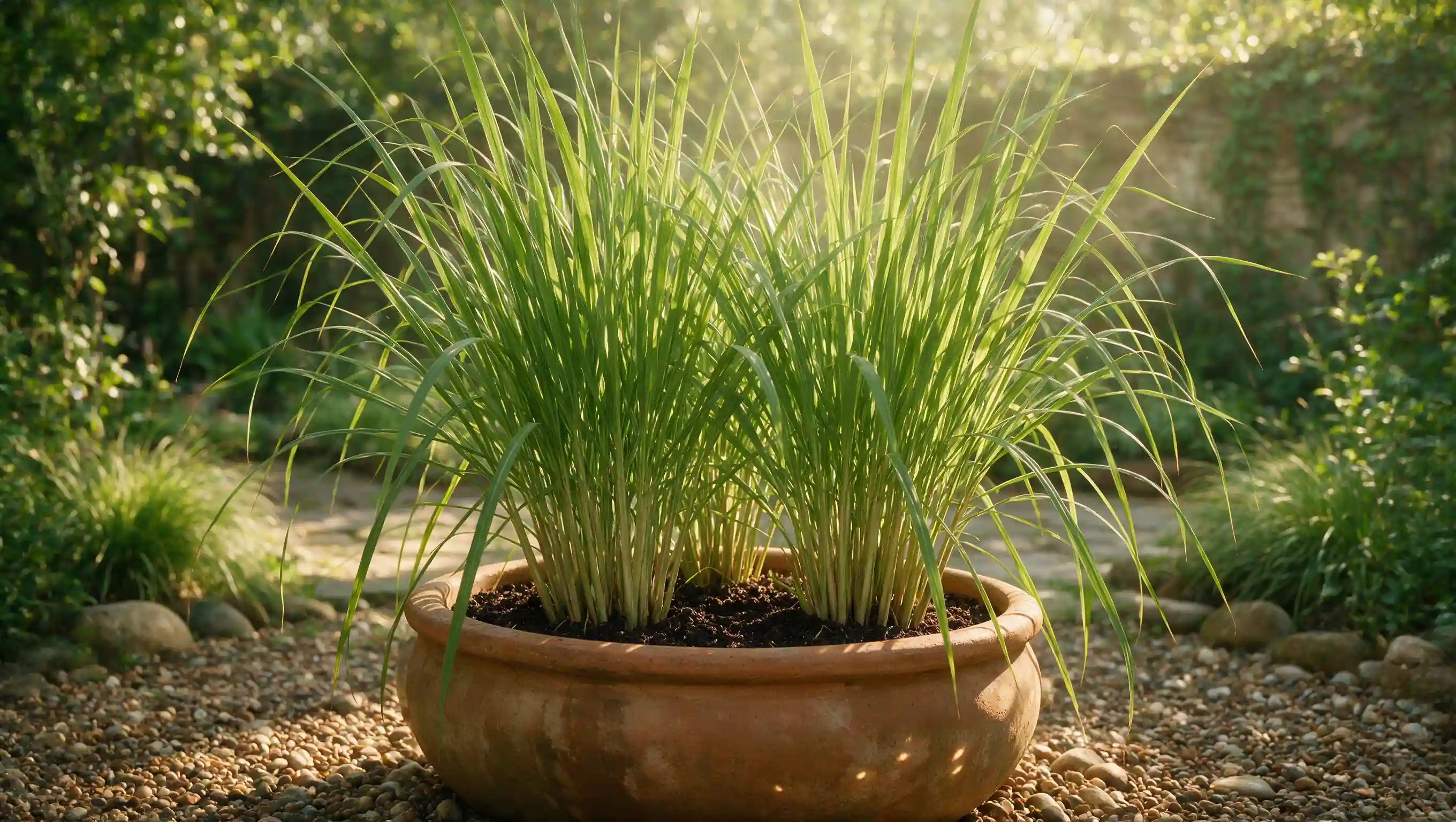
Lemongrass and true citronella grass are close relatives that both give off a strong citrus scent wasps tend to avoid. Cymbopogon citratus, the lemongrass used in cooking, and Cymbopogon nardus, the source of true citronella oil, share similar growing needs and both do well in large containers or open garden beds.
- Sunlight: Full sun
- Soil: Well-drained, warm soil
- Placement: Garden beds or large containers on the patio
Best suited to warm regions, roughly zones 9 to 12 depending on the species; bring potted plants indoors before frost in colder areas. Divide established clumps every couple of years to keep the grass from crowding its container.
12. Eucalyptus
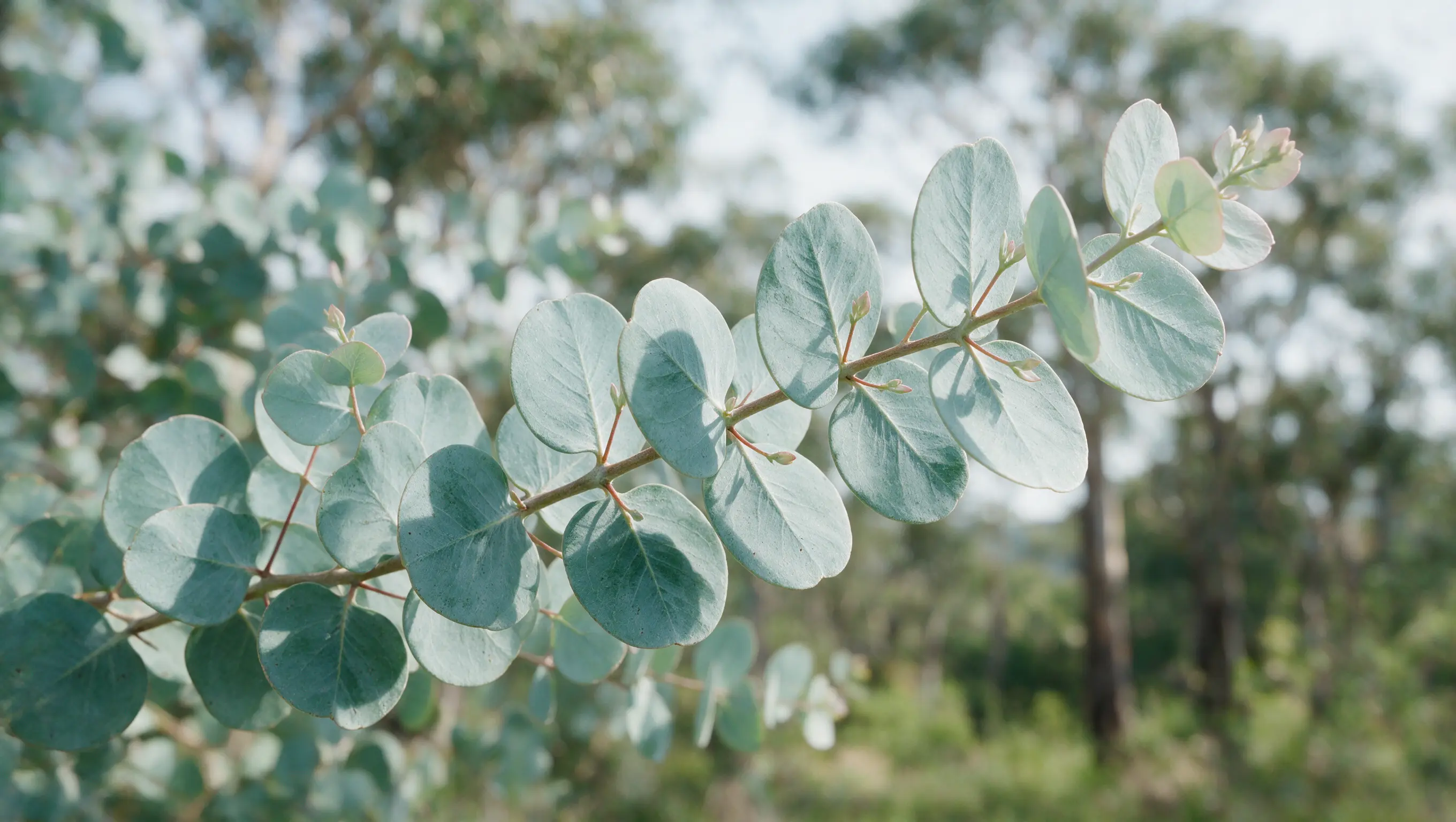
Eucalyptus brings a refreshing, medicinal scent to your yard, and many gardeners find it helpful for keeping wasps away, especially once the leaves are bruised or pruned.
- Scientific name: Eucalyptus spp.
- Sunlight: Full sun
- Soil: Free-draining, rich or poor
- Placement: Containers or open yard, away from buildings
This fast-growing tree can reach great heights, so prune it regularly to keep its size in check near patios.
Compact and Unusual Options
One works through scent just like the plants already covered, while the other does not repel wasps at all and instead traps them. Together, they round out this list with two low effort, slightly unconventional choices worth considering for your patio.
13. Cucumber
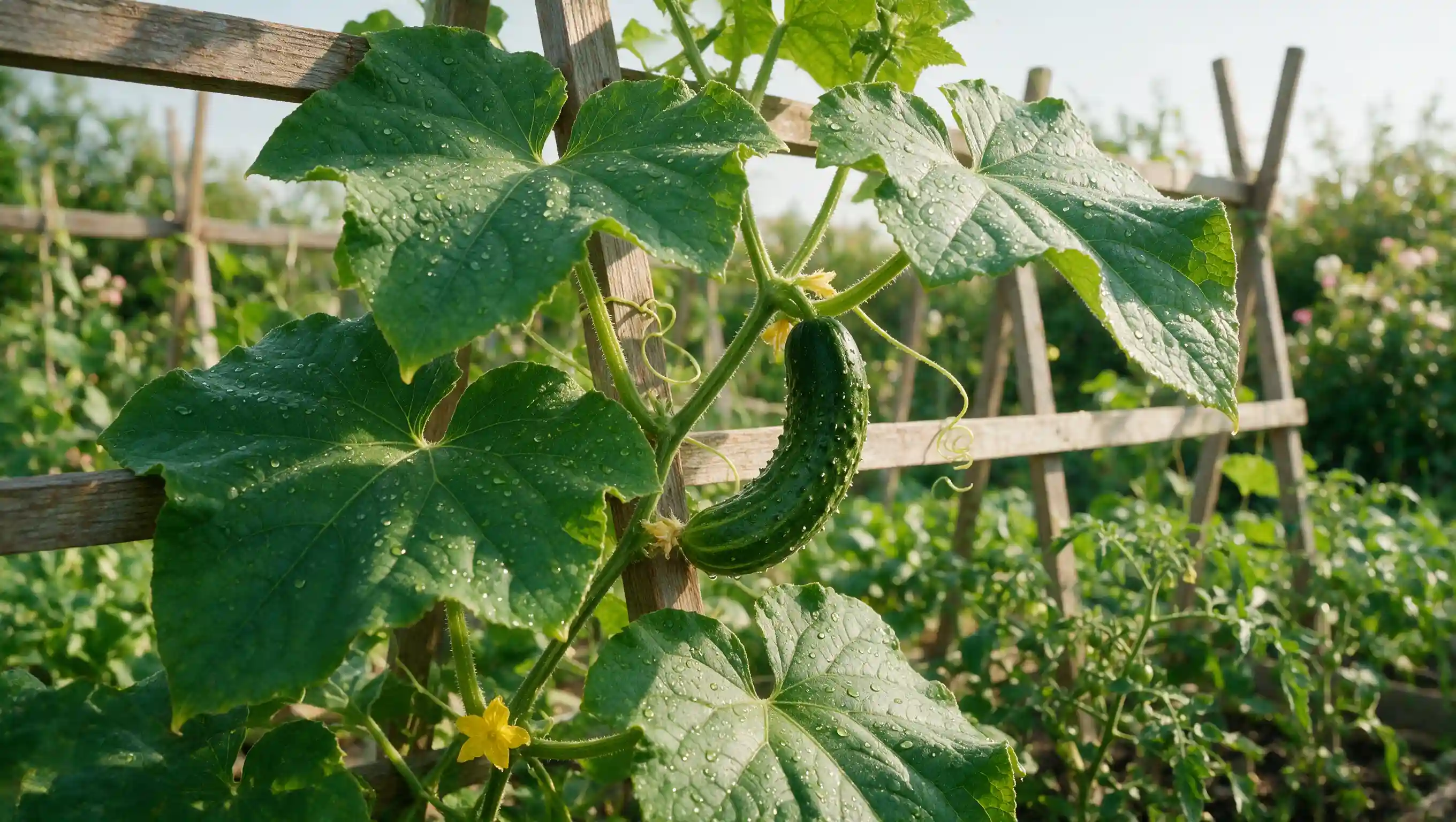
Cucumber isn’t just a summer salad favorite, its peel gives off a bitterness that wasps tend to avoid.
- Scientific name: Cucumis sativus
- Sunlight: Full sun, warm weather
- Soil: Moist, well-watered
- Placement: Garden beds or scattered peels around seating areas
You can grow the plant itself or simply place cut peels around your patio for a quick, low effort deterrent.
14. Pitcher Plants
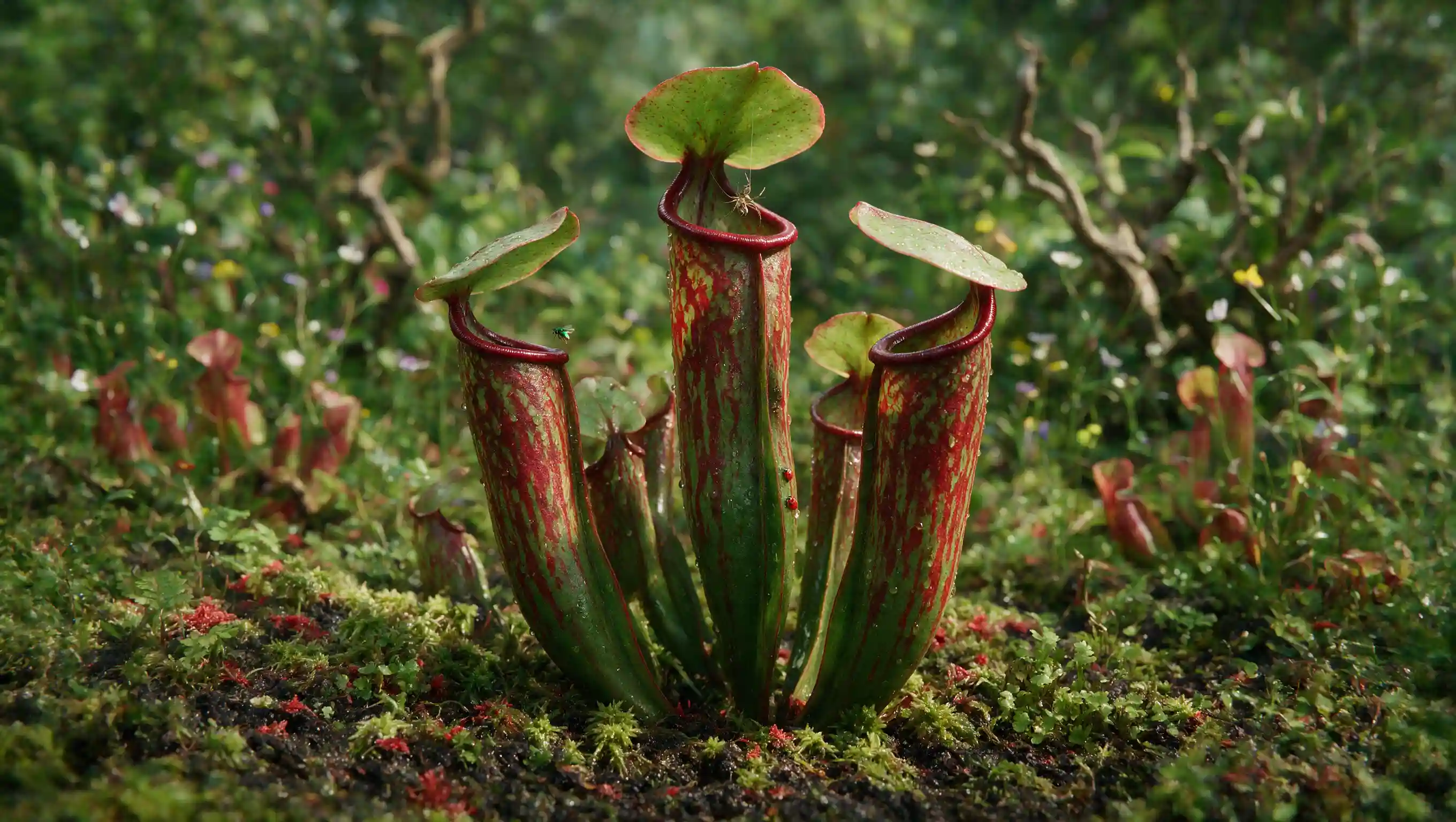
Unlike other plants on this list, pitcher plants don’t repel wasps with scent, they trap them instead.
- Scientific name: Sarracenia spp.
- Sunlight: Full, direct sun
- Soil/Water: Rainwater or distilled water only; tap or filtered water harms the plant
- Placement: Open patio areas with strong sunlight
Wasps are lured inside the flower, slip on its surface, and drown in the pool below, acting as nature’s own trap.
How to Use These Plants for Best Results
Growing these plants is only half the job, since where and how you place them around your patio matters just as much. Keep pots or borders close to patios, decks, and seating areas, since that’s where wasps are most likely to show up.
Rubbing or lightly bruising a few leaves releases more of a plant’s natural oils, which is the simplest way to make any of these options work harder against wasps. Whatever your take on what plants do wasps hate, pairing two or three together, like mint, marigold, and citronella grass, tends to work better than relying on just one.
And if garden space is tight, pots and hanging baskets work just as well as ground beds. Small changes like these can make a real difference, helping your patio stay calmer and more enjoyable for gatherings free of wasps all season long.
Benefits of Using Plants Over Chemical Repellents
Chemical sprays can work fast, but they come with downsides, including strong smells, harsh residue, and risks to pets and kids playing nearby. Plants offer a gentler alternative.
Wasp repellent plants are safe to keep around children and animals, so there’s no need to worry about anyone touching or brushing past them. They also add color, fragrance, and life to your outdoor space instead of leaving behind a chemical smell.
Many of these plants, like basil, thyme, and mint, double as kitchen herbs, so they stay useful even beyond keeping wasps away. And since most need little upkeep once established, they are a low effort way to keep your patio pleasant and free of pests at the same time.
Important Care, Safety, and Effectiveness Warnings
These plants may help reduce wasp activity, but they can’t remove an active nest or guarantee full protection on their own.
- Toxicity risk: Keep wormwood away from pets, children, and nearby plants.
- Pennyroyal caution: Pennyroyal oil is considered unsafe for pets and people if ingested or applied to skin, so keep it away from anyone likely to chew on garden leaves.
- Spreads fast: Grow mint and lemon balm in their own containers to stop their roots from crowding a shared bed.
- Needs room: Use large containers for eucalyptus, bay laurel, lemongrass, citronella grass, and cucumber.
- Soil and water: Basil and thyme need well-drained soil, while cucumber needs regular watering.
- Special care: Pitcher plants require rainwater or distilled water only, since tap water can harm them.
It’s also worth keeping in mind that Colorado State University Extension research on several similar aromatic plants found no strong scientific evidence that an intact, growing plant repels insects on its own, since most of the deterrent effect comes from crushed leaves or extracted oils rather than the plant simply sitting nearby.
If a nest is already close to your patio, call a pest control expert right away. Don’t try to remove it yourself, since disturbed wasps can turn aggressive fast. A quick professional visit is safer than risking multiple stings.
Frequently Asked Questions
Which plant works best for wasp control on a patio?
Citronella grass and lemongrass are strong choices, since their citrus scent consistently discourages wasps. Both grow well in containers near seating areas. Basil and marigold are solid, low effort options for smaller patios too.
Do these plants repel yellow jackets too?
Yes, most of these plants work about as well on yellow jackets, though a nest built into a wall or attic space usually needs more than scent alone to clear out. A persistent problem near the house is worth a professional pest check.
Do I have to crush the leaves?
No, but crushing releases more of a plant’s natural oils and makes the scent stronger. Brushing past the leaves while walking also releases some fragrance, so placing these plants near foot traffic still helps without any extra effort.
Can all the plants be grown in pots?
Most can, especially herbs like basil, thyme, and mint. Larger options like eucalyptus need bigger containers and more room to grow. Pitcher plants need specific water conditions, so they require more attention than typical potted herbs.
Will marigolds keep bees away?
Not really. Marigolds don’t strongly repel bees, since bees are drawn to nectar-rich flowers regardless of scent. Their fragrance mainly discourages wasps, so helpful pollinators like bees can still visit the rest of your garden safely.
Wrapping Up
Keeping wasps away from your patio doesn’t have to mean chemical sprays or constant swatting.
With the right mix of wasp repellent plants, basil in a pot here, marigolds along a border there, maybe citronella grass near your seating area, it is possible to naturally cut down on unwanted visitors while adding color and fragrance to your outdoor space.
Start small. Pick two or three plants from different groups, place them where you spend the most time outside, and rub a few leaves now and then to keep the scent strong.
If wasps are already a serious problem, plants alone won’t solve it, so don’t hesitate to call in professional help. Otherwise, enjoy a calmer, greener patio all season long. Drop a comment below and tell me which plant you chose.