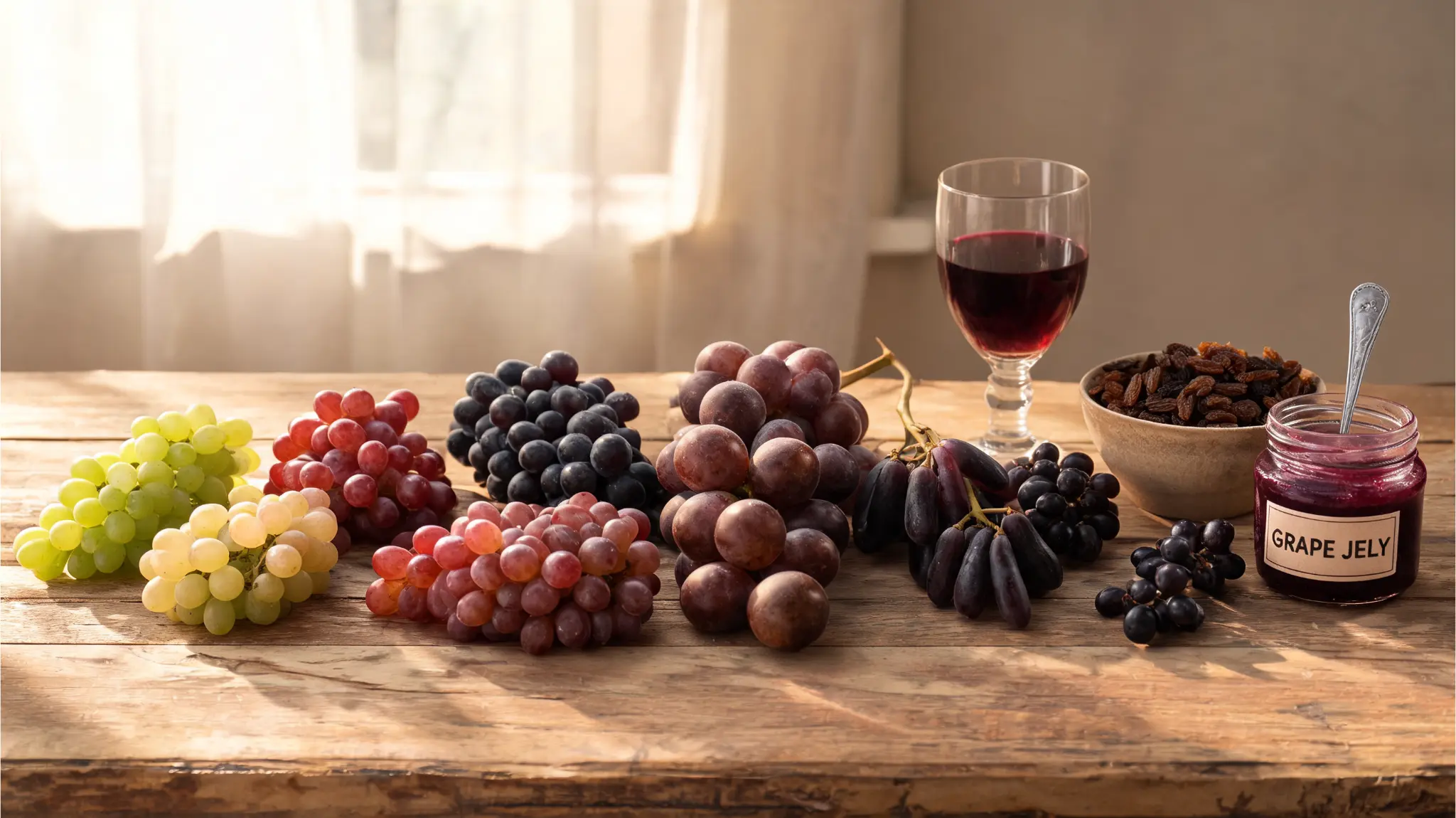
You buy a bunch of grapes. You rinse them. You eat one. Then another. Before you know it, half the bowl is gone.
That is how most people know grapes. But not all grapes are made for snacking.
Some are crisp and seedless. Some are thick-skinned and strong. Some are sweet enough for juice and jelly. Others are small, tannic, and better for wine than a fruit bowl.
With so many types of grapes grown around the world, each variety has its own flavor, texture, color, and best use. Once you know the difference, choosing grapes for eating, cooking, juice, raisins, or wine gets easier.
The Right Grape Depends on the Job
Grapes are small fruits that grow in clusters on woody vines. Some are grown for fresh eating. Some are grown for wine. Others are better for juice, jelly, raisins, or cooking. That is why a grape name matters.
A table grape should be crisp, sweet, and easy to eat. A wine grape needs sugar, acid, skin flavor, and structure. A juice grape needs a strong flavor that still tastes good after pressing or cooking.
Color can help, but it does not tell the full story. Green grapes can be sweet or sharp. Purple grapes can be great for snacking, wine, or jelly. Seedless grapes are easy to eat, while seeded grapes often bring a stronger flavor.
The easiest way to sort grapes is by purpose.
Popular Types of Grapes You Should Know
Grapes come in many varieties, each with unique flavors and uses. Here are popular grapes to know for snacking, cooking, and winemaking.
1. Thompson Seedless Grapes
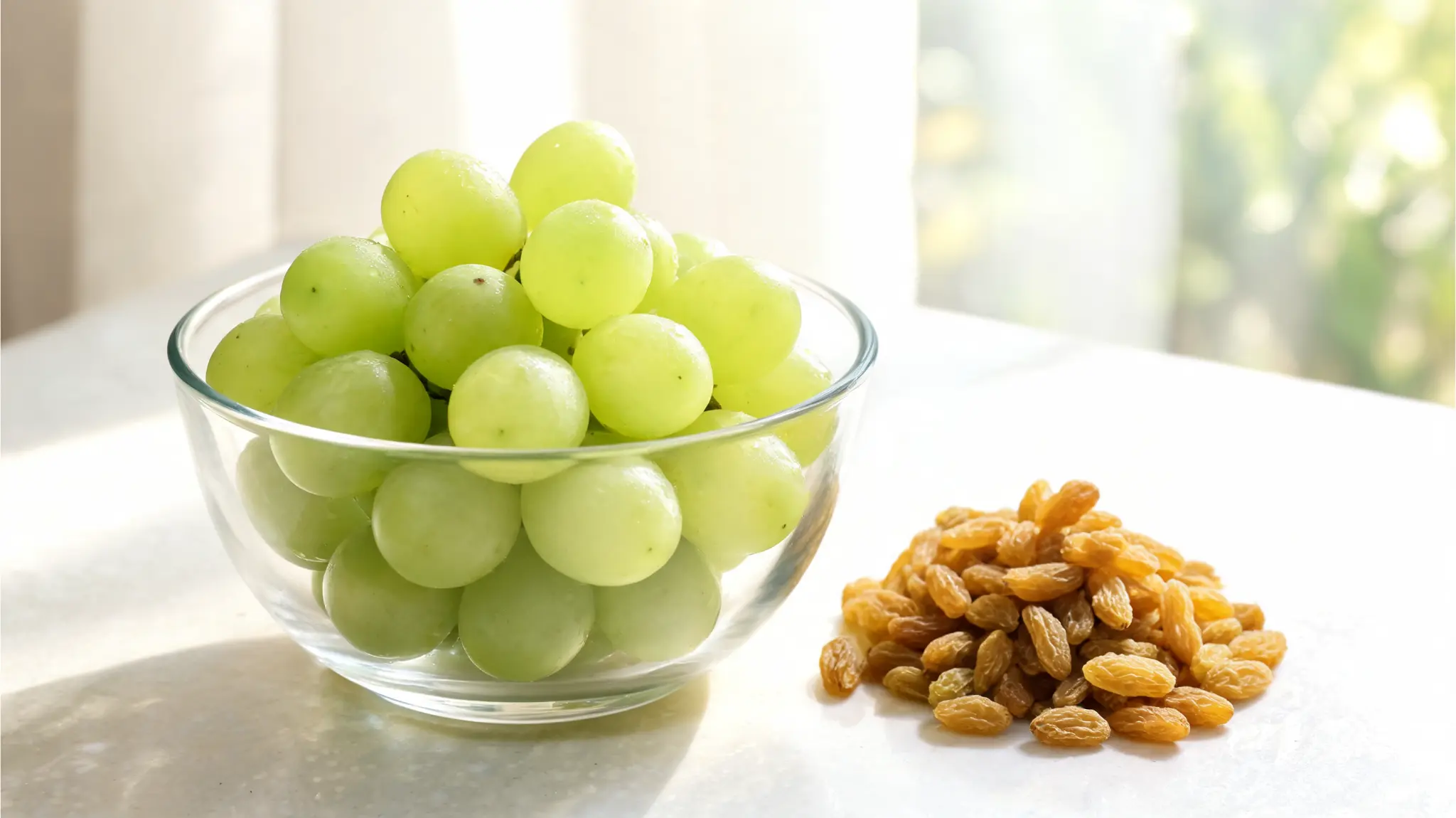
Thompson Seedless is one of the most familiar green grape varieties. It is crisp, mild, sweet, and easy to find in grocery stores.
This grape is also the main variety used for raisins, including golden raisins, sometimes called sultanas. Tiny, soft, undeveloped seeds may exist but are usually unnoticeable.
Best For: Snacking, raisins, fruit salads, lunchboxes
Flavor: Mild, sweet, and crisp
Seed Type: Seedless
2. Cotton Candy Grapes
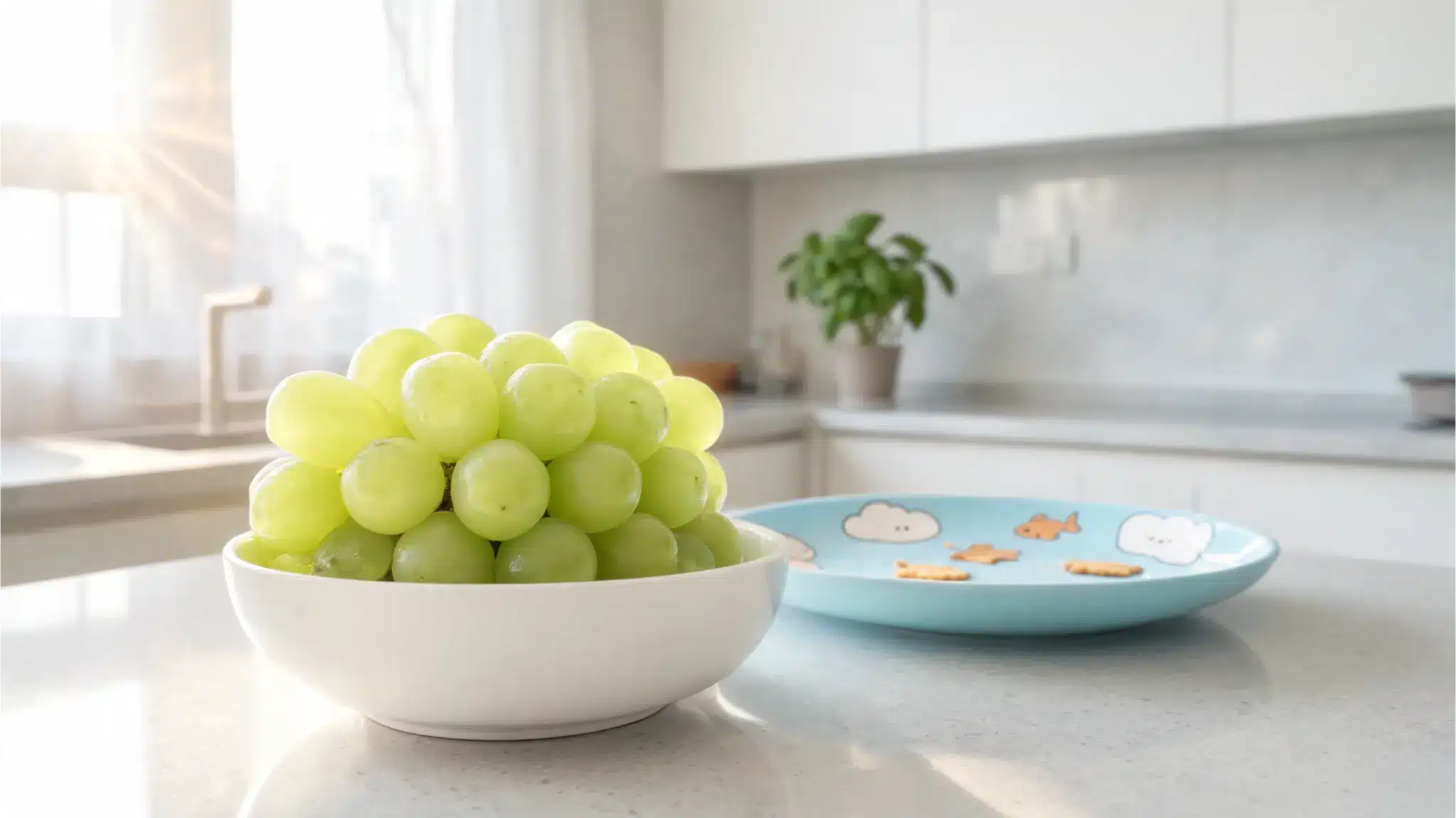
Cotton Candy grapes taste exactly like their name suggests. They are very sweet, green, and usually seedless.
The flavor combines a candy-like sweetness with subtle vanilla and caramel notes, making it a special treat for kids and adults alike.
Best For: Fresh eating, kids’ snacks, fruit boards
Flavor: Very sweet, candy-like, vanilla, and caramel notes
Seed Type: Seedless
3. Moon Drops Grapes
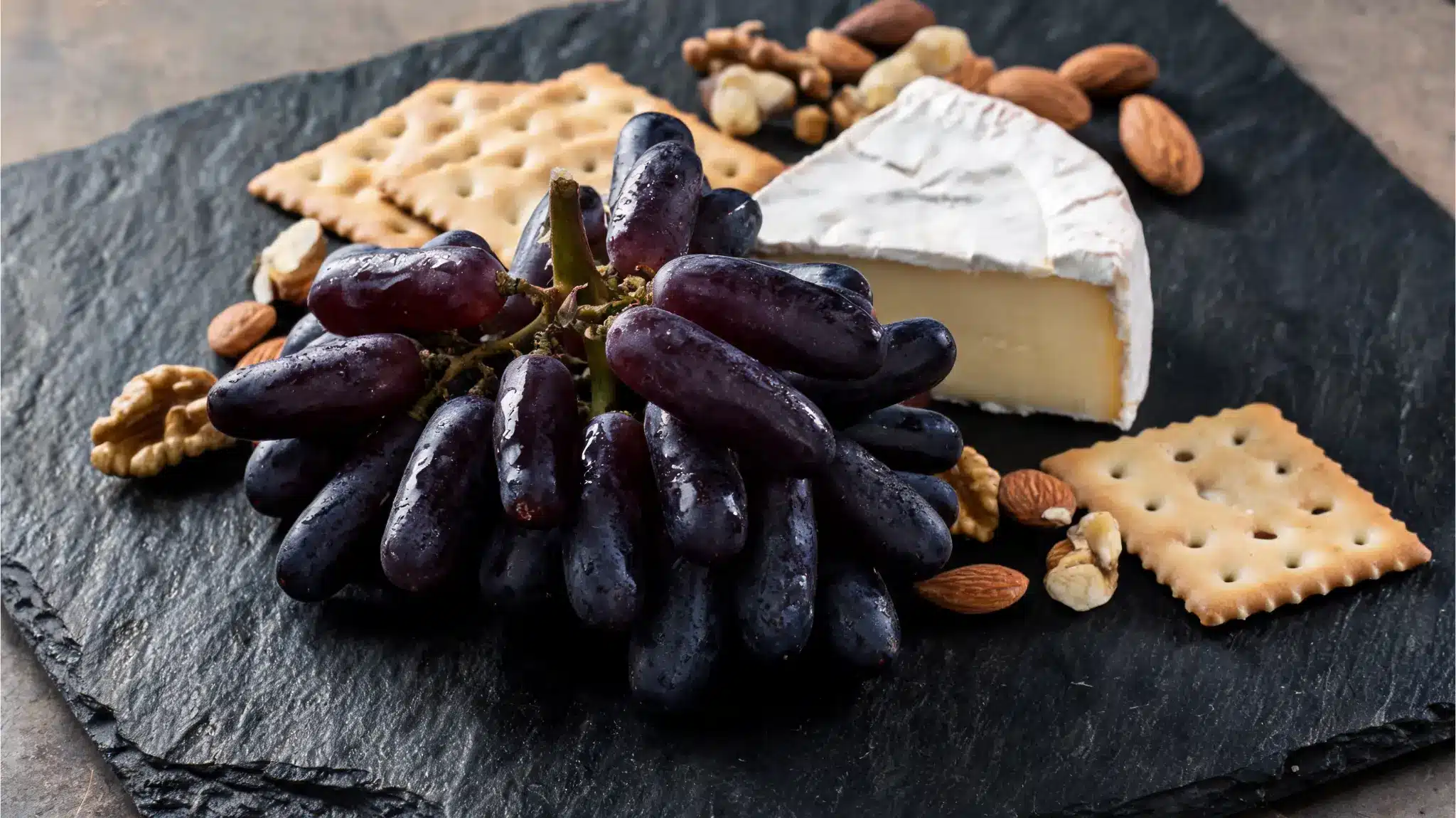
Moon Drops are long, dark purple grapes with a finger-like shape. They are trademarked by The Grapery and should not be confused with other similar varieties.
They have a firm snap, sweet flavor, and slightly rich grape taste, making them excellent for snacking and cheese boards.
Best For: Snacking, cheese boards, fruit platters
Flavor: Sweet, crisp, rich, slightly jammy
Seed Type: Seedless
4. Flame Seedless Grapes
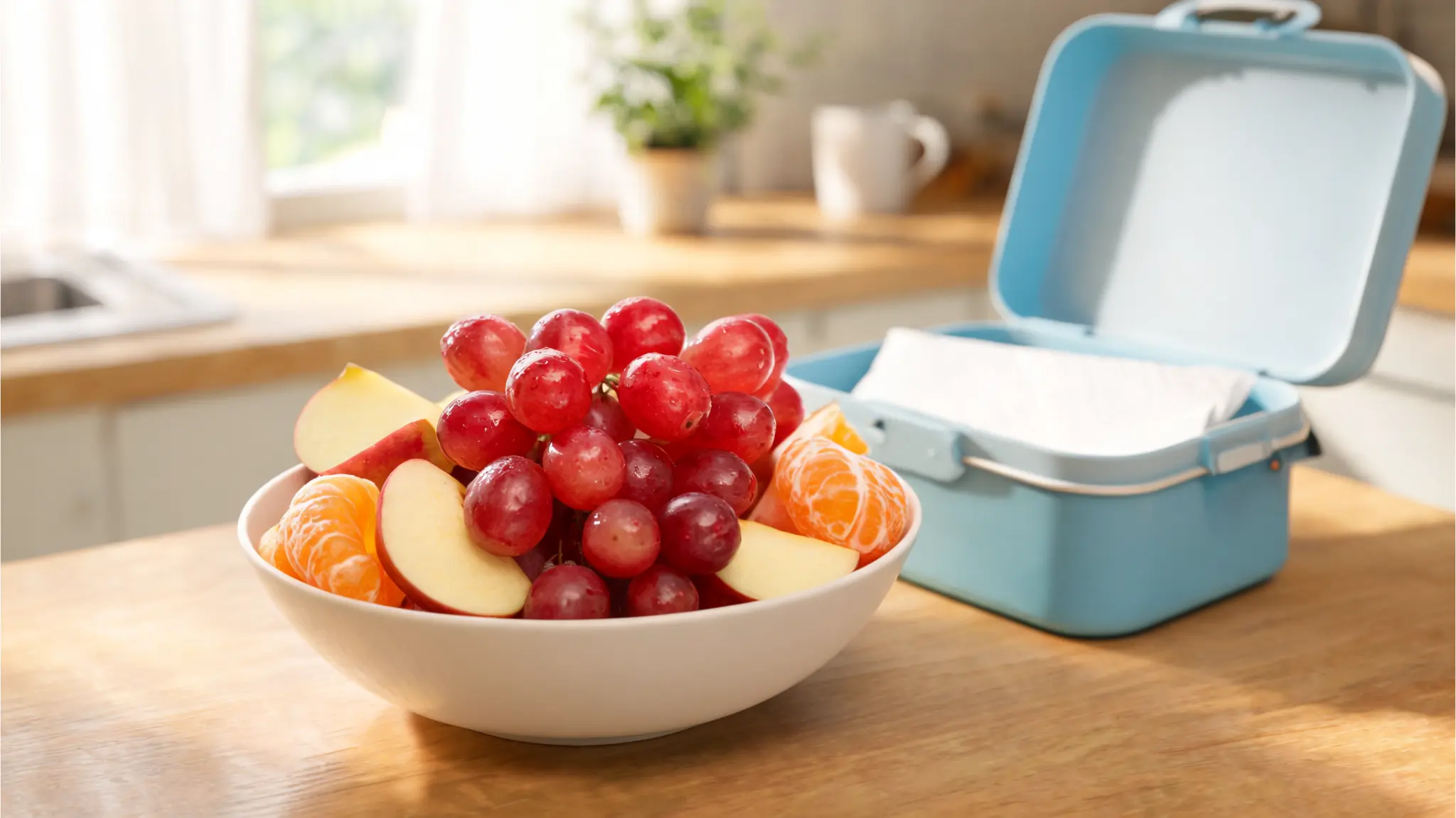
Flame Seedless grapes are bright red, crunchy, and sweet with a touch of tartness. They are one of the most common red table grapes.
They hold their shape well, so they work perfectly in fruit salads and are easy to eat by the handful.
Best For: Snacking, fruit salads, lunchboxes
Flavor: Sweet, tart, and crisp
Seed Type: Seedless
5. Red Globe Grapes
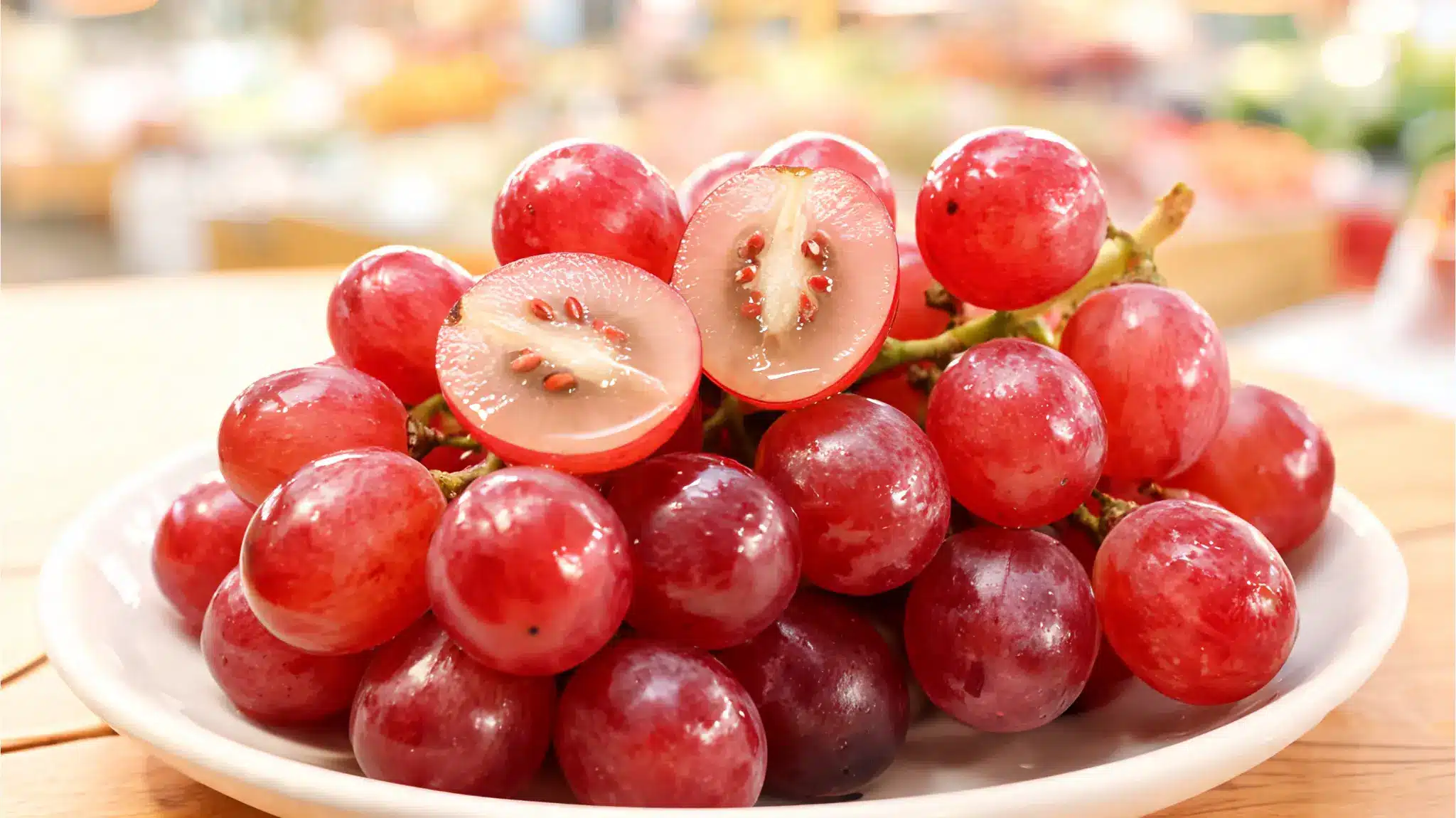
Red Globe grapes are large, round, and juicy. They usually have seeds, which makes them less convenient than seedless grapes, but they have a satisfying bite.
You often see them in fruit displays because they look full and glossy. They are best eaten fresh or used on fruit trays.
Best For: Fresh eating, fruit platters, table displays
Flavor: Juicy, mild, lightly sweet
Seed Type: Seeded
6. Concord Grapes
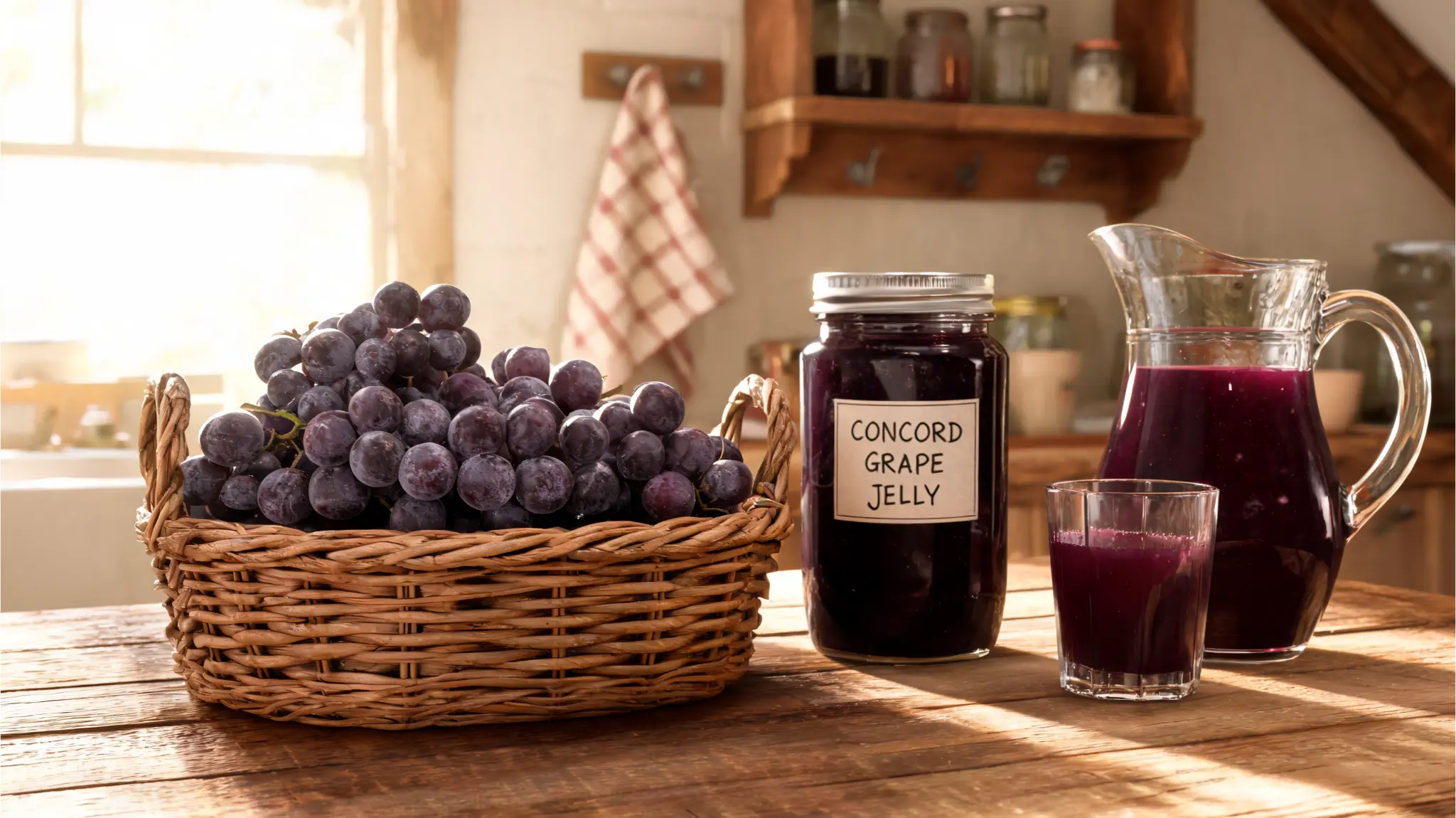
Concord grapes are deep purple with a classic grape flavor. Thick skins and seeds make them better suited for juice, jelly, jam, and pies than snacking, but their sweet-tart taste is iconic.
Best For: Juice, jelly, jam, syrup, pies
Flavor: Strong, sweet, tangy, classic grape flavor
Seed Type: Usually seeded
7. Muscadine Grapes
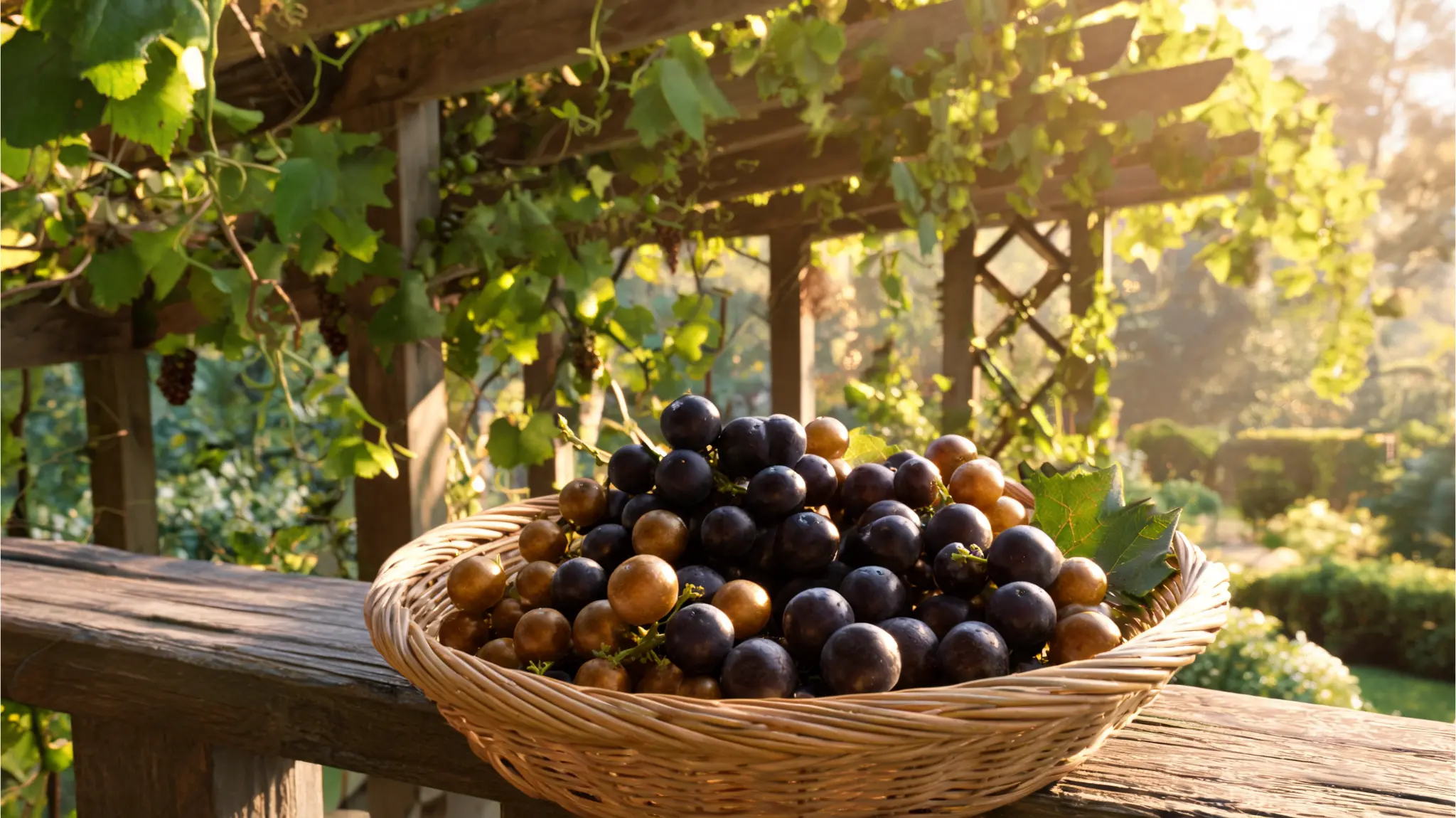
Muscadine grapes are large, thick-skinned grapes native to the southeastern United States. They can be bronze, purple, black, or reddish.
Their sweet, musky flavor is perfect for preserves, juice, and regional wines.
Best For: Preserves, juice, wine, regional recipes
Flavor: Sweet, musky, aromatic
Seed Type: Usually seeded
8. Niagara Grapes
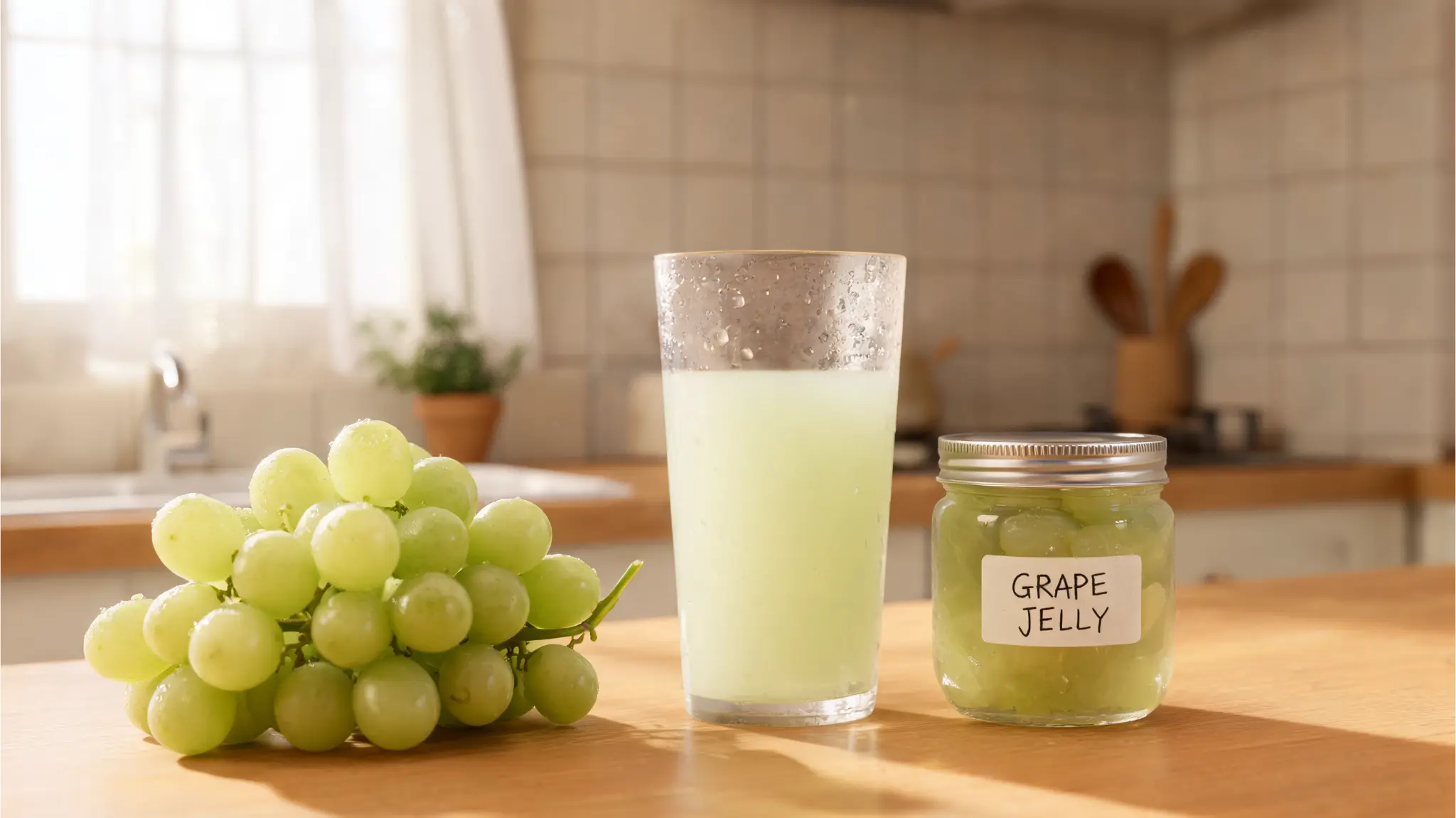
Niagara grapes are greenish-white grapes with a sweet, fragrant flavor.
Often used for white grape juice, they have a floral aroma and a slightly stronger taste than typical green table grapes.
Best For: White grape juice, jelly, fresh eating
Flavor: Sweet, fragrant, floral
Seed Type: Usually seeded
9. Black Corinth Grapes
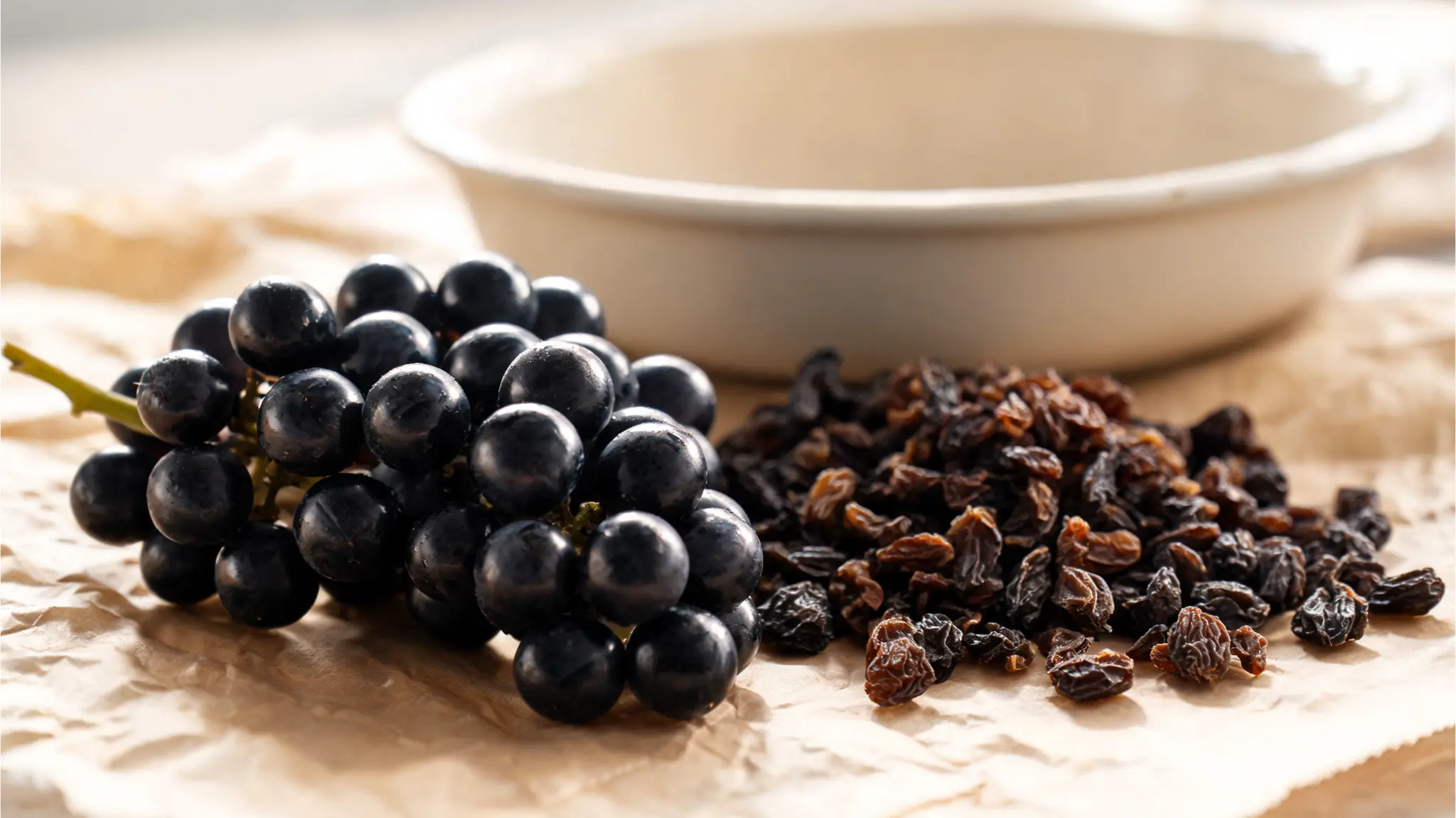
Black Corinth grapes are very small and often dried as “currants,” but they are actually tiny Zante raisins, not true currants.
They are intensely sweet and widely used in baking.
Best For: Currants, baking, breads, cakes, trail mixes
Flavor: Sweet and concentrated when dried
Seed Type: Seedless or nearly seedless
10. Gum Drop Grapes
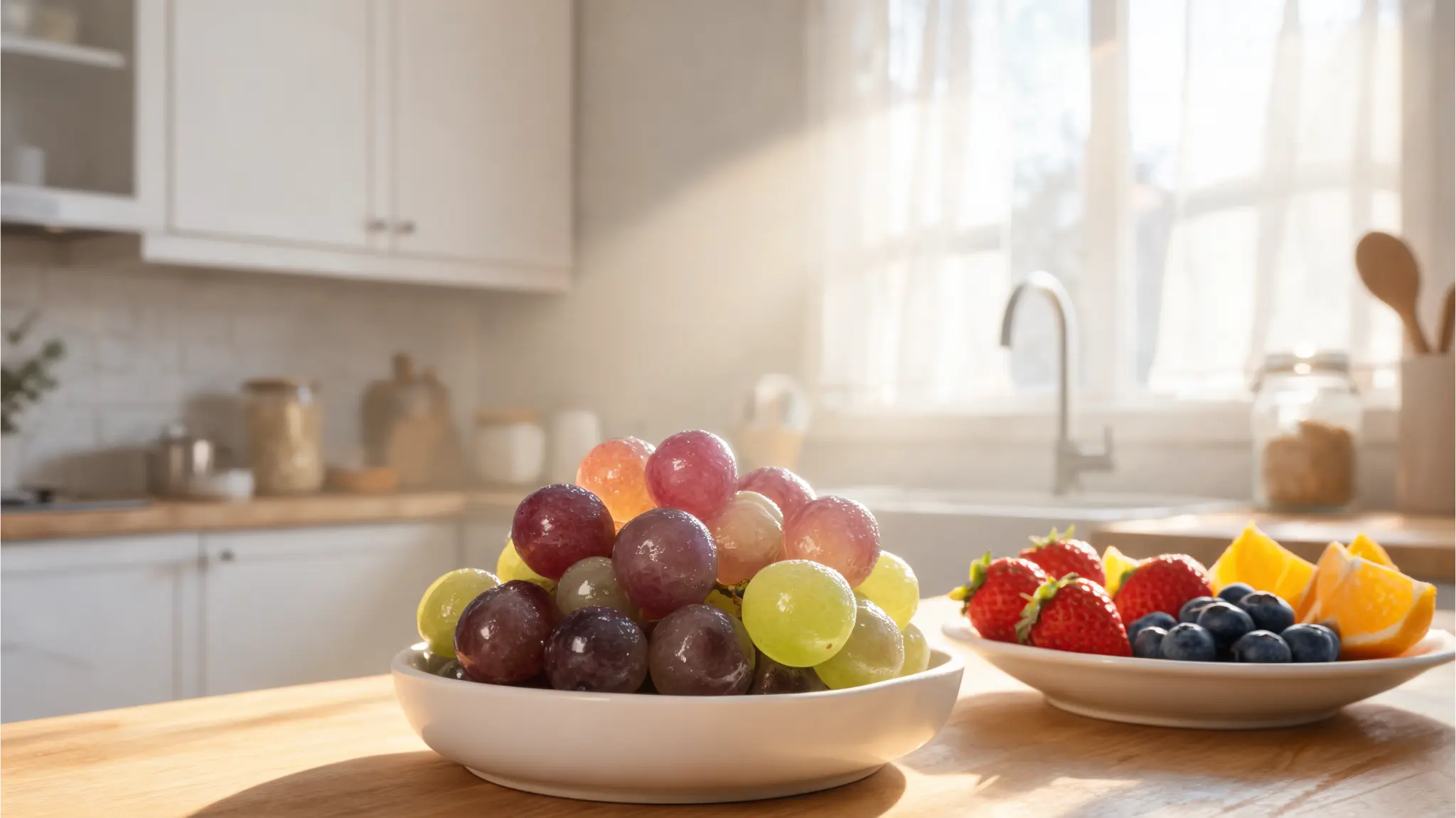
Gum Drop grapes are small to medium-sized, seedless table grapes with a very sweet, fruity, candy-like flavor.
They are a specialty seasonal grape popular with kids and sweet-tooth lovers.
Best For: Fresh eating, kids’ snacks, fruit bowls
Flavor: Very sweet, fruity, candy-like
Seed Type: Seedless
11. Cabernet Sauvignon Grapes
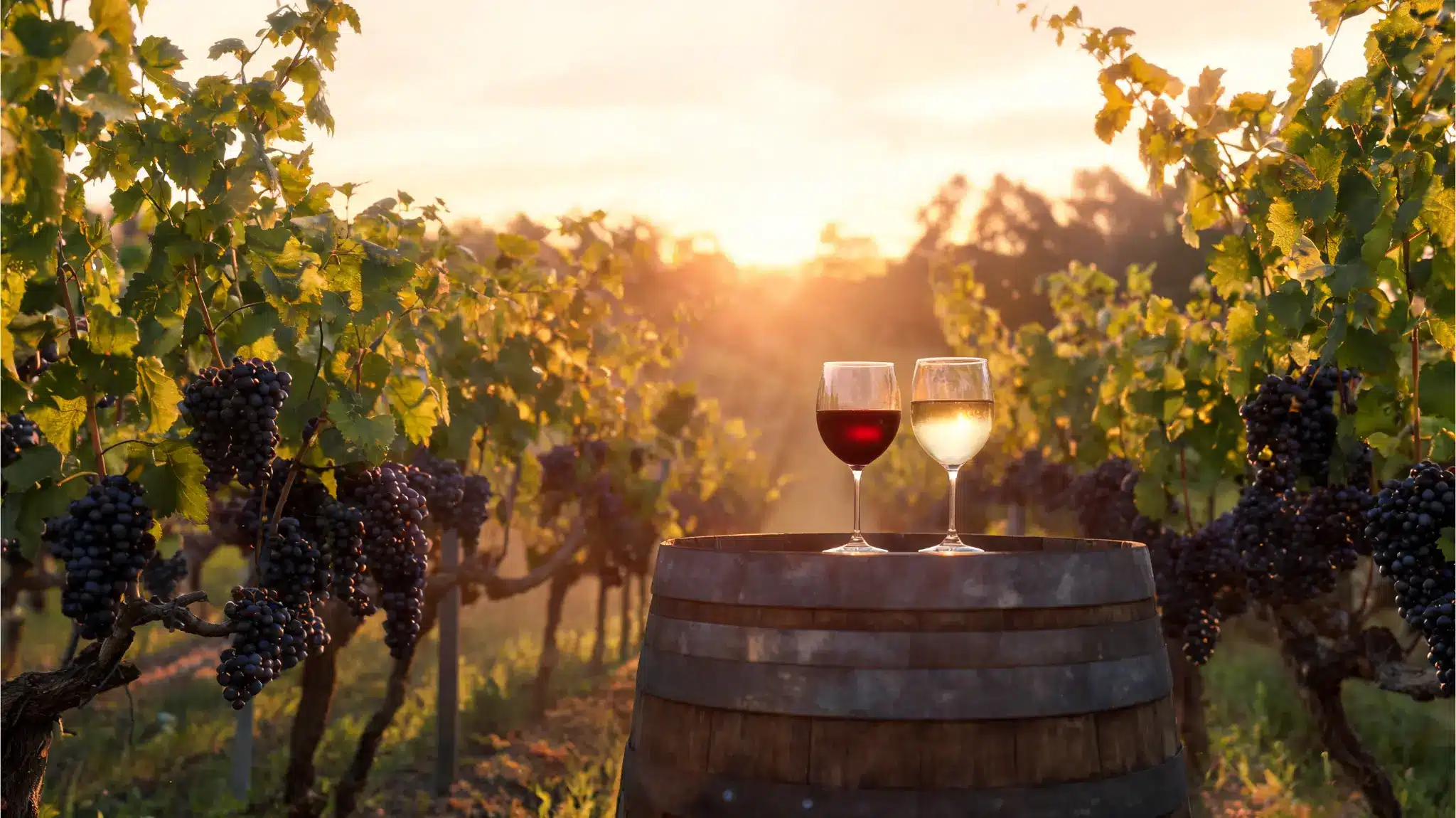
Cabernet Sauvignon is a famous red wine grape with thick skins and strong tannins. Its flavor is dark and full-bodied, making it ideal for red and aged wines.
Best For: Red wine, aged wines, mixed red wines
Flavor: Dark fruit, tannic, full
Seed Type: Seeded
12. Pinot Noir Grapes
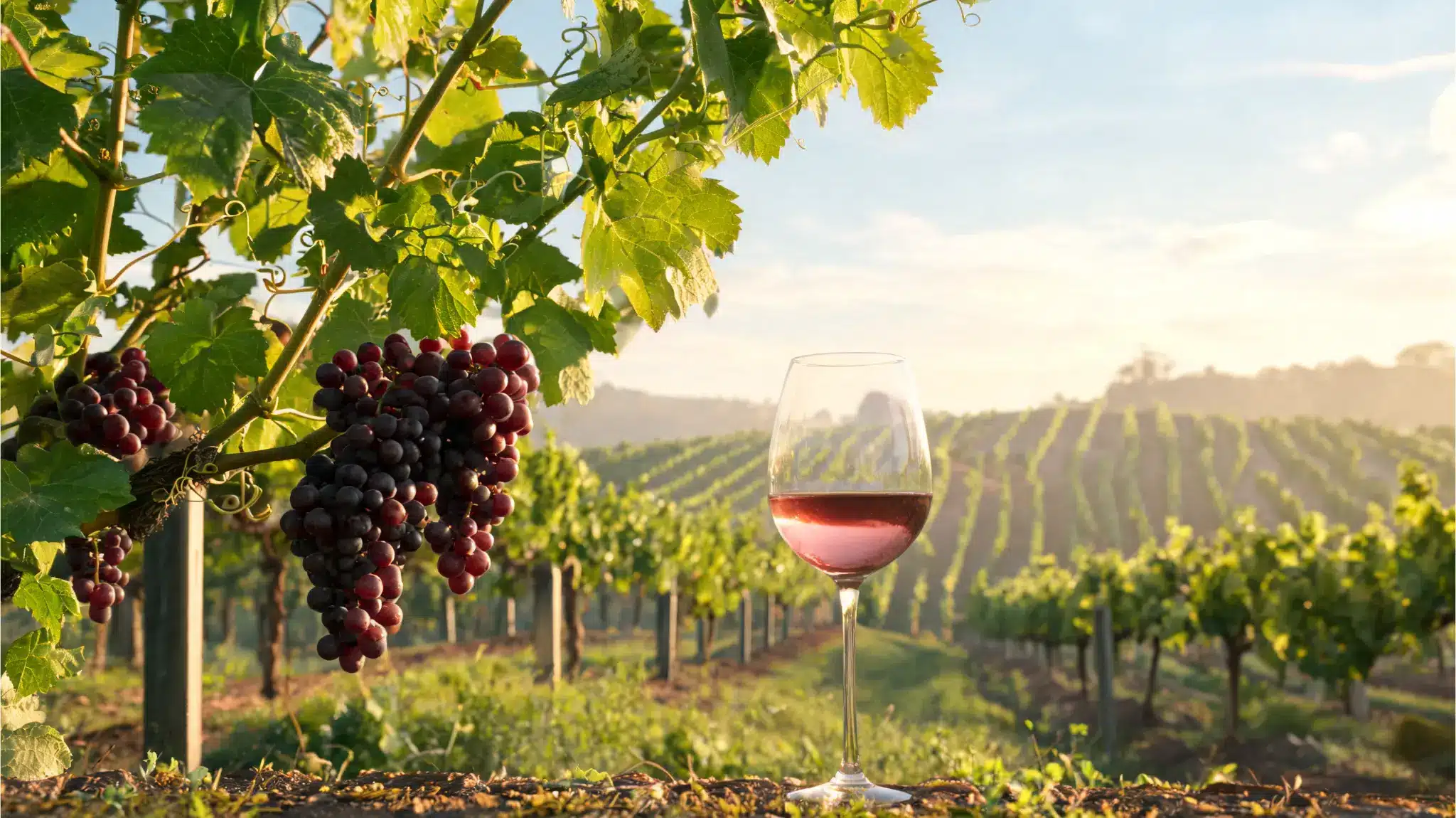
Pinot Noir is a red wine grape known for needing careful growing conditions. It has thinner skins than Cabernet Sauvignon, which leads to lighter colored wines.
The wines often show red fruit, earth, and soft spice notes. The grape itself is grown for wine quality, not table snacking.
Best For: Red wine, rosé, sparkling wine
Flavor: Red fruit, light spice, earthy notes
Seed Type: Seeded
13. Merlot Grapes
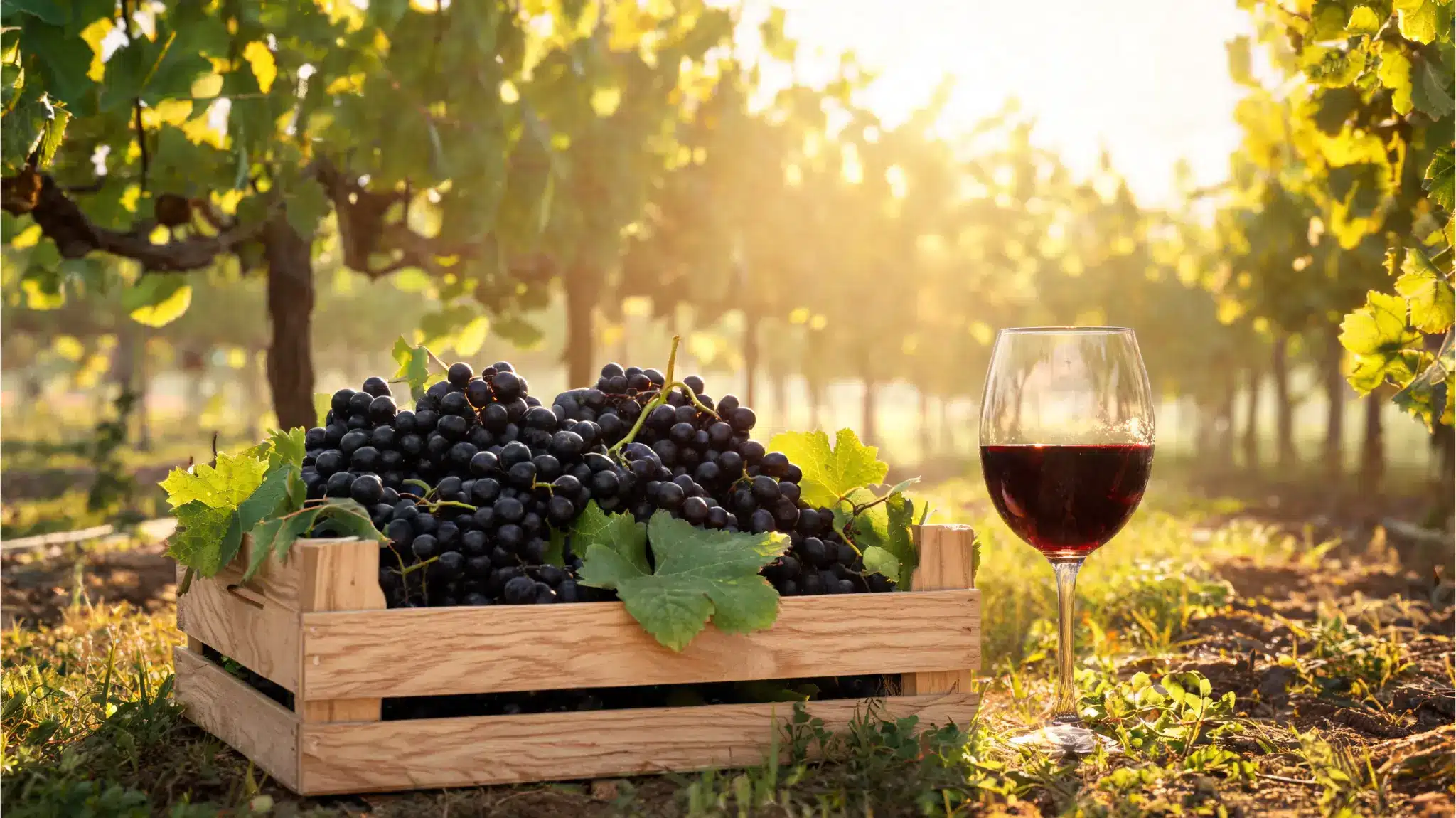
Merlot is a red wine grape known for its softer texture and smooth fruit flavor. It is often used on its own or mixed with Cabernet Sauvignon.
Merlot wines are usually rounder and less sharp than many full red wines, which makes them easier for many people to enjoy.
Best For: Red wine and soft red wine styles
Flavor: Plum, berry, soft tannin
Seed Type: Seeded
14. Chardonnay Grapes
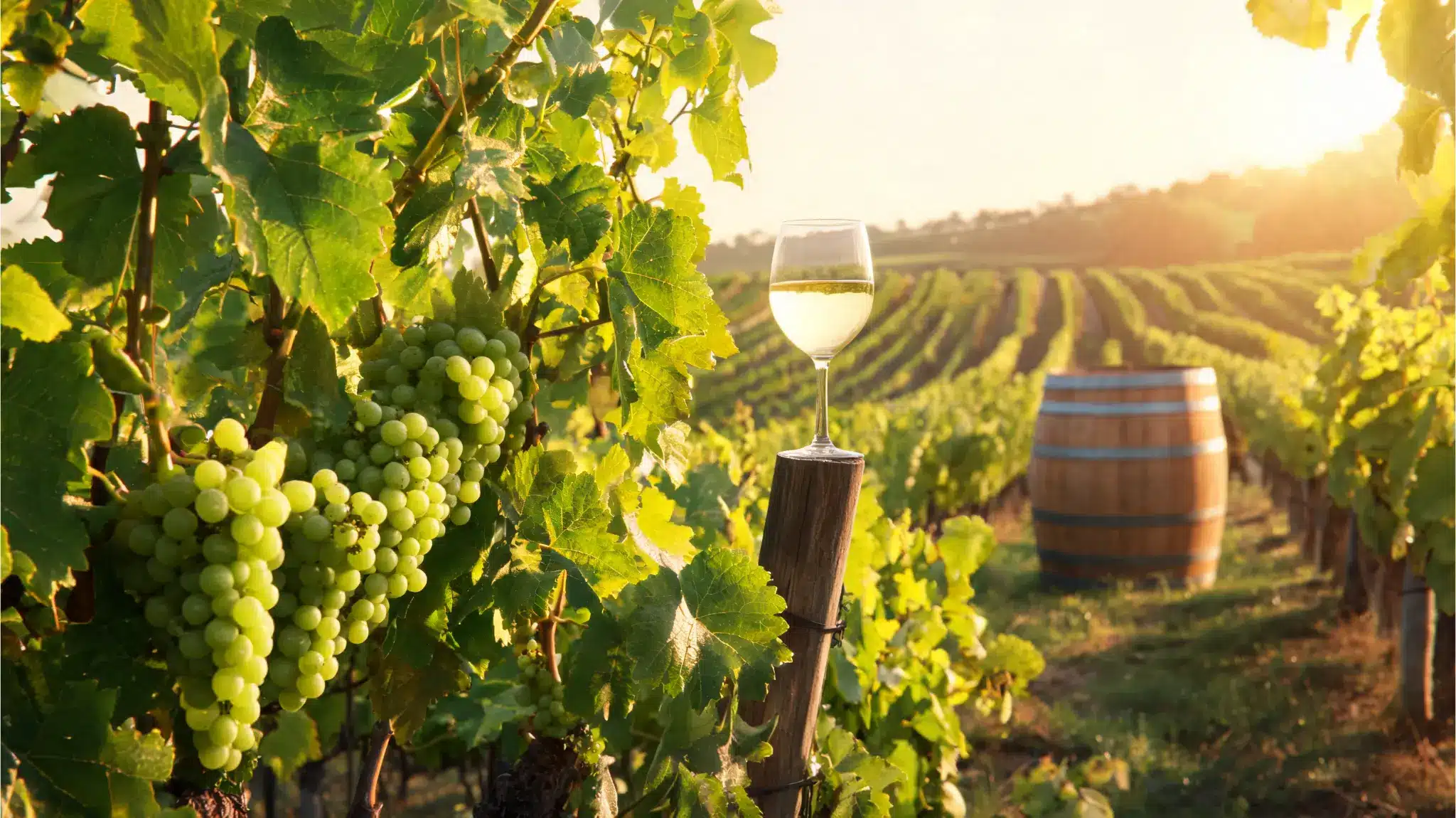
Chardonnay is one of the most widely grown white wine grapes. It can make many wine styles, from crisp and bright to rich and buttery.
The grape itself is green-skinned and usually grown for winemaking. Its final flavor depends a lot on climate, fermentation, and aging.
Best For: White wine, sparkling wine
Flavor: Apple, citrus, pear, sometimes buttery
Seed Type: Seeded
15. Sauvignon Blanc Grapes
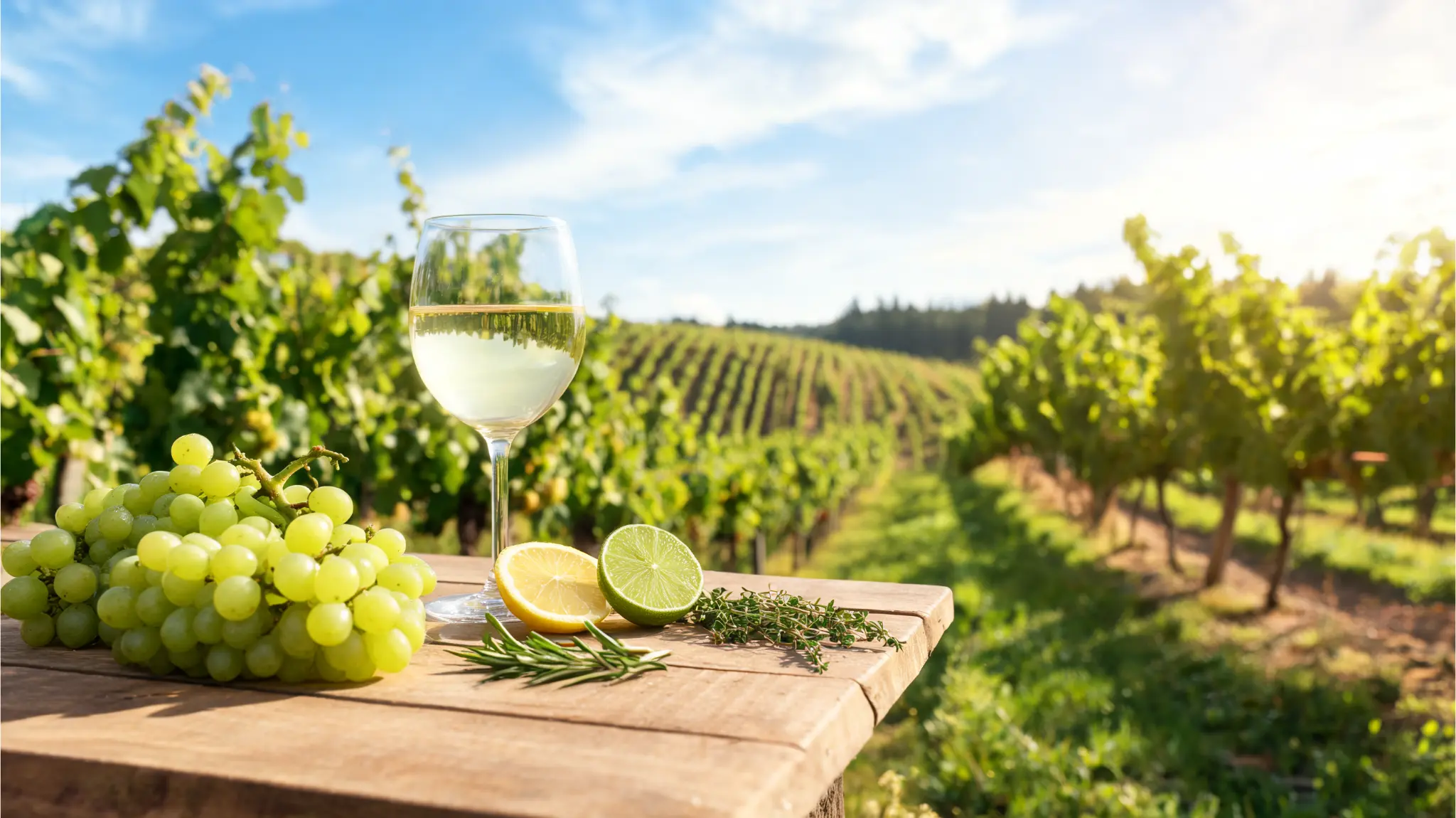
Sauvignon Blanc is a white wine grape with bright acidity and fresh flavor. Wines made from it often taste crisp, herbal, citrusy, or tropical.
It is not a common grape for snacking. Its main use is white wine, especially crisp styles with a clean finish.
Best For: White wine
Flavor: Citrus, green herbs, tropical fruit
Seed Type: Seeded
16. Riesling Grapes
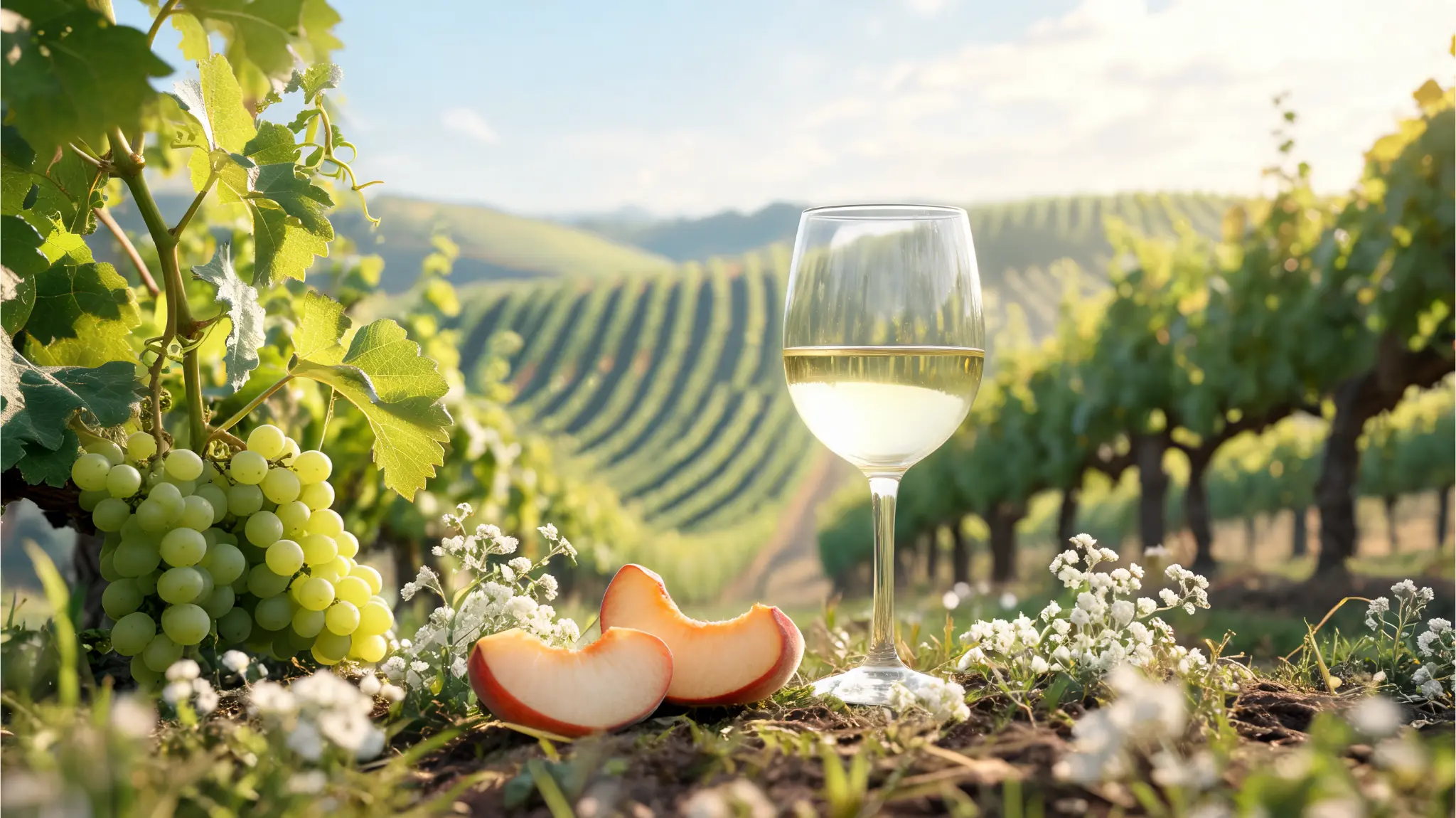
Riesling is a white wine grape known for its strong aroma and high acidity. It can make dry, off-dry, or sweet wines.
Its flavor can lean toward green apple, lime, peach, flowers, or honey. That range makes it one of the most useful white wine grapes.
Best For: Dry wine, sweet wine, dessert wine
Flavor: Floral, fruity, bright, acidic
Seed Type: Seeded
17. Syrah or Shiraz Grapes
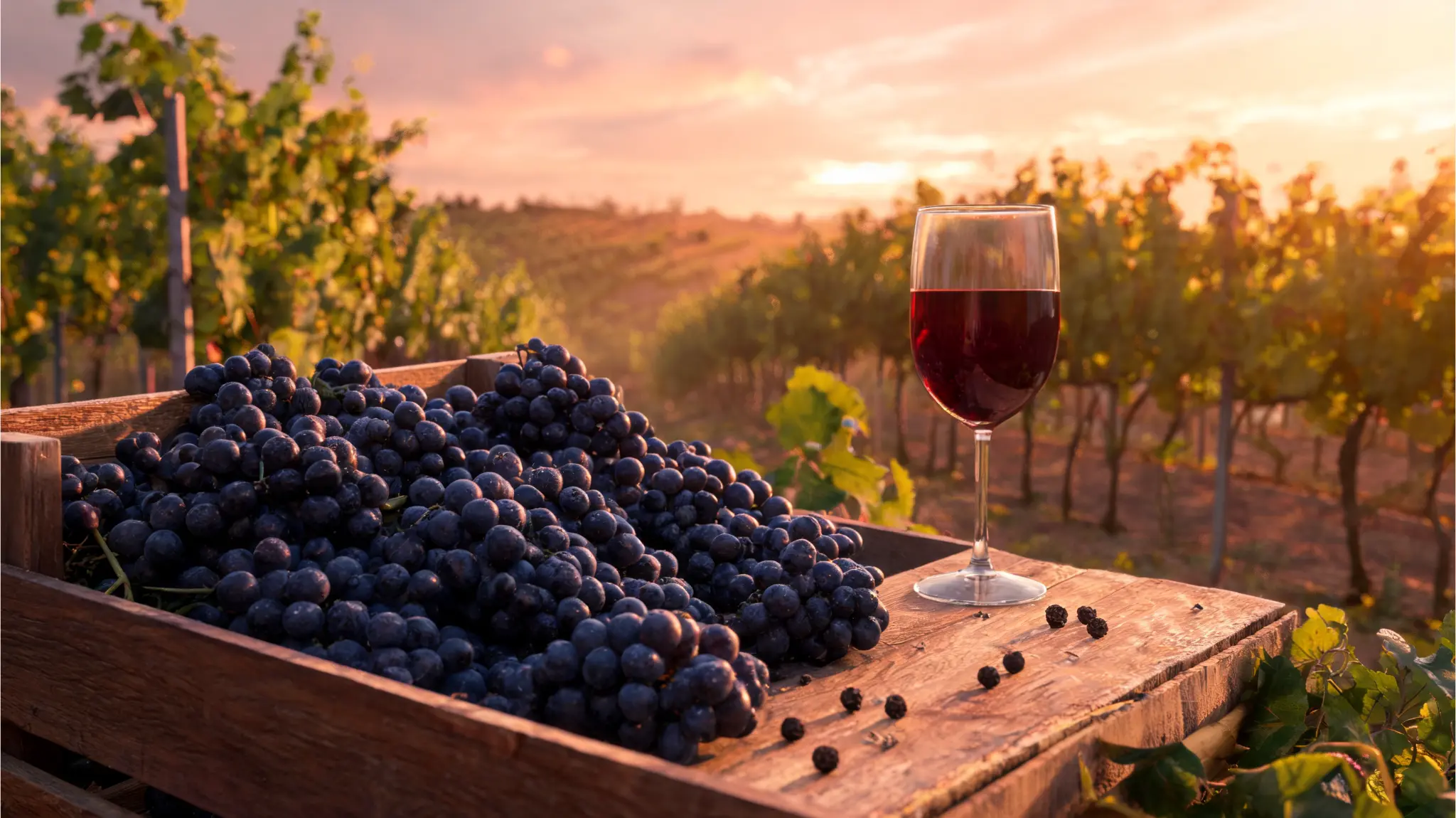
Syrah and Shiraz are the same grape, though the name often changes by region. Syrah usually points to a more peppery style, while Shiraz often points to richer fruit.
This grape makes full red wines with deep color and strong flavor.
Best For: Red wine, grilled food pairings
Flavor: Dark fruit, pepper, spice
Seed Type: Seeded
18. Zinfandel Grapes
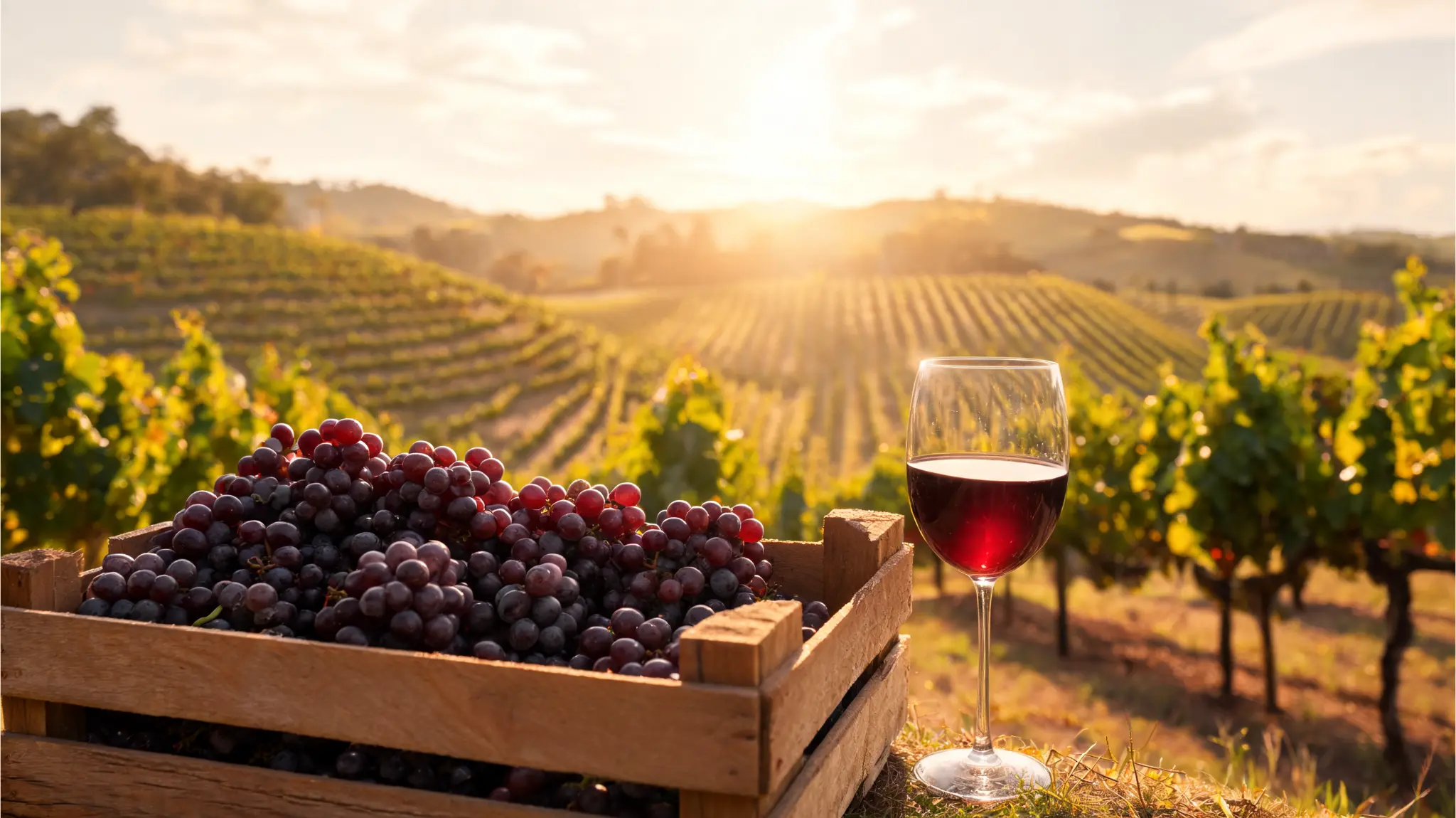
Zinfandel is a red wine grape known for rich fruit and full flavor. It is especially well known in California.
It can make red wine, rosé, and sweet style wines. The red wines often taste fruity, spicy, and full.
Best For: Red wine, rosé, fruit-forward wine styles
Flavor: Jammy fruit, spice, berry
Seed Type: Seeded
19. Malbec Grapes
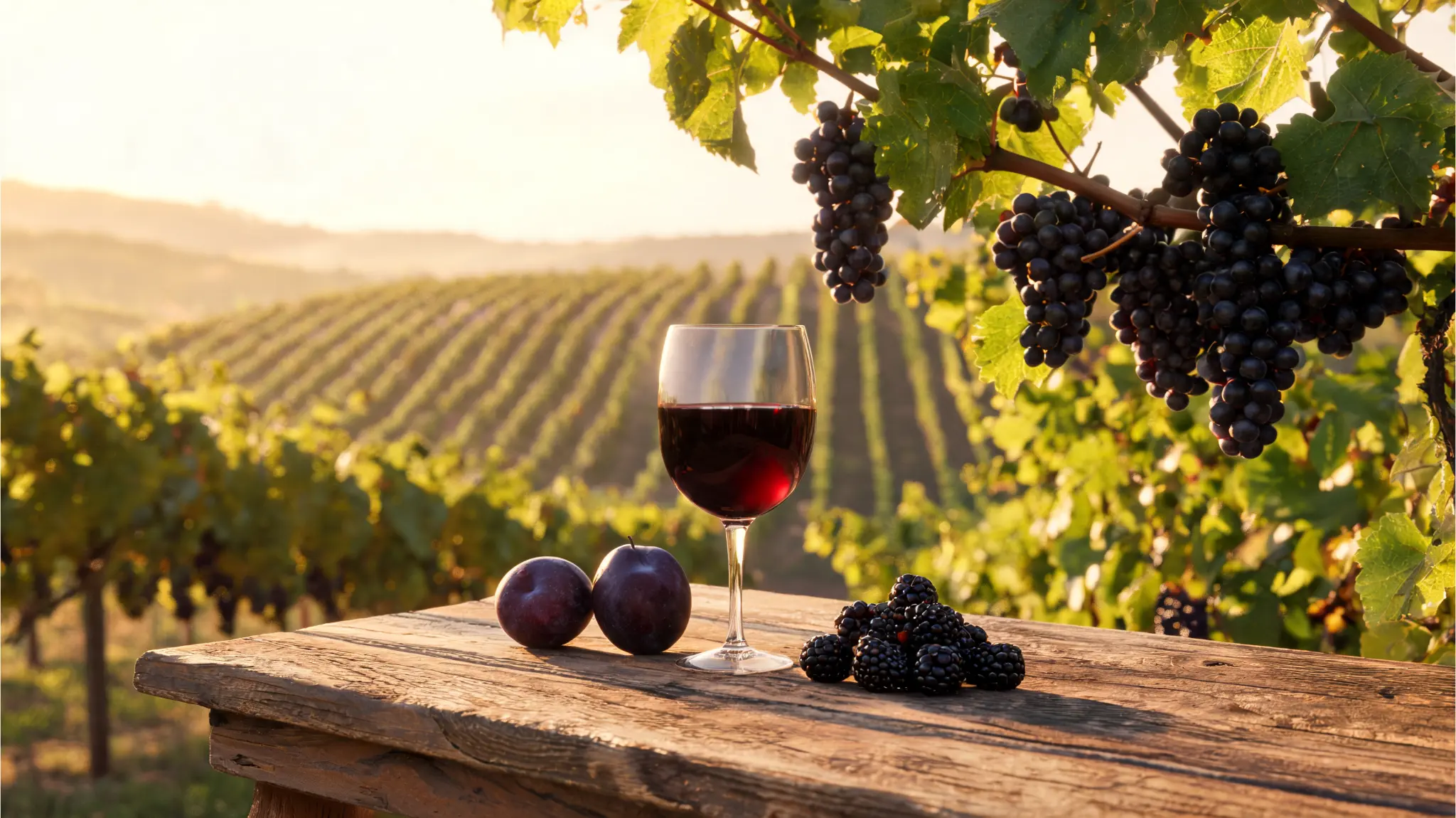
Malbec is a dark red wine grape best known for wines from Argentina. It makes smooth, deep colored red wines with plum and blackberry flavors.
It is full but often softer than Cabernet Sauvignon, which makes it popular with people who like rich red wines without too much bite.
Best For: Red wine
Flavor: Plum, blackberry, cocoa, smooth tannin
Seed Type: Seeded
Main Types of Grapes by Use
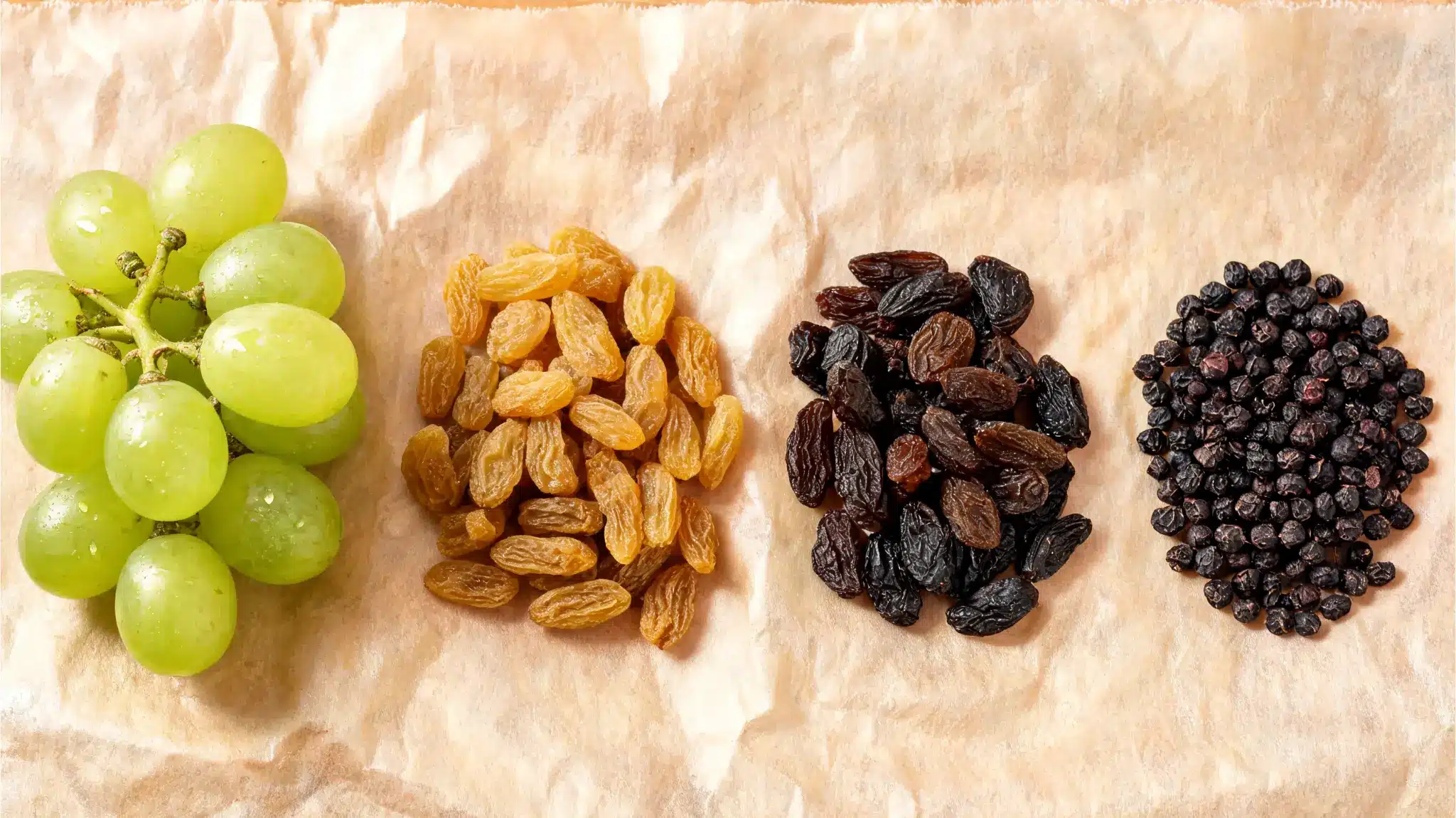
The broad grape groups are based on how the fruit is usually used. After seeing the individual varieties, this quick split helps organize them by purpose.
| Grape Type | Best For | Common Types |
|---|---|---|
| Table grapes | Fresh eating, snacks, fruit bowls | Thompson Seedless, Cotton Candy, Flame Seedless |
| Wine grapes | Red wine, white wine, rosé | Cabernet Sauvignon, Pinot Noir, Chardonnay |
| Juice and jelly grapes | Juice, jelly, jam, preserves | Concord, Muscadine, Niagara |
| Raisin grapes | Raisins, baking, trail mix | Thompson Seedless, Sultana, Black Corinth |
| Cooking grapes | Roasting, sauces, desserts, salads | Concord, Muscadine, Red Globe |
What to Check Before Picking a Grape
Two grapes can look similar but taste and perform very differently. These details help you compare varieties before using them in a fruit bowl, recipe, juice, raisins, or wine.
- Skin thickness: Thin skin feels better fresh. Thick skins often give more flavor to juice, jelly, preserves, and wine.
- Seed type: Seedless grapes are easier for snacking, and raisins. Seeded grapes are common in wine, juice, and older varieties.
- Flavor strength: Mild grapes suit fruit bowls. Concord and Muscadine hold their taste better after cooking or pressing.
- Acidity: Wine grapes often have more acidity, which helps wine taste balanced but can make the fruit less snack-friendly.
- Texture: Crisp grapes work best fresh. Softer or slip skin grapes are better for juice, jelly, and preserves.
These traits help you choose a grape by how it behaves, not just how it looks.
Frequently Asked Questions
What are the 12 grapes called?
The 12 grapes refer to the Spanish New Year tradition of eating one grape at each midnight chime. It doesn’t indicate specific varieties. Small, sweet, seedless table grapes are most commonly used because they’re easy to eat quickly.
What are the seven noble grapes?
The seven noble grapes are renowned wine varieties used worldwide: Chardonnay, Sauvignon Blanc, Riesling, Cabernet Sauvignon, Merlot, Pinot Noir, and Syrah/Shiraz. Some lists vary slightly by region, but these grapes are widely recognized for producing respected wines across styles.
Why are some grapes seedless?
Seedless grapes develop from varieties that form tiny, undeveloped seeds rather than full seeds. Growers propagate these grapes using cuttings or grafts, ensuring the same seedless characteristics continue. This makes them more convenient for fresh eating, snacking, and salads.
What grapes taste most like grape juice?
Concord grapes are the classic choice for purple grape juice, with a strong, sweet, and tangy flavor reminiscent of grape jelly or candy. Niagara grapes are lighter, floral, and commonly used for white grape juice due to their aromatic sweetness.
Why do grape names vary by country?
Grape names differ internationally because the same variety may be grown in multiple regions, languages, and traditions. Local wine-making practices also affect naming. For example, Syrah in France is called Shiraz in Australia, though both are the same grape.
Wrapping It Up
Grapes look simple at first. A green bunch for snacking, a red bunch for a fruit bowl, maybe a jar of grape jelly in the fridge. But once you know the main types of grapes, each variety starts to make more sense.
Thompson Seedless is easy for everyday eating. Cotton Candy fits when you want extra sweetness. Concord is better for jelly and juice.
Muscadine works well in preserves and sweet wines. Cabernet Sauvignon and Chardonnay belong more to wine than a snack bowl.
Each grape has a job it does best. Start with the grapes you already know, then try one new variety when you see it.