Figs may look simple at first, but the variety behind them is wider than most people expect. The types of figs differ in color, flavor, texture, harvest season, productivity, and the way they are sold or used.
Some figs are dark, rich, and jammy. Others are pale, honey-sweet, mild, nutty, or better known in dried form. I find this helpful because a fig is not just one kind of fruit with one taste. Each variety has its own place.
The sections ahead look at how figs are classified, which varieties are most popular, which ones are rare, which types produce well, and how fresh, dried, and canned figs differ. By the end, you’ll have a clearer view of what makes each fig type unique.
How Are Figs Classified?
Figs are usually classified in a few practical ways, and each one helps you choose the right variety more easily. By pollination type, they fall into Common figs, Smyrna figs, San Pedro figs, and Caprifigs. Common figs are the easiest for home growers because many fruit without special pollination.
By color or skin, figs may be black, purple, green, yellow, or brown, which often gives clues about flavor and ripeness. They can also be grouped by harvest season, including early, mid-season, and late-season types, which matters if you want a longer picking window. Another helpful way to compare them is by use.
Some figs are best for fresh eating, while others are better for drying, cooking, jams, and preserves. This makes variety selection clearer before planting or buying a tree locally.
Most Popular Types of Figs
These popular fig varieties are loved because they are easier to find, easier to grow, and useful for fresh eating, drying, preserves, and home gardens.
1. Black Mission Fig
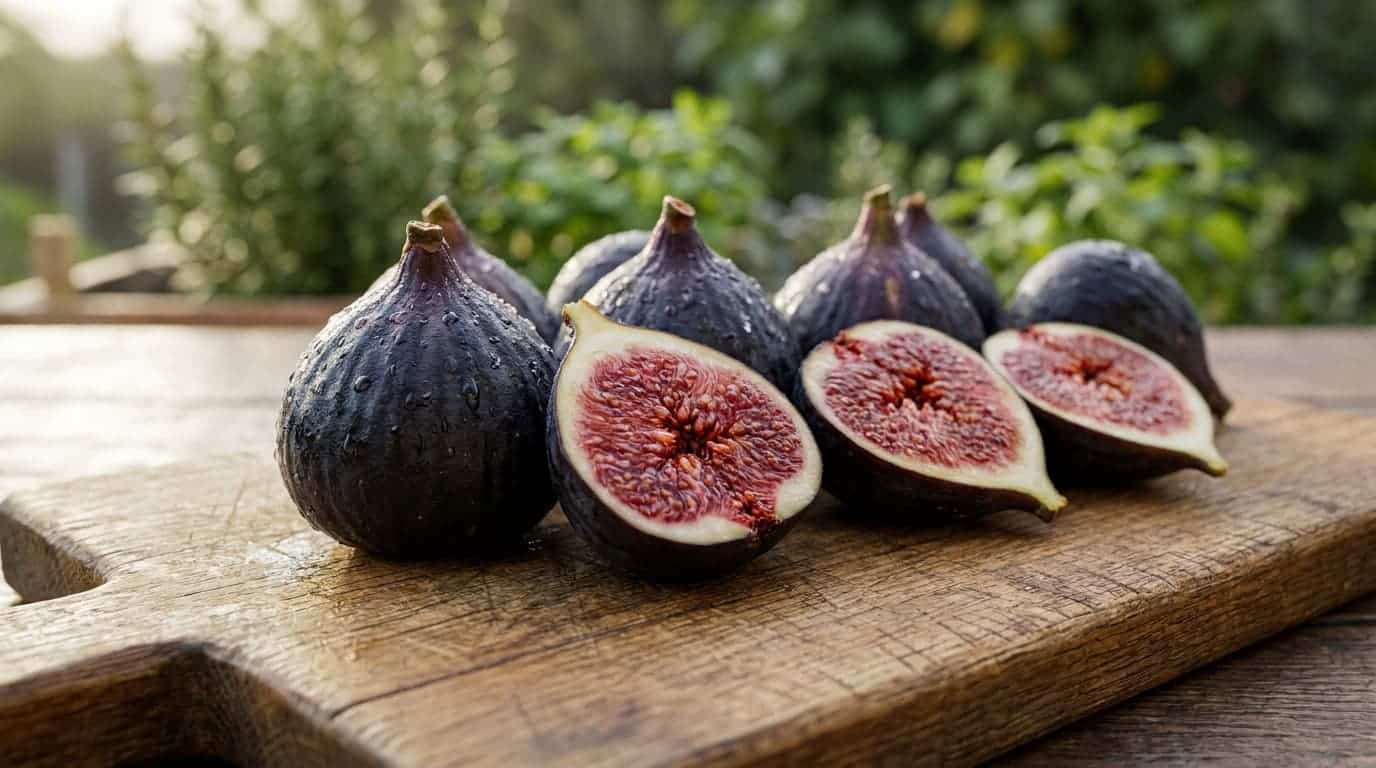
Best fit: Choose Black Mission for deep jammy flavor in warm zones 7 to 10, especially when fresh eating, drying, and bold sweetness matter most overall too.
Black Mission is the fig many people picture first, with almost black-purple skin and soft red flesh. The taste leans rich, sweet, and jam-like, so one ripe fig can feel close to dessert.
Use it for fresh plates, dried snacks, baked dishes, salads, and cheese boards. Its flavor stays strong after drying, which gives it value beyond harvest season too.
2. Brown Turkey Fig
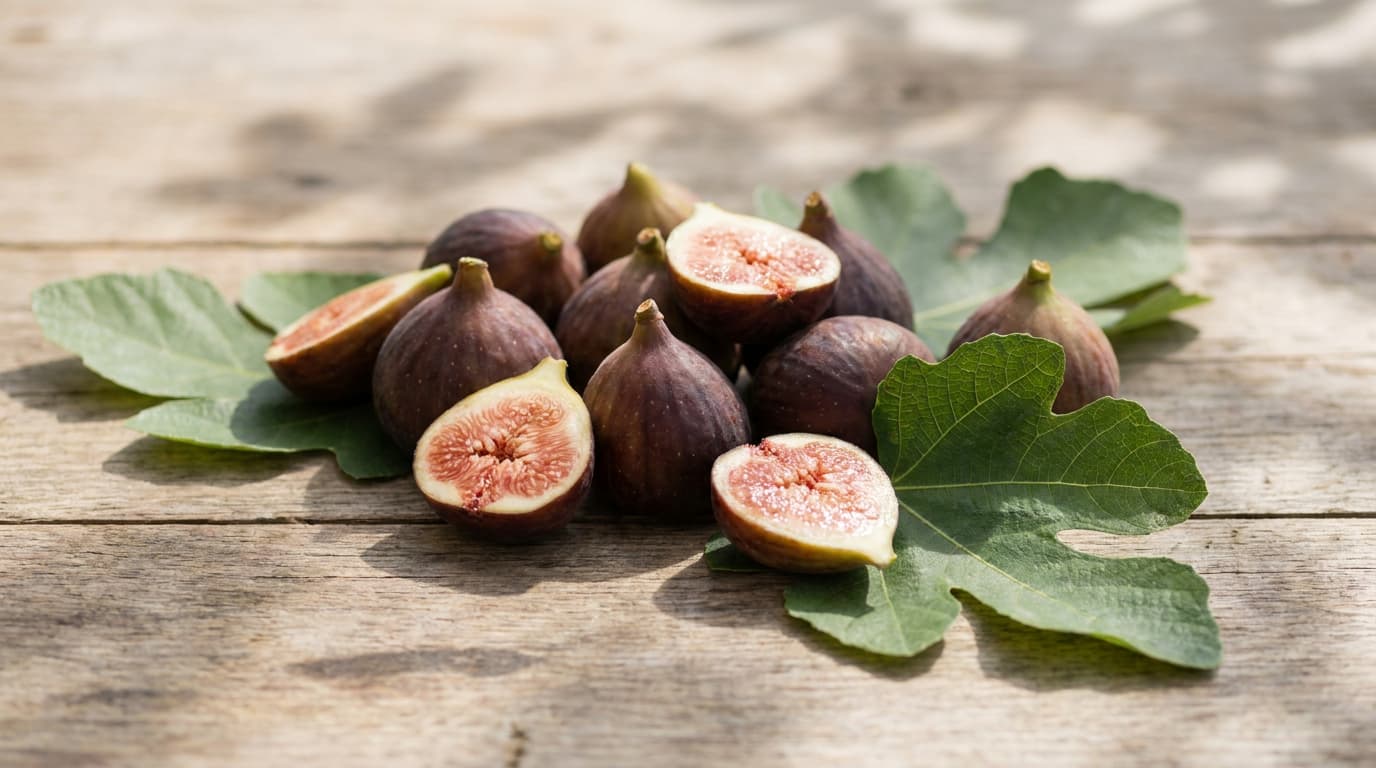
Best fit: Choose Brown Turkey for steady crops in zones 7 to 10, especially when easy care, mild sweetness, and beginner success matter most at home too.
Brown Turkey brings a softer style of fig, with brown-purple skin, pinkish flesh, and a mild sweet bite. It does not overwhelm the palate, which makes it easy to use in everyday meals.
Fresh eating, preserves, baking, and simple sauces all work well. Many gardeners start here because it fruits dependably and handles basic care better than fussy types outdoors.
3. Celeste Fig
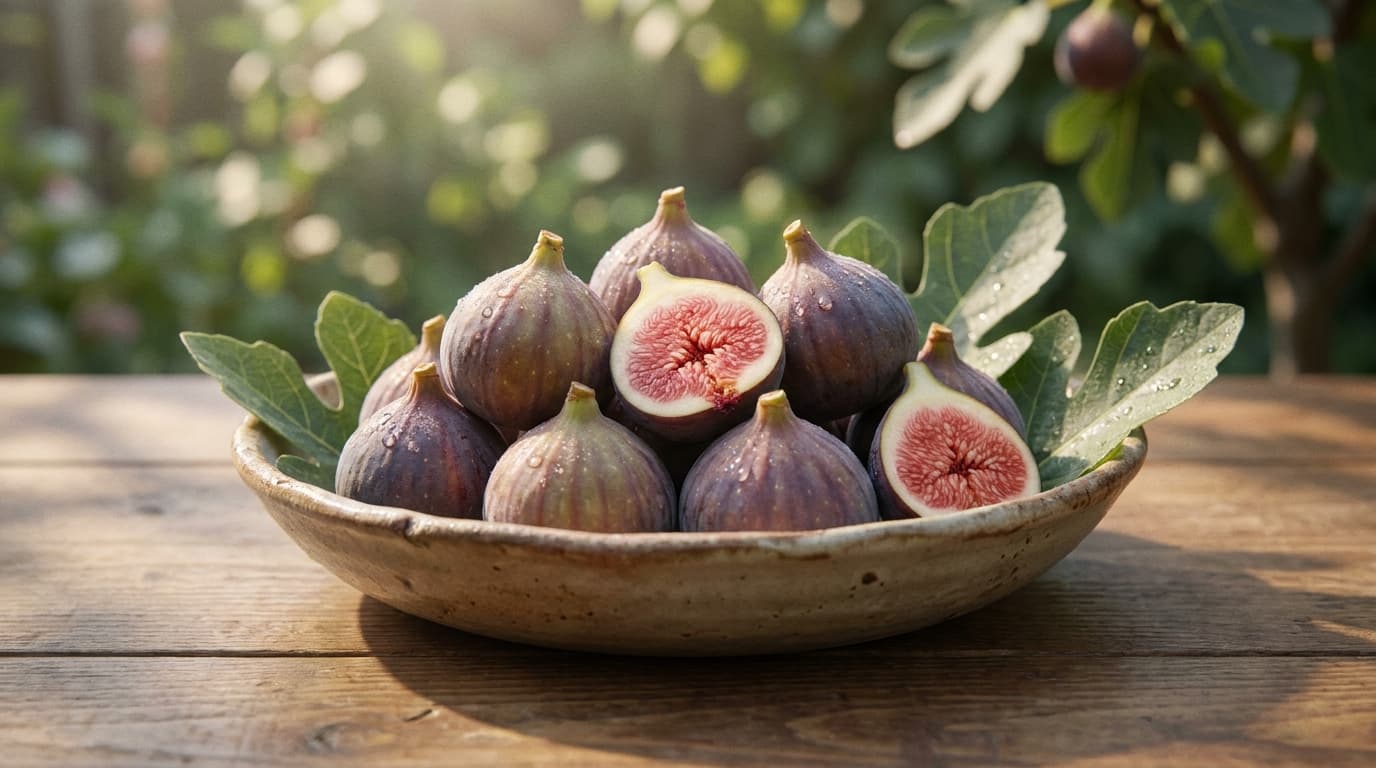
Best fit: Choose Celeste for very sweet fruit in zones 7 to 10, especially when humid weather, small harvests, and preserves matter most to growers each season.
Celeste feels like a snack fig, small enough to pick and eat straight from the tree. Its skin can look bronze, light brown, or violet, while the inside is soft and pink.
The flavor is sugary, smooth, and gentle, with the kind of sweetness that works well in preserves. It is also useful for drying, fresh eating, and quick homemade desserts.
4. Kadota Fig
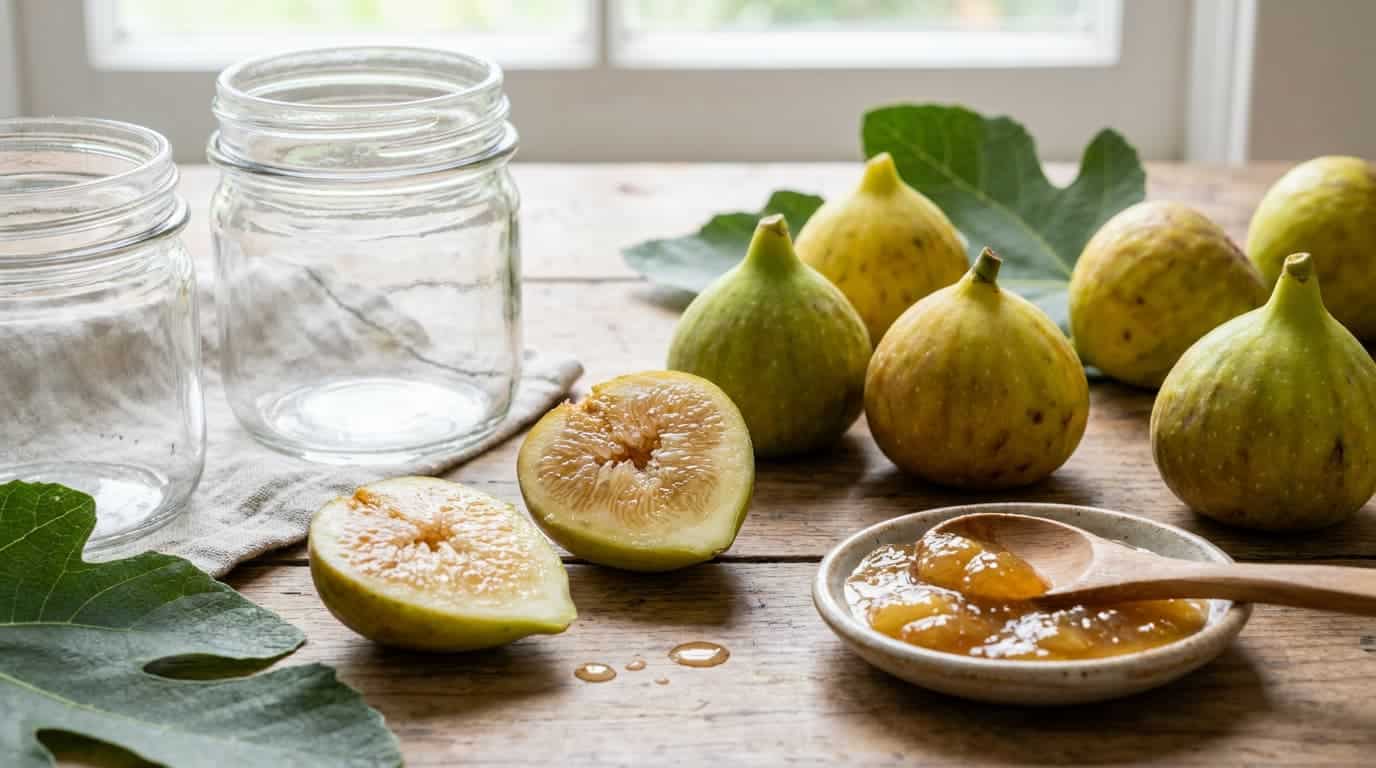
Best fit: Choose Kadota for mild honey flavor in zones 7 to 10, especially when drying, cooking, canning, and gentle sweetness matter most indoors daily at home.
Kadota looks lighter than many figs, with green-yellow skin and pale amber flesh. The flavor is soft, honey-like, and not too heavy, which helps it blend nicely into cooked recipes.
This fig is especially useful for drying, canning, jams, and preserves. Fresh fruit tastes pleasant too, but the real value appears when a recipe needs sweetness without a strong berry note.
5. Calimyrna Fig
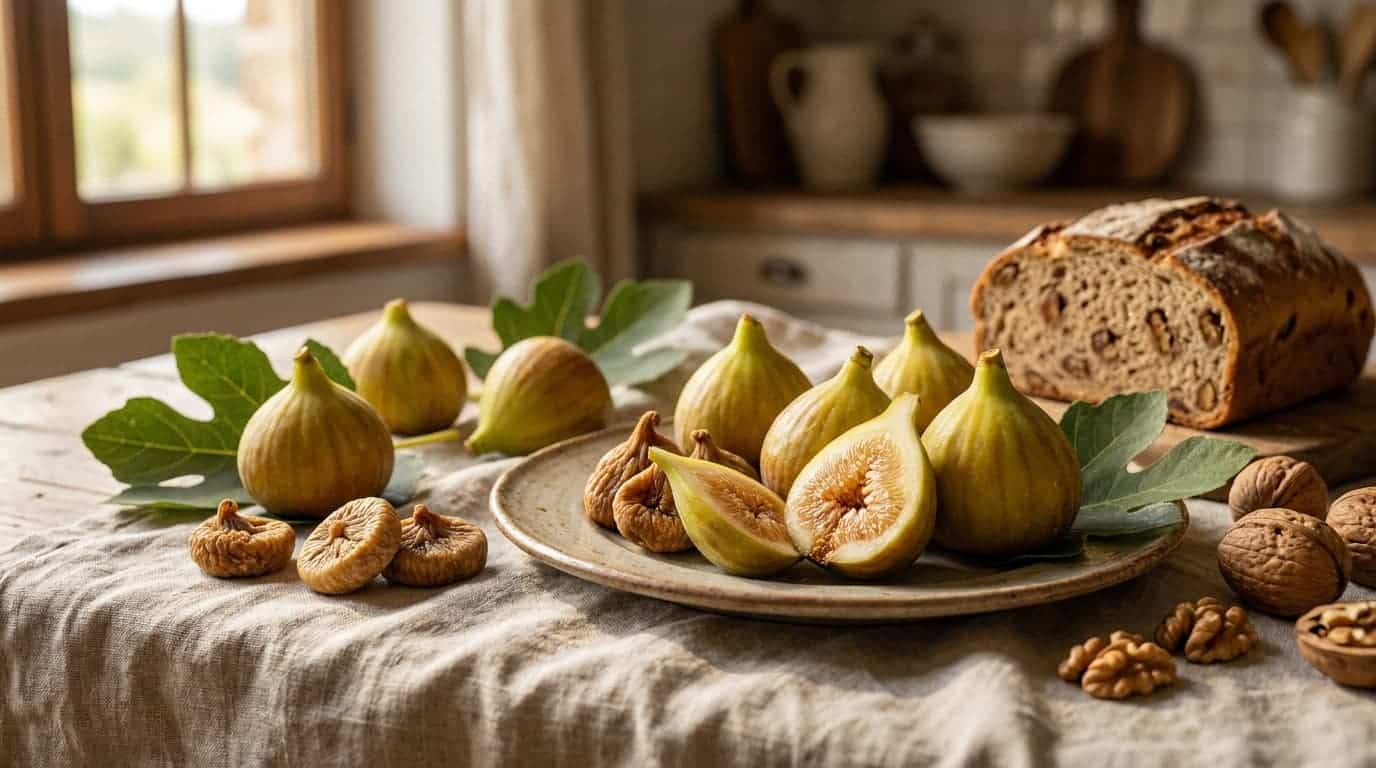
Best fit: Choose Calimyrna for nutty sweetness in zones 8 to 10, especially when dried snacks, baking, and pantry-friendly figs matter most at home for families today.
Calimyrna has a golden-green look, pale amber flesh, and a fuller shape than many backyard figs. Its flavor is sweet, nutty, and lightly honeyed, especially after drying.
This is the fig many people connect with dried snack packs, baking, and cheese boards. Fresh Calimyrna can taste rich, but the dried version is where its chewy texture and nutty taste shine.
6. Adriatic Fig
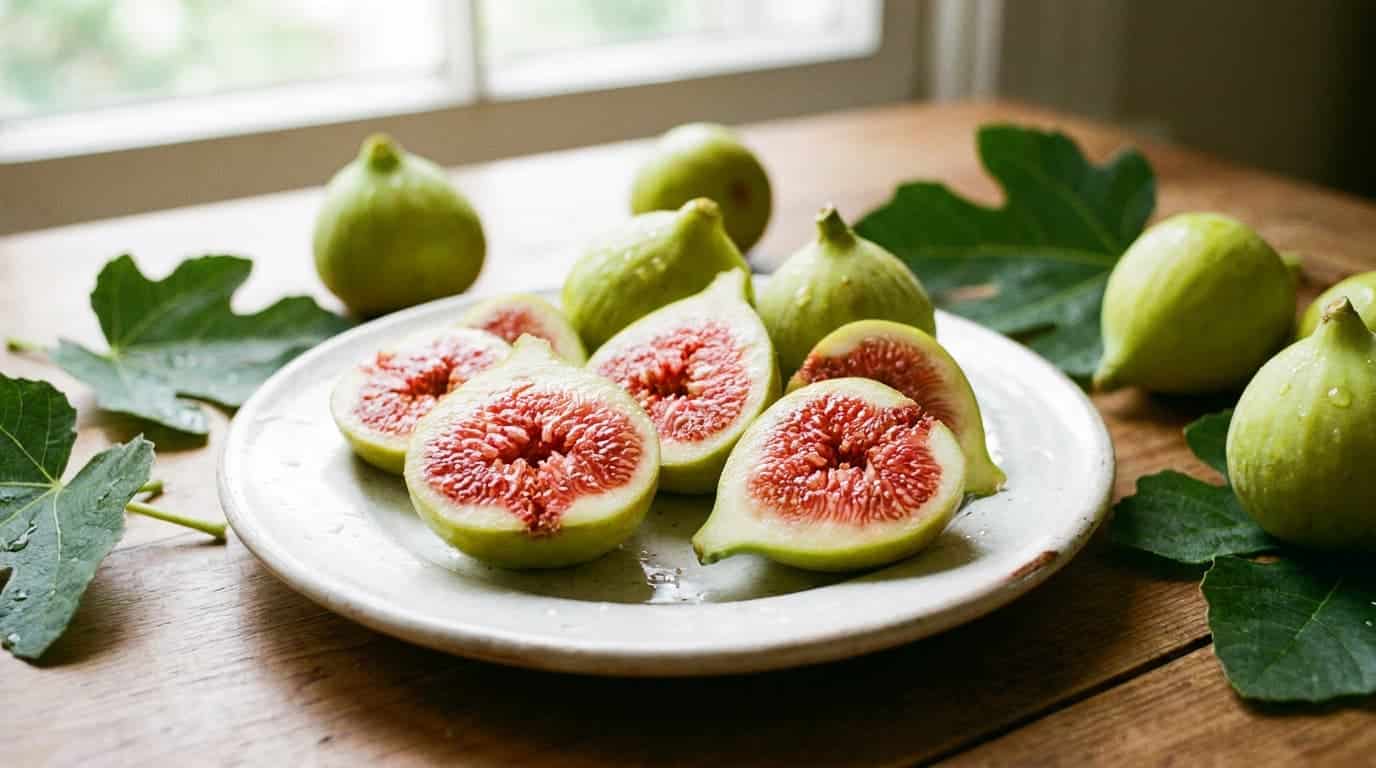
Best fit: Choose Adriatic for green skin and red flesh in zones 7 to 10, especially when fresh desserts need bright color and berry sweetness on plates.
Adriatic keeps its surprise inside. The outer skin stays green, but slicing it open reveals bright red flesh that looks beautiful on a plate. Its flavor is sweet, fruity, and berry-like, often stronger than the pale skin suggests.
Use it for fresh eating, salads, desserts, breakfast bowls, and fruit platters where both color and taste matter. It photographs well too.
7. Chicago Hardy Fig
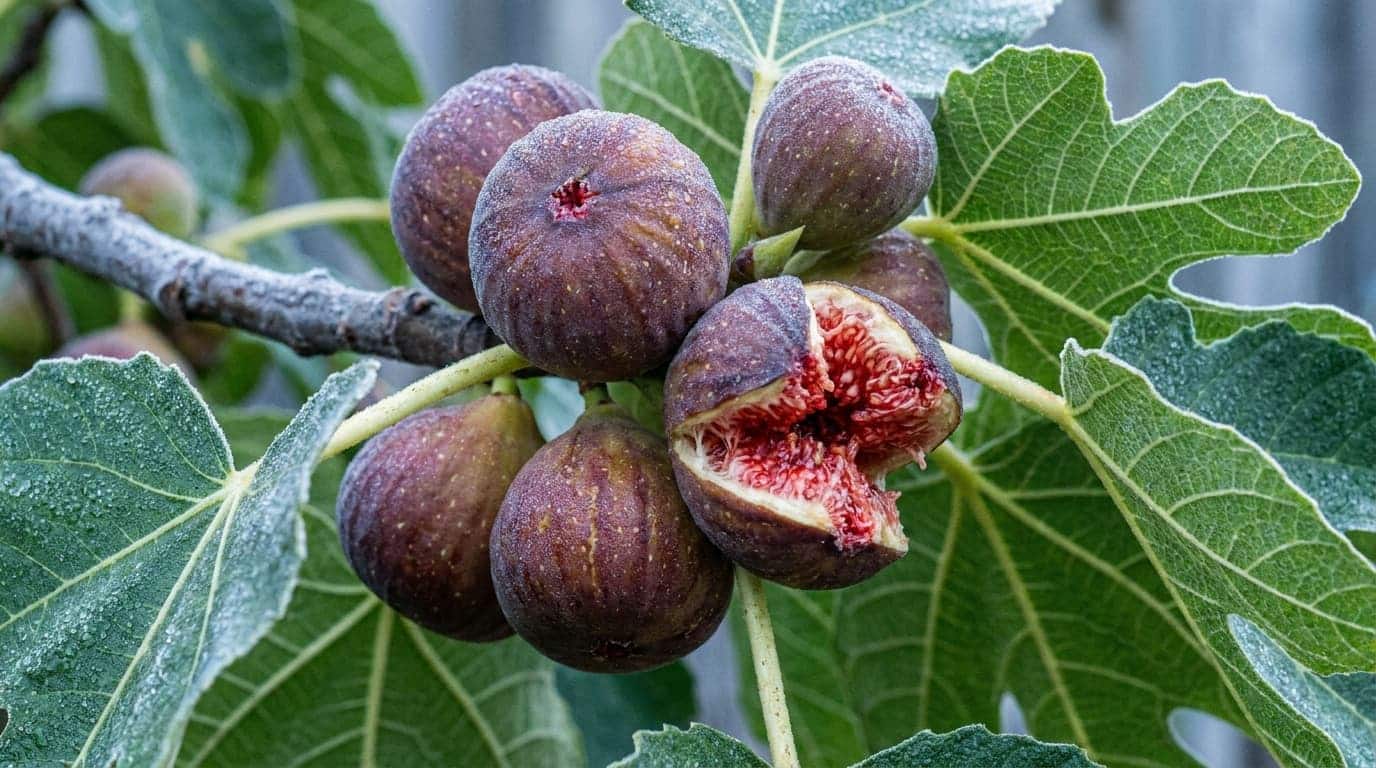
Best fit: Choose Chicago Hardy for cold tolerance in zones 5 to 10, especially when container growing, winter survival, and short seasons matter most outdoors in gardens.
Chicago Hardy gives colder-region gardeners a better shot at homegrown figs. The fruit has purple-brown skin, red flesh, and a sweet, rich taste when picked fully soft.
It is useful for fresh eating and container growing, especially where winter protection is needed. The tree can bounce back well after cold weather, which makes it practical outside classic fig-growing areas too.
8. LSU Purple Fig
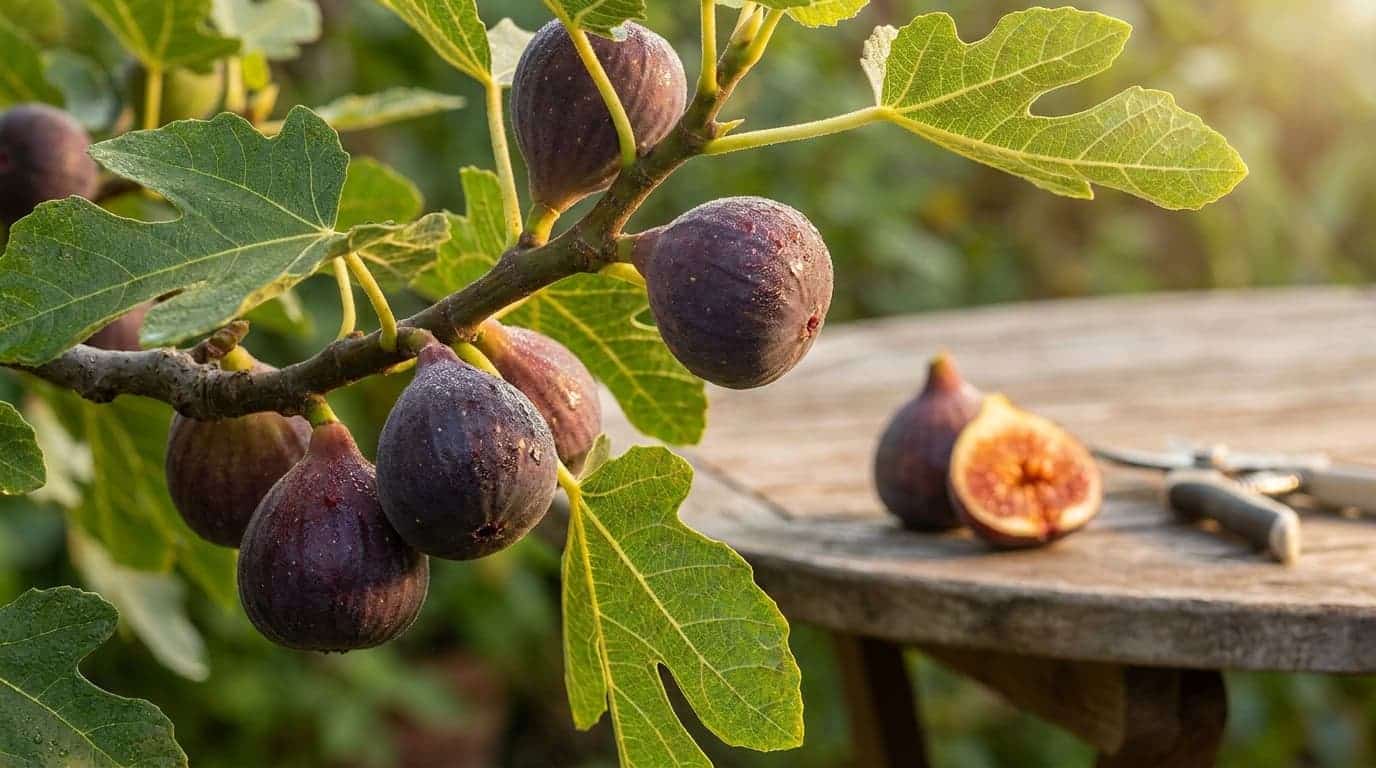
Best fit: Choose LSU Purple for humid climates in zones 8 to 10, especially when steady fruiting, home harvests, and fresh eating matter most in backyards yearly.
LSU Purple offers deep purple fruit with red to amber flesh and a neat rounded shape. The flavor turns sweeter as the fruit fully ripens, with light berry notes in the background.
It suits fresh eating, preserves, desserts, and regular backyard harvests. This variety makes sense for warm, humid gardens where growers want reliable fruit without chasing rare collector types.
Rare & Exotic Types of Figs
Rare and exotic figs bring unusual colors, bold flavors, and collector appeal. These varieties are best for growers who enjoy trying something less common at home.
9. Violette de Bordeaux
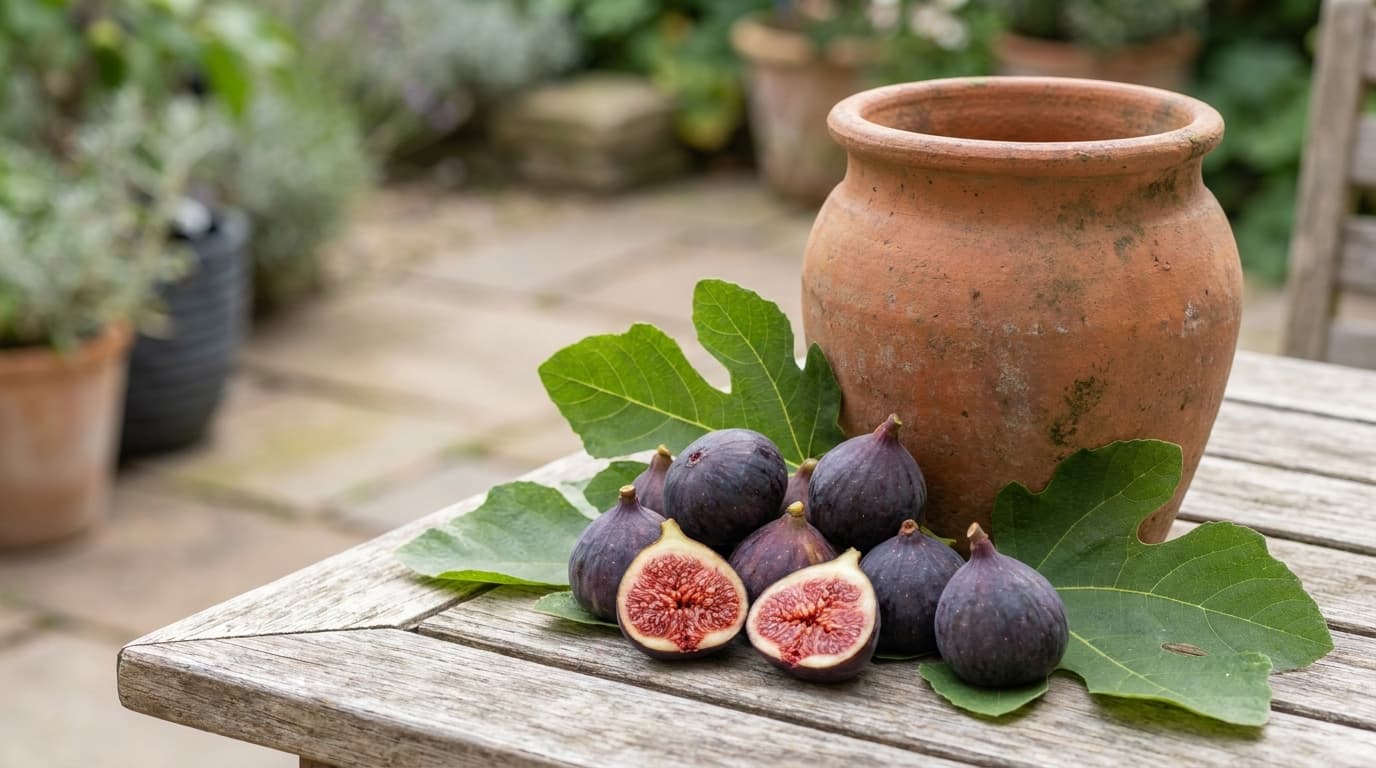
Best fit: Choose Violette de Bordeaux for compact growth in zones 7 to 10, especially when containers, small gardens, and bold flavor matter most in tight spaces.
Violette de Bordeaux earns attention because a small tree can carry serious flavor. The figs are dark purple with red flesh, and the taste is sweet, rich, and berry-like.
It fits fresh eating, containers, small gardens, and light desserts. For growers with limited space, this variety offers a strong payoff without needing a large yard or heavy pruning at home.
10. Negronne Fig
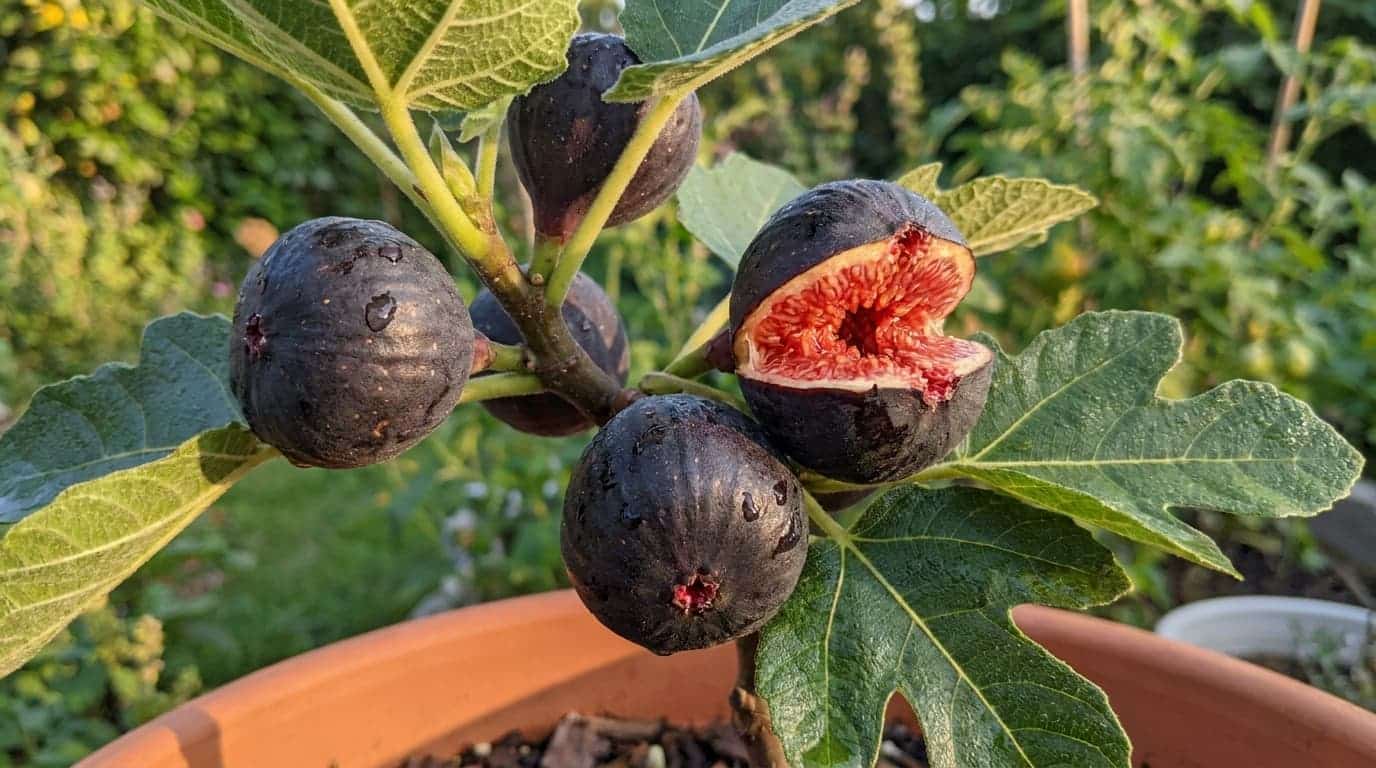
Best fit: Choose Negronne for dark compact figs in zones 7 to 10, especially when patios, containers, and rich fresh flavor matter most in smaller gardens today.
Negronne has a quiet charm, with dark purple to black skin and red flesh packed into smaller fruit. The flavor is sweet, rich, and smooth, making it easy to enjoy right off the tree.
It suits patios, containers, fresh eating, and simple desserts. This fig feels practical for small spaces yet still gives a collector-style fruit experience for daily picking.
11. Marseilles White Fig
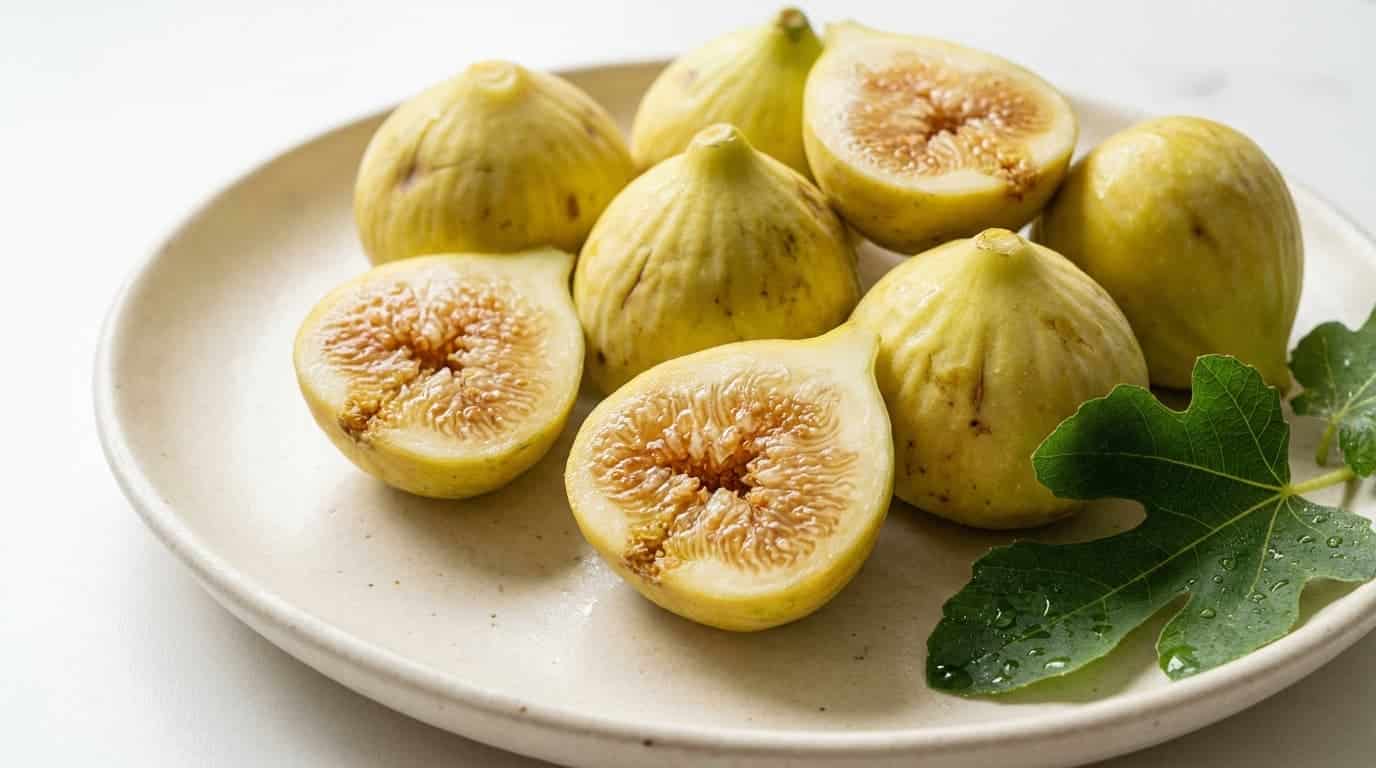
Best fit: Choose Marseilles White for pale honeyed fruit in zones 6 to 10, especially when cold tolerance and light sweetness matter most together for home growers.
Marseilles White, often called White Marseilles, has yellow-green skin, light amber flesh, and a gentle flavor. It tastes sweet, mild, and honey-like rather than bold or berry-heavy.
Fresh eating, drying, preserving, and home garden harvests suit it well. This variety is useful when a grower wants a lighter fig that can still handle cooler conditions better than many others outdoors.
12. Col de Dame Blanc
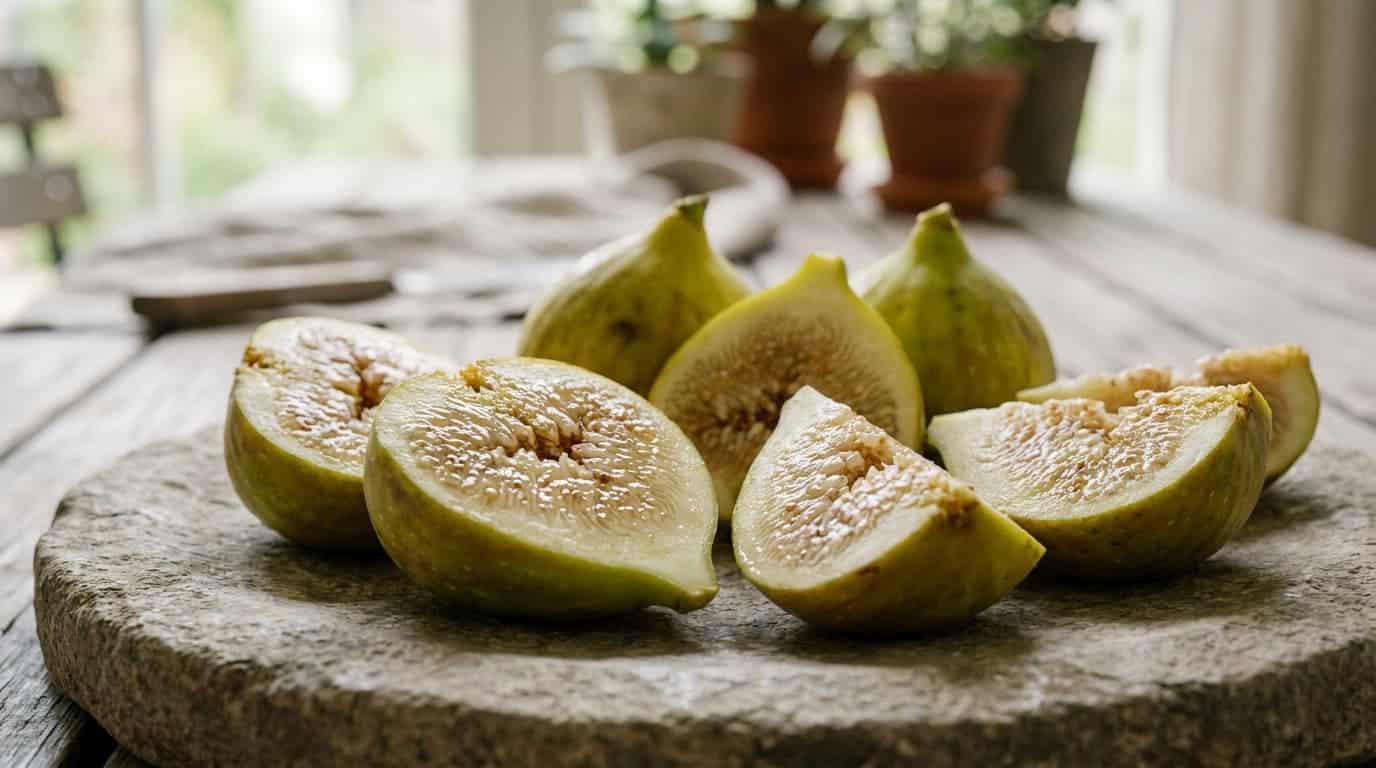
Best fit: Choose Col de Dame Blanc for refined dessert flavor in zones 8 to 10, especially when rare figs and patient growing matter most over yield.
Col de Dame Blanc is the kind of fig serious growers talk about for texture as much as taste. It has green to yellow skin, dense flesh, and a rich, sweet flavor that can feel almost jam-like.
Fresh eating is the main use, though simple desserts work too. It is better for patient growers than those chasing the fastest crop.
13. Longue d’Août Fig
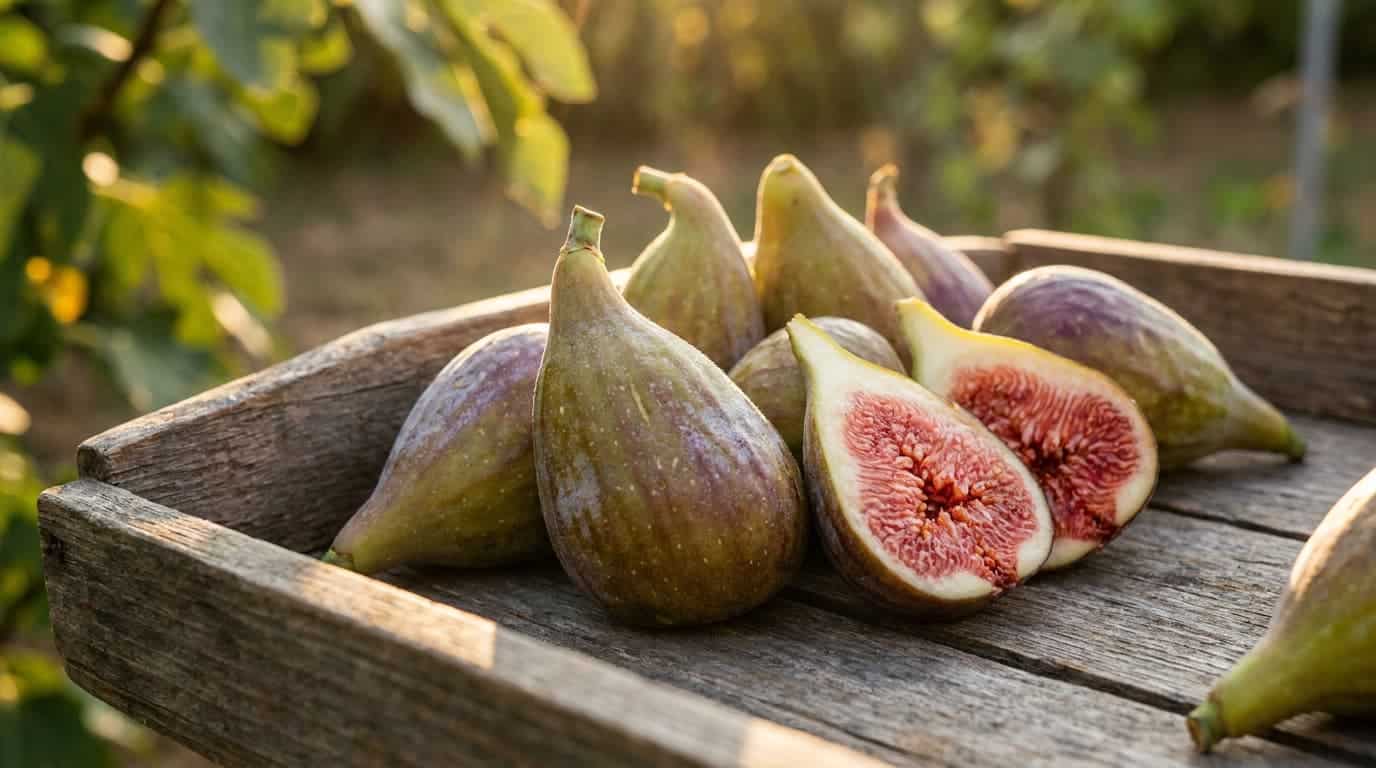
Best fit: Choose Longue d’Août for long-shaped fruit in zones 7 to 10, especially when early crops and useful harvests matter most for rare collections too.
Longue d’Août brings something different through shape first. Its long, pear-like figs can show greenish-brown to purple skin with sweet red flesh inside.
The flavor is rich, sugary, and pleasant when ripe. Fresh eating, preserves, baking, and home harvests are good uses. It also appeals to gardeners who want a rare fig that still feels productive and practical in home gardens.
14. Dottato Fig
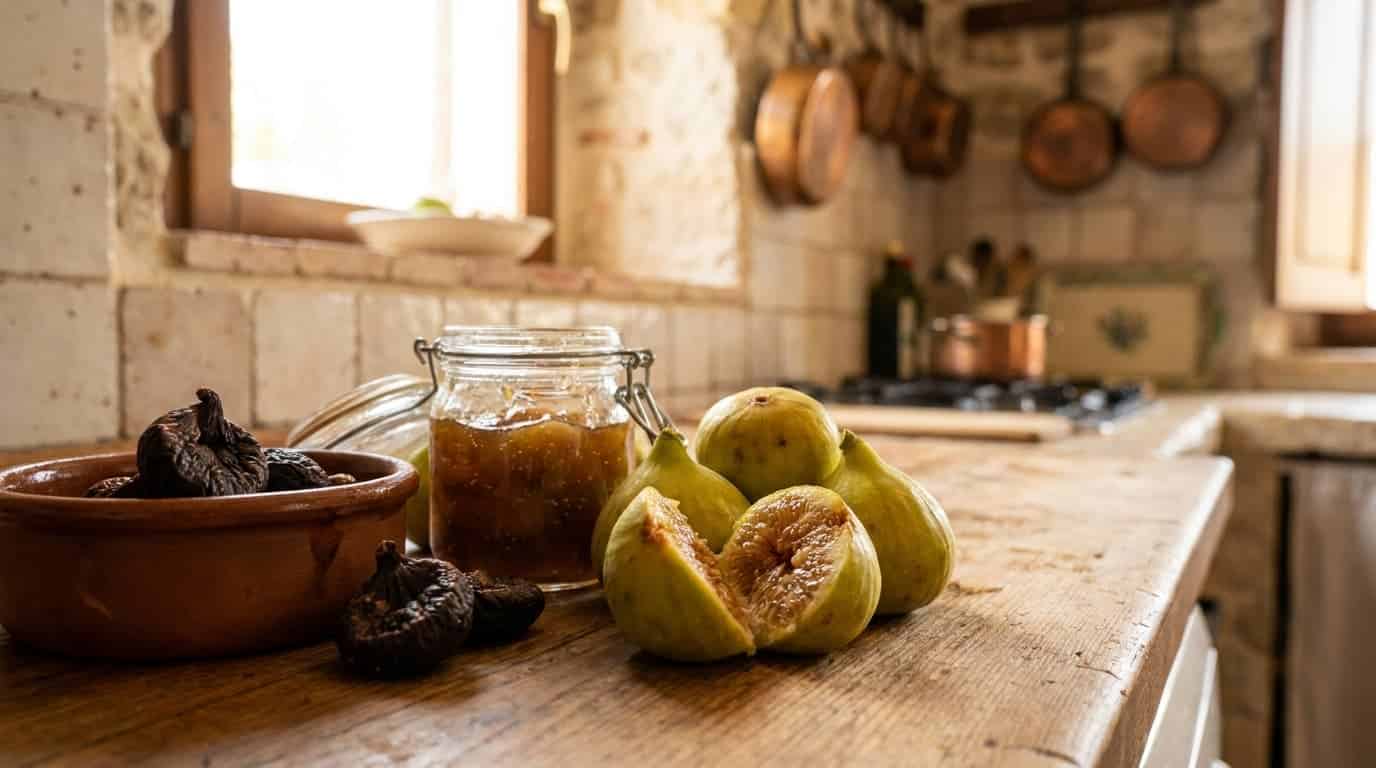
Best fit: Choose Dottato for classic Italian sweetness in zones 7 to 10, especially when drying, preserving, and cooking matter most in the kitchen and pantry projects.
Dottato is a traditional Italian fig with green to yellow skin and amber flesh. The flavor is mild, honeyed, and smooth, which makes it easy to use in many recipes.
It is a strong choice for drying, jams, preserves, baking, and simple desserts. Fresh fruit tastes pleasant too, but its kitchen value is what makes it stand out for many cooks.
15. Brunswick Fig
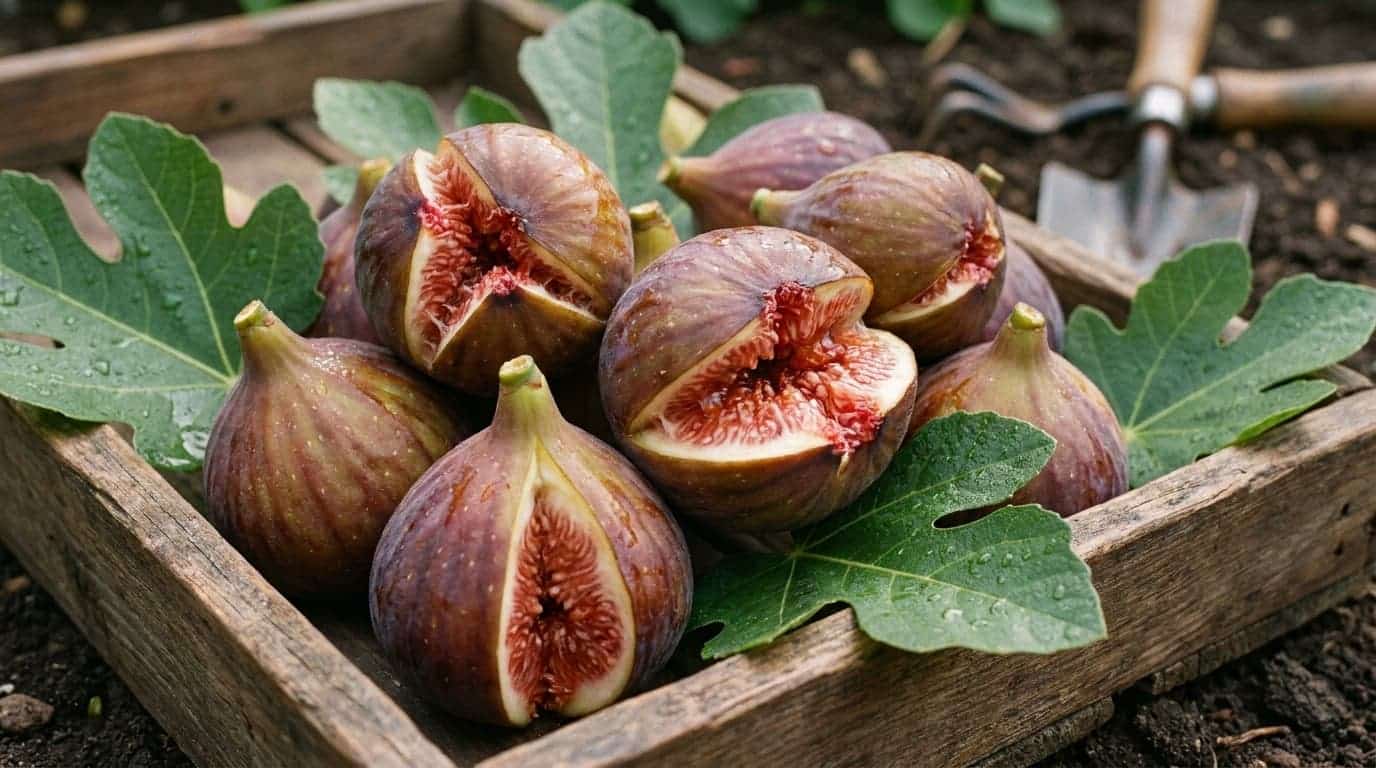
Best fit: Choose Brunswick for large, gentle figs in zones 7 to 10, especially when bigger fruit and everyday fresh eating matter most in gardens for families.
Brunswick is known for size, with large bronze-brown to purple figs and pink to red flesh. The flavor is mild, sweet, and easygoing, so it fits everyday use rather than intense tasting sessions.
Fresh eating, preserves, baking, and home harvests all make sense here. This variety suits growers who prefer bigger fruit and a familiar, gentle fig flavor at harvest time.
These rare figs can be exciting, but they often need more care, warmth, and patience. Pick one only after checking climate, space, and ripening time.
What are the Most Productive Fig Varieties?
Productivity in figs is about more than heavy fruiting. A good variety should crop reliably, ripen well, and match your climate with fewer problems each season.
| Variety | Harvest Season | Yield Rating | Why It Produces Well | Best Climate |
|---|---|---|---|---|
| Brown Turkey | Mid to late season | High | Fruits reliably with basic care and adapts well to many home garden conditions. | Mild to warm zones 7–10 |
| Celeste | Early to mid-season | High | Sets small, sweet figs generously in warm areas and handles humid climates well. | Warm, humid zones 7–10 |
| Chicago Hardy | Mid season | High in cold regions | Can recover after winter damage and still produce fruit on new growth. | Zones 5–10 with winter protection |
| LSU Purple | Mid to late season | High | Performs strongly in warm, humid regions and can crop steadily once mature. | Warm, humid zones 8–10 |
| Texas Everbearing | Mid to long season | High | Offers an extended harvest window, giving gardeners more picking time through the season. | Warm zones 7–10 |
| Black Mission | Mid to late season | High | Produces quality fruit in warm climates and has strong value for fresh eating and drying. | Warm, dry zones 7–10 |
| Kadota | Mid to late season | Medium to high | Gives useful crops in dry warmth and holds up well for drying, canning, and preserves. | Warm, dry zones 7–10 |
| Calimyrna | Late season | Medium to high | Develops strong yields and good dried quality in hot, dry regions with long seasons. | Hot, dry zones 8–10 |
The most productive fig is the one suited to your weather, space, and care routine. Start with proven varieties before testing rare or sensitive types.
How to Choose the Right Fig Variety
Choosing the right fig variety is easier when you focus on climate, space, flavor, use, harvest season, and care level before buying or planting.
- Check your climate: Choose Chicago Hardy for cooler areas, Black Mission for warm regions, and Celeste for humid climates.
- Match your space: Pick compact figs for containers and larger varieties for open gardens.
- Choose your flavor: Go for jammy, sugary, honey-like, or berry-style figs based on taste.
- Think about use: Choose fresh-eating figs, drying figs, or cooking figs based on your goal.
- Look at harvest season: Pick early figs for short seasons and late figs for warmer areas.
- Know the care level: Start with easy figs before trying rare or sensitive varieties
A well-matched fig tree will grow better, ripen cleaner fruit, and give more useful harvests than a variety chosen only for looks or rarity.
Fresh vs. Dried vs. Canned Figs: Which Type Is Best?
Fresh, dried, and canned figs all have their place, but they are not used the same way. The best choice depends on taste, storage, nutrition needs, and how you plan to use them in meals.
| Type of Fig | Calories | Carbs | Fiber | Sugar Level | Best Nutritional Use |
|---|---|---|---|---|---|
| Fresh figs | About 74 kcal | About 19 g | Moderate | Natural and lighter | Everyday snacking and fresh meals |
| Dried figs | About 249 kcal | About 64 g | High, about 10 g | More concentrated | Energy, fiber, and pantry storage |
| Canned figs | About 53 kcal | About 14 g | Lower to moderate | Depends on syrup or juice | Desserts and quick recipes |
Common Mistakes When Choosing Fig Varieties
Many fig problems start before planting. The wrong variety can struggle with ripening, space, weather, or yield, even when the tree looks healthy.
- Ignoring climate: A fig that grows well in dry heat may split, sour, or ripen poorly in a humid or short-season area.
- Choosing by fruit color only: Skin color looks helpful, but it does not tell you enough about flavor, harvest time, productivity, or care needs.
- Buying rare figs too early: Collector varieties can taste excellent, but many need more warmth, patience, and experience than beginner-friendly figs.
- Forgetting mature tree size: Some figs grow wider than expected, which can create pruning problems in small yards, patios, or narrow garden beds.
- Picking the wrong use: A fig praised for drying may not be the best choice for fresh eating, cooking, preserves, or container growing.
- Expecting fast heavy crops: Young fig trees often need time to settle before producing steady harvests, even when the variety is naturally productive.
Choosing with climate, space, flavor, and use in mind helps avoid weak growth and disappointing harvests. A practical fig choice usually performs better than a trendy one.
Frequently Asked Questions
Can fig trees grow indoors?
Yes, fig trees can grow indoors if they receive strong sunlight, good airflow, and proper drainage. A bright south-facing window or grow light helps. Indoor figs may stay smaller and produce less fruit than outdoor trees, but healthy growth is possible.
What is a breba crop on a fig tree?
A breba crop is the first fig harvest that grows on old wood from the previous season. Not every variety produces a strong breba crop. These early figs can be useful in short-season areas where the main crop may ripen late.
Can fig trees be grown from cuttings?
Yes, figs grow well from cuttings, which is one reason gardeners share varieties easily. A healthy cutting can root in soil or water with warmth and moisture. Once rooted, it should be grown carefully before planting outside permanently.
Do fig trees need fertilizer?
Fig trees usually do not need heavy fertilizer. Too much nitrogen can create leafy growth with fewer fruits. A balanced feeding plan works best when growth is weak, soil is poor, or the tree has been growing in a container.
Why do figs fall off before ripening?
Figs may drop early because of uneven watering, weak roots, cold weather, poor pollination in some types, or tree stress. Young trees also drop fruit more often. Steady moisture and the right variety can reduce this problem over time.
Final Thoughts
Figs are more varied than they first appear, and each type has its own color, flavor, texture, and use. I find that once you understand the main groups, popular varieties, rare types, and fresh, dried, or canned forms, the whole topic feels much clearer.
You have also seen how productivity, climate, harvest season, and storage can change the way figs are grown, sold, and enjoyed. This makes it easier to understand why certain figs are common in gardens, while others are prized by collectors.
The types of figs covered here show how much variety one fruit can offer. Share your favorite fig in the comments, or read my more related blogs for extra ideas.