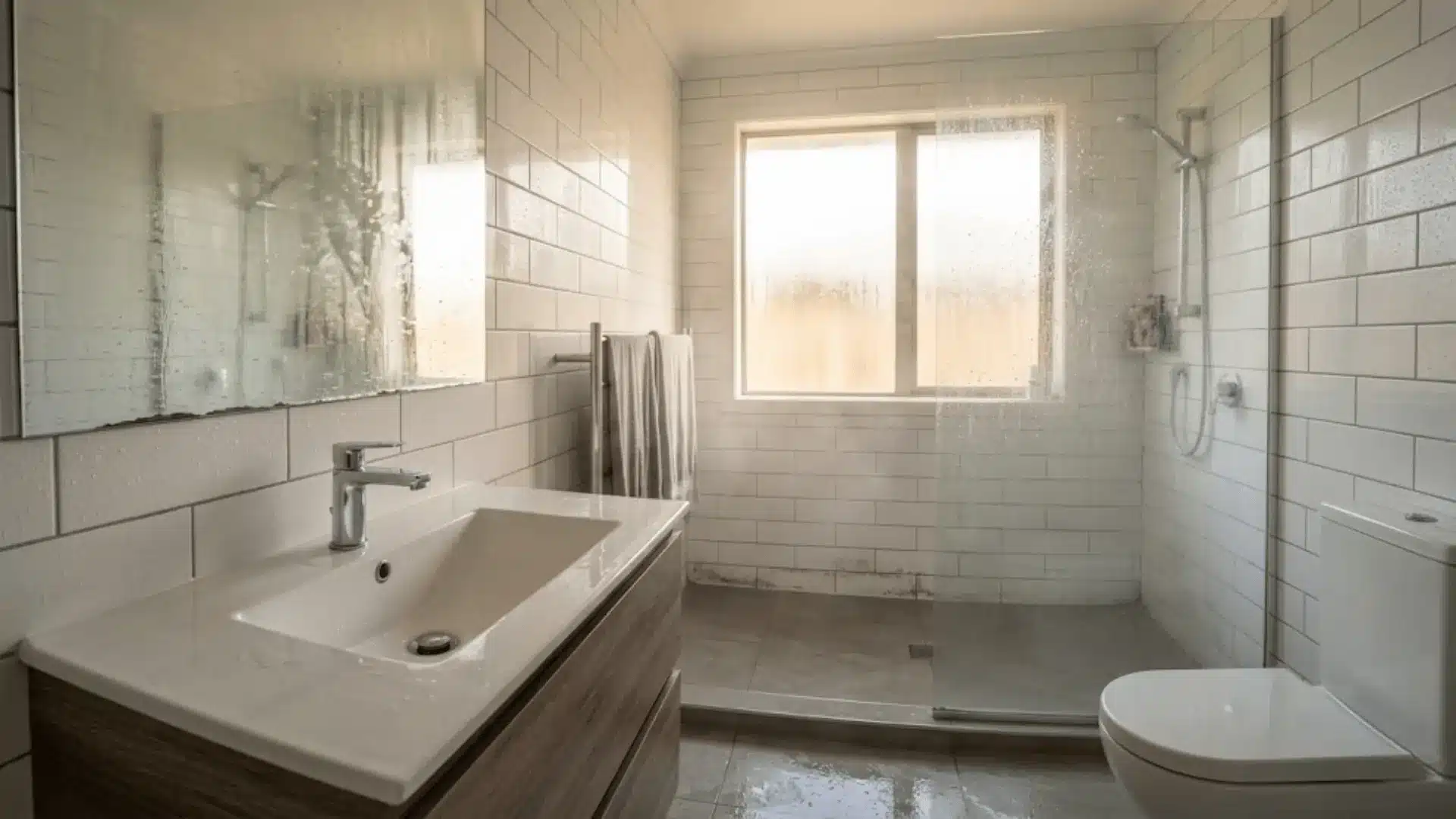
Bathrooms are cozy, steamy little sanctuaries, until they’re not. That persistent dark patch creeping along your grout or the musty smell that just won’t quit?
That’s bathroom mold making itself at home, and it’s far more common than most people realize.
Since bathrooms trap heat and moisture like nowhere else in the house, fungi find them absolutely irresistible.
Knowing which bathroom mold types you’re dealing with isn’t just satisfying to figure out; it shapes how you clean it, and more importantly, how you protect your health.
What Causes Mold in Bathrooms?
Mold doesn’t just appear out of nowhere. It follows moisture, and most bathrooms have everything it needs to settle in and spread.
- Showers and baths release steam and humidity that cling to walls, ceilings, and grout long after you’ve dried off.
- Poor ventilation traps that moisture inside, giving mold the warm, damp environment it loves.
- Leaky pipes, worn-out caulking, and cracked grout create hidden pockets of dampness that go unnoticed for weeks.
- Porous materials like drywall and shower curtains absorb moisture easily, making them prime real estate for fungal growth.
Once the conditions are right, mold spreads faster than most people expect, which is why catching it early makes all the difference.
Common Bathroom Mold Types
Not all bathroom mold looks the same, and that difference matters more than most people think.
Here’s a closer look at the most common types you might find lurking in your bathroom.
1. Black Mold (Stachybotrys chartarum)
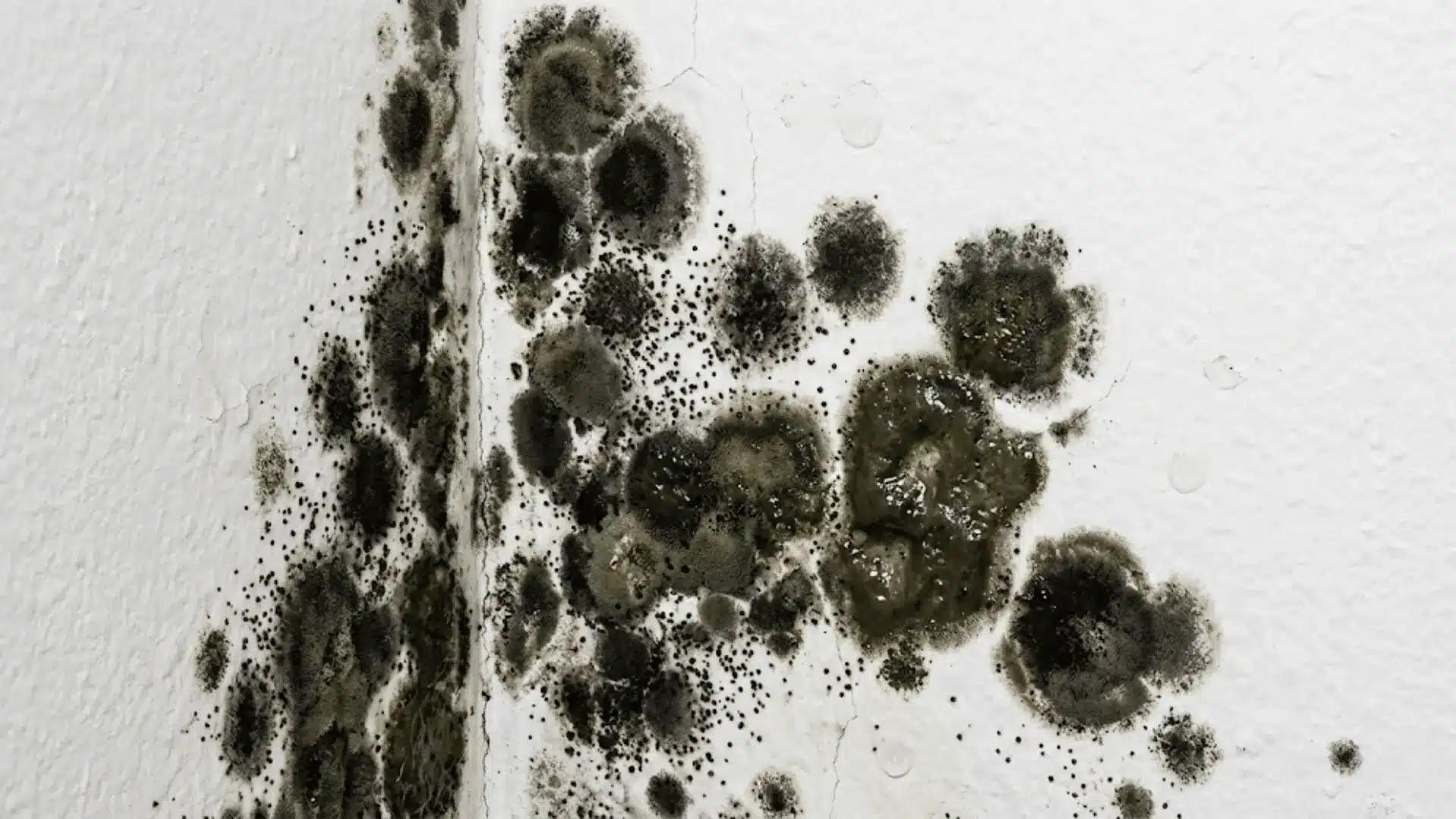
Appearance: Black or dark green, often with a slimy, wet texture that makes it look almost glossy.
Black mold is the one nobody wants to find, and for good reason. It tends to grow behind tiles, on drywall, and along ceilings where moisture has been sitting for a while.
The toxic spores it releases can cause serious respiratory issues, headaches, and prolonged exposure can affect your immune system.
Small patches should be handled with extreme caution, and larger infestations genuinely call for professional remediation rather than a DIY fix.
2. Aspergillus
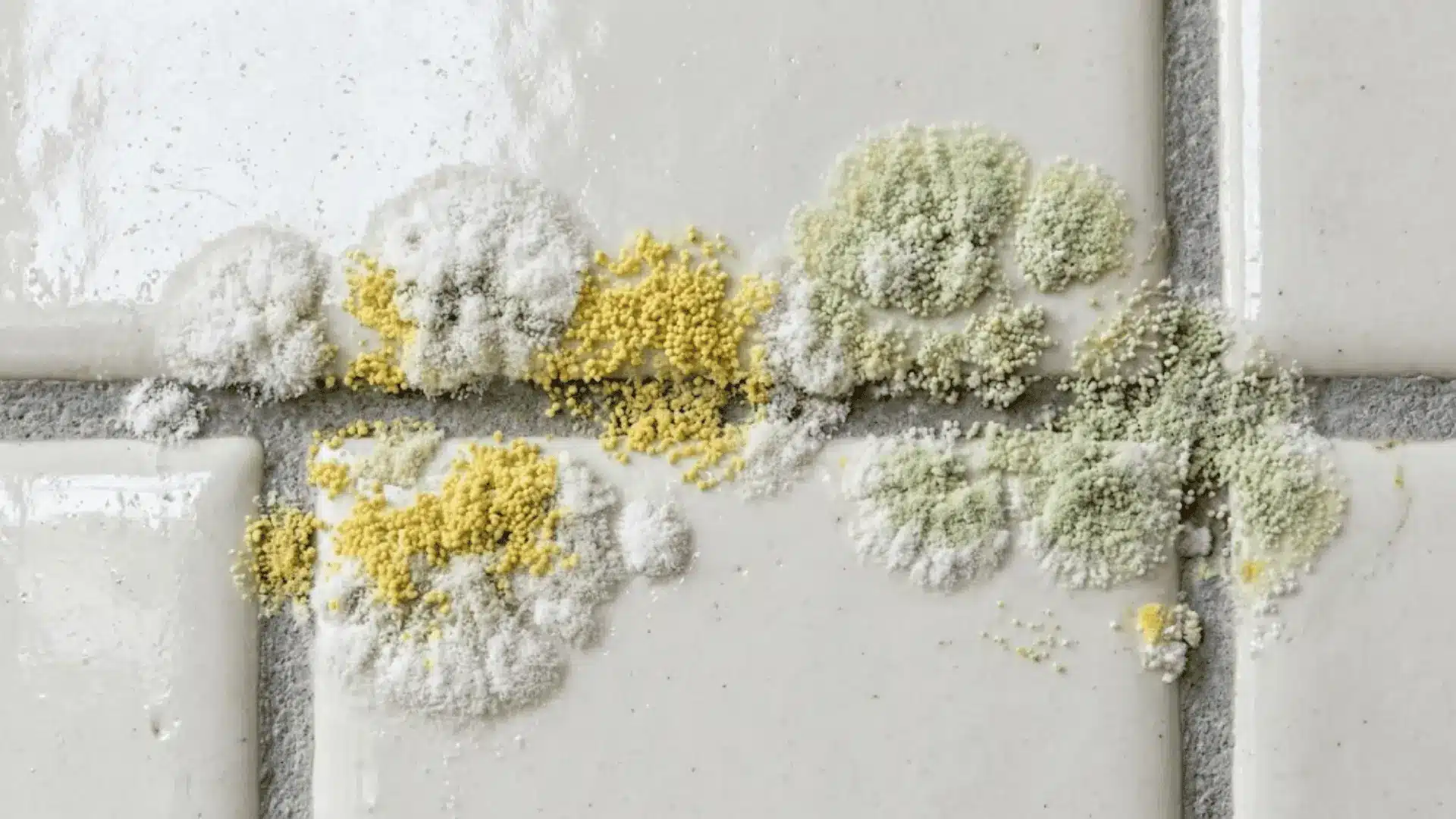
Appearance: White, yellow, or green clusters that can look almost powdery or velvety depending on the surface.
Aspergillus is one of the more adaptable bathroom mold types, showing up on walls, grout, and even insulation.
It carries a moderate to high risk, particularly for people with weakened immune systems or respiratory conditions, since it can cause allergic reactions and, in some cases, fungal infections.
Small patches on non-porous surfaces respond well to household cleaners, though recurring growth usually points to a deeper moisture problem worth investigating.
3. Cladosporium
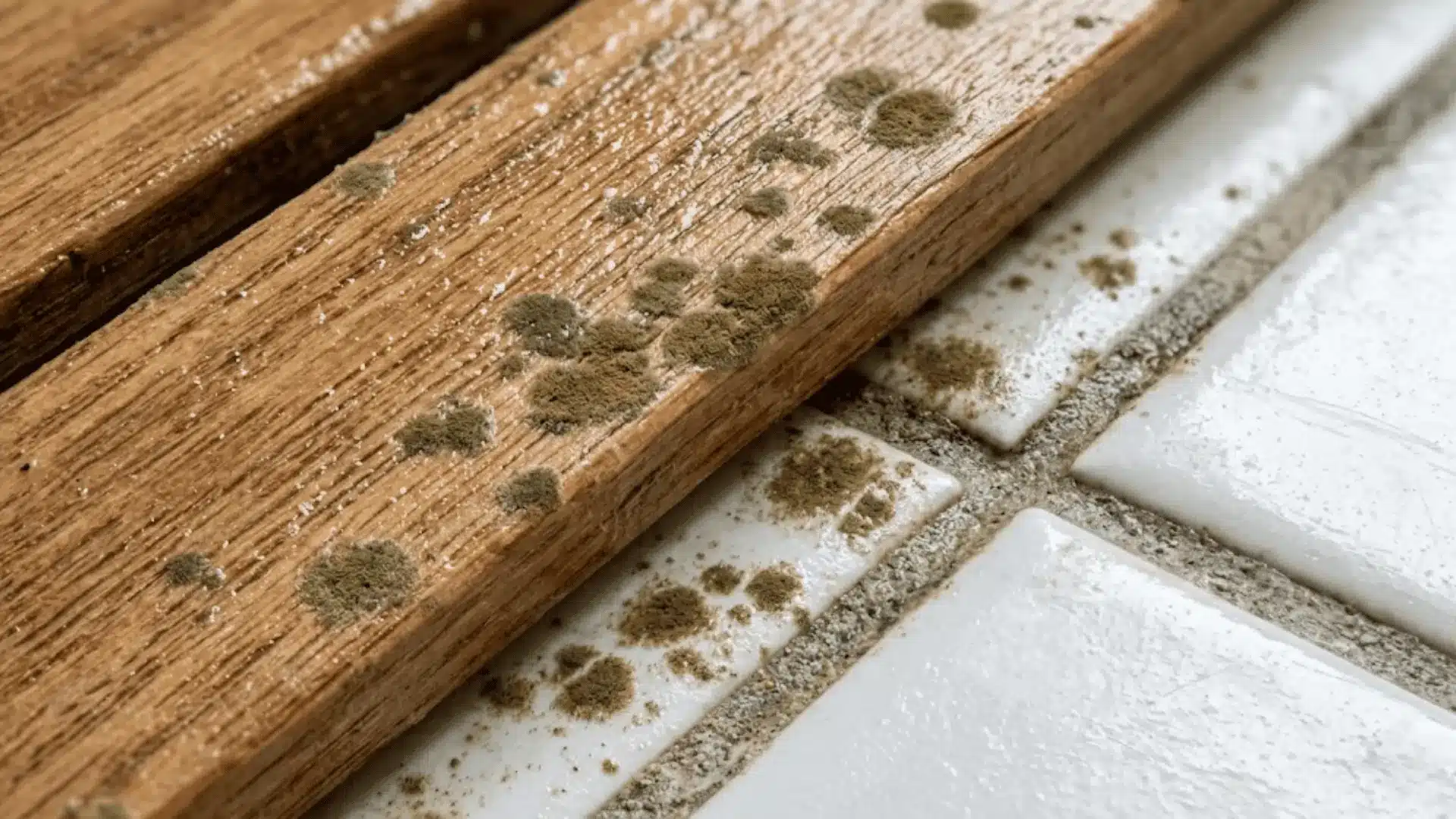
Appearance: Olive green or brown spots with a suede-like texture, often spreading in irregular clusters.
Cladosporium is one of the more common bathroom fungus types and tends to show up on tile grout, wooden surfaces, and even fabrics like bath mats.
It thrives in both warm and cool conditions, which makes it a year-round nuisance. While it sits at moderate risk, it’s a well-known trigger for allergies and asthma, so it shouldn’t be ignored.
The manageable side of all this is that it responds fairly well to DIY removal with the right cleaning approach.
4. Penicillium
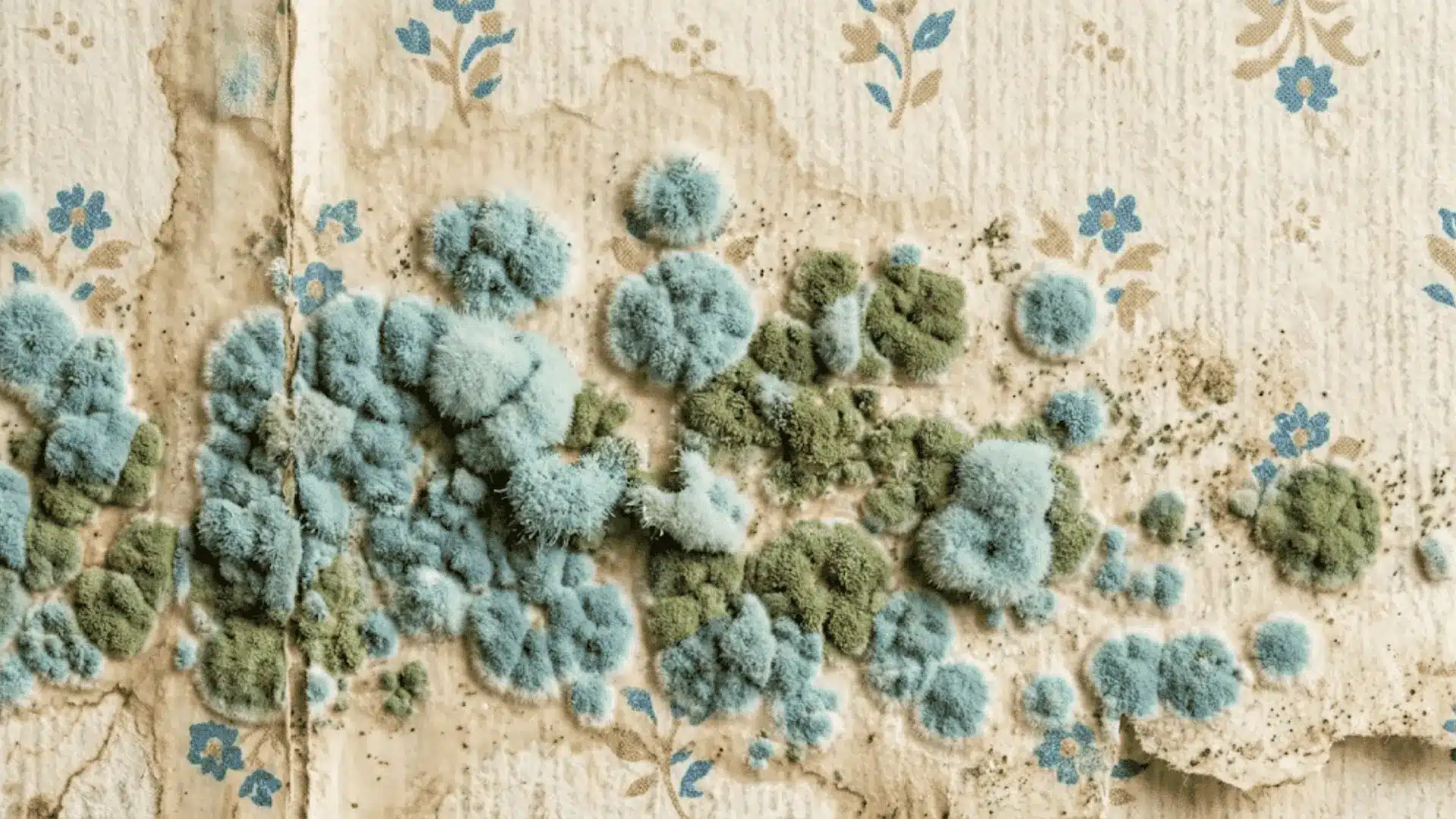
Appearance: Blue or green fuzzy patches with a soft, almost velvety surface that spreads quickly across damp materials.
Penicillium loves moisture-saturated environments, making damp wallpaper, wet carpets near bathrooms, and saturated building materials its favorite spots.
What makes it particularly tricky is how fast it spreads, often colonizing new areas before you’ve noticed the original patch. Risk-wise, it sits at moderate, but people with mold sensitivities can experience significant allergic reactions.
Thorough cleaning is key here, and addressing the moisture source is just as important as treating the visible growth.
5. Alternaria
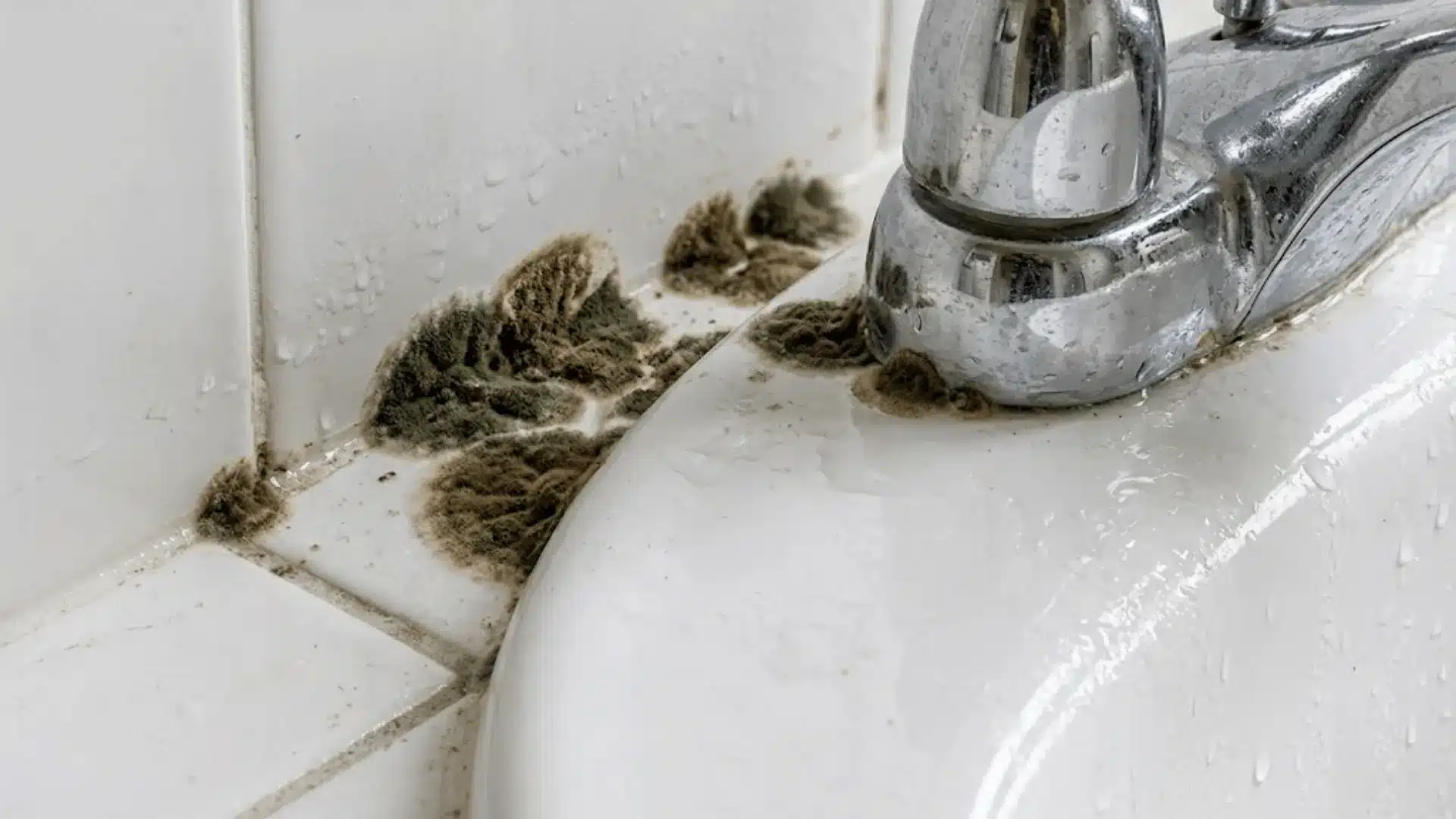
Appearance: Dark green or brown patches with a slightly woolly texture, commonly found around water fixtures.
Alternaria is one of the most widespread bathroom mold types and tends to settle in showers, around sinks, and near bathtubs where water splashes regularly.
It’s a common allergen, meaning even moderate exposure can trigger sneezing, watery eyes, or asthma flare-ups in sensitive individuals.
On the bright side, it’s one of the easier molds to tackle, responding well to standard bathroom cleaning products when caught early before it gets a chance to spread further.
6. Pink Mold (Serratia marcescens)
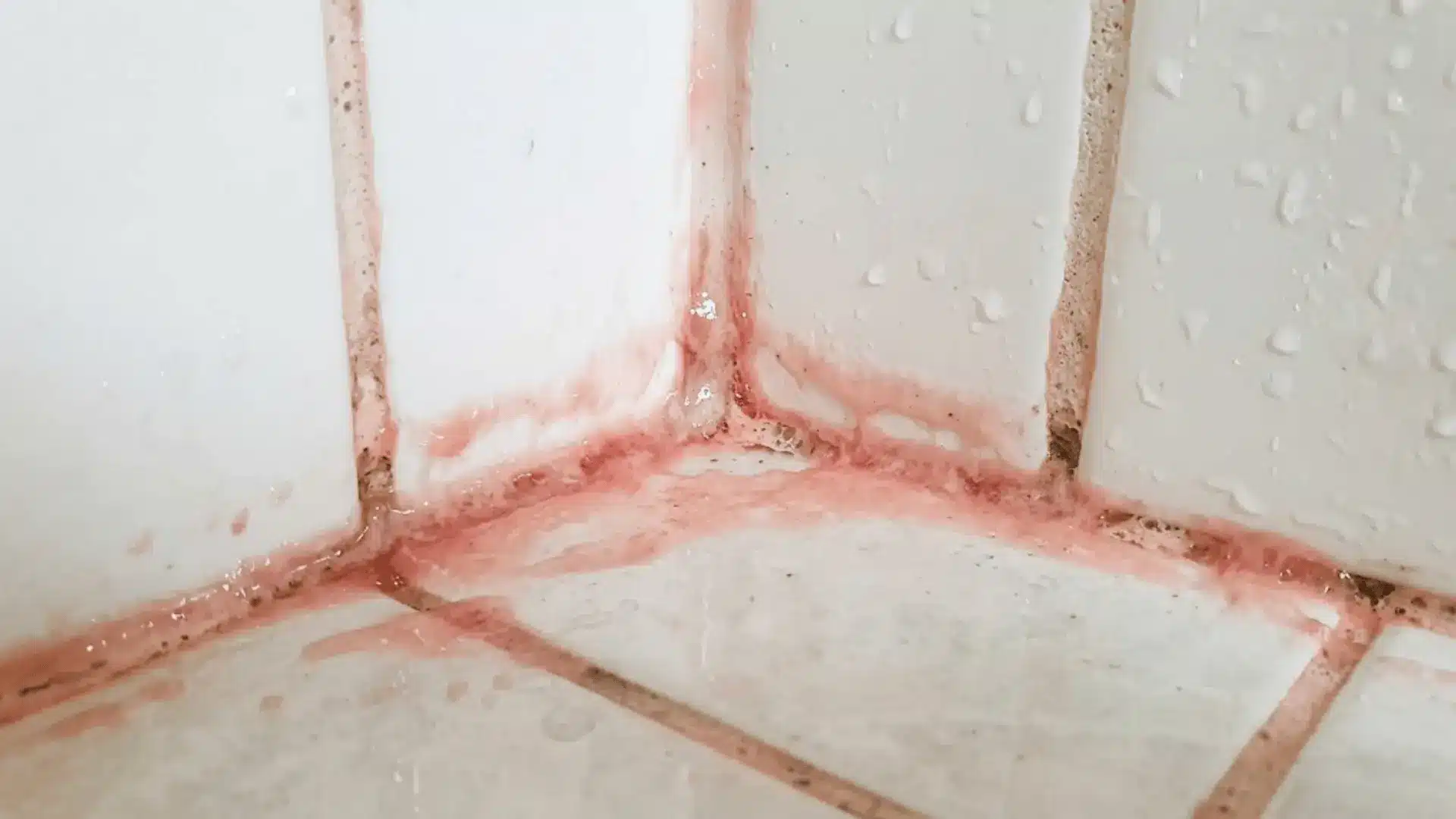
Appearance: Pink or reddish slime that coats shower corners, grout lines, and toilet bowls with a slippery film.
Worth noting upfront: pink mold is technically a bacterium, not a fungus, but it belongs in any honest conversation about dangerous bathroom fungus.
It thrives in the thin film of soap scum and mineral deposits that naturally build up in wet areas.
While its risk level sits at low to moderate for healthy individuals, it can cause urinary tract infections or respiratory issues if exposure is prolonged. A good disinfectant and regular scrubbing keep it from making a comeback.
7. White Mold
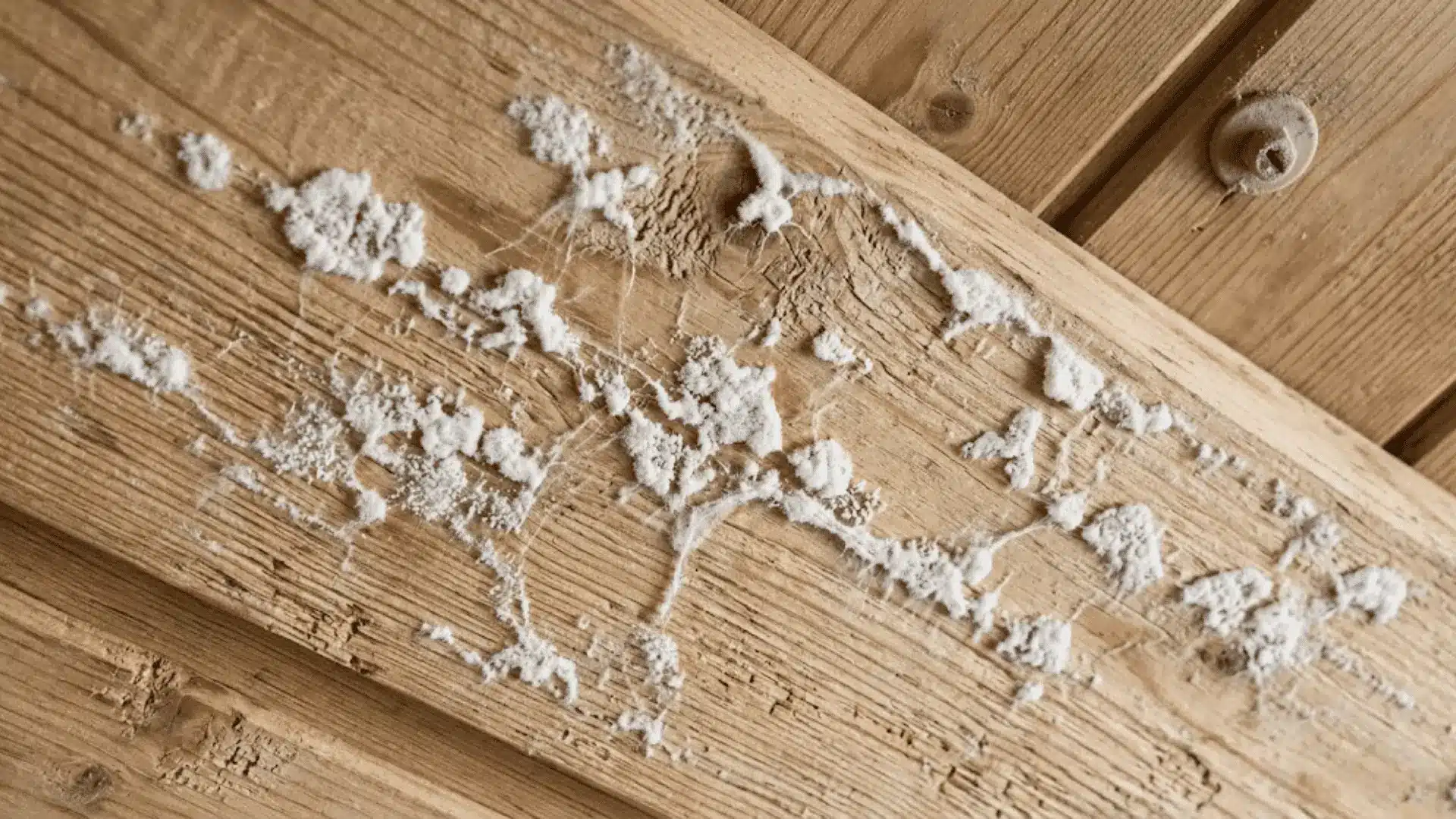
Appearance: White, powdery, or fluffy growth that can look deceptively similar to mildew or even mineral deposits.
White mold gets overlooked more than it should, mostly because it’s easy to mistake for everyday bathroom residue. It tends to appear on wood, ceilings, and grout, quietly spreading in areas with consistently high humidity.
The risk is moderate, and its biggest danger is going untreated for too long.
Vinegar and hydrogen peroxide are both effective at breaking it down, though it’s worth confirming you’re dealing with mold and not efflorescence, which is a mineral buildup that requires a completely different approach.
8. Green Mold
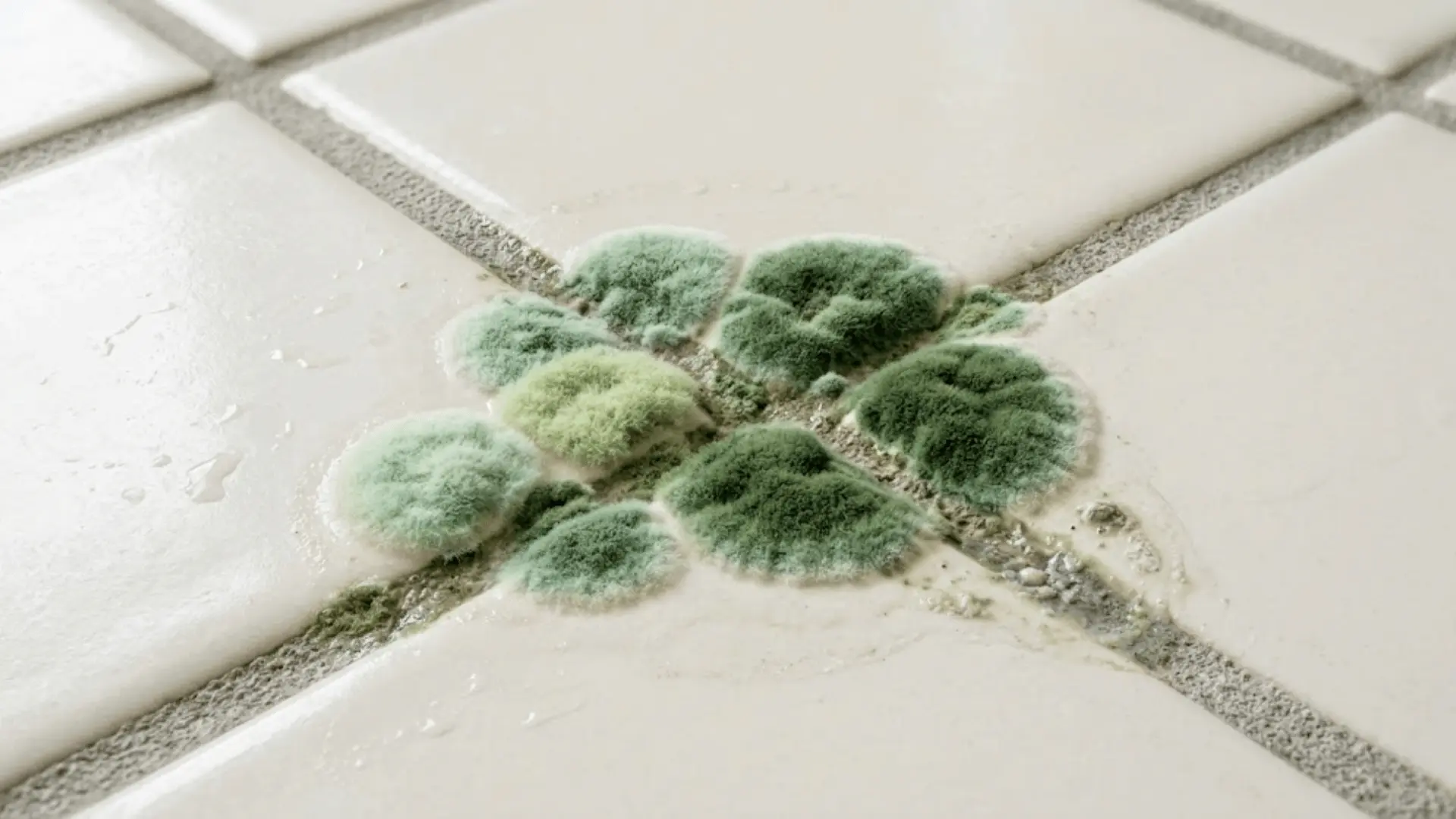
Appearance: Green fuzzy patches that vary in shade from light mint to deep forest green, depending on the species.
Green mold is more of a visual category than a single species, as it can refer to several different fungi, including Aspergillus, Penicillium, or Cladosporium that happen to present in green tones.
Because of this, the risk level and removal approach genuinely depend on which type you’re actually dealing with.
A patch that looks green and fuzzy near your shower might be fairly easy to clean, or it might need more careful handling. When in doubt, erring on the side of caution is always the smarter move.
9. Yellow Mold (Aureobasidium)
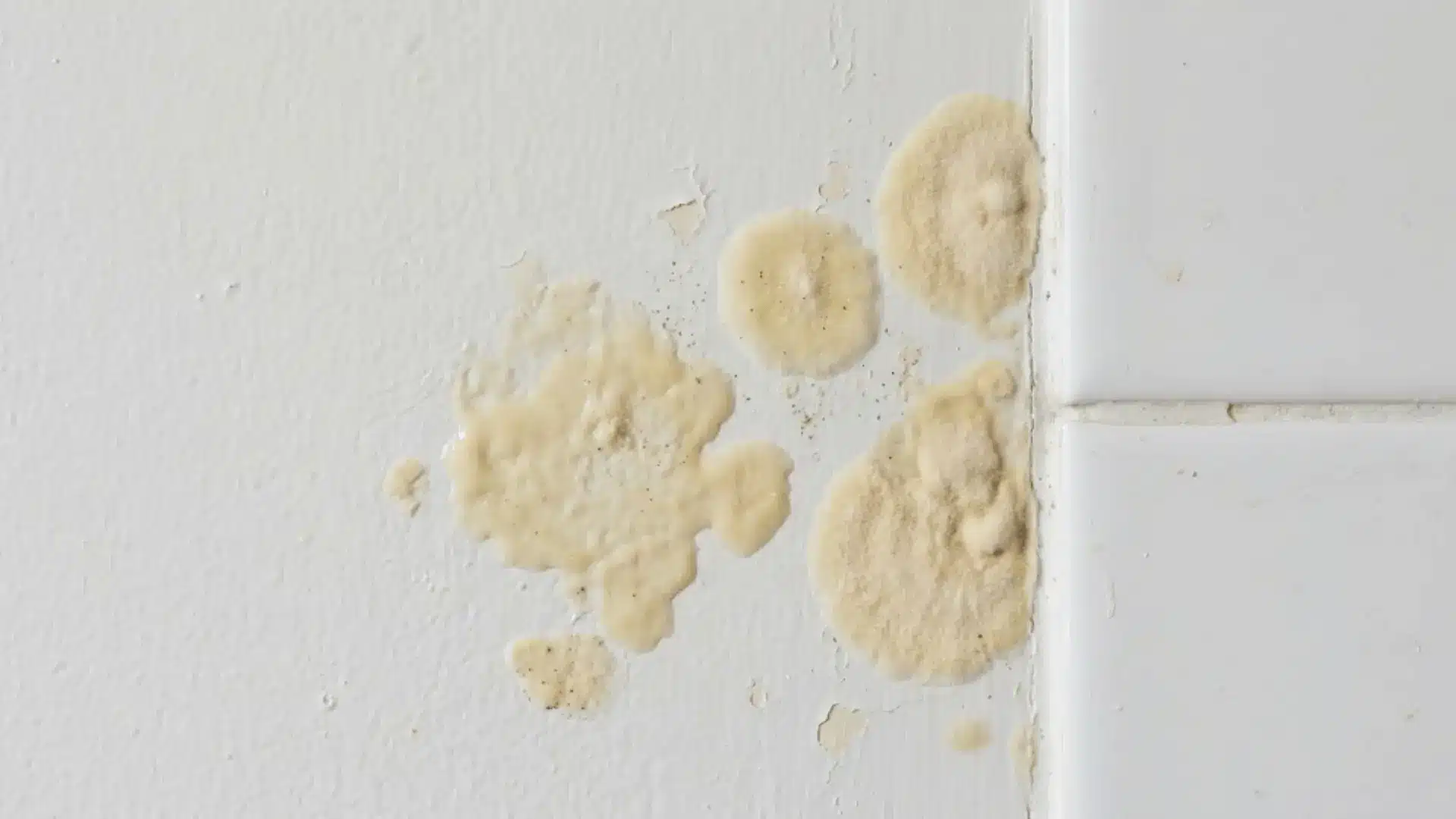
Appearance: Yellow or cream-colored patches that appear on painted walls, grout lines, and damp surfaces.
Aureobasidium starts out in lighter tones but can darken over time, making early identification a little tricky.
It commonly appears on painted surfaces and grout where moisture has been sitting, and while it carries a moderate risk level, people with mold allergies tend to react to it more strongly.
Careful and thorough cleaning is the recommended approach, and since it can irritate skin on contact, wearing gloves during removal is a small but important step worth taking.
10. Mildew
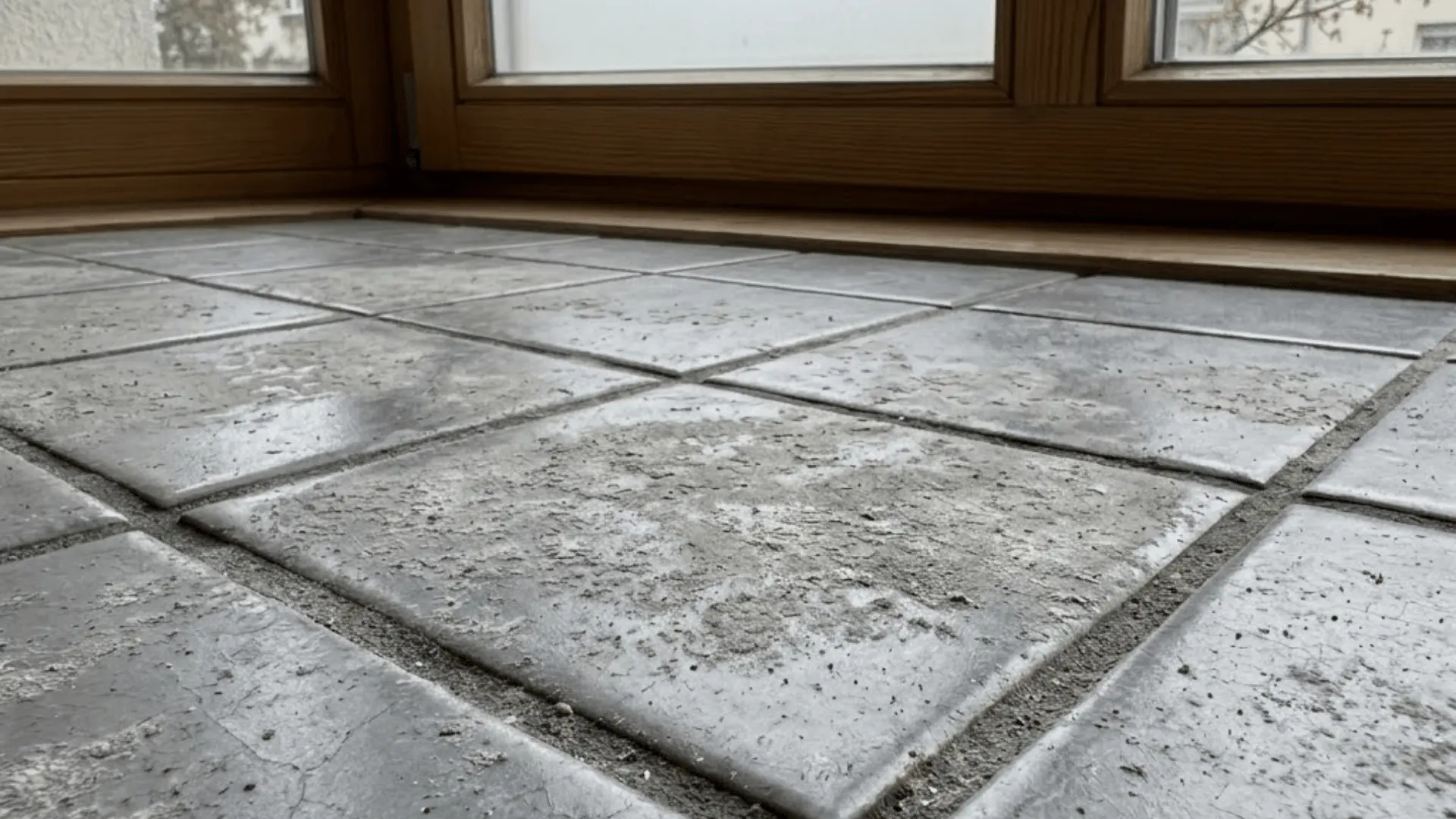
Appearance: Gray or white powdery layer that sits flat on surfaces rather than growing inward like deeper mold types.
Mildew is technically the most superficial of all bathroom mold types and, in many ways, the most forgiving. It adheres to tiles, shower curtains, and windowsills rather than penetrating materials, making it significantly easier to remove.
The risk is low compared to other types, but it still produces allergens that can irritate airways with prolonged exposure.
A simple scrub with household cleaners usually does the job, making it one of the few bathroom mold situations where a quick clean genuinely solves the problem.
11. Orange Mold (Fuligo septica)
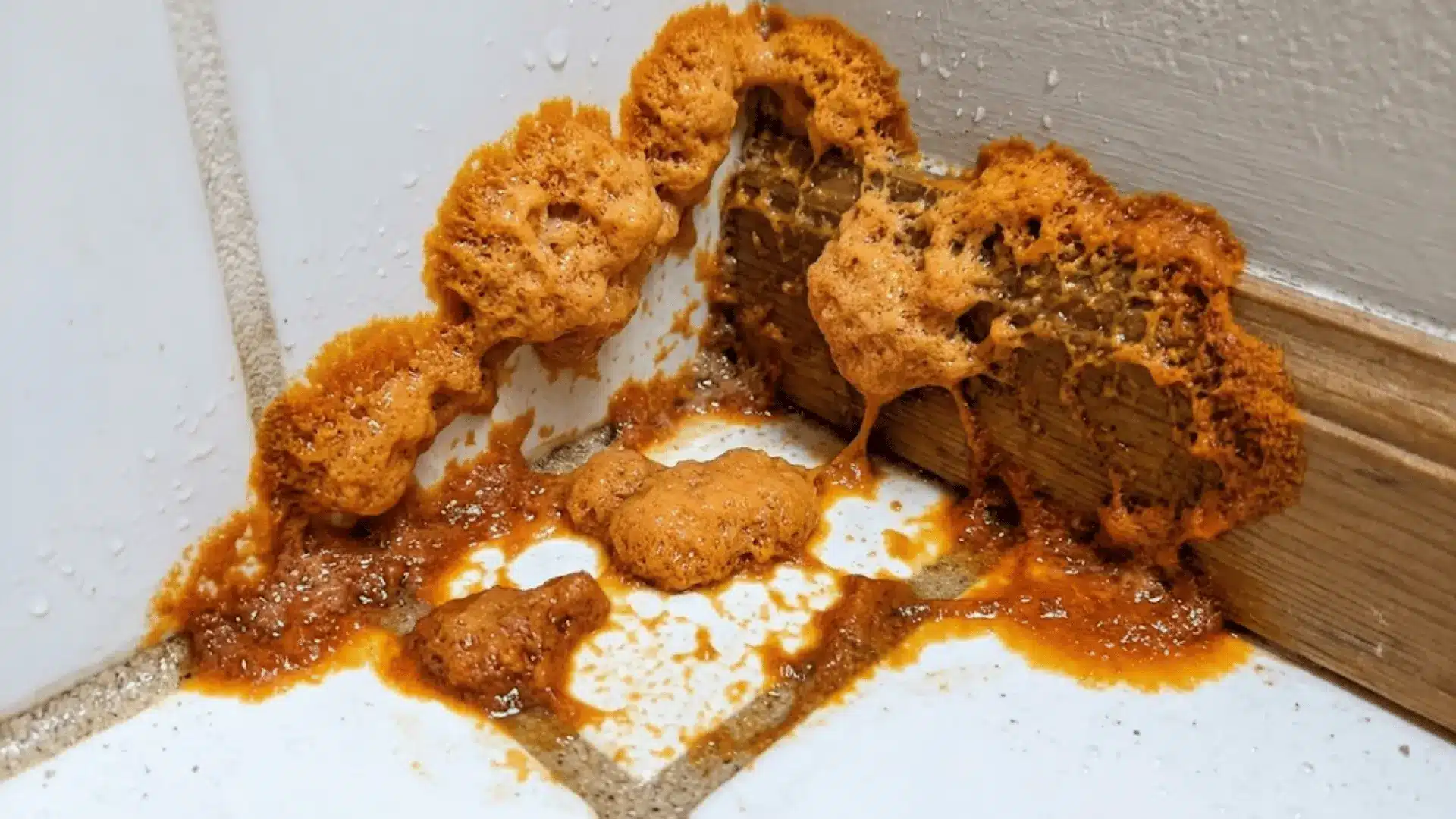
Appearance: Bright orange or rust-colored slimy growth that tends to appear in damp corners and on organic material.
Orange mold has a distinct look that makes it hard to confuse with anything else, which is one of the few things working in your favor when you find it.
Fuligo septica, also known as slime mold, isn’t a true fungus but behaves similarly in damp bathroom environments.
The health risk is generally low, though its presence usually signals excess moisture that could invite more problematic mold down the line. Physical removal followed by a thorough disinfection is the standard approach to getting rid of it.
How to Identify Bathroom Mold?
Mold has a way of hiding in plain sight, and knowing what to look for makes it much easier to catch it early. Color, texture, and smell are your three most reliable clues.
| Type | Color | Texture | Smell |
|---|---|---|---|
| Black Mold | Black or dark green | Slimy, glossy | Strong musty odor |
| Aspergillus | White, yellow, or green | Powdery or velvety | Mild to moderate mustiness |
| Cladosporium | Olive green or brown | Suede-like | Faint earthy smell |
| Penicillium | Blue or green | Soft and fuzzy | Notably musty |
| Alternaria | Dark green or brown | Woolly | Mild musty odor |
| Pink Mold | Pink or reddish | Slimy film | Minimal odor |
| White Mold | White | Powdery or fluffy | Faint, sometimes undetectable |
| Mildew | Gray or white | Flat and powdery | Mild, damp smell |
| Orange Mold | Orange or rust | Wet and slimy | Earthy, organic odor |
What Causes Mold in Bathrooms?
Mold doesn’t pick random spots. It follows the conditions, and bathrooms tend to check every box on its list.
- Steam and humidity from daily showers linger on walls and ceilings when there’s nowhere for the moisture to escape.
- Poor or absent ventilation keeps that trapped humidity cycling in the same space, making it worse over time.
- Leaky pipes and condensation introduce a slow, steady moisture source that often goes unnoticed until mold is already spreading.
- Warm indoor temperatures create the kind of environment where mold colonies establish and grow with very little resistance.
- Porous surfaces like grout and drywall hold onto moisture long after everything appears dry on the surface
Bathrooms don’t need to look visibly wet for mold to thrive. Sometimes the conditions are simply quiet enough that growth happens well before there’s anything obvious to spot.
Dangerous Bathroom Fungus: Which Types are Harmful?
Not every mold you find in your bathroom carries the same level of risk, and knowing the difference helps you decide how urgently to act and whether it’s a job for you or a professional.
| Mold Type | Risk Level | Primary Health Concern |
|---|---|---|
| Black Mold | High | Toxic spores, respiratory issues, and immune impact |
| Aspergillus | High | Allergic reactions, fungal infections |
| Penicillium | Moderate | Allergies, rapid spreading |
| Cladosporium | Moderate | Asthma triggers, sinus irritation |
| Alternaria | Moderate | Common allergen, eye and nose irritation |
| White Mold | Moderate | Often ignored until it spreads |
| Yellow Mold | Moderate | Skin and respiratory irritation |
| Pink Mold | Low to Moderate | Urinary and respiratory irritation |
| Mildew | Low | Mild respiratory irritation |
| Orange Mold | Low | Minimal, signals excess moisture |
How to Remove Bathroom Mold?
Removing bathroom mold isn’t complicated, but doing it in the right order makes a real difference in whether it stays gone or quietly comes back.
- Step 1: Before anything else, put on gloves, an N95 mask, and open windows or run the exhaust fan to keep protective gear and ventilation in place throughout the process.
- Step 2: Pick your cleaning solution based on the mold type: vinegar for mild cases, hydrogen peroxide for moderate growth, and bleach diluted in water for more stubborn or high-risk mold.
- Step 3: Apply your solution generously, let it sit for at least ten minutes, then scrub the affected area firmly with a brush or non-scratch sponge.
- Step 4: Rinse the surface thoroughly and dry it completely, since any lingering moisture is all mold needs to start growing back.
Tackling mold early keeps the process manageable. The longer a patch sits, the deeper it works into surfaces, and what starts as a quick clean can turn into a much bigger project.
Best Cleaning Solutions for Bathroom Mold
The right cleaning solution depends on the mold type and how far it’s spread. Some situations call for gentle and natural, while others need something stronger.
| Solution | Best For | Effectiveness | Safety Level |
|---|---|---|---|
| Vinegar | Mild mold, maintenance | Moderate | High, low fumes |
| Bleach | High-risk, non-porous surfaces | Strong | Low, harsh fumes |
| Hydrogen Peroxide | Moderate mold on tiles | Moderate to strong | High, no harsh fumes |
| Commercial Cleaners | Stubborn, recurring growth | Strong | Varies by product |
When to Call a Professional Mold Remediation Service?
Some mold situations genuinely go beyond what a scrub brush and cleaning solution can handle.
If the growth covers a large area, shows up behind walls or under flooring, or keeps coming back no matter how thoroughly you clean, that’s a sign the moisture source runs deeper than the surface.
Any time health symptoms like persistent coughing, irritated eyes, or breathing difficulties appear alongside a mold problem, bringing in a professional isn’t overcautious. It’s the right call.
Prevention Tips to Keep Bathroom Mold Away
Mold prevention really comes down to consistency. A few small habits practiced regularly make it much harder for mold to find the conditions it needs.
- Run your exhaust fan during showers and for at least fifteen minutes afterward to push moisture out before it settles.
- Keep indoor humidity levels below fifty percent. A small hygrometer makes this surprisingly easy to monitor.
- Address leaks and drips immediately; even minor ones create enough sustained moisture for mold to establish.
- Wipe down wet surfaces and shower walls after use to eliminate the moisture that mold relies on most.
- Switch to mold-resistant paint in high-humidity areas for a layer of protection that works even between cleans.
Bathrooms that stay dry stay clean. The less opportunity moisture has to sit and settle, the less likely mold is to ever become a problem worth dealing with.
Wrapping Up
Bathroom mold types range from easy surface fixes to situations that genuinely need professional attention, and now you know how to tell the difference.
The real win here is awareness, because once you know what you’re looking at and why it showed up, keeping your bathroom clean and mold-free feels a lot less overwhelming.
A little moisture control goes a long way, and your bathroom is absolutely worth that effort.
Found a mold type in your bathroom that isn’t on this list? Drop it in the comments below!
Frequently Asked Questions (FAQs)
Is Pink Mold Harmful?
Pink mold is technically a bacterium rather than a fungus, but it’s not something to brush off. Prolonged exposure can lead to urinary tract infections and respiratory irritation, especially in individuals with weakened immune systems.
Can I Remove Mold Myself?
Small, surface-level patches on non-porous materials are generally safe to handle with the right protective gear and cleaning solution. Anything covering a large area, recurring persistently, or growing behind walls is better left to a professional.
What Kills Mold Permanently?
No single product eliminates mold forever if the underlying moisture problem remains unaddressed. The most effective long-term approach combines thorough cleaning with consistent humidity control and proper ventilation.