Ever received a bouquet you wished could last forever? The colors, the scent, the memories, it all fades so quickly.
That’s why knowing how to preserve flowers can make a real difference. Preserving flowers isn’t just about keeping a memory alive. It’s also a fun way to create decorations, craft projects, or keepsakes that you can enjoy long after the petals would normally wilt.
The good news is there isn’t just one right way. Depending on the type of flower, the look you want, and the tools you have at home, you can press, dry, or even embed your blooms in resin.
I’ll show you practical, step-by-step methods you can try yourself. Some are super simple, like air-drying, while others, like resin casting, produce a more polished 3D result.
Choosing the Right Flowers to Preserve
Choosing the right flowers is key when learning how to preserve flowers at home. Look for blooms that are healthy, free of damage, and at their peak freshness. Thick, sturdy petals tend to hold up better, while delicate flowers need extra care to avoid wilting or tearing.
Proper preparation before preservation, like removing dead leaves and trimming stems, can make a big difference in how long your flowers last. Taking a little time to select and prep your blooms ensures that your preserved flowers maintain their beauty, color, and shape, giving you keepsakes or décor pieces you can enjoy for weeks, months, or even years.
How To Preserve Flowers at Home
Preserving flowers has always felt like capturing a little piece of nature’s magic. Over the years, I’ve tried a few methods and discovered how rewarding it is to see blooms stay beautiful long after they’re picked. I’ll walk you through the following easiest and most creative ways to keep your flowers looking fresh and special:
Method 1. Air Drying (Best for Bouquets)
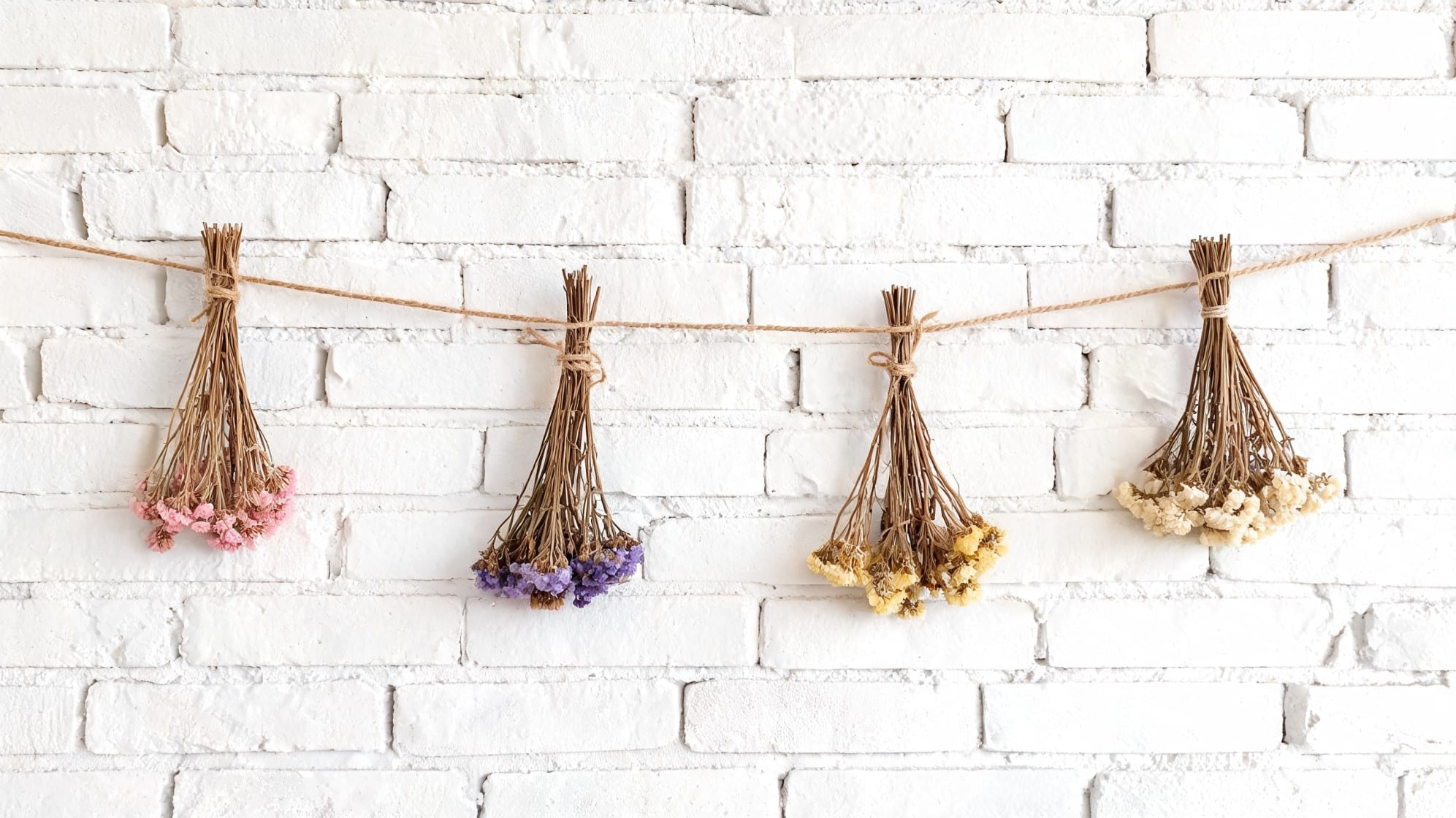
Air drying is a classic and low-effort method for preserving flowers. It is perfect for anyone who enjoys a hands-off approach and wants natural, long-lasting blooms without special equipment. This method works well for creating decorative arrangements, keepsakes, or gifts. It is ideal for those who have a cool, dry space to hang their flowers safely.
Time to Ready: 2 to 4 weeks, depending on flower size and type.
Step-by-Step Process:
- Remove any extra leaves and dead petals from the stems. This helps the flowers dry evenly and prevents mold.
- Gather the flowers into small bunches and secure them tightly with a rubber band or floral wire.
- Hang the bundles upside down in a cool, dark, and well-ventilated area. Make sure they are away from direct sunlight to preserve color.
- Let the flowers dry for 2 to 4 weeks. Once they feel crisp, spray lightly with unscented hairspray to help them hold their shape.
Tips:
- Keep bundles small so air can circulate.
- Avoid humid areas to prevent mold.
- Perfect for rustic bouquets and wedding keepsakes.
Method 2. Silica Gel Drying (Best for 3D Blooms)
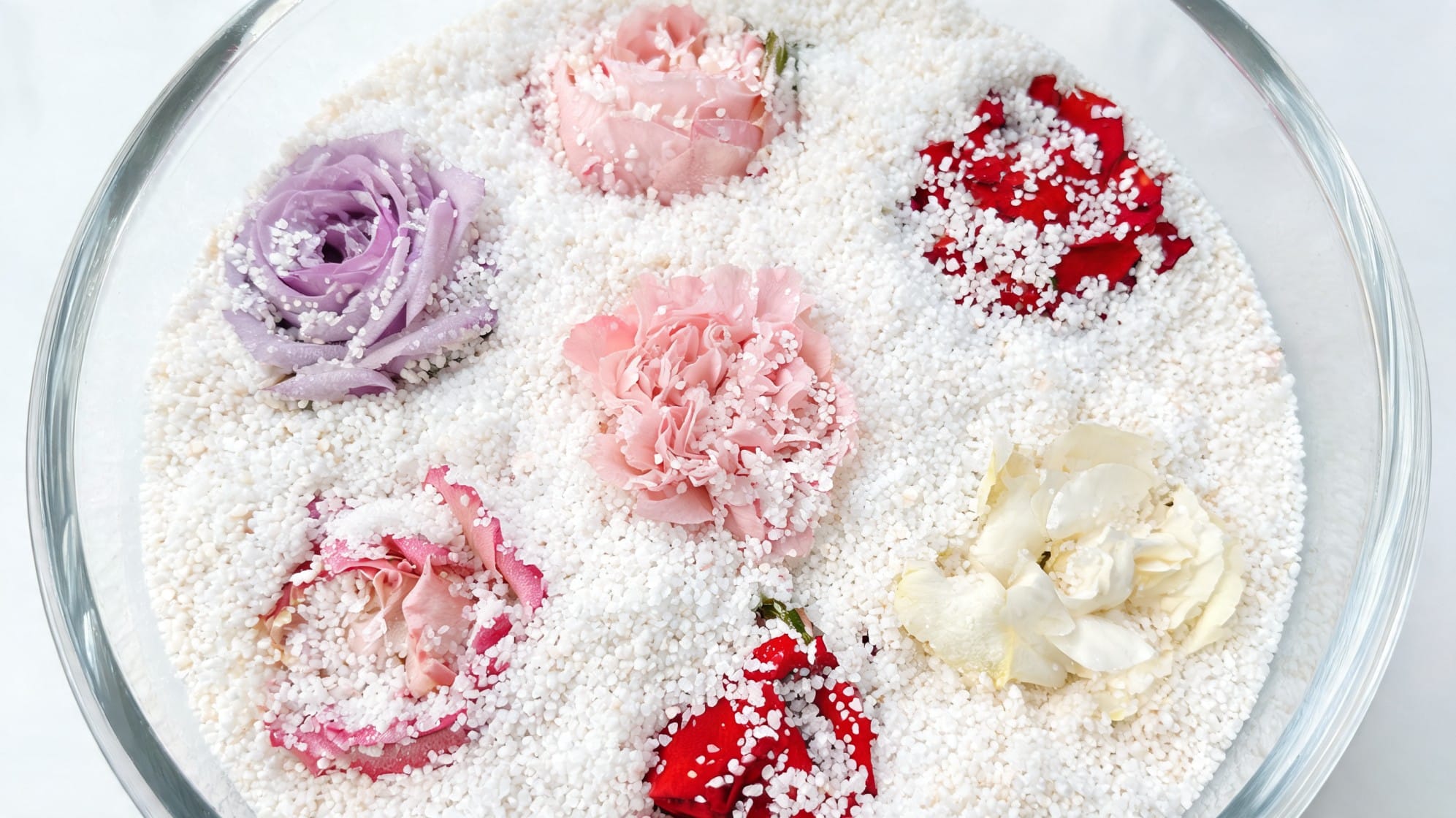
Silica gel drying is a precise method that preserves flowers in their full, three-dimensional shape. It is perfect for anyone who wants vibrant, lifelike blooms that can be displayed in vases, shadow boxes, or keepsakes. This method works well for thick-petaled or delicate flowers and is ideal for those willing to invest a little time for professional-looking results.
Time to Ready: 2 to 7 days, depending on petal thickness.
Step-by-Step Process:
- Cut the stems short, or thread floral wire through the stems if you plan to reattach them later.
- Pour a 1 to 1.5-inch layer of silica gel into an airtight container.
- Place the flowers face up and gently cover them completely with more silica gel.
- Seal the container and leave the flowers undisturbed for 2 to 7 days, depending on the thickness and size of the petals.
- Carefully remove the flowers and brush off any remaining silica crystals with a soft, fine-bristled brush.
Tips:
- Use this method for blooms where color and shape are important.
- Ensure the container is airtight to prevent moisture from affecting the flowers.
- Perfect for peonies, tulips, orchids, or any 3D keepsake flowers.
What to avoid: Do not use wet flowers, avoid overcrowding them in the container, and handle gently when removing silica gel to prevent damage.
Method 3. Pressing (Best for Framing & Bookmarks)
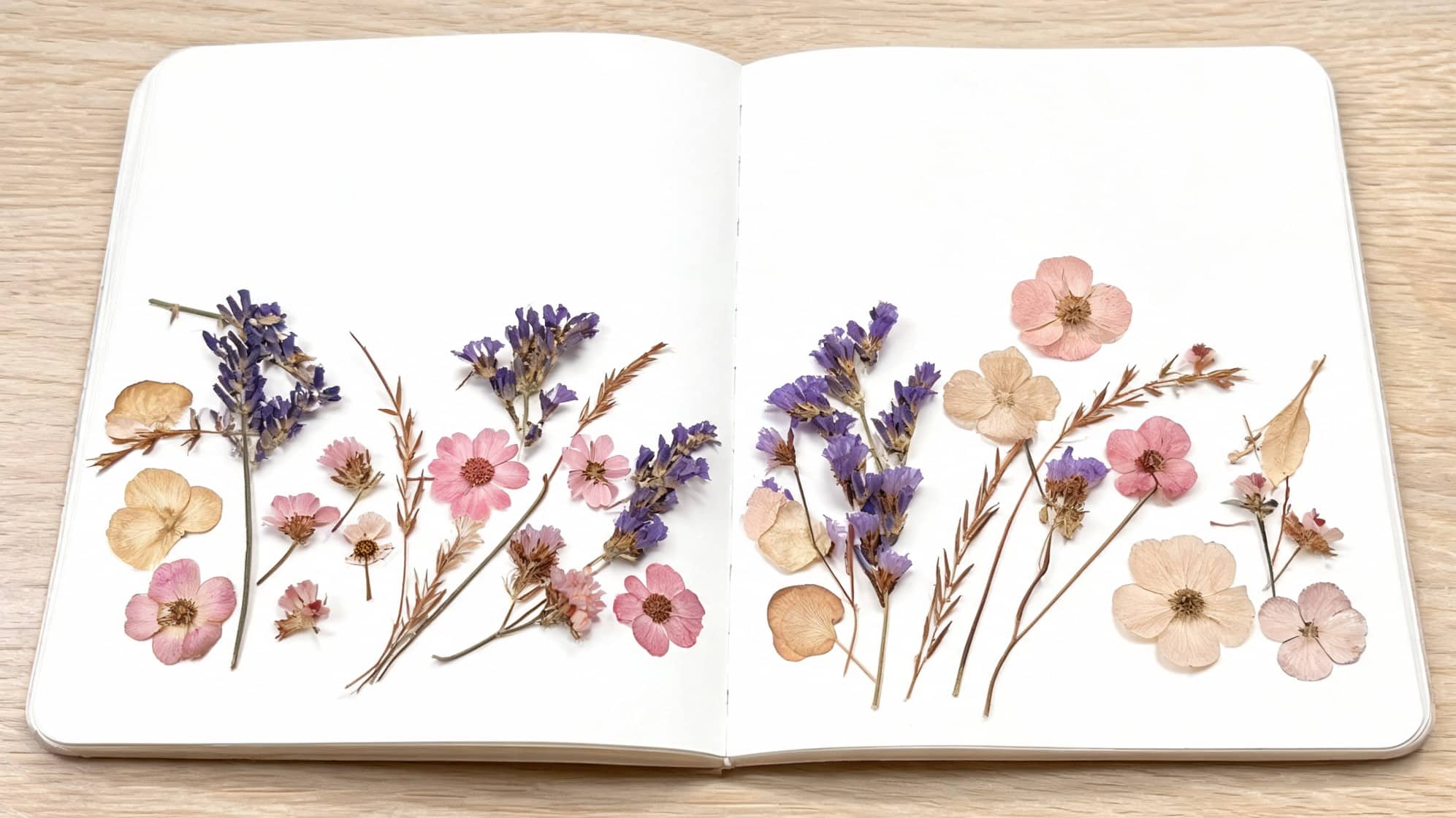
Pressing is a simple and creative method for preserving flowers in a flat form. It is perfect for anyone who enjoys making art, bookmarks, cards, or framed keepsakes from blooms. This method works best for thin, delicate petals and is ideal for those who want a hands-on craft activity without special equipment.
Time to Ready: 1 to 2 weeks, depending on flower thickness.
1. Step-by-Step Process: The Book Method
- Place flowers between sheets of parchment or coffee paper.
- Open a heavy book to the middle and insert the flowers inside.
- Close the book and add extra weight on top with more books or objects.
- Leave undisturbed for 1 to 2 weeks until flowers feel completely dry.
- Carefully remove the flowers and use them for bookmarks, framed art, or other crafts.
2. Step-by-Step Process: Microwave Method
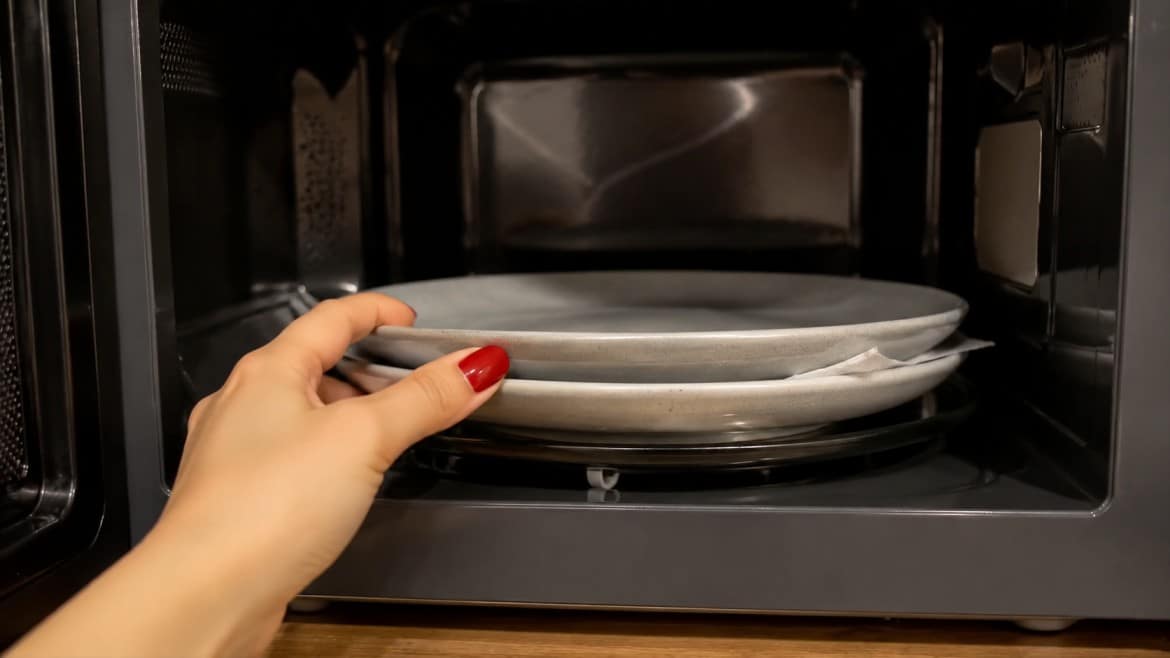
- Place flowers between two sheets of parchment paper.
- Sandwich the parchment between two ceramic plates.
- Microwave in 20–30 second intervals on low power.
- Let flowers cool completely between intervals to avoid burning.
- Repeat until flowers are fully dry and flat.
- Carefully remove flowers for crafting or display.
Tips:
- Perfect for thin, delicate flowers like pansies, daisies, and ferns.
- Handle gently to avoid tearing fragile petals.
- Great for creating bookmarks, cards, or framed keepsakes.
What to avoid: Pressing thick blooms, overlapping flowers, or removing them before fully dry.
Method 4. Resin Casting (Best for Keepsakes)
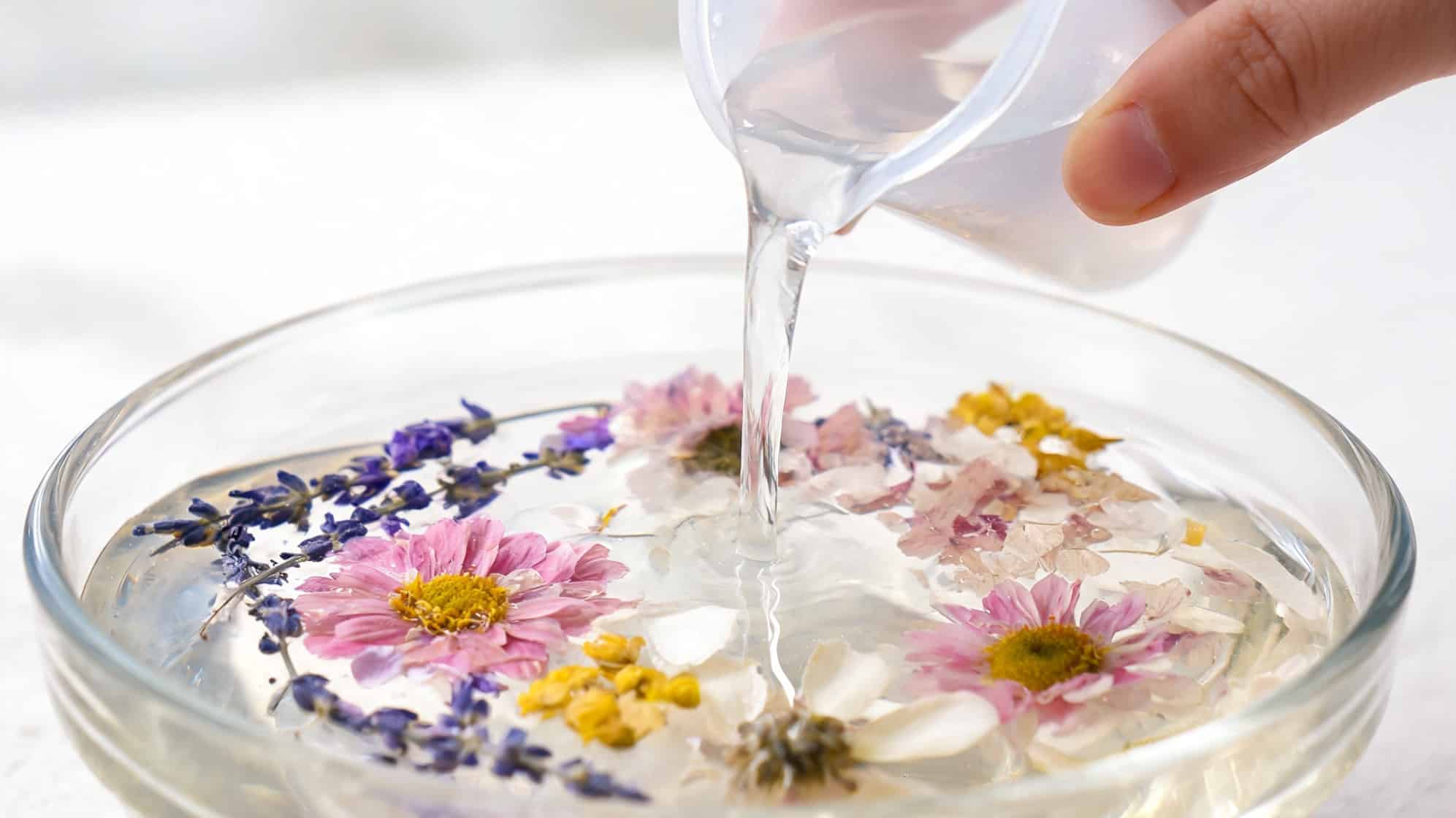
Resin casting is a creative way to preserve flowers in three dimensions, making them perfect for jewelry, paperweights, coasters, or decorative keepsakes. This method is ideal for anyone who wants long-lasting, vibrant flowers displayed in a protective, glossy finish. It works best for fully dried or pressed blooms and requires some patience, but the results are highly rewarding.
Time to Ready: 24 to 48 hours, depending on resin type and curing conditions.
Step-by-Step Process:
- Make sure your flowers are completely dry or pressed. Never use fresh flowers, as they can rot or discolor.
- Prepare your silicone mold on a flat surface.
- Mix clear resin according to the manufacturer’s instructions.
- Pour a thin base layer of resin into the mold.
- Carefully place the flowers onto the resin layer. Arrange them exactly how you want them to appear.
- Pour additional resin over the flowers in layers until they are fully covered.
- Remove any trapped air bubbles using a toothpick or a heat gun, briefly on low.
- Allow the resin to cure for 24 to 48 hours in a dust-free area.
- Once fully hardened, remove the piece from the mold and gently sand edges if needed.
Tips:
- Ideal for jewelry, paperweights, coasters, and other keepsakes.
- Work in a well-ventilated area and use gloves for safety.
- Ensure no air bubbles trap around flowers to maintain clarity.
What to avoid: Using fresh flowers, pouring resin too quickly, and not working in layers, which can cause cloudiness or uneven curing.
Quick Tips for Temporary Freshness
Sometimes you just want your flowers to stay vibrant for a day or two without undergoing full preservation. These quick tips are perfect for short-term freshness, whether for a special event, a gift, or a temporary display at home. With a few simple adjustments, you can extend their life and enjoy your blooms longer.
- Keep flowers in clean water and trim stems every 1–2 days.
- Store bouquets in the fridge overnight to slow wilting.
- Keep flowers away from fruits, as ethylene gas speeds aging.
- Add a teaspoon of sugar or a few drops of vinegar to the vase water to nourish blooms.
- A crushed aspirin in the vase can help keep flowers fresh longer.
These quick hacks are easy to use and help your flowers look their best for short-term displays, special occasions, or temporary décor without any complicated techniques.
Match Flowers with the Best Method
I often see people get overwhelmed by all the options. To make things simpler, this checklist pairs each flower with the best preservation method and explains why it works, so you can handle your blooms confidently and get the results you want.
| Flower | Best Preservation Method | Why This Method Works |
|---|---|---|
| Roses | Air Drying / Silica Gel | Thick petals hold shape; air drying gives a rustic look, silica gel keeps color vibrant |
| Lavender | Air Drying | Naturally low moisture content, dries evenly, and retains fragrance |
| Eucalyptus | Air Drying | Sturdy stems and leaves dry well without wilting |
| Baby’s Breath | Air Drying | Tiny blooms hold structure when hung upside down |
| Pansies | Pressing | Flat, delicate petals preserve intricate details |
| Daisies | Pressing | Thin petals flatten easily, ideal for art or bookmarks |
| Ferns | Pressing | Fronds retain shape and vein patterns when pressed |
| Peonies | Silica Gel | Thick petals and large blooms stay plump and colorful |
| Tulips | Silica Gel | Maintains 3D shape and vibrant color better than air drying |
| Orchids | Silica Gel | Keeps delicate petals intact and prevents drooping |
This checklist helps you quickly choose the right method for your flowers, saving time and ensuring each bloom stays beautiful. With a little planning, your preserved flowers can last for years while keeping their natural charm.
Maintenance and Display of Preserved Flowers
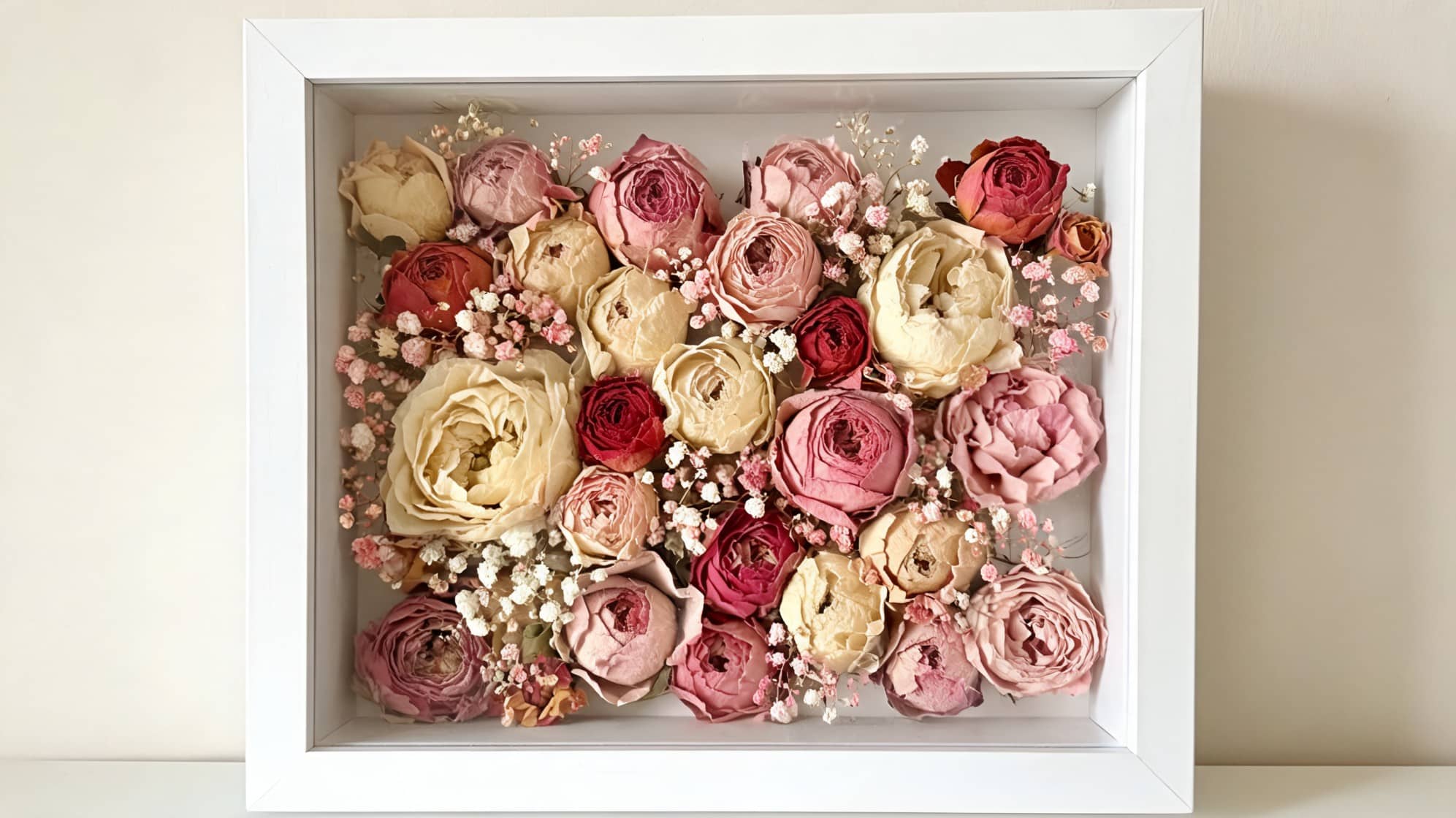
Once flowers are preserved, proper care can keep them looking beautiful for months or even years. Simple maintenance and thoughtful display choices make a big difference in preserving color, shape, and overall appearance.
- Keep flowers away from direct sunlight and high humidity to prevent fading and mold.
- Avoid dust buildup by using shadow boxes, glass domes, or sealed vases.
- Mist air-dried flowers lightly with unscented hairspray to help them hold their shape.
- Rotate displays occasionally to minimize exposure to light or environmental stress.
- Store extra preserved flowers in a cool, dry, and dark place when not on display.
With these small steps, your preserved flowers can remain a lasting reminder of special moments, maintaining their charm and vibrancy over time.
Common Mistakes and How to Avoid Them
Small oversights can lead to faded colors, damaged petals, or ruined keepsakes. Knowing these common mistakes helps you handle your flowers properly and get the best results from each preservation method.
- Overcrowding flowers: Placing too many flowers together in a container or book can prevent them from drying evenly and cause mold or bent petals.
- Using wet flowers for resin or silica gel: Moisture can cause rotting, discoloration, or cloudiness in resin and uneven drying in silica gel.
- Ignoring flower type suitability: Not all flowers work well with every preservation method. Thick petals are best for 3D methods, while thin petals flatten better when pressed.
- Mistreating pressed flowers during removal: Pulling them too early or too roughly can tear delicate petals and ruin your design.
By avoiding these mistakes, you can successfully preserve your flowers, keeping them vibrant, intact, and ready for display or as keepsakes.
Frequently Asked Questions
Do Flowers Lower Cortisol?
Yes, studies show that being around flowers can help reduce stress and promote relaxation. Simply seeing or smelling blooms may improve mood and calm the mind. While they are not a medical treatment, keeping fresh flowers in your home or workspace can have subtle, positive effects on your mental well-being.
What Can I Spray on Flowers to Preserve Them?
Unscented hairspray or a floral sealant can help air-dried flowers hold their shape and reduce shedding. Spray lightly from a distance once the flowers are fully dry. Avoid using scented sprays too early, as moisture and chemicals can damage petals or alter color.
Does Putting Pennies in Flowers Make Them Last Longer?
Placing pennies in vases does not significantly extend flower life. Fresh flowers rely on clean water, proper trimming, and nutrition. Adding flower food or small amounts of sugar, vinegar, or aspirin to the water is a more effective way to nourish stems and keep blooms fresh.
What Flower is Called the Poor Man’s Rose?
The carnation is often called the poor man’s rose. It is widely appreciated for its beauty, variety of colors, and long vase life. Carnations are affordable, easy to grow, and versatile for bouquets, arrangements, and home décor, making them a popular alternative to roses.
How do Professional Florists Keep Flowers Fresh?
Florists use clean water, proper trimming, and flower food to extend freshness. They store flowers in cool environments, away from direct sunlight and drafts. Hydration, temperature control, and careful handling ensure blooms maintain color, shape, and longevity, whether for arrangements, events, or retail display.
Final Words on Preserving Flowers
Preserving flowers is both a science and an art. With the right method, you can keep the beauty of your blooms long after they’ve been cut. The key is choosing a method that matches your flower type, the look you want, and how much time you’re willing to invest.
Even simple techniques like air drying can create charming, lasting keepsakes. Pressing works beautifully for delicate flowers you want to frame or turn into bookmarks, while silica gel keeps thick, vibrant petals intact. For a more permanent, 3D memory, resin casting is perfect.
By learning how to preserve flowers, you’re not just holding onto petals; you’re holding onto moments, memories, and a little piece of nature. With a bit of care and patience, your flowers can brighten your space or craft projects for months and even years.