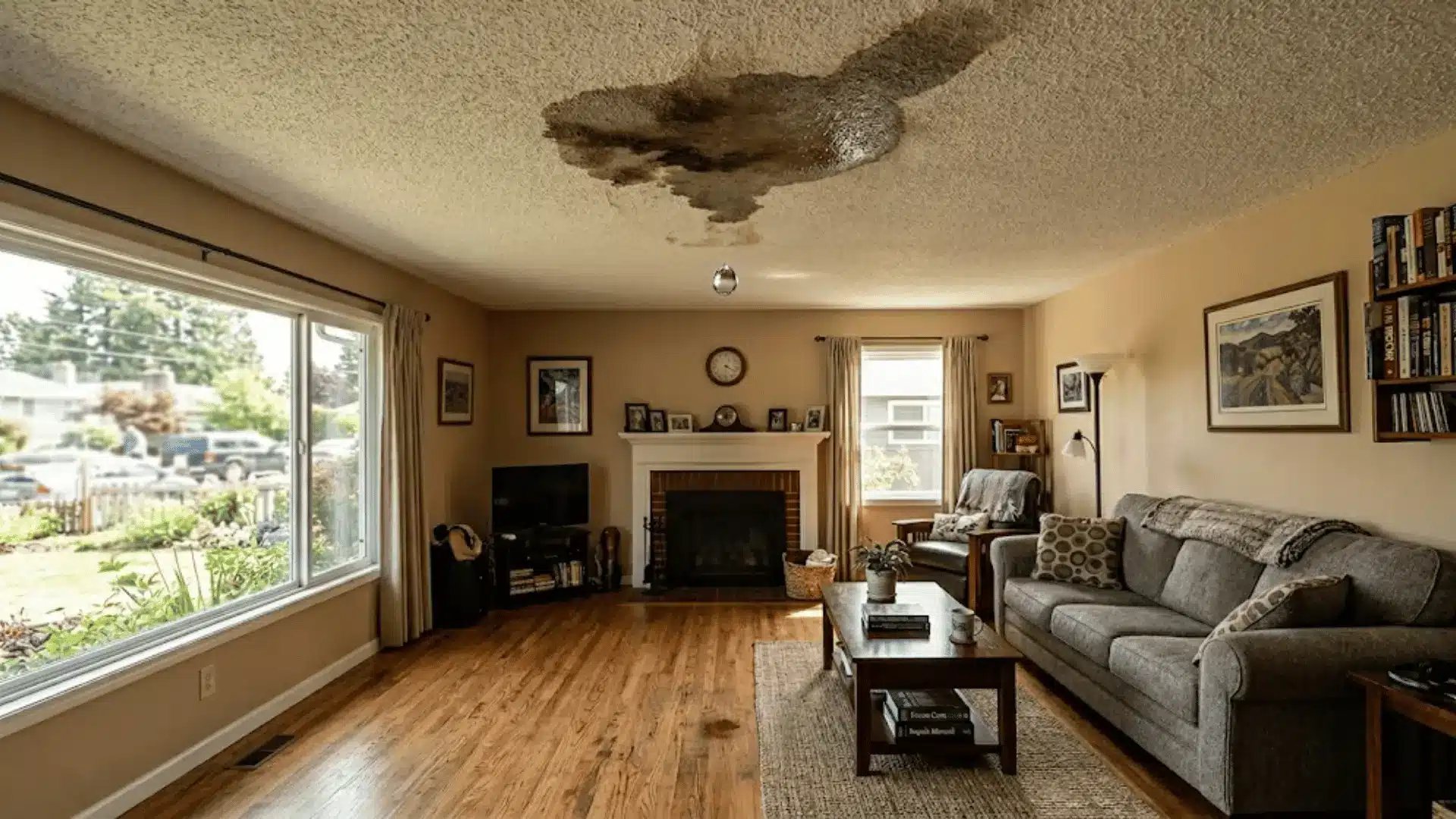
That tiny drip from your ceiling might seem harmless right now, but ignoring it is one of the costlier mistakes a homeowner can make.
Roof leaks have a quiet way of growing from a minor inconvenience into a full-blown repair project before you even notice the damage spreading.
Budgeting ahead, comparing contractor quotes, or simply trying to avoid overpaying, knowing what roof leak repair actually costs puts you back in control.
We’re breaking it all down, from pricing and real examples to the smartest ways to save.
What is the Average Roof Leak Repair Cost?
Roof leak repair costs vary widely depending on how severe the damage is.
A minor fix like patching a small area or resealing flashing sits at the lower end of the price spectrum.
Moderate repairs, think damaged shingles or a localized leak spreading into the underlayment, land in the mid-range. Major structural damage involving decking, rafters, or interior water damage can climb significantly higher.
On a national level, most homeowners spend somewhere in the low-to-mid hundreds, with serious repairs pushing into the thousands.
Roof Leak Repair Cost Breakdown by Type
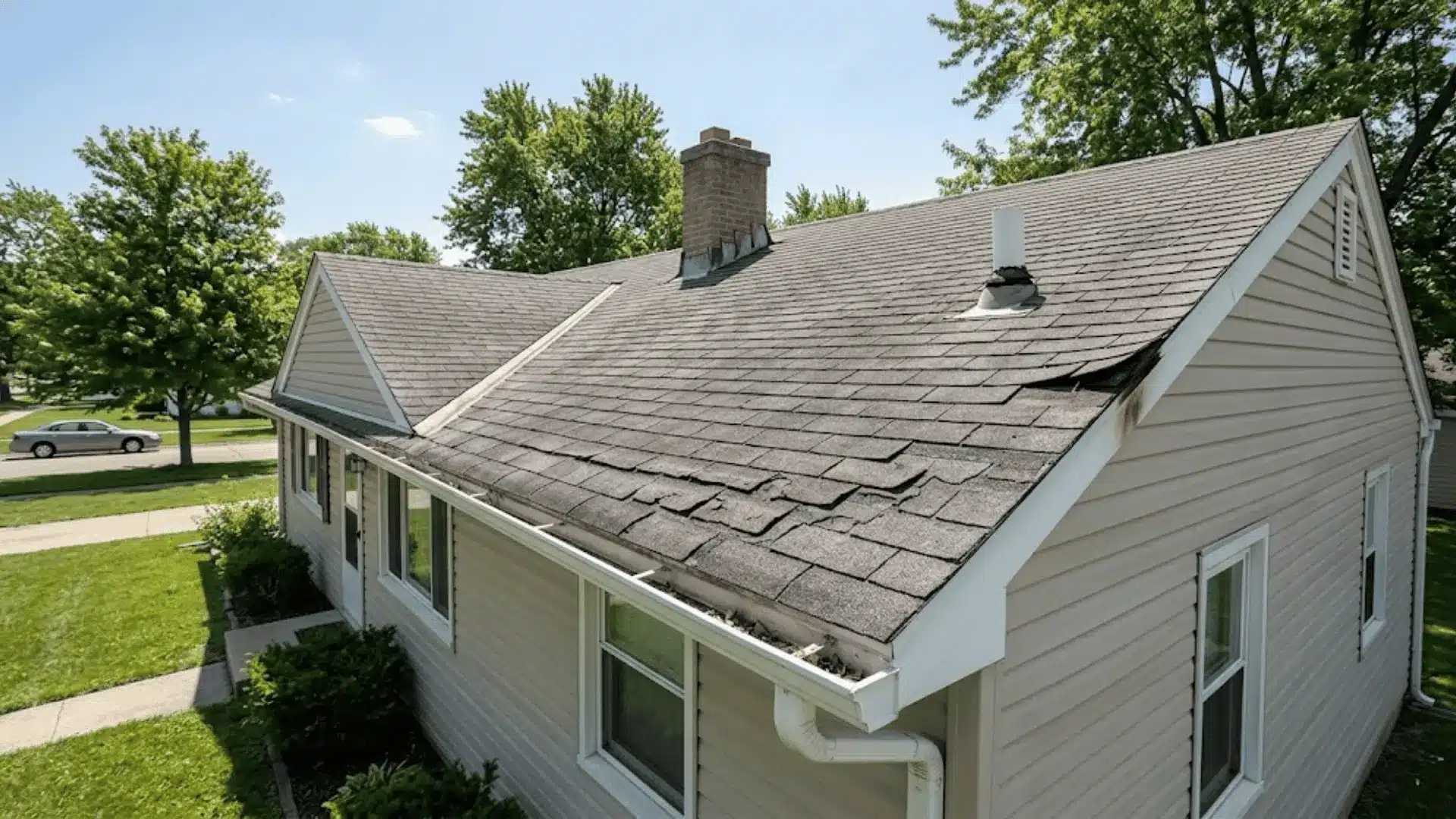
Not every roof leak comes with the same price tag. The type of repair needed is one of the biggest factors shaping your final bill, so here’s what each common fix typically looks like.
1. Small Leak Repairs
Cost Range: $150 to $400
Patching small holes or sealing minor cracks is the most straightforward repair a roofer can do. Since the damage is contained and labor is minimal, this sits at the most budget-friendly end.
Catching a leak at this stage is ideal because a small patch today almost always costs far less than what it grows into if left alone.
2. Flashing Repair or Replacement
Cost Range: $200 to $500
Flashing is the thin metal lining that seals transitions around chimneys, vents, and skylights, and it is one of the most common culprits behind persistent leaks. Repairing or replacing it falls into moderate pricing territory.
The exact cost shifts depending on location and accessibility, since a chimney flashing repair naturally takes more labor than a simple vent seal.
3. Shingle Replacement
Cost Range: $300 to $1,500
Replacing damaged shingles varies quite a bit based on material. Asphalt shingles are the most affordable and widely used option.
Tile and metal shingles cost more both in material and installation, but they also tend to last significantly longer, making them a worthwhile investment for the right home.
4. Roof Vent or Pipe Boot Repair
Cost Range: $150 to $500
Roof vents and pipe boots are easy to overlook, but they are a surprisingly frequent source of leaks. The rubber seals around pipe boots crack over time, letting water in around the base.
Repairs here are generally mid-range since the fix is localized, though replacing the boot entirely rather than just patching it often gives better long-term results.
5. Structural Roof Damage
Cost Range: $1,000 to $10,000+
When a leak goes unaddressed long enough, it stops being a roofing problem and starts becoming a structural one. Wood rot, damaged decking, and compromised rafters require far more labor and materials to fix.
This is the category where repair costs can climb steeply, and in serious cases, a full or partial roof replacement may end up being the more practical path forward.
Roof Leak Repair Cost by Material
Roofing material plays a bigger role in repair costs than most people realize.
The same leak can cost very differently depending on what your roof is made of, here is a quick breakdown to put it in perspective.
| Material | Cost Range | Difficulty | Durability |
|---|---|---|---|
| Asphalt Shingles | $150 to $1,500 | Easy | Moderate |
| Metal Roofing | $300 to $1,500 | Moderate | High |
| Tile Roofing | $300 to $3,000 | Complex | Very High |
| Flat Roofs (EPDM/TPO) | $300 to $1,500 | Moderate | Moderate |
Factors That Affect Roof Leak Repair Cost
Repair quotes can look wildly different from one home to the next, even for what seems like the same problem.
Several underlying factors quietly shape that final number, and knowing them helps you evaluate quotes with a much clearer eye.
1. Roof Size and Slope
Larger roofs simply require more materials and more hours on the job. Steeper slopes add another layer of complexity since they demand extra safety measures and slower, more careful work from the crew.
Both size and pitch push labor costs upward, which is why two homes with similar damage can end up with noticeably different repair bills.
2. Extent of Damage
A surface-level leak caught early is a contained, manageable fix. But when water has been quietly seeping through for weeks or months, the damage underneath tells a different story.
Rotted wood, compromised decking, and weakened structural elements all add to the scope of work and the cost. The longer a leak sits, the more expensive the repair tends to get.
3. Labor Costs
Contractor rates are not uniform across the country. Urban markets and high cost-of-living areas typically come with steeper labor charges, while rural regions may offer more competitive pricing.
Experience level also matters since a well-reviewed contractor with years of specialist roofing knowledge will naturally charge more than a general handyman, and often for good reason.
4. Accessibility
A straightforward, ground-level repair is one thing. A leak tucked behind a chimney, near a skylight, or on a multi-story home with limited reach is another.
Hard-to-access areas slow down the work and sometimes require additional equipment, both of which add to your overall cost. Accessibility is one of those factors that rarely gets mentioned upfront but shows up clearly on the invoice.
5. Emergency Repairs
Calling a roofer on a weekend, during a storm, or with same-day urgency almost always comes at a premium. Emergency callout fees can significantly bump up what would otherwise be a standard repair cost.
Whenever possible, addressing early warning signs before they become urgent situations is one of the simplest ways to avoid paying more than necessary.
Roof Leak Repair Cost by Location
Where you live shapes your repair bill just as much as the damage itself. Urban areas consistently see higher labor and material costs driven by demand, overhead, and cost of living.
A repair that runs affordably in a small town can cost noticeably more in a major metro area.
Regional climate plays a role too, areas prone to heavy snow, storms, or humidity tend to have higher baseline roofing costs simply because demand for skilled roofers stays high year-round.
Always factor in your location when budgeting or comparing quotes from different contractors.
Cost Comparison: Repair vs. Replacement
One of the biggest decisions a homeowner faces after discovering a leak is whether to repair or replace.
The right call depends on how old your roof is, how widespread the damage is, and honestly, how much longer you plan to stay in the home.
| Factor | Repair | Replacement |
|---|---|---|
| Best When | Damage is localized | Damage is widespread |
| Roof Age | Under 15 years | 20+ years |
| Cost Range | $150 to $3,000 | $5,000 to $25,000+ |
| Lifespan Added | 2 to 10 years | 20 to 50 years |
| Risk | May need repeat fixes | Higher upfront cost |
Real-Life Roof Leak Repair Cost Examples
Real numbers always tell a clearer story than averages. Here are a few common scenarios homeowners actually deal with and what they typically end up paying.
- Minor Leak from a Cracked Sealant Around a Vent: A straightforward fix with minimal labor, usually resolved for around $150 to $300.
- Flashing Repair Around a Chimney: Slightly more involved due to accessibility and material, typically landing between $200 and $500.
- Several Damaged Asphalt Shingles After a Storm: Material and labor combined usually falls in the $300 to $900 range.
- Major Water Damage with Rotted Decking: Once structural elements are involved, costs can jump anywhere from $1,500 to $5,000 or beyond.
These are ballpark figures and real quotes will vary based on your location, contractor, and the full extent of what they find once they are up there.
DIY vs. Professional Roof Leak Repair Cost
Patching a roof yourself can look like an easy way to save money, and sometimes it genuinely is.
But the decision really comes down to the size of the leak, your comfort level at heights, and whether a DIY fix today might cost more to undo later.
| Factor | DIY | Professional |
|---|---|---|
| Cost | $50 to $300 (materials only) | $150 to $3,000 (labor + materials) |
| Tools Needed | Caulk gun, roofing nails, ladder | Provided by contractor |
| Warranty | None | Often included |
| Risk | High if inexperienced | Low |
| Best For | Minor, surface-level fixes | Moderate to major damage |
How to Save Money on Roof Leak Repairs?
Roof repairs do not have to break the bank if you approach them smartly. Getting at least three quotes before committing gives you a realistic picture of fair pricing in your area and leaves room to negotiate.
Addressing leaks early is probably the single biggest money-saver since small fixes cost a fraction of what structural repairs do.
Scheduling annual roof inspections helps catch vulnerabilities before they turn into damage.
And if the leak stems from storm or weather-related causes, it is always worth checking whether your homeowner’s insurance policy covers part or all of the repair cost.
Signs You Need Roof Leak Repair
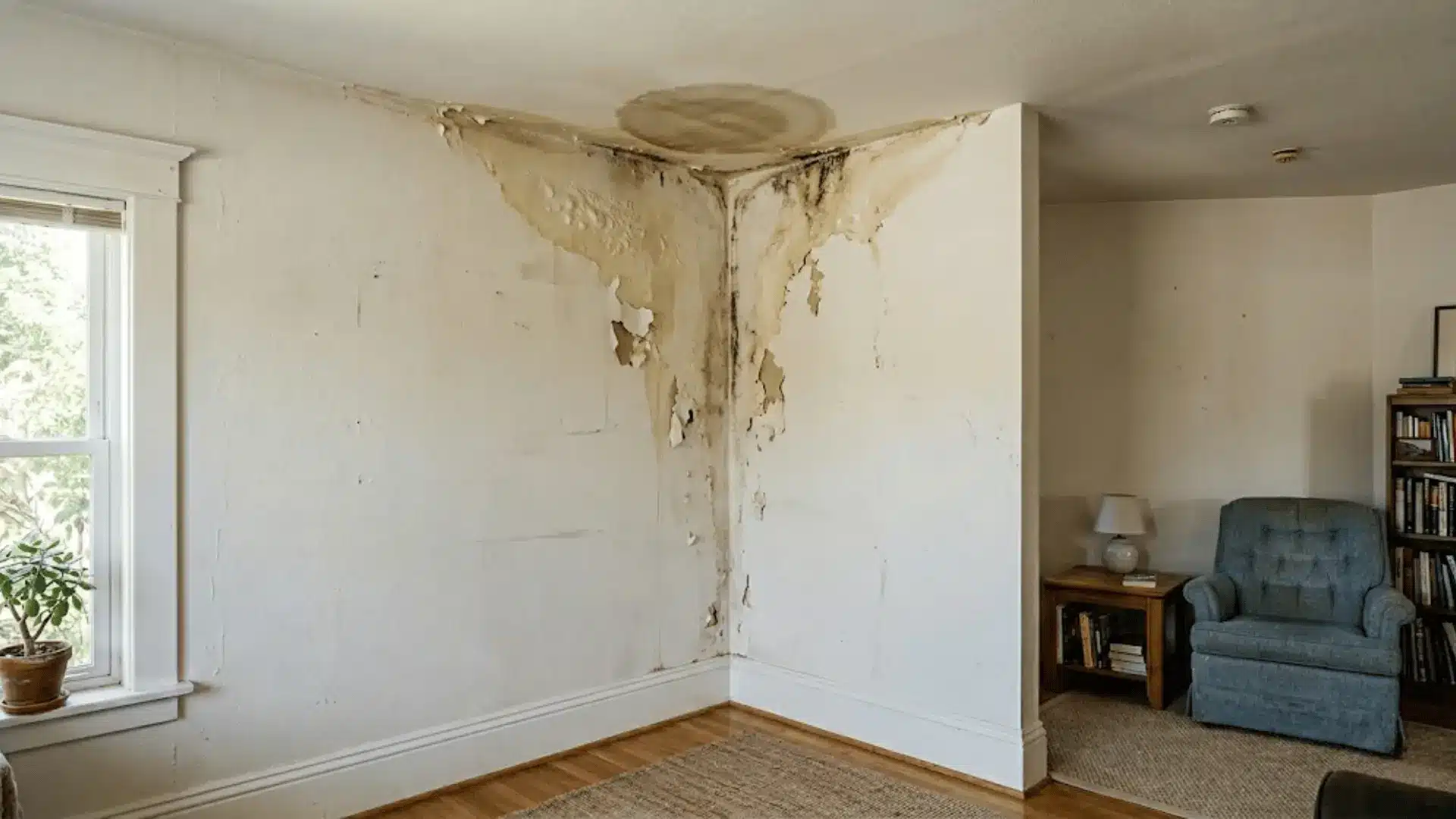
Some roof leaks announce themselves loudly, others quietly do damage for months before you notice. Here are the most common signs that your roof is asking for attention.
- Water Stains on Your Ceiling or Walls: Yellow or brown discoloration is almost always a sign that moisture has already made its way inside.
- Mold or Mildew Growth in the Attic: Persistent dampness from an undetected leak creates the perfect environment for mold to take hold.
- Missing, Curling, or Cracked Shingles: Damaged shingles leave your roof exposed and are one of the most visible early warning signs.
- Dripping Water or Wet Insulation: If water is actively dripping or your attic insulation feels damp, the leak has already progressed past the surface.
- Granules Collecting in Gutters: Excessive shingle granule loss signals deterioration and means your roof’s protective layer is wearing thin.
Catching these signs early is what separates a manageable repair bill from a major one, so when something looks off, it is always worth getting a professional eye on it sooner rather than later.
How Long Does Roof Leak Repair Take?
Repair timelines vary just as much as costs do.
Minor repairs like patching a small leak or resealing flashing can often be completed within a few hours, making them easy to schedule without much disruption to your day.
Moderate repairs involving shingle replacement or flashing around complex areas typically wrap up within a day.
Major structural repairs, especially those involving decking or wood rot, can stretch across several days depending on the extent of the damage and material availability.
Weather is another factor since most roofers will not work through rain, which can push timelines further than expected.
Preventing Future Roof Leaks
The best roof repair is the one you never have to make. A little consistent maintenance goes a long way in keeping leaks from forming in the first place.
- Schedule routine roof inspections at least once a year and always after a major storm. Catching small vulnerabilities early keeps them from quietly turning into bigger problems.
- Clean your gutters regularly since clogged gutters cause water to back up along the roofline, creating moisture buildup that works its way under shingles over time.
- Ensure proper attic ventilation because trapped heat and moisture from poor ventilation accelerates shingle deterioration and weakens the roof structure from the inside out.
- Trim overhanging tree branches that sit close to your roof. Falling limbs cause direct damage and accumulated leaves trap moisture against the surface for extended periods.
- Check and reseal flashing annually around chimneys, vents, and skylights since these transition points are where most leaks originate and where sealant tends to crack first.
Staying on top of these habits does not take much time or money, but it is genuinely one of the most effective ways to protect your home and avoid unexpected repair bills down the road.
The Bottom Line
Roof leak repair costs can range from a quick, affordable fix to a more involved investment depending on what is going on beneath the surface.
Now that you have a clearer picture of pricing, materials, and what actually drives those numbers, you are in a much better position to make confident decisions about your home.
The key is never waiting too long, because most roofs give you plenty of warning before things get serious.
Got a repair quote you are trying to make sense of? Drop it in the comments, we would love to help you figure out if it is a fair deal.
Frequently Asked Questions (FAQs)
Is Roof Leak Repair Covered by Insurance?
Most policies cover leaks caused by sudden events like storms or falling debris. Damage from wear and tear or neglect is typically not covered, so reviewing your policy before filing a claim is always a good idea.
Can I Fix a Roof Leak Myself?
Small surface-level leaks can reasonably be a DIY job if you are comfortable working at heights. Anything beyond that is better left to a professional to avoid making the damage worse.
Is It Cheaper to Repair or Replace a Roof?
Repairs are more affordable short-term and work well when damage is localized. For older roofs with recurring issues, a full replacement often makes more financial sense over time.