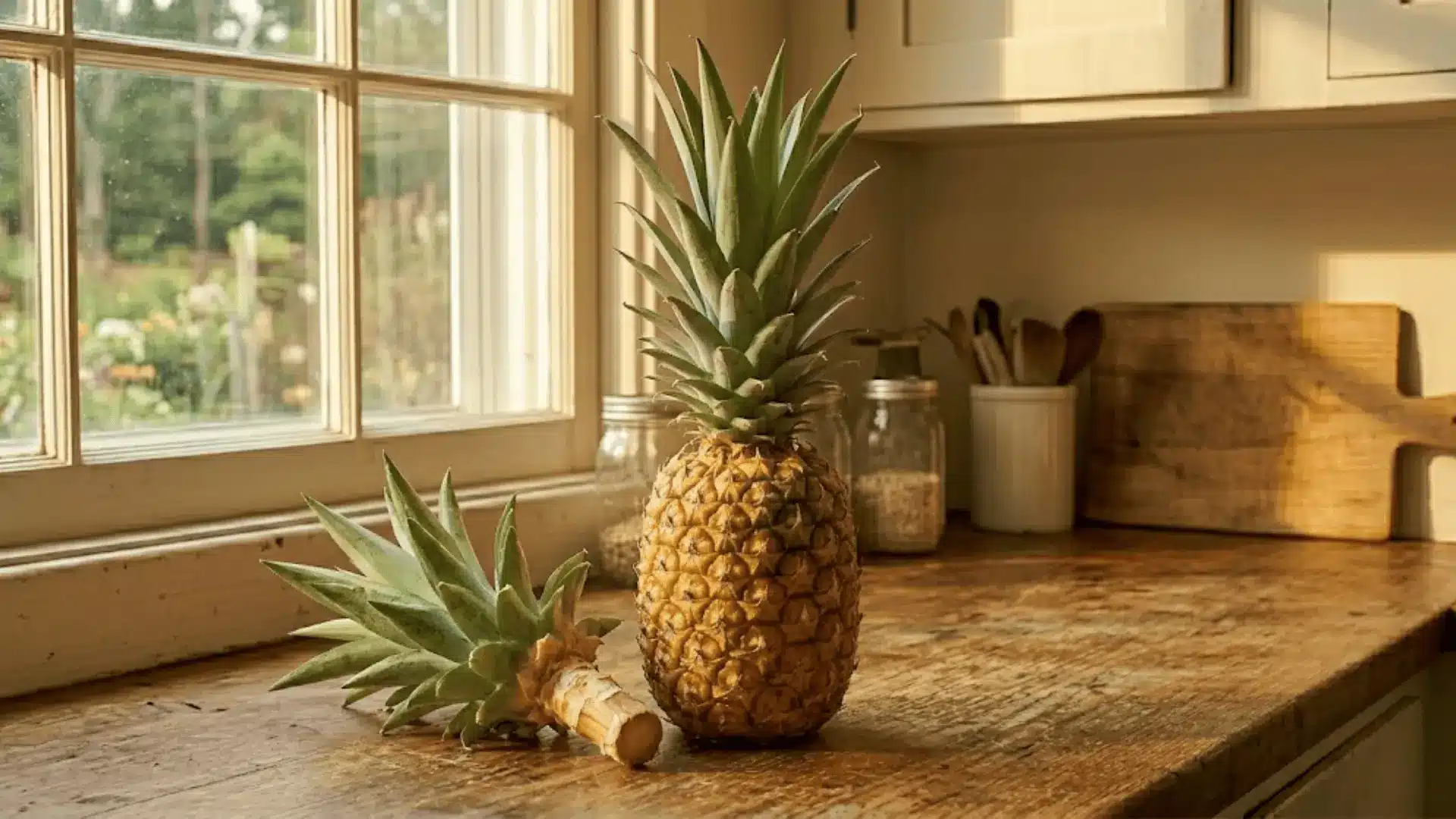
That pineapple sitting on your kitchen counter? It has a second life waiting.
Growing a pineapple at home, from a humble store-bought top or a nursery plant, is one of those quiet joys that turns an ordinary corner of your home into something a little more alive.
Real growers swear by it, experts back it, and honestly, once you understand what this plant actually needs, pineapple plant care starts feeling less like a chore and more like a ritual worth looking forward to.
The Pineapple Plant, Up Close
Pineapple (Ananas comosus) is a tropical perennial that grows low and wide, fanning out in a rosette of stiff, arching leaves rather than reaching upward like most fruiting plants.
It belongs to the bromeliad family, which means it thrives on warmth, light, and a little neglect more than constant fussing.
What surprises most first-time growers is the timeline: a pineapple plant typically takes 18 to 24 months to fruit.
Slow, yes, but every grower who has stuck with it says the same thing: watching that crown form is worth every patient week.
Step-by-Step: How to Grow a Pineapple at Home?
Growing a pineapple from scratch is more approachable than it looks, and it all begins with one good fruit. Follow these steps closely, and you’ll have a healthy, rooting crown before you know it.
Step 1: Choosing and Preparing the Crown
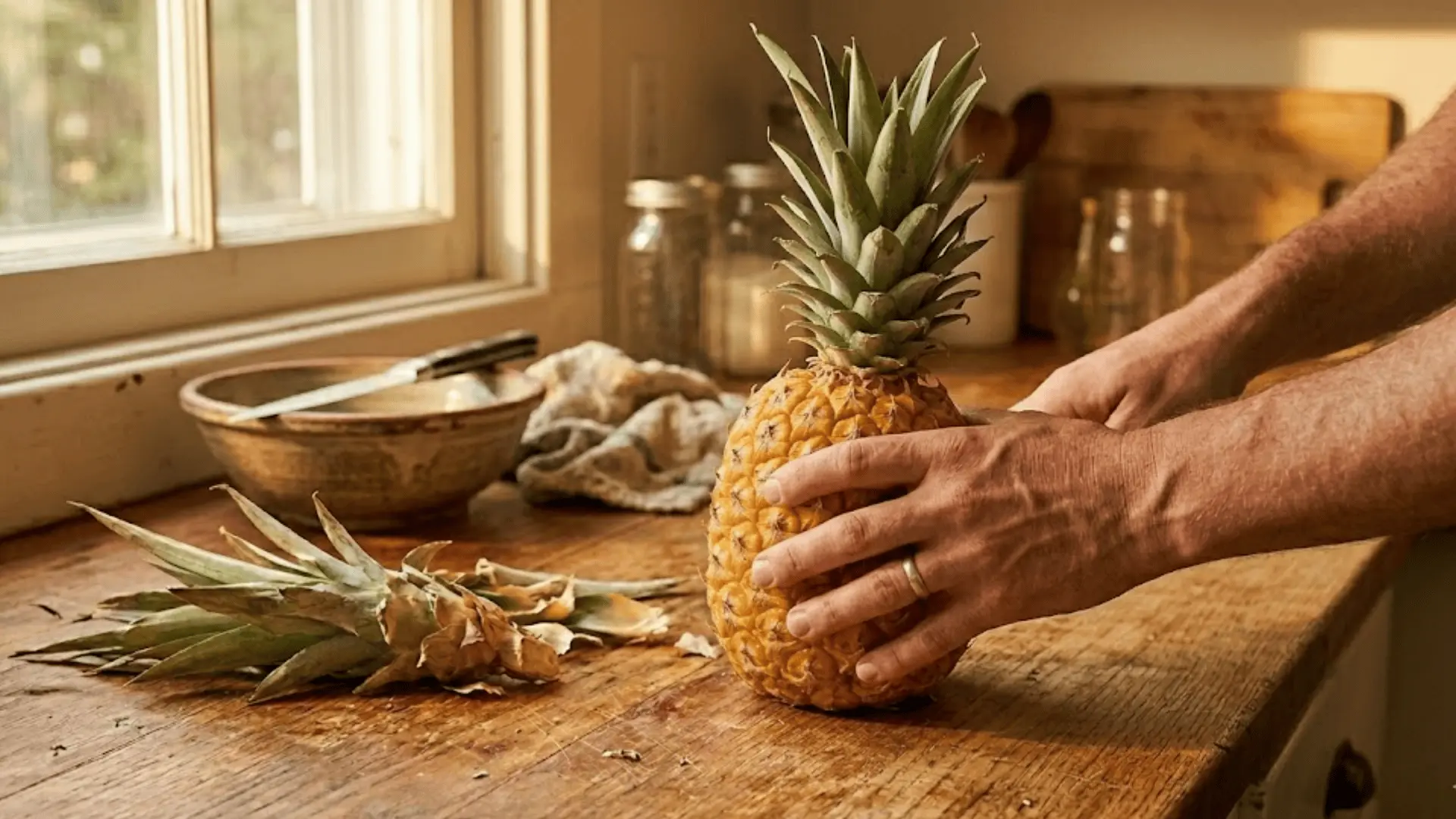
Start with a ripe pineapple from the store; the more golden the skin, the better. Grip the crown firmly and twist it off in one clean motion rather than cutting.
Peel away the lower leaves to expose about an inch of bare stem, then leave it out to dry for 2 to 3 days. This drying step is one growers swear by as it significantly reduces the chance of rot once planted.
Step 2: Rooting the Crown
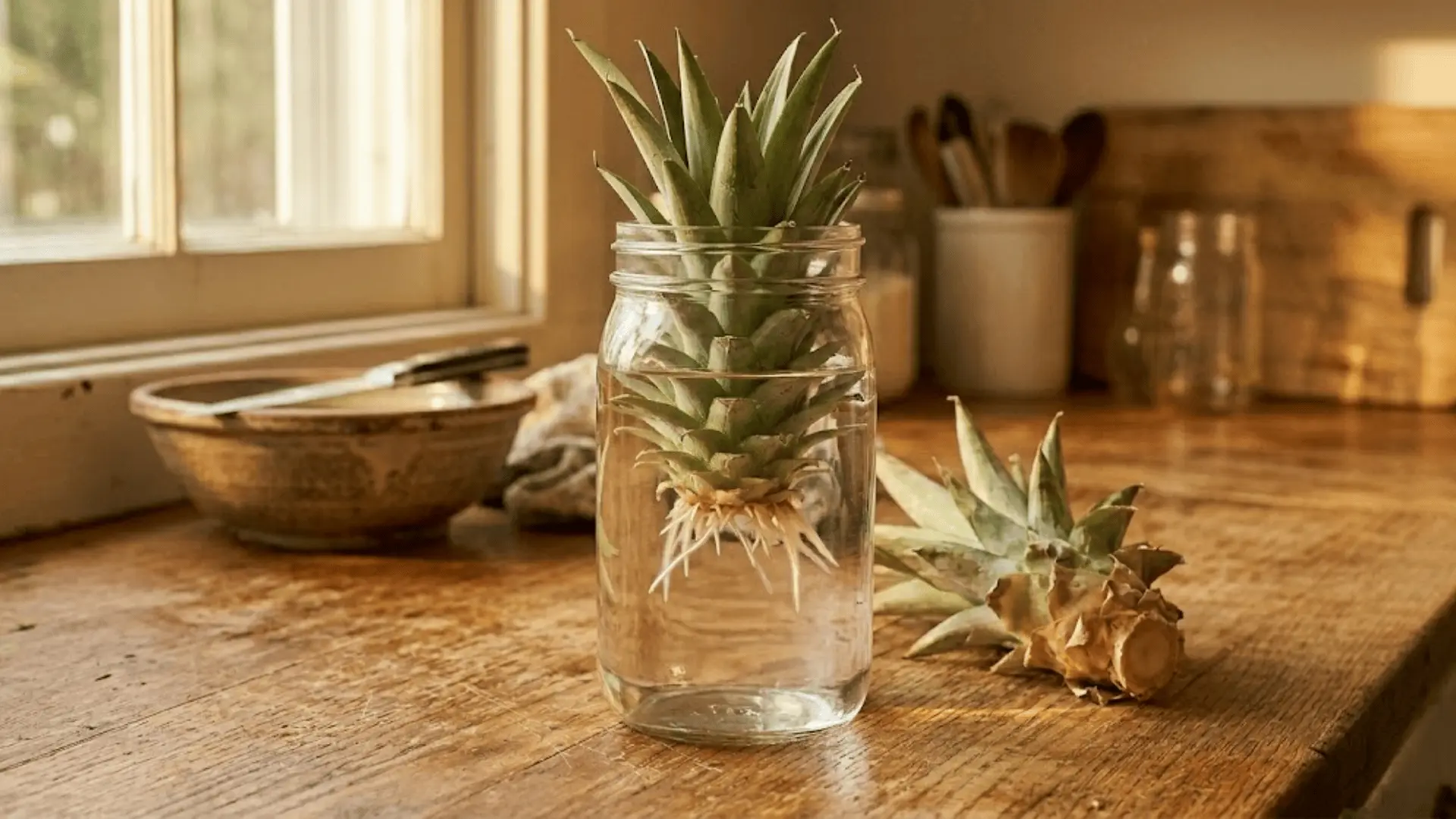
You can root a pineapple crown in a glass of water or directly in soil. Water rooting lets you watch the roots develop, which is satisfying, but many experienced growers report faster, sturdier results by skipping straight to soil.
If you go the water route, change it every few days and move to soil once roots reach an inch or two. Either way, warmth and patience do most of the work here.
Step 3: Planting in Soil
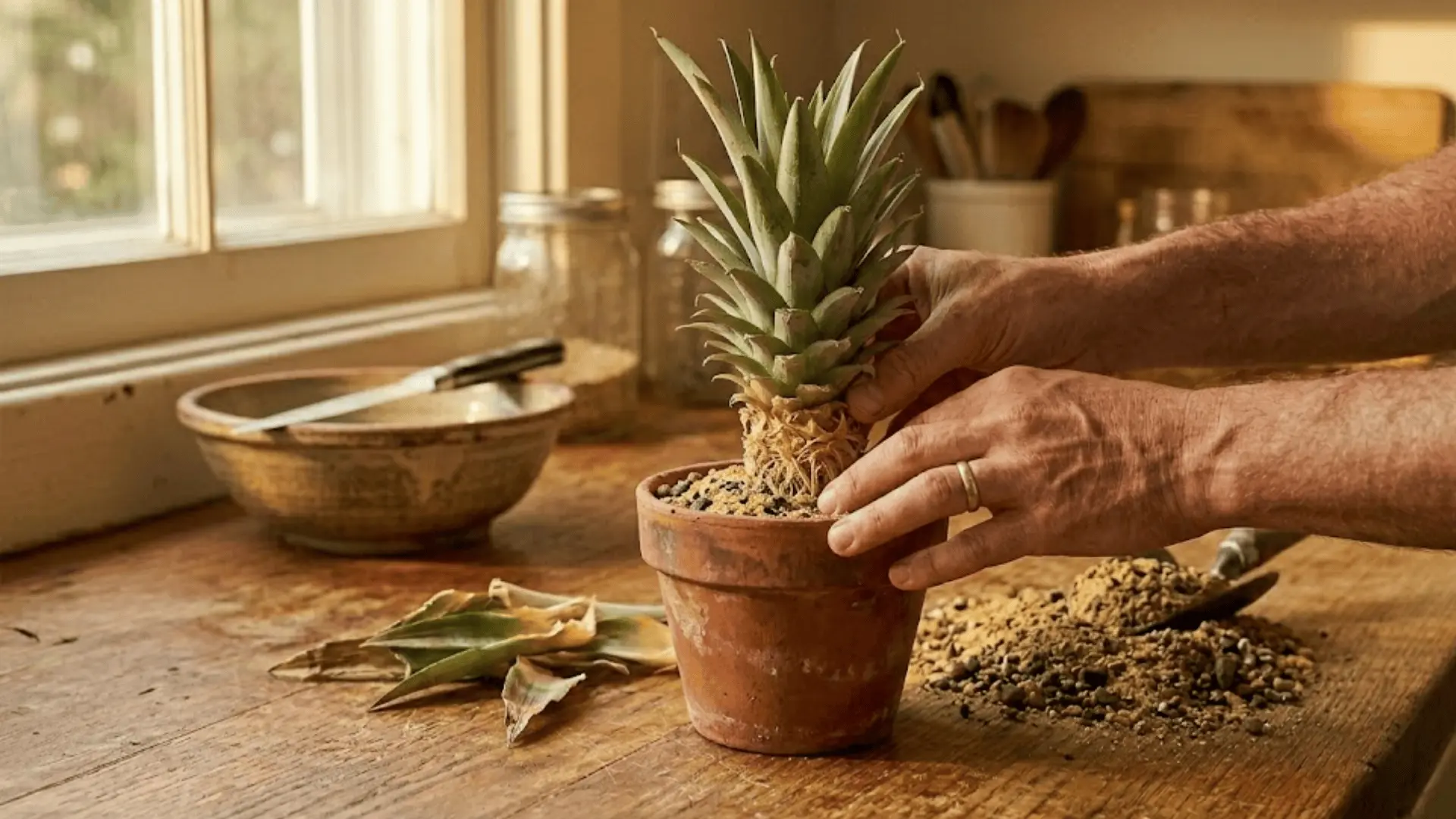
A cactus or succulent mix works beautifully for pineapples because it drains quickly and does not hold onto excess moisture. Plant the crown shallow, just deep enough to keep it upright, pressing the soil gently around the base.
Burying it too deep invites rot, so resist the urge to pack it in. A terracotta pot is a great choice here since it naturally wicks away moisture and keeps the roots breathing.
Step 4: Setting Up Initial Care
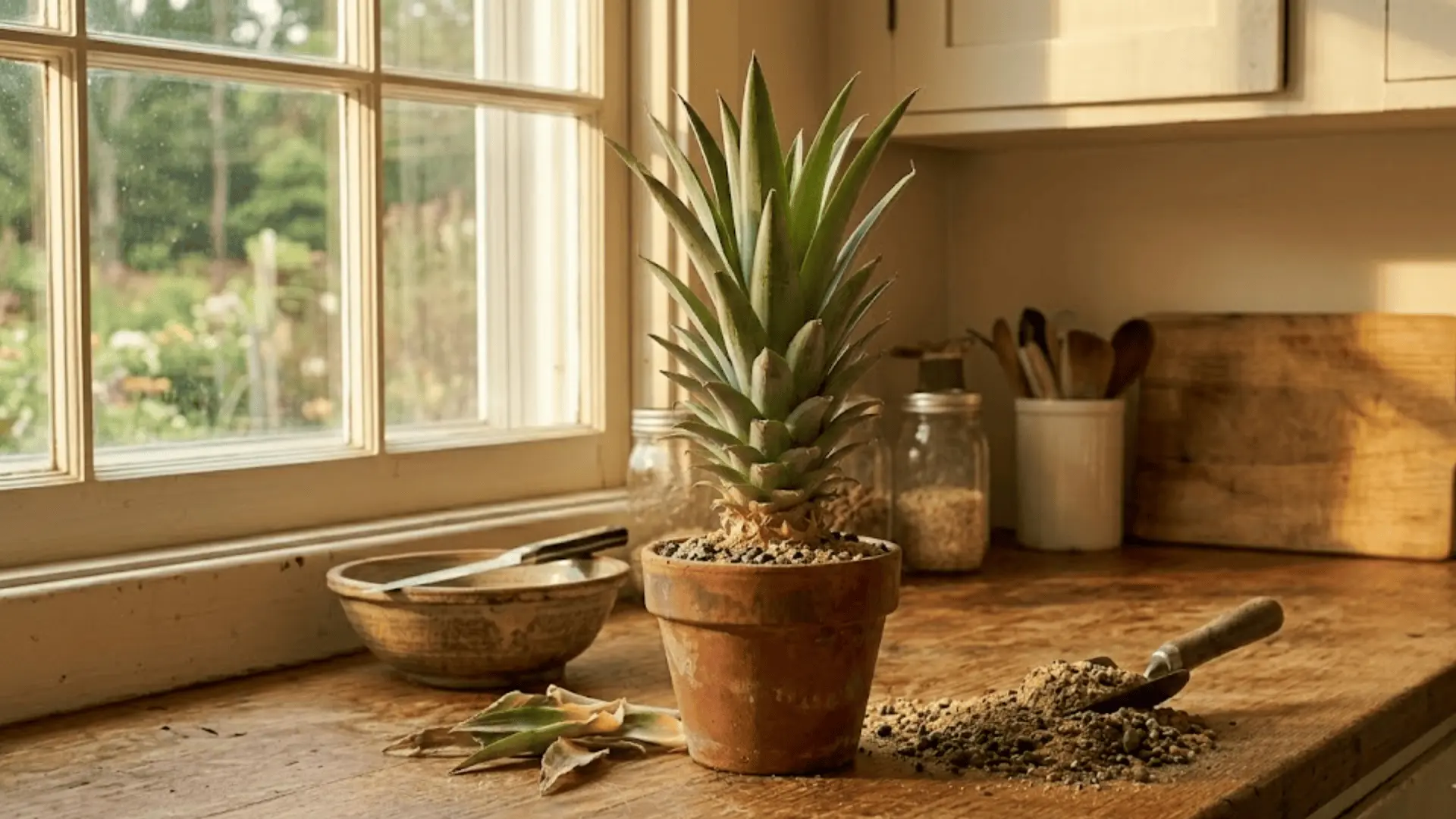
Place your newly planted crown somewhere it gets bright, indirect light for most of the day. Direct harsh sun at this early stage can stress the plant before it even finds its footing.
Water lightly, just enough to keep the soil barely moist, and then hold back. Until roots are established, less is genuinely more. Most growers notice the first signs of new growth from the center within 6 to 8 weeks.
Ideal Growing Conditions for a Thriving Pineapple Plant
Pineapples are tropical by nature, and the closer you can mirror that environment at home, the happier your plant will be.
Getting these conditions right from the start makes everything else in your care routine significantly easier.
1. Sunlight Requirements
Pineapple plants are sun lovers through and through. Aim for 6 to 8 hours of bright sunlight daily, and if you’re growing indoors, a south-facing window is your best friend.
Insufficient light slows growth noticeably and can prevent the plant from ever reaching the fruiting stage.
Outdoors, an open sunny spot works well as long as the plant isn’t sitting in a wind-exposed corner that strips away warmth and moisture.
2. Temperature and Humidity
Pineapples are sensitive to their environment in ways that catch a lot of indoor growers off guard.
Understanding the temperature and humidity ranges your plant actually needs helps you avoid the most common pitfalls before they set in.
| Condition | Ideal Range | Notes |
|---|---|---|
| Temperature | 65–85°F (18–29°C) | Consistent warmth encourages steady growth |
| Frost Tolerance | None | Even a light frost can damage or kill the plant |
| Humidity | Moderate to high | Low humidity is the most common indoor struggle |
3. Best Soil for Pineapple Plants
Getting the soil right is less about perfection and more about avoiding the wrong kind. Here’s what to keep in mind:
- Drainage First: Pineapple roots sit and rot in waterlogged soil faster than almost any other houseplant.
- Slightly Acidic pH: Aim for a pH between 4.5 and 6.5. Cactus or succulent mixes naturally fall within this range.
- Avoid Heavy Mixes: Standard potting soil retains too much moisture on its own. If it’s all you have, cut it with perlite or coarse sand to lighten the texture considerably.
- Terracotta Pots Help: They work with your soil choice by pulling excess moisture away from the roots passively.
Watering Pineapple Plants the Right Way
Overwatering is hands down the most common reason pineapple plants struggle indoors, and it’s an easy trap to fall into.
Pineapples like to dry out a little between waterings, so before you reach for the watering can, press a finger about an inch into the soil. If it still feels damp, leave it alone.
When you do water, do it thoroughly, then let the soil breathe again. In cooler months, scale back even further since the plant’s water needs drop noticeably.
Watering Tips Straight From Growers
Beyond the basics, experienced pineapple growers have picked up a few habits that genuinely change how well the plant responds.
These are worth folding into your routine early:
- Water the Cup, Not Just the Soil: Pineapples have a natural central rosette that collects water, pouring a small amount directly into this cup mimics how the plant drinks in the wild.
- Use Room Temperature Water: Cold water can shock the roots, especially indoors, where temperatures are already being managed carefully.
- Flush Occasionally: Every few months, water deeply until it drains freely from the bottom to clear any salt buildup from fertilizer or tap water.
- Rainwater is a Quiet Upgrade: Several growers swear by collecting rainwater for their pineapples, noting visibly perkier growth compared to tap water over time.
Fertilizing for Faster Growth
Pineapples are not heavy feeders, but a little consistent nutrition goes a long way in nudging the plant toward that fruiting stage.
The right fertilizer at the right frequency keeps growth steady without overwhelming a plant that genuinely prefers a lighter touch. Getting this balance right is simpler than most growers expect.
Fertilizer Guide for Pineapple Plants
Choosing the right fertilizer comes down to your routine and how hands-on you want to be.
Here’s a straightforward breakdown to help you decide what fits best:
| Fertilizer Type | Frequency | Best For | Grower Tip |
|---|---|---|---|
| Balanced Liquid Fertilizer (10-10-10) |
Once a month | Active growing season | Always dilute to half strength to prevent leaf burn |
| Slow-Release Granules | Every 3 months | Low-maintenance growers | Work lightly into the topsoil, avoid direct crown contact |
| Foliar Spray | Every 2 to 3 weeks | Bromeliad-specific feeding | Spray directly onto leaves in the early morning |
| Organic Compost Tea | Monthly | Natural growing approaches | Gentle on roots, great for long-term soil health |
Common Pineapple Plant Problems and How to Fix Them
Even the most attentive growers run into trouble with their pineapple plants at some point.
Most problems follow a clear pattern, and once you know what to look for, the fixes are usually simpler than expected.
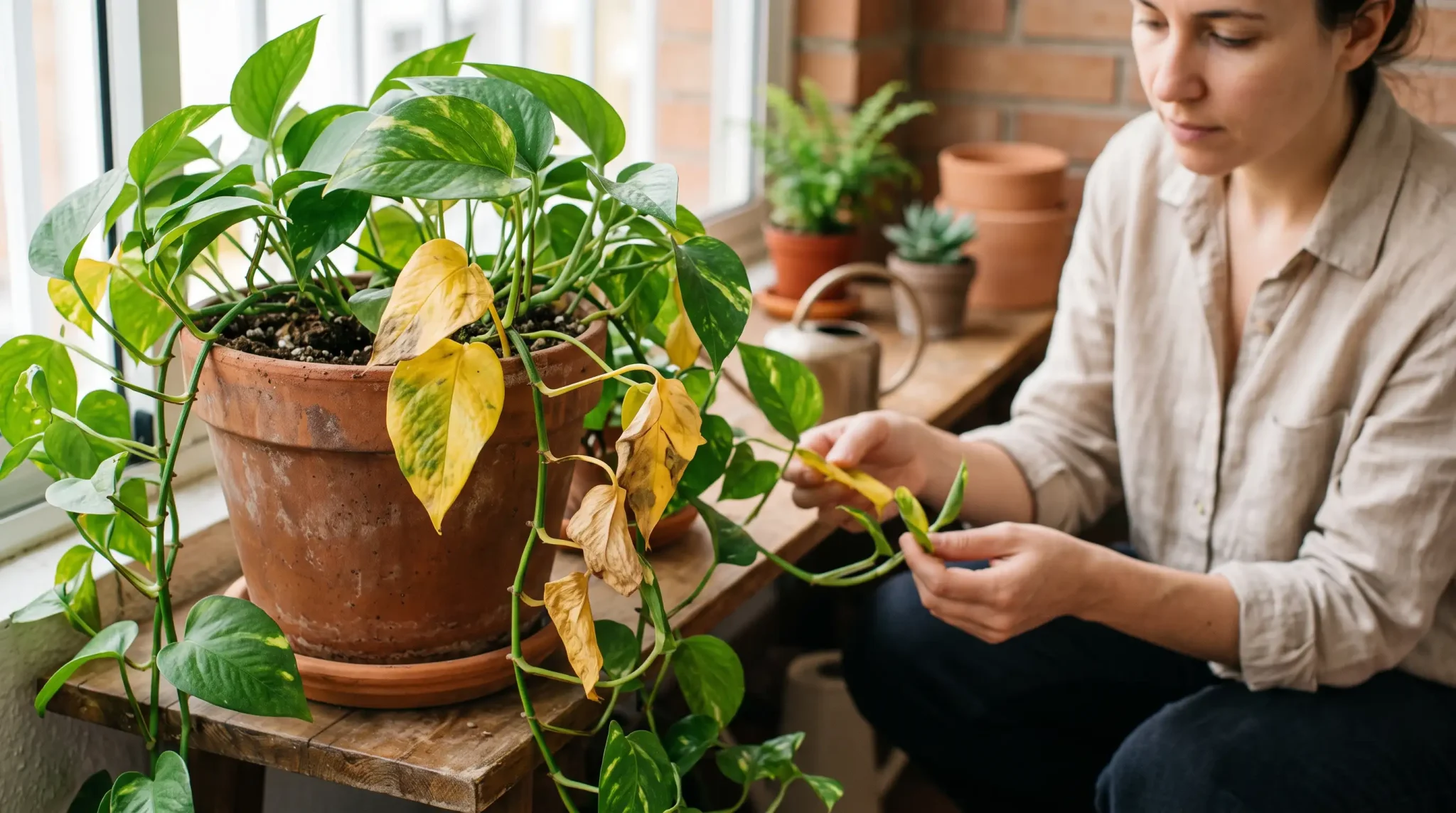
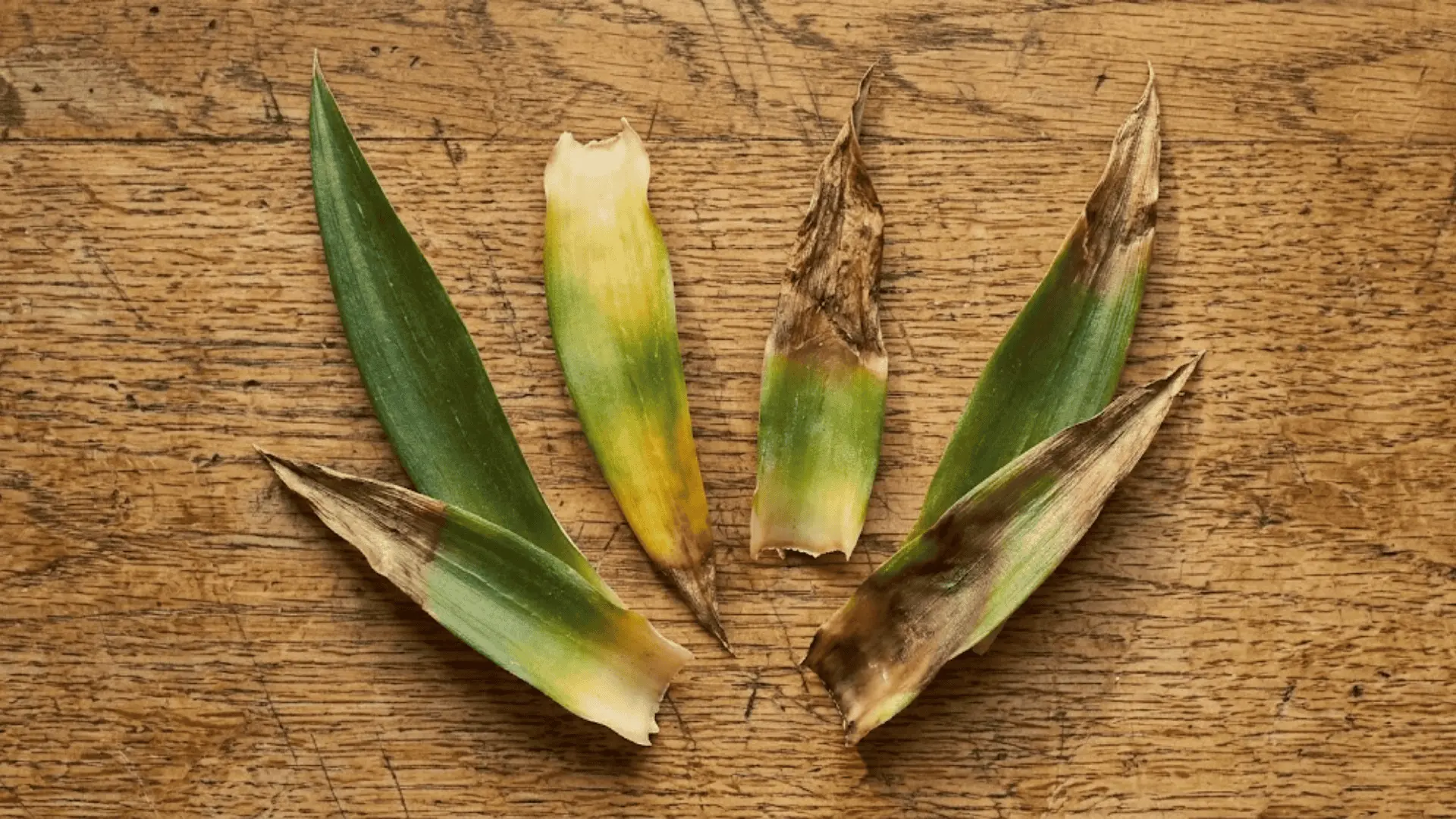
Problem 1: Why are My Pineapple Plant’s Leaves Turning Yellow?
The Fix: Cut back on watering immediately and check that your pot is draining freely. If the soil feels dense or compacted, repot into a cactus mix.
Problem 2: The Tips of My Pineapple Plant’s Leaves are Going Brown and Crispy.
The Fix: Flush the soil with clean water to clear salt buildup, then set a humidity tray under the pot to lift the moisture level around the plant.
Problem 3: My Pineapple Plant Has Been Growing for a While, But Shows No Signs of Fruiting.
The Fix: Place a ripe apple beside the plant, cover both loosely with a plastic bag for a few days, and let the natural ethylene gas do the work.
Problem 4: The Base of My Pineapple Plant Feels Soft, and The Roots Look Dark and Mushy.
The Fix: Repot immediately into fresh, gritty soil, trim any blackened roots cleanly, and hold off watering until the plant steadies itself.
Indoor vs. Outdoor Pineapple Plant Care
Where you grow your pineapple shapes almost every decision that follows, from watering frequency to how much you intervene through the seasons.
Both settings can work beautifully, but each comes with its own rhythm worth understanding before you commit.
| Care Factor | Indoor | Outdoor |
|---|---|---|
| Light | Dependent on window placement | Naturally abundant |
| Growth pace | Slower | Noticeably faster |
| Temperature | Stable, easy to manage | Protect during cold snaps |
| Humidity | Needs active management | Naturally sufficient |
| Watering | Less frequent | More frequent |
| Best suited for | Cooler climates, apartments | USDA zones 11 to 12 |
How to Encourage Your Pineapple to Fruit?
Getting a pineapple plant to fruit is the moment every grower is quietly working toward. With the right conditions and a little well-timed intervention, it’s more achievable than most people expect.
Natural Fruiting Timeline
Fruiting follows the plant’s own pace, and rushing it rarely works in your favor.
Here’s what the typical progression looks like:
- Months 1 to 6: Crown establishes roots and begins pushing out new leaf growth from the center.
- Months 6 to 12: Plant matures steadily, leaves grow longer and more defined.
- Months 12 to 18: Root system fully establishes, plant reaches fruiting maturity.
- Months 18 to 24: Flower spike emerges from the center, signaling fruit is on its way.
Forcing Fruiting
Once your plant hits the 18-month mark with no flower in sight, the apple-in-bag technique is worth trying. Place a ripe apple directly beside the base of the plant, cover both with a clear plastic bag, and leave it sealed for 3 to 4 days.
Ripe apples release ethylene gas naturally, and that concentration of gas around the plant is often enough to trigger the flowering response within 6 to 8 weeks.
Harvesting Your Pineapple
When the base of the fruit shifts from green to a deep golden yellow and the smell turns unmistakably sweet, your pineapple is ready.
Give one of the inner leaves a gentle tug; if it pulls out with little resistance, that’s a reliable sign of full ripeness.
Avoid going purely by color since indoor-grown pineapples sometimes stay partially green even when ripe.
To harvest, grip the fruit firmly and use the same twist-and-pull motion you used on the original crown. It detaches cleanly when the fruit is truly ready.
Propagating New Pineapple Plants
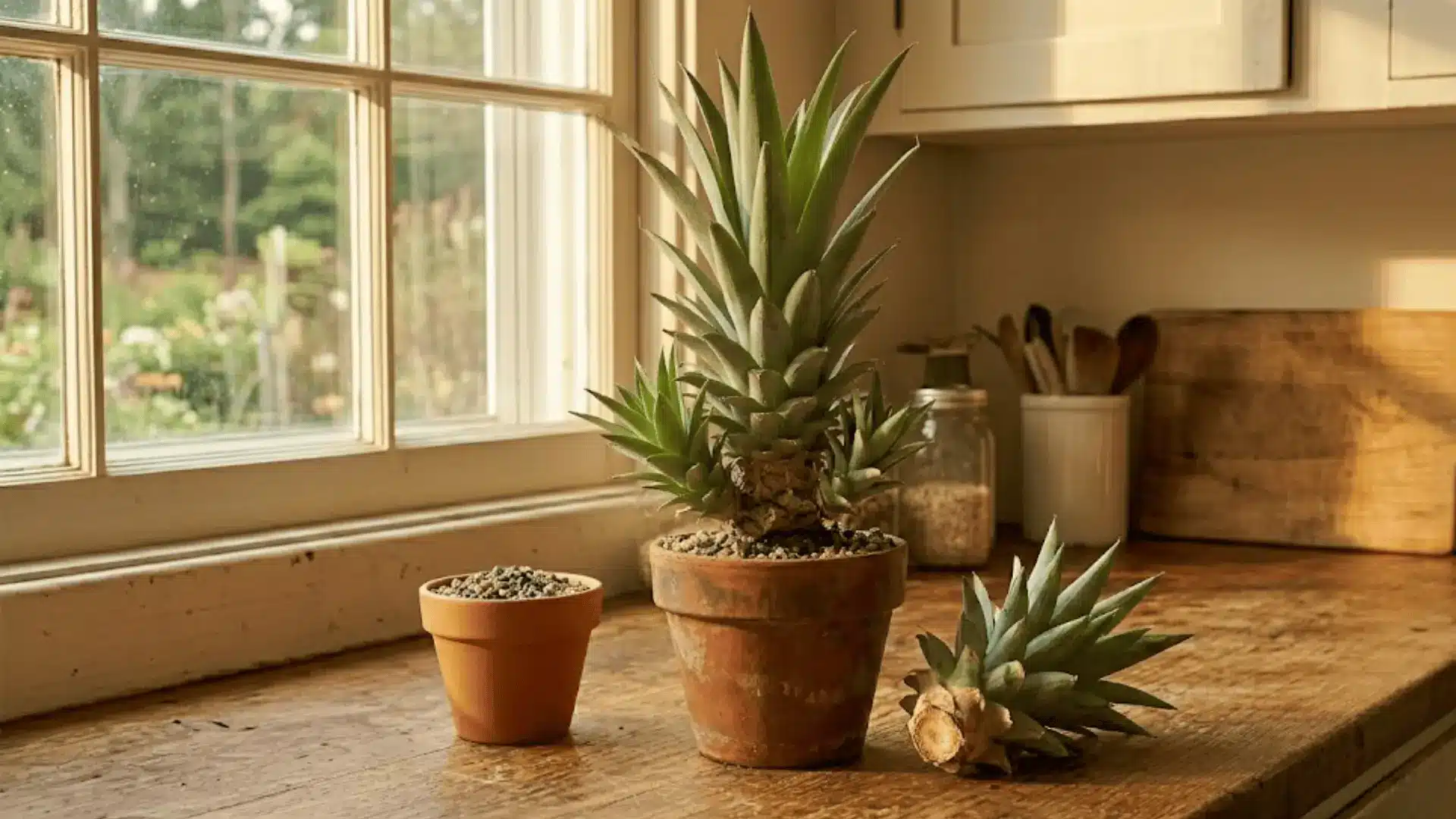
Once your pineapple fruits, the plant often pushes out small offshoots from the base called pups or suckers.
These are essentially ready-made new plants, and they fruit significantly faster than a crown grown from scratch.
- Step 1: Wait until the pup reaches at least 6 inches tall before separating it from the mother plant.
- Step 2: Twist or cut the pup away cleanly at the base, as close to the mother stem as possible.
- Step 3: Leave the pup out to dry for 2 to 3 days, just like a crown, to callous the cut end.
- Step 4: Plant it shallowly in a fresh cactus mix inside a terracotta pot.
- Step 5: Water lightly and place in bright indirect light until new growth confirms rooting.
One healthy mother plant can produce several pups over time, making propagation one of the most effortless ways to keep growing your collection without starting from zero each time.
Real Grower Experiences and Community Tips
Most of the best pineapple plant advice does not come from textbooks; it comes from people who have made the mistakes and course-corrected.
Growers in online communities highlight key truths: dry cycles can revive struggling plants faster than fertilizer, planting directly in soil outperforms water rooting, and patience is essential for fruiting.
The two-year wait, as slow as it feels, tends to be worth it.
For more firsthand grower insights, this Reddit thread is a great starting point: I have no idea what I’m doing — does this look right?
Maintenance and Long-Term Care Tips
Keeping a pineapple plant thriving long-term is less about constant attention and more about checking in at the right moments.
A few steady habits go a long way here.
- Repot when roots start circling the base or creeping out of the drainage hole, moving up just one pot size at a time.
- Trim dead or browning leaves from the outer base regularly to keep airflow clean and pests from finding a foothold.
- Scale watering back in winter when the plant’s growth naturally slows, and its water needs drop.
- Move the plant closer to your brightest window as the growing season picks up in spring and summer.
- Wipe leaves down occasionally with a damp cloth to clear dust buildup that quietly reduces the plant’s ability to absorb light.
Long-term pineapple care rewards growers who observe more and intervene less. Once you find the rhythm that works for your space, the plant largely takes care of itself between the bigger milestones.
Final Thoughts
Pineapple plant care is one of those things that gets easier and more intuitive the longer you stay with it.
Every stage, from rooting a humble crown to watching that first flower spike push through, teaches you something about slowing down and trusting the process.
Your plant will grow on its own timeline, and that quiet unpredictability is part of what makes the whole experience so satisfying.
Growing one already or just getting started? Drop a comment below and share where you are in the process.