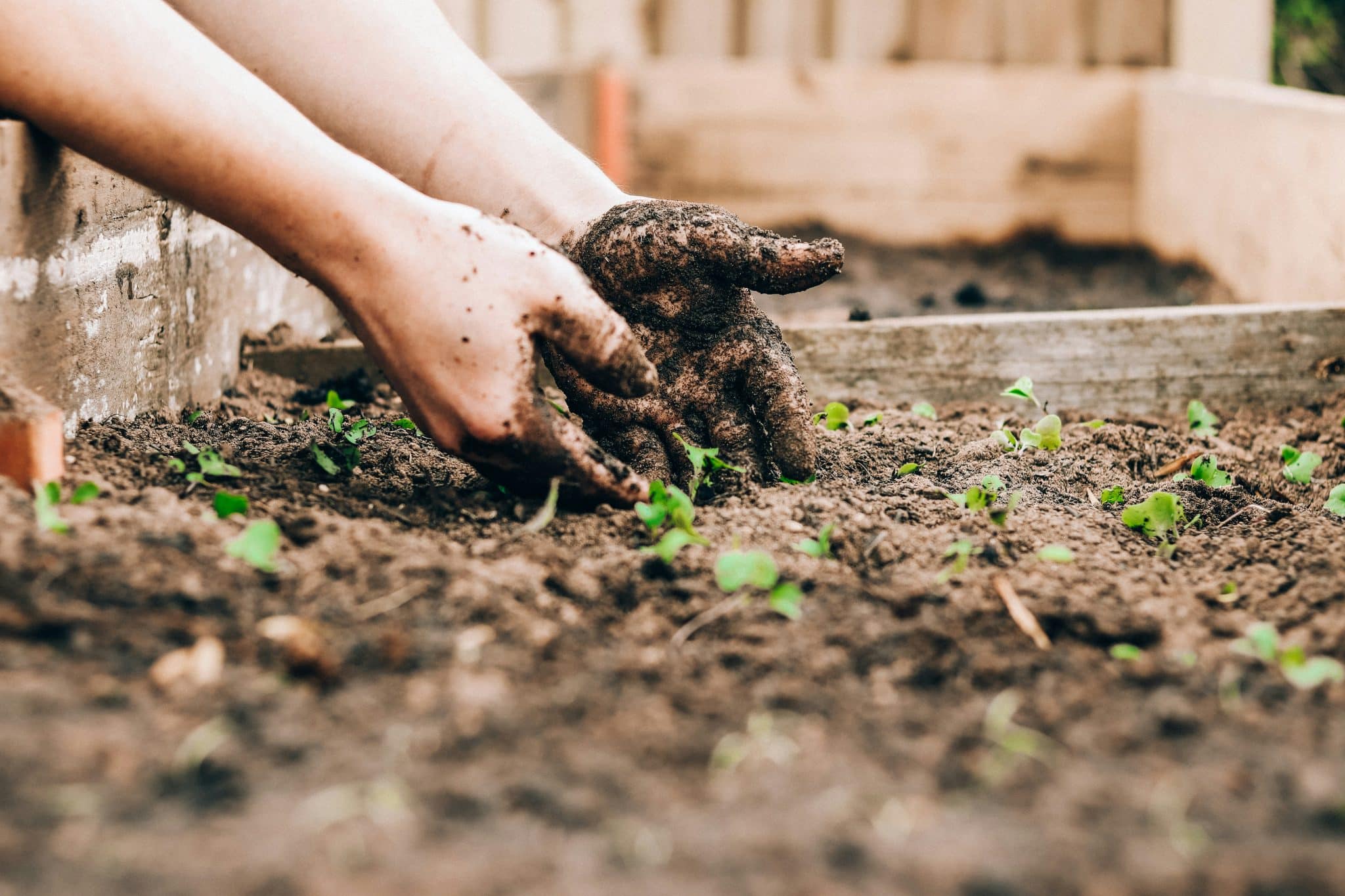
A lot of gardeners spend a lot of time fixing problems that they didn’t know they created at the beginning of their projects. Contrary to what most gardeners believe, it’s not bad luck that causes things like leggy stems, sparse growth, and plants that never fill out the way that it looks like in one’s mind. It’s actually a handful of bad decisions made in the first few weeks that cause these problems and prevent healthy plant growth.
To get fuller and healthier plants, it’s less about buying better products and more about understanding what a plant actually needs at every stage.
Poor Soil Is Where Most Gardens Fall Apart
You can water correctly, feed on schedule, and still end up with thin, struggling plants. Nine times out of ten, the soil is the reason.
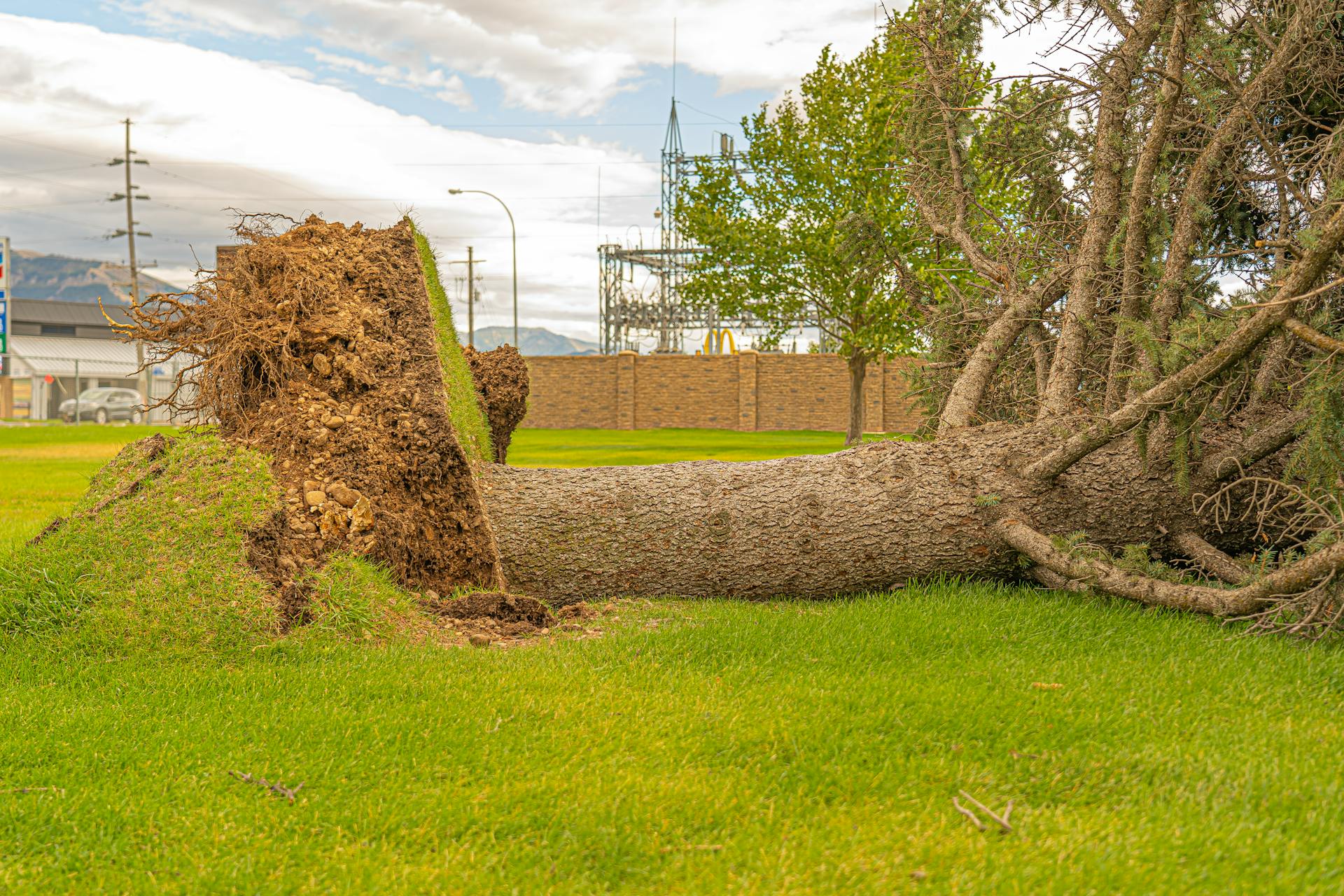
This is because compacted soil cuts off oxygen to the root zone. Because of this, roots stop growing outward. As a result, the plant can’t pull enough nutrients or water. This becomes evident in the way that the plant looks.
Aside from structure, soil pH also matters. A lot of vegetables and flowering plants thrive between 6.0 and 7.0. Falling out of this range means that the plant can’t absorb the nutrients it needs from the soil. A basic soil test, available at most garden centers for a few dollars, removes the guesswork. If you see yellowing on new growth despite regular feeding, pH is the first thing to check, not the fertilizer.
Spacing Decisions You Can’t Undo
Plants don’t know they’re supposed to stay small. They push outward for light, and when they crowd each other, airflow drops and disease pressure rises. Powdery mildew spreads fastest through plants touching each other, and no amount of treatment fully compensates for poor spacing.
The guide on a seed packet reflects the plant’s mature size, not its size at transplant. A tomato that looks isolated at 18 inches is completely canopied at 36 inches six weeks later. Give plants the room they’ll need at maturity, and resist the instinct to fill every gap.
Container gardening compounds this. A pot that looks full with three herbs in spring becomes a rootbound mess by midsummer. One strong plant per mid-sized container usually outproduces three crammed ones.
How Watering Habits Shape Plant Structure
Shallow, frequent watering trains roots to stay near the surface. Those roots suffer first in a dry spell, and plants grown on them stay slightly fragile throughout the season; deep, infrequent watering that reaches the bottom third of the root zone pulls roots downward and builds far sturdier plants.
How you water matters as much as how often. Overhead watering on foliage in the evening creates exactly the damp conditions that fungal diseases prefer. Watering directly at the base, ideally in the morning, cuts that risk considerably.
A simple check: push a finger or wooden skewer six inches into the soil after watering. Dry at that depth means you’re not going deep enough. Wet every single time you water means you’re going too often.
Genetics Determine Growth Before You Plant Anything
Dense bud strains are a useful illustration of how deliberately breeders approach plant architecture, which includes plant density and plant structure: growers select those varieties specifically for compact, tightly structured growth rather than loose or sprawling habits, and the same logic runs through food crops and ornamentals alike. Variety selection is where a lot of gardeners leave potential on the table, because two plants grown side by side, given identical soil and water, can produce completely different results based purely on their genetics.
For vegetable gardens, determinate tomato varieties stay compact and set fruit in a concentrated window, which suits smaller spaces. Indeterminate types keep growing through the season and need consistent staking and pruning to stay manageable. Neither is better; they suit different setups. Understanding what a variety was bred to do tells you a lot about how to support it.
Feeding Timing Beats Feeding Volume
Over-fertilising is more common than under-fertilising, especially with nitrogen. Too much nitrogen produces lush green growth that looks healthy but isn’t: soft, fast-growing tissue that attracts aphids and struggles under any real stress.
Feed to match the plant’s growth stage. Nitrogen-heavy fertilisers drive leafy growth early in the season; phosphorus supports root development and flowering; potassium improves cell strength and resistance to disease. A balanced NPK fertilizer works well as a starting point, but adjusting ratios as the season progresses produces noticeably better results than applying the same product all year.
Slow-release granular fertilizers are more forgiving than liquid feeds for most garden beds. They release nutrients gradually, reducing the risk of salt buildup and keeping nutrition consistent without requiring weekly attention.
For plants to grow fully and stay healthy, better-timed effort needs to be guaranteed. Make sure that you get the soil right before you plant and that you pick varieties that match your space and conditions. Plus, you need to follow the plant’s biology instead of the calendar. A garden usually rewards this kind of approach very quickly which is obvious through the overall garden yield.