Your fabric couch quietly collects the evidence of everyday life, from movie nights to lazy Sunday mornings.
And while deep cleaning might sound like a whole ordeal, freshening it up is honestly so much simpler than most people think.
A few pantry staples, the right technique, and a little patience go a long way.
Stick around for easy at-home cleaning methods, stain removal tips that actually deliver, and real advice worth bookmarking.
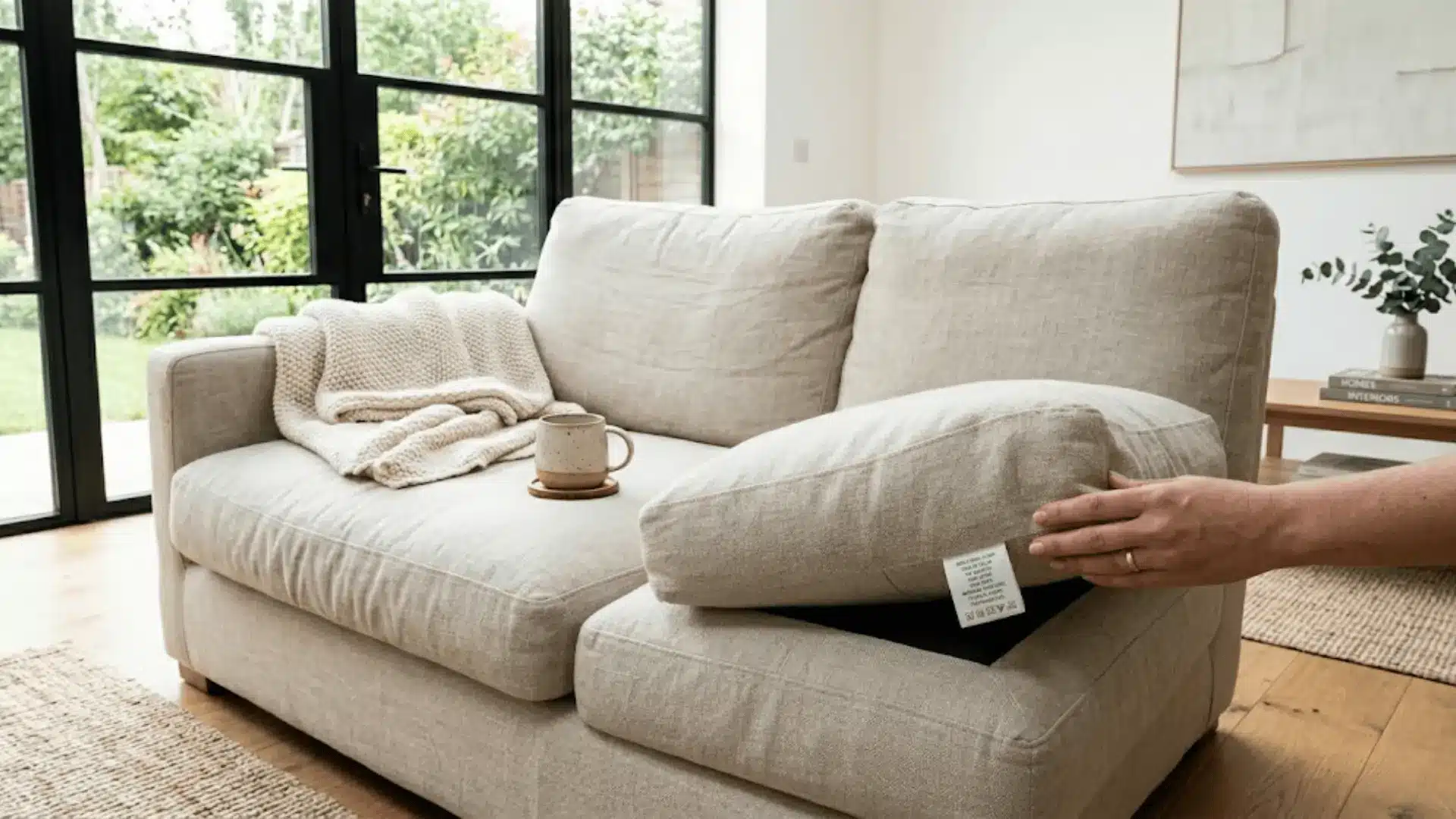
Before starting, flip your couch cushions and look for a small tag, usually tucked underneath.
Before You Start: Check Your Couch Cleaning Code
That tiny label carries a cleaning code that tells you exactly what your fabric can handle, and skipping this step can lead to discoloration, shrinkage, or permanent damage.
| Code | Meaning | What to Use |
|---|---|---|
| W | Water-safe | Water-based cleaners only |
| S | Solvent-safe | Dry solvent cleaners only |
| WS | Flexible | Either water or solvent-based cleaners |
| X | Delicate | Vacuum only, no liquids |
Always clean according to your code; what works for one couch can ruin another.
Essential Tools and Supplies
Gathering everything beforehand makes the whole process smoother and faster. Here is what you will need:
Cleaning Tools
- Vacuum with an upholstery attachment
- Soft-bristled brush or microfiber cloth
Cleaning Solutions
- Mild dish soap mixed with warm water
- White vinegar diluted in water
- Baking soda for neutralizing odors
Step-by-Step: How to Clean Your Fabric Couch?
Cleaning your fabric couch at home is simpler than it looks, and the results are genuinely worth it. Follow these five steps for a fresh, noticeably cleaner couch.
Step 1: Protect Your Space and Prep the Area
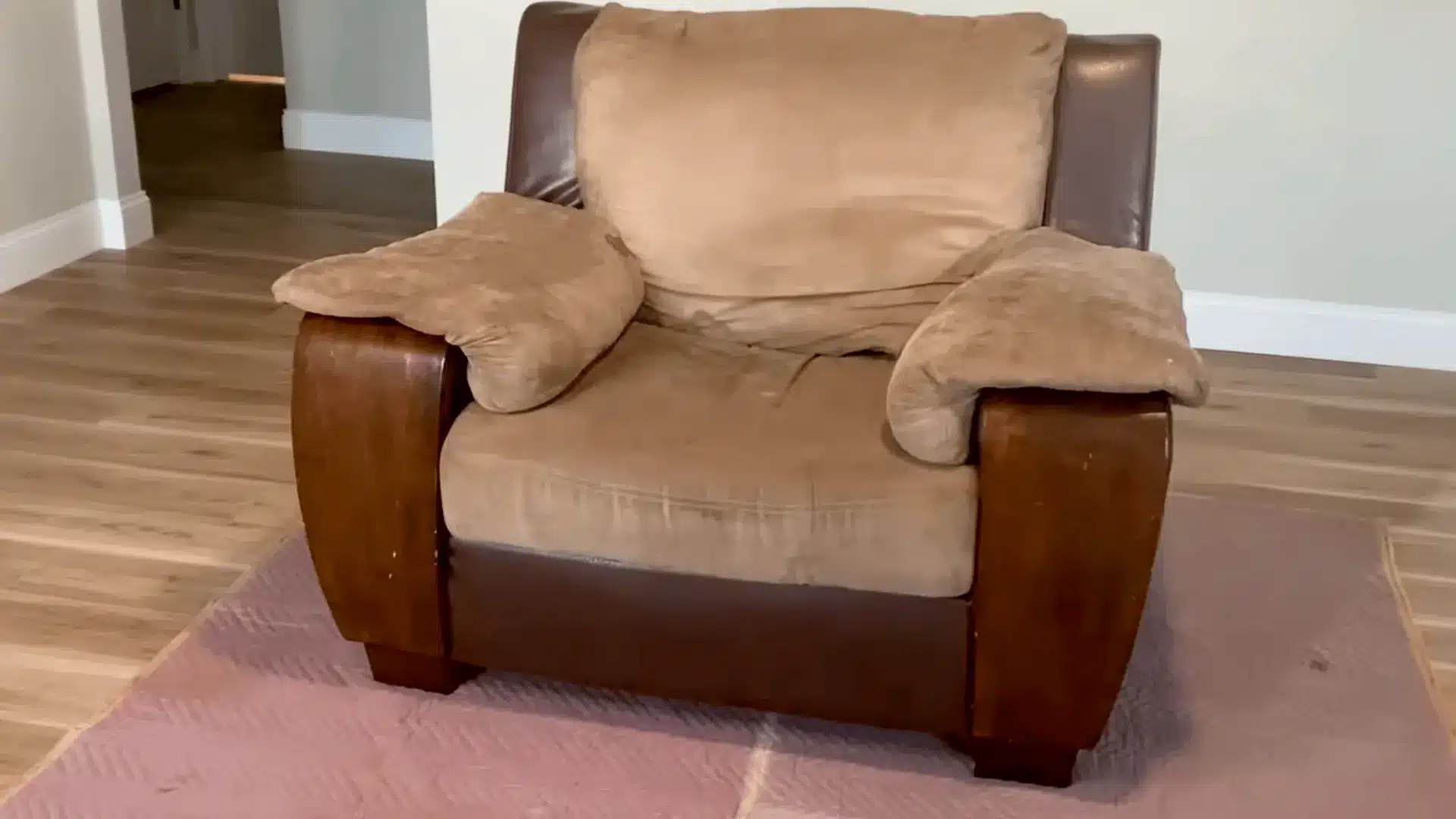
Lay a cloth or old towel on the floor around your couch before anything else. This protects your floors from drips, product runoff, or dirty water that tends to splash during scrubbing.
It is a small step that saves you from creating a second mess while fixing the first one, and it makes the whole process feel a lot more organized.
Step 2: Vacuum Thoroughly First
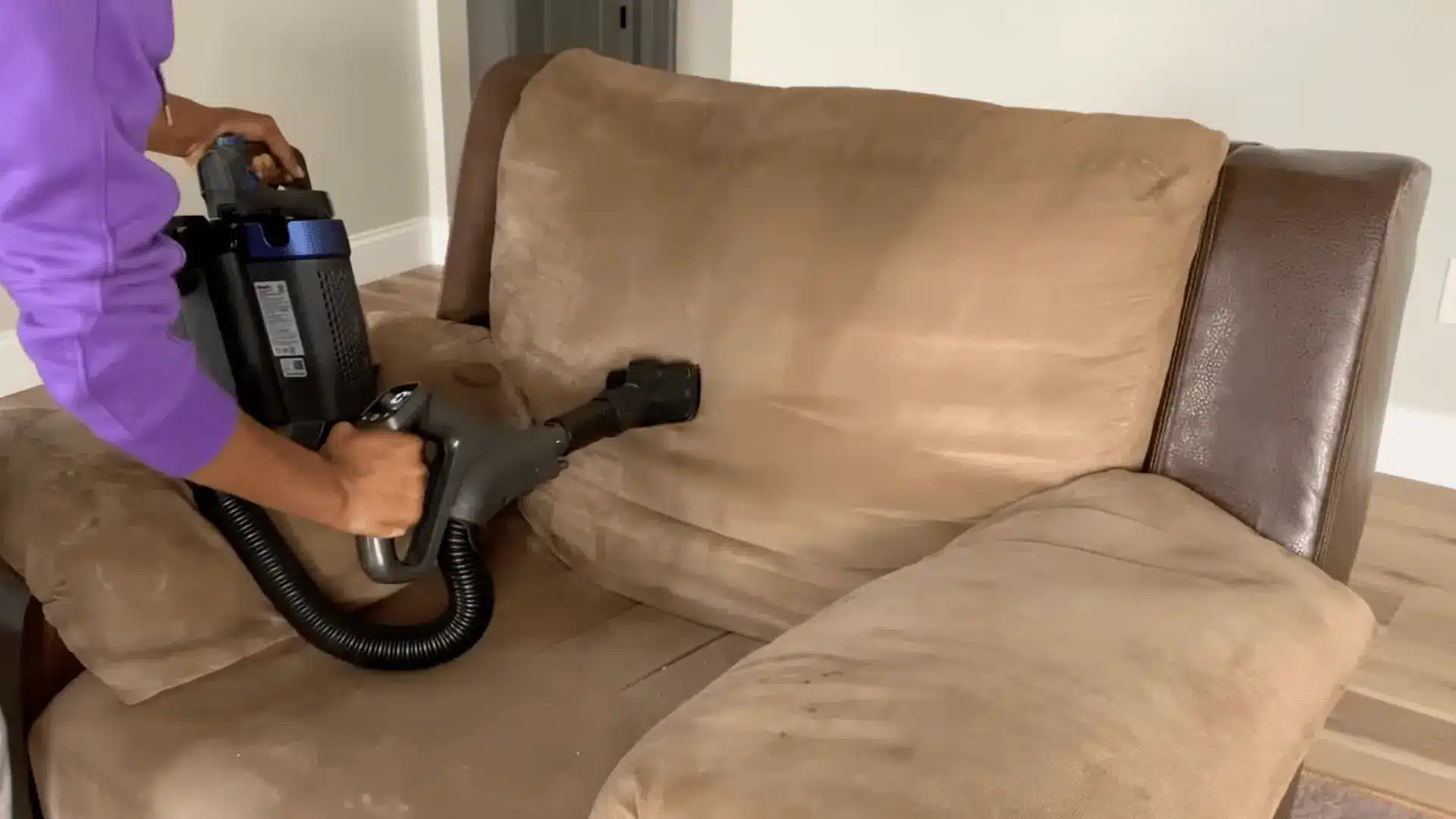
Before any product touches the fabric, go over the entire couch with a vacuum and upholstery attachment. Get into the crevices, along the armrests, and underneath the cushions where crumbs and pet hair tend to hide.
Skipping this turns surface debris into a muddy layer once liquid hits it, which makes cleaning significantly harder than it needs to be.
Step 3: Apply Your Cleaning Solution in Sections
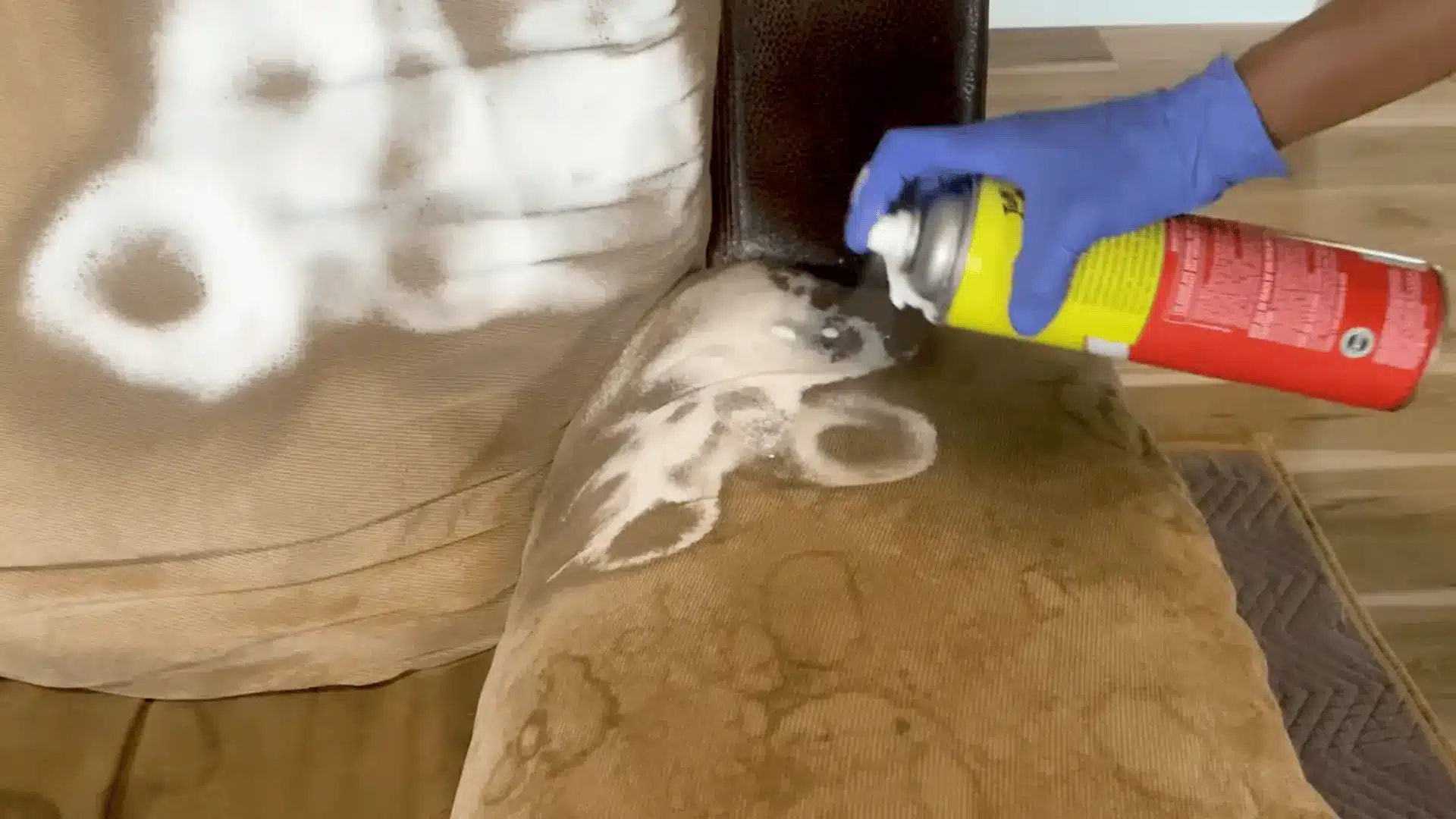
Spray your chosen cleaner onto the couch methodically, starting from the top and working your way down. Cleaning in sections ensures the product does not dry out in one area while you are still working on another.
Let it dwell for at least a minute before scrubbing, giving it enough time to break down the dirt and grime sitting deep in the fibers.
Step 4: Scrub and Extract the Dirt
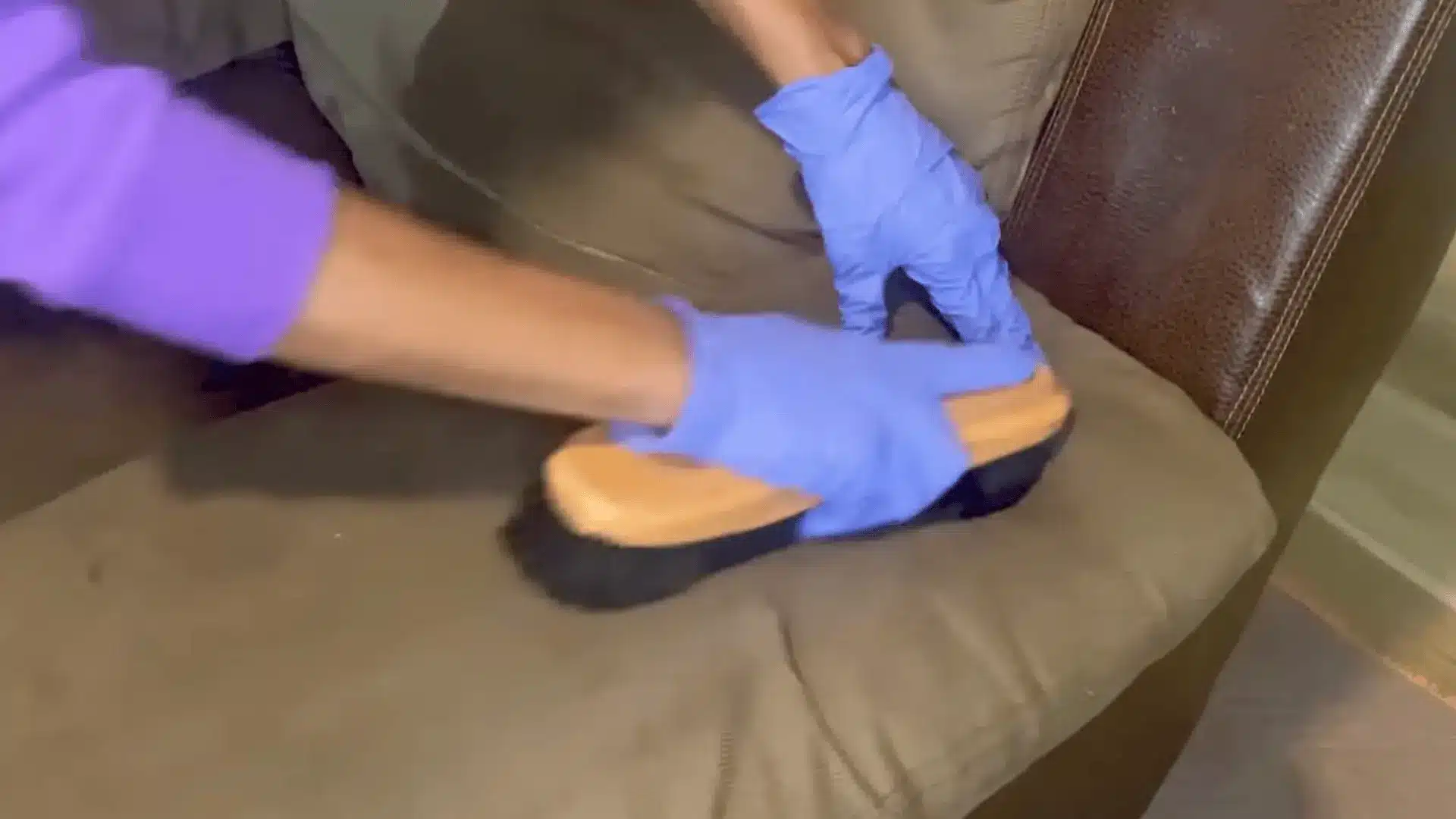
Take a soft-bristled brush and work it into the fabric using gentle circular motions, loosening the dirt from the fibers without being too rough on the material.
Follow up with a microfiber cloth or an upholstery cleaning machine to extract everything that has lifted to the surface. The water left behind will likely look shockingly dirty, which is honestly a sign that the process is working.
Step 5: Dry Completely
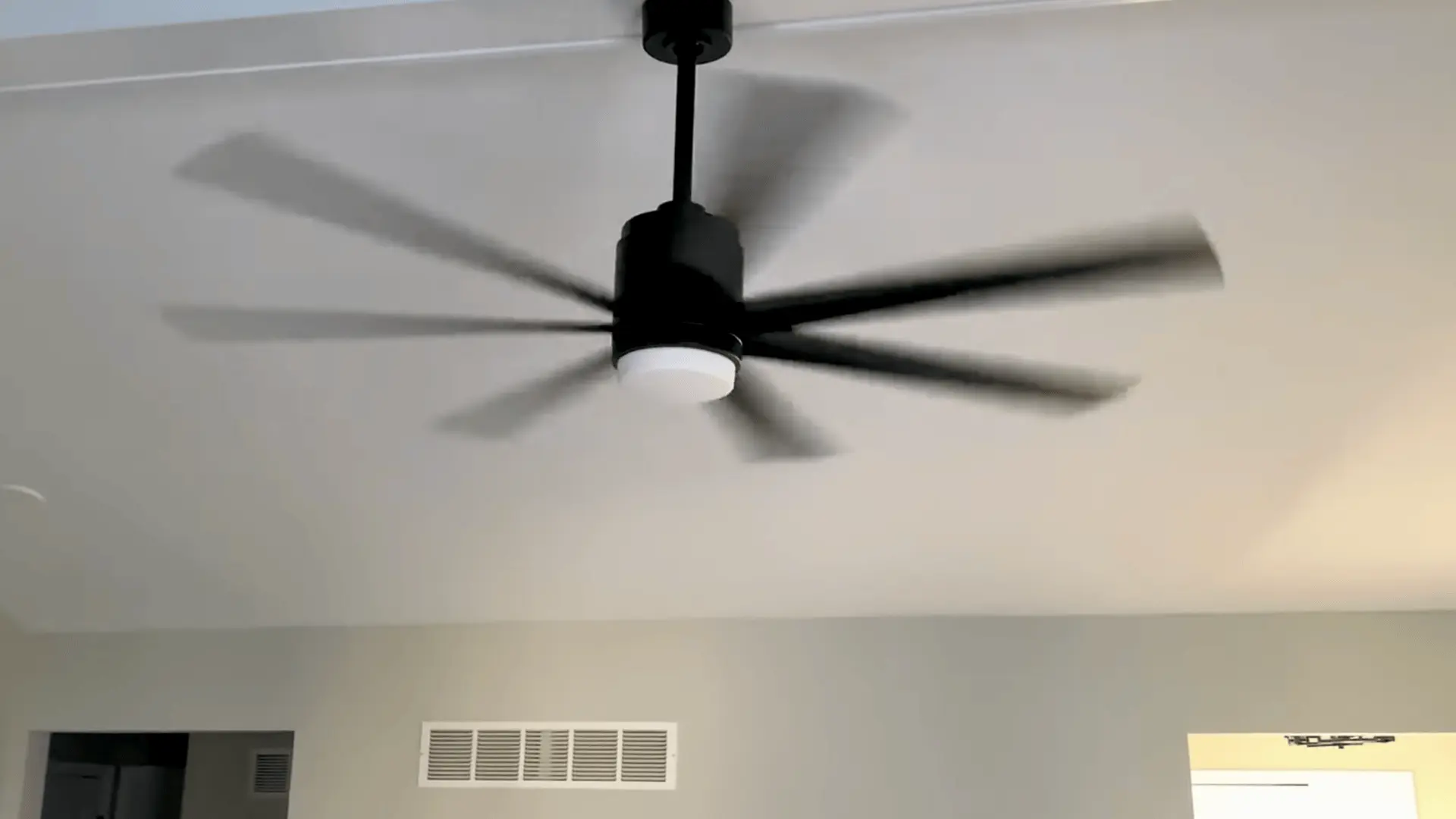
Once you are done cleaning, airflow becomes your best friend. Turn on a ceiling fan, crack open a few windows, or set up a portable fan pointed toward the couch.
Proper drying prevents moisture from settling into the fabric, which can lead to musty smells or mildew buildup, especially in thicker, more absorbent upholstery materials.
For a more detailed walkthrough of the process, check out the complete video tutorial below by The Clean Loft.
How to Remove Common Couch Stains?
Stains are inevitable, but they do not have to be permanent. The right approach for each stain type makes all the difference between a clean couch and a ruined one.
1. Food and Drink Stains
Whether it is a coffee splash or a sauce drip, acting quickly is everything with food and drink stains.
- Step 1: Blot the stain immediately with a clean cloth; never rub.
- Step 2: Mix a few drops of mild dish soap with warm water.
- Step 3: Dab the solution onto the stain using a microfiber cloth.
- Step 4: Blot dry with a fresh cloth and let it air out.
2. Grease and Oil Stains
Grease stains need absorption first before any liquid cleaner goes near them.
- Step 1: Sprinkle baking soda generously over the stain and let it sit for 15 minutes.
- Step 2: Vacuum off the baking soda once it has absorbed the grease.
- Step 3: Apply a small amount of dish soap solution to the area.
- Step 4: Blot clean and allow to dry fully.
3. Pet Stains and Odors
Pet stains linger beneath the surface, so neutralizing the odor is just as important as cleaning the spot.
- Step 1: Blot up as much of the stain as possible right away.
- Step 2: Mix equal parts white vinegar and water and apply to the area.
- Step 3: Let it sit for a few minutes to neutralize the odor.
- Step 4: Blot dry and sprinkle baking soda to absorb any remaining smell.
4. Ink or Dye Stains
Ink stains need a light hand since oversaturating the fabric can spread the stain further.
- Step 1: Dab a small amount of rubbing alcohol onto a clean cloth.
- Step 2: Gently blot the stain from the outside edges inward.
- Step 3: Avoid rubbing, as it pushes the ink deeper into the fabric.
- Step 4: Blot with a damp cloth to remove any alcohol residue and let it dry.
Deep Cleaning a Fabric Couch
Regular upkeep is great, but every few months your couch deserves a proper, thorough clean that goes beyond the surface. Here is how to do it right.
- Step 1: Vacuum the entire couch first, including cushions, crevices, and the base.
- Step 2: Mix a small amount of mild dish soap with warm water to create a lightly foamy solution.
- Step 3: Dip a soft-bristled brush into the solution and scrub the fabric in gentle circular motions.
- Step 4: Use a steam cleaner over heavily soiled areas for deeper dirt and bacteria removal.
- Step 5: Finish with a dry microfiber cloth to absorb excess moisture, then allow the couch to air dry completely.
Deep cleaning a few times a year keeps fabric fresh, extends the life of your couch, and honestly makes your whole living space feel better.
How to Keep Your Couch Clean Longer?
A little consistency goes a long way when it comes to keeping your couch looking its best.
Vacuum weekly to prevent dust and debris from settling into the fabric. Toss a throw or cover over high-use areas like armrests and seat cushions to shield them from daily wear.
Rotate your cushions regularly so they age evenly and hold their shape longer.
Treating small spills immediately rather than letting them sit also makes a noticeable difference over time, keeping deep cleans further apart.
Real User Tips That Make a Difference
Sometimes, the most practical advice comes straight from people who have already dealt with the same dingy couch situation.
Here is what real users swear by:
- Vacuum before anything else. Multiple users across cleaning communities agree that thorough vacuuming before applying any product makes the actual cleaning significantly more effective and less messy.
- Leave the baking soda overnight. A widely shared tip recommends generously coating the couch in baking soda before bed and vacuuming it off in the morning for noticeably fresher fabric.
- Use as little water as possible. Over-wetting is one of the most common mistakes; keeping moisture controlled prevents slow drying, watermarks, and potential mildew.
For more firsthand experiences and community-tested advice, this Reddit thread on fabric couch cleaning is a solid resource worth browsing through.
Natural vs. Store-Bought Cleaners
Choosing the right cleaner comes down to what your fabric needs and what you are comfortable using at home.
Here is a quick side-by-side to help you decide.
| Factor | Natural Cleaners | Store-Bought Cleaners |
|---|---|---|
| Cost | Budget-friendly, uses pantry staples | Pricier but widely available |
| Ingredients | Dish soap, vinegar, and baking soda | Chemical-based formulas |
| Effectiveness | Great for everyday stains and odors | Stronger on tough, set-in stains |
| Safety | Gentle on most fabrics and households | Always check the label for fabric compatibility |
| Best For | Routine cleaning and maintenance | Deep cleaning and stubborn stains |
The Bottom Line
Keeping your fabric couch clean is less about perfection and more about consistency.
Small habits, the right products, and a little attention every now and then genuinely go a long way.
Tackling a fresh spill or giving your couch a proper seasonal refresh, knowing how to clean a fabric couch at home puts you in full control.
No professional help needed, just simple methods that work.
Tried any of these tips? Drop your experience in the comments below, would love to hear what worked best for you!