Watching your plants struggle after doing everything “right” is genuinely frustrating, and more often than not, the culprit is quietly sitting in the pot or bed beneath them.
Soil is the foundation of every thriving garden, and not all soil is created equal.
Garden soil and potting soil look similar, but they work very differently, and using one where the other belongs can make all the difference.
Stick around, because once you understand what sets them apart, your plants will finally start growing the way you always imagined they would.
What is Garden Soil?
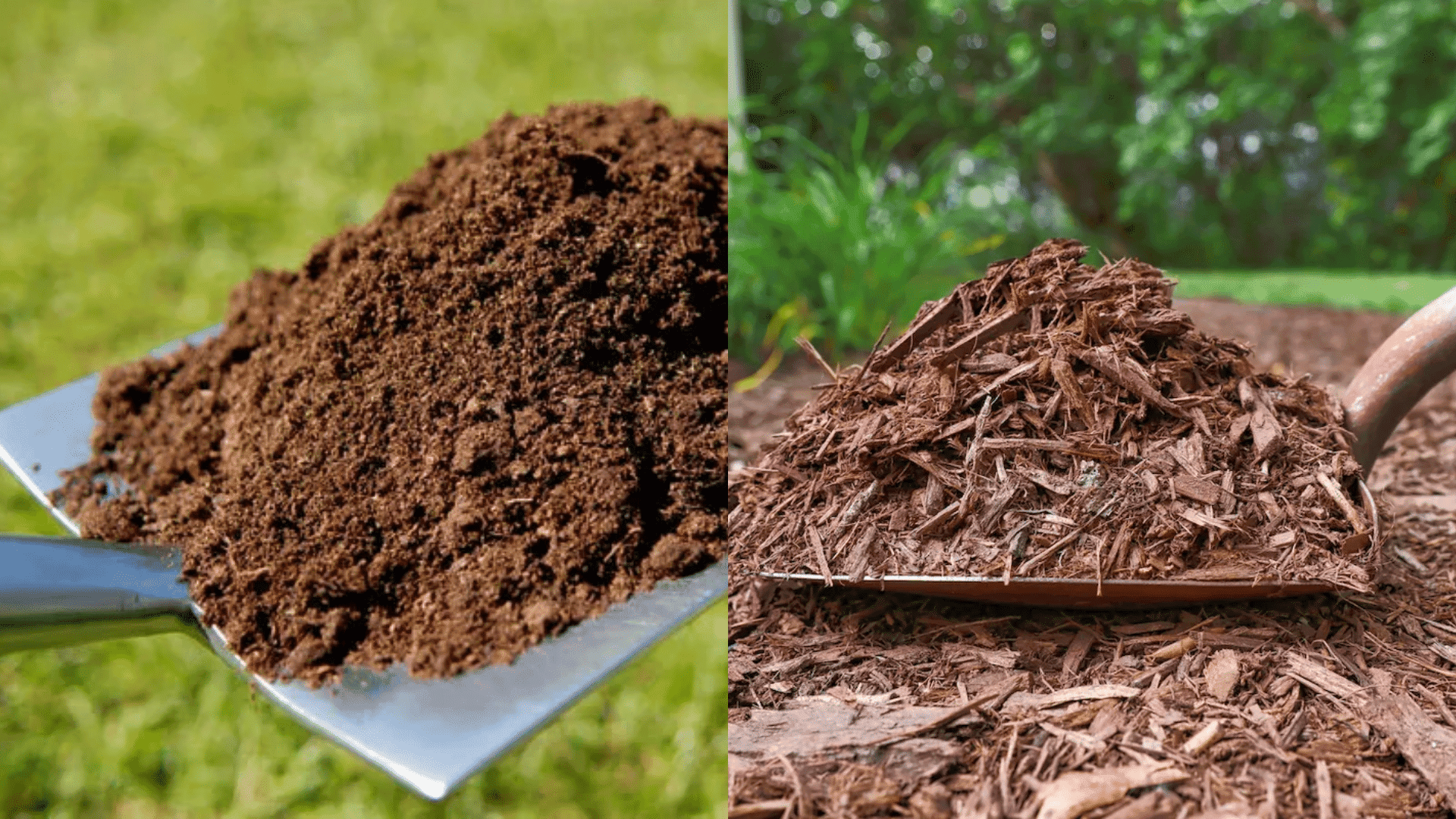
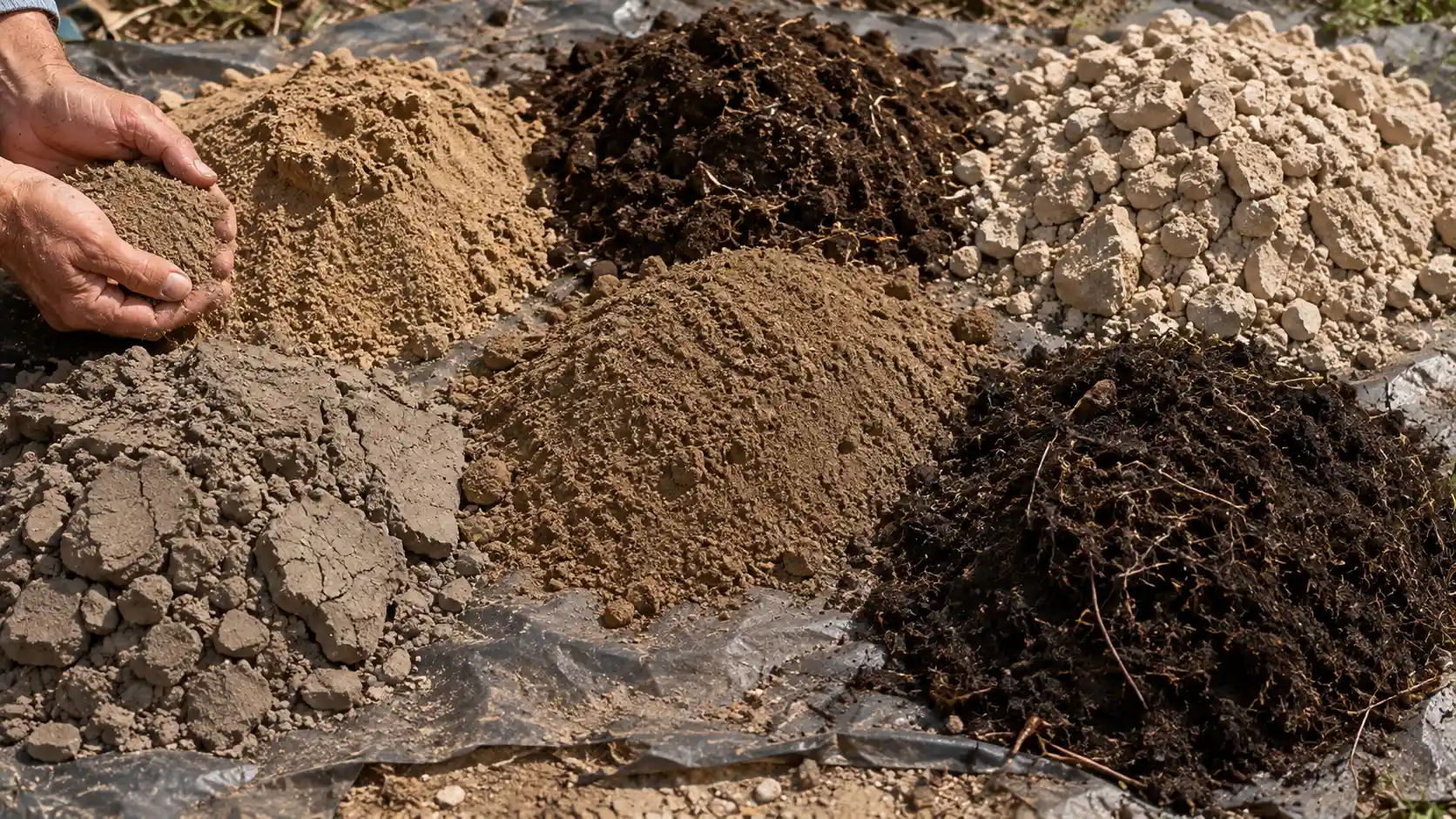
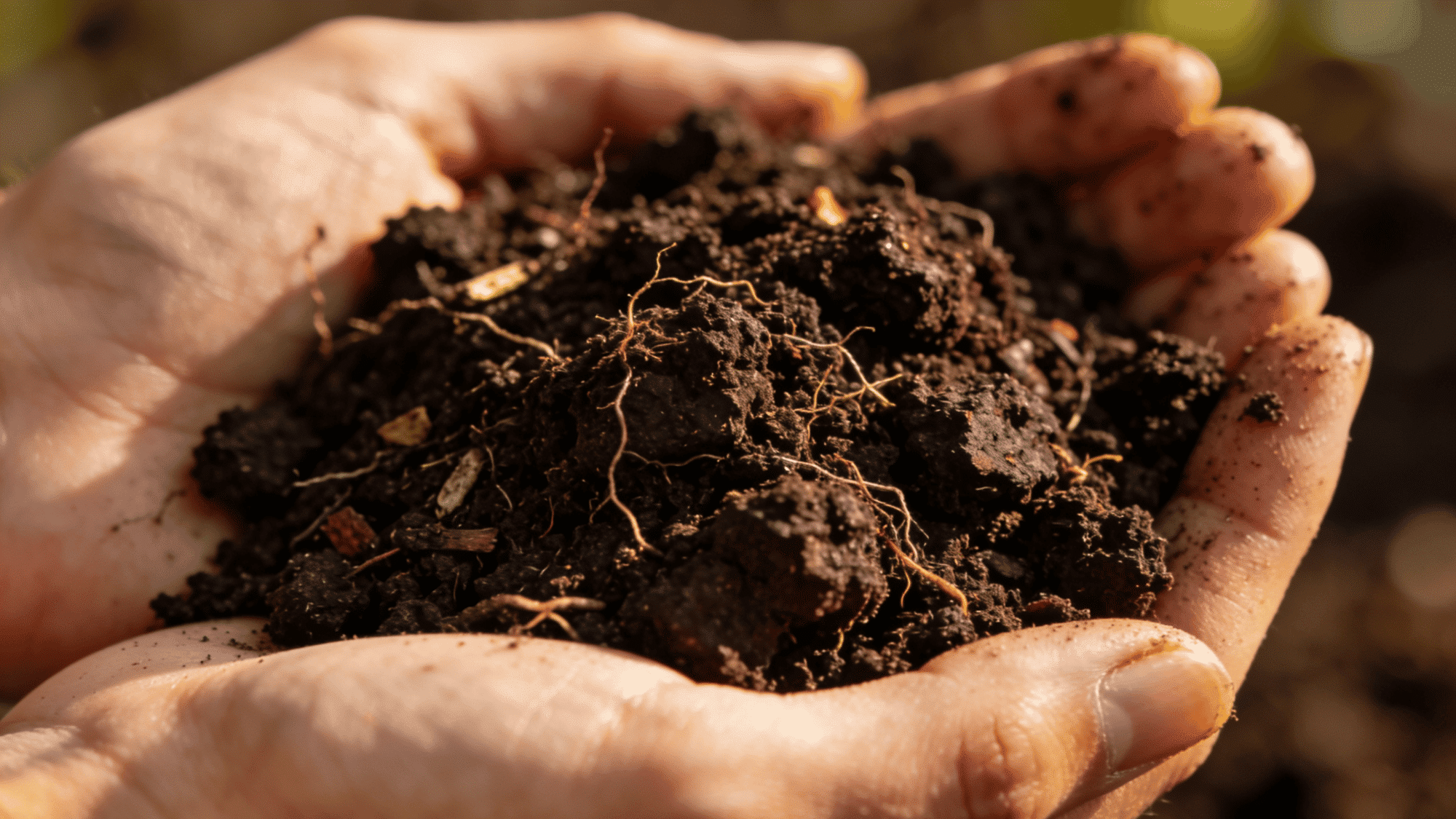
Garden soil is a blended mix made specifically for in-ground planting. It typically combines topsoil, compost, sand, and aged organic matter to create a base that works with your existing earth.
It adds structure to outdoor beds, improves the quality of native soil, and, because it covers large areas without breaking the bank, it’s a practical choice for raised beds and garden plots.
That said, it has real limitations.
Garden soil is too dense for containers, tends to compact over time in pots, and lower-quality bags can sometimes carry weed seeds or unwanted pests.
What is Potting Soil?
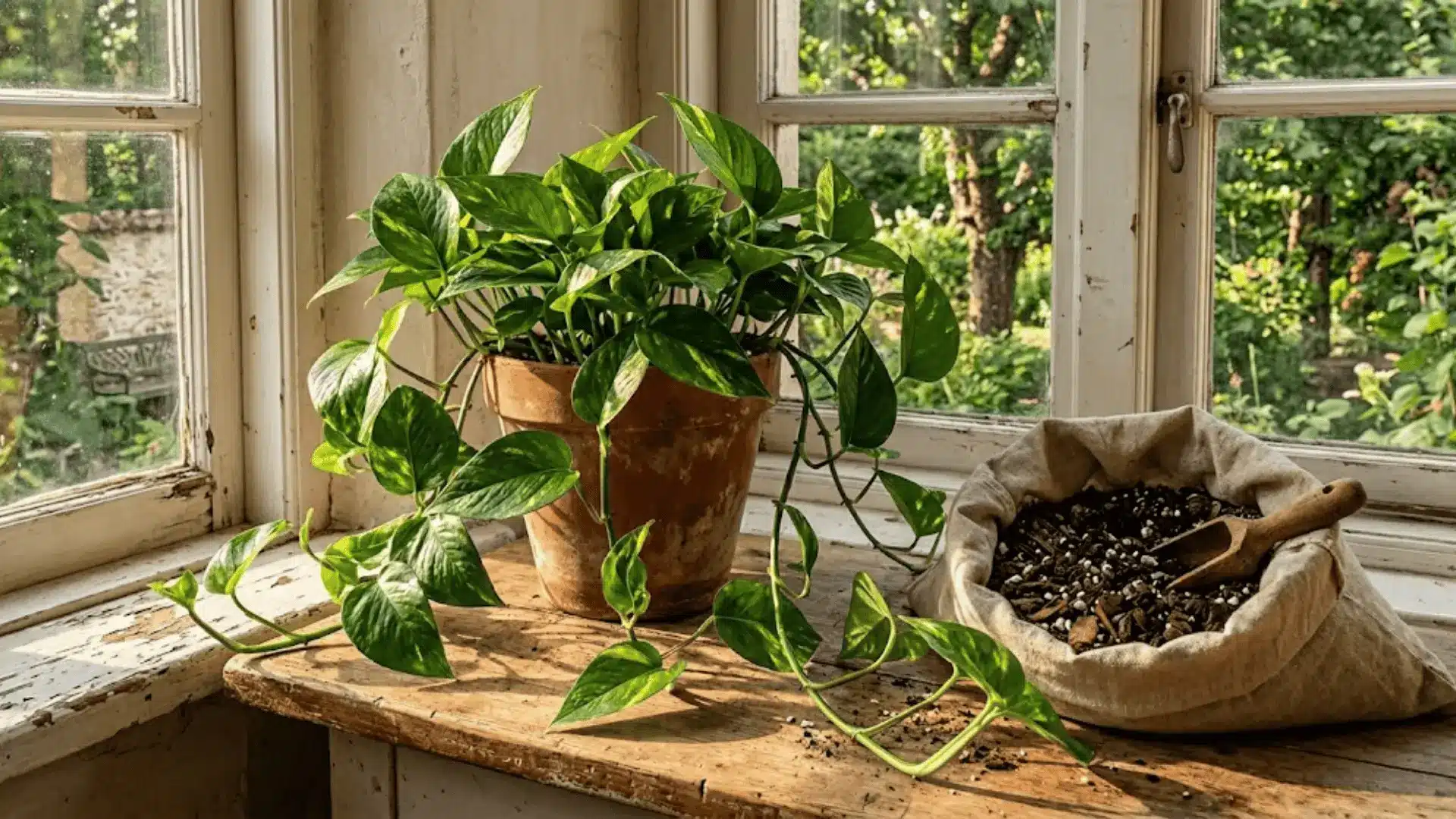
Potting soil is a lightweight, often soilless mix made specifically for container growing.
It’s usually built from a combination of peat moss or coco coir, perlite, vermiculite, and compost or slow-release fertilizer, all working together to keep roots happy in a confined space.
It drains well, stays airy, and gives roots the breathing room they need to actually thrive. It’s the go-to for indoor plants, hanging baskets, and potted arrangements.
The downsides are worth knowing, though.
It costs more than garden soil, dries out faster when used outdoors, and eventually needs refreshing as it breaks down over time.
Garden Soil vs. Potting Soil: Key Differences
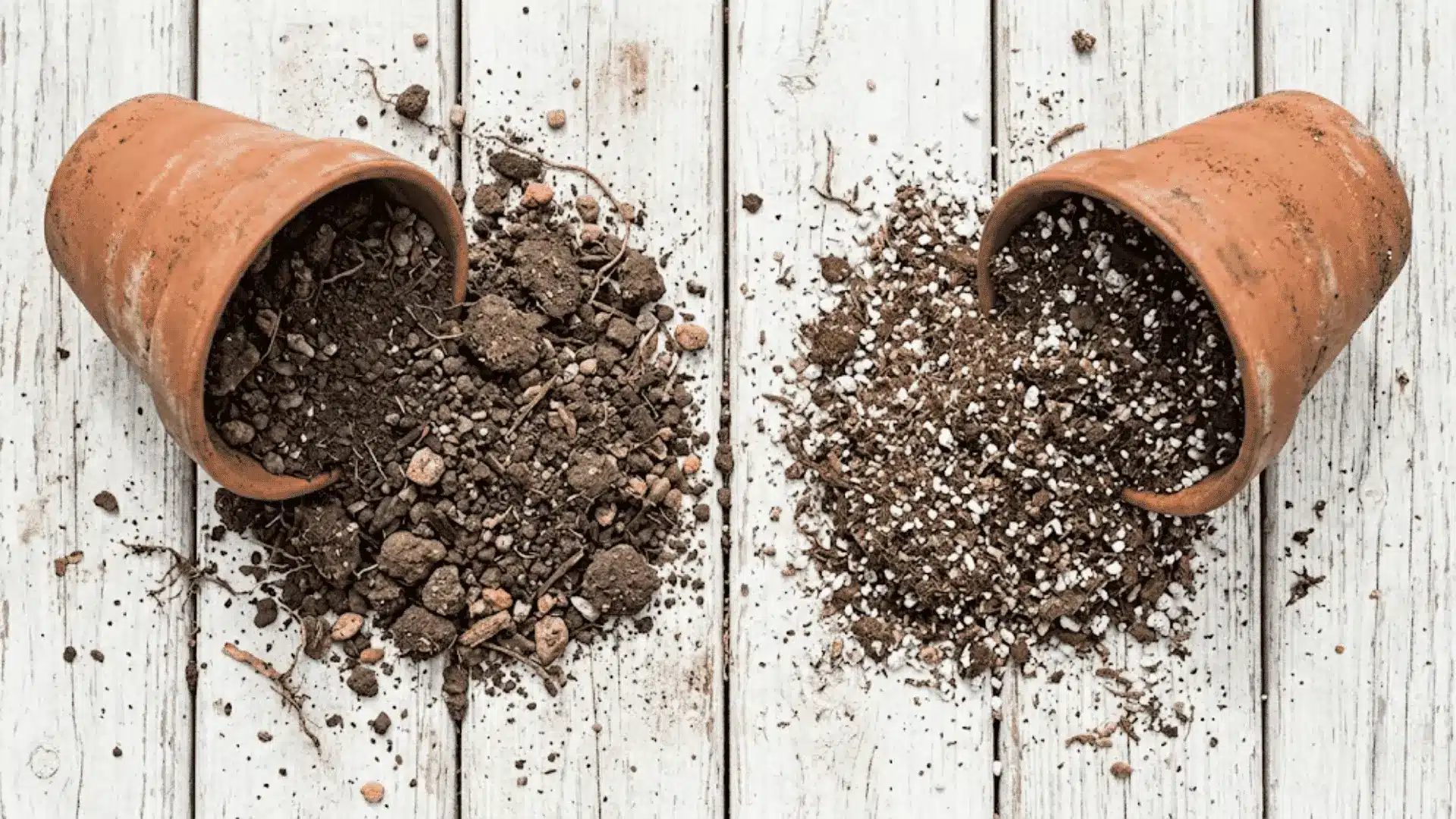
Choosing between the two comes down to more than just preference; it’s really about matching the right mix to the right environment.
Here’s how they stack up across the details that actually matter.
1. Drainage and Aeration
Potting soil is designed to drain quickly and hold air pockets between particles, which keeps roots from sitting in moisture they don’t need.
Garden soil, on the other hand, retains more water, which works beautifully in the ground where plants have room to spread, but becomes a problem in containers where excess moisture has nowhere to escape.
2. Weight and Density
Garden soil is noticeably heavier and more compact, which is fine when it’s supporting a garden bed but becomes an issue in pots or planters.
Potting soil is deliberately lightweight, making it easier to handle, repot, and move around without putting unnecessary stress on containers or your back.
3. Nutrients
Garden soil is well-suited for long-term outdoor beds where organic matter keeps breaking down naturally over time.
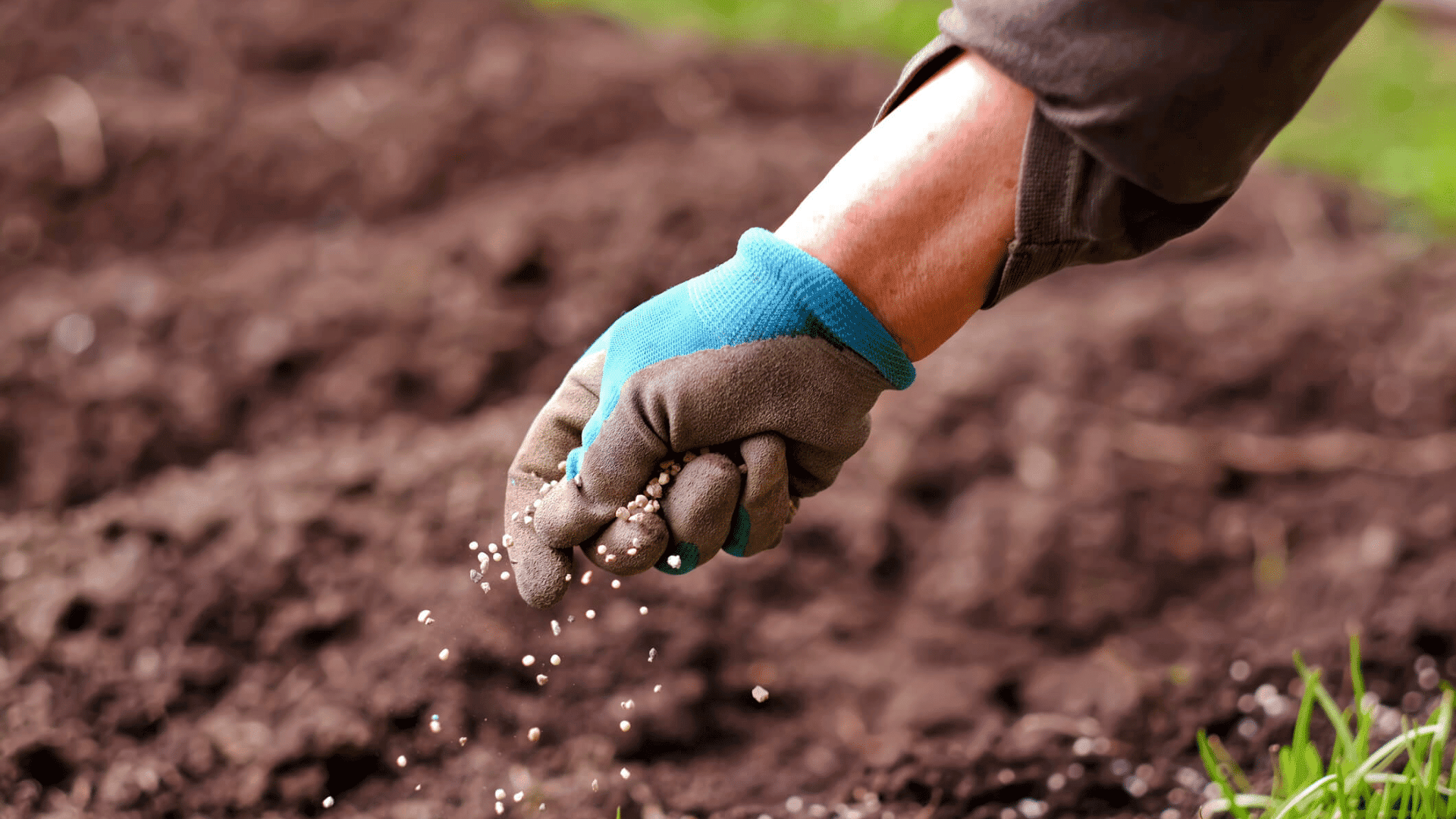
Potting mixes, while convenient, are more of a controlled environment and often need added fertilizer as the nutrients deplete, especially for plants that are actively growing or blooming through the season.
4. Sterility and Cleanliness
Potting mixes are typically commercially processed to reduce pest and pathogen risk, making them a safer choice for indoor plants and seedlings.
Garden soil carries more unknowns, including insects, weed seeds, and occasional pathogens, which is why quality really matters when selecting a bag for any planting project.
5. Cost
Garden soil is the more budget-friendly option for large-scale projects like filling raised beds or amending a plot.
Potting soil costs more per bag, but when you’re working with containers, that investment pays off in better drainage, healthier roots, and plants that actually perform the way you want them to.
When to Use Garden Soil?
Garden soil truly shines when it has space to do what it was made for. Knowing exactly where it belongs and where it doesn’t will save you a lot of guesswork down the line.
Best Situations
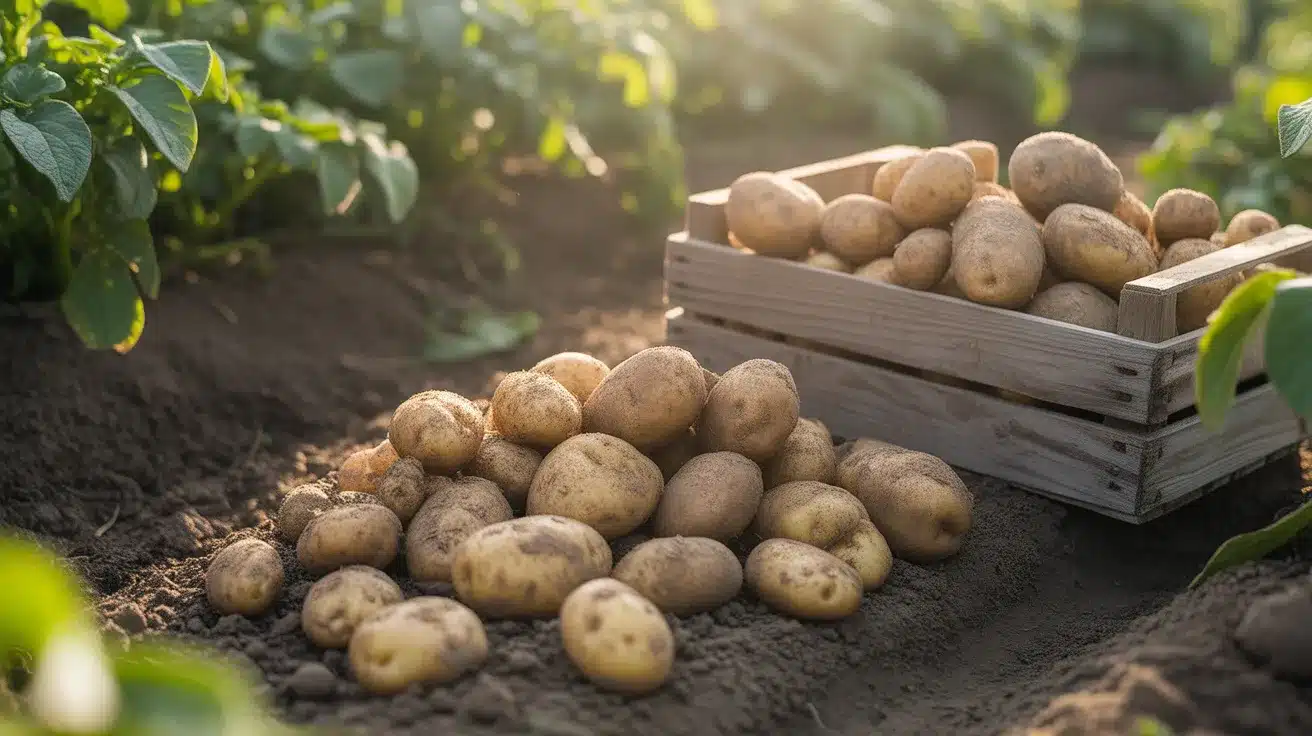
Garden soil works best when it has room to breathe and integrate with the surrounding earth.
Here’s where it genuinely earns its place:
| Situation | Benefit | Best For |
|---|---|---|
| In-Ground Vegetable Gardens | Deep root support | Tomatoes, root vegetables |
| Flower Beds | Adds structure | Perennials, seasonal blooms |
| Landscaping Projects | Budget-friendly coverage | Large outdoor areas |
| Mixing into Native Soil | Enriches existing ground | Poor or sandy soil |
When to Skip it?
Garden soil can do more harm than good in the wrong setting. Avoid it in these situations:
- Houseplants and indoor containers, where its density suffocates roots and invites pests indoors.
- Outdoor pots and planters, where it compacts quickly and blocks the drainage that plants depend on.
- Seed starting trays, where seedlings need a light, sterile environment to germinate without competition from pathogens or weeds.
When to Use Potting Soil?
Potting soil is where container gardening really comes to life. Getting familiar with where it performs best and where it falls short helps you use it wisely without overspending.
Best Situations
Potting soil is built for environments where drainage, aeration, and root health are the priority.
Here’s where it does its best work:
| Situation | Benefit | Best For |
|---|---|---|
| Indoor Plants | Clean, pest-resistant environment | Tropicals, succulents, herbs |
| Patio Pots and Containers | Drains well, easy to manage | Seasonal flowers, vegetables |
| Hanging Baskets | Stays light, low stress on structure | Trailing plants, florals |
| Raised Planters | Promotes aeration and root health | Mixed plantings, edibles |
| Seed Starting | Sterile and fine-textured | Delicate seedlings |
When to Skip it?
Potting soil isn’t always the right call, and pushing it into the wrong situation is mostly a cost and performance issue:
- Large in-ground beds, where the volume needed makes it far too expensive, and garden soil does the job just as well.
- Areas needing structural improvement, where native soil needs bulk and body that potting mix simply isn’t designed to provide.
Is Potting Mix the Same as Potting Soil?
These two terms get used interchangeably so often that the confusion is completely understandable.
Potting mix is technically a soilless medium, combining materials like perlite, coco coir, and vermiculite for optimized container drainage and aeration.
Potting soil, while it sounds more substantial, is often just a marketing label for a very similar product and may or may not contain actual soil. The real answer lives on the ingredient label.
Check what’s inside and what it’s formulated for, rather than going by the name alone, because two bags with different labels can sometimes perform almost identically.
Can You Use Garden Soil in Pots?
Technically, yes, but it’s not something most gardeners would recommend. Garden soil in containers causes more problems than it solves, and here’s why it tends to go wrong:
- Poor drainage traps excess moisture with nowhere to go.
- Root rot becomes a real risk when roots sit in standing water.
- Compaction limits the airflow that roots depend on to stay healthy.
- Hardening over time makes the soil almost concrete-like in a confined space.
If garden soil is all you have, mixing it with perlite or compost can help, but a proper potting mix is always the better starting point.
Can You Use Potting Soil in the Ground?
Yes, and it actually works well in the right context. Potting soil used directly in the ground is best treated as an amendment rather than a replacement for garden soil, and here’s where it genuinely helps:
- Enriching small planting holes gives new transplants a lighter, more welcoming start.
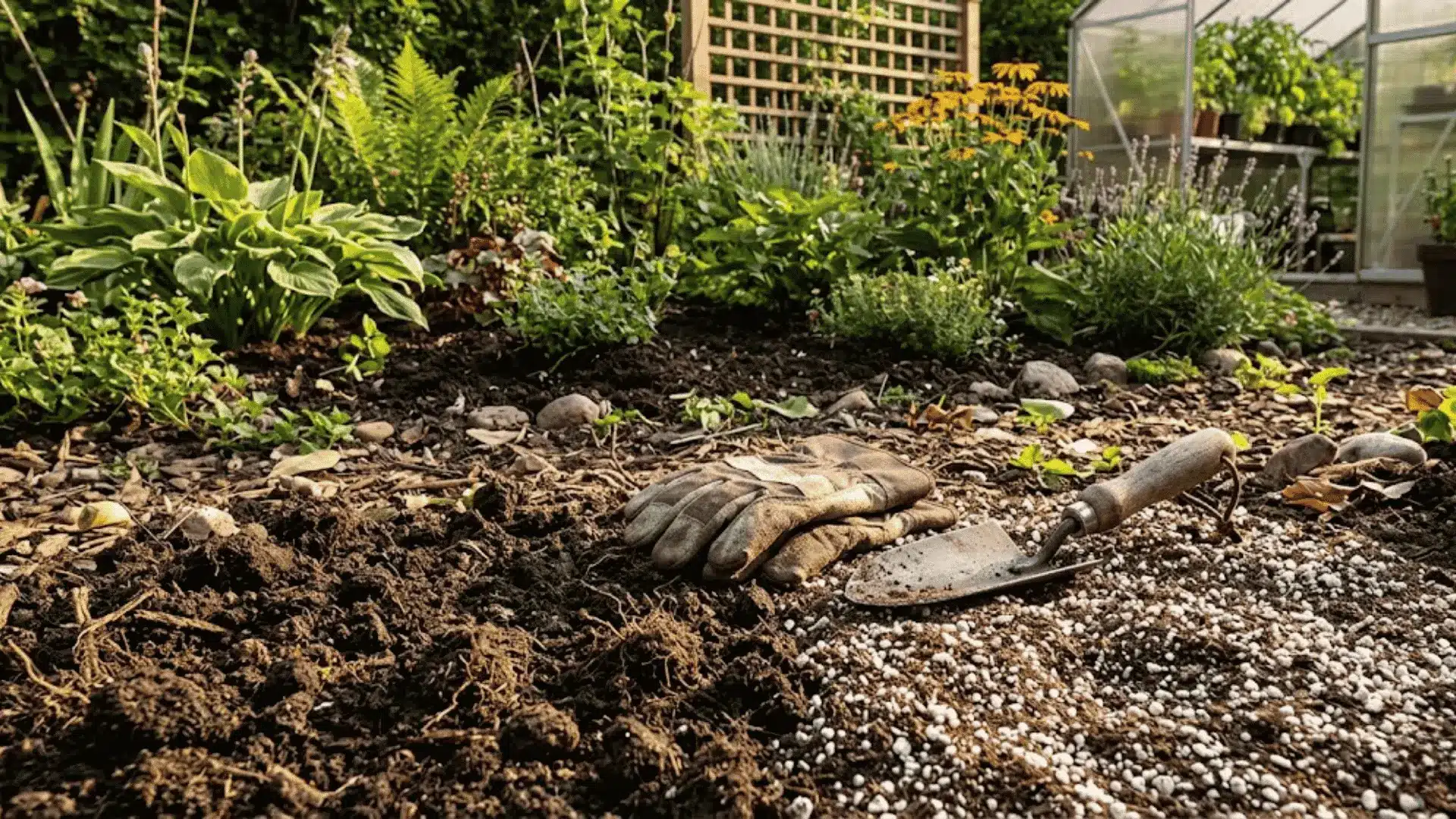
- Mixing into raised beds improves overall texture and drainage when blended with garden soil.
- Improving the top layer loosens dense or compacted ground soil over time.
That said, filling large in-ground beds with potting soil alone is unnecessary and costly. Use it strategically, and it adds real value where it counts.
How to Choose the Right Soil at the Store?
Walking down the aisle can feel overwhelming with so many bags making similar promises. These are the things worth actually paying attention to before you pick one up:
- Check whether it’s labeled for indoor, outdoor, or container use, as this tells you the most about its intended environment.
- Look for moisture control or fast-draining formulas, depending on how hands-on you want to be with watering.
- Organic certification matters if you’re growing edibles and want to keep things clean from the soil up.
- Identify the soil category, whether it’s potting mix, garden soil, raised bed blend, or seed starting mix, since each is built for a specific job.
- Scan the ingredient list rather than relying on front-label claims, because that’s where the real formulation shows up.
Once you know what to look for, the right bag becomes a lot easier to spot and a lot harder to get wrong.
The Bottom Line
At the end of the day, the garden soil vs potting soil decision really comes down to where your plants are living and what their roots actually need.
Give them the right foundation and everything else, the growth, the blooms, the harvest, tends to follow naturally.
Gardening gets so much more enjoyable once the guesswork is off the table.
If this helped clear things up, drop a comment below and let us know what you’re currently growing or which soil situation you’ve been dealing with. Would love to hear what’s happening in your garden right now.
Frequently Asked Questions (FAQs)
Can I Mix Garden Soil and Potting Soil?
Yes, and it works especially well for raised beds. Blending the two gives you the structure of garden soil with the drainage and aeration that potting mix adds.
Why is Potting Soil More Expensive?
It’s formulated with processed materials like perlite, coco coir, and vermiculite that are engineered specifically for container performance, and that processing reflects in the price.
How Often Should I Replace Potting Soil?
Generally, every one to two growing seasons. If water is pooling on the surface or growth has slowed noticeably, the soil is likely breaking down and ready to be refreshed.