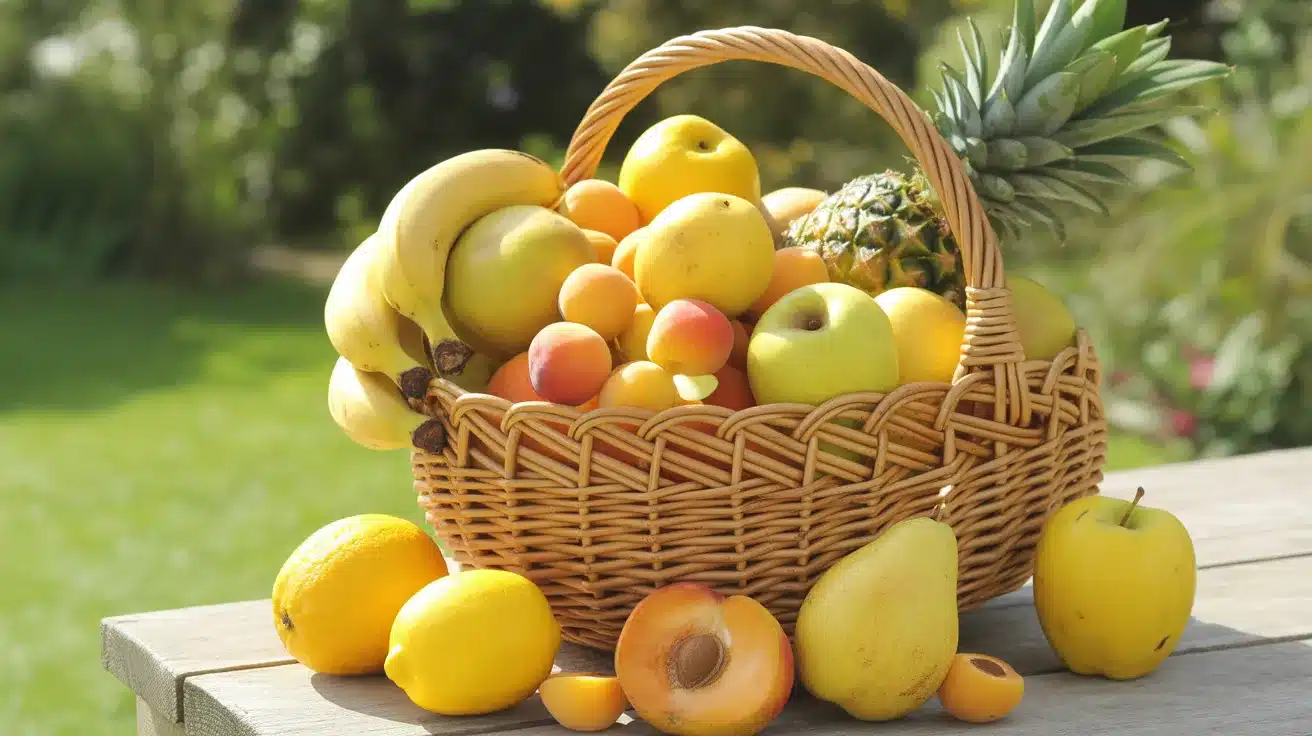
Still searching for fruits with vitamin D and getting different answers everywhere? I’ve been in that same spot too, and it gets confusing fast.
One source says bananas help, another claims oranges contain vitamin D, and suddenly nothing feels clear or reliable. I know the real issue: you want simple, natural food options that actually support your vitamin D needs, but most results don’t give a straight answer.
You’re probably also asking me, “do bananas have vitamin D?” and wondering if any everyday fruit can really help without supplements. I’ll break it down for you in a clear, no-confusion way.
I’ll show you whether any fruits contain vitamin D, why bananas are always mentioned, and what actually works for your body instead. By the end, you’ll clearly understand where vitamin D really comes from.
Is There Any Truth to Vitamin D in Fruits?
So when you’re searching for fruits with vitamin D, it’s important to understand that such fruits do not exist in nature. No fruits naturally contain vitamin D, and none provide it in any significant or measurable amount.
This confusion is common because many online “top vitamin D foods” lists mix natural foods with fortified products, making it seem like fruits are a source when they are not.
It also comes from fruit-based drinks like fortified orange juice being mistaken for naturally vitamin D-rich options.
In addition, nutrition labels that show “added vitamin D” can mislead readers into thinking the fruit itself contains the nutrient, when in reality it is only added during processing.
According to the NIH Office of Dietary Supplements, vitamin D is found naturally in very few foods, primarily fatty fish, fish liver oils, egg yolks, and beef liver. Fruits are not on that list, and no peer-reviewed food composition database assigns measurable vitamin D values to any common fruit.
Why Fruits Don’t Naturally Contain Vitamin D
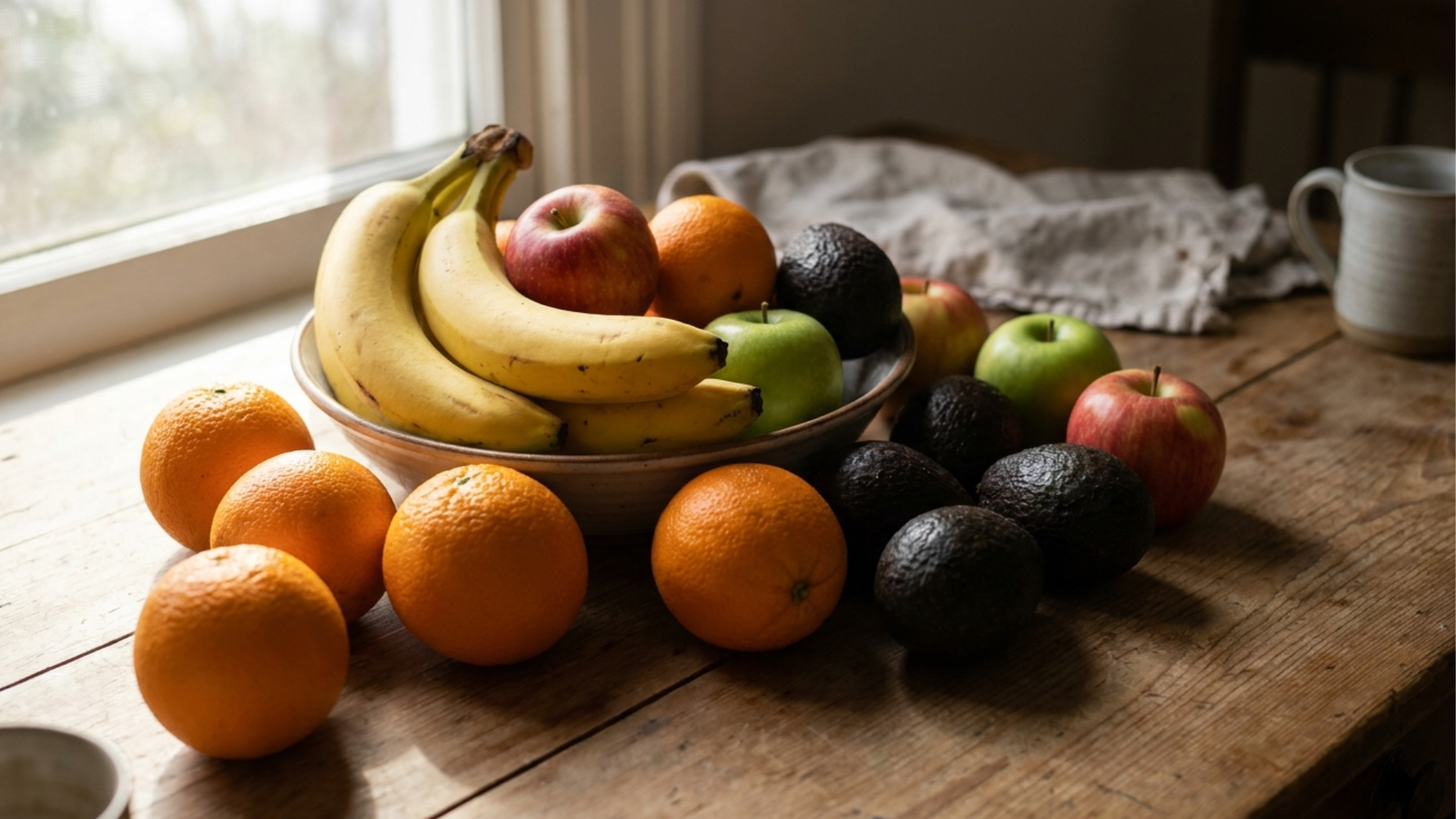
Fruits are healthy, but they are not natural sources of vitamin D. Bananas, oranges, apples, figs, papaya, and guava do not provide meaningful vitamin D because they do not produce or store this nutrient the way humans and animals can.
In people, vitamin D is made when UV light from the sun reacts with compounds in the skin. Some animal-based foods, such as fatty fish, eggs, and liver, contain vitamin D because animals can obtain or produce it through biological processes. Fruits do not follow that pathway, so they remain naturally vitamin D-free.
The confusion usually comes from two places. First, some fruit-based products, such as fortified orange juice, can contain vitamin D because it is added during processing. That does not mean the orange itself contains vitamin D.
Second, fruits like bananas, figs, and papaya are sometimes mentioned because they contain nutrients such as magnesium, potassium, or vitamin C, which support overall health. Those nutrients may work alongside vitamin D in the body, but they are not vitamin D.
So, if you are looking for fruits with vitamin D, the honest answer is that natural fruits are not the right source. For vitamin D, focus on sunlight, fatty fish, egg yolks, fortified milk, fortified plant milk, fortified orange juice, UV-exposed mushrooms, or supplements when recommended.
Fortified Fruit Products That Contain Vitamin D
Some fruit-based products can contain vitamin D, but only because it is added during processing. The fruit itself is not the source. For any fortified product, the label matters more than the product name. Look for “vitamin D added,” “fortified with vitamin D,” or a listed vitamin D amount in the Nutrition Facts panel.
1. Fortified Orange Juice

Fortified orange juice is one of the most common fruit-based products with added vitamin D. Only specific brands and product lines are fortified; not all orange juice contains it, so reading the Nutrition Facts panel is the only reliable way to confirm vitamin D content and the amount per serving.
The vitamin is added during manufacturing, and the amount can vary by brand. It can be a helpful addition to your diet, but it should not be confused with a natural source of vitamin D.
How to identify it: Look for “vitamin D added” or “fortified with vitamin D” on the label. Check the Nutrition Facts panel for the IU or mcg amount per serving. A standard fortified serving typically provides around 100 IU.
For example: Tropicana Fortified Orange Juice, Minute Maid Fortified Orange Juice (availability varies by region)
2. Fortified Smoothies
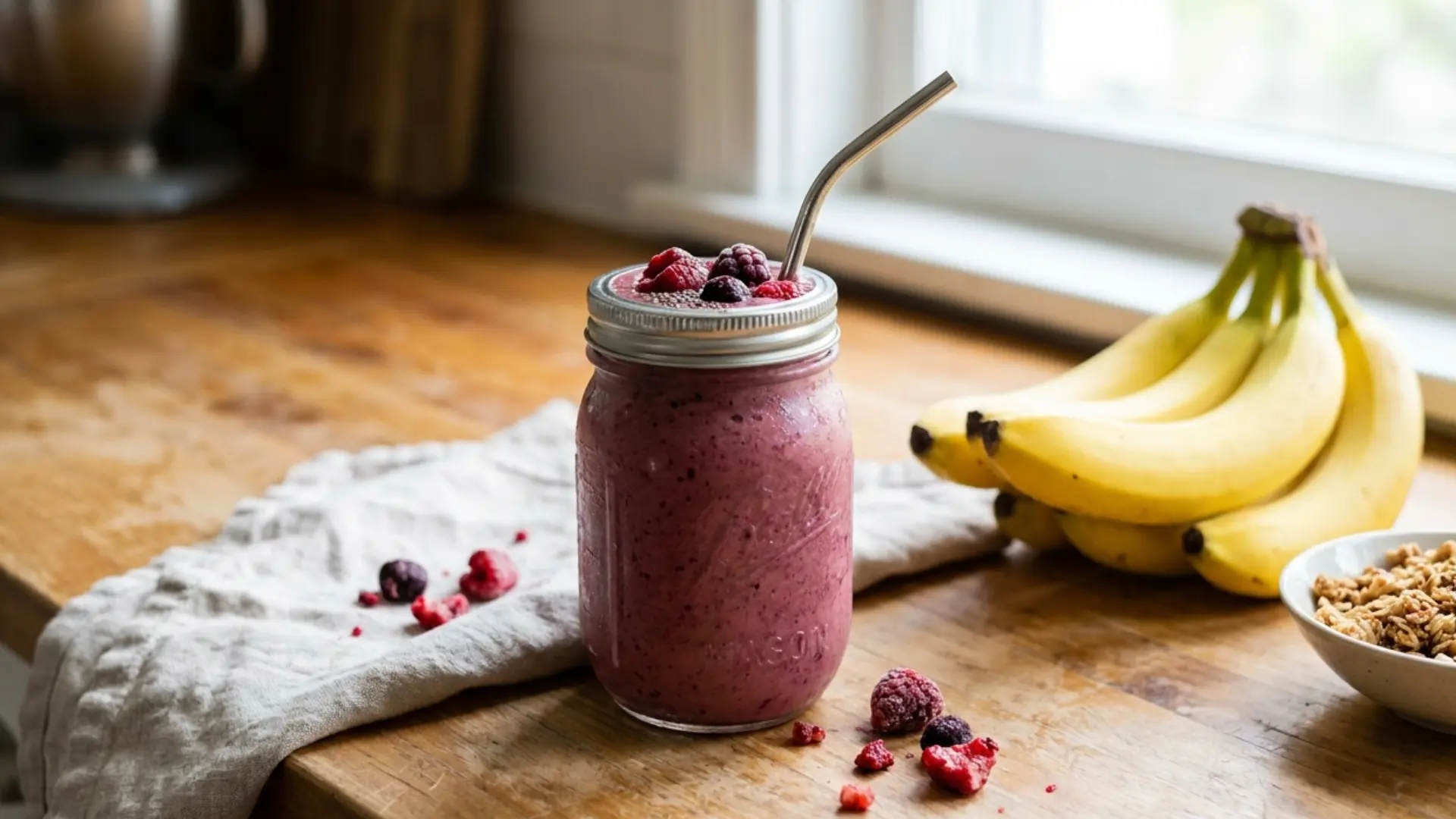
Some packaged smoothies are enriched with vitamin D, but not all contain it. The nutrient profile depends entirely on the product formulation, so it is easy to be misled if you do not check carefully.
These smoothies are designed to combine fruits with added nutrients, making them more functional than natural. Always review the nutrition label to see whether vitamin D has been included and in what amount.
How to identify it: Check for “enriched,” “fortified,” or “added vitamins” on the front label, then verify the vitamin D amount in the Nutrition Facts panel. Select variants from some packaged juice brands include it; most do not.
For example: Naked Juice fortified blends (select variants), Bolthouse Farms fortified smoothies (select variants)
3. Fortified Fruit Yogurts

Fortified fruit yogurts may include added vitamin D, along with other nutrients such as calcium. They can be convenient because they combine multiple benefits in one serving, but the vitamin D does not come from the fruit itself; it is added during processing to enhance nutritional value.
Not all yogurt products contain vitamin D, so checking the label is essential.
How to identify it: Look for vitamin D in the Nutrition Facts panel. Plain or standard fruit yogurts often contain none. Specific fortified lines from major dairy brands may contain between 10% and 20% of the daily value per serving.
For example: Activia yogurt (select variants), Dannon/Danone fruit yogurts (select variants)
Do Bananas Have Vitamin D?
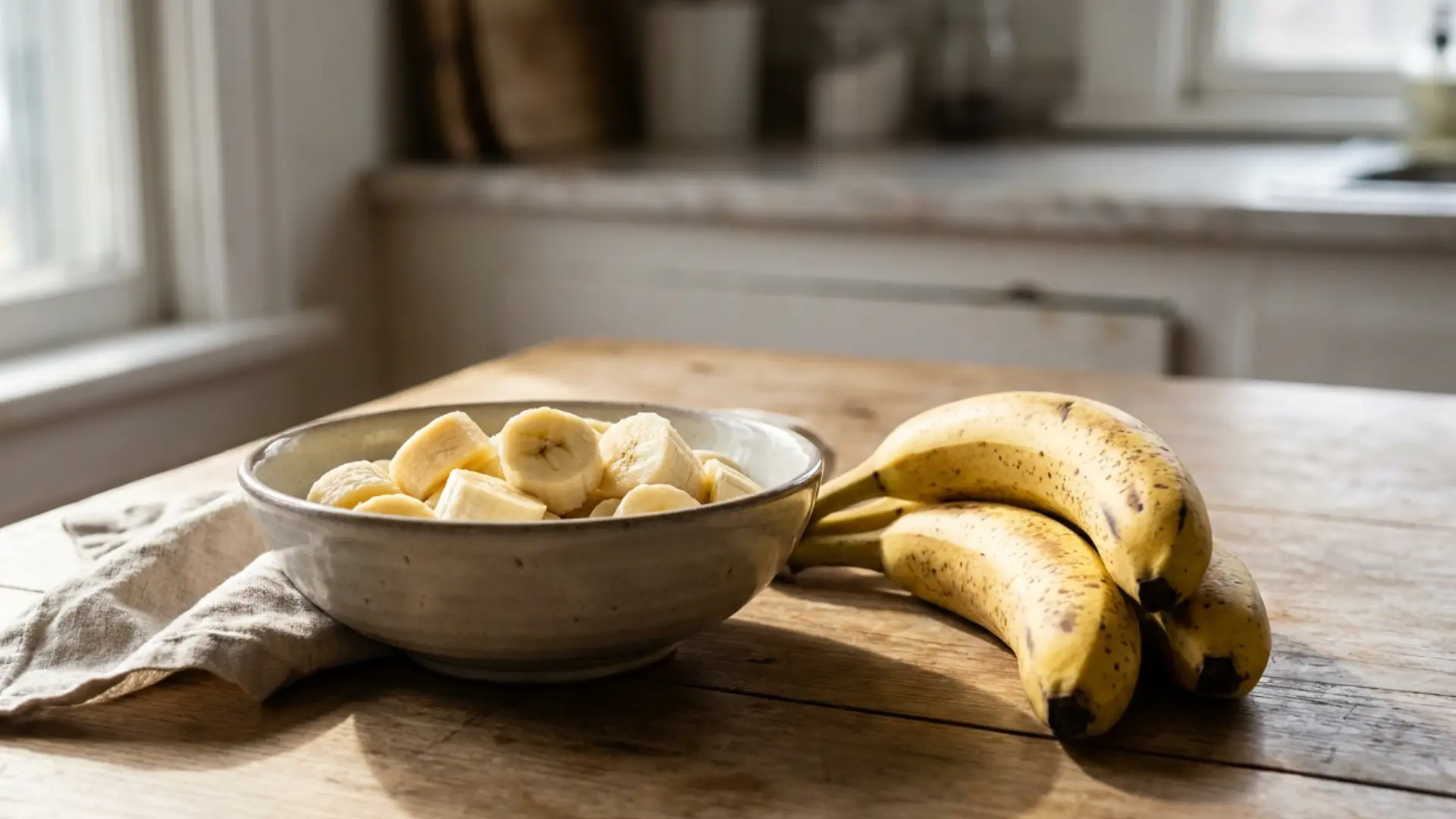
No, bananas do not contain vitamin D. They may be nutritious, but they should not be counted as a vitamin D source.
The confusion usually comes from the fact that bananas contain magnesium and potassium. Magnesium helps the body use vitamin D by supporting the enzymes involved in vitamin D activation. Because of that, bananas can support overall nutrition, but they do not provide vitamin D themselves.
This means a banana can pair well with real vitamin D sources, such as fortified milk, fortified plant milk, fortified orange juice, eggs, fatty fish, or UV-exposed mushrooms. But if your goal is to increase vitamin D intake, bananas are not the food to rely on.
Research published in the Journal of the American Osteopathic Association (2018) found that magnesium is essential for the enzymes that activate vitamin D, and that low magnesium can reduce how well the body uses the vitamin D it does get. So bananas are worth eating alongside vitamin D sources; they just are not one themselves.
Fruits Commonly Mistaken as Vitamin D Sources
Some fruits are linked to vitamin D online because they contain helpful nutrients or are confused with fortified products. Here is what they actually provide.
Avocados: Avocados do not contain vitamin D but are rich in healthy fats that improve its absorption of other foods. Because vitamin D is fat-soluble, the body absorbs it more efficiently when consumed alongside dietary fat. Avocados support overall health and are a useful pairing with vitamin D-rich foods, but they are not a direct source of the nutrient.
Oranges and Citrus Fruits: Oranges and all other citrus fruit varieties, lemons, limes, and grapefruits share the same limitation: none of them contain vitamin D naturally, regardless of how nutrient-dense they are otherwise. They are often confused with fortified orange juice, which does contain added vitamin D, but that distinction matters when planning a diet.
Figs, Papaya, and Guava: There are several types of guava, each with distinct nutrient profiles, but none of them contain vitamin D. The same applies to figs and papaya; all three are rich in vitamins, minerals, and antioxidants, but they do not help increase vitamin D levels.
The confusion likely stems from their inclusion in broad “healthy foods” lists alongside fortified products, which gets misread as these fruits being vitamin D sources themselves.
Signs That Your Vitamin D May Be Low
Understanding why vitamin D matters helps explain why getting it from reliable sources — not fruit — is important. Low vitamin D levels are common, and symptoms are often subtle enough to be overlooked.
- Fatigue and low energy that doesn’t improve with rest
- Bone or muscle aches, particularly in the lower back, hips, or legs
- Frequent illness or infections, since vitamin D supports immune function
- Mood changes, including low mood or seasonal dips in energy
- Slow wound healing, which has been linked to insufficient vitamin D levels
These symptoms are non-specific and can have other causes, so the only reliable way to know your vitamin D status is a blood test. A healthcare provider can measure your 25-hydroxyvitamin D level and recommend next steps based on your actual result
What to Eat Instead: Reliable Vitamin D Sources by Diet Type
Fruits do not naturally contain vitamin D, so it helps to know which foods can actually support your daily intake. The options below contain vitamin D naturally or have it added through fortification.
| Food | Diet Type | Approx. Vitamin D | Notes |
|---|---|---|---|
| Salmon, cooked | Non-vegetarian | About 570–700 IU per 3 oz | One of the richest natural food sources |
| Sardines, canned | Non-vegetarian | About 175 IU per 2 sardines | Affordable, easy to use, and rich in healthy fats |
| Egg yolks | Vegetarian | About 40 IU per yolk | Amount can vary based on the hen’s diet and sunlight exposure |
| Fortified cow’s milk | Vegetarian | About 115–130 IU per cup | Common fortified option; always check the label |
| Fortified plant milk | Vegan | About 100–130 IU per cup | Good dairy-free choice, but amounts vary by brand |
| UV-exposed mushrooms | Vegan | About 400+ IU per 3.5 oz | The main plant-based whole food source of vitamin D |
| Fortified orange juice | Vegan | About 100 IU per 8 oz | Only counts if the label says it is fortified with vitamin D |
| Fortified cereal | Vegan | About 40–100 IU per serving | Easy breakfast option, but levels vary widely |
Frequently Asked Questions
Can vitamin D deficiency happen even if I eat plenty of fruit?
Yes. Eating a lot of fruit does not guarantee adequate vitamin D levels because fruits are not a meaningful source of this nutrient. Someone can consume a healthy, fruit-rich diet and still have low vitamin D if other sources are lacking.
Are dried fruits a source of vitamin D?
No. Drying fruit changes its water content and concentrates some nutrients, but it does not create vitamin D. Raisins, dried figs, dates, and other dried fruits remain vitamin D-free unless fortified.
Does cooking or ripening fruit increase vitamin D content?
No. Cooking, ripening, or storing fruit does not add vitamin D. If a fruit contains no vitamin D naturally, its vitamin D content will remain essentially unchanged regardless of preparation methods.
Can children get enough vitamin D from fruit-based snacks?
Fruit-based snacks can provide vitamins, minerals, and fiber, but they are not reliable sources of vitamin D. Children typically need vitamin D from sunlight, fortified foods, or other dietary sources that naturally contain the nutrient.
Why do some health websites mention fruit when discussing vitamin D?
Many articles discuss fruit alongside vitamin D because fruit is part of a healthy diet and contains nutrients that support overall wellness. However, this does not mean the fruits themselves contain vitamin D, which often leads to confusion among readers.
Conclusion
Understanding where vitamin D actually comes from can save you a lot of confusion when you search for vitamin D-rich fruits.
I’ve broken down how no natural fruits contain this nutrient, why bananas often come up in the conversation, and how fortified products or other foods fit into the picture.
You also learned that sunlight, diet, and supplements are the real ways to maintain healthy levels, while fruits play only a supporting or misleading role in this context.
When you know the facts, it becomes easier for you to make smarter food choices without falling for incorrect lists online.
I’d suggest you think about your own daily diet and share what surprised you most, or explore more related nutrition guides.