Summer is the perfect time to refresh your home without relying on harsh chemicals or wasteful habits. Longer days, open windows, and warmer temperatures make it easier to deep clean naturally while improving indoor air quality. Eco-friendly cleaning is not about buying an entirely new collection of products.
It is about making smarter choices, reducing unnecessary waste, and focusing on methods that keep your living space fresh without creating extra environmental impact. A few thoughtful changes can leave every room feeling cleaner while helping your supplies last longer throughout the season.
Start With a Whole Home Refresh
Summer cleaning works best when you begin by removing clutter before reaching for any cleaning products. Clear countertops, organize entryways, and donate items that no longer serve a purpose. Less clutter means fewer places for dust to collect, making regular maintenance much easier throughout the season.
Open windows during the cooler parts of the morning to improve airflow while you clean. Fresh air helps remove lingering odors naturally and reduces the need for heavily scented products. Wash curtains, wipe down ceiling fans, and vacuum upholstered furniture to eliminate dust that may have built up during colder months when windows stayed closed.
Simple ingredients such as white vinegar, baking soda, castile soap, and microfiber cloths handle many everyday cleaning jobs effectively. Instead of filling cabinets with specialty products for every surface, keeping a handful of versatile supplies on hand often produces excellent results while cutting down on packaging waste.
Make Laundry More Sustainable
Laundry tends to increase during summer thanks to beach towels, outdoor activities, and lightweight clothing that gets worn more often. Running full loads instead of partial ones saves water and energy while extending the life of your washing machine.
Cold water washing works well for most fabrics and helps reduce electricity usage. Line drying whenever weather permits also saves energy while giving fabrics a naturally fresh scent that no artificial fragrance can fully duplicate.
When choosing additives, look for products that reduce unnecessary plastic waste while maintaining cleaning performance. For households already using refillable storage systems, oxi laundry booster refill for a reusable holder offers an option that supports both convenience and reduced packaging. Pairing refillable products with concentrated detergents can shrink the amount of plastic entering your home over time.
Remember that more detergent does not automatically produce cleaner clothes. Excess soap often leaves residue behind, making fabrics feel stiff and causing washing machines to require more frequent maintenance. Following recommended measurements usually delivers better results while preventing unnecessary waste.
Focus on High Impact Areas First
Not every cleaning task deserves equal attention. Prioritize the areas that affect comfort and cleanliness the most during warmer months. Kitchens benefit from wiping cabinet fronts, cleaning refrigerator shelves, and emptying expired pantry items before summer entertaining begins. Bathrooms stay fresher when shower walls are dried after use and ventilation fans are kept free of dust.
Entryways also deserve extra attention because they collect dirt, grass clippings, pollen, and sand from outdoor activities. Placing washable mats inside and outside each entrance helps capture debris before it spreads throughout the house. Regularly shaking out rugs and vacuuming these high traffic areas reduces the amount of cleaning required elsewhere.
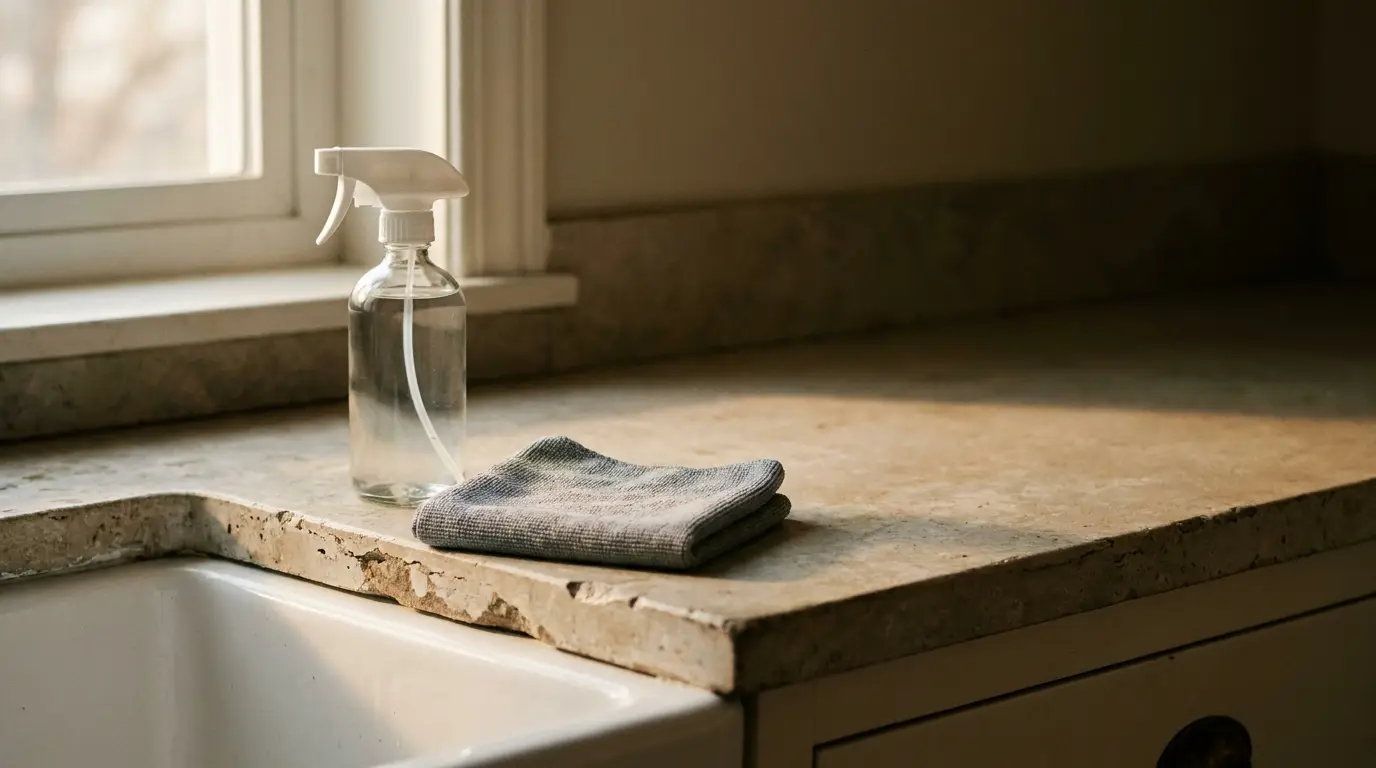
Reusable spray bottles filled with homemade cleaning solutions can simplify daily maintenance. Label each bottle clearly so everyone in the household knows its intended use. Small habits performed consistently often eliminate the need for exhausting weekend deep cleaning sessions.
As you move from room to room, resist the urge to tackle every possible project in one afternoon. Finishing one space completely before moving to the next creates visible progress and makes the overall job feel much more manageable.
Give Outdoor Spaces Equal Attention
Summer naturally draws people outside, making patios, decks, porches, and walkways extensions of the home. Regular sweeping removes leaves, pollen, and dirt before they stain surfaces or get tracked indoors.
A bucket of warm water with mild soap is often all that is needed for patio furniture, outdoor tables, and planters. Pressure washing can be useful for certain surfaces, but using the lowest effective setting helps prevent unnecessary damage to wood or aging materials.
If your seasonal checklist includes cleaning your home’s exterior, begin with gutters, light fixtures, door frames, and window screens before moving to siding or outdoor furniture. Working from top to bottom prevents dirt from falling onto areas that have already been cleaned. This method also reduces the amount of water needed because you avoid repeating the same work.
Native landscaping and well maintained mulch beds also contribute to a cleaner appearance by minimizing soil erosion and reducing mud around walkways after summer storms. Small landscaping improvements often make the entire property feel more polished without requiring major renovations.
Build Habits That Last Beyond Summer
The most sustainable cleaning routine is one that remains practical long after the season ends. Instead of scheduling overwhelming cleaning marathons, spread larger projects across several weeks. Washing windows one weekend and organizing storage closets the next keeps maintenance realistic and easier to sustain.
Choose reusable tools whenever possible, including washable mop pads, microfiber cloths, refillable containers, and durable scrub brushes. These items generally last much longer than disposable alternatives and often perform better with repeated use.
Pay attention to products you replace most frequently. Finding refill options or buying concentrates for those items can significantly reduce household waste over the course of a year. Combined with simple habits like using less water, maintaining appliances, and cleaning regularly before dirt builds up, these small decisions create meaningful long term benefits.
A cleaner home does not require complicated routines or overflowing supply closets. Thoughtful habits, practical tools, and a focus on reducing waste can keep your home fresh all summer while making everyday cleaning easier.