
Walking into a garden center, you’ve probably noticed snapdragons tucked into both the sunny display tables and the shadier corners, which makes total sense why so many gardeners wonder about their light preferences.
These charming cottage garden favorites are surprisingly flexible when it comes to sunlight, but getting their exposure just right makes all the difference between a few scattered blooms and those flowering spikes everyone loves.
If you’re planning a container arrangement or border filling, understanding what snapdragons actually need vs. what they’ll tolerate helps you give them their best life and enjoy weeks of continuous color through the growing season.
Understanding Snapdragons (Antirrhinum majus)
Snapdragons are beloved cool-season bloomers that thrive in spring and fall when temperatures stay mild.
In warmer zones, they’re typically grown as annuals that complete their life cycle in one season, while gardeners in cooler climates might see them return as short-lived perennials.
Light plays a crucial role in their performance because, like most flowering plants, snapdragons need energy from the sun to produce those vibrant blooms.
Too little light and you’ll get leggy stems with sparse flowers. Too much intense heat and they’ll struggle, especially during summer.
Getting the balance right sets the stage for healthy plants and abundant color.
The Straight Answer on Snapdragon Sunlight
Snapdragons perform best with full sun to partial shade, which gives them flexibility most gardeners appreciate.
They’re happiest receiving around 6 hours of direct sunlight daily, though they’ll reward you with blooms even in slightly less.
What makes them special is their adaptability: unlike sun-demanding plants that sulk in anything less than perfect conditions, snapdragons adjust gracefully to your garden’s reality.
What Full Sun Actually Means for Your Garden?
Full sun in gardening terms means 6 to 8 hours of direct, unobstructed sunlight each day. This doesn’t have to be continuous: morning sun plus late afternoon rays count too.
Pay attention to how light moves through your space throughout the day, since that south-facing spot might get blazing afternoon heat while an east-facing area offers gentler morning brightness that snapdragons often prefer.
The Minimum Light Threshold for Healthy Blooms
Snapdragons can get by on about 4 to 5 hours of sunlight minimum, though you’ll notice they stretch toward the light and produce fewer flower spikes.
Think of it like this: they won’t give up on you in less-than-ideal conditions, but they won’t put on their best show either. If your garden leans shady, place them where they’ll catch morning sun, which tends to be less intense than afternoon rays.
Snapdragon Light Requirements Explained
Snapdragons have nuanced preferences when it comes to light exposure, and understanding these subtleties helps you position them perfectly in your garden.
The timing and intensity of sunlight they receive directly influence how they grow and bloom, so it’s worth thinking beyond just the total hours of sun.
| Light Factor | What They Prefer | The Impact |
|---|---|---|
| Ideal Sunlight | 6 to 8 hours daily | Best blooms in full sun; partial shade needed above 75°F |
| Morning vs. Afternoon | Morning sun preferred | East-facing light energizes without stress; afternoon sun can wilt plants |
| Stem Length | Full sun for compact growth | Shade causes leggy, weak stems; sun creates sturdy, upright plants |
| Flower Color | Bright light for vivid hues | Shade fades reds and oranges; the sun develops rich, true colors |
| Bloom Count | Maximum light for abundance | Well-lit plants produce 2 to 3 times more flower spikes |
Do Snapdragons Like Full Sun or Partial Shade?
Snapdragons adapt to both conditions, but the right choice depends on your climate and timing.
Full sun works beautifully in spring and fall when temperatures stay mild, producing the most vibrant blooms and compact growth.
Once summer heat arrives, especially in zones 7 and warmer, partial shade becomes essential to prevent wilting and extend the blooming season.
Signs of heat stress include drooping leaves by midday, burnt petal edges, and premature flowering that stops abruptly.
In hot regions, afternoon shade or dappled light under trees gives snapdragons relief while still providing enough brightness for healthy flowering throughout the season.
Growing Snapdragons in Hot vs. Cool Climates
Light requirements shift dramatically based on your local climate, and recognizing these differences helps you give snapdragons exactly what they need.
Adjusting sun exposure and planting times according to your region’s temperature patterns makes the difference between struggling plants and thriving displays.
Adapting Light for Warm Climate Success
In zones 8 and above, snapdragons need protection from intense afternoon sun to survive summer heat. Plant them where they’ll receive morning light and afternoon shade, or use taller companions to create natural shading.
Spring and fall plantings perform best since cooler temperatures let them handle more sun. Consider varieties bred for heat tolerance, and water consistently to offset stress from any unavoidable midday exposure.
Maximizing Sun in Cooler Regions
Northern gardeners and those in zones 6 and below can give snapdragons full sun all day without worry. The gentler temperatures mean plants won’t wilt even in direct afternoon light.
Plant as soon as the soil can be worked in spring for the longest bloom period. These cooler conditions actually make snapdragons behave more like short-lived perennials, sometimes returning for a second year when winters stay mild.
Signs Your Snapdragons are Getting Too Much Sun
Even sun-loving plants have their limits, and snapdragons will tell you when they’ve had too much of a good thing.
Watch for these telltale signs that your plants need relief from intense light.
- Midday wilting that doesn’t recover after watering indicates heat and sun stress rather than thirst.
- Crispy, brown leaf edges or bleached patches on foliage show sunburn damage from excessive exposure.
- Pale, washed-out blooms that fade quickly instead of holding their vibrant color for days.
- Flowers that drop prematurely or fail to fully open before shriveling.
- Stunted, compact growth with shortened stems and smaller overall plant size.
- Leaves curling inward or downward as a protective response to intense light.
Catching these symptoms early lets you relocate container plants or add temporary shade cloth to garden beds. A little afternoon protection can revive stressed snapdragons and bring back their blooming vigor within a week or two.
Signs Your Snapdragons are Not Getting Enough Sun
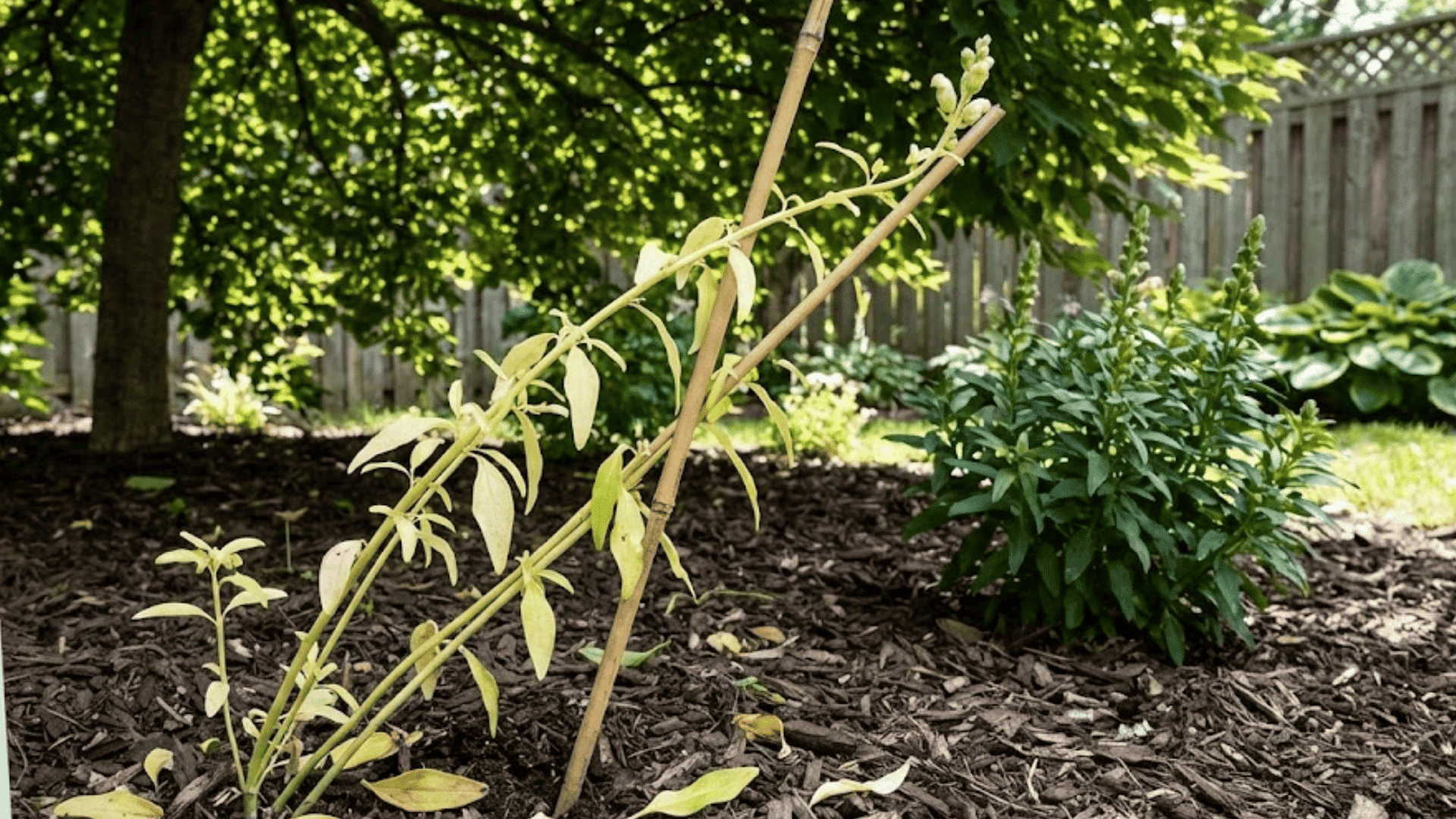
On the flip side, snapdragons growing in too much shade will show a completely different set of symptoms.
These signs point to plants stretching and struggling for the light they need to thrive.
- Tall, spindly stems with wide gaps between leaves as plants reach desperately toward available light.
- Sparse flowering or no blooms at all despite otherwise healthy-looking foliage.
- Stems that lean, flop over, or require staking even when plants are young and small.
- Pale green or yellowish leaves instead of the rich, deep green of well-lit plants.
- Slower overall growth with delayed flowering compared to snapdragons in brighter spots.
- Bottom leaves yellowing and dropping as the plant redirects energy upward toward light sources.
Moving these plants to a sunnier location or trimming back overhead branches can make a dramatic difference. Within two weeks of better light exposure, you’ll notice sturdier new growth and the start of flower bud development.
Best Placement for Snapdragons
Finding the perfect spot for your snapdragons means thinking about both light availability and practical growing conditions.
The right placement sets them up for months of colorful blooms with minimal fussing.
| Location Type | Best Placement | Key Tips |
|---|---|---|
| Garden Beds | East or southeast-facing borders | Place in the front or middle rows. Pair with taller plants for afternoon shade in hot climates. |
| Containers & Patios | East-facing patios or movable spots | Use portability to adjust sun exposure seasonally. Group pots for easier watering. |
| Balconies & Windows | South-facing in cool climates, east/west in warm zones | Upper-level spots get more intense sun. Use self-watering containers to combat drying. |
Other Growing Conditions That Affect Sun Needs
Sunlight doesn’t work in isolation, and several other growing factors influence how well snapdragons handle their light exposure.
Getting these conditions right helps plants make the most of whatever sun they receive.
- Well-Draining Soil is Non-Negotiable: Heavy clay or waterlogged conditions amplify sun stress, while loose, amended soil helps roots stay cool and hydrated even in bright light.
- Consistent Moisture Matters More in Full Sun: Plants in brighter spots need water every 2 to 3 days during active growth, while those in partial shade can go 4 to 5 days between watering.
- Good Airflow Prevents Disease in Any Light Condition: Spacing plants 8 to 10 inches apart and avoiding overcrowded beds reduces powdery mildew risk, especially in humid or shaded areas.
- Regular Feeding Supports Heavy Blooming: Apply balanced liquid fertilizer every 3 to 4 weeks since snapdragons in optimal light are working hard to produce all those flower spikes and need nutritional support.
When all these elements align with proper light exposure, snapdragons respond with their most impressive performance, rewarding your attention with continuous color and vigorous growth.
Wrapping Up
Getting snapdragon sun exposure right doesn’t require perfection, just attention to what your plants are telling you. These cheerful bloomers reward even beginner gardeners with waves of color when given the light balance they crave.
Do snapdragons need full sun? They thrive in it during cool seasons but gracefully adapt to dappled shade when heat arrives.
Watch how your plants respond over the weeks: that first flush of blooms opening, followed by another round, then more spikes emerging as they settle into their rhythm.
Each garden has its own personality with these cottage favorites, and yours will be no exception.
Drop a comment below sharing how your snapdragons are performing this season, and may your beds be filled with those gorgeous flowering spikes!