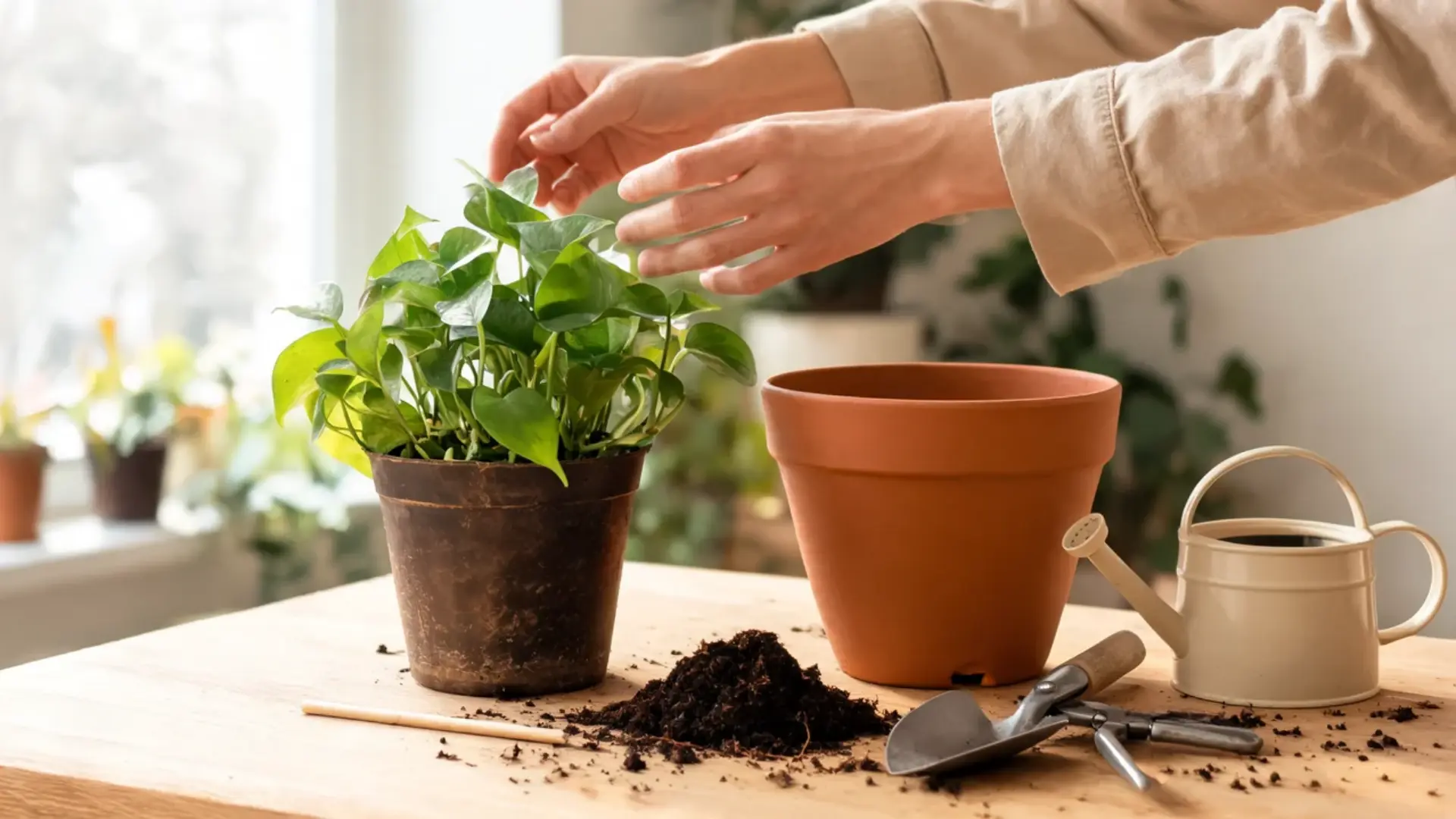
Fresh basil can do more than flavor pasta and pizza. It can also help nearby plants grow better, taste stronger, and stay safer from pests.
That’s why gardeners often look for the best basil companion plants before planting herbs and vegetables together.
If you’ve been wondering what to plant with basil, this blog shares smart pairings that actually work. Some plants improve basil’s flavor, while others benefit from basil’s strong scent and pest-repelling power.
How Basil Boosts Garden Health
Basil is more than a flavorful herb for the kitchen.
It also works as a smart helper in the garden. Its strong scent may deter harmful insects such as aphids, whiteflies, and mosquito-like pests that damage vegetables and herbs.
Basil flowers also attract bees and other pollinators, supporting healthier plant growth and better harvests.
It can improve airflow, support soil balance, and make garden beds look fuller and more productive at the same time.
Best Basil Companion Plants to Grow
Choosing the right basil companion plants can help your garden grow healthier, fuller, and more productive. Some plants improve basil’s flavor, while others help reduce pests, attract pollinators, or make better use of garden space.
1. Tomatoes
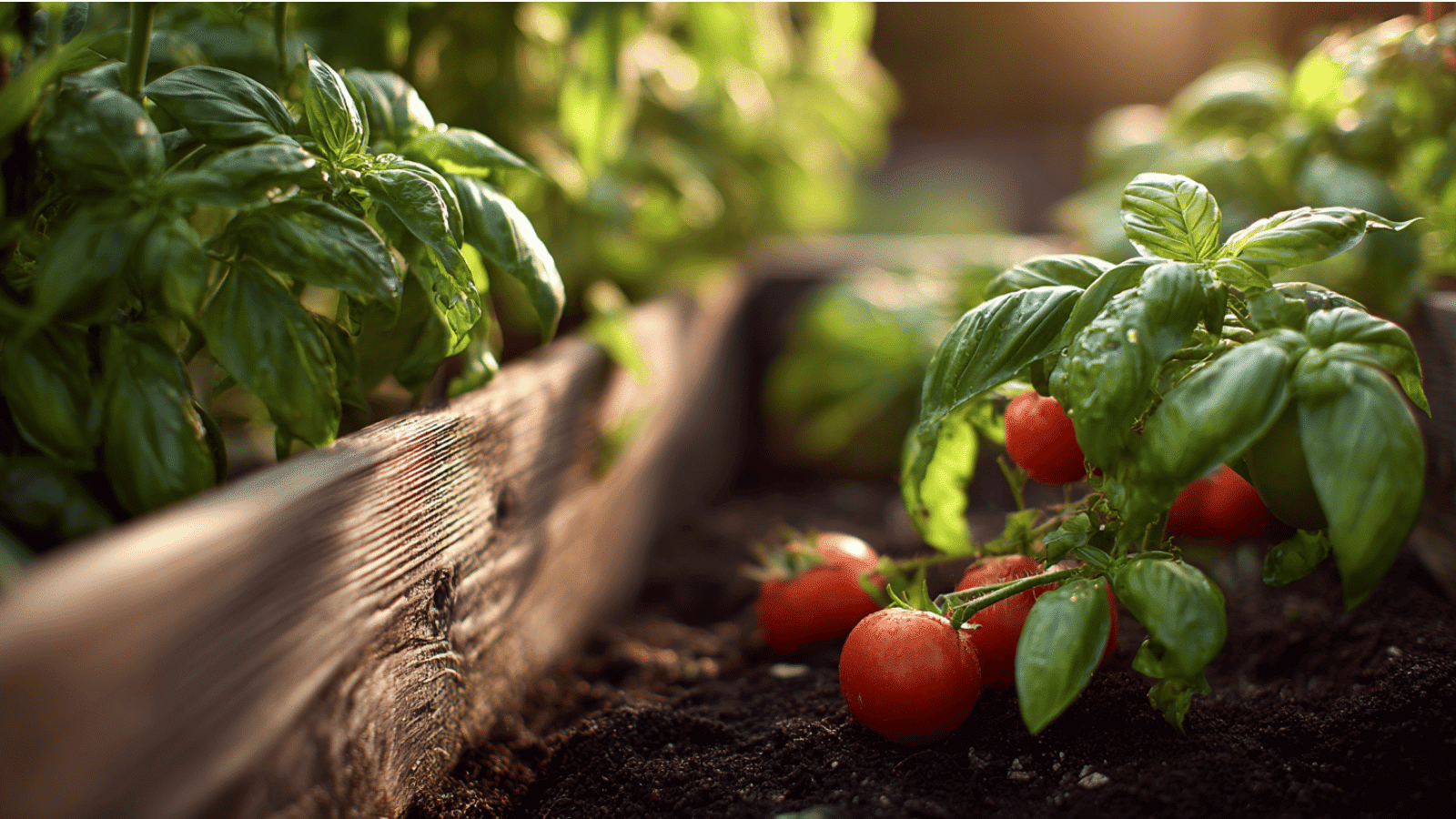
Tomatoes and basil are among the most popular garden pairings. Basil may help repel tomato hornworms and whiteflies while improving airflow around tomato plants.
Many gardeners also say basil can improve the taste of tomatoes and support healthier growth. Basil flowers can also attract pollinators, which helps nearby plants in the garden.
How to Plant: Plant basil about 10–12 inches away from tomato plants to ensure each plant has enough airflow and root space. Grow them in full sun with rich, well-drained soil.
2. Peppers
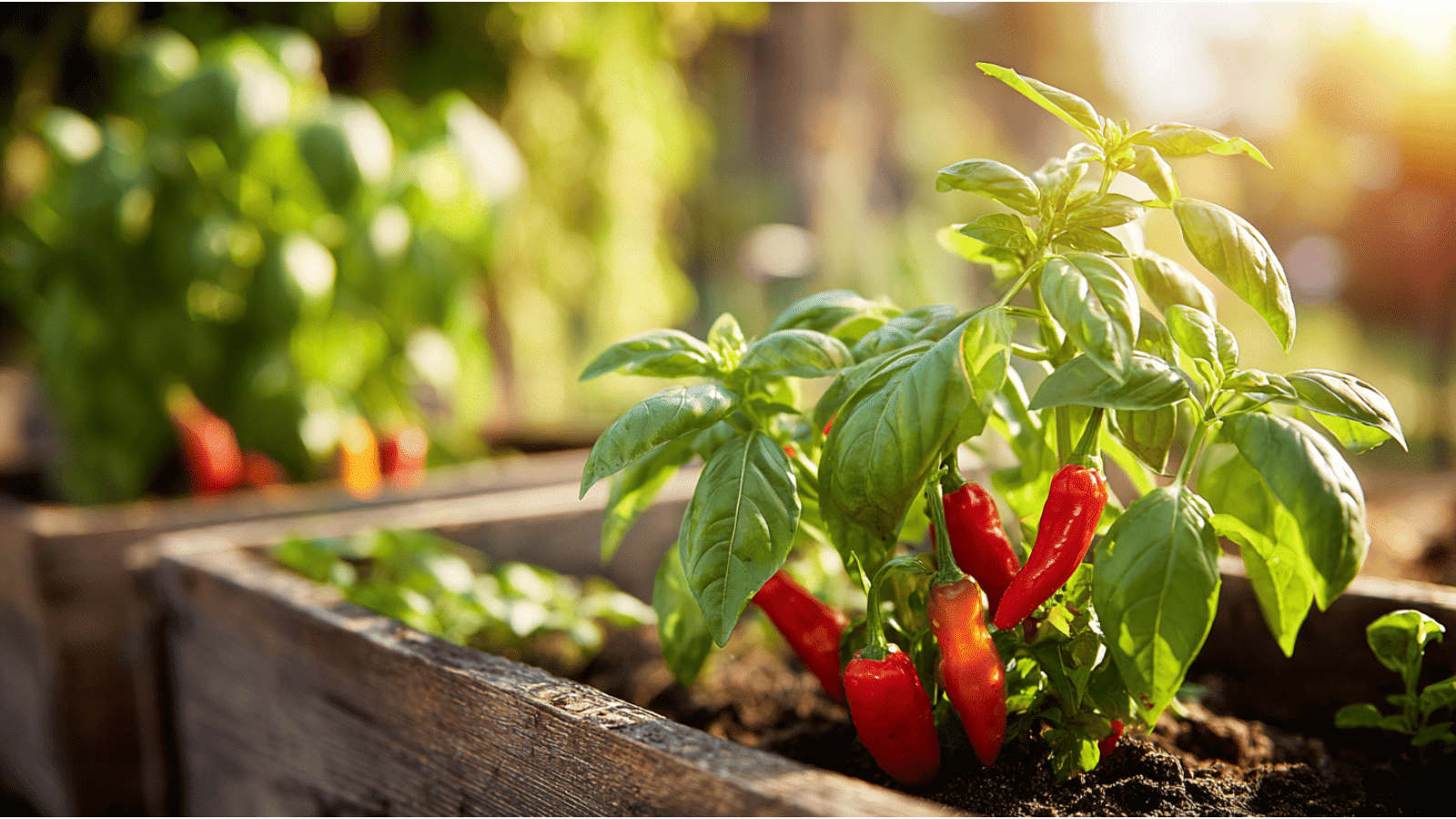
Sweet peppers and chili peppers enjoy similar sunlight and watering conditions as basil. Basil can also help keep aphids away from pepper plants.
How to Plant: Place basil between pepper plants or at the edge of pepper rows. Keep spacing around 8–10 inches apart to avoid crowding.
3. Lettuce
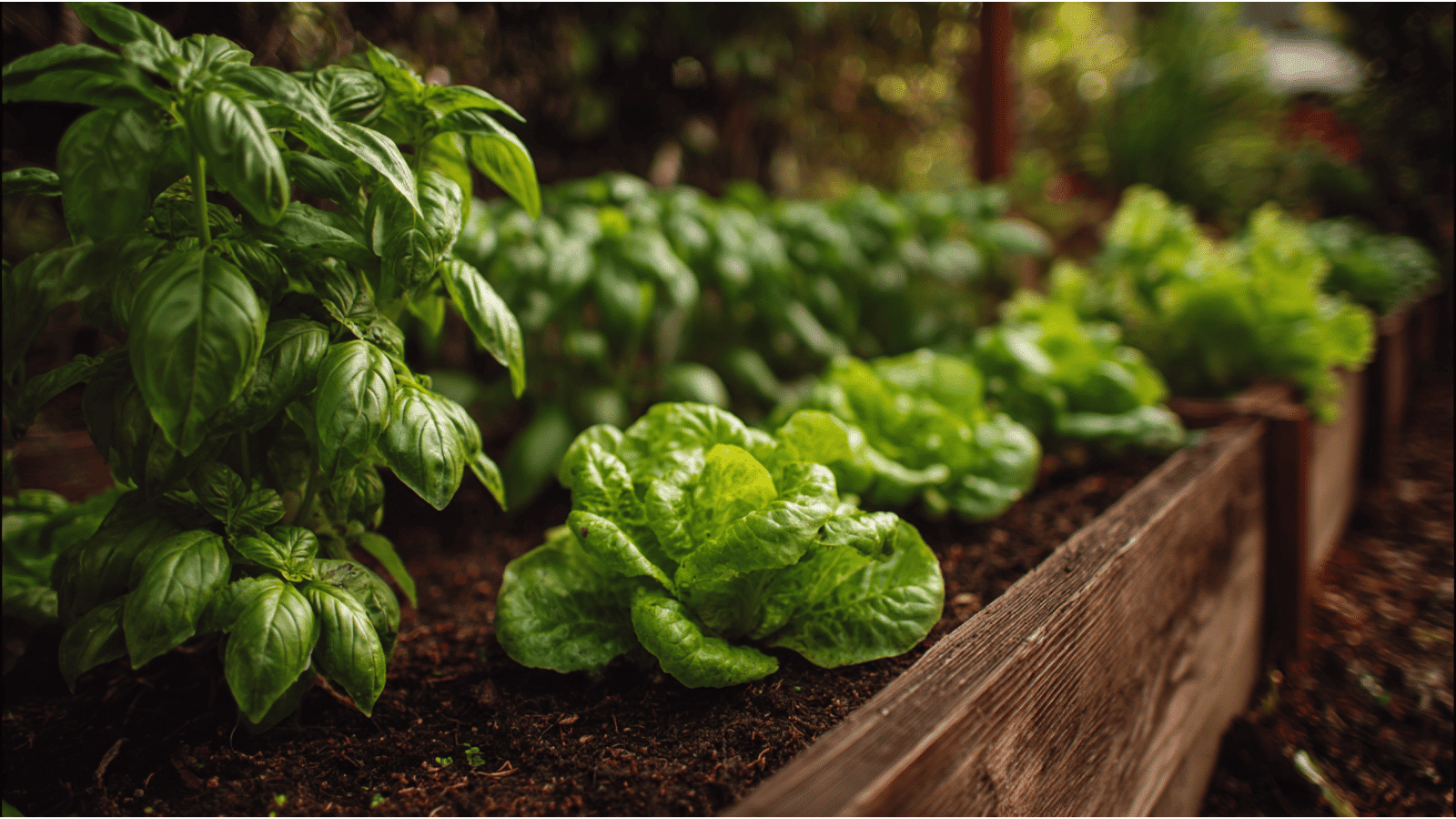
Tall basil plants can provide light shade for lettuce during warm weather. This helps lettuce stay crisp and slows bolting.
Lettuce and basil also grow well together because they enjoy similar watering needs and cool soil conditions. Basil’s strong scent may also help reduce pest activity around tender lettuce leaves.
How to Plant: Plant lettuce around the base of basil plants where it can receive partial afternoon shade. Water regularly to keep the soil cool.
4. Carrots
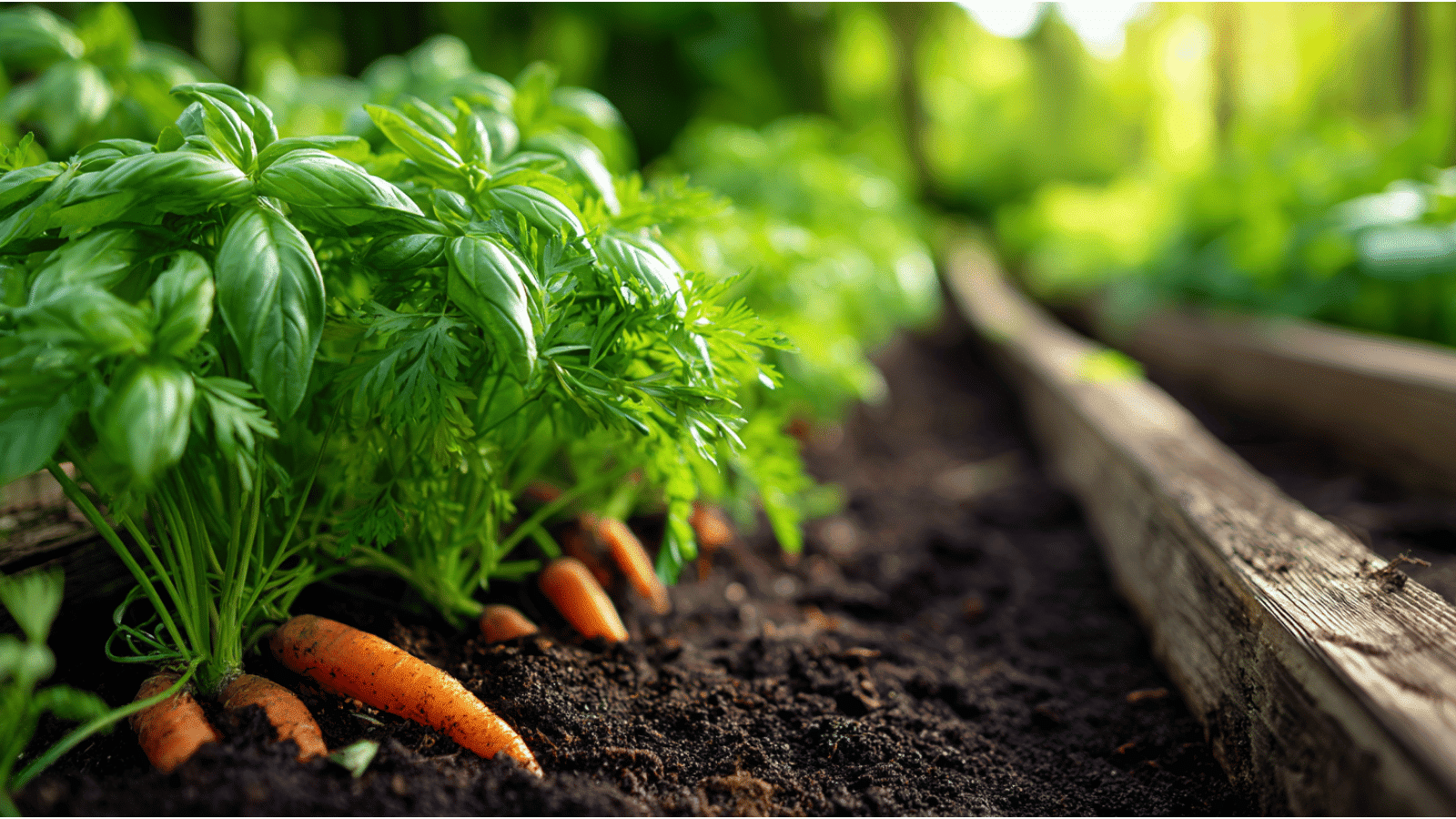
Basil’s strong scent may confuse carrot flies and other pests. Carrots also loosen soil naturally, helping basil roots spread better.
Since carrots grow underground and basil grows above the soil, they do not compete much for space in the garden.
How to Plant: Sow carrot seeds in rows and plant basil along the row edges. Leave enough room so basil does not block sunlight from young carrots.
5. Parsley
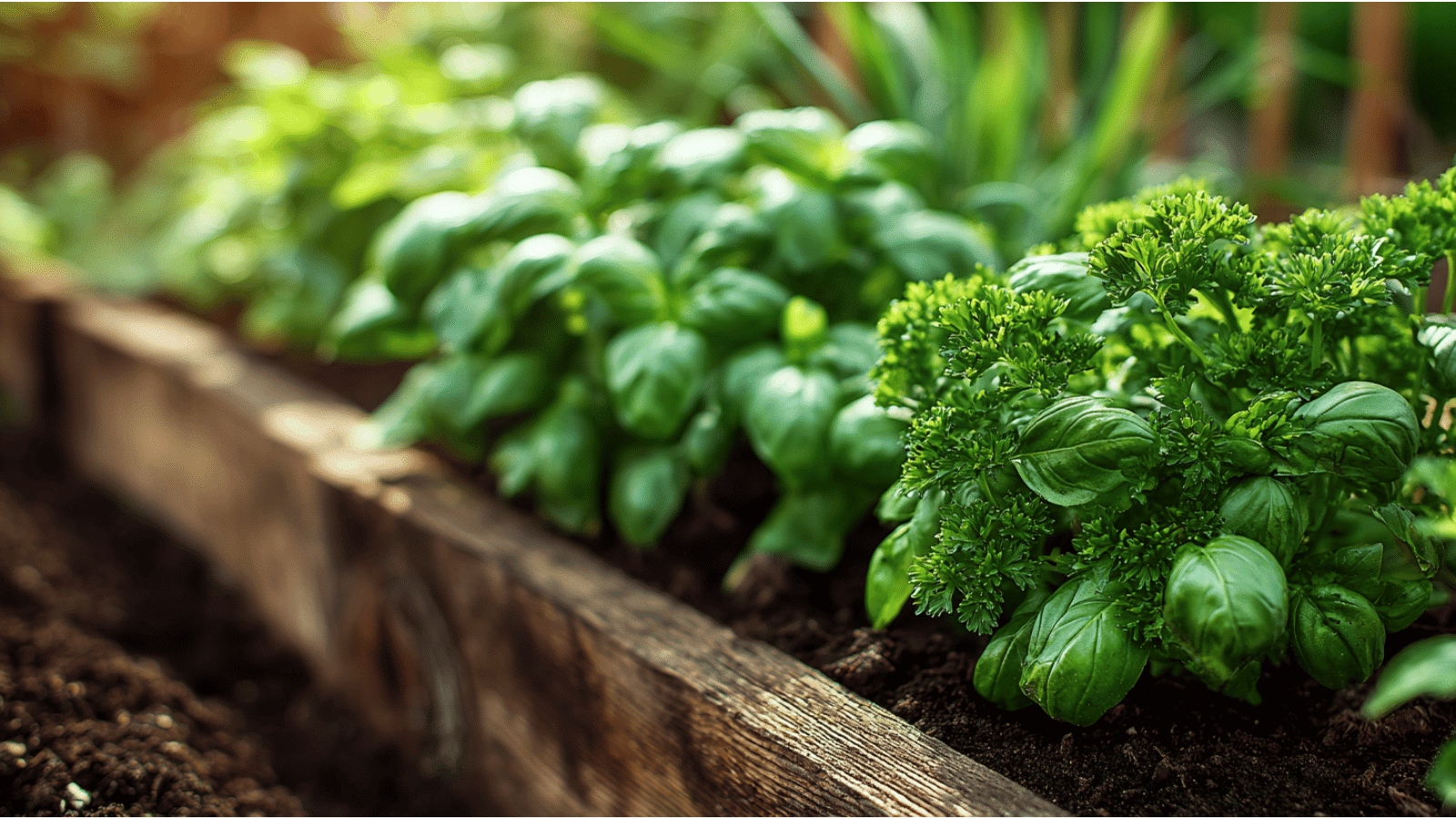
Parsley and basil grow well side by side because they need similar care. They also create a full, productive herb bed together.
Parsley’s dense, leafy growth can also help fill gaps in herb gardens, giving the bed a fuller, healthier appearance.
How to Plant: Plant parsley and basil in alternating rows or clusters with at least 8 inches between each plant.
6. Oregano
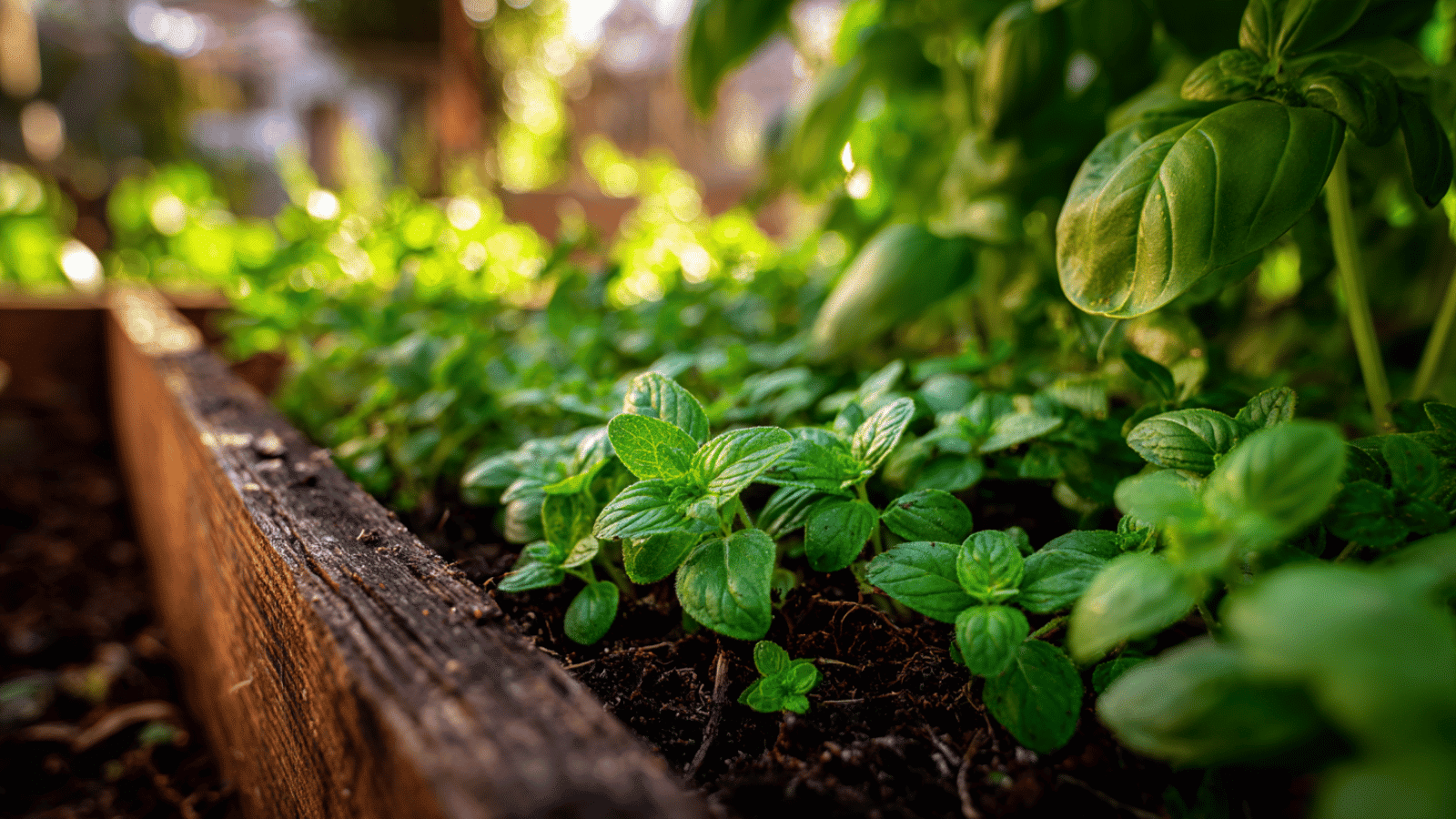
Oregano spreads across the soil and helps hold moisture. Basil grows upright above it, making great use of garden space.
Oregano’s low growth also helps reduce bare soil around basil plants, which can lower weed growth in herb beds.
How to Plant: Grow oregano around basil plants as a ground cover. Trim oregano often to prevent it from spreading too aggressively.
7. Marigolds
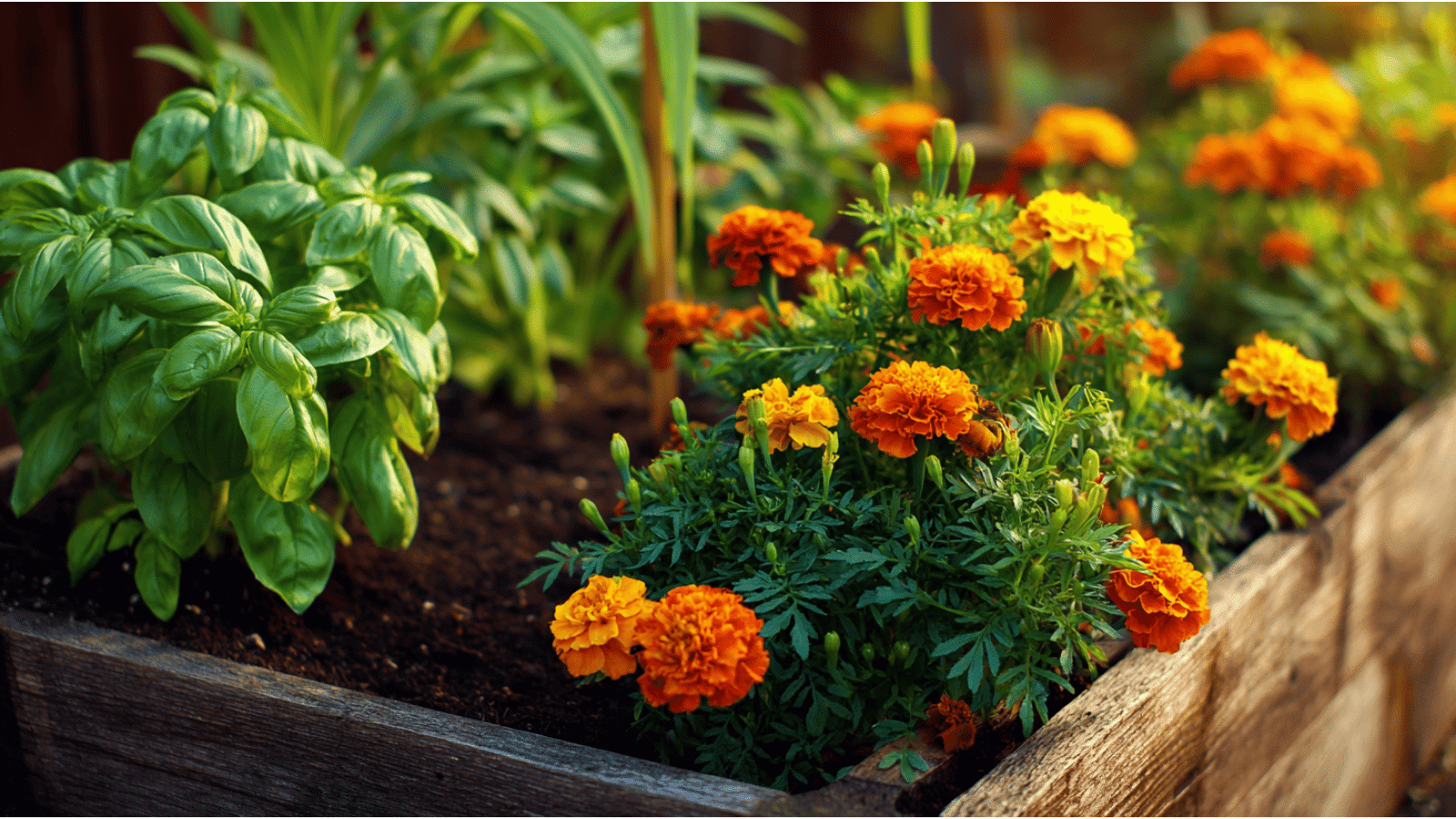
Marigolds are excellent companions because they discourage harmful insects and nematodes. Their bright flowers also attract pollinators.
Marigolds bloom for a long time during the growing season, adding strong color and activity to garden beds.
How to Plant: Plant marigolds around the outer edge of basil beds or between rows for natural pest control.
8. Chamomile

Chamomile is often planted near herbs because it may support healthier growth and stronger flavor in nearby plants.
Its small flowers also attract helpful insects that support a more active and balanced garden environment. Chamomile’s soft, compact growth fits neatly beside basil, making herb beds look fuller without taking up too much space.
How to Plant: Plant chamomile a few inches from basil in herb gardens with loose, well-drained soil and full sunlight.
9. Spinach
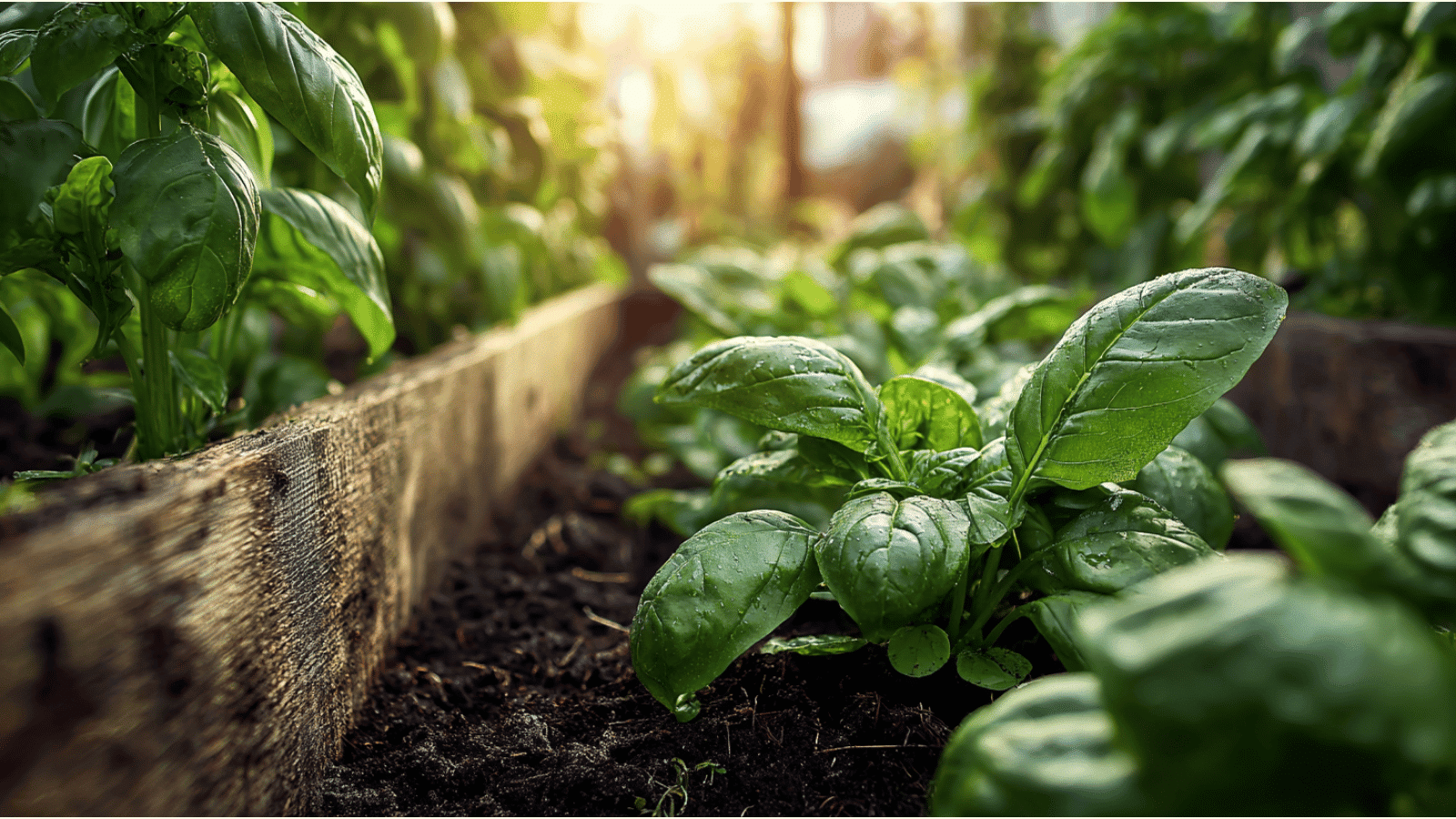
Spinach grows better with some protection from intense afternoon sun. Basil can offer that cover during the hotter months.
Spinach grows low to the ground; it fits well beneath taller basil plants without crowding the garden bed. This pairing can also help keep spinach leaves softer and fresher for a longer growing period.
How to Plant: Plant spinach around taller basil plants to create natural shade during warm afternoons.
10. Garlic
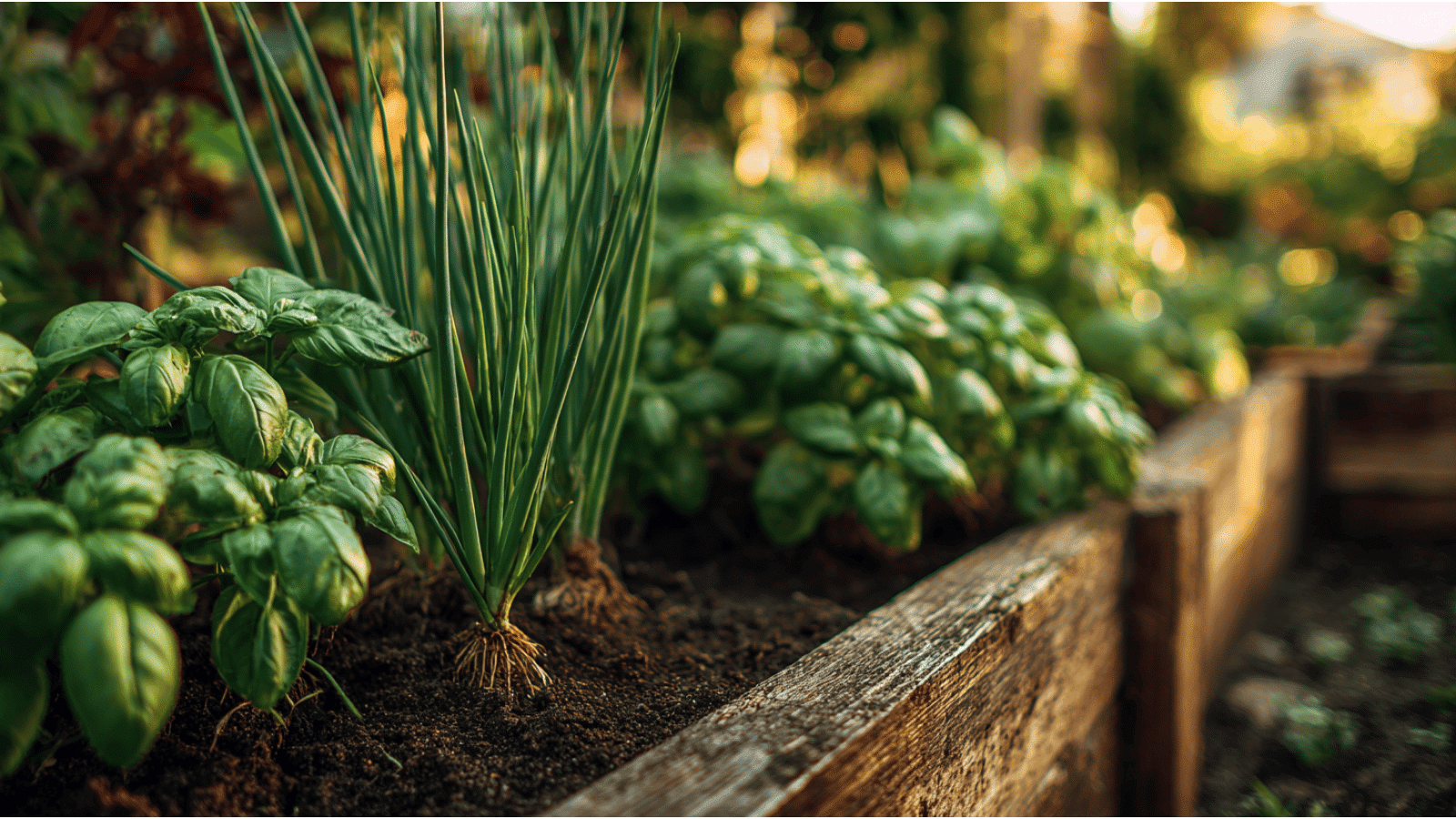
Garlic naturally repels many insects that damage basil and vegetables. Together, they create a stronger pest-resistant garden area.
Garlic’s upright green shoots also take up very little space, making it easy to plant around basil in raised beds and garden borders. Both plants grow well in warm conditions and need similar garden care throughout the season.
How to Plant: Plant garlic cloves in rows beside basil beds. Keep at least 6 inches between garlic and basil roots.
11. Onions
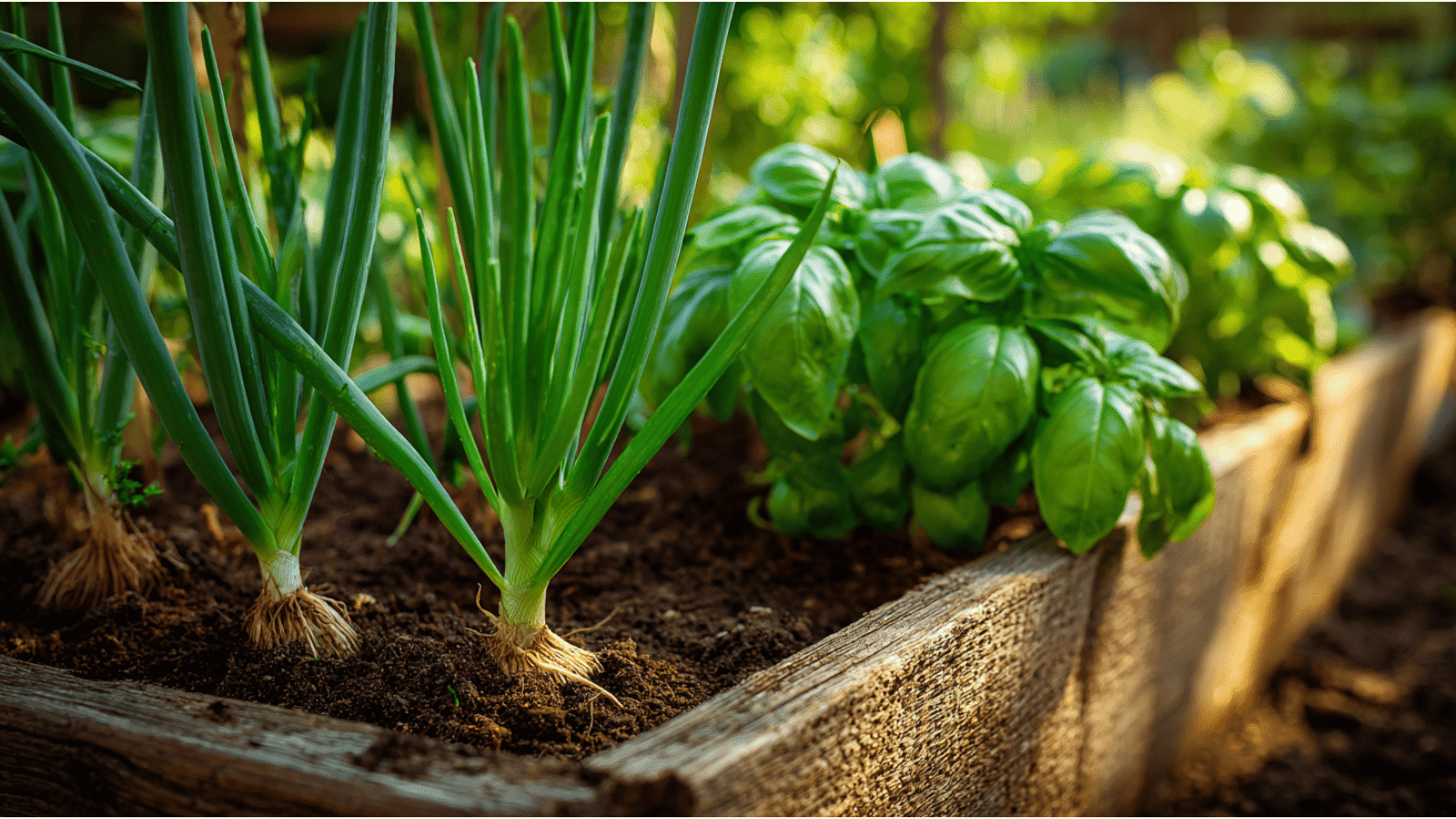
Onions and basil both enjoy warm weather and well-drained soil. Their strong scents may also help confuse garden pests.
Onions grow mostly below the soil surface, which allows basil to spread leafy growth above without much competition for space.
How to Plant: Grow onions in neat rows, with basil planted along the edges to maximize space and provide pest protection.
12. Asparagus
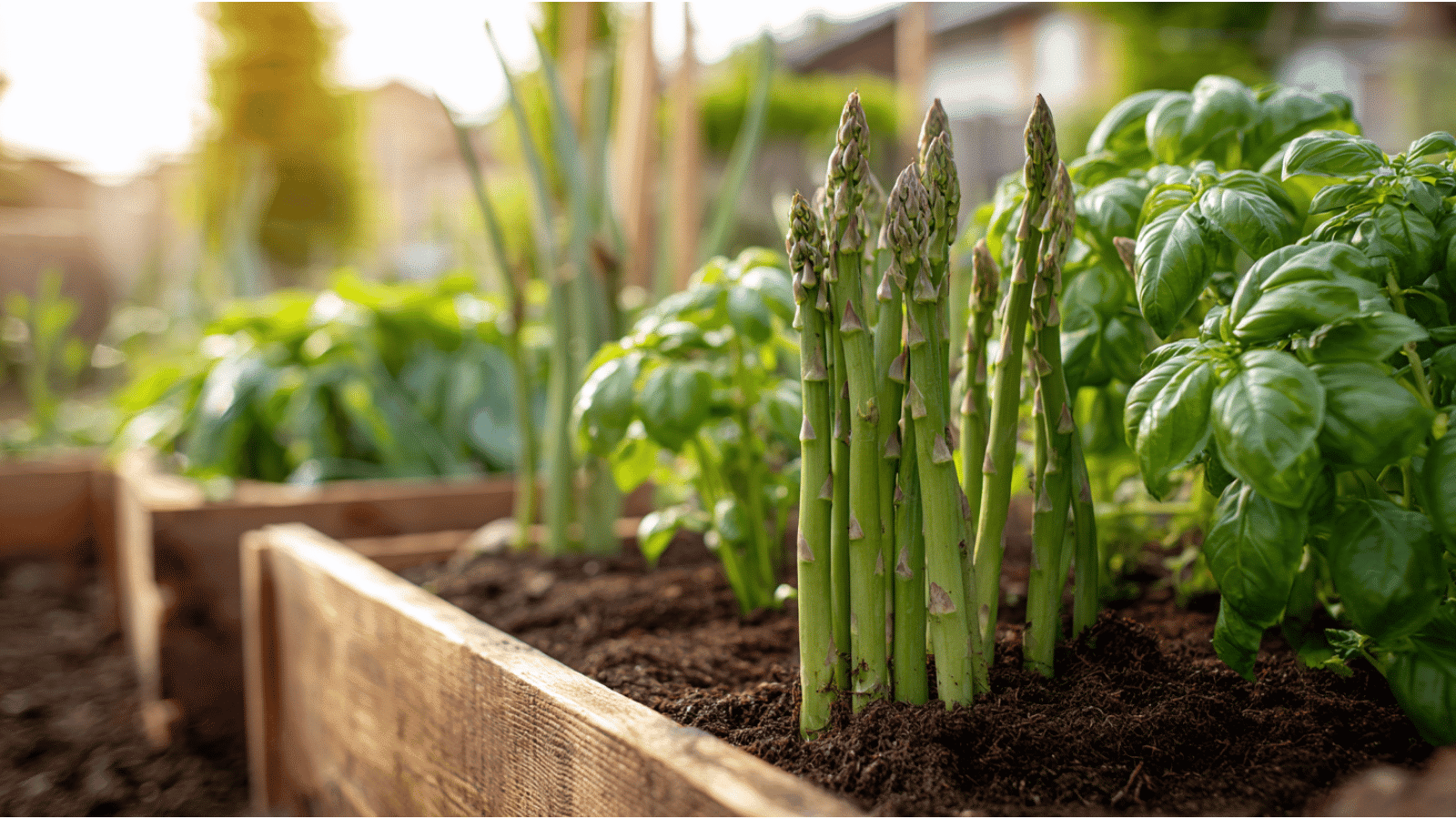
Basil may help repel asparagus beetles, making this pairing useful in long-term vegetable gardens.
Asparagus stays in the garden for many years, and basil can be replanted nearby each season without disturbing the roots.
How to Plant: Plant basil near asparagus rows after asparagus shoots appear in spring. Avoid disturbing asparagus roots.
13. Cucumbers
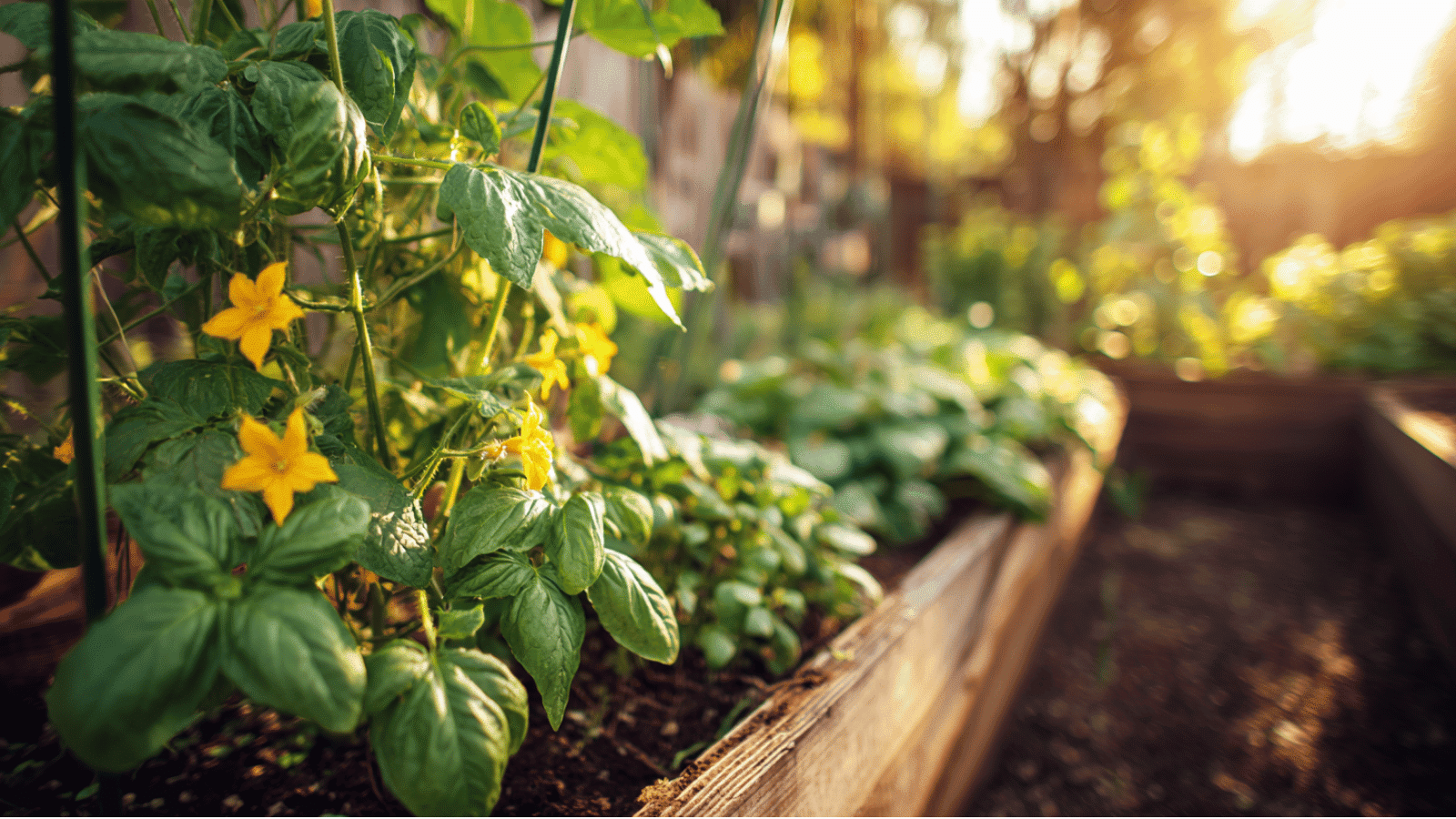
Basil can attract pollinators that help cucumber plants produce more fruit. Some gardeners also use basil to discourage cucumber beetles.
Cucumber vines spread quickly across garden beds, and basil helps fill nearby spaces without competing heavily for nutrients
How to Plant: Plant basil near cucumber trellises or at the edges of mounds where it can receive full sunlight.
14. Beans
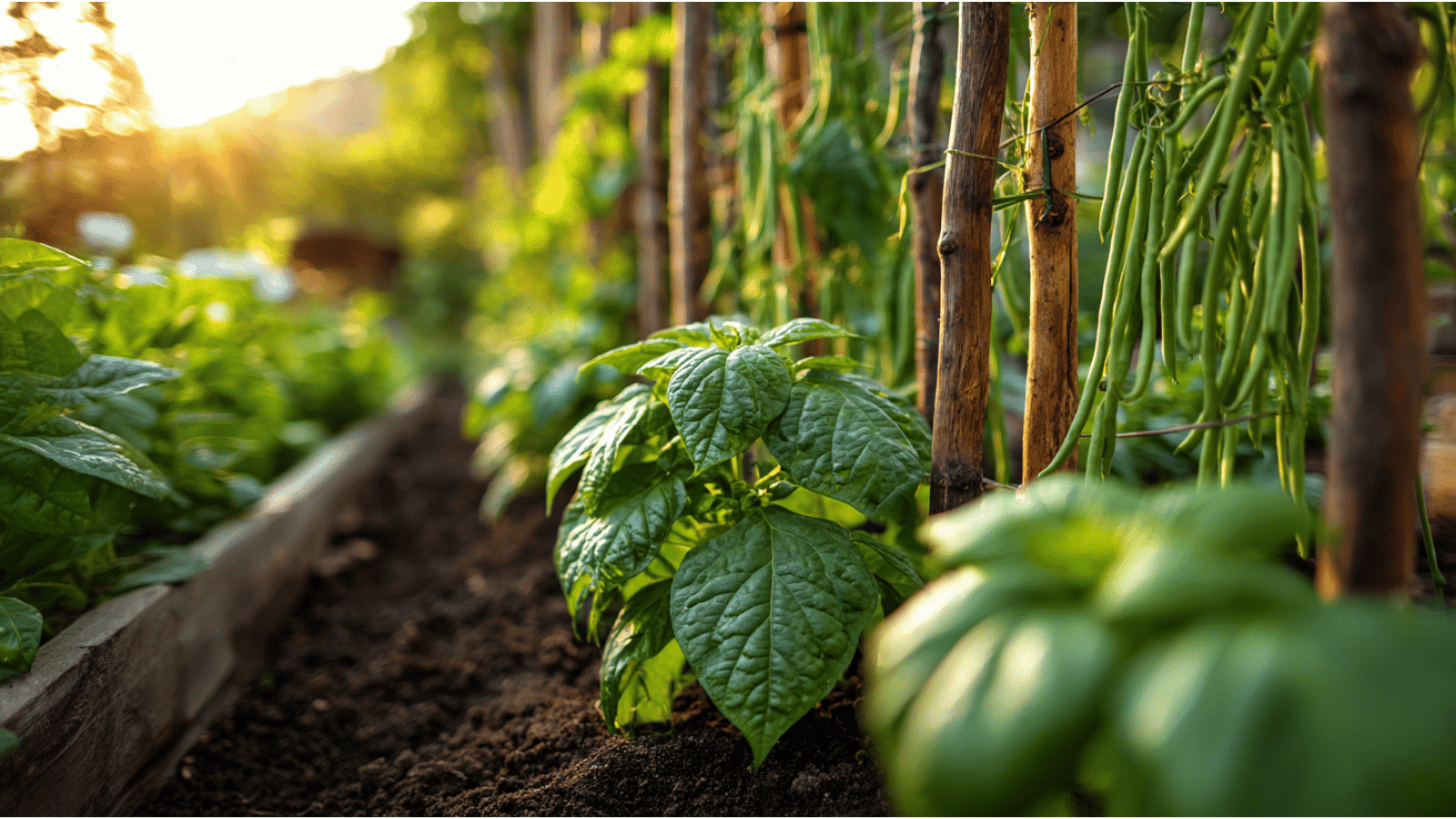
Beans add nitrogen back into the soil, which supports the growth of leafy basil. Pole beans can also create partial shade in summer.
Their climbing vines make good use of vertical garden space, helping gardeners grow more plants in smaller areas
How to Plant: Plant beans behind basil plants so taller vines do not block too much sunlight.
15. Beets
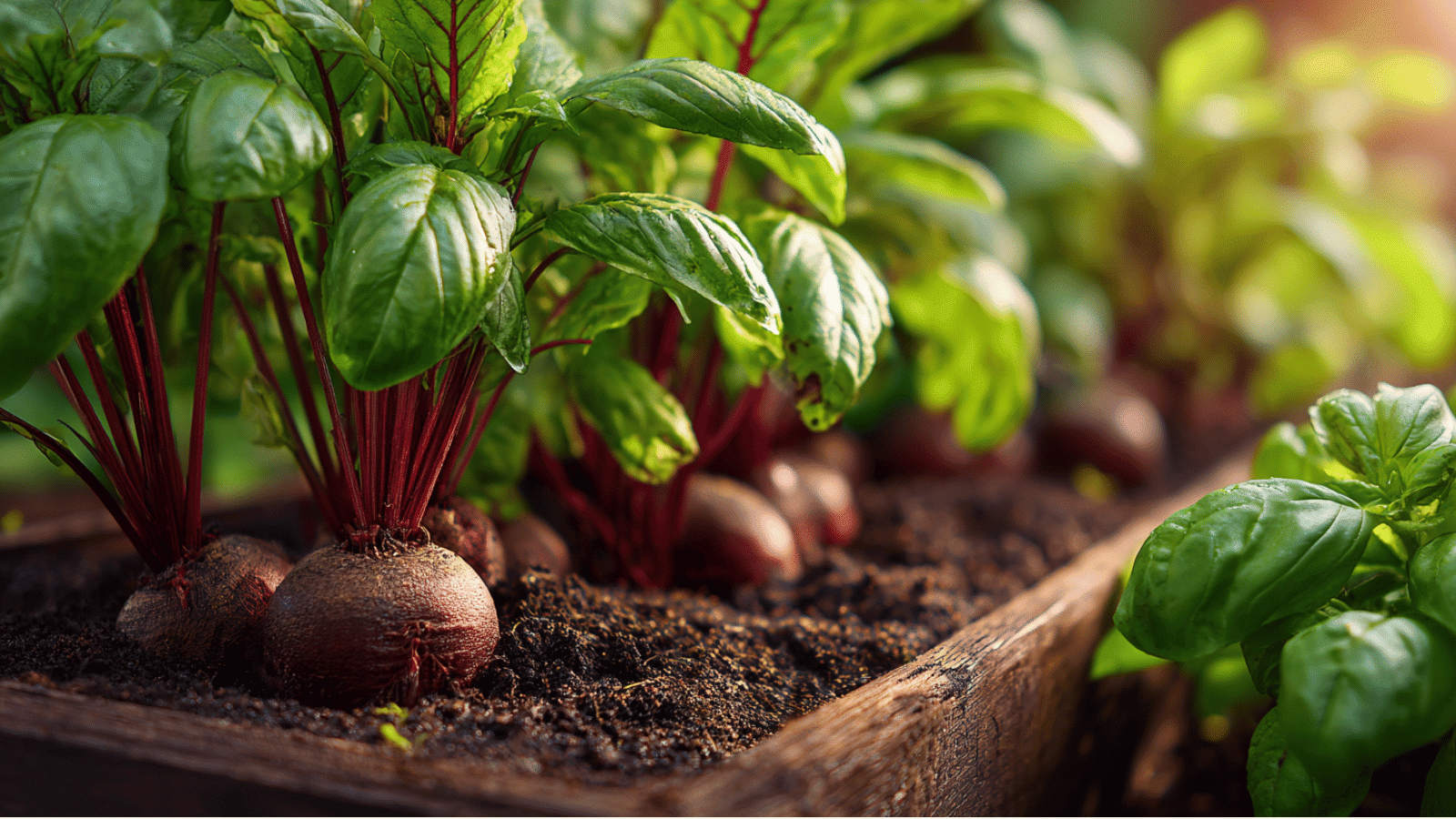
Beets do not compete heavily with basil for nutrients. They grow well in the same raised beds and garden rows.
Beets grow mainly underground; they leave enough upper space for basil to spread its leafy growth. Their colorful stems and leaves also add a bright and healthy look to vegetable garden beds.
How to Plant: Sow beet seeds in rows with basil planted along the corners or borders of the bed.
16. Zucchini
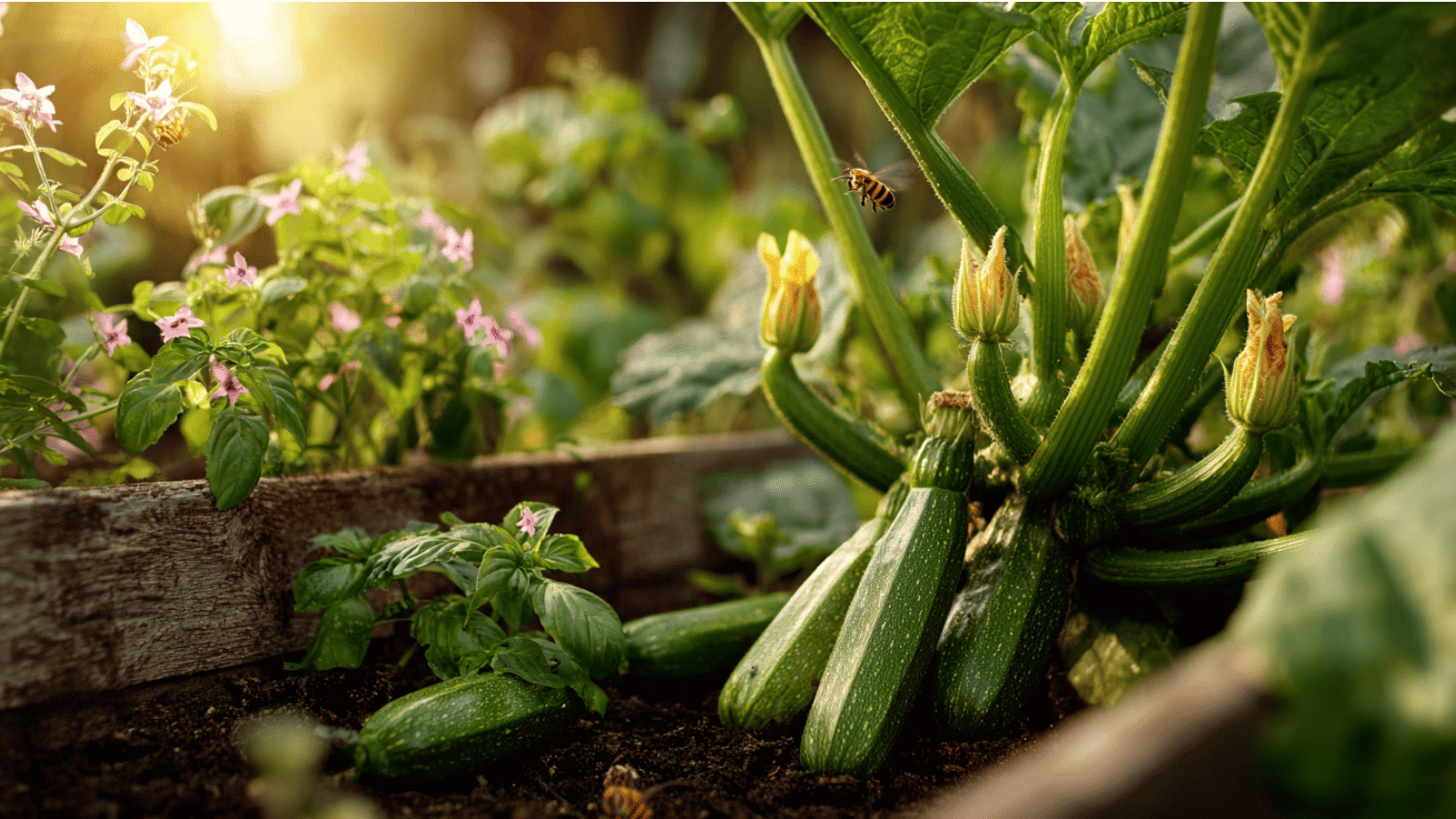
Basil flowers bring bees and pollinators into the garden, which may improve zucchini production.
Since zucchini plants produce large yellow flowers, extra pollinator activity can support better fruit growth throughout the season.
How to Plant: Plant basil near zucchini hills, leaving enough space for zucchini leaves to spread.
17. Eggplants
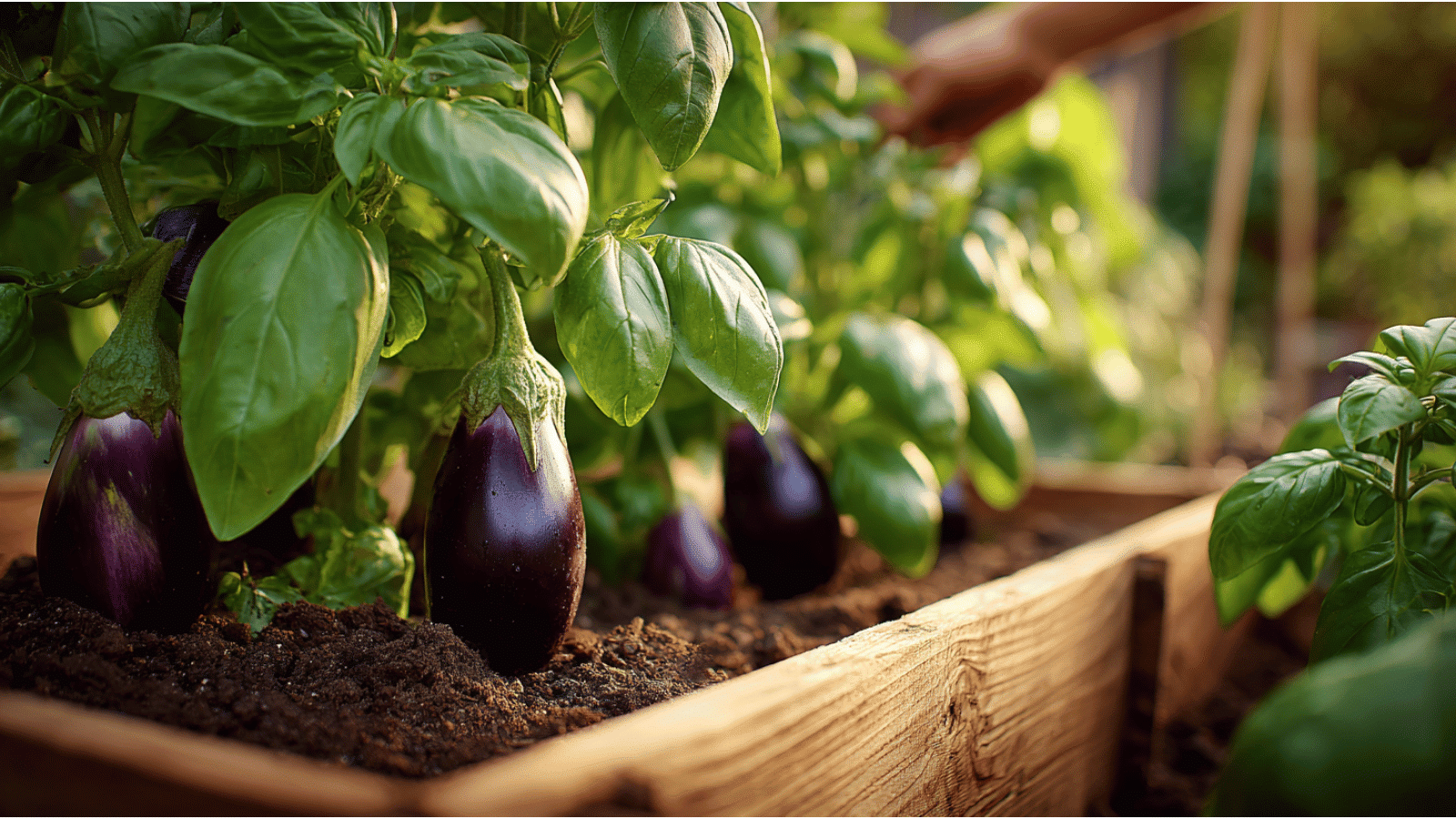
Eggplants and basil enjoy similar growing temperatures. Basil may also help reduce pest pressure around eggplants.
The strong scent of basil may also help keep flea beetles and spider mites away from eggplant leaves during warm growing months.
How to Plant: Plant basil around eggplants, spacing them about 10 inches apart to allow airflow and sunlight.
18. Borage
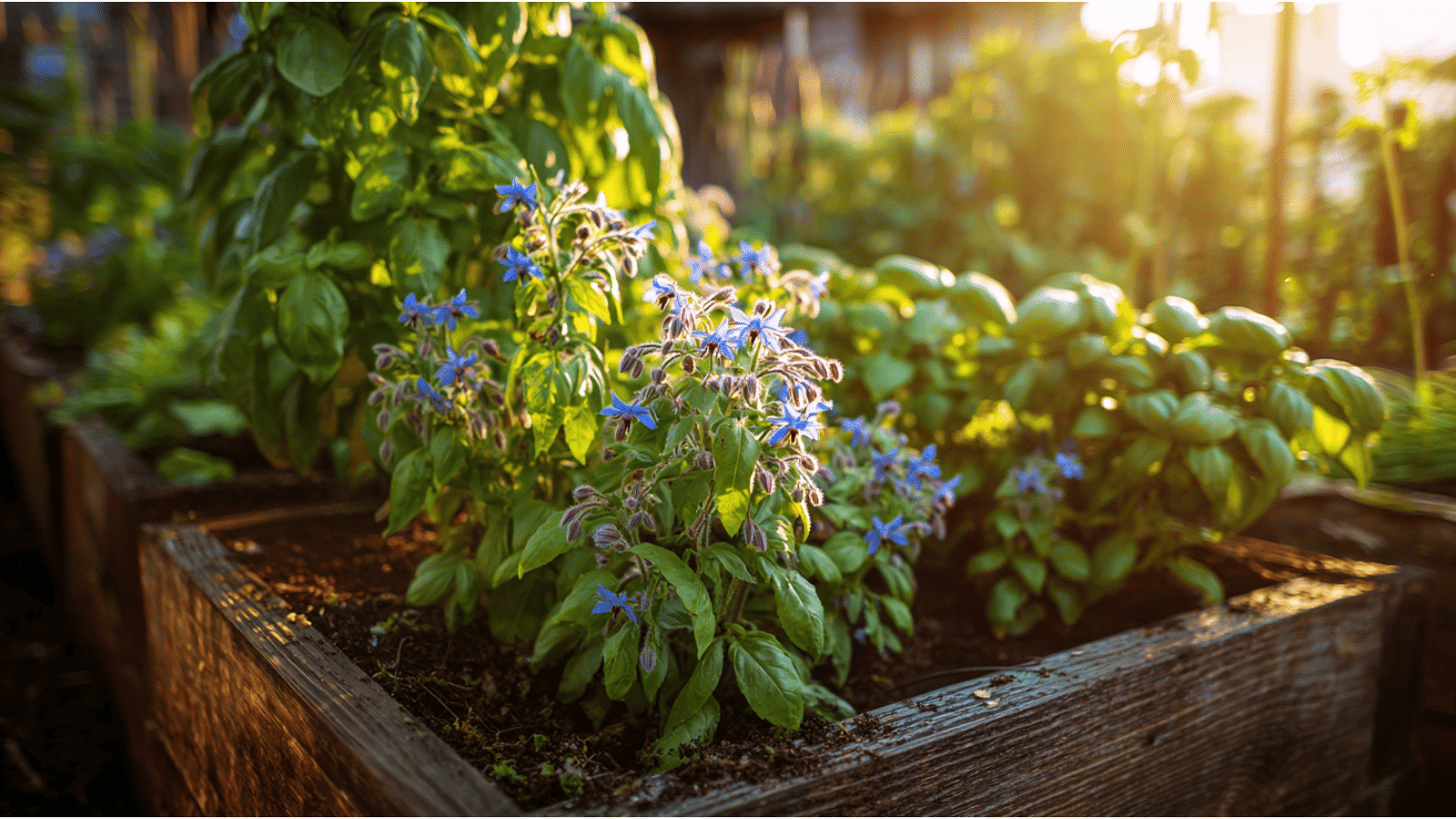
Borage attracts bees and other helpful insects. It also improves the overall activity around herb and vegetable gardens.
Its bright blue flowers bring more pollinators into the area, which may help nearby vegetables produce better harvests
How to Plant: Grow borage near basil beds, but allow extra room because borage plants can spread widely.
19. Radishes
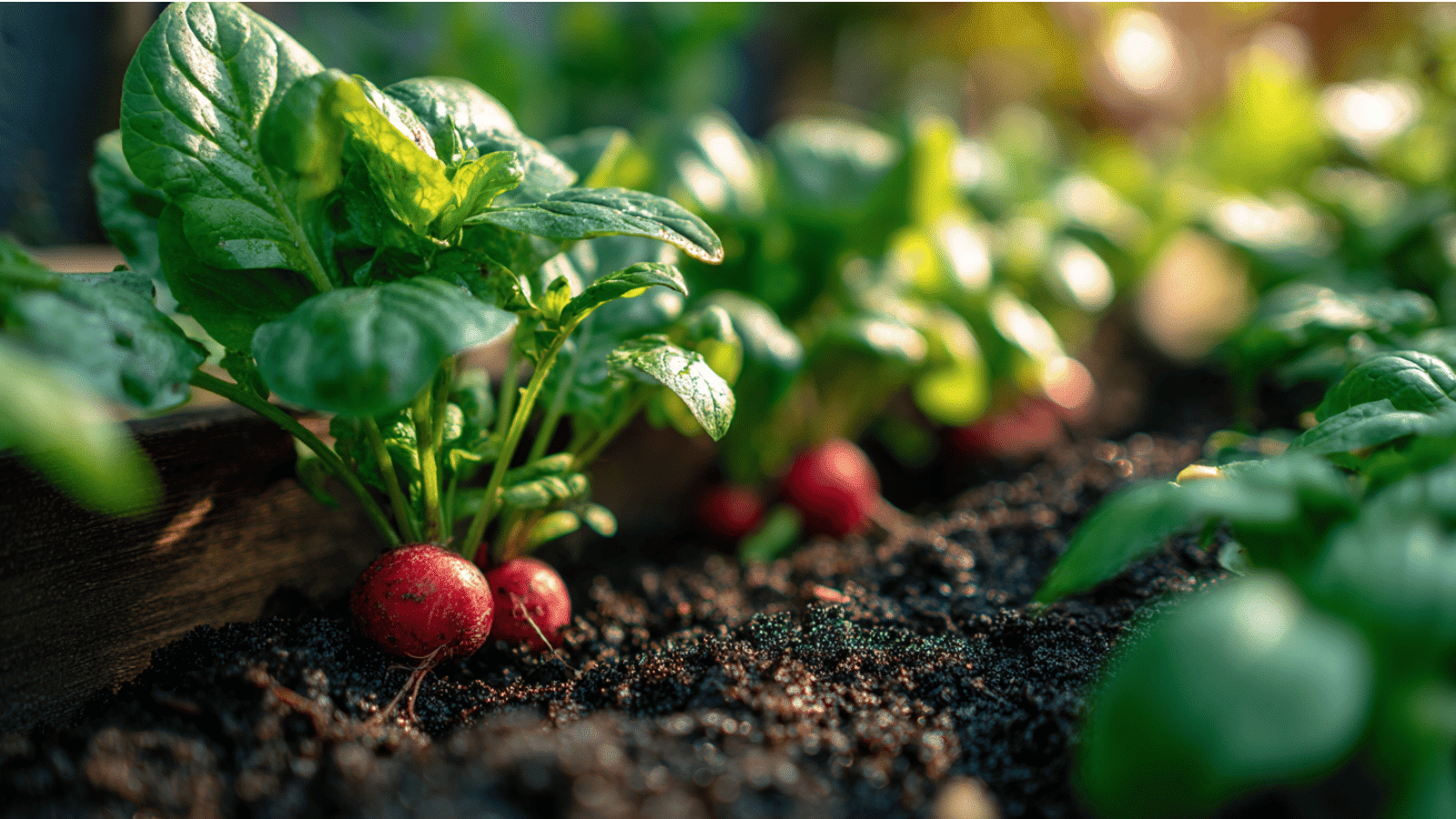
Radishes grow fast and use little space, making them helpful between young basil plants during early growth stages.
They are a great choice for filling empty garden spots while basil is still growing larger. Radishes mature quickly; they can be harvested early without disturbing nearby basil roots or depleting nutrients.
How to Plant: Sow radish seeds between basil plants before basil reaches full size. Harvest radishes early to free space.
20. Celery
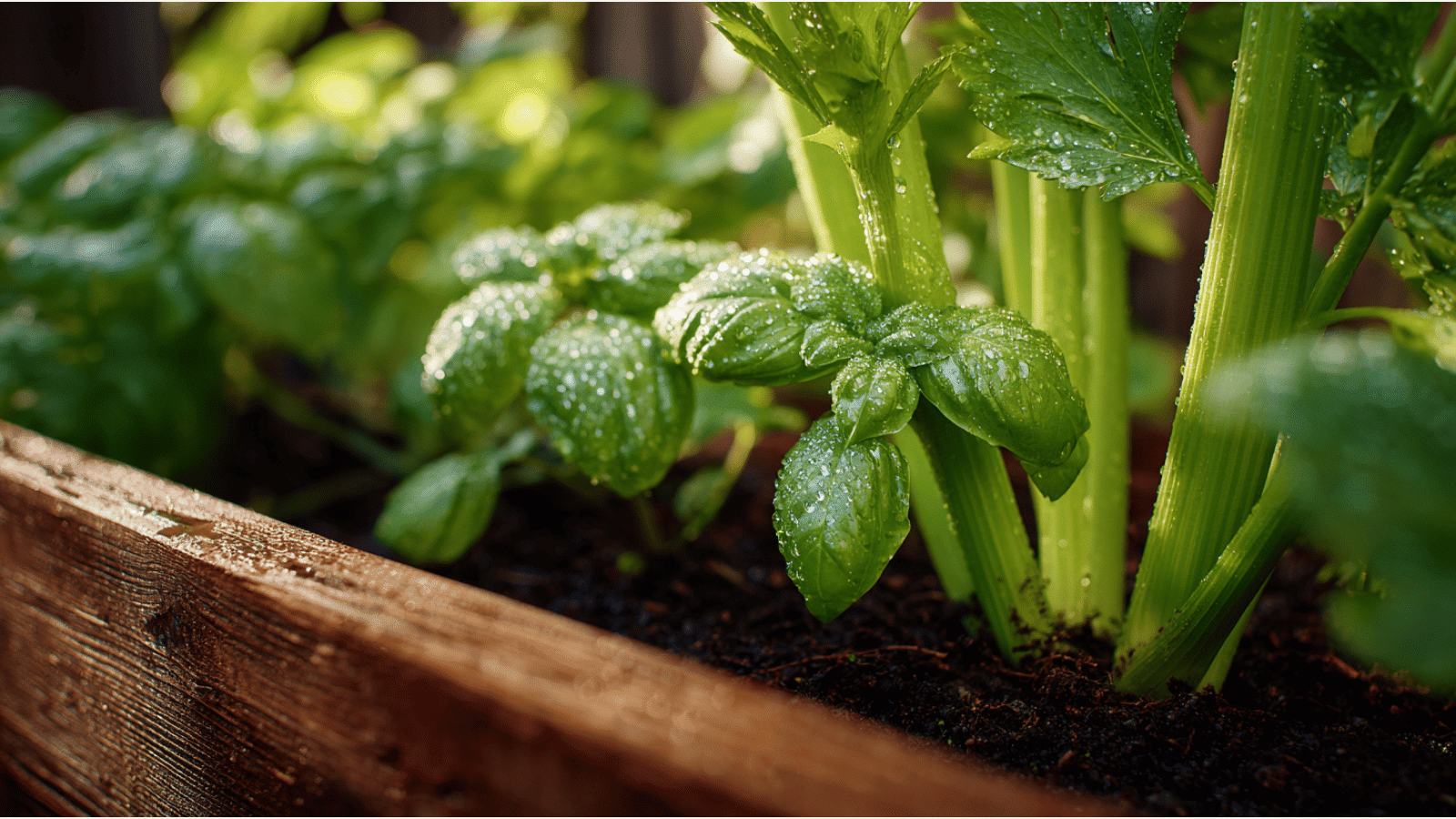
Celery and basil both prefer moist soil conditions. Growing them together makes watering routines easier.
Basil’s strong scent may also help reduce pests around celery plants, while celery’s dense growth can help keep the soil cooler during warm weather.
How to Plant: Plant celery and basil in evenly spaced rows, and mulch to help retain soil moisture.
21. Thyme
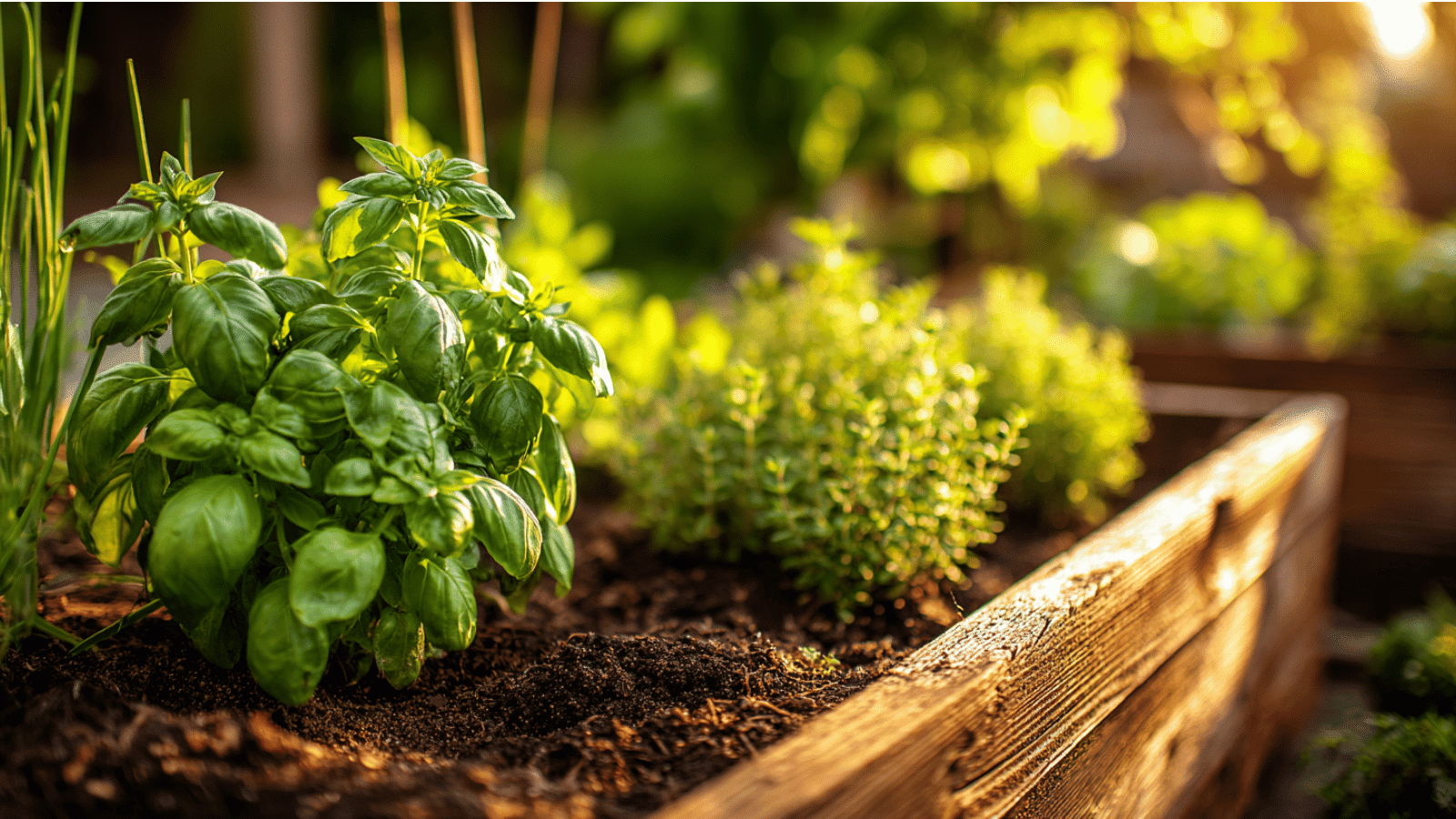
Thyme stays low while basil grows taller, helping gardeners use planting space wisely. Both herbs also enjoy sunny locations.
Thyme can also help cover bare soil, which may reduce weed growth and help the soil hold moisture longer. Since both herbs are easy to maintain, they make a great choice for small herb gardens, raised beds, and container planting.
How to Plant: Plant thyme along garden edges and basil in the center for a tidy, productive herb layout.
Easy Ways to Build Better Garden Beds
Growing basil with the right companion plants can make garden care simpler and more organized.
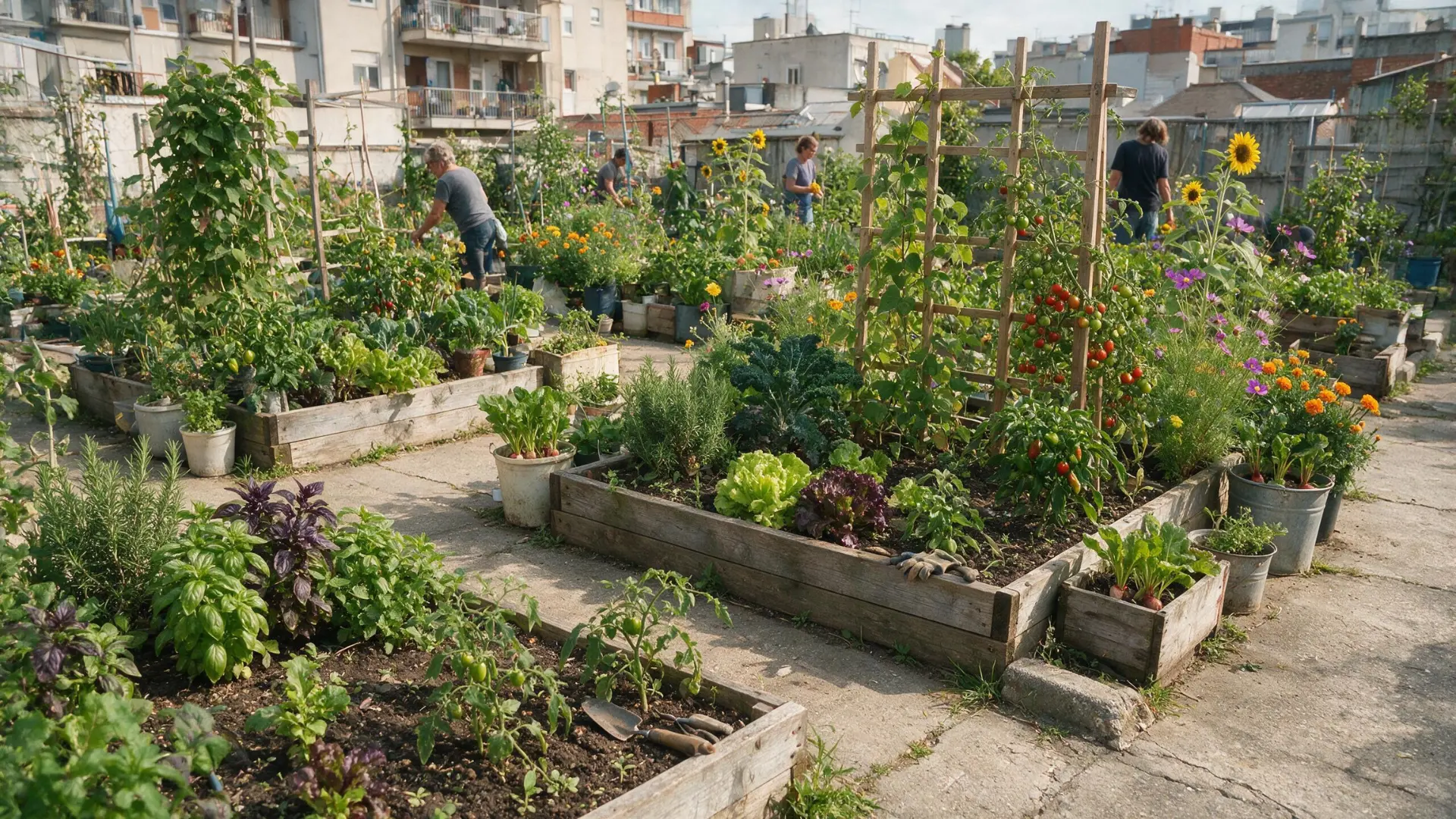
Mixing herbs, vegetables, and flowers in the same space helps improve airflow, save room, and create a more active garden filled with pollinators and healthy plant growth.
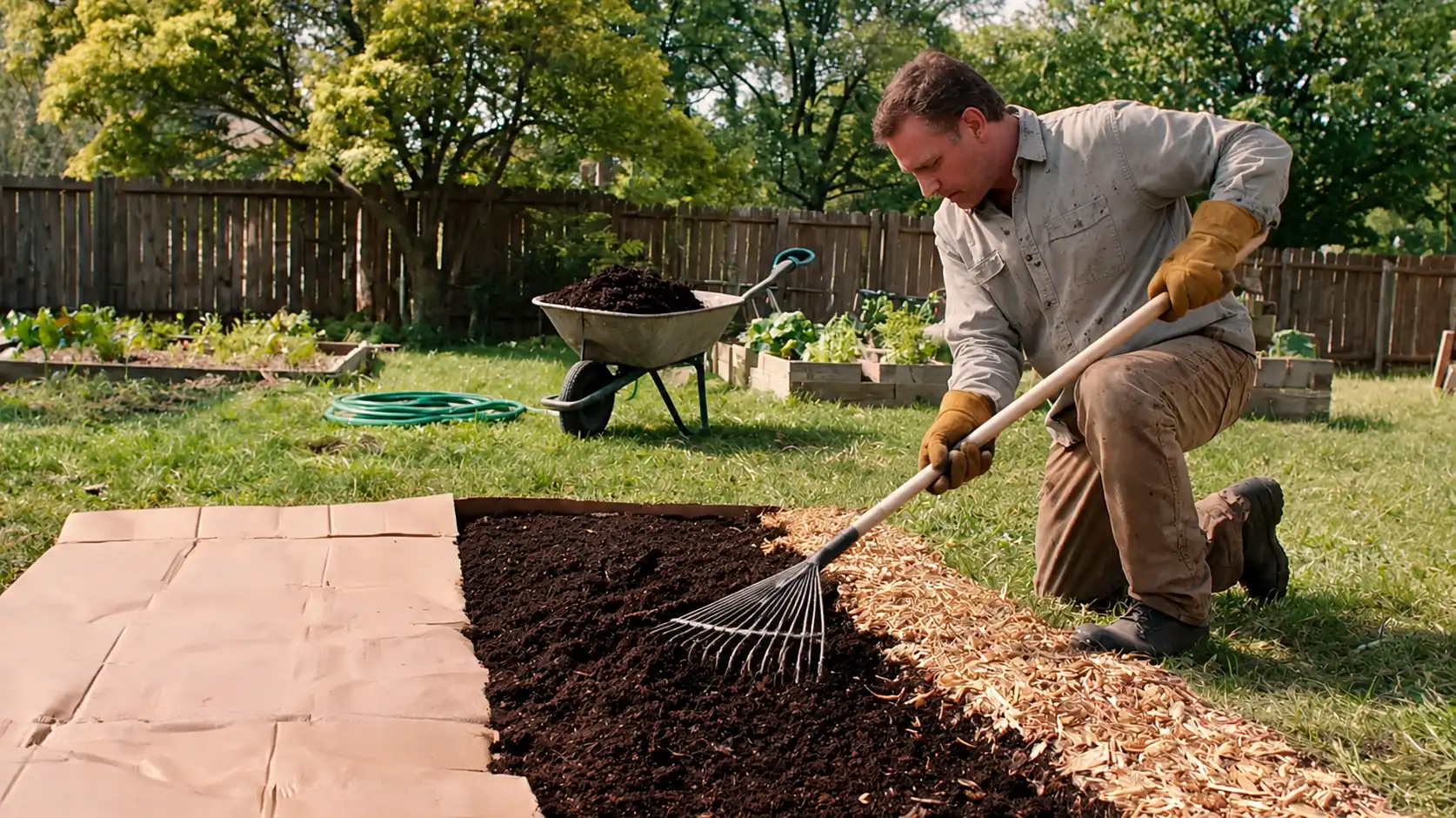
Using raised beds with good drainage can help roots stay healthy and reduce water buildup after heavy watering or rain. Adding mulch around basil companion plants also helps hold moisture and keeps weeds from spreading too quickly.
Grouping plants with similar care needs makes watering and maintenance easier. Taller plants can also provide light shade for smaller herbs during hot weather.
Conclusion
Choosing the right basil companion plants can make gardening simpler and more rewarding. These pairings help improve growth, attract pollinators, reduce pests, and make better use of garden space.
If you’ve been wondering what to plant with basil, these ideas give plenty of practical options for raised beds, containers, and backyard gardens.
Mixing herbs, vegetables, and flowers around basil creates a healthier growing area with less effort. With the right companions nearby, basil can thrive while supporting the rest of the garden at the same time.
Frequently Asked Questions
Which Plants Should Stay Away From Basil?
Avoid planting basil near rue, sage, or cucumbers because they can affect basil’s growth and flavor.
Which Garden Plants Grow Best With Basil?
Tomatoes, peppers, lettuce, and marigolds are some of the best basil companion plants for a healthier garden.
Which Herbs Should Not Share Pots?
Mint, sage, and rosemary should not be potted with basil, as they require different watering and soil conditions.
What Grows Well With Basil Raised Beds?
Tomatoes, carrots, onions, spinach, and peppers are great choices for planting with basil in raised beds.