There’s something quietly powerful about air that feels fresh, light, and effortlessly clean.
As we spend more time indoors, the quality of what we breathe has become increasingly important for both health and how our spaces feel.
You might be drawn to the simplicity of a portable unit tucked in your bedroom corner, or perhaps you’re dreaming of a whole home air purification system that works invisibly behind the scenes.
Creating cleaner air is more accessible than you think.
We’ll walk you through everything from DIY setups to professional installations, costs to consider, and thoughtful tips to help you breathe a little easier in the home you love.
Types of Air Purifiers You Can Install
Choosing the right air purifier starts with understanding how different systems work within your space.
Some are designed to refresh a single room with minimal effort, while others integrate seamlessly into your home’s existing airflow to purify every corner.
| Type | How It Works | Best For |
|---|---|---|
| Portable / Room Air Purifiers | Plug-and-play units for single rooms with HEPA, carbon, or hybrid filters | Apartments, bedrooms, renters |
| Whole Home Air Purifiers | Installed into HVAC systems to cover the entire house | Allergies, asthma, pets, and large homes |
A whole-home air purifier or whole-home air purification system offers continuous purification throughout every room without managing multiple devices.
Do You Need Professional Air Purifier Installation?
Portable air purifiers are perfectly suited for a DIY setup. Simply unbox, plug in, and let them run.
But when you’re considering a whole-home air purification system, professional installation becomes essential.
These systems integrate directly into your HVAC ductwork, requiring knowledge of airflow dynamics, electrical connections, and proper placement.
Attempting installation yourself could void warranties, compromise system efficiency, or create safety risks.
If your setup involves cutting into ducts, wiring new components, or modifying your heating and cooling system, calling in a licensed HVAC technician ensures everything works safely and optimally from day one.
DIY: How to Install a Portable Air Purifier
Portable air purifiers are beautifully simple to set up.
No special tools, no technical expertise needed. Just a few thoughtful steps and you’ll have cleaner air flowing through your space in minutes.
Step 1: Choose Your Location
Pick a spot with good airflow, away from walls and furniture. Place your unit at least a few feet from obstacles so air can circulate freely.
Bedrooms, living rooms, and home offices are ideal. Avoid corners or tight spaces where airflow gets restricted.
Step 2: Unbox and Inspect
Remove all packaging materials and check for any shipping damage. Most units come with protective plastic on filters.
Remove these coverings before use. Keep your manual handy for filter replacement schedules and specific model instructions.
Step 3: Install or Check Filters
Some purifiers arrive with filters pre-installed, while others require you to insert them. Follow the arrows or indicators showing proper filter direction.
HEPA filters typically have a specific airflow direction. Ensure everything clicks securely into place.
Step 4: Plug In and Power On
Connect your purifier to a standard electrical outlet. Avoid extension cords when possible for optimal performance.
Turn the unit on and select your desired fan speed. Many models offer auto mode, which adjusts based on detected air quality.
Step 5: Adjust Settings and Maintain
Set timers, fan speeds, or air quality sensors according to your preferences. Let the unit run continuously for best results, especially during allergy season.
Check filters monthly and replace according to manufacturer guidelines, usually every 3 to 6 months, depending on usage.
Video Walkthrough: See How Experts Do It
For more information, check out this video tutorial by Quality HVACR.
Whole Home Air Purifier Installation Explained
A whole-home air purification system works quietly behind the scenes, integrating with your existing HVAC to clean every breath you take.
Understanding how these systems function helps you choose the right option for your space.
How Whole-House Systems Work?
Unlike portable units that treat single rooms, whole-home air purifiers connect directly to your HVAC ductwork. They’re usually installed in return or supply ducts to filter air during heating or cooling cycles.
As air moves through your home, it passes through the purification system, removing particles, allergens, and pollutants before redistributing clean air to every room.
This continuous process means your entire home benefits from improved air quality without managing multiple devices.
Types of Whole Home Air Purification Systems
Different technologies offer unique benefits depending on your air quality concerns. Here are the main options available:
- HEPA Bypass Systems: Use high-efficiency filters to capture particles as small as 0.3 microns, ideal for allergies and asthma.
- Media Filter Systems: Thick pleated filters that trap dust, pollen, and larger particles with minimal airflow resistance.
- UV Light Air Purifiers: Neutralize bacteria, viruses, and mold spores using ultraviolet light mounted near the coil.
- Electronic / Ionizing Systems: Charge airborne particles electrically so they stick to collection plates or surfaces.
How a Whole Home Air Purifier Gets Installed?
Installing a whole-home air purification system is a technical process best left to licensed HVAC professionals.
Here’s what happens during a typical installation:
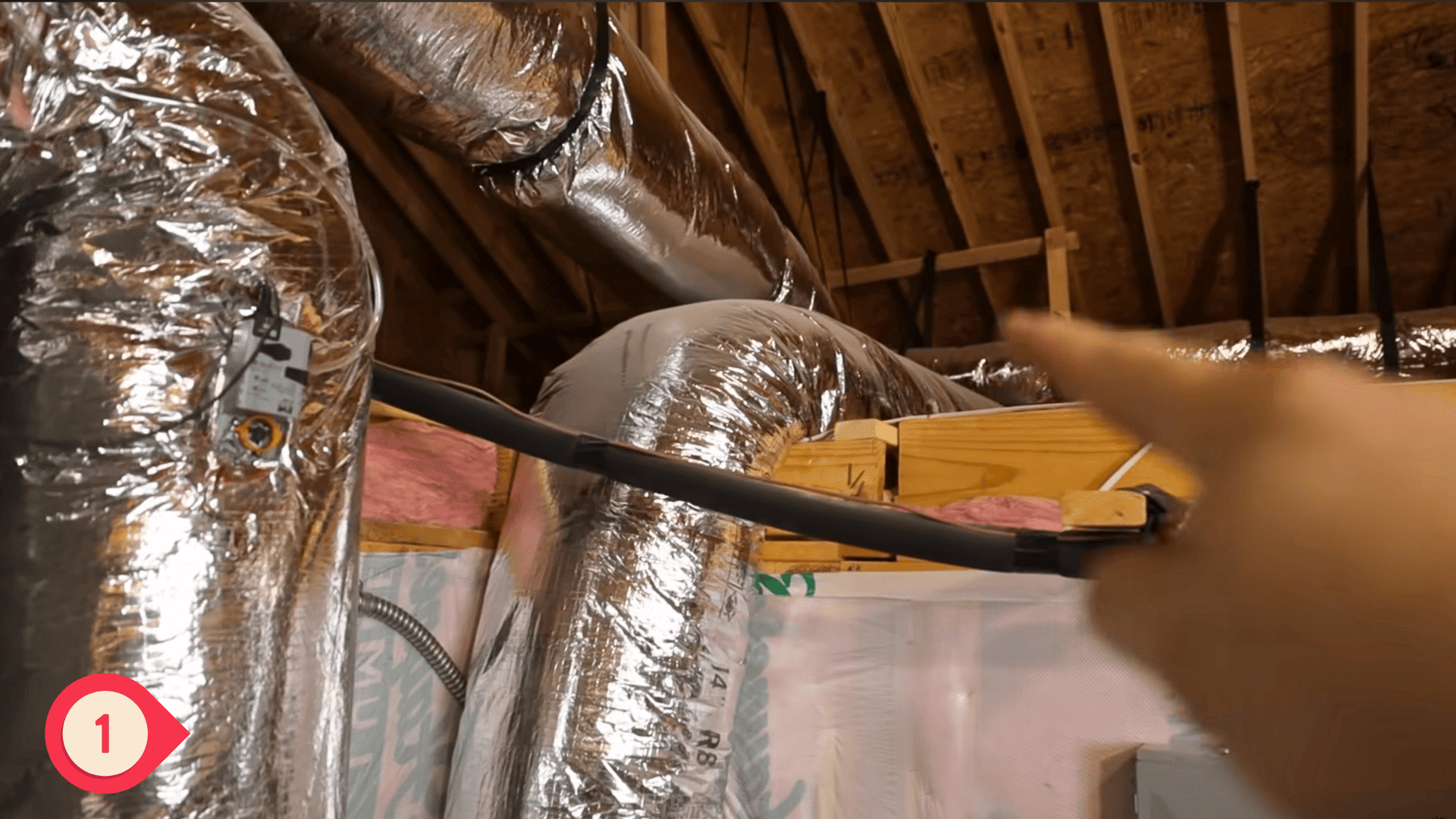
- Step 1: Technician assesses your home’s air quality needs and inspects existing HVAC ductwork for compatibility
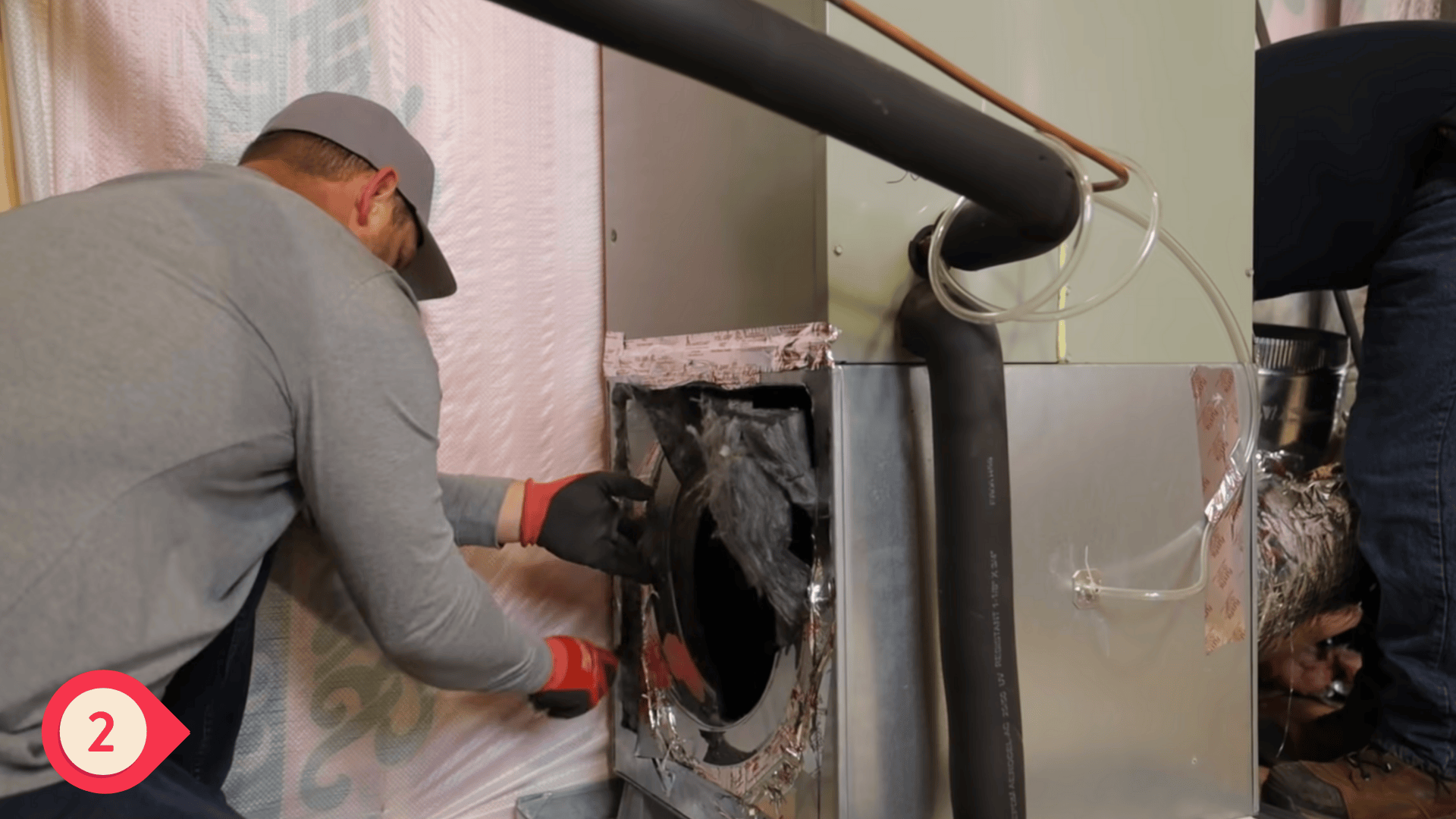
- Step 2: HVAC system is safely shut down, and the appropriate access point is cut into the supply or return duct
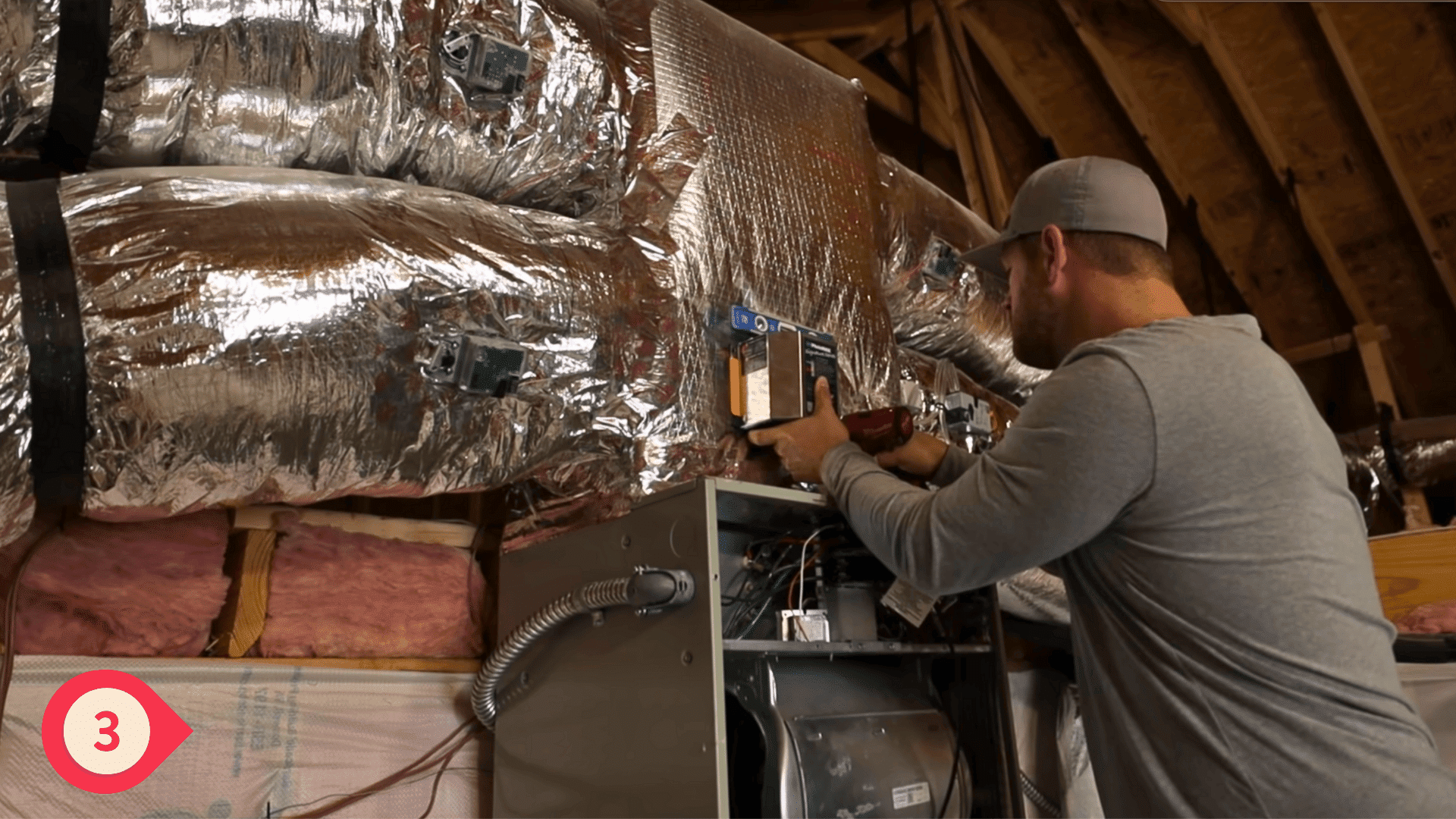
- Step 3: Purifier unit is carefully mounted and secured to the ductwork with proper sealing using mastic tape
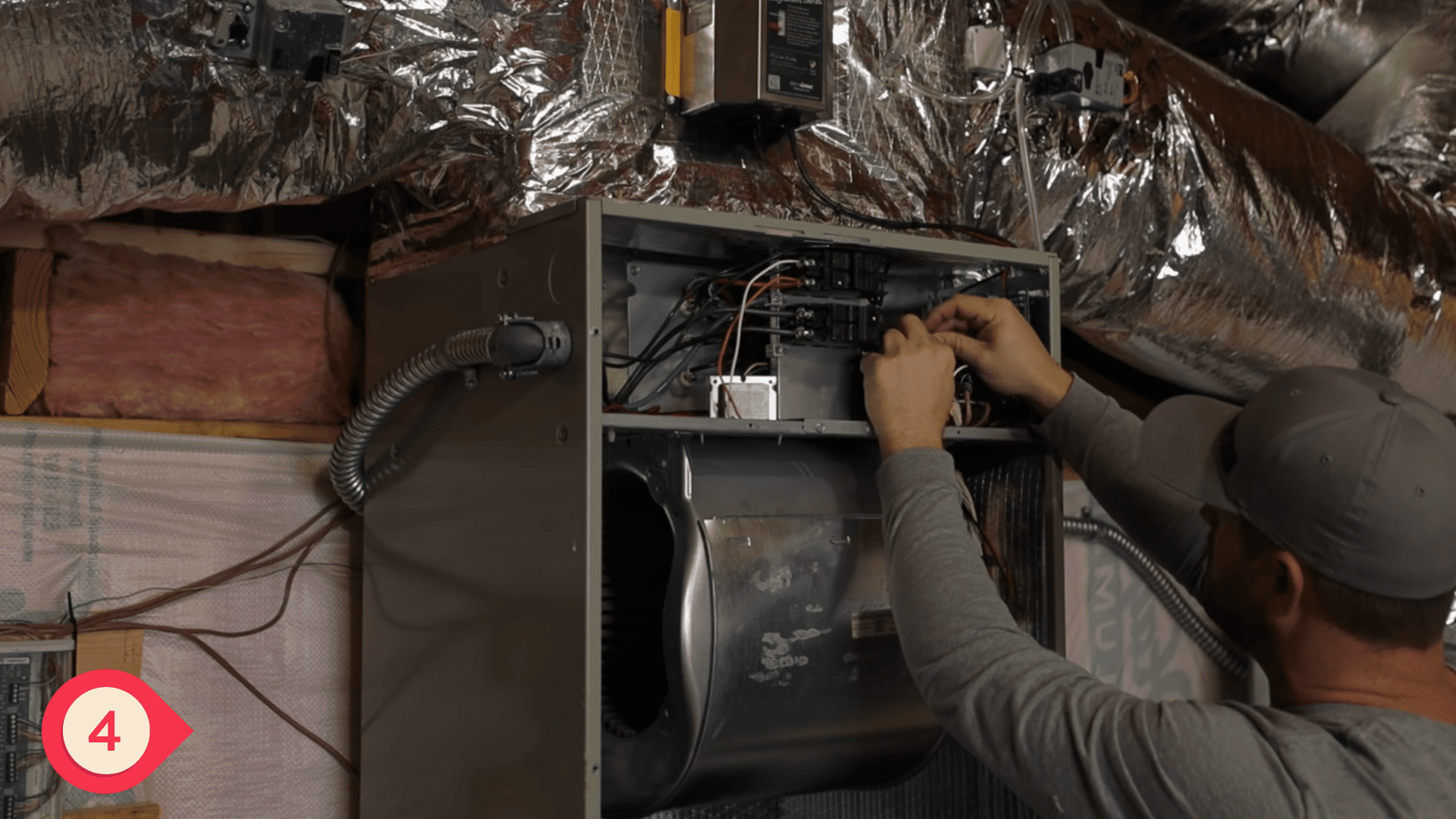
- Step 4: Electrical wiring connects the system to your HVAC controls, ensuring synchronized operation during heating and cooling cycles
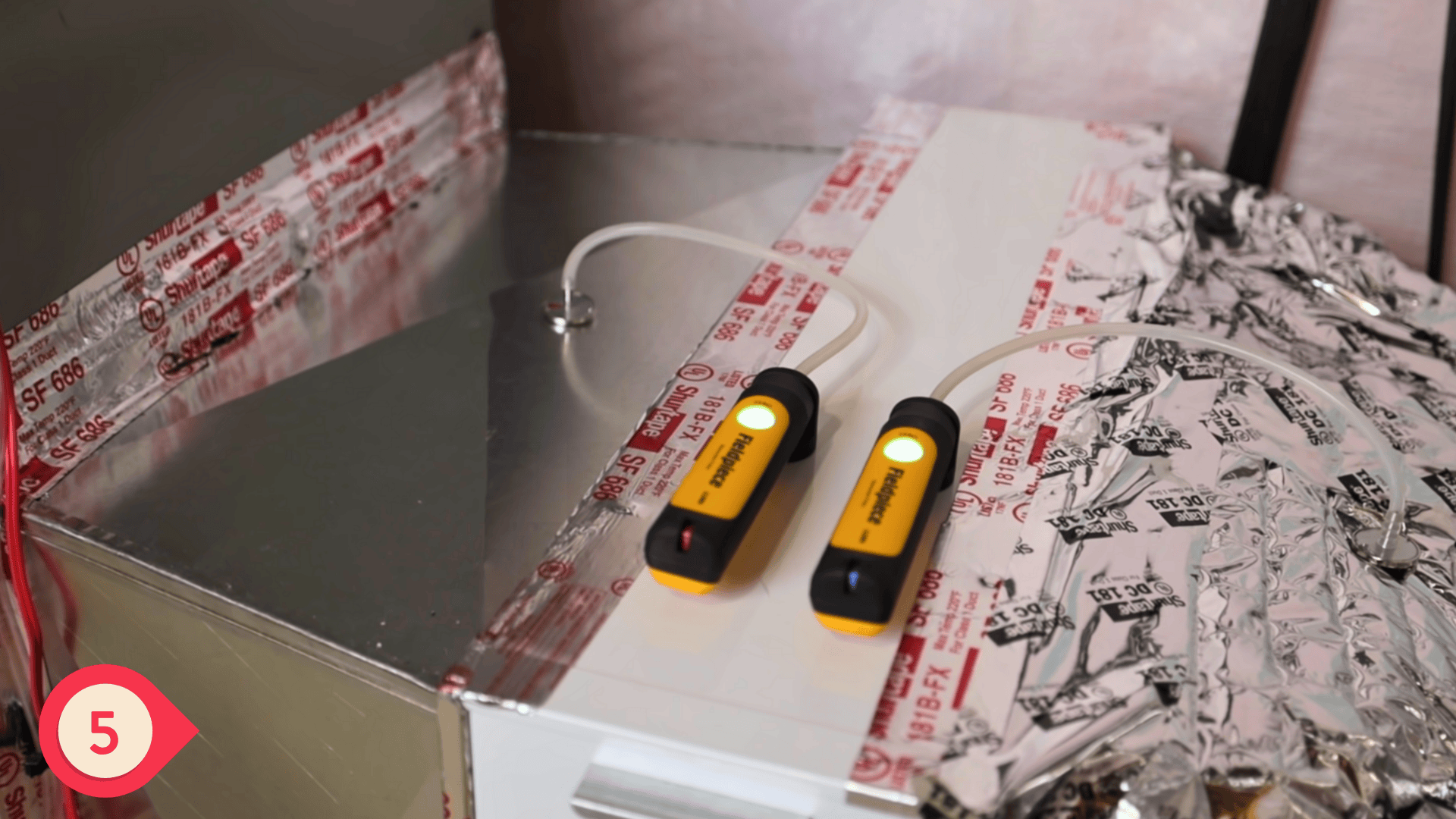
- Step 5: System is calibrated, tested for airflow and pressure, and then fully activated to confirm optimal performance
Professional installation protects your warranty, ensures safety, and guarantees your whole-home air purifier works efficiently from the start.
Attempting DIY installation on integrated HVAC systems can lead to costly mistakes and compromised air quality.
Cost of Air Purifier Installation
Understanding the financial investment helps you plan for cleaner air.
Costs vary significantly between portable units and whole-home systems, with installation complexity playing a major role.
| Type | Equipment Cost | Installation Cost | Key Cost Factors |
|---|---|---|---|
| Portable Air Purifiers | $50 to $800 per unit | None (plug-and-play) |
Room size coverage, filter type (HEPA vs. carbon), brand, smart features |
| Whole Home Air Purification System | $600 to $2,500+ | $300 to $1,000+ | Home square footage, HVAC compatibility, system type (HEPA, UV, electronic), ductwork modifications needed |
Whole home installations require professional labor, which adds to upfront costs but delivers comprehensive air quality improvement throughout your entire living space.
Portable units offer budget-friendly entry points for targeted room purification.
Keeping Your Air Purifier Running at Its Best
Installation is just the beginning. Regular maintenance ensures your air purifier continues delivering fresh, clean air for years to come.
- Replace HEPA and carbon filters every 3 to 6 months, or as indicated by your system’s filter change light.
- Clean or vacuum pre-filters monthly to prevent dust buildup and maintain optimal airflow through the unit.
- Monitor airflow strength and check for unusual noises, reduced performance, or lingering odors in your space.
- Schedule annual professional inspections for whole-home air purification systems to verify ductwork seals and electrical connections.
- Watch for warning signs like increased allergy symptoms, visible dust accumulation, or the system running louder than usual.
Consistent maintenance protects your investment and keeps your indoor air quality at its peak. A well-maintained system works more efficiently, lasts longer, and saves you money on energy costs.
Choosing the Right Air Purifier and Installation Method
The best air purifier depends on your specific needs, home layout, and what you’re trying to filter.
Consider your air quality concerns, space size, and how involved you want the installation process to be before making your choice.
| Factor | Portable Air Purifier | Whole Home Air Purification System |
|---|---|---|
| Coverage | Single room (100–500 sq ft) | Entire home (all rooms) |
| Best For | Allergies, smoke, and pet dander in specific spaces | Comprehensive filtration for asthma, pets, and large homes |
| Installation | DIY (plug-and-play, no skills needed) | Professional HVAC technician required |
| Cost | Low ($50–$800, no labor) | Moderate to high ($900–$3,500+ total) |
| HVAC Compatibility | Not applicable (standalone) | Must integrate with the existing system |
| Maintenance | Easy filter swaps every few months | Periodic professional service recommended |
| Noise & Energy | Varies by model and fan speed | Quiet, runs with HVAC cycles |
| Certifications | Look for True HEPA, ENERGY STAR | HEPA, UV-C, MERV ratings, ENERGY STAR |
Tip: If you’re renting or need immediate air quality relief in one room, start with a portable unit. Homeowners dealing with whole-house concerns like severe allergies or multiple pets benefit most from integrated systems.
Wrapping Up
Air purifier installation doesn’t have to feel overwhelming. You might start with a simple portable unit in your bedroom or invest in a whole-home air purification system that works silently through your HVAC.
Either way, cleaner air is within reach. The right choice depends on your space, your budget, and what matters most to your family’s comfort.
Take your time weighing your options, ask questions, and don’t hesitate to call in professionals when needed.
Your home should feel like a sanctuary, and fresh air is where that feeling begins. What’s been your biggest air quality challenge? Share your thoughts in the comments below.