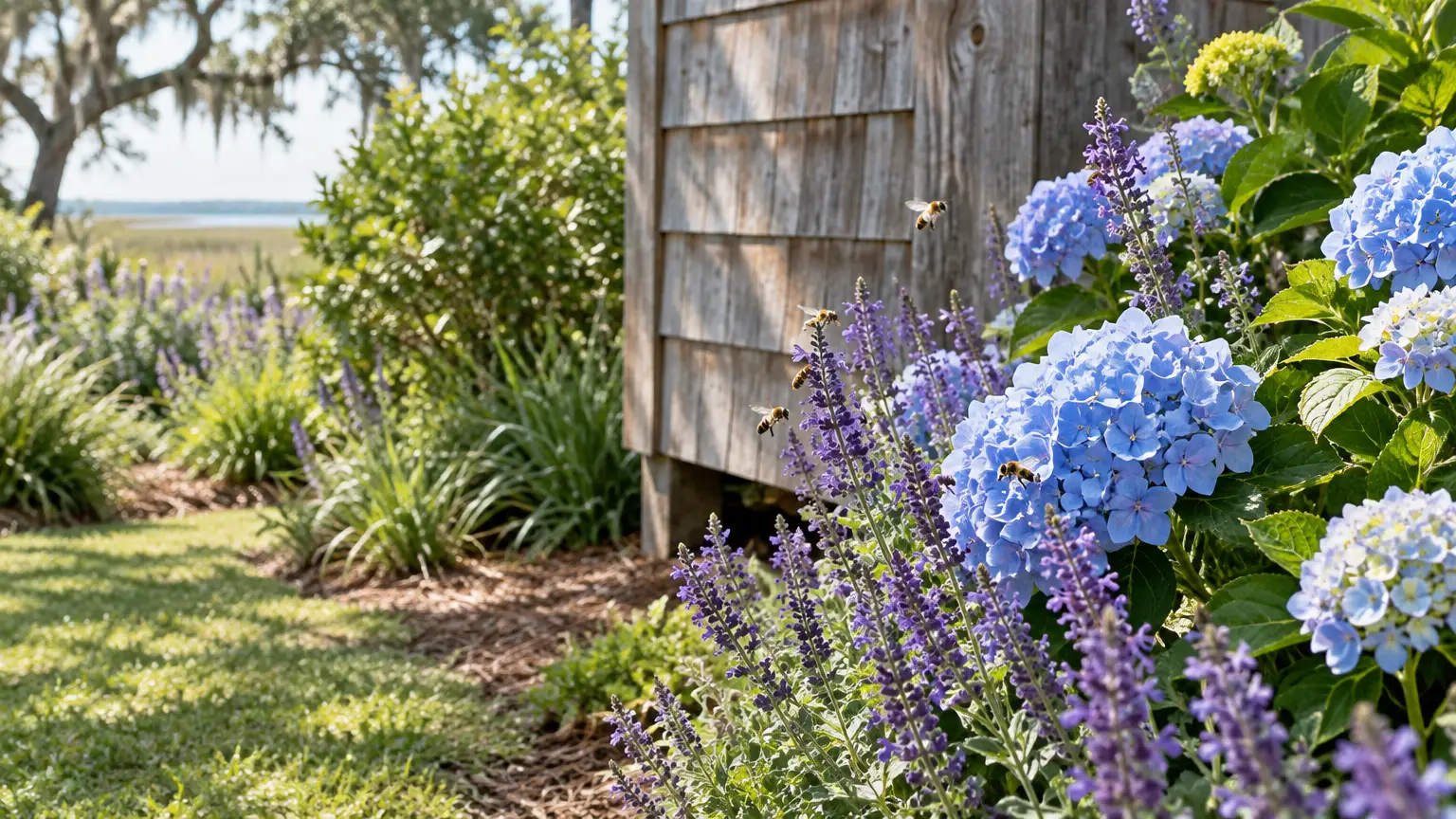
Gardeners along the Gulf Coast spend a lot of energy getting pollinators to show up. We plant salvia, coax hydrangeas into bloom, and fuss over fruit trees, all with half an eye on whether the bees are doing their job. But what happens when the bees do more than visit, and actually decide to move in?
A hollow tree trunk, an old shed wall, or an irrigation box can become a thriving colony almost overnight, and that turns a welcome pollinator into a genuine property question.
This is where the gardening world and the pest management world collide, and it’s worth understanding before you reach for a can of spray.
Florida treats honey bees differently than most backyard insects, largely because of their agricultural value to citrus, melons, and a long list of commercial crops.
Homeowners researching whether honey bees are protected in Florida often discover that the answer is more nuanced than a flat yes or no. Managed colonies registered with the state carry real legal weight, while wild or feral swarms are handled under a different set of practical rules.
That distinction matters a great deal when you’re deciding whether to coexist with a hive in your garden or call someone to remove it.
Why Honey Bees Are Protected in Florida: Legal Framework & Agricultural Importance
Florida’s agricultural economy depends on pollination services that honey bees provide at a scale few other insects can match, which is part of why the state has built a legal framework specifically around beekeeping.
According to Leg, Florida law preempts local government ordinances that prohibit or restrict registered managed honey bee colonies, meaning state authority supersedes city or county beekeeping bans, though homeowners’ association covenants may still restrict beekeeping under private contract law.
In practice, this means a city cannot simply outlaw backyard hives, but your subdivision’s HOA documents might still have the final word.
Registered beekeepers also benefit from inspection and disease management support through the state’s agriculture department, which helps keep colonies healthier than unmanaged, unregistered hives left to fend for themselves.
Coexistence Strategy: Creating Bee-Friendly Gardens & Habitat Support
For gardeners whose bees are simply visiting rather than nesting in a structure, coexistence is usually the lower-effort, lower-cost path. Planting a diverse mix of flowering natives, staggering bloom times across seasons, and reducing pesticide use during peak foraging hours all support bee populations without requiring any hands-on management.
Many of the same practices that help with plant vigor, like proper mulching and seasonal pruning discussed in guides on how to care for hydrangeas, also happen to create better forage and shelter conditions for pollinators.
The tradeoff is that coexistence only works smoothly when the bees stay outdoors in the landscape rather than establishing a colony inside a wall cavity, attic, or meter box, where proximity to daily foot traffic becomes a real safety concern.
Live Removal & Relocation: Preserving Colonies While Solving Conflicts
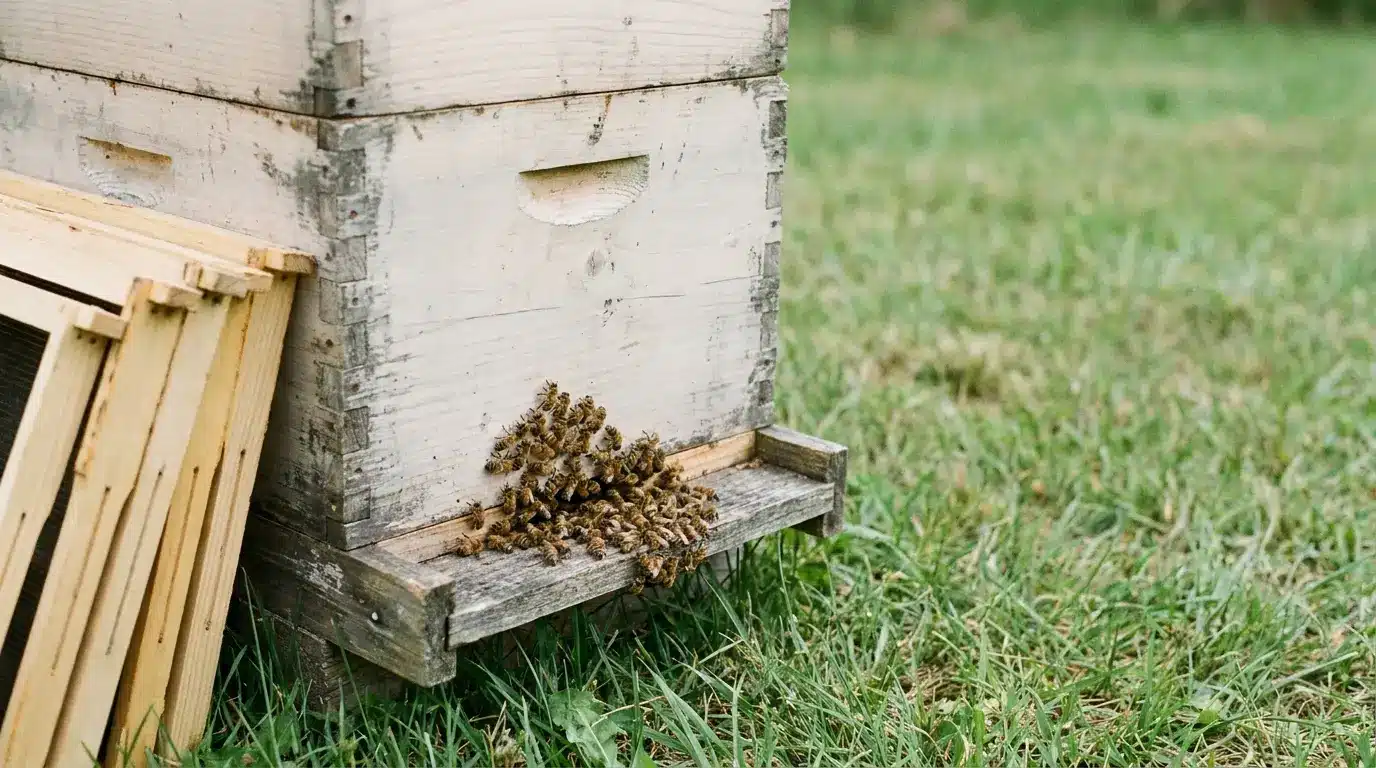
When a colony has already set up inside a structure, live removal and relocation offer a middle path between doing nothing and reaching for an exterminator. A trained technician or beekeeper opens the cavity, carefully extracts the comb along with the queen, and transfers the colony to a managed box where it can continue producing honey and pollinating crops elsewhere.
This approach preserves the bee population, which aligns with the roughly 40 percent annual colony loss rate that USDA’s Bee Informed Partnership has tracked over the past decade, a number that makes every salvageable hive more valuable to regional agriculture.
The tradeoffs are real, though: live removal takes longer, costs more than a simple spray treatment, and isn’t always structurally possible if the colony is deep inside a chimney or a load-bearing wall. It also requires finding a willing beekeeper or removal service with the right equipment, which isn’t available everywhere or on short notice.
When Extermination May Be Necessary: Safety, Regulations & Professional Guidance
There are situations where removal and relocation simply aren’t feasible, particularly with Africanized bee hybrids that show heightened defensive behavior, or colonies located somewhere that makes safe extraction impossible.
In these cases, licensed pest professionals may recommend elimination rather than relocation, especially if children, pets, or people with bee allergies are regularly nearby. This decision isn’t taken lightly given the protected status of managed colonies, and professionals typically document the colony’s location, behavior, and accessibility before recommending anything beyond coexistence or removal.
Homeowners should expect a reputable company to explain why relocation isn’t viable in their specific case rather than defaulting to extermination out of convenience, since the regulatory and ecological stakes are higher with honey bees than with typical structural pests.
| Metric | Figure |
| Bee-related service calls that are true honey bees (vs. wasps) | 35-45% (2025-2026 industry data) |
| Average structural colony size requiring removal | 20,000-30,000 bees per established hive |
| Annual growth in live bee removal requests | 8-12% year-over-year increase (2024-2026) |
| Peak season for bee removal calls | May-June, 30-35% of annual call volume |
| U.S. beekeeping colony loss rate (annual average) | Approximately 40% over the past decade |
Choosing between coexistence, live removal, and extermination really comes down to location, behavior, and risk tolerance rather than any single “correct” answer. A hive working a flower bed from a distance is a very different situation than one building comb behind a bathroom wall, and the legal protections around managed colonies add another layer worth understanding before acting.
Gardeners who take the time to identify which scenario they’re actually facing, and who bring in a qualified professional when a structure is involved, tend to end up with outcomes that are both safer for their household and better for the broader bee population these crops and landscapes depend on.