When temperatures begin dropping, gardeners face a familiar seasonal shuffle. Tropical plants, tender herbs, prized container flowers, citrus trees and other cold-sensitive favorites need protection before the first hard frost arrives.
Moving them indoors keeps them alive, but it can also bring unwanted passengers into the house. Insects that are barely registered outdoors can multiply surprisingly fast once they enter a warm environment without rain, wind or natural predators.
A little preparation before moving plants inside can save months of frustration and help your indoor garden stay healthy until spring.
Inspect Before Plants Come Inside
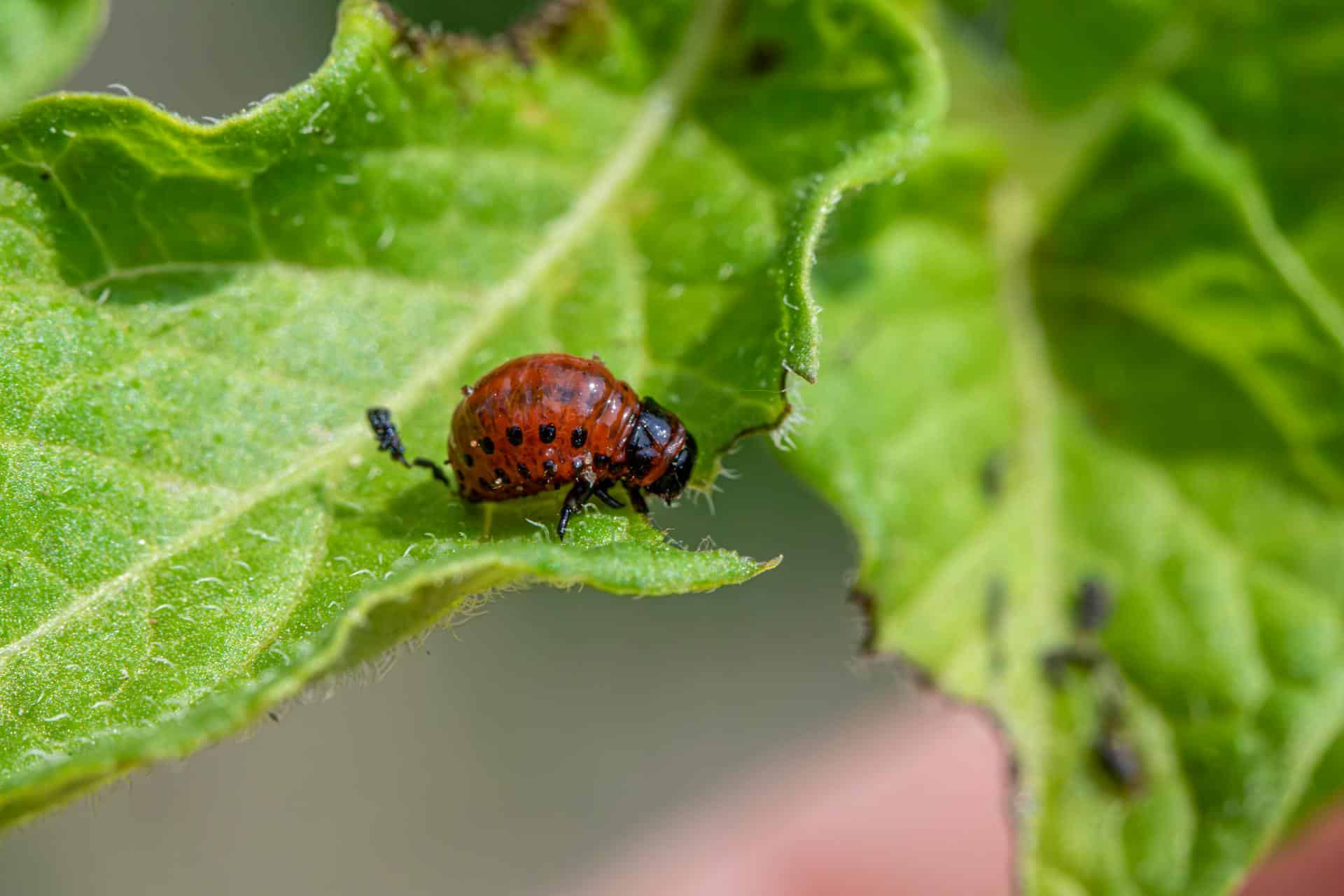
Before carrying a single pot through the door, give every plant a thorough inspection outdoors. Look beneath leaves, along stems, around new growth and near the soil line for aphids, scale, spider mites, whiteflies, mealybugs and other insects.
Check the pot itself, including drainage holes and saucers, where spiders, ants and other creatures may hide. Remove dead leaves and plant debris from the soil surface because decaying material can provide shelter for insects.
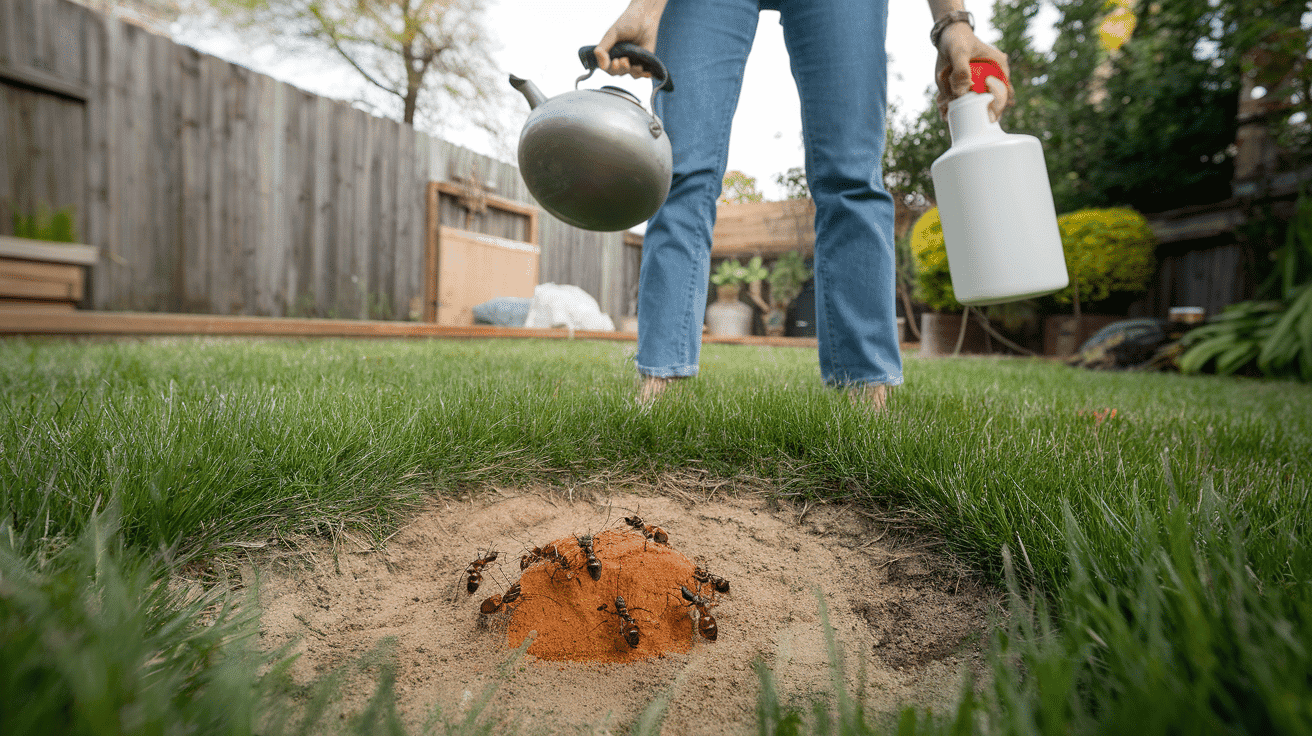
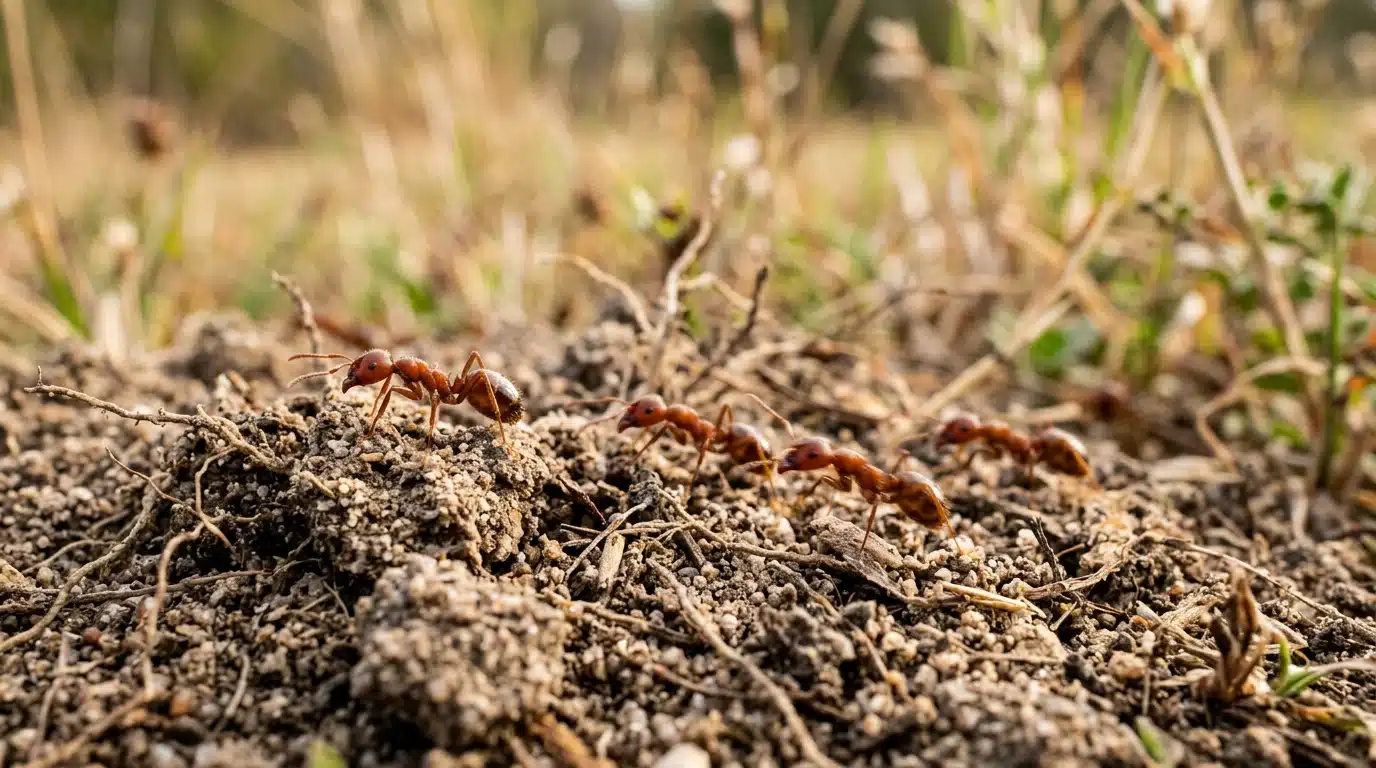
The larger property deserves attention as well. Gardeners dealing with recurring insect activity around the house may consider professional termite control services and other appropriate pest management options, particularly when insects are appearing near foundations, porches, sheds or wooden structures.
Termites are not houseplant pests, but bringing plants indoors is a good seasonal reminder to inspect the places where the garden and home meet. Keeping vegetation, stacked pots and damp organic material away from vulnerable areas can make routine monitoring easier.
Clean Plants and Containers
A plant that looks healthy can still carry tiny insects or eggs, so cleaning is worthwhile even when you do not spot an obvious problem. Start by removing damaged foliage, spent flowers and dead stems.
A gentle spray of water can knock many insects from leaves and stems. Pay special attention to the undersides of leaves, where pests often gather beyond immediate view.
Clean the exterior of each container before bringing it indoors. Brush away soil, algae, cobwebs and debris, then wash dirty saucers. If roots have grown through drainage holes, inspect them before deciding whether the plant needs repotting.
Avoid automatically replacing all the soil just because winter is approaching. Repotting can stress a plant already adjusting to major changes in temperature, humidity and light.
When repotting is necessary, use fresh potting mix suited to the species rather than garden soil, which can introduce insects and drain poorly indoors.
Create a Temporary Plant Zone
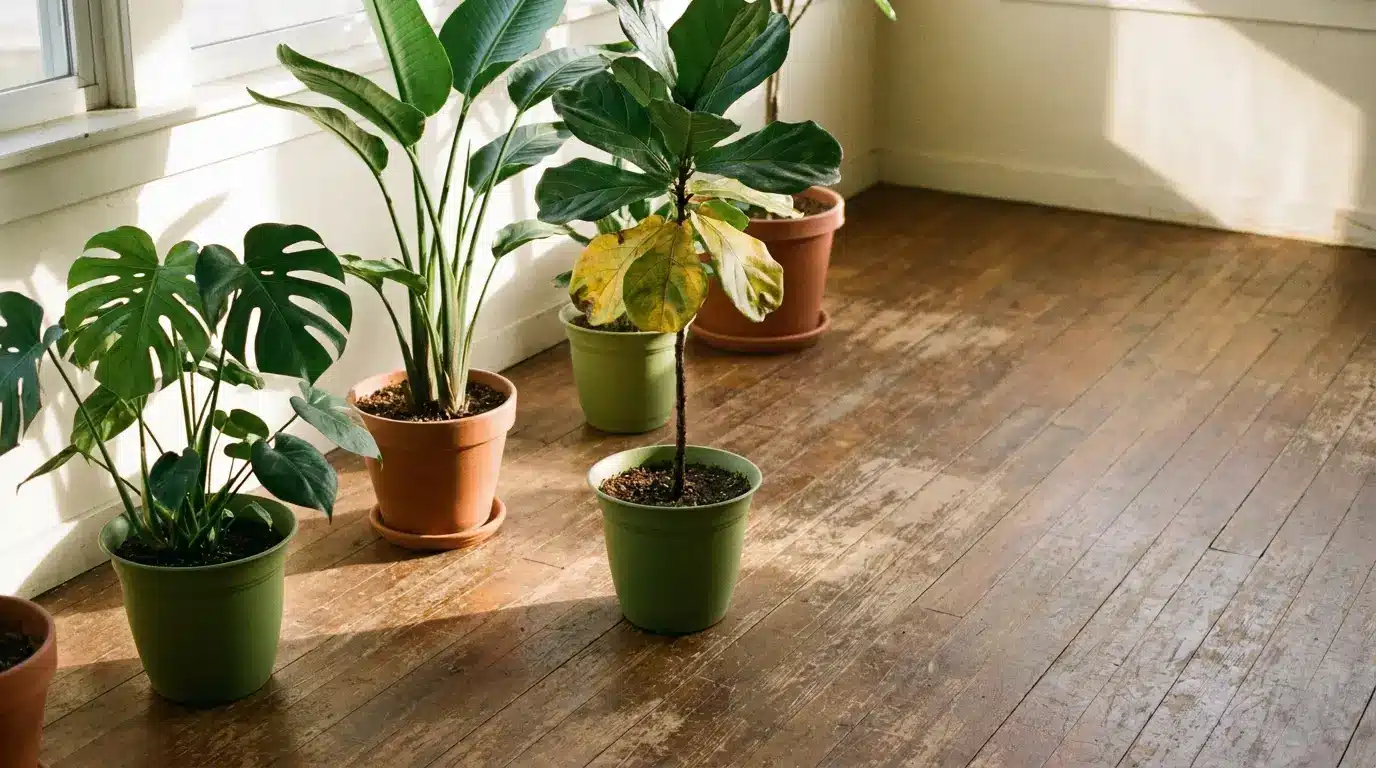
It can be tempting to move every plant directly into its winter position, especially when frost is in the forecast. A short isolation period is safer. Keep incoming plants separated from established houseplants while watching for insects that escaped the first inspection. Pest activity may become easier to spot after several days indoors.
This matters even more in your grow room, sunroom or other dedicated indoor gardening area, where plants may sit close together. Warm temperatures and closely spaced foliage can allow an infestation to spread rapidly from one container to the next.
Leave enough room between plants to inspect leaves and maintain air circulation. Check them regularly during the first few weeks, using a flashlight when necessary to examine leaf undersides and stem joints.
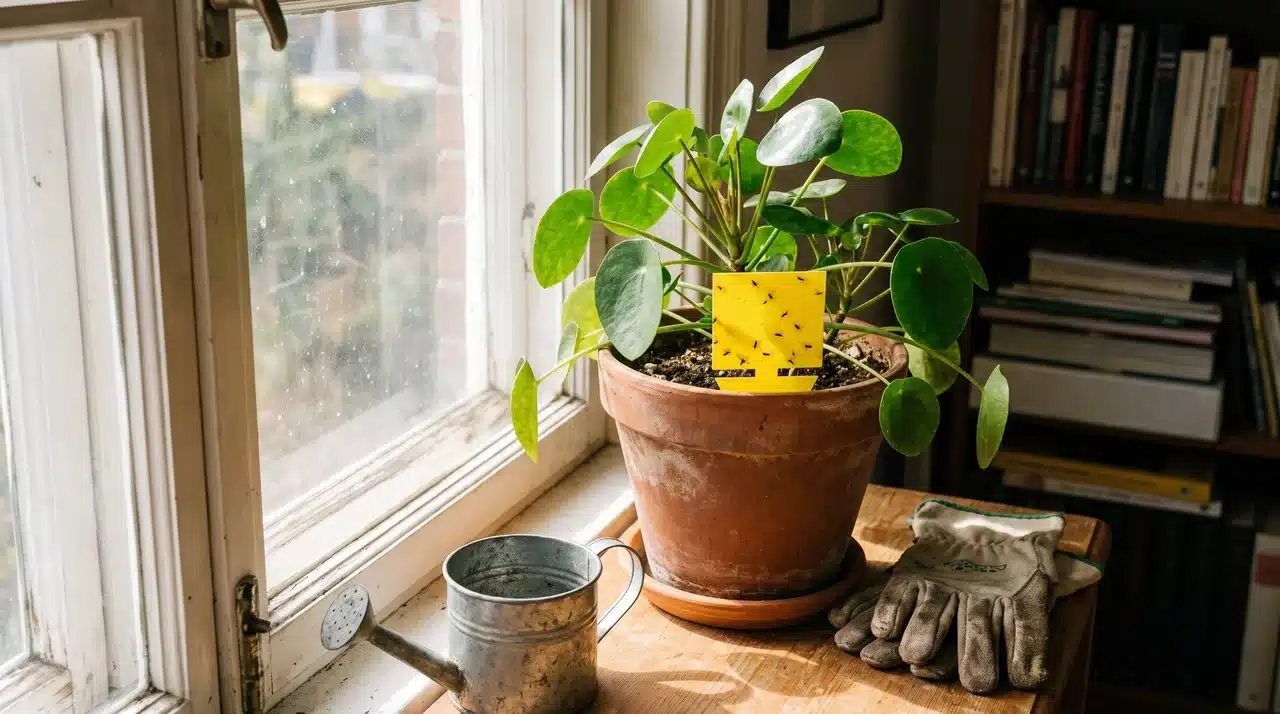
Sticky traps can also help reveal flying insects such as fungus gnats and whiteflies, although traps work best as a monitoring tool rather than a complete solution.
Help Plants Adjust Indoors
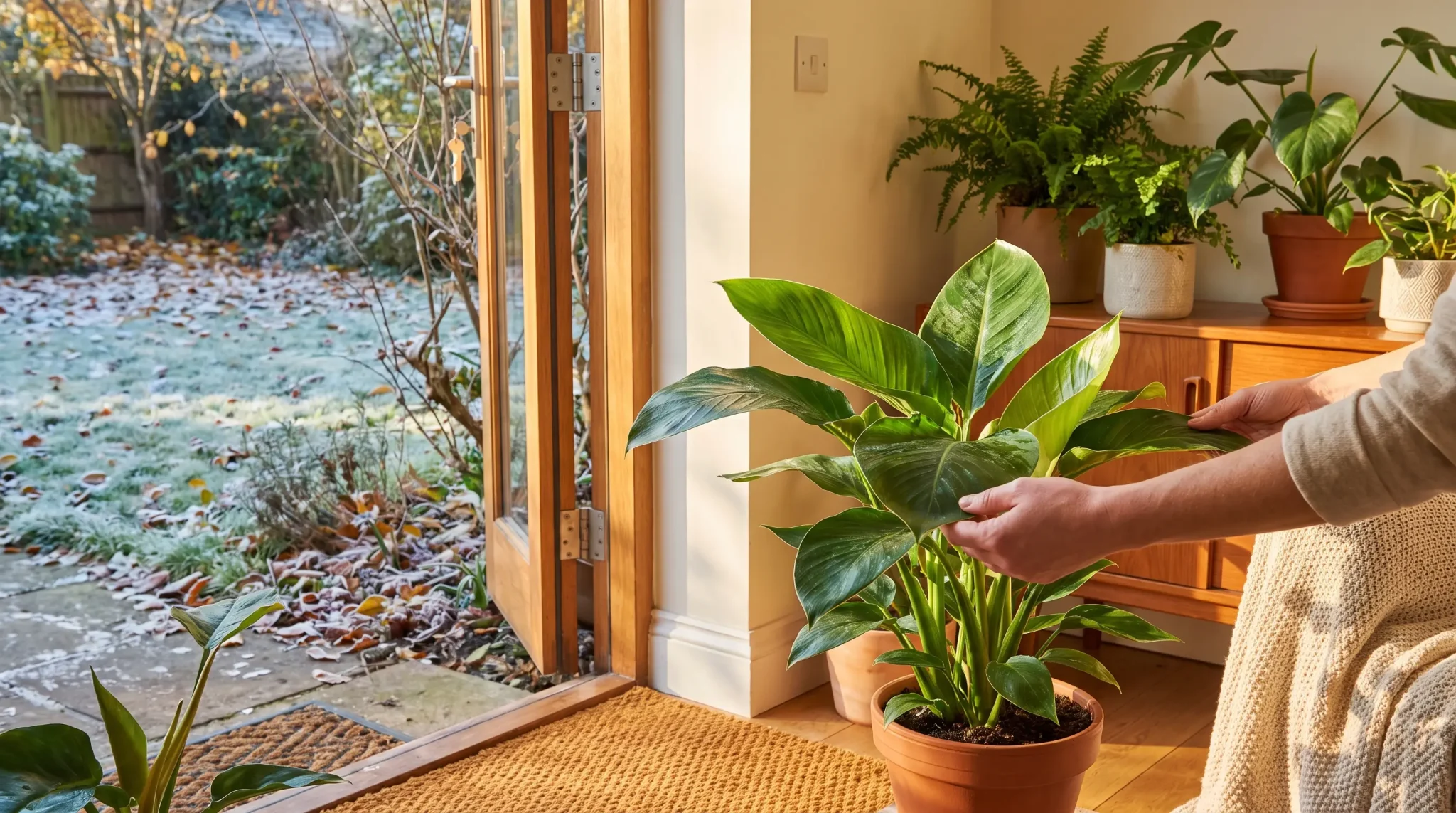
Pest prevention is only half of the winter transition. Plants also need time to adapt to indoor conditions. Even a bright window usually provides less intense light than an outdoor location, and heated homes tend to have lower humidity. Plants may drop a few leaves as they adjust, which does not automatically mean insects or disease are responsible.
Reduce watering as growth slows, but base your schedule on the plant and soil rather than the calendar. Constantly wet potting mix can encourage root problems and fungus gnats. Check moisture before watering and empty saucers rather than allowing containers to sit in standing water.
Avoid placing sensitive plants directly beside heating vents, fireplaces or drafty exterior doors. If natural light is inadequate, supplemental grow lights can help maintain healthy growth.
Healthy plants handle the indoor season better, so aim for stable conditions instead of trying to force vigorous summer-style growth throughout winter.
Keep Checking Through Winter
Getting plants safely through the door is only the beginning. Continue examining them throughout winter, particularly when watering. Look for sticky residue, speckled leaves, fine webbing, cottony material, unusual bumps along stems or clouds of tiny insects rising from the soil. Early detection usually makes a pest problem much easier to manage.
If you find an affected plant, separate it from the others before choosing a treatment. Some insects can be removed with water or by wiping leaves, while other infestations may call for insecticidal soap, horticultural oil or another product labeled for the particular plant and pest.
Follow label instructions carefully, especially when treating plants indoors. Also remove fallen leaves and spilled potting mix instead of allowing debris to accumulate around containers.
Overwintering plants indoors does not have to mean overwintering their pests, too. Inspecting, cleaning and temporarily separating plants takes a little extra time in fall, but it protects both the indoor collection and the home.
Keep monitoring throughout winter, and your favorite plants will have a much better chance of returning outdoors healthy when warm weather arrives.