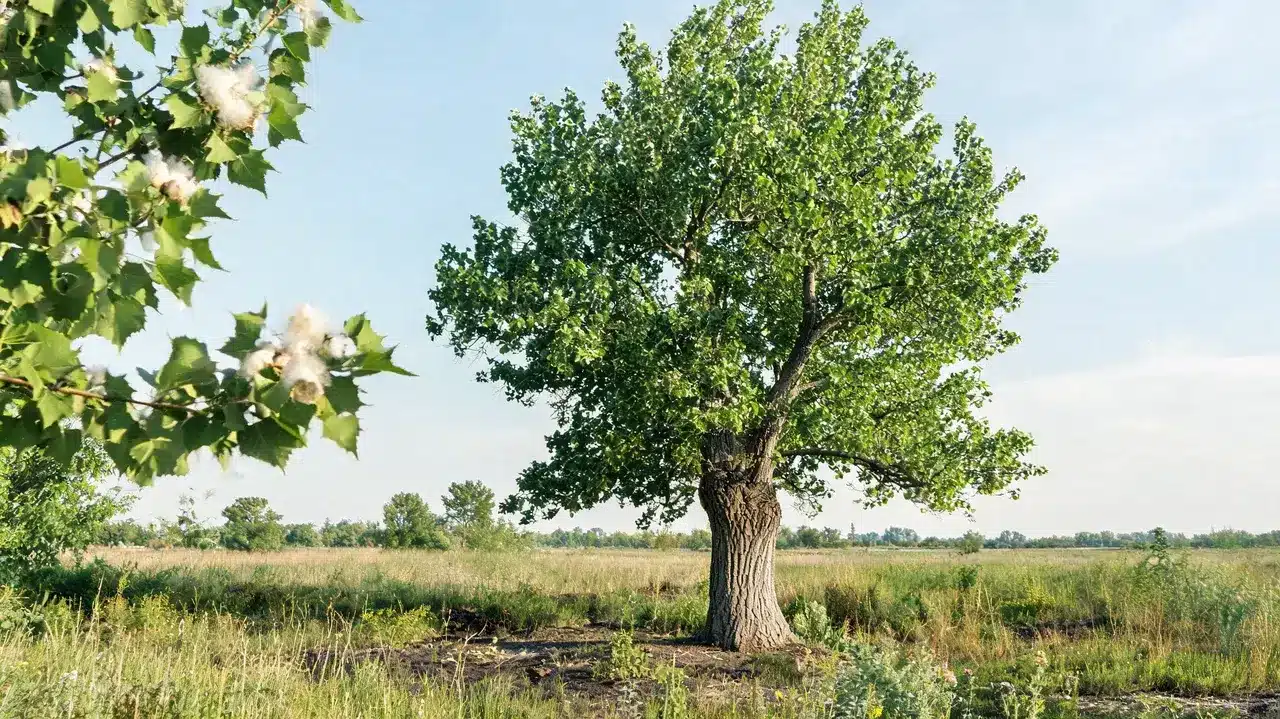
Trees are one of the most valuable features of a residential or commercial property. They provide shade, improve curb appeal, create privacy, and can make outdoor spaces more enjoyable.
But trees are also living structures. Their condition changes over time because of weather, age, pests, disease, soil conditions, and the way they are maintained.
That means tree care should not begin only when a branch falls or a tree starts leaning. Preventive maintenance can help identify problems earlier and protect both the tree and the property around it.
Here are some of the most important reasons professional tree care matters.
1. Small Tree Problems Can Become Bigger Property Problems
A tree may look healthy from a distance while still developing weaknesses.
Some problems begin slowly, including:
- dead or declining branches
- cracks in major limbs
- root damage
- fungal growth
- insect infestations
- soil compaction
- excessive or unbalanced growth
These issues do not always require immediate removal, but ignoring them can allow the condition to become more serious.
For example, a weakened branch hanging above a driveway may remain in place during calm weather but fail during the next storm.
Early evaluation gives property owners more options.
2. Proper Pruning Is About More Than Appearance
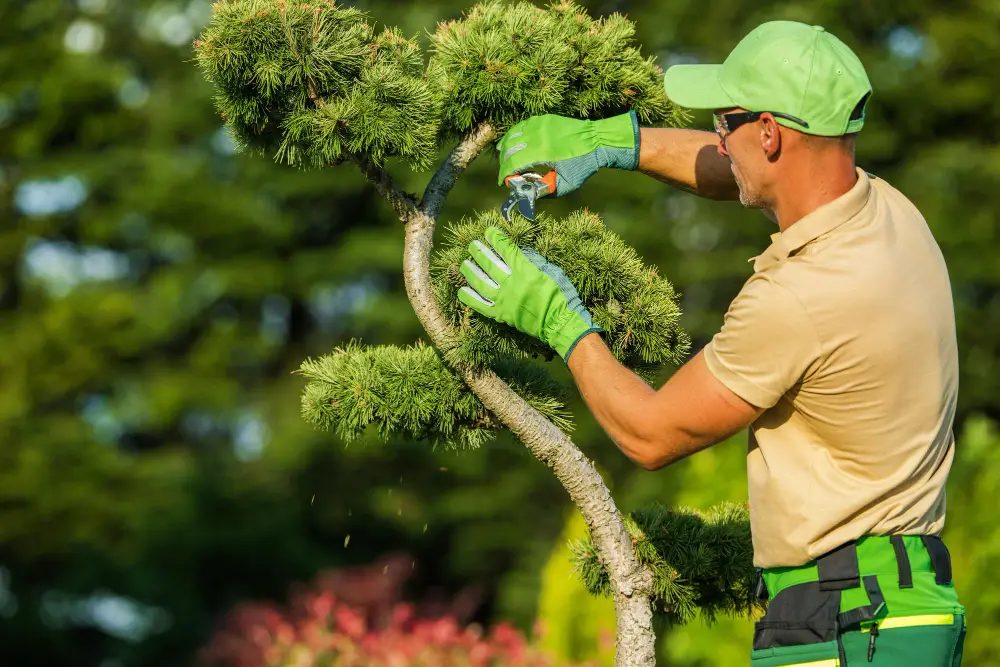
Many people associate tree pruning with making a yard look cleaner. Appearance is one benefit, but good pruning serves a much larger purpose.
Proper pruning can help:
- remove dead or damaged limbs
- improve branch structure
- reduce excessive growth
- increase clearance around buildings and walkways
- prevent branches from rubbing against roofs
- manage certain safety risks
- encourage healthier development in younger trees
The important word is “proper.”
Cutting too much from a tree or making poor cuts can weaken its structure, encourage unwanted growth, or create entry points for decay.
Professional tree care focuses on removing what is necessary while preserving the natural structure of the tree whenever possible.
3. Healthy Trees Can Help Protect the Rest of the Property
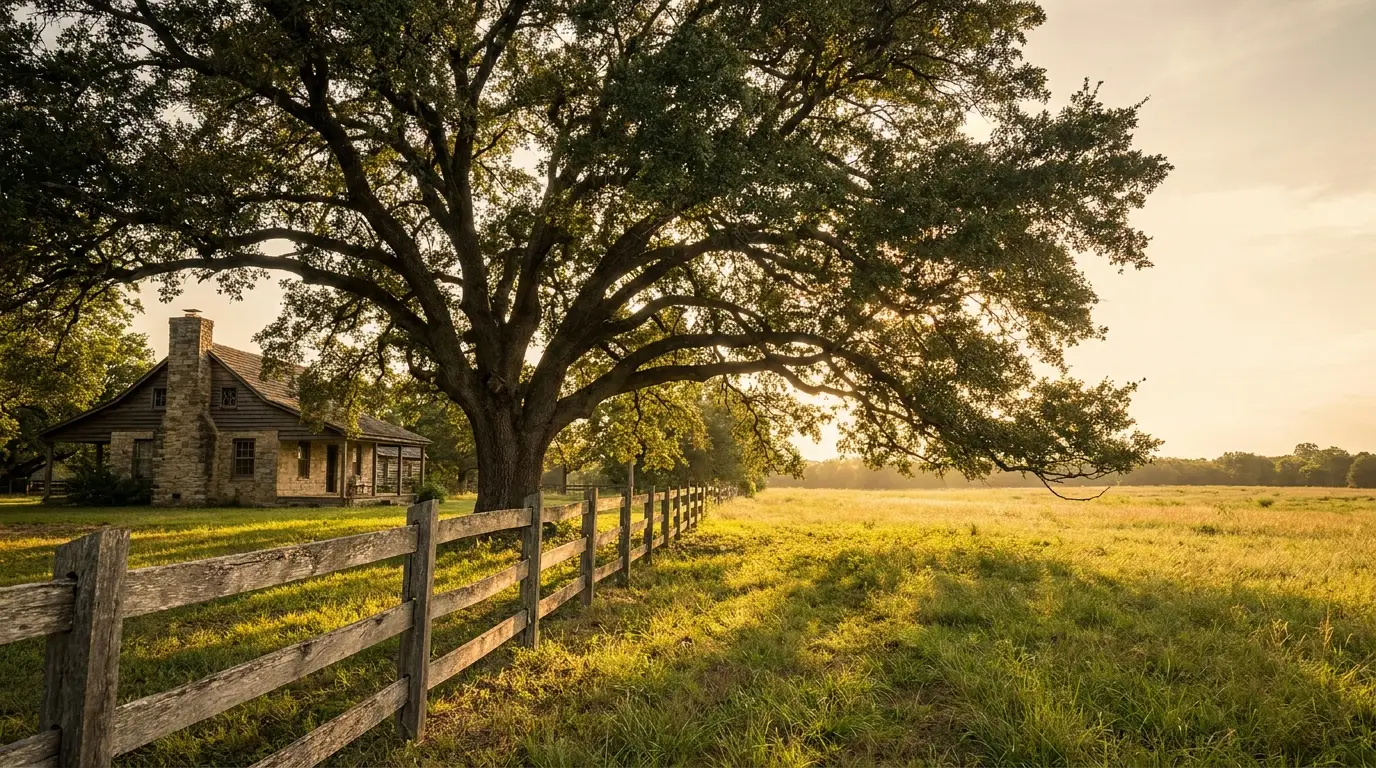
Trees do not exist separately from the home or landscape around them.
Their roots, branches, canopy, and overall condition can affect nearby:
- roofs
- fences
- vehicles
- driveways
- gardens
- utility lines
- patios
- neighboring structures
A healthy, properly maintained tree can remain an asset for decades. A neglected or unstable tree can gradually become a liability.
This is especially important when mature trees are positioned close to buildings or frequently used outdoor areas.
What Warning Signs Should Property Owners Watch For?
Homeowners do not need to be arborists to notice when something has changed.
Several warning signs deserve closer attention.
Look for:
- Large dead branches
Dead limbs can eventually break away, particularly during strong winds.
- Cracks in the trunk or major branches
Deep cracks may indicate structural weakness.
- A sudden or increasing lean
Some trees grow naturally at an angle, but a noticeable change in position can indicate a problem.
- Damaged or exposed roots
Construction, excavation, erosion, and soil changes can affect root stability.
- Fungal growth
Mushrooms or fungal growth around the base of a tree may sometimes indicate underlying decay.
- Unusual leaf loss or discoloration
Sudden changes in foliage may point to disease, stress, or pest activity.
- Broken branches after a storm
Some damaged limbs remain suspended in the canopy and may not be obvious from the ground.
When these conditions appear, consulting a Professional Tree Service Expert can help determine whether the tree requires pruning, monitoring, treatment, structural support, or removal.
Storms Make Preventive Tree Care Even More Important
Severe weather often exposes problems that were already developing.
High winds can place enormous pressure on weak branches. Heavy rain may affect saturated soil around root systems, while snow and ice can add additional weight to a tree canopy.
After a significant storm, property owners should check for:
- freshly broken branches
- hanging limbs
- new cracks
- exposed roots
- damaged trunks
- changes in the tree’s position
Not every form of storm damage is immediately visible.
A large branch can break but remain trapped higher in the canopy. It may fall days or even weeks later.
This is one reason inspections after major weather events can be valuable, particularly for large trees close to homes, parking areas, roads, or pedestrian spaces.
Tree Care Works Best as Preventive Maintenance
Waiting for a tree emergency is rarely the ideal maintenance strategy.
A more practical approach is to treat trees in the same way homeowners treat roofs, drainage systems, or other important parts of the property.
A simple preventive approach may include:
- Observe trees regularly
Look for changes in branches, leaves, trunks, and roots.
- Address damaged branches early
Do not wait until a weakened limb becomes a larger hazard.
- Keep an eye on mature trees
Older trees may require closer monitoring as their structure changes.
- Inspect trees after severe weather
Storms can create new damage or worsen existing weaknesses.
- Avoid unnecessary cutting
More pruning is not always better.
- Seek professional evaluation when something looks unusual
Some structural or health problems are difficult to diagnose from ground level.
When Is Tree Removal the Better Option?
Good tree care is not automatically about removing trees.
In many situations, preserving a healthy mature tree is the preferred outcome.
However, removal may become necessary when a tree is:
- dead
- severely diseased
- extensively decayed
- structurally unstable
- badly damaged by storms
- experiencing major root failure
- positioned in a way that creates an unacceptable safety risk
The decision should consider the tree’s condition, location, remaining structural integrity, and potential impact on surrounding property.
Removing a tree simply because it is inconvenient is very different from removing one because it has become unsafe.
The Long-Term Value of Healthy Trees
Well-maintained trees can contribute to the appearance and usability of a property for many years.
Healthy tree canopies provide shade, established trees add character to landscapes, and mature vegetation can make outdoor environments more comfortable.
Professional tree care can also help property owners preserve valuable trees instead of losing them because minor problems were allowed to progress.
The goal is not constant intervention. It is knowing when maintenance is needed and addressing issues before they become emergencies.
Final Thoughts
Professional tree care is ultimately about prevention.
A few basic habits can make a significant difference:
- monitor trees for visible changes
- prune responsibly
- inspect after storms
- address disease or structural concerns early
- seek professional advice when a problem exceeds routine maintenance
Trees can remain valuable property assets for decades when they receive appropriate attention.
Taking care of them today can help protect not only the trees themselves, but also the home, landscaping, and outdoor spaces surrounding them.