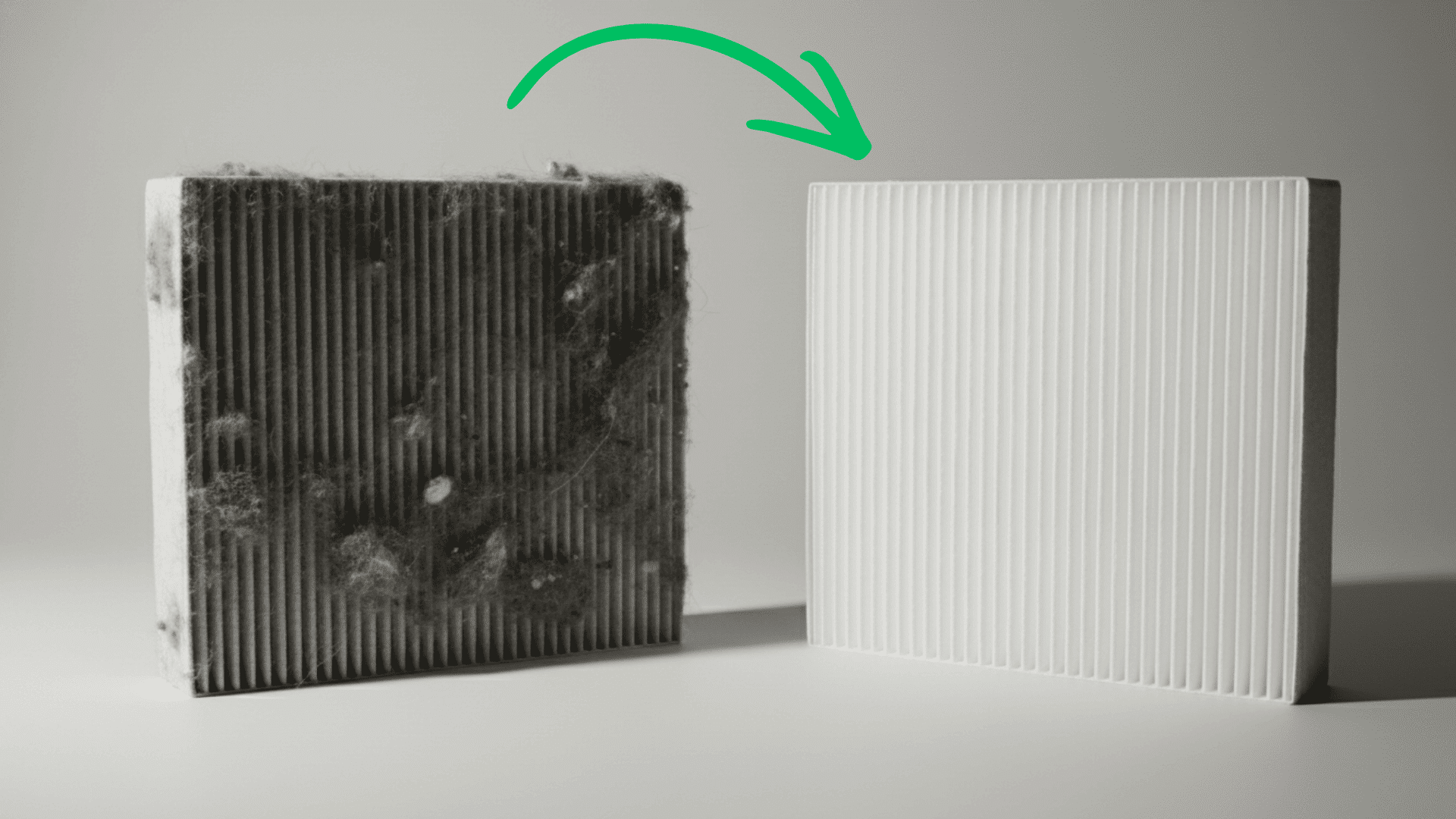
A shower can feel weak, uneven, or uncomfortable for one simple reason: the shower head may not match your needs.
The main types of shower heads include fixed, handheld, rain, dual, filtered, low-flow, high-pressure, and smart models. Each option changes the spray pattern, water coverage, movement, and overall shower experience.
The right choice depends on your bathroom size, water pressure, daily routine, and who uses the shower.
Below, I will explain how each type works, where it fits best, and what to check before buying. You will also learn about key features, material options, and signs that your current shower head may need replacement.
The Main Types of Shower Heads at a Glance
Shower heads differ in how they spray water, how much movement they offer, and how they fit into your daily routine. This table gives you a quick look at the eight main types:
| Type | Best For | Key Feature |
|---|---|---|
| Fixed | Simple daily use | Steady spray from one position |
| Handheld | Families, pets, and seated users | Detachable head with a flexible hose |
| Rain | Wide and gentle coverage | Large overhead spray |
| Dual | Shared bathrooms and mixed needs | Fixed and handheld heads in one setup |
| Filtered | Selected water concerns | Built-in or inline filter |
| Low-flow | Reducing water use | Lower gallons per minute |
| High-pressure | A firmer spray | Focused water streams |
| Smart | More control over shower settings | App, voice, or digital controls |
Some models overlap in features, so one shower head may fit into multiple categories. For example, a handheld shower head can also be filtered or high-pressure, while a rain shower head may include low-flow technology. Consider the features that matter most before choosing.
What To Consider Before Comparing Shower Head Types
Not every shower head works the same way, and the right option depends on more than appearance.
Factors like water pressure, shower size, spray preference, and water usage can change how a model performs in daily use. Some people may prefer a focused spray for a stronger feel, while others may want wider coverage from a rain-style design.
Strong incoming pressure feels satisfying at first, but it also puts extra strain on pipes and fixtures over time, a point covered in this rundown of common household plumbing mistakes.
Homes with multiple users may need more flexible options, such as handheld or dual models.
Features like GPM rating, filtration, adjustable settings, and installation requirements also affect the overall choice.
Understanding these basics makes it easier to compare different shower heads and choose a design that fits your bathroom setup and routine.
Breaking Down the Main Types of Shower Heads
Each shower head offers a different mix of spray strength, coverage, movement, and water use. Here is how the main types compare.
1. Fixed Shower Heads
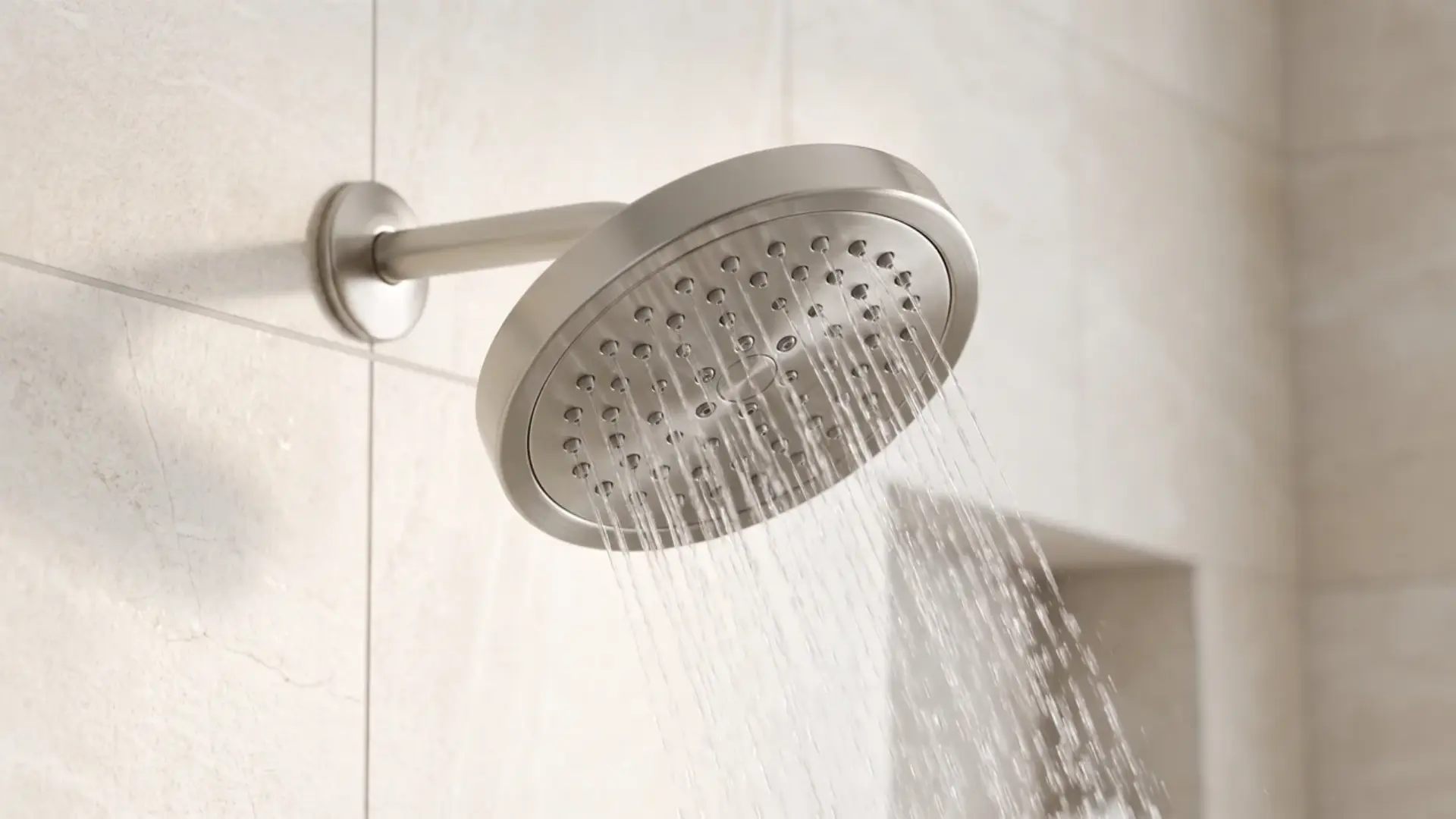
A fixed shower head stays attached to a wall or ceiling arm and sends water from one position. Some models offer one spray, while others let you change the pattern.
This type suits small bathrooms, guest bathrooms, and anyone who wants a simple setup. Check the mounting height, spray angle, settings, and connection size before buying.
Pros: Simple to use and install; has fewer parts to maintain
Cons: Offers limited movement; fixed height may not suit everyone
2. Handheld Shower Heads
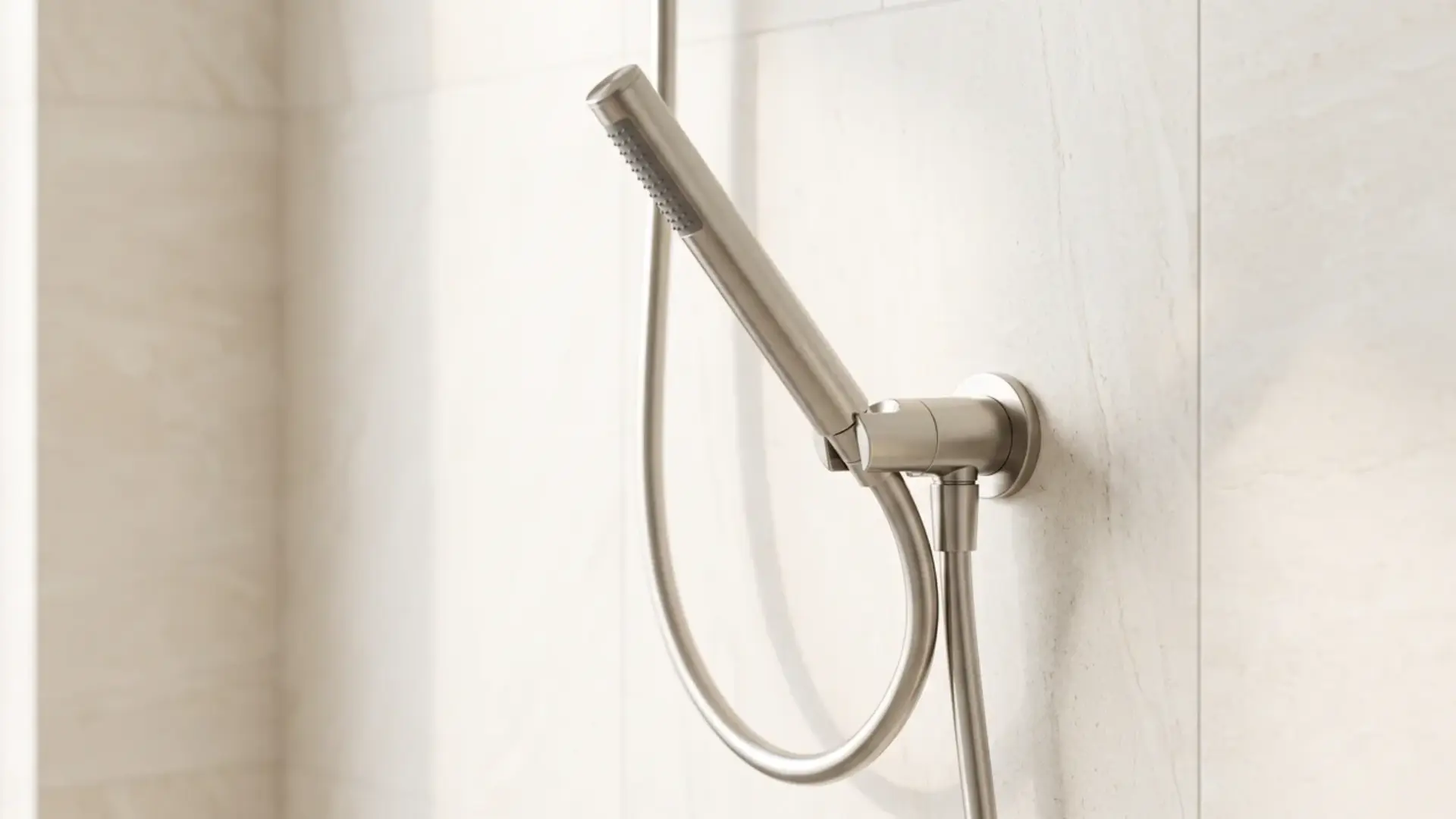
A handheld shower head connects to a flexible hose. You can leave it in the holder or remove it to direct the water.
It is useful for washing hair, bathing children or pets, cleaning the shower, and helping seated users. Check the hose length, material, holder quality, and included parts.
Pros: Easy to move and direct; Useful for children, pets, and cleaning
Cons: Hose may twist or drip; More parts need regular care
3. Rain Shower Heads
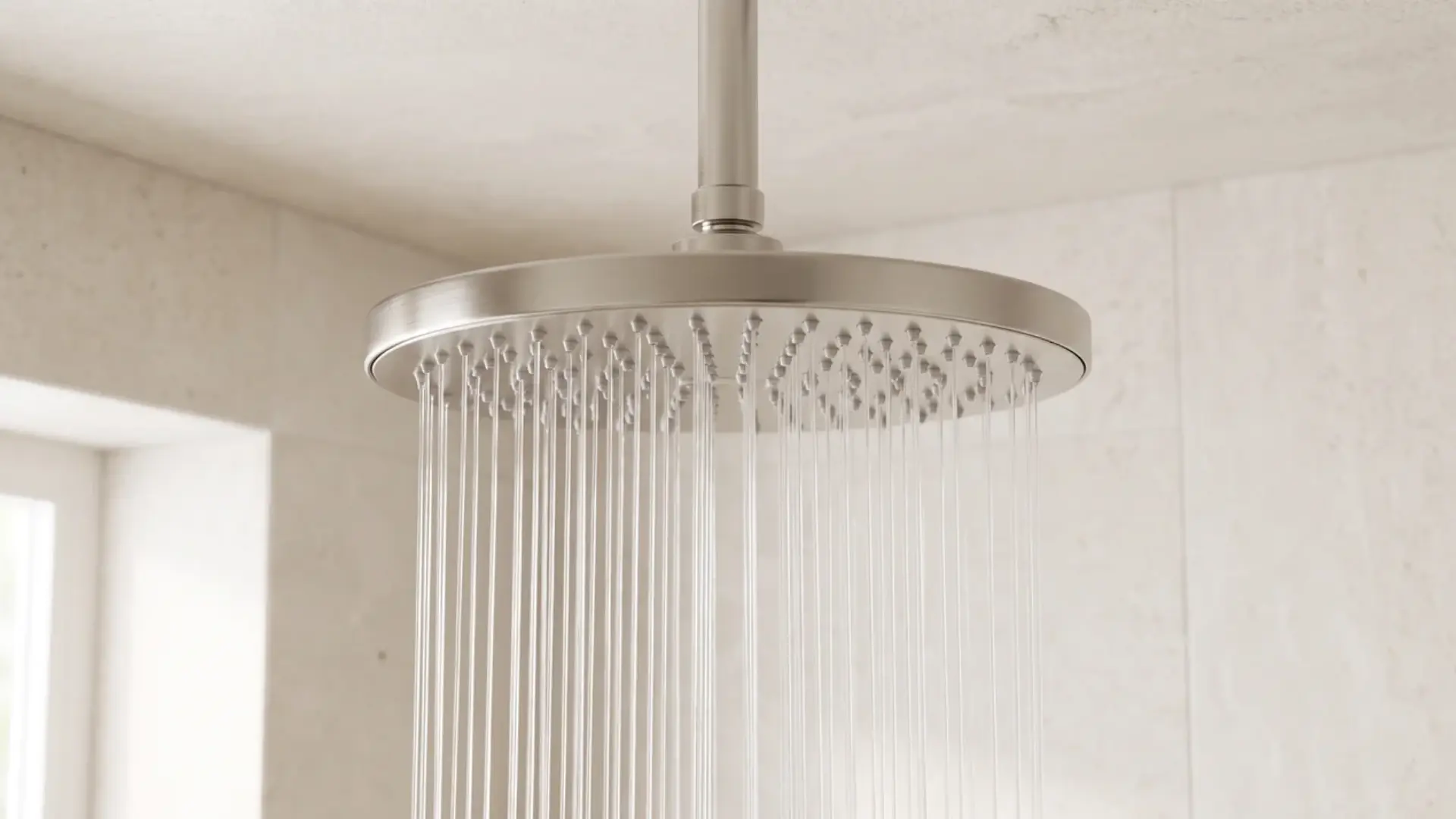
A rain shower head uses a wide face to spread water over a larger area. This creates a softer overhead spray with more body coverage.
Wall-mounted models use an extended arm, while ceiling-mounted models may need extra plumbing. An 8-inch head often feels more focused, while a 12-inch head gives wider coverage.
Pros: Provides wide body coverage; Creates a gentle overhead spray
Cons: May feel softer than a compact head; Larger models need steady water flow
4. Dual Shower Heads
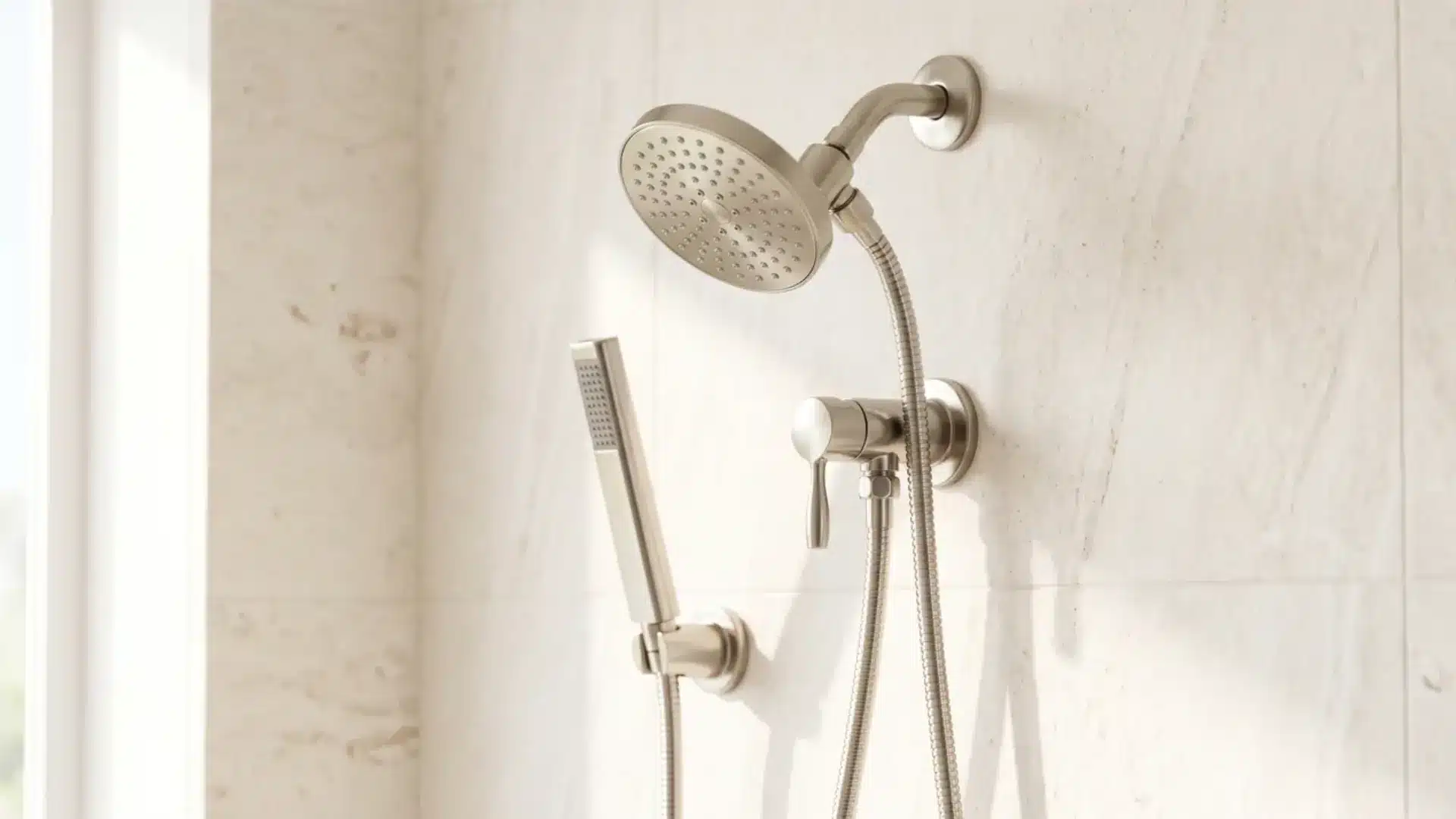
A dual system combines a fixed or rain head with a handheld head. A diverter lets you switch between them, and some models allow both to run together.
Dual heads suit families and shared bathrooms. Check the total GPM, diverter settings, mounting space, and whether both heads can work at the same time.
Pros: Offers overhead and focused rinsing; Suits different users and tasks
Cons: Water force may drop when both heads run; Needs more space and cleaning
5. Filtered Shower Heads
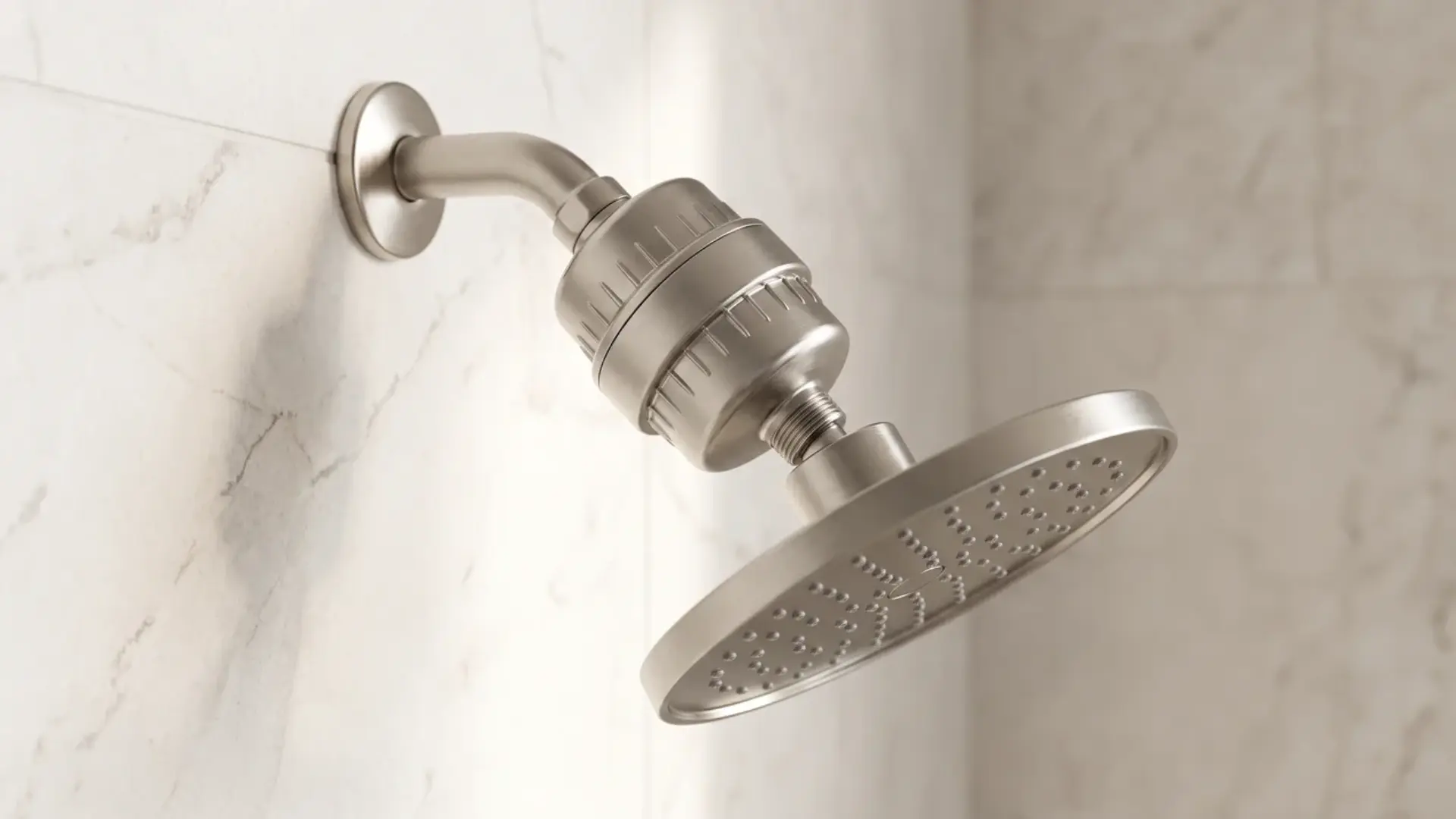
A filtered shower head passes water through filter media before it reaches you. Some filters catch sediment, while others are made to reduce selected substances.
You can choose a built-in filter or add an inline filter to your current head. Check what the filter reduces, how long the cartridge lasts, and how much replacements cost.
Pros: May reduce sediment and selected substances; Available in several shower head designs
Cons: Filter cartridges need replacement; Adds an ongoing cost
6. Low-Flow Shower Heads
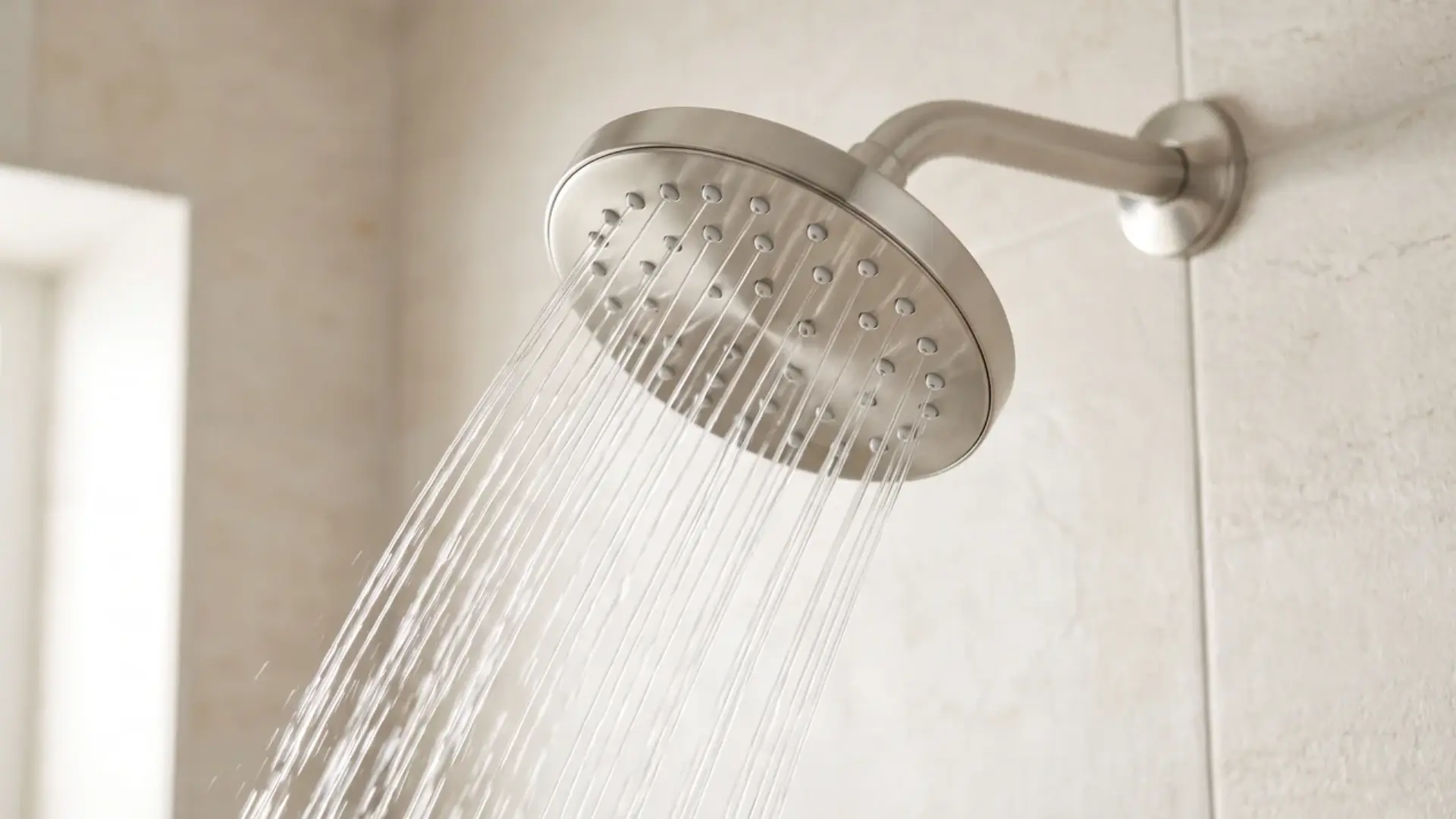
A low-flow shower head releases less water per minute. Its flow rate is measured in GPM, which means gallons per minute.
Models bearing the WaterSense label are independently certified under the EPA’s showerhead efficiency specification, which sets minimum spray force and coverage standards so lower flow does not mean a weaker shower.
These heads suit homes that want to reduce water and heating use. Check both the GPM and spray design because some models may feel weaker than others.
Pros: Uses less water; May help lower utility costs
Cons: Some models may feel weak; Rinsing may take longer
7. High-Pressure Shower Heads
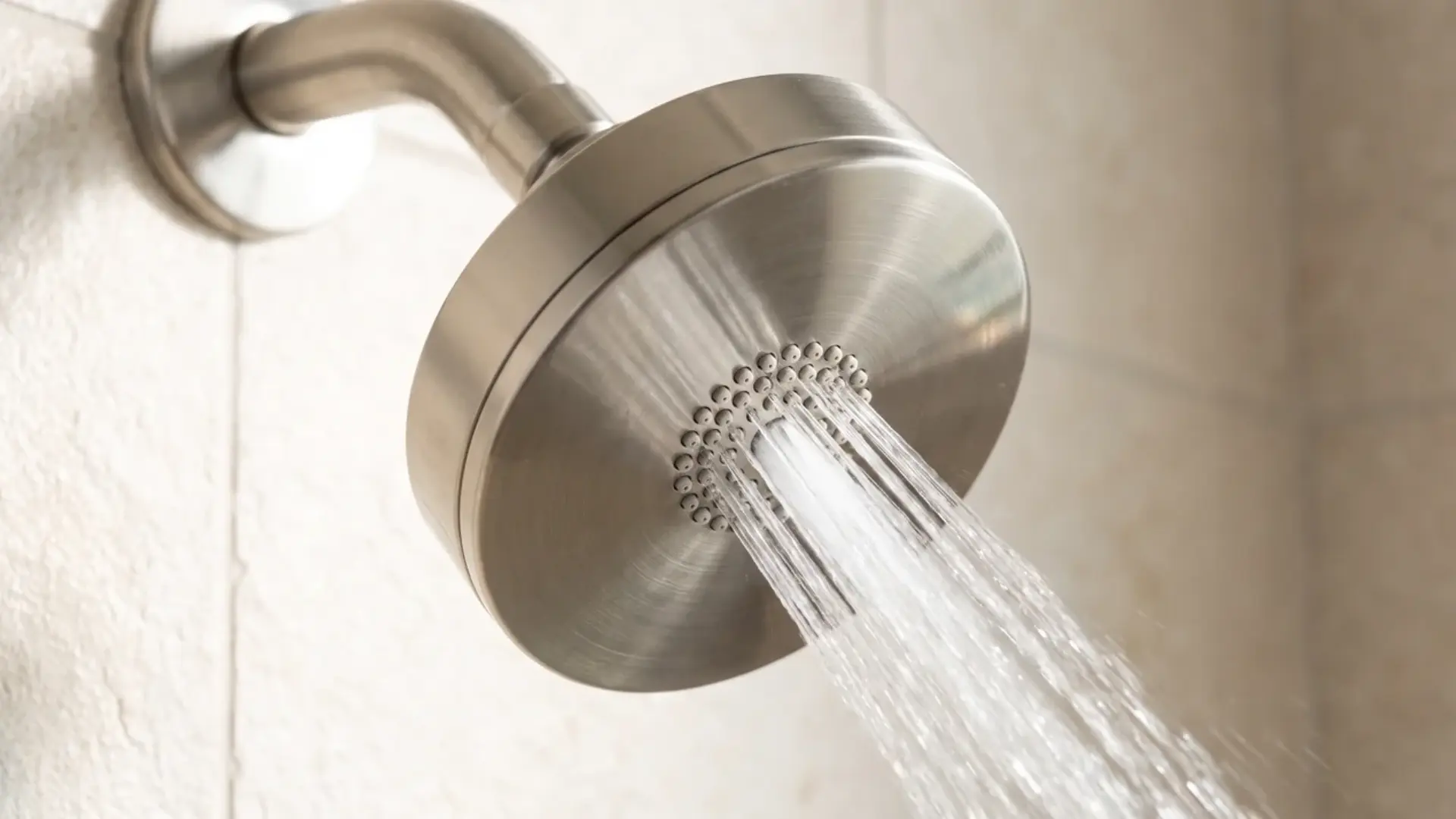
A high-pressure shower head uses smaller nozzles or focused spray patterns to make the water feel firmer. It does not always use more water.
This type may help when your current shower feels weak, but it cannot fix blocked pipes or damaged plumbing. Check the spray width, nozzle design, and pressure needs.
Pros: Creates a stronger-feeling spray; Helps rinse shampoo and soap
Cons: May provide less body coverage; Can feel harsh on sensitive skin
8. Smart Shower Heads

A smart shower head uses digital controls to manage water flow, spray pattern, or temperature. Some models work through an app or voice commands and can save settings for different users.
These heads may suit homes where several people prefer different settings. They often cost more and may need power, Wi-Fi, an app, or extra installation work. They may not suit renters or bathrooms without a suitable power source.
Pros: Offers more control over shower settings; May save settings for different users
Cons: Costs more than a standard head; May require power and extra installation
Smart shower heads may not suit renters or bathrooms where adding power, changing plumbing, or maintaining a reliable connection would be difficult.
Now that you know how each type works, the next step is choosing one that fits your bathroom and daily needs.
How to Choose the Right Shower Head
Choosing a shower head depends on your bathroom setup, water conditions, daily habits, and personal comfort. Consider these factors before buying a model that suits your needs.
- Water Pressure: A smaller or focused shower head can create a stronger spray feel. Large rain shower heads offer wider coverage but may provide a softer flow.
- Water Use: Check the GPM rating to compare water output. A lower GPM number generally means lower water consumption.
- Spray Options: Common settings include rain, mist, massage, wide, focused, and pause modes. Pick options that match your regular shower routine.
- Daily Users: Handheld shower heads can be useful for children, pets, older adults, and seated users.
- Shower Space: Measure ceiling height, wall space, hose reach, and spray area. Large rain or dual shower heads may not suit smaller spaces.
- Installation: Confirm that the shower head fits your existing shower arm. Most models in the United States use a half-inch NPT connection.
- Cleaning and Care: Look for easy-to-clean nozzles and replacement parts that are simple to find. Filtered models also require cartridge changes.
- Finish: Chrome offers a bright look, brushed nickel provides a softer appearance, matte black adds contrast, and brass or gold finishes create a warmer style.
Before choosing a shower head, compare the features with your bathroom size, water supply, and daily needs. A suitable model should provide comfortable use while fitting your installation requirements and maintenance preferences.
Can You Combine More than One Shower Head Type?
Some shower heads combine different features to create a more flexible setup. A handheld shower head may include high-pressure spray options or built-in filtration, while a rain shower head can use a low-flow design to reduce water output.
A filtered low-flow shower head combines water filtering with reduced flow in one unit.
An inline filter can also be added to an existing fixed or handheld model without replacing the entire shower system. These combinations can support goals like lower water use, improved spray control, easier cleaning, or added filtration.
Before choosing a combination, check water pressure, GPM rating, connection size, available shower space, and installation requirements to ensure all parts work properly with your current setup.
Shower Head Materials
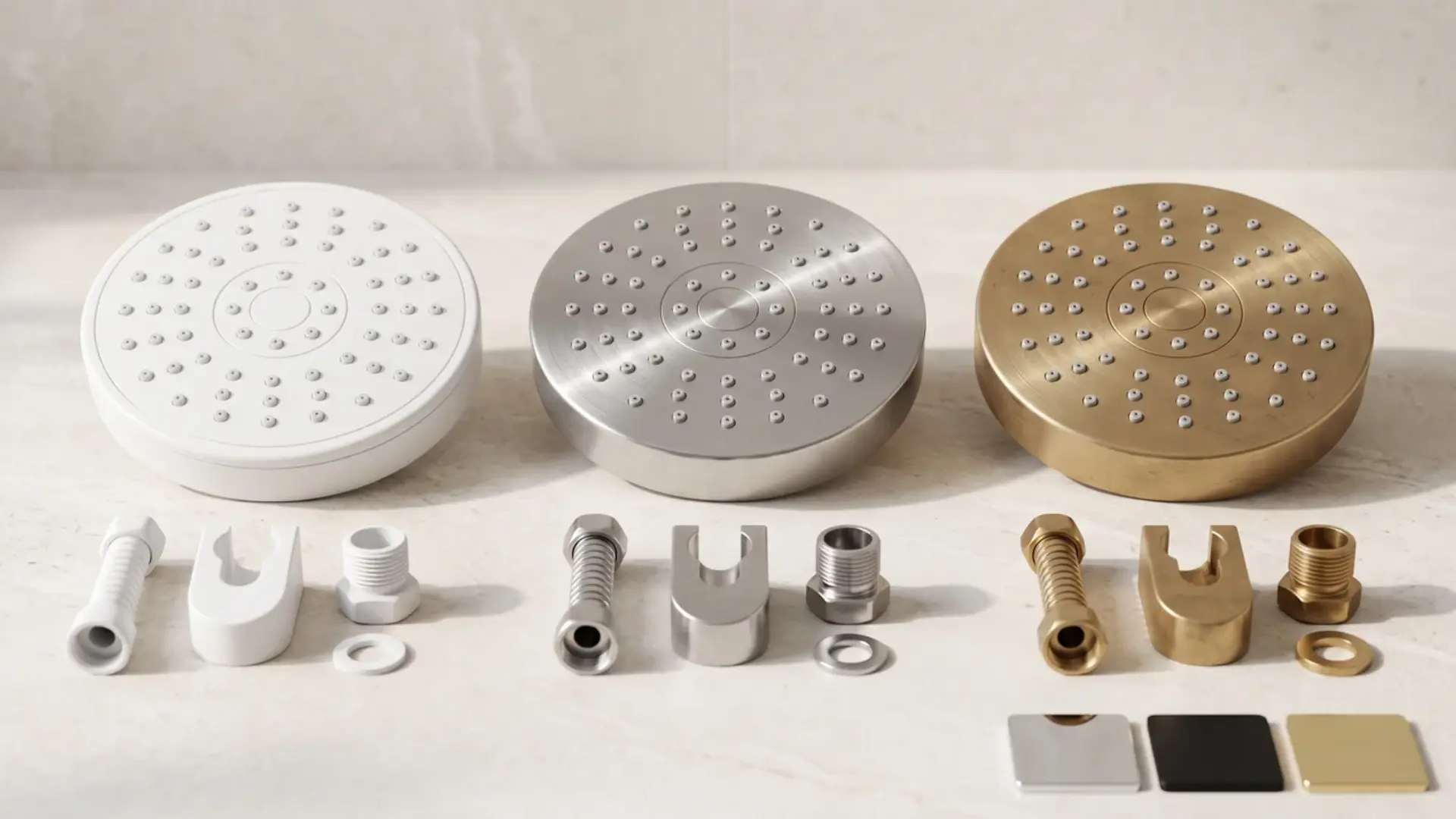
The material of a shower head affects its weight, price, and how long it may last.
- Plastic: Plastic heads are light and usually affordable. However, they may crack, loosen, or wear out sooner than metal models.
- Stainless steel: Stainless steel is strong and resists rust and corrosion. It is a practical option for regular use.
- Brass: Brass is sturdy and may last for many years. It is usually heavier and more expensive than plastic or stainless steel.
Check the hose, holder, connectors, and mounting parts as well. A strong shower head can still leak or break if the smaller parts are weak. Chrome, black, and gold describe the finish, not the material underneath.
When Should You Replace a Shower Head?
A shower head may need replacing when the spray becomes weak, uneven, or hard to control. Leaks, cracks, rust, and heavy mineral buildup are also common warning signs.
A clogged nozzle from calcium and magnesium deposits is one of the clearest signs of hard water, and the surface-by-surface fixes in this guide to removing hard water stains can restore flow before a full replacement becomes necessary.
Cleaning the nozzles may fix a small flow problem. Replacement may be better if the head keeps leaking, parts are damaged, or filters and washers are difficult to find.
You may also replace a working shower head when you want lower water use, stronger spray, easier cleaning, or better movement. Check the connection size, water pressure, and available space before choosing a new one.
Frequently Asked Questions
What are the different modes of a shower head?
Common shower head modes include rain, mist, massage, wide, focused, and pause. Each setting changes the spray strength or coverage, so you can choose the one that feels most comfortable.
Which shower head has the strongest pressure?
High-pressure shower heads usually create the strongest-feeling spray. Small fixed heads can also feel powerful because they focus water through fewer nozzles. The final result still depends on your home’s water pressure.
Do all shower heads fit the same connection?
Most shower heads sold in the United States use a half-inch NPT connection. Still, check your current shower arm and read the product details before buying to make sure the new head fits.
Which shower head is best for low water pressure?
A compact high-pressure shower head is often a good choice for low water pressure. Its smaller nozzles focus the available water, but it cannot solve blocked pipes or major plumbing problems.
Final Shower
A shower head does more than release water. It shapes how your mornings begin, how easily you rinse, and how comfortable your shower feels each day.
The types of shower heads covered in this guide each meet a different need. Some offer more movement, some use less water, some create a stronger spray, and others combine several features in one setup.
Before choosing, check your water pressure, measure your space, and think about who will use it daily. Compare spray settings, materials, GPM, and care needs before deciding.
You do not need the most expensive model or the longest feature list. You need one that fits your bathroom and routine. Don’t overthink it. Pick the type that matches your needs and upgrade your shower today. Drop a comment below and let me know which one you picked.