A yard can do more than sit there and look pretty. With edible landscaping, the same space can bring color, texture, fresh flavor, and a little extra purpose to your home.
It is not about replacing every flower bed with vegetables or turning the whole yard into a farm. Instead, it is about adding useful plants in a way that still feels neat, natural, and easy to enjoy.
From small patios to front beds and sunny corners, there are many simple ways to start.
In this blog, you will learn what edible landscaping means, why it is becoming popular, where it works best, and how to begin without making the project feel too big.
Understanding Edible Landscaping: Why It’s Becoming Popular
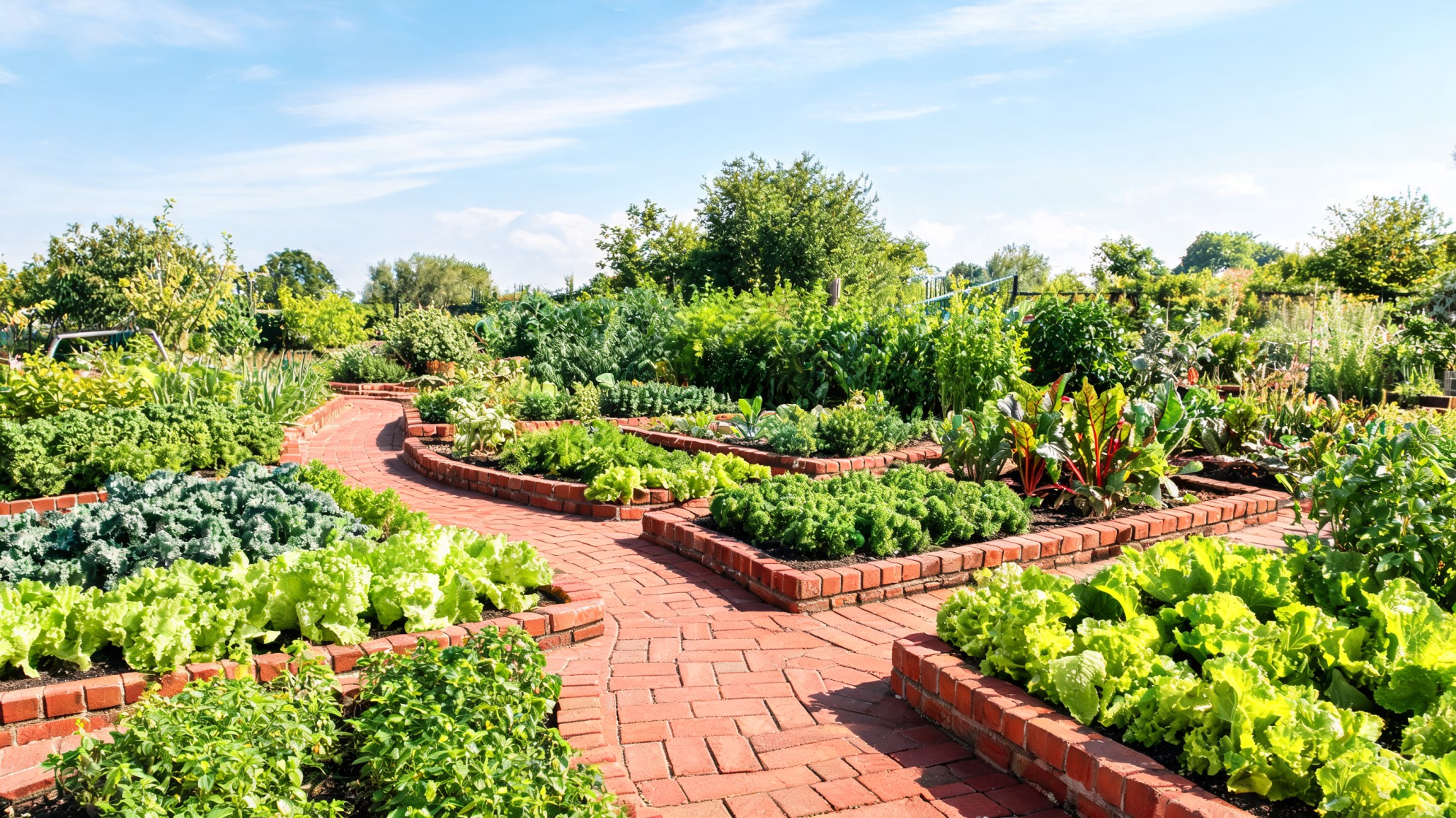
Edible landscaping is the practice of growing food plants in outdoor spaces that are often used for ornamental plants.
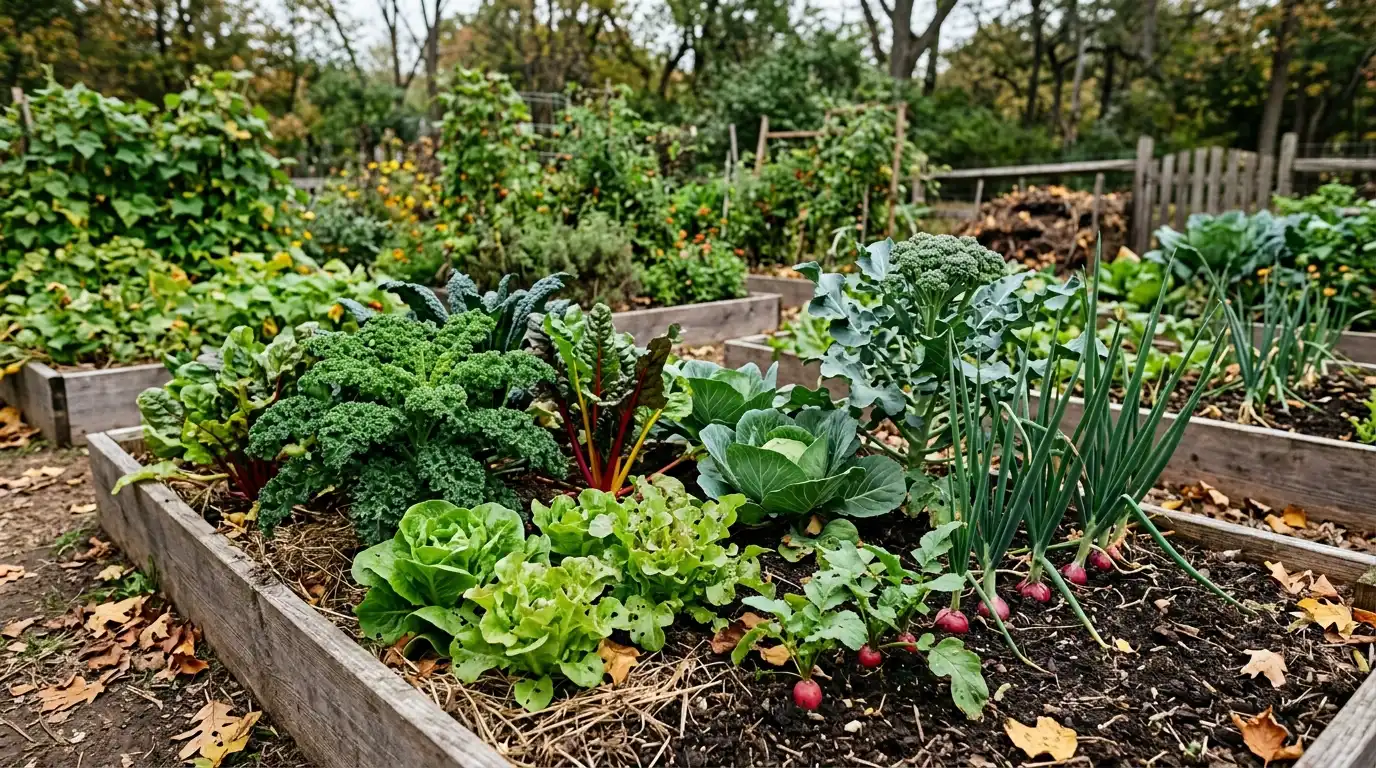
That might mean basil along a border, blueberries near a patio, kale in a flower bed, or fruit trees in a front yard. An edible landscape can include salad greens, herbs, vegetables, fruit bushes, and edible flowers while still looking attractive.
Edible landscaping is becoming popular because people want their yards to do more than look nice. Many homes already have open spaces between shrubs, flowers, and trees, and those empty mulch areas can become useful planting spots.
You do not need a big backyard to begin. A small border, patio pot, strip near a walkway, sunny corner, or front yard bed can all grow something edible.
This makes edible landscaping practical for homeowners, renters, and urban gardeners. It also feels less overwhelming than starting a full vegetable garden. You can begin with seeds, a few herbs, or easy plants, then add more as you learn what works best.
Edible Landscaping vs. Traditional Vegetable Gardening vs. Foodscaping
Edible landscaping, traditional vegetable gardening, and foodscaping all involve growing food, but they are not exactly the same. The main difference is how the plants are used in the yard and what the design focuses on.
| Comparison Point | Traditional Vegetable Garden | Edible Landscaping | Foodscaping |
|---|---|---|---|
| Meaning | Food crops are grown in rows, blocks, or raised beds. | Edible and ornamental plants are used together. | Food plants are added to an existing landscape. |
| Placement | Separate backyard or garden area. | Front yards, side yards, borders, patios, and beds. | Open spaces around shrubs, flowers, and mulch beds. |
| Focus | Mostly food production. | Beauty and food together. | Using the current landscape space to grow food. |
In short, vegetable gardens focus on crops; foodscaping adds edibles to existing beds; and edible landscaping is the broader design idea that blends useful plants with beauty.
Benefits of Edible Landscaping
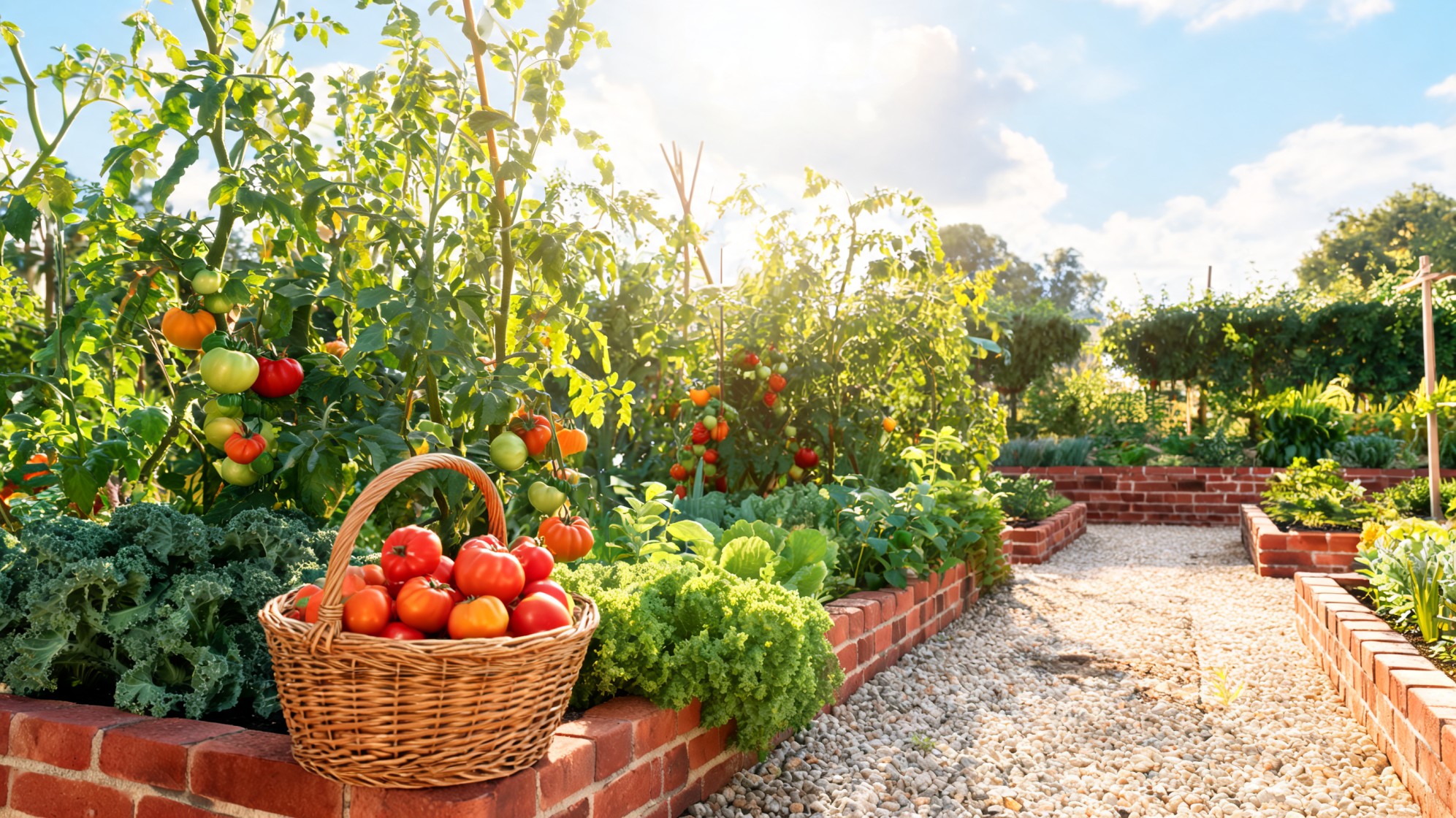
Edible landscaping gives your yard more purpose. It lets you grow food, improve the look of your outdoor space, and make better use of areas you already have. Here are the main benefits:
1. You Grow Fresh Food at Home
One of the biggest benefits of edible landscaping is fresher food right outside your door. You do not need to grow everything you eat to feel the difference. Even a few useful plants can make daily meals better. Basil can be picked for pasta, soups, and homemade sauces. Lettuce can go straight into salads.
Blueberries can become quick snacks for you or your family. Mint can freshen drinks, teas, and desserts. Tomatoes can turn simple summer meals into something special. Since you harvest them when needed, these foods often taste brighter than produce that has spent days in transport.
2. It Saves Garden Space
Edible landscaping helps you grow food without needing a separate vegetable garden. Instead of building new beds, you use space that already exists in your yard. Empty spaces between shrubs, open borders, front-yard beds, patio pots, and sunny corners can all become useful growing areas. This is helpful if your yard is small or already full of ornamental plants.
It also works well for renters who may only have containers or a small outdoor area. By mixing edible plants into current spaces, you make the yard more productive without changing its whole layout or taking on a big project.
3. It Makes the Yard More Beautiful
Edible plants can make a yard look more colorful, textured, and alive. They do not have to look plain or out of place. Rainbow Swiss chard brings bright stems, while purple basil adds dark foliage. Eggplant can offer soft flowers and glossy fruit. Nasturtiums bring edible blooms that spill nicely over edges. Blueberries add spring flowers, summer fruit, and fall color.
Many edible plants function like bedding plants, providing shape, color, form, and texture. This means you can design a landscape that looks polished while also providing food to harvest at home during the growing season.
4. It Can Lower Grocery Costs
Edible landscaping can help lower grocery costs, but it is best to see it as steady savings rather than a full replacement for shopping. Most people will still buy plenty of food. Still, small crops can reduce repeat purchases. Herbs, leafy greens, tomatoes, peppers, berries, and garlic are useful because many households buy them often.
A few basil plants can replace store-bought bunches. Lettuce and greens can be harvested more than once. Tomatoes and peppers can support many summer meals. Planting these high-use crops near the house makes harvesting easy, so you are more likely to use what you grow regularly.
5. It Supports Biodiversity
Edible landscaping supports biodiversity by bringing more plant variety into the yard. Instead of growing one type of plant in one area, you can mix herbs, vegetables, flowers, shrubs, and fruit plants together. This variety can attract beneficial insects, including pollinators and pest-feeding insects.
It can also make it harder for pests to find and damage one crop. For example, kale near herbs and flowers may face less pressure than kale planted alone in a row. A mixed landscape creates a more active garden space, which can make the yard healthier and more balanced over time.
6. It Can Make the Garden Easier to Maintain
A mixed edible landscape can be easier to maintain because ornamental plants give the garden a steady structure. Many vegetables are annuals, so they grow, produce, and fade within one season. In a regular vegetable bed, this can leave empty or messy spaces. In an edible landscape, perennial shrubs, flowers, and ground covers can soften those changes.
They help hide fading vegetables and keep the bed looking full after a crop is finished. You can remove old lettuce, basil, or tomato plants without the whole area looking bare. This makes seasonal cleanup feel simpler and keeps the yard looking cared for.
7. You Control What Goes on Your Food
When you grow edible plants at home, you have more control over what goes into your food. You choose how to improve the soil, how to water, and how to handle pests. You can avoid harsh sprays, use compost, pick insects by hand, or choose safer pest methods when needed. This can give you more confidence in the food you harvest. At the same time, edible landscaping still needs good food safety habits. Wash produce before eating, use clean tools, avoid planting in contaminated soil, and keep edible plants away from unsafe lawn chemicals. Control works best with careful gardening.
8. It Supports a More Local Food Habit
Edible landscaping can support more local eating habits because part of your food comes from your own yard. That means some herbs, greens, berries, or vegetables do not need to travel far before you eat them. Most people will still buy groceries, and that is normal. The goal is not to grow everything. The goal is to grow some of what you use often and depend a little less on long-distance produce. Even a few plants can change how you think about food. You may waste less, eat more seasonally, and value fresh ingredients more when they grow nearby.
When you bring these benefits together, edible landscaping becomes more than a design choice. It helps your yard look better, work harder, and give you something useful throughout the growing season.
Best Places to Use Edible Landscaping
When I think about edible landscaping, I like to start with the spaces you already use every day. You do not need a full garden plot. A front bed, patio pot, or walkway edge can become a small growing space with the right plants.
| Place | Best Use | Good Plant Choices | Quick Note |
|---|---|---|---|
| Front Yard | Tidy, attractive edible plants | Blueberry shrubs, herbs, kale, Swiss chard, dwarf fruit trees, edible flowers | Check local rules or HOA limits first. |
| Backyard | Larger shrubs, vines, and mixed beds | Raspberries, grapes, fruit trees, tomatoes, squash, and herbs | Best for plants that need more room. |
| Walkways and Borders | Low plants you can harvest often | Thyme, parsley, basil, chives, strawberries, lettuce | Great for easy picking. |
| Patio and Containers | Small-space or renter-friendly growing | Dwarf citrus, peppers, herbs, salad greens, compact tomatoes | Works well when ground space is limited. |
| Existing Flower Beds | Edibles tucked into ornamental beds | Kale with flowers, basil near roses, eggplant among annuals, nasturtiums over edges | Uses space you already have. |
A good edible landscape does not need to happen all at once. Start with one easy spot, then add more plants as you see what grows well.
How to Start Edible Landscaping Step by Step
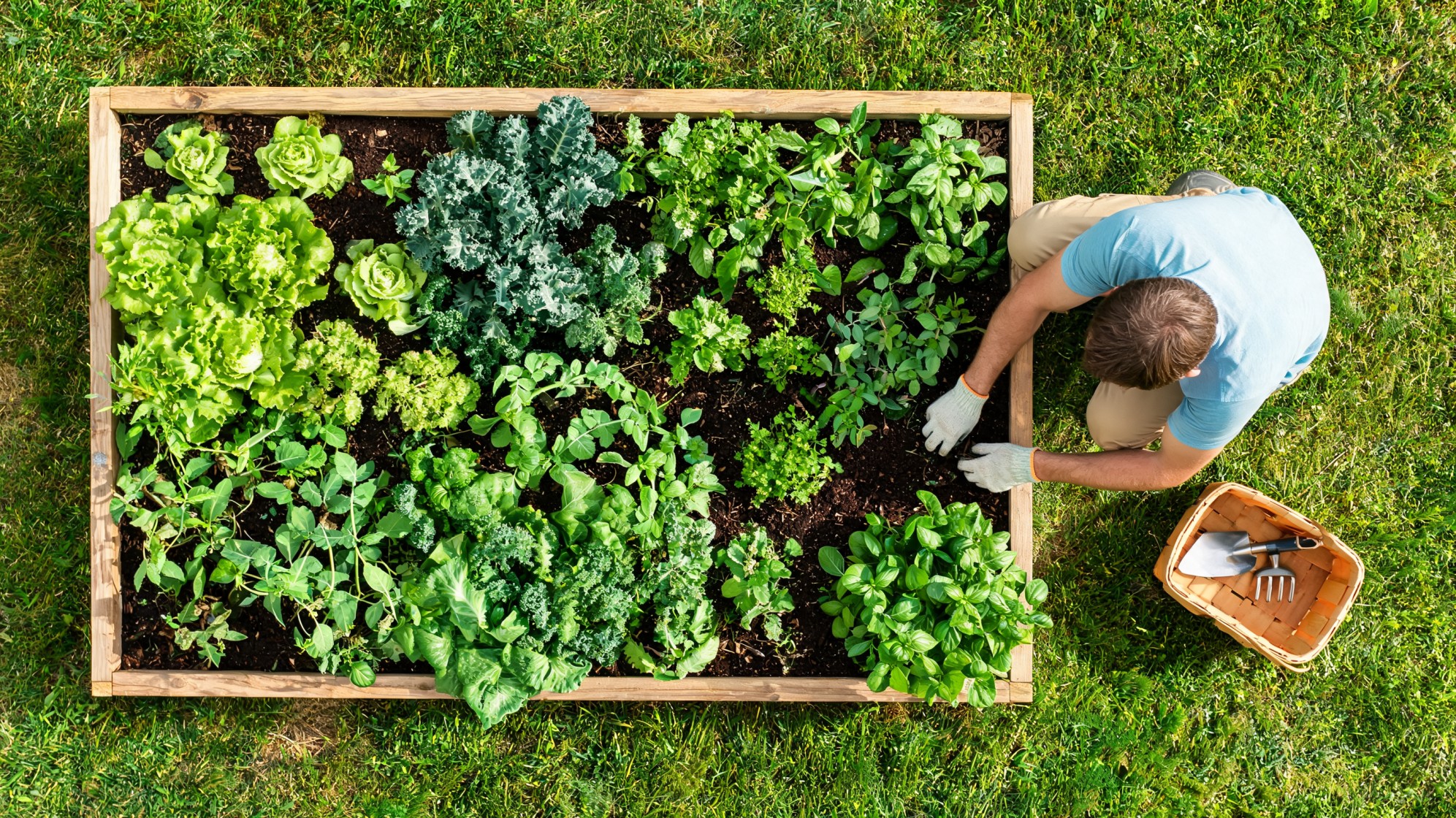
You can start edible landscaping with one small area and a few easy plants. I’d keep the first round simple, so you can learn what grows well before changing more of your yard.
Simple Steps:
- Walk around your yard and look for empty spaces where you can add plants.
- Choose sunny spots because most herbs, vegetables, and fruit plants need good sunlight.
- Pick a place near water, so it is easy to water your plants when needed.
- Start with 3 to 5 simple plants, such as basil, parsley, lettuce, Swiss chard, strawberries, blueberries, or peppers.
- Add compost or organic matter to the soil before planting, so your plants have better food to grow.
- Begin with one small bed, border, or container instead of planting everywhere at once.
- Check your plants often and pick herbs, greens, fruits, or vegetables when they are ready.
- Remove old plants when they stop growing well or look messy.
- Try new plants each season and keep using the ones that worked well for you.
Best Edible Plants for Landscaping
The best edible plants are useful, attractive, and easy to fit into your yard. I recommend the plants that bring more than food, such as color, scent, flowers, fruit, or strong shape.
| Plant Type | Good Choices | Why They Work |
|---|---|---|
| Edible Herbs | Basil, rosemary, thyme, parsley, chives, mint | Compact, fragrant, useful, and easy to harvest. Keep mint in pots because it spreads fast. |
| Leafy Greens | Swiss chard, kale, lettuce, arugula, mustard greens, spinach | Add color and texture while giving quick harvests. |
| Ornamental Vegetables | Eggplant, peppers, tomatoes, okra, artichokes, cardoon | Offer flowers, fruit, height, bold leaves, and strong shapes. |
| Edible Flowers | Nasturtium, pansy, calendula, borage, violas, chive flowers | Add color, and it can be eaten when safely grown and clearly identified. |
| Fruit Plants | Blueberries, strawberries, raspberries, blackberries, figs, dwarf apples, dwarf citrus, grapes | Give beauty and harvest value through flowers, fruit, or seasonal color. |
| Edible Ground Covers | Strawberries, creeping thyme, oregano, sweet potato vines, nasturtiums | Help cover bare soil while adding food or flavor. |
| Unusual Edibles | Rice, wheat, barley, oats, other grains | Can work like ornamental grasses where climate and space allow. |
Choose plants that match your sunlight, space, and care level. That makes the edible landscape easier to manage and more useful over time.
Edible Landscape Ideas for Beginners
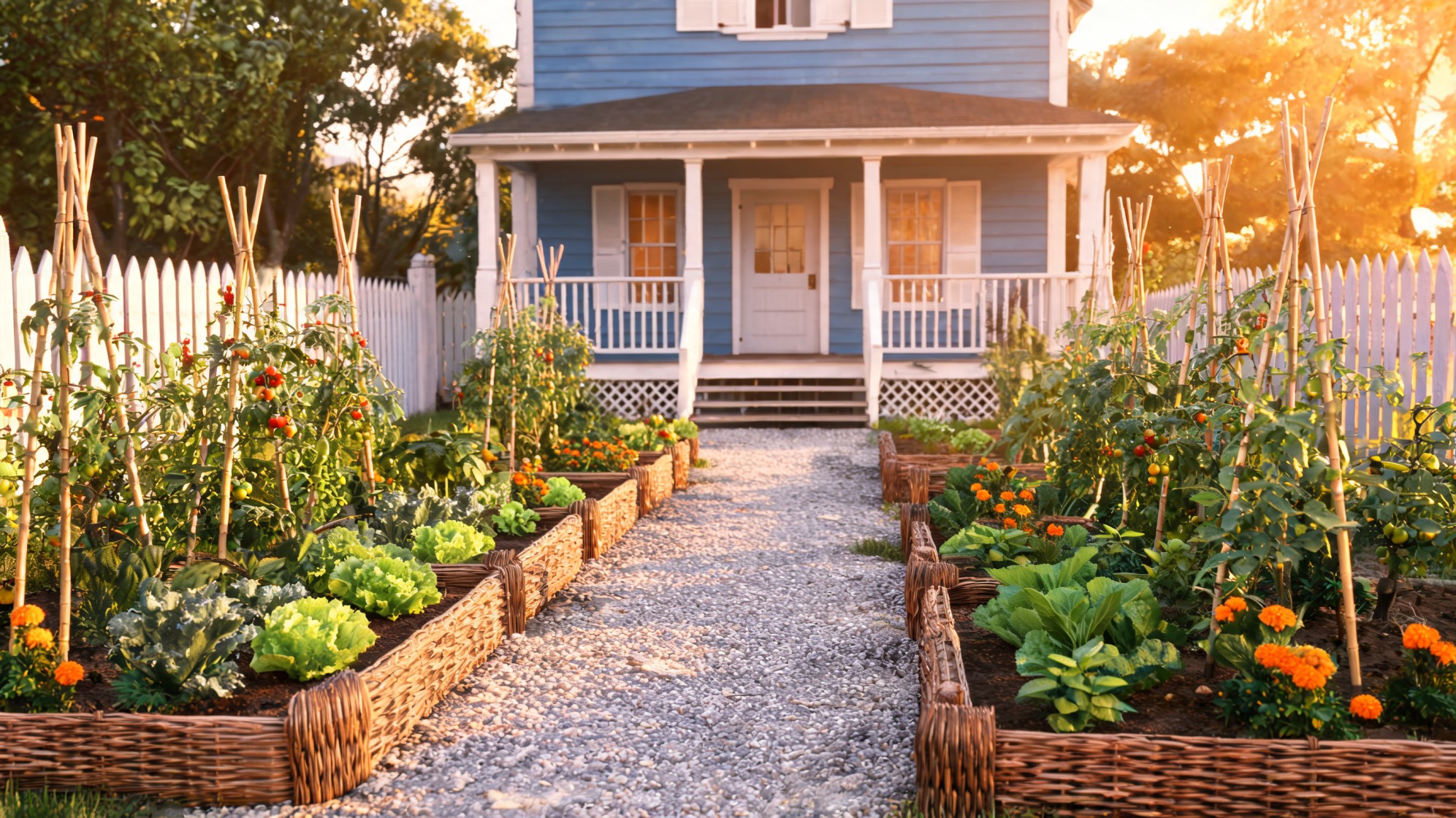
If you are new to edible landscaping, start with simple ideas that are easy to plant, care for, and harvest. These beginner-friendly options help you add food plants without making the yard feel crowded or hard to manage:
- Plant parsley, thyme, chives, and compact basil along a walkway for a neat herb border you can harvest often.
- Grow blueberry shrubs near a patio for spring flowers, summer berries, and rich fall color.
- Mix lettuce, kale, Swiss chard, and pansies in a flower bed for a cool-season edible planting.
- Create a tidy, edible front-yard bed with Swiss chard, eggplant, peppers, basil, calendula, and blueberries.
- Use containers for herbs, salad greens, peppers, dwarf fruit, and strawberries if you rent or only have a patio.
- Build a pollinator-friendly edible bed with herbs, edible flowers, berries, and vegetables that support bees and helpful insects.
Note: Start with one idea that best fits your space. Once it works well, you can add more edible plants to other parts of your yard.
Frequently Asked Questions
What is the easiest edible plant to grow?
Basil is one of the easiest edible plants to grow, especially for beginners. You can plant it in a pot, raised bed, or sunny border. It grows fast, smells nice, and works well in many meals. Keep the soil lightly moist, give it sun, and pick leaves often as needed.
What are the edible ornamental plants?
Edible ornamental plants are food plants that also look good in a garden or landscape bed. They may have colorful leaves, flowers, fruit, or strong shapes. Common examples include Swiss chard, kale, basil, eggplant, nasturtium, calendula, pansies, blueberries, and dwarf fruit trees. They provide beauty and harvests from a single space.
What is an example of edible landscaping?
An example of edible landscaping is a front-yard bed featuring blueberry shrubs, Swiss chard, basil, calendula, and dwarf fruit trees, mixed with flowers. The space still looks neat and colorful, and it also provides herbs, greens, fruit, and blooms you can eat at home during the growing season.
What are 10 edible seeds?
Ten edible seeds include sunflower, pumpkin, sesame, chia, flax, hemp, poppy, mustard, fennel, and coriander seeds. You can use them in cooking, baking, salads, drinks, or spice blends. Some are eaten whole, while others are ground first. Choose food-grade seeds, not garden seeds treated with chemicals or coatings for planting.
Final Thoughts: Make Your Yard Beautiful and Useful
Edible landscaping is a simple way to grow food without sacrificing a well-designed yard. You can mix herbs, greens, fruit plants, and edible flowers into the spaces you already have.
You do not need to change everything at once. I’d start with one small area, like a sunny border, patio pot, or open spot in a flower bed. That keeps it easy and gives you room to learn.
Beginner-friendly plants like basil, parsley, Swiss chard, strawberries, and blueberries are a great place to start. They are useful, attractive, and easy to fit into many yards.
With edible landscaping, your outdoor space can become more beautiful, more practical, and more rewarding. Pick one sunny spot this week and plant one edible you’ll actually use.