Ever wonder why some living rooms instantly make you exhale and kick off your shoes, while others feel a little cold and flat? I hit a point a while ago where my own place felt completely missing that grounded, easygoing energy. The fix turned out to be surprisingly simple: bringing nature inside.
Over time, I’ve pulled together a lush, green feel in my living room without spending a fortune or needing any kind of design background.
A botanical look isn’t about turning your home into a high-maintenance greenhouse—it’s really just about leaning into the textures, colors, and calm vibes of the outdoors.
It keeps the space feeling light and breezy in the summer, and surprisingly warm and cozy when the dark, long winter months roll around.
If you’re looking to refresh your own setup, here is my straightforward, practical guide to getting that natural look right, based on what actually worked in my own home.
Start with Real Plants and Varying Heights
The core of any botanical room is, of course, actual greenery. Beyond just looking good, research on the psychological benefits of indoor plants shows that interacting with natural foliage active lowers stress levels and calms the nervous system.
When I first started, I made the classic mistake of buying five potted plants and lining them up in a neat row on my windowsill. It looked stiff. If you want the space to feel effortless rather than cluttered, the trick I learned is playing around with different heights, shapes, and leaf sizes.
Think about how plants grow out in the wild. They aren’t sitting on a flat line. Some shoot straight up, others spread out low across the ground, and some climb or trail down over rocks.
I recreated that exact same depth in my living room by spreading plants across three distinct levels:
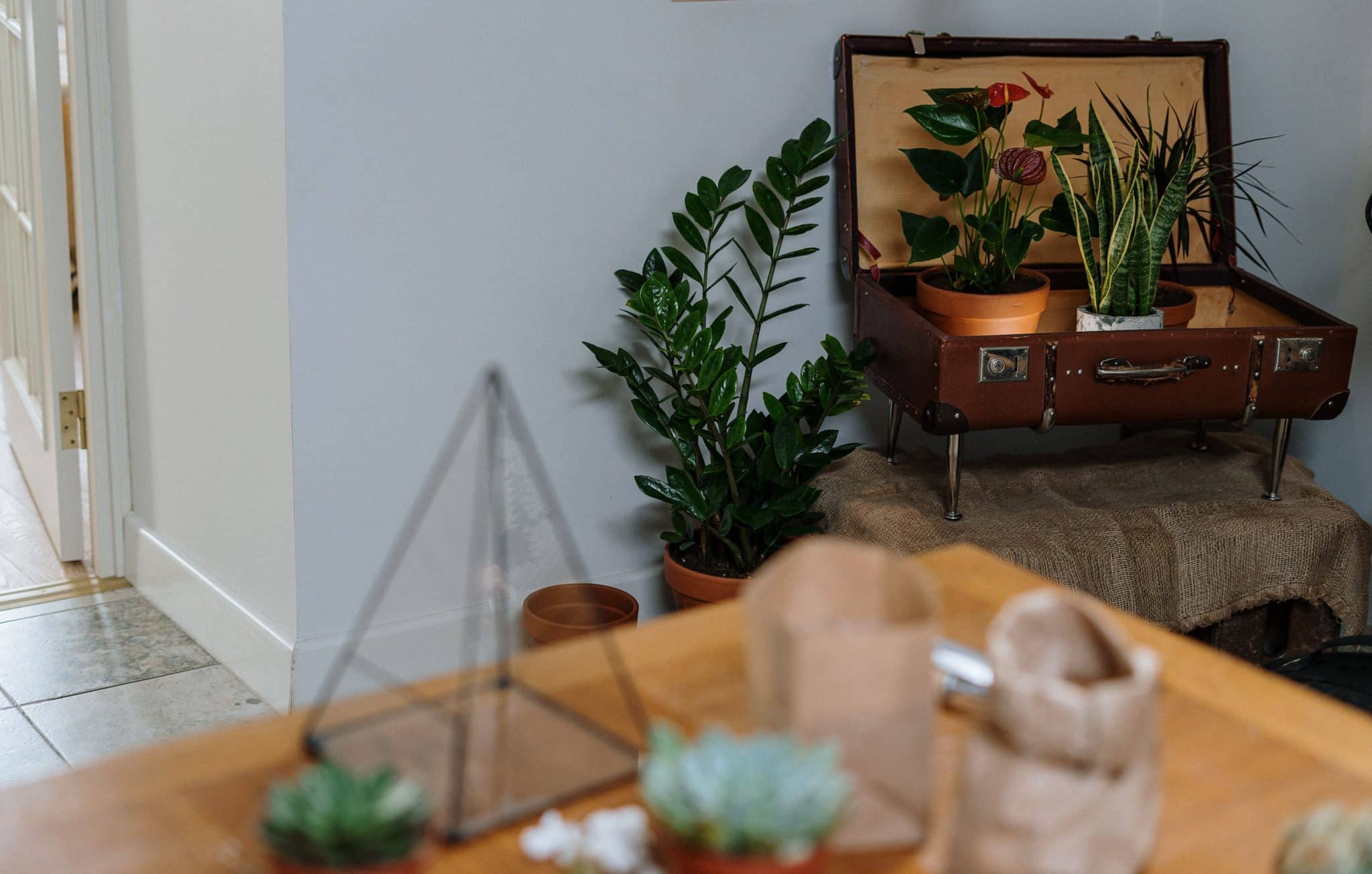
- Floor-level anchors: I started with a couple of larger plants in sturdy pots placed right on the floor. A big Monstera, a rubber tree, or a tall snake plant works great here. I tucked mine into empty corners and set one beside the couch to fill empty floor space and draw the eye up.
- Eye-level accents: Next, I worked onto coffee tables, sideboards, open shelves, and plant stands. This is the spot for medium-sized pots. Plants with distinct leaf patterns, like a peacock plant or a prayer plant, shine at this height because you can actually appreciate the details while sitting down with a cup of coffee.
- High spots and hanging greenery: Don’t ignore your walls and ceilings. I put a few hooks in the ceiling for hanging baskets and cleared off the top shelf of a high bookcase. Trailing varieties like golden pothos, heartleaf philodendron, or string of hearts let foliage drape down, making the room feel wrapped in green.
When you’re picking out your collection, mix up the textures. Try pairing broad, smooth leaves with light, feathery fern fronds. Throw some dark olive tones next to bright lime or variegated white-and-green leaves. That contrast keeps things interesting and makes the collection look like it grew naturally over time.
Build a Grounded, Nature-Inspired Palette
Your plants are the main feature, but the paint on your walls and the color of your furniture set the tone for everything else. Early on, I realized that if the background colors clash with your foliage, the space ends up feeling noisy instead of calm.
To keep things grounded, I built my base around relaxed, natural tones that complement green rather than compete with it.
Wall Colors That Work
You definitely don’t have to paint every wall forest green. In fact, keeping my background light made the foliage pop so much more. Soft off-whites, warm stone, light beige, or faint sage grey are brilliant options.
They reflect natural light around the room, which makes the layout feel bigger and gives your plants the brightness they need to thrive.
If you like darker, cozier spaces, try painting a single accent wall in a deep olive or dark moss tone behind your primary seating. It creates a rich, quiet backdrop where real plants blend in, giving the whole corner a comfortable, wrapped-in feeling.
Sticking to Natural Materials
The furniture and decor you pair with your color palette should feel simple and untamed. I made a point to steer clear of super shiny plastics, harsh chrome, or cold synthetic materials. Instead, I leaned into warm, physical textures:
- Real Wood: Light oak, pine, or reclaimed timber coffee tables bring instant warmth and go naturally with terracotta and ceramic pots.
- Woven Elements: Rattan armchairs, jute rugs, and woven seagrass baskets introduce a gritty texture that balances out smooth green leaves.
- Linen and Cotton: Pick loose, breathable fabrics for couch covers, throws, and curtains to keep the vibe soft and casual.
Add Character with a Botanical Paint by Numbers
You don’t have to rely entirely on live plants to build this look. Wall art does wonders when it comes to tying a room together. One of my favorite weekend projects was actually completing a botanical paint by numbers kit—it was a surprisingly fun, low-stress way to get custom artwork on my walls without spending a fortune.
Forget those childish kits you might remember from years ago. You can easily find gorgeous modern designs featuring minimalist monstera outlines, delicate flower prints, vintage plant studies, loose watercolor eucalyptus, or moody jungle prints.
Working through a canvas kit was a great way to wind down in the evenings, and now I have something cool on the wall that I actually made myself.
A few easy steps I took to make my DIY painting look like a store-bought print:
- Pick a soft color scheme: Look for designs that use toned-down palettes—think muted sage, warm terracotta, washed-out ochre, and deep forest tones—instead of bright, artificial primary colors. Simple leaf outlines or vintage-style sketches fit best in a modern living room.
- Frame it properly: Once my acrylics were completely dry, I mounted the canvas over a simple wooden frame and slipped it into a clean, thin picture frame. Adding a wide paper mat board around the print made a huge difference.
- Build a small gallery wall: Instead of letting your painting sit by itself on a huge blank wall, group it with other bits and pieces. I hung mine alongside framed pressed leaves, old field-guide illustrations, and simple black-and-white photos of forest trails to make the wall look thoughtfully collected.
Choose Soft Fabrics and Subtle Patterns
Textiles are what turn a bare room into a place you actually want to lounge in. In my space, fabrics gave me a chance to introduce subtle leaf prints and touchable textures without crowding my side tables with more clutter.
The key to using leafy patterns without making the room look messy is keeping things balanced. If your sofa, curtains, and rug all feature massive palm leaves, the space will feel overwhelming fast. I chose just one or two patterned accents, then let the rest of my fabrics stay plain and neutral.
For example, on my plain fabric couch, I tossed on two cushion covers featuring subtle fern prints, flanked by two plain dark green velvet cushions and a chunky off-white throw. That mix keeps the theme clear while keeping the couch comfortable and grounded.
Windows deserve some attention, too. Light, semi-sheer linen curtains work wonders here because they diffuse direct sunlight into a soft glow, making the light in your room feel a lot like sunshine filtering down through a tree canopy.
Lighting, Scents, and the Finishing Touches
A solid interior style works on more than just sight. To round out the atmosphere in my house, I had to think about lighting, room scents, and the small details scattered around.
Getting the Lighting Right
Sunlight keeps your plants alive during the day, but soft ambient light is what makes the room feel comfortable at night. I completely avoid turning on harsh overhead lights in the evening now. Instead, I scattered a few floor lamps and low-wattage table lamps around my seating areas. Warm light bulbs cast soft shadows through plant leaves and make the room feel quiet and cozy after dark.
Bringing in Earthy Scents
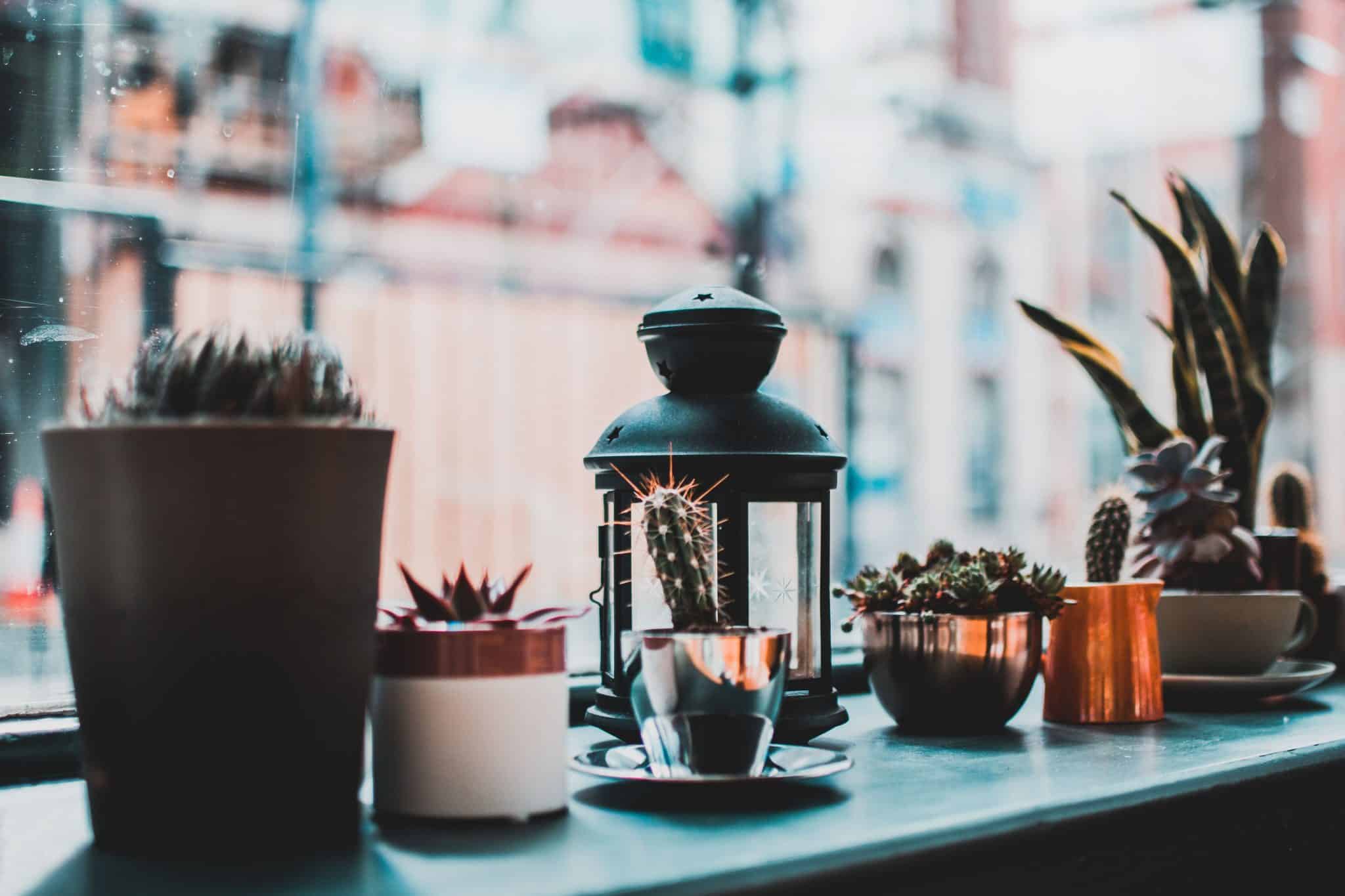
Scent completes the atmosphere. To match my visual setup, I started using home fragrances inspired by woods and gardens.
Diffusers, beeswax candles, or incense with notes like these work wonders:
- Cedarwood, pine, and cypress for a clean, outdoor feel
- Eucalyptus and peppermint for a crisp lift
- Amber, vetiver, and sandalwood for a warm, grounding base
- Subtle orange blossom or jasmine for a touch of light sweetness
Small Details Matter
Finally, fill in the small gaps with items that fit the theme naturally. Use unglazed terracotta, stone, or rough ceramic pots. Stack a few thick books about nature or photography on your coffee table. You can even put together a simple glass vase with dried eucalyptus stalks or tall grass.
Creating a botanical aesthetic wasn’t about making a flawless indoor jungle overnight for me, and it doesn’t have to be for you either. It’s just about combining real plants, warm natural materials, DIY art, and soft lighting to build a living room that feels fresh, comfortable, and easy to live in every single day.