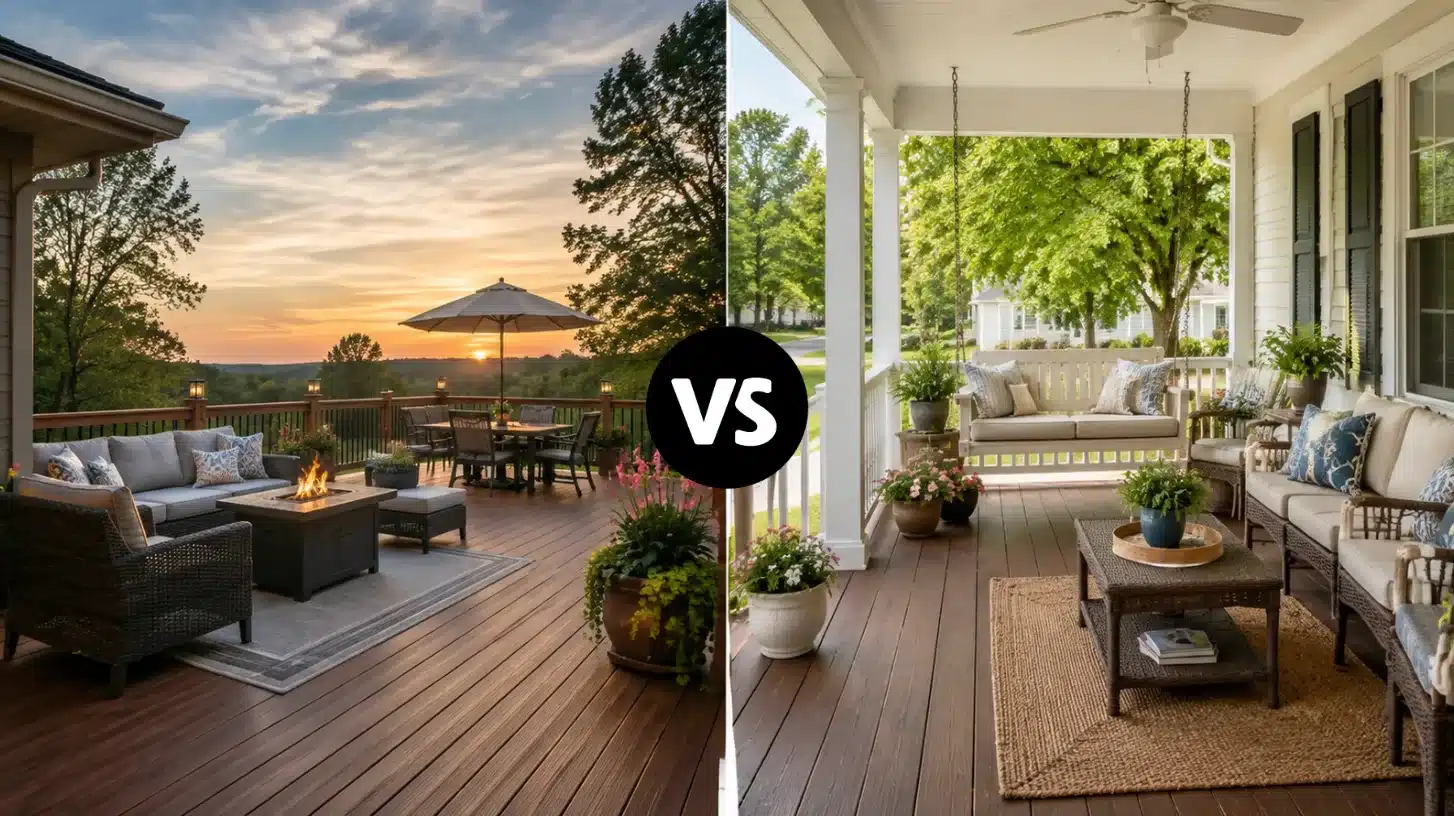
| Feature | Deck | Porch |
| Typical Location | Backyard or side of the house | Front entrance or back entry |
| Roof Coverage | Usually open-air | Typically covered |
| Elevation | Often raised, can be ground-level | Usually at home, entry-level |
| Privacy | More private | More visible to visitors |
| Main Purpose | Entertaining, social gatherings | Relaxing, greeting guests, and sheltered outdoor use |
| Materials | Wood, composite, PVC | Wood, stone, concrete, tile, composite boards |
| Maintenance | Moderate to high (sealing, cleaning) | Moderate (flooring, paint, roof upkeep) |
| Cost Range | $15–$35 per sq. ft. for wood/composite decks; total ~$4,000–$12,000 for average size | $20–$60 per sq. ft. for covered porches; total ~$6,000–$20,000 depending on size and roofing |
| Best For | BBQs, parties, outdoor dining | Morning coffee, reading, casual relaxation |
Choosing between a deck vs porch can feel overwhelming when planning outdoor spaces. For me, it was about balancing practical needs with lifestyle.
A deck offered a private spot for evening barbecues and sunbathing, while a porch seemed inviting for morning coffee and watching neighbors stroll by.
Both add outdoor living space and home value, yet they differ in structure, placement, roofing, and purpose. Understanding these differences can save you from expensive mistakes and improve your home’s functionality.
By the time you read through, you’ll have a clear picture of which option fits your lifestyle, climate, and budget.
What Is a Deck?
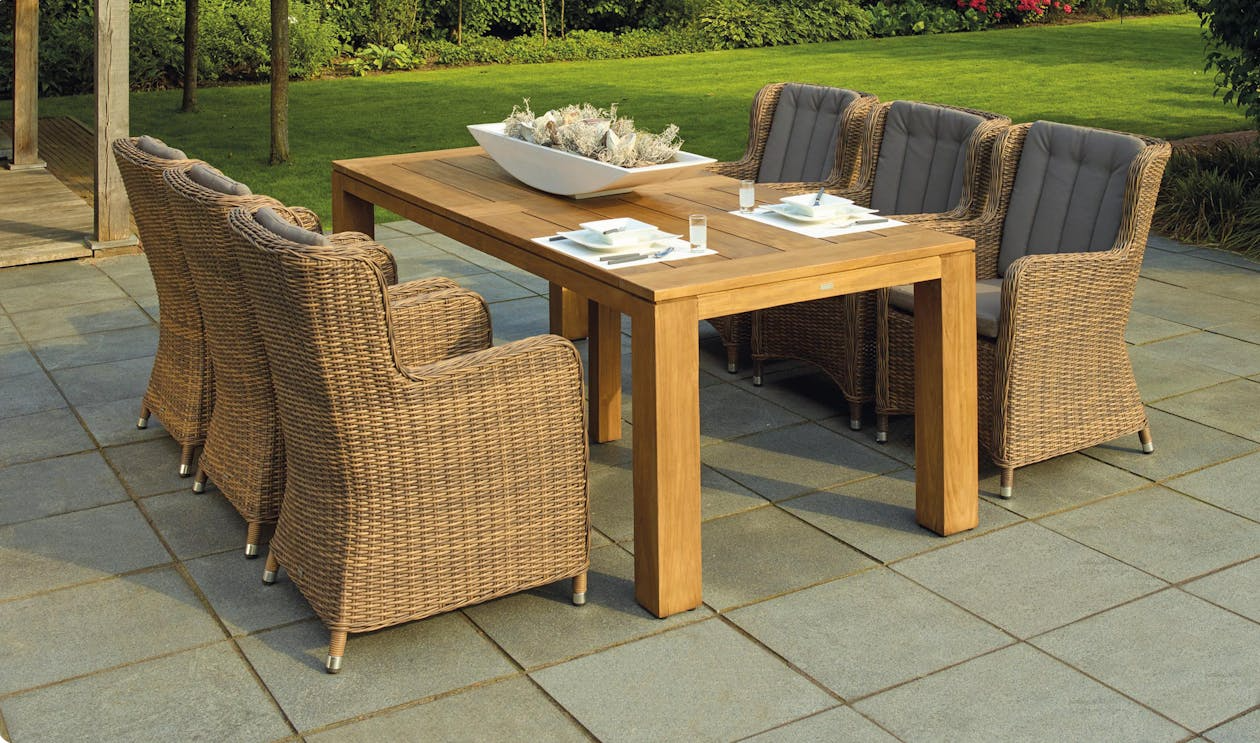
A deck is more than a flat surface; it’s an extension of your backyard lifestyle. Built as a raised or ground-level platform, it can serve as a venue for dining, lounging, or hosting parties.
Decks are often made from pressure-treated wood, cedar, redwood, PVC, or composite materials, each offering unique durability and maintenance needs. They can be single-level, multi-level, floating, or even rooftop decks, depending on space and vision.
Features like railings, built-in seating, and pergolas enhance usability. Composite decking has grown in popularity due to its low-maintenance appeal.
When designing a deck, consider sun exposure, drainage, and integration with backyard landscaping to make the most of your outdoor area without constant upkeep.
What Is a Porch?
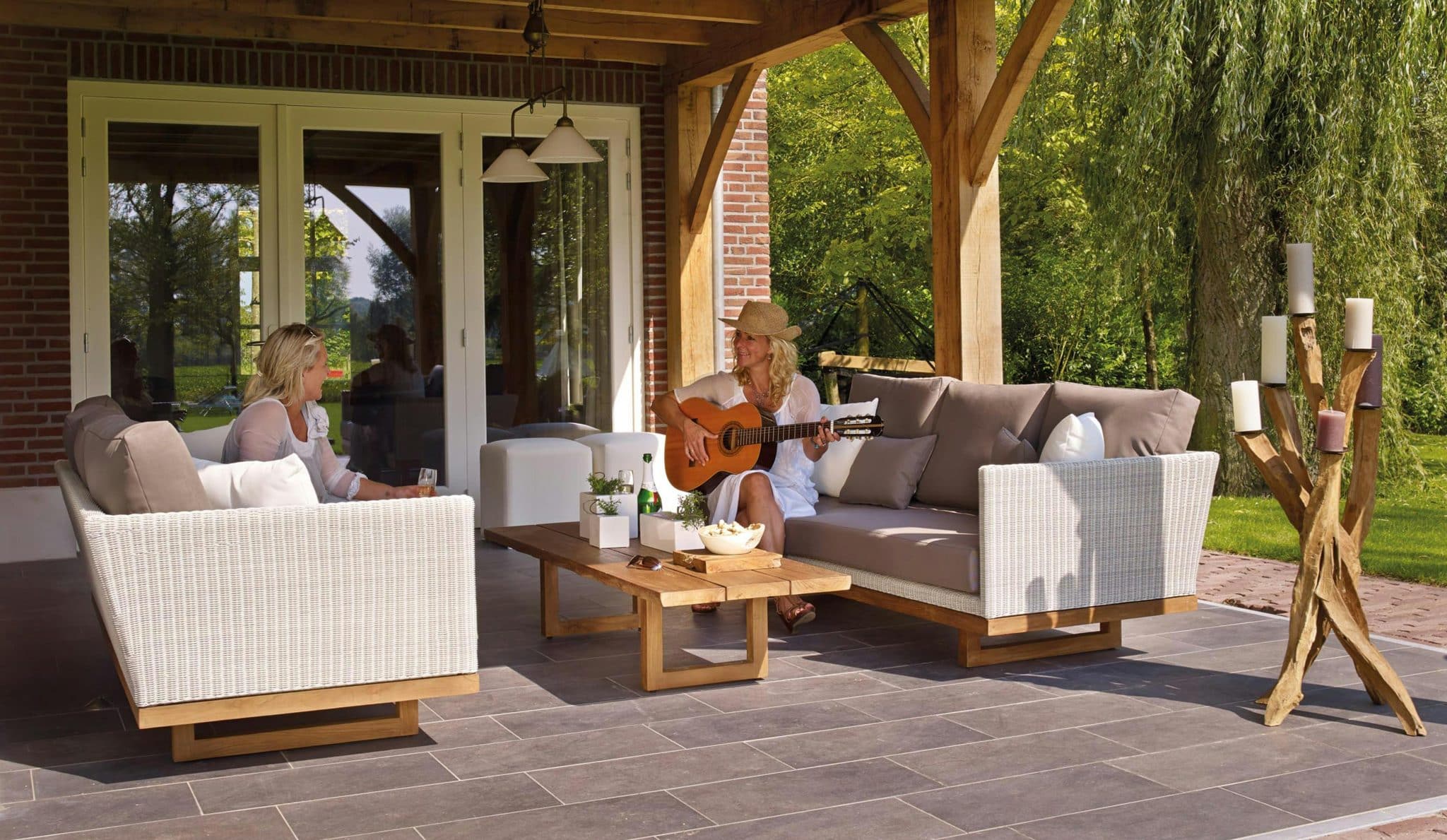
A porch is an extension of the home, usually covered, attached to the entrance, and integrated into the roofline. It can be screened, partially enclosed, wraparound, or traditional front-facing, serving as a welcoming transition from outdoors to indoors.
Porches are perfect for daily routines like morning coffee, reading, or relaxing in the rain without getting wet. Materials vary widely: wood, stone, concrete, tile, and composite boards are common.
Some porches, such as farmers’ or sleeping porches, serve seasonal purposes. Porches can add curb appeal and property value, especially when well-maintained.
For homeowners seeking a connection to the street or neighborhood, porches combine visual appeal and functionality, offering a comfortable outdoor retreat sheltered from the elements.
Main Differences Between a Deck and a Porch
Understanding the differences between a deck and a porch is key to choosing the right outdoor space. Factors like coverage, location, structure, use, materials, maintenance, and cost all determine functionality and enjoyment.
1. Roof and Coverage
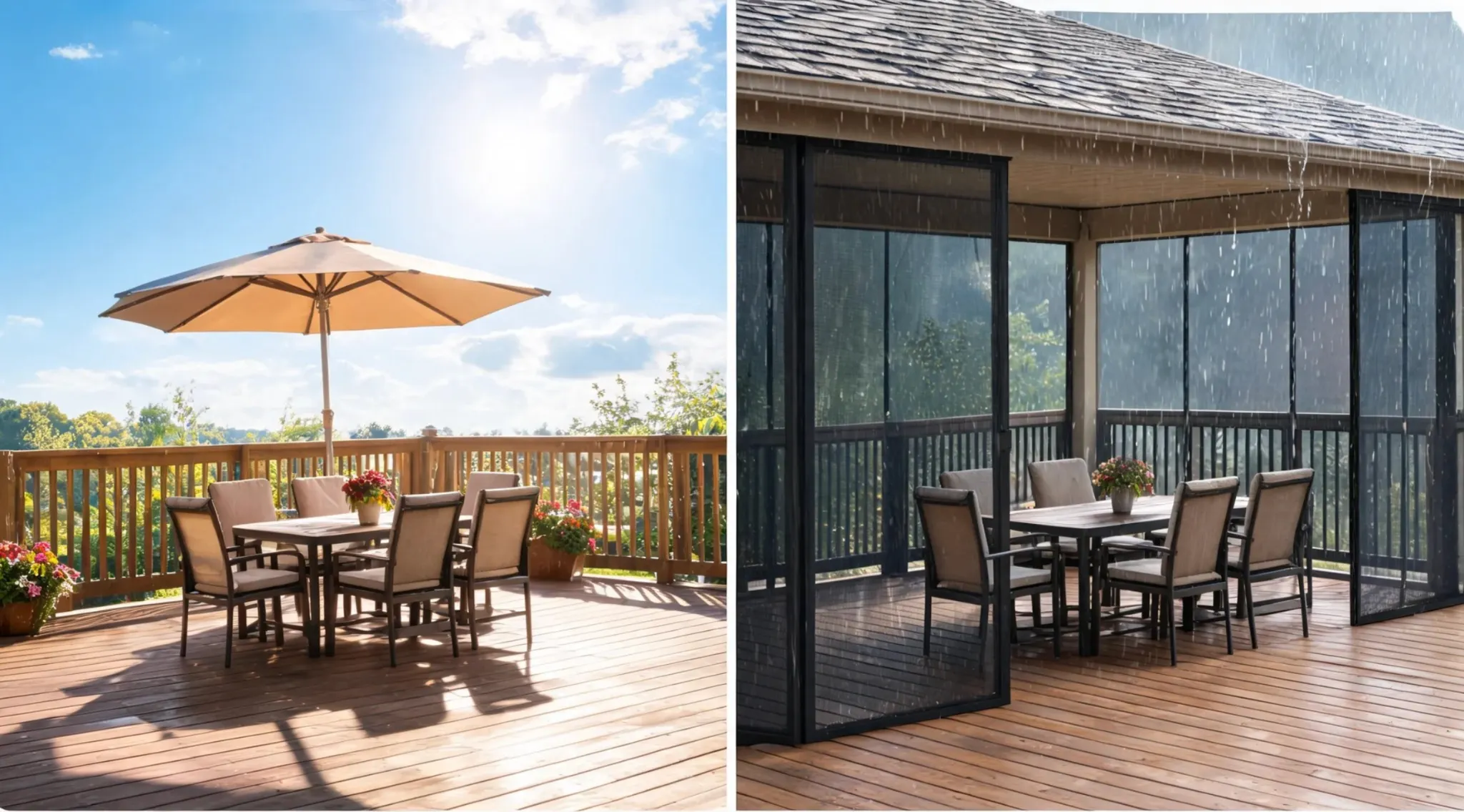
Deck: Open-air decks let you enjoy sunlight and fresh air, though umbrellas or pergolas may be needed for weather protection. This exposure makes decks more versatile but requires seasonal upkeep.
Porch: Roofed porches provide shade and rain protection, allowing daily use regardless of the weather. Screened options also block insects, offering comfort while protecting furniture and flooring from sun or moisture damage.
2. Location Around the Home
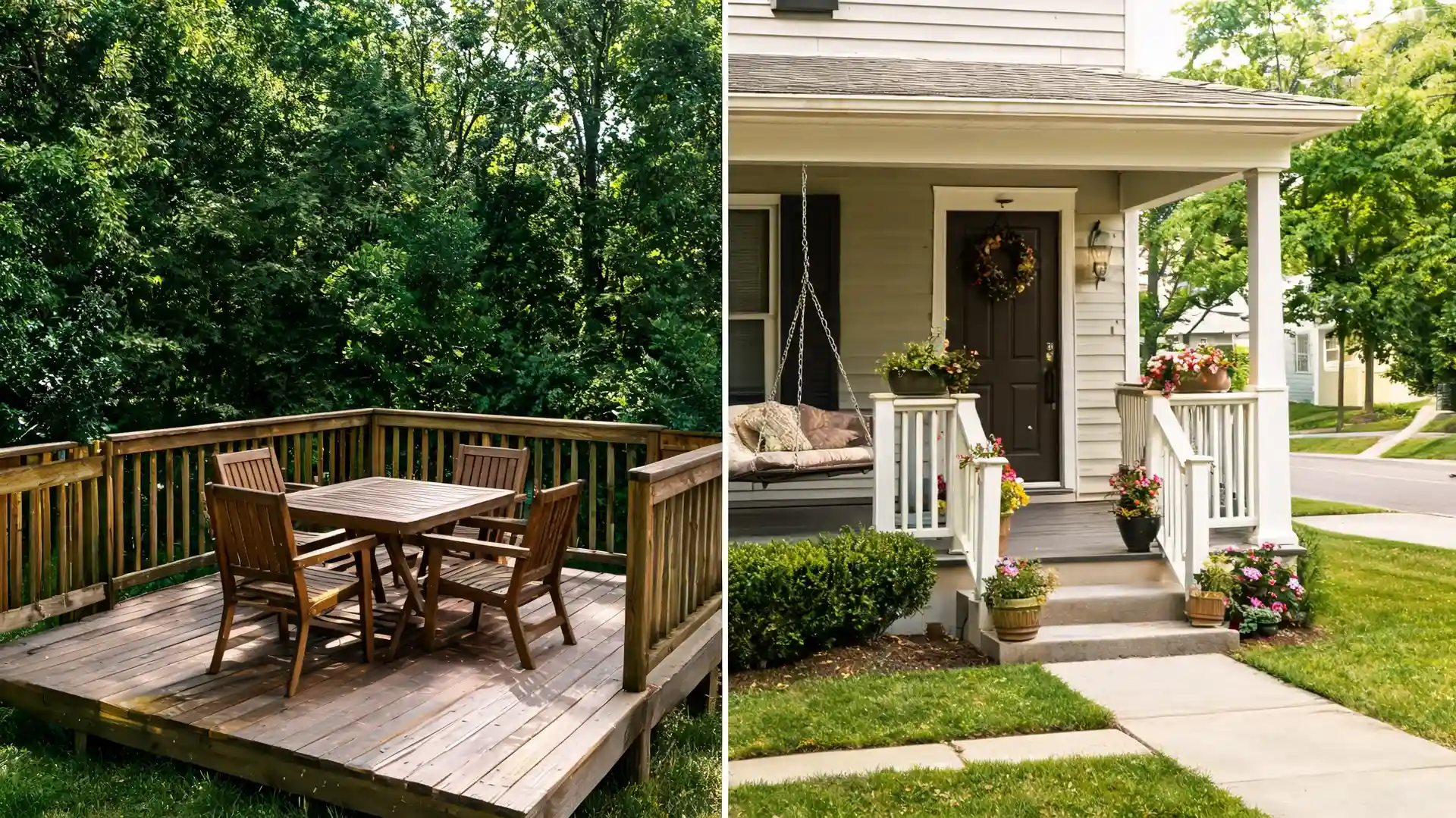
Deck: Positioned in the backyard or side yard, decks offer privacy and intimate gatherings, away from street view. They are ideal for entertaining family and friends while maintaining personal outdoor space.
Porch: Typically at the front or back entrance, a porch enhances curb appeal and encourages casual interaction. They serve as welcoming spaces, perfect for relaxation and observing outdoor activity near the home.
3. Structural Design
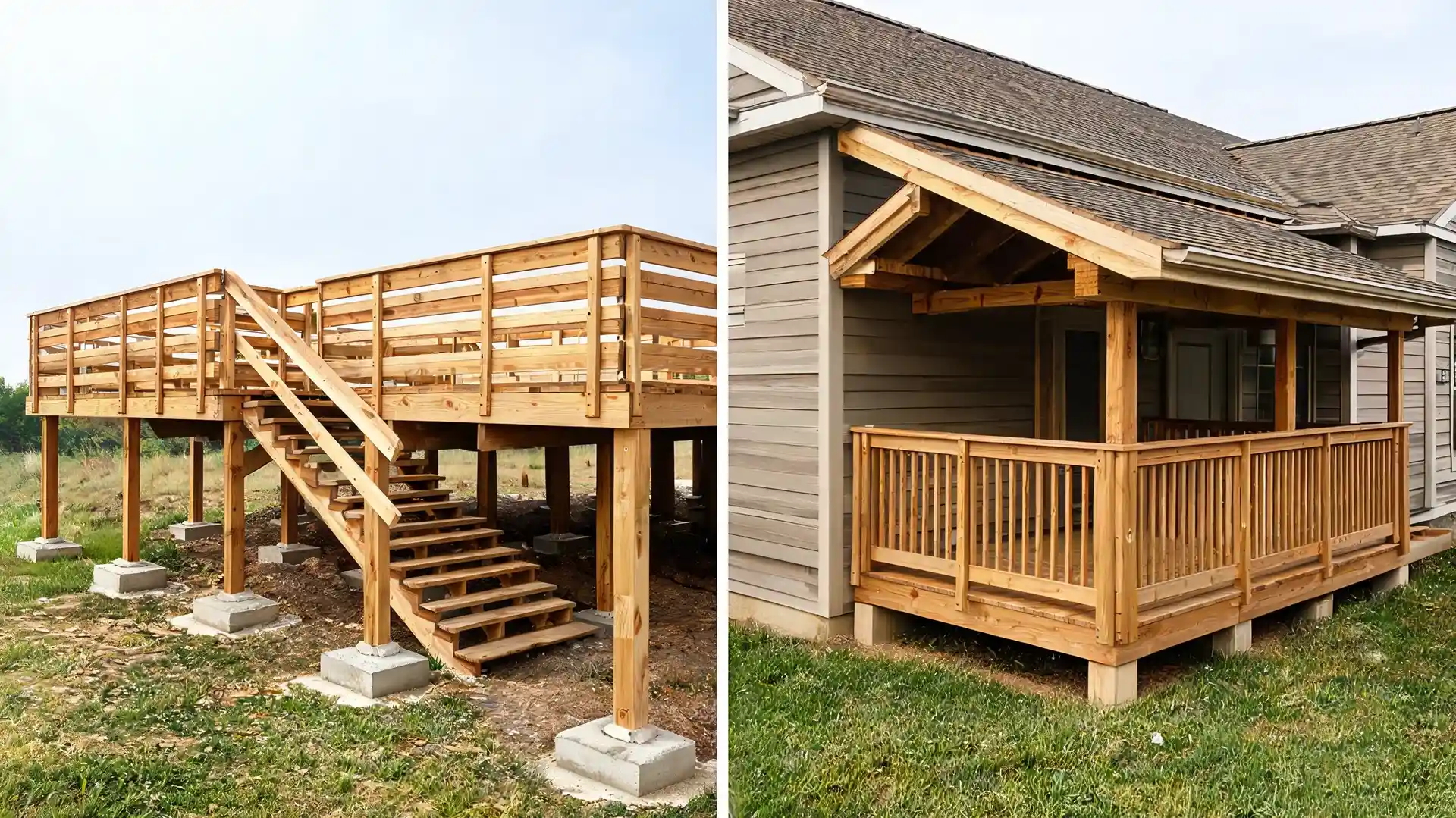
Deck: Elevated or ground-level, decks rely on beams, posts, and sometimes foundations. Multi-level decks require careful planning to support weight and ensure safety, especially in areas with heavy snow or wind.
Porch: Integrated into the home’s roofline, porches use posts and beams for both structure and roofing. Screened or partially enclosed options provide protection while maintaining airflow and connection to the home.
4. Intended Use

Deck: Designed for social gatherings, decks accommodate barbecues, outdoor dining, hot tubs, or sunbathing. They are best for larger group activities and seasonal entertainment in the yard’s private areas.
Porch: Porches emphasize comfort and everyday routines, such as morning coffee, reading, or greeting neighbors. They provide sheltered outdoor space ideal for casual use, offering connection to home entry points.
5. Materials Used
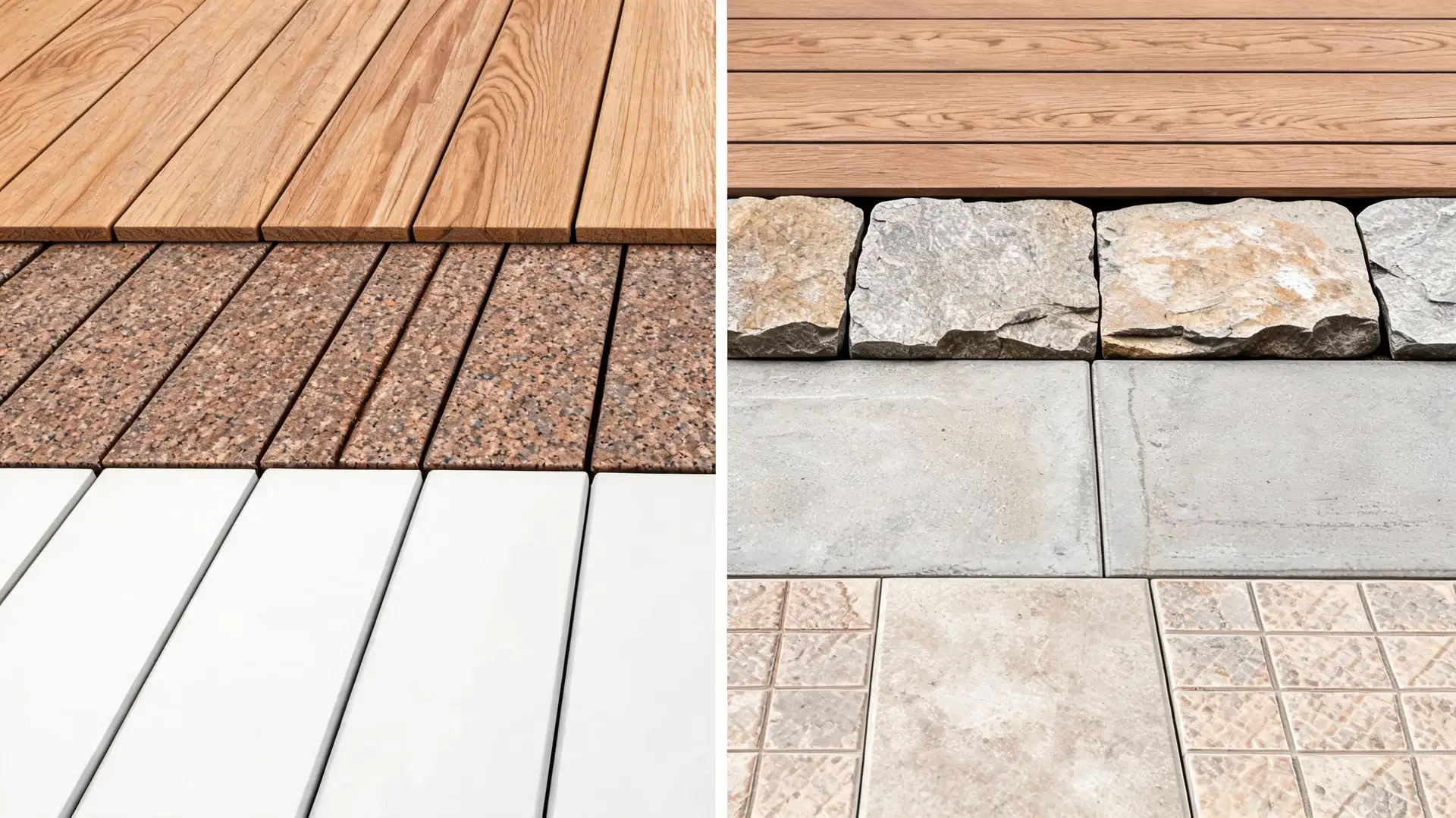
Deck: Wood, composite, or PVC is preferred for decks due to durability in open-air conditions. Composite boards reduce maintenance while pressure-treated wood balances cost and longevity.
Porch: Porches often use wood, stone, concrete, or tile for structural support and long-lasting protection. These materials meet roof coverage requirements and provide a welcoming, durable entrance area.
6. Maintenance Requirements
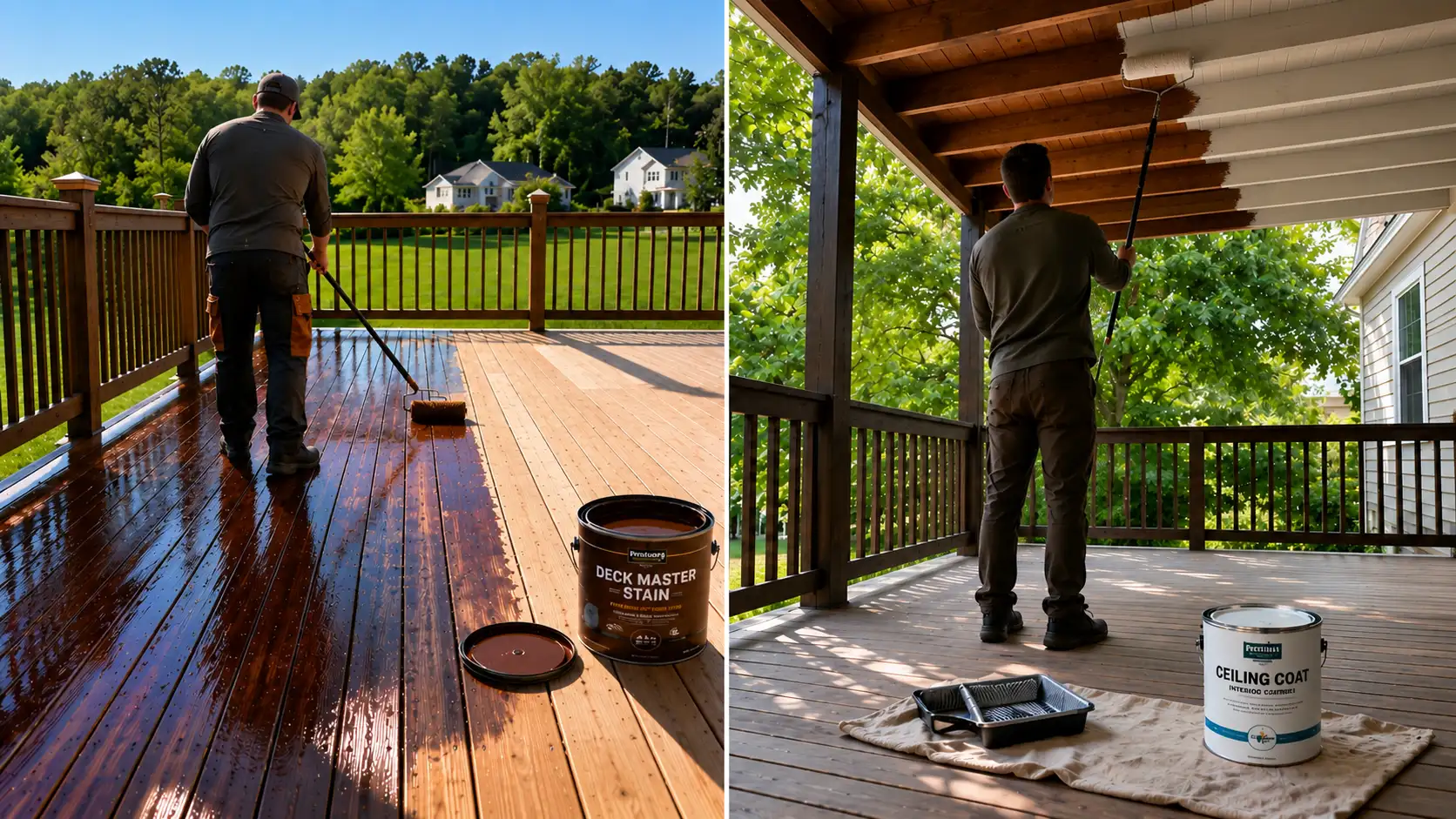
Deck: Regular upkeep includes sealing, staining, and cleaning to prevent weather-related wear. Open exposure to sun, rain, and moisture requires attention to boards, railings, and fasteners.
Porch: Covered porches experience less direct weather impact. Maintenance focuses on roof integrity, flooring, and occasional painting. Screened areas reduce debris accumulation, simplifying care compared to decks.
Comparing each factor side by side ensures homeowners make informed decisions that match their lifestyle, climate, and budget while maximizing the usability and enjoyment of outdoor spaces.
Deck vs Porch: Pros and Cons
Making the right choice starts with weighing advantages and disadvantages. Here’s a clear look at how decks and porches compare:
| Feature | Deck | Porch |
| Pros | Flexible design. Great for entertaining, BBQs, and outdoor dining. Easy to expand. Provides backyard privacy. | Sheltered from sun and rain. Boosts curb appeal. Usable year-round. Low maintenance with durable materials. |
| Cons | Exposed to weather, needs regular care. Higher upkeep than covered spaces. Untreated wood wears faster. | Higher initial cost. Less flexible layout. More visible to neighbors. |
Evaluating these factors helps determine which structure best fits your lifestyle, whether you prioritize entertainment, privacy, or daily comfort. Each option serves a unique purpose for your home.
Decks and Porches: What You’ll Really Pay
Building a deck or porch involves several cost factors, including size, materials, and labor. Decks usually cost $15–$35 per sq. ft. for wood or composite, with multi-level designs being more expensive due to added complexity.
The material quality, deck height, and labor rates can further influence the total spend. Porches generally range from $20–$60 per sq. ft., depending on roofing, coverage, and integration with the home.
Options like wraparound layouts or screened enclosures increase both construction difficulty and initial investment.
Overall, these ranges give a clear sense of what to expect, while final costs depend on the exact design, materials chosen, and local labor rates, allowing homeowners to plan their budget more accurately.
Permits, Codes, and HOA Rules: What You Must Know Before Building
Understanding permits, codes, and HOA rules is essential before building a deck or porch. Proper planning prevents delays, ensures safety, and aligns your project with local regulations and neighborhood standards:
- Deck permits: Raised, multi-level, or rooftop decks typically require permits for structural safety, load-bearing, railings, and staircases. Inspections may be mandatory in many areas.
- Porch regulations: Attached porches often face stricter codes, especially if screened or partially enclosed, due to integration with the home’s roof and drainage systems.
- HOA restrictions: Some communities enforce rules on height, materials, placement, and style. Approval may be required before construction begins.
- Safety compliance: Following codes ensures durability, prevents accidents, and protects your investment over time.
- Avoiding penalties: Skipping permits or ignoring local regulations can result in fines, required removal, or costly redesigns.
Checking all requirements upfront made my project run more smoothly and saved me unnecessary expenses. Following these rules ensures your deck or porch is safe, legal, and functional for years to come.
Deck vs Porch vs Patio: Key Differences
Decks and porches offer elevated or covered spaces, while patios are ground-level areas. Understanding these differences helps you choose the right outdoor space for entertaining, relaxing, or dining:
| Feature | Deck | Porch | Patio |
| Location | Raised, backyard, or side | Attached to the front or back entrance | Ground-level, backyard, or front yard |
| Roof Coverage | Usually open | Covered | Optional |
| Materials | Wood, composite, PVC | Wood, stone, concrete, tile | Concrete, pavers, stone |
| Purpose | Entertaining, social gatherings | Relaxing, welcoming guests | Casual dining, lounging, gatherings |
| Privacy | More private | More public | Flexible, depending on layout |
Each structure has its own strengths: patios provide easy-access dining and casual areas, decks create social hubs at elevated levels, and porches offer sheltered comfort, balancing usability and design in your outdoor space.
Which Option Fits Your Lifestyle?
Choosing between a deck and a porch goes beyond size or cost; it’s about how you actually live outdoors.
Decks work well if you host barbecues, play outdoor games, or enjoy private gatherings in your backyard. For families with kids, decks provide space for active play, while entertaining friends becomes seamless during summer weekends.
Porches, on the other hand, excel for daily routines: morning coffee, casual reading, or quiet observation of the street. Screened or covered options provide comfort in both rainy and sunny conditions.
For me, lifestyle choices were key. Couples might enjoy a small porch for daily relaxation, families need decks for open-air activities, and entertainers often prefer a deck-patio combo.
Considering the frequency of use, visitor types, and seasonal conditions helps ensure the space aligns with your daily habits. Choosing with lifestyle in mind prevents underutilization and maximizes the enjoyment of every square foot.
Frequently Asked Questions
Can a porch be added to the backyard?
Yes, you can add a porch to the backyard if it fits the layout of your home and follows local building codes. It provides shade and protection from rain, letting you enjoy the outdoors comfortably throughout the year.
Do decks require permits?
Most decks do require a permit, especially if they are elevated or large. Permit rules vary by city and homeowners’ association. Checking requirements first ensures your deck meets safety and legal standards before construction begins.
Are screened porches worth it?
Screened porches are useful because they keep bugs out while allowing airflow. They provide some shelter from sun and rain, making them a practical choice in humid or buggy areas where outdoor comfort is limited without protection.
Can a deck roof be added later?
Adding a roof to an existing deck is possible, but it often needs extra support and a permit. Planning ahead ensures the structure is safe and meets local building rules, while giving your deck more weather protection.
Which outdoor space is easiest to maintain?
A covered porch with durable, weather-resistant flooring generally requires less upkeep than an exposed wood deck. It stays cleaner, avoids frequent staining or sealing, and can handle rain and sun better, making it easier to enjoy year-round.
Final Thoughts
Choosing between a deck and a porch comes down to lifestyle, climate, and budget. For me, the deck offered privacy, space for entertaining, and flexibility in the backyard. The porch provided daily comfort, curb appeal, and year-round usability.
Understanding structural differences, roof coverage, materials, maintenance, and costs helped me make a confident choice tailored to my home and routines. Neither option is inherently better; it depends on your needs.
By weighing practicality, aesthetics, and long-term investment, you can select an outdoor space that not only complements your property but also enhances how you enjoy it daily. Drop a comment below and let me know if you have a deck or a porch.